
EN हिंदी

Wildlife Sanctuaries in India

Discover the top wildlife sanctuaries in India to experience nature, wildlife, and biodiversity

Thiruvananthapuram Zoo

Thiruvananthapuram Kerala

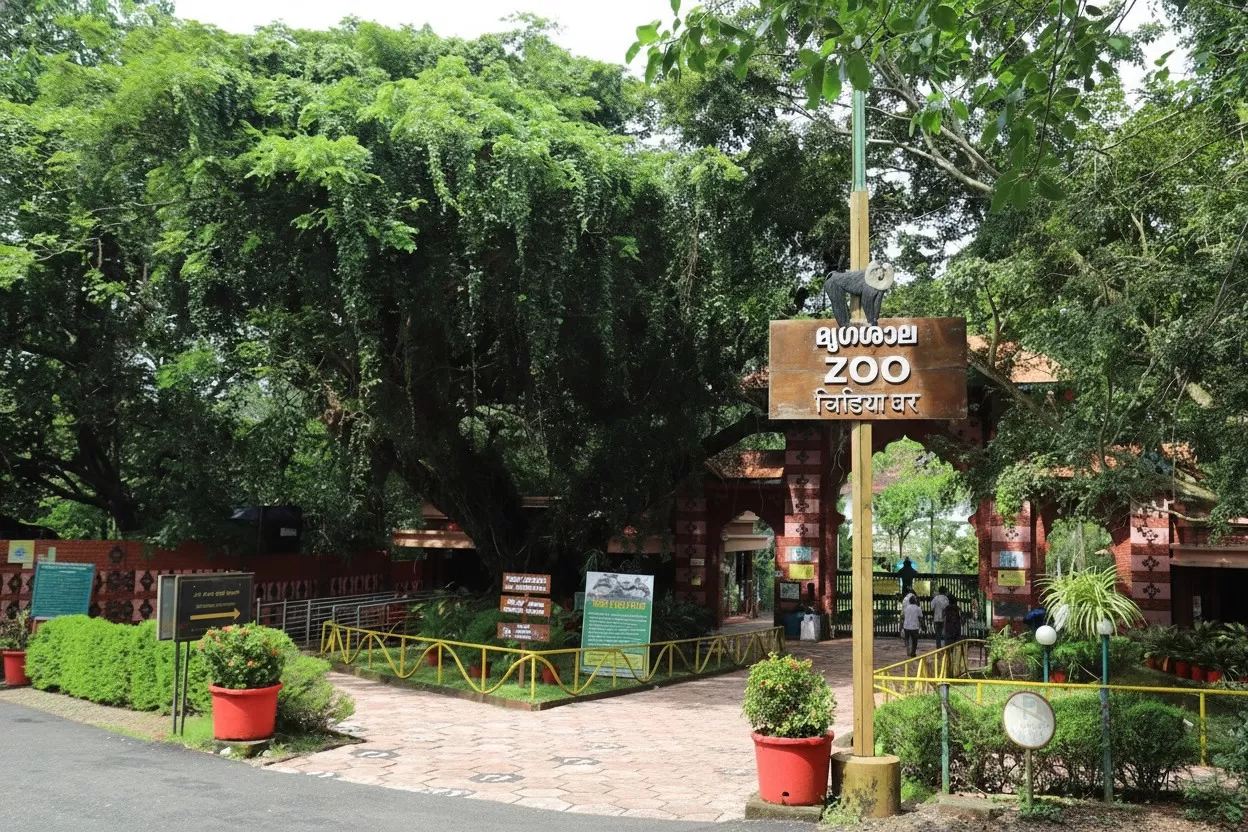
Thiruvananthapuram Zoo is one of the oldest zoos in India, established in 1857. Located in the heart of Kerala’s capital city, it is part of a larger botanical garden complex. The zoo is home to a wide variety of animals, birds, and reptiles in a lush green environment. It is known for its well-maintained enclosures and historical significance as a pioneer in wildlife conservation in India.

🌍 About This Place

Thiruvananthapuram Zoo is one of the oldest and most well-maintained zoological parks in India, established in 1857 during the reign of the Travancore kingdom. Located in the cultural heart of Kerala’s capital city, it is surrounded by lush greenery and shares its premises with the famous Napier Museum, making it a perfect blend of history, nature, and education. The zoo spans a beautifully landscaped area that feels more like a forest sanctuary than a typical urban zoo.

The zoo houses a wide variety of animals including Asiatic lions, royal Bengal tigers, elephants, giraffes, hippos, deer species, and numerous exotic birds and reptiles. One of its highlights is the emphasis on natural habitats, where animals are kept in spacious, eco-friendly enclosures designed to resemble their native environments. This makes the experience more immersive and less artificial compared to traditional zoo layouts.
Visitors can enjoy peaceful walking paths shaded by tall trees, making it comfortable even during daytime visits. The reptile house and lion-tailed macaque enclosures are particularly popular among wildlife enthusiasts. Educational boards throughout the park help visitors learn about biodiversity and conservation efforts.

The zoo is especially suitable for families, students, and tourists who want a calm yet informative outing. Its central location ensures easy accessibility from all parts of the city. Combined with nearby attractions like the Napier Museum and botanical gardens, it offers a full day of sightseeing.

Overall, Thiruvananthapuram Zoo is not just a tourist attraction but also a center for wildlife awareness and conservation education, making it a must-visit destination in Kerala.

🎯 Things to do

  • Animal & Bird Watching: Observe mammals & big cats and reptiles and birdlife in designed enclosures.
  • Botanical Garden Walk: Explore lush landscaped areas and plant collections.
  • Photography: Great for nature and wildlife photography (camera fees apply).
  • Picnic Areas: Ideal space for family outings and children’s outings.
  • Learn & Explore: Educational boards and conservation messages throughout the park.

📍 Near By

  • 🍃 Kanakakkunnu Palace & Grounds Historic palace with landscaped gardens — perfect for a relaxing walk.
  • 🖼️ Napier Museum & Art Gallery Cultural museum showcasing artefacts
  • paintings and historical exhibits.
  • 🕌 Padmanabhaswamy Temple Famous historic temple popular with both pilgrims and tourists.
  • 🌊 Kovalam Beach World-famous coastal beach area ~15–20 km away.
  • ☀️ Shankumugham Beach Popular city beachfront great for sunset walks.
  • 🐬 Veli Tourist Village Backwater meets sea area with boat rides and gardens.

🚗 How to Reach

  • By Air:-Nearest airport is Trivandrum International Airport (~4 km). Easily reachable by taxi or auto.
  • By Train:-Nearest station is Thiruvananthapuram Central Railway Station (~2 km).
  • By Road:-Well connected by buses and taxis within Thiruvananthapuram.
  • Local autos and cabs are easily available.

⭐ Why Visit

  • 🐘 One of the Oldest Zoos in India (established in 1857).
  • 🦁 Home to a wide variety of animals including lions tigers elephants and reptiles.
  • 🌿 Located inside a lush green forest-like campus giving a natural habitat feel.
  • 🐦 Great place for bird watching and photography.
  • 👨‍👩‍👧‍👦 Ideal for families kids and nature lovers.

💡 Travel Tips

  • ✔️ Best Time to Visit: October to March (pleasant weather).
  • ✔️ Visit Early Morning: Animals are more active.
  • ✔️ Carry Water & Cap: Walking area is large.
  • ✔️ Wear Comfortable Shoes: Zoo requires a lot of walking.
  • ✔️ Follow Rules: Do not feed animals or litter.
  • ✔️ Combine Visit: Visit nearby museum and park in the same complex.

✨ Special Features

  • 🌳 Natural Habitat Design: Animals are kept in open enclosures rather than cages.
  • 🦓 Diverse Wildlife: Includes mammals reptiles and exotic birds.
  • 🏞️ Botanical Garden Nearby: Part of a larger eco-tourism complex.
  • 📸 Photography Friendly: Beautiful landscaping and shaded pathways.
  • 🎓 Educational Value: Great for learning about wildlife conservation.

Okhla Bird Sanctuary

Noida Gautam Buddh Nagar Uttar Pradesh

Okhla Bird Sanctuary is a peaceful wetland located on the banks of the Yamuna River, right on the border of Noida and Delhi. It is a paradise for bird lovers, home to over 300 species of birds, including migratory birds from as far as Europe and Central Asia. The sanctuary is built around the Okhla Barrage and offers a calm escape from city noise. Okhla Bird Sanctuary is a perfect destination for nature lovers, photographers, and bird watchers. Its proximity to Delhi and Noida makes it an easy and refreshing getaway, especially during winter when migratory birds arrive.

🌍 About This Place

Okhla Bird Sanctuary is one of the most important urban wetland ecosystems in North India, located at the border of Delhi and Noida along the Yamuna River. It was declared a bird sanctuary in 1990 to protect its rich biodiversity and provide a safe habitat for migratory and resident birds. Spread across a large floodplain, the sanctuary consists of shallow water bodies, marshes, and grassy patches that support a wide variety of flora and fauna.

The sanctuary is home to more than 300 species of birds, making it a major hotspot for birdwatchers and wildlife photographers. During the winter season, it becomes even more vibrant as migratory birds arrive from distant regions such as Siberia, Europe, and Central Asia. Species like painted storks, kingfishers, herons, cormorants, and various ducks can be commonly seen here.
Apart from birds, the sanctuary also supports fish, amphibians, reptiles, and aquatic plants, forming a balanced wetland ecosystem. Observation towers and walking trails allow visitors to explore nature closely without disturbing wildlife. It is also an important site for environmental education and research.

Its location near Delhi NCR makes it a perfect weekend escape for nature lovers, students, and photographers seeking calmness away from urban life. The best time to visit is between October and March when migratory birds are most active.

Okhla Bird Sanctuary not only offers scenic beauty but also highlights the importance of conserving wetlands in rapidly urbanizing regions.

🎯 Things to do

  • Bird watching – Look for resident and migratory birds like ducks herons egrets and more.
  • Photography & nature walks – Scenic wetlands and trails are great for wildlife and landscape photos.
  • Observation towers – Strategic watch points to view birds.
  • Guided bird walks – Organized walks with experts (seasonally).
  • Peaceful nature escape from urban surroundings.

📍 Near By

  • Kalindi Kunj Gardens – Nearby green space close to Yamuna river for walks and views.
  • Noida Sector 18 Market – Shopping and food options a short ride away.
  • Surajpur Wetlands Bird Sanctuary – Another birding spot close to Noida.
  • Noida Biodiversity Park (Sector 91) – A landscaped ecology park often paired with sanctuary visits.

🚗 How to Reach

  • ✈️ By Air :-Nearest airport: Indira Gandhi International Airport (about 35 km) From airport: Taxi or cab (1–1.5 hours)
  • 🚆 By Train :-Nearest railway stations: Hazrat Nizamuddin Railway Station / New Delhi Railway Station Then take metro/cab
  • 🚇 By Metro :-Nearest station: Okhla Bird Sanctuary Metro Station Just a short walk to the entry gate
  • 🛣️ By Road :-Well connected via Noida–Delhi roads; Easy access by car & taxi or local buses

⭐ Why Visit

  • 🐦 Bird Watching Paradise – Spot rare migratory birds like Siberian cranes flamingos and kingfishers
  • 🌅 Peaceful Nature Escape – Ideal break from busy city life
  • 📸 Photography Spot – Stunning sunrise wetlands and bird shots
  • 🚶 Walking Trails – Relaxing paths for nature walks
  • 🌱 Eco-Tourism Experience – Learn about wetlands and conservation

💡 Travel Tips

  • ⏰ Best Time to Visit: November to March (winter season)
  • 🌄 Best Time of Day: Early morning (6–10 AM)
  • 🎫 Entry fee: Small fee (varies for Indians/foreigners)
  • 🔭 Carry binoculars or zoom camera for better bird viewing
  • 👟 Wear comfortable walking shoes
  • 🤫 Maintain silence to avoid disturbing birds
  • 🚫 Avoid littering – it’s an eco-sensitive zone
  • ☀️ Carry water cap and sunscreen

✨ Special Features

  • 🌍 Declared a protected bird sanctuary
  • 🦢 Hosts seasonal migratory birds (Nov–March)
  • 🌾 Rich biodiversity: birds plants reptiles and aquatic life
  • 🌊 Located near Okhla Barrage (important water body)
  • 🔭 Bird watching towers and observation points available

Tal Chhapar Wildlife Sanctuary

Chhapar Churu Rajasthan

Tal Chhapar Wildlife Sanctuary is a famous wildlife sanctuary located in Rajasthan's Churu district. Spread across approximately 7 square kilometers, it is renowned for its large population of blackbucks, vast grasslands, and rich birdlife. The sanctuary provides a unique ecosystem where desert wildlife thrives in open plains. Nature lovers, birdwatchers, photographers, and wildlife enthusiasts visit throughout the year to experience its scenic beauty, peaceful environment, and opportunities to spot rare migratory birds and native desert species.

🌍 About This Place

Tal Chhapar Wildlife Sanctuary is one of Rajasthan's most remarkable wildlife destinations, known for its vast open grasslands and thriving population of blackbucks. Situated in the Churu district near the town of Chhapar, the sanctuary covers an area of about 7 square kilometers and represents a unique ecosystem within the semi-arid region of the Thar Desert.

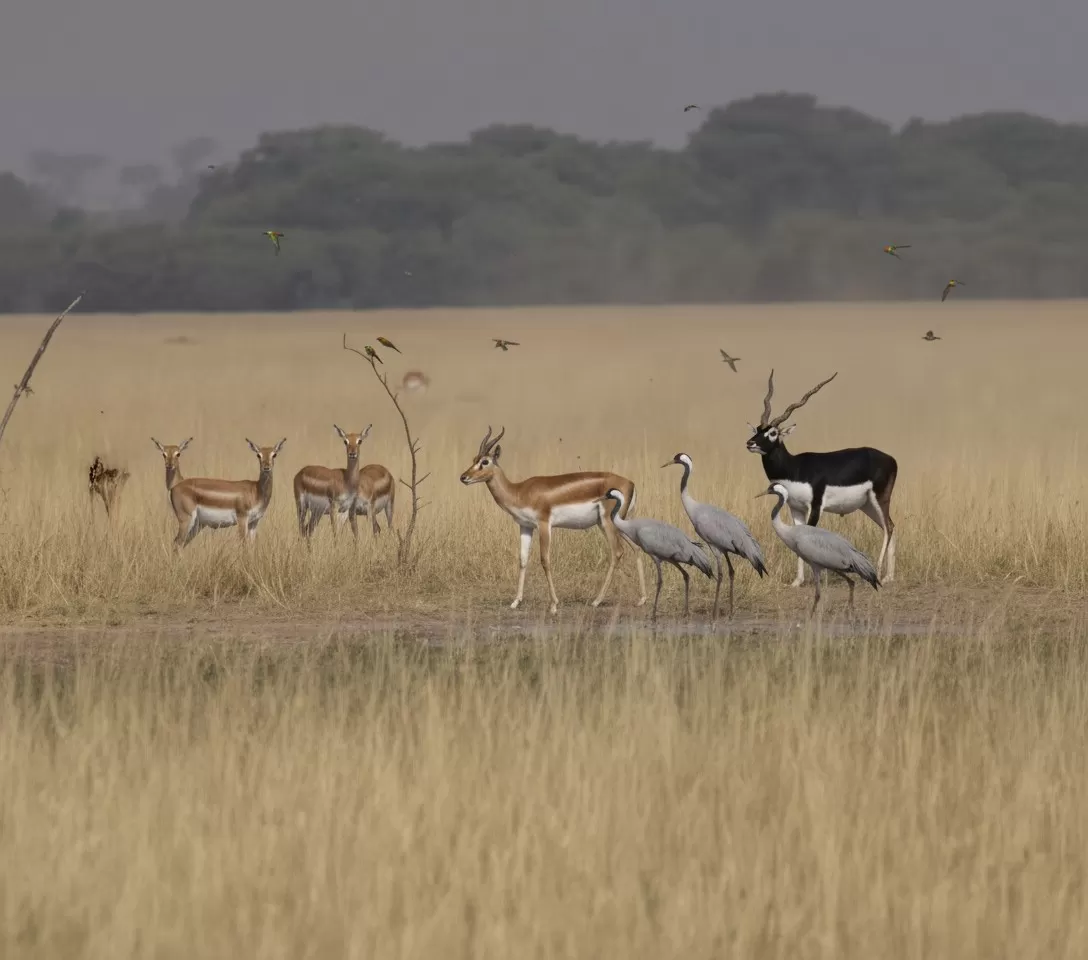
The sanctuary was originally established as a hunting reserve by the rulers of Bikaner and later declared a protected wildlife sanctuary to conserve its rich biodiversity. Today, it serves as a safe habitat for hundreds of blackbucks, making it one of the best places in India to observe these graceful antelopes in their natural surroundings. Visitors can often witness large herds grazing across the grasslands, creating a spectacular sight against the desert landscape.
Apart from blackbucks, the sanctuary supports a variety of wildlife species including desert foxes, jungle cats, Indian foxes, and numerous small mammals. However, Tal Chhapar is especially famous among birdwatchers. More than 300 bird species have been recorded here, including harriers, eagles, falcons, skylarks, wheatears, and several migratory birds that arrive during winter from Europe and Central Asia.

The flat grasslands, scattered shrubs, and seasonal wetlands create ideal conditions for both resident and migratory birds. During sunrise and sunset, the sanctuary offers breathtaking views, making it a favorite destination for photographers and nature enthusiasts.
The best time to visit is from October to March when the weather is pleasant and bird activity is at its peak. Easily accessible by road and rail, Tal Chhapar Wildlife Sanctuary provides a peaceful escape into nature and offers a rare opportunity to experience Rajasthan's grassland ecosystem, rich wildlife, and exceptional bird diversity in a serene and scenic setting.

🎯 Things to do

  • Wildlife spotting (especially Blackbucks)
  • Bird watching (winter migratory birds)
  • Photography (grassland sunset shots are amazing)
  • Jeep safari
  • Nature walks (with permission)
  • Eco-tourism stay at forest rest house

📍 Near By

  • Salasar Balaji Temple (~60 km)
  • Mandawa Fort (~120 km)
  • Fatehpur Shekhawati (heritage havelis)
  • Bikaner (Junagarh Fort
  • Karni Mata Temple)

🚗 How to Reach

  • By Air: Nearest airport is in Jaipur (approx. 200 km)
  • By Train: Closest railway station is Chhapar (about 7 km) well connected to Bikaner and Delhi
  • By Road: Easily accessible via road; regular buses and taxis run from nearby cities like Churu and Sikar.

⭐ Why Visit

  • Tal Chhapar is a paradise for birdwatchers and nature lovers.
  • It hosts migratory birds like harriers falcons and eagles during winter.
  • The sight of blackbucks running gracefully across the grassland is unforgettable.
  • Its peaceful environment offers a refreshing escape from crowded tourist spots.

💡 Travel Tips

  • Carry binoculars and a camera for birdwatching.
  • Visit early morning or late afternoon for best sightings.
  • Wear neutral-colored clothes to avoid disturbing wildlife.
  • Stay in nearby towns like Chhapar or Churu for better accommodation options.

✨ Special Features

  • Grassland Ecosystem: Rare in Rajasthan & resembling African savannas.
  • Birdwatching Hotspot: Home to over 300 species of birds.
  • Blackbuck Population: One of the best places in India to see them in large numbers.
  • Clear Visibility: Flat terrain ensures easy wildlife spotting.

Dudhwa National Park

Palia Kalan Lakhimpur Kheri Uttar Pradesh

Dudhwa National Park is one of India's finest wildlife destinations, located in the Terai region along the Indo-Nepal border. Established in 1977, it is renowned for its rich biodiversity, dense sal forests, vast grasslands, and wetlands. The park is home to Bengal tigers, one-horned rhinoceroses, elephants, swamp deer (barasingha), and over 450 bird species. As part of the Dudhwa Tiger Reserve, it offers nature lovers an authentic wilderness experience and excellent opportunities for wildlife photography and birdwatching.

🌍 About This Place

Dudhwa National Park is a premier wildlife sanctuary located in the Lakhimpur Kheri district of Uttar Pradesh, near the border of Nepal. Spread across approximately 490 square kilometers, the park forms the core area of the Dudhwa Tiger Reserve and represents one of the most important protected ecosystems in northern India. The park is situated in the fertile Terai belt, characterized by dense sal forests, extensive grasslands, marshes, and wetlands that support an extraordinary variety of flora and fauna.

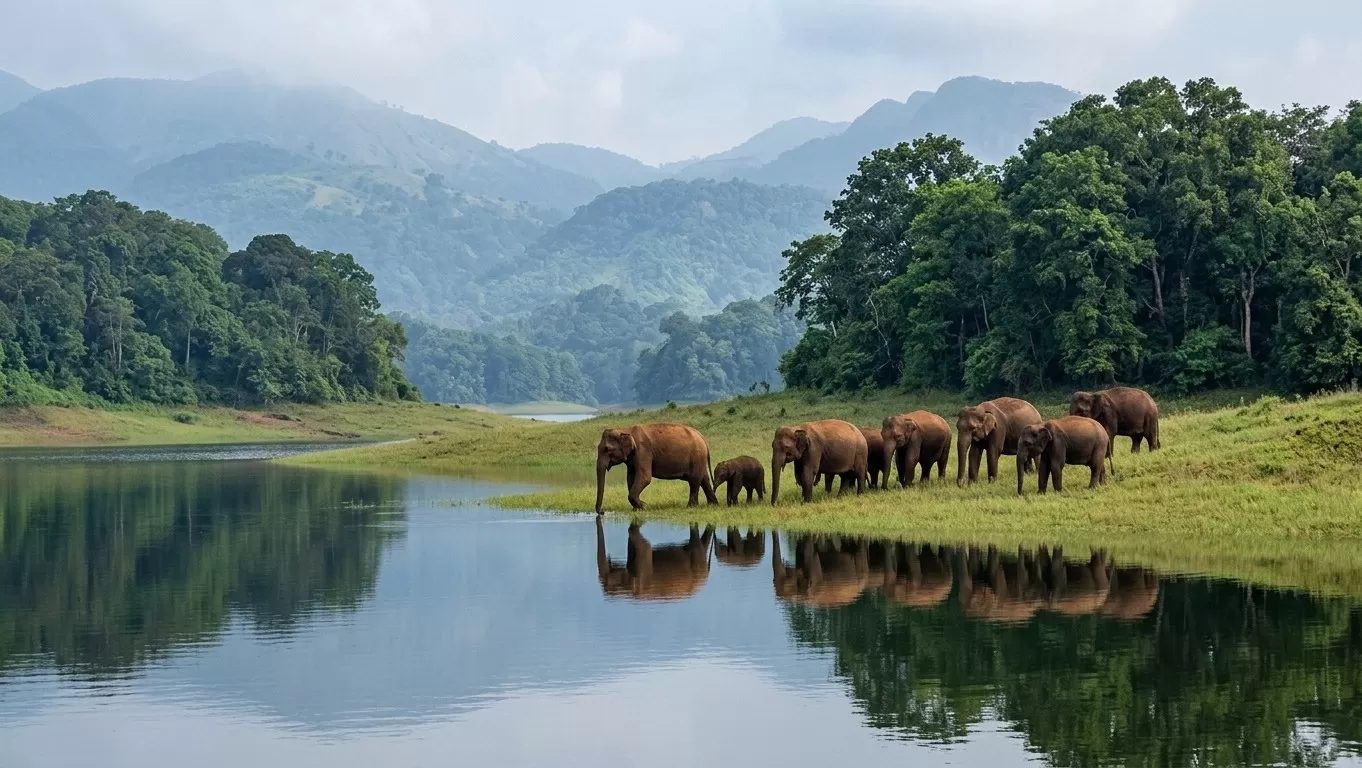
Dudhwa is particularly famous for its successful conservation efforts involving the endangered one-horned rhinoceros and the swamp deer, locally known as barasingha. The park also provides habitat for Bengal tigers, leopards, Asian elephants, sloth bears, wild boars, and numerous species of deer. Its diverse landscape makes it one of the best places in North India for wildlife observation and nature photography.
Birdwatchers are especially attracted to Dudhwa because of its remarkable avian diversity. More than 450 bird species have been recorded here, including migratory birds that arrive during winter. Wetlands within the park create ideal conditions for waterfowl, storks, eagles, owls, and many other bird species.

Visitors can explore the park through guided jeep safaris that pass through forests and grasslands, offering opportunities to observe animals in their natural surroundings. The peaceful environment and relatively low tourist crowds provide a more intimate wildlife experience compared to many other national parks in India.Apart from wildlife, Dudhwa plays a significant role in ecological conservation by preserving the fragile Terai ecosystem and maintaining biodiversity. Its combination of scenic landscapes, rich wildlife, and successful conservation programs makes Dudhwa National Park a must-visit destination for nature enthusiasts, wildlife photographers, researchers, and travelers seeking an authentic jungle adventure in northern India.
The park’s serene environment, combined with its rich biodiversity, makes it an ideal destination for nature lovers seeking tranquility and adventure. Whether it's spotting a tiger in the wild, watching herds of deer grazing, or listening to the calls of exotic birds, Dudhwa National Park promises an unforgettable experience in the heart of nature.
🐅 Bengal Tigers
🦏 Reintroduced One-Horned Rhinoceros
🦌 Swamp Deer (Barasingha)
🐘 Asian Elephants
🐆 Leopards
🐦 450+ species of birds

🎯 Things to do

  • ✔️ Jeep Safari (morning & evening)
  • ✔️ Birdwatching
  • ✔️ Elephant sightings
  • ✔️ Nature photography
  • ✔️ Visit Rhino rehabilitation area
  • ✔️ Explore nearby grassland ecosystems

📍 Near By

  • Kishanpur Wildlife Sanctuary (part of Dudhwa Tiger Reserve)
  • Katarniaghat Wildlife Sanctuary
  • Frog Temple (Bala Ji Temple)& Lakhimpur Kheri
  • Local Terai villages for eco-tourism

🚗 How to Reach

  • By Air: The nearest airport is Chaudhary Charan Singh International Airport (~230 km).
  • By Rail: The closest railway station is Dudhwa Railway Station with better connectivity via Mailani Junction.
  • By Road: Well-connected by road from Lucknow and Lakhimpur Kheri via buses and taxis

⭐ Why Visit

  • One of India’s finest Terai ecosystems with dense forests and grasslands
  • Home to rare wildlife like the one-horned rhinoceros and swamp deer (barasingha)
  • Ideal for wildlife safaris birdwatching and nature photography
  • Less crowded compared to parks like Jim Corbett National Park

💡 Travel Tips

  • Book safari permits in advance
  • Carry binoculars sunscreen and insect repellent
  • Wear neutral-colored clothing (avoid bright colors)
  • Follow forest rules strictly—no littering or loud noise

✨ Special Features

  • Part of the Dudhwa Tiger Reserve
  • Hosts over 450 bird species making it a birdwatcher’s paradise
  • Unique mix of wetlands grasslands and sal forests
  • Conservation success story for endangered species like the Bengal tiger and rhinoceros

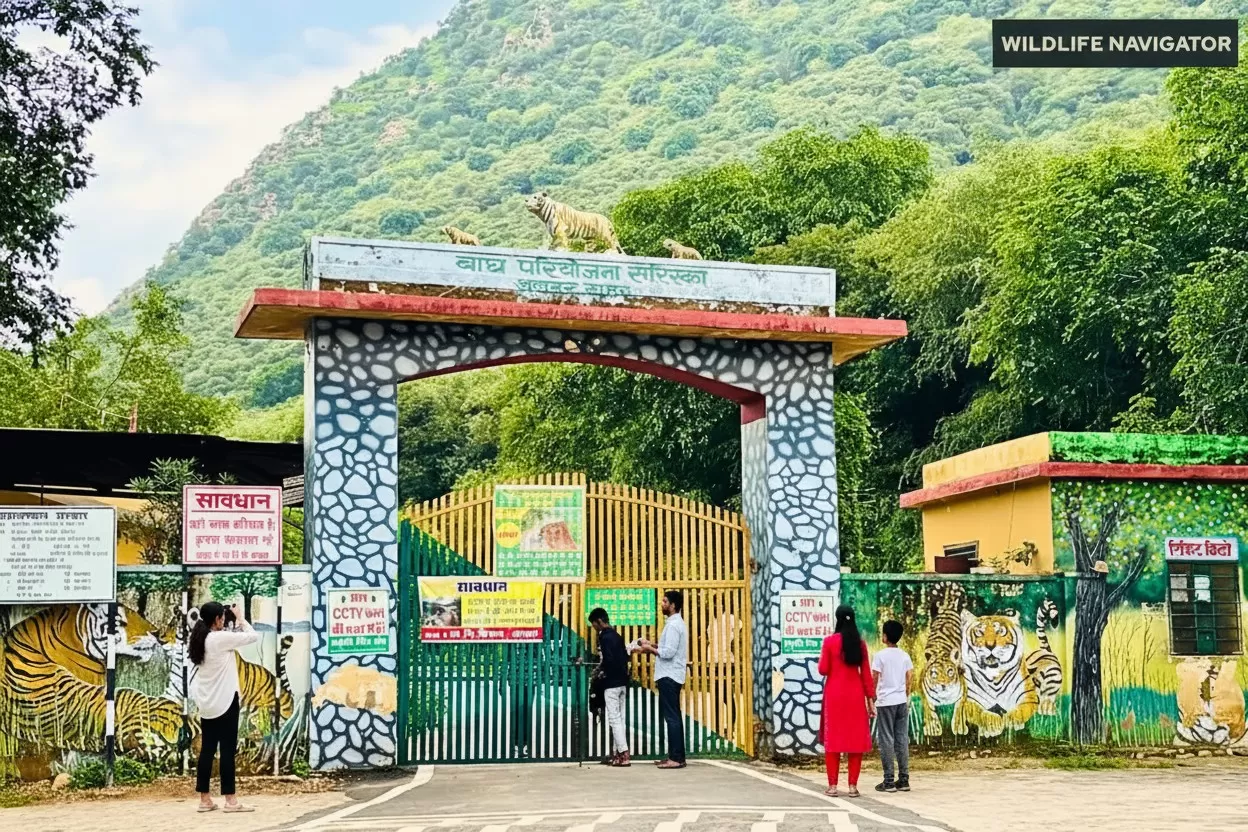
Sariska Tiger Reserve

Alwar Rajasthan

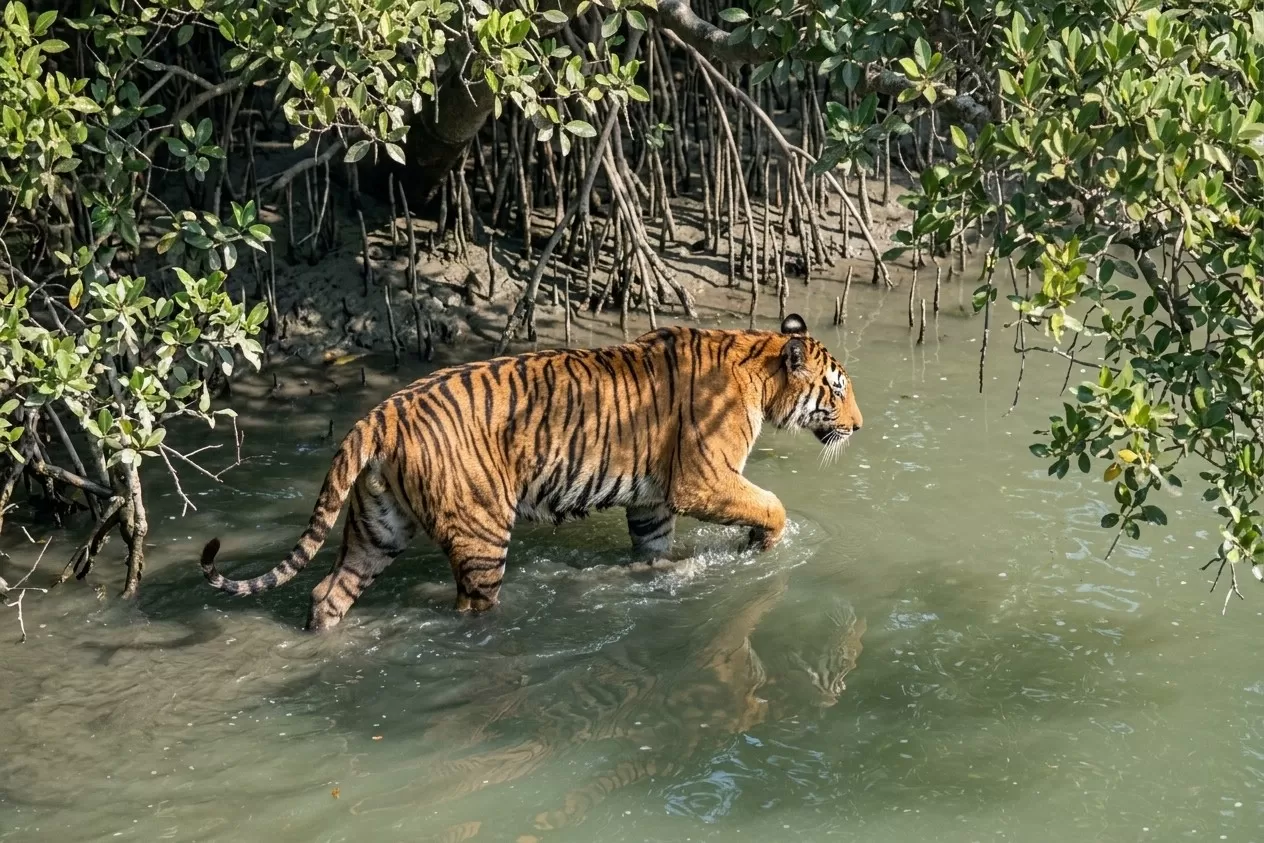
Sariska Tiger Reserve is one of Rajasthan's most famous wildlife destinations, located in the Aravalli Hills of Alwar district. Spread over approximately 881 square kilometers, the reserve is home to Bengal tigers, leopards, striped hyenas, sambar deer, nilgai, and numerous bird species. Once a royal hunting ground, Sariska was declared a tiger reserve in 1978 under Project Tiger. Its rich biodiversity, scenic landscapes, ancient temples, and historical monuments make it a popular destination for wildlife enthusiasts and nature lovers.

🌍 About This Place

Sariska Tiger Reserve is a renowned wildlife sanctuary located in the Alwar district of Rajasthan. Nestled within the ancient Aravalli Hills, the reserve covers an area of about 881 square kilometers and is known for its rich biodiversity, scenic beauty, and successful tiger conservation efforts. Originally a hunting reserve for the royal family of Alwar, it was later declared a wildlife sanctuary and subsequently became a tiger reserve under Project Tiger in 1978.

The landscape of Sariska is characterized by dry deciduous forests, scrublands, rocky hills, grasslands, and seasonal streams. This varied terrain provides suitable habitats for a wide range of wildlife species. The reserve is particularly famous for its Bengal tigers, which were reintroduced after the local tiger population disappeared due to poaching. Today, Sariska stands as an important example of successful wildlife restoration and conservation in India.
Apart from tigers, visitors can encounter leopards, jungle cats, striped hyenas, golden jackals, wild boars, sambar deer, chital, nilgai, langurs, and rhesus macaques. Bird enthusiasts can enjoy spotting numerous resident and migratory bird species throughout the year.

Sariska offers thrilling jeep and canter safaris that allow visitors to explore its natural beauty and observe wildlife in their natural habitat. The reserve also features several historical and religious attractions, including Kankwari Fort, where Mughal prince Dara Shikoh was once imprisoned, and the revered Pandupol Hanuman Temple associated with legends from the Mahabharata.

The best time to visit Sariska Tiger Reserve is between October and March when the weather is pleasant and wildlife sightings are more comfortable. Combining adventure, conservation, history, and spirituality, Sariska provides a memorable experience for nature lovers, photographers, researchers, and wildlife enthusiasts visiting Rajasthan.

🎯 Things to do

  • ✅ Jeep Safari (morning & evening)
  • ✅ Canter Safari
  • ✅ Bird Watching
  • ✅ Visit Kankwari Fort
  • ✅ Explore ancient Neelkanth Temple ruins
  • ✅ Photography
  • ✅ Visit Pandupol Temple inside forest

📍 Near By

  • Bhangarh Fort (Famous haunted fort)
  • Siliserh Lake
  • Bala Quila
  • Moosi Maharani Ki Chhatri
  • Alwar City attractions

🚗 How to Reach

  • By Air: Nearest airport is Jaipur International Airport (about 110 km).
  • By Rail: Nearest railway station is Alwar Railway Station (approx. 37 km).
  • By Road: Well connected via road from Delhi and Jaipur. Regular buses and taxis are available.

⭐ Why Visit

  • Chance to spot the majestic Bengal Tiger
  • Rich biodiversity including leopards hyenas  jackals and deer
  • Scenic landscapes perfect for photography
  • Historical attractions like Kankwari Fort

💡 Travel Tips

  • Best time to visit: October to March
  • Book safari in advance (online or at gate)
  • Early morning safaris offer better wildlife sightings
  • Wear neutral-colored clothes and carry water
  • Follow forest rules and maintain silence

✨ Special Features

  • One of the first reserves where tigers were successfully relocated
  • Unique combination of wildlife and ancient temples like Pandupol Hanuman Temple
  • Rich birdlife with over 200 species
  • Mix of natural beauty and historical ruins

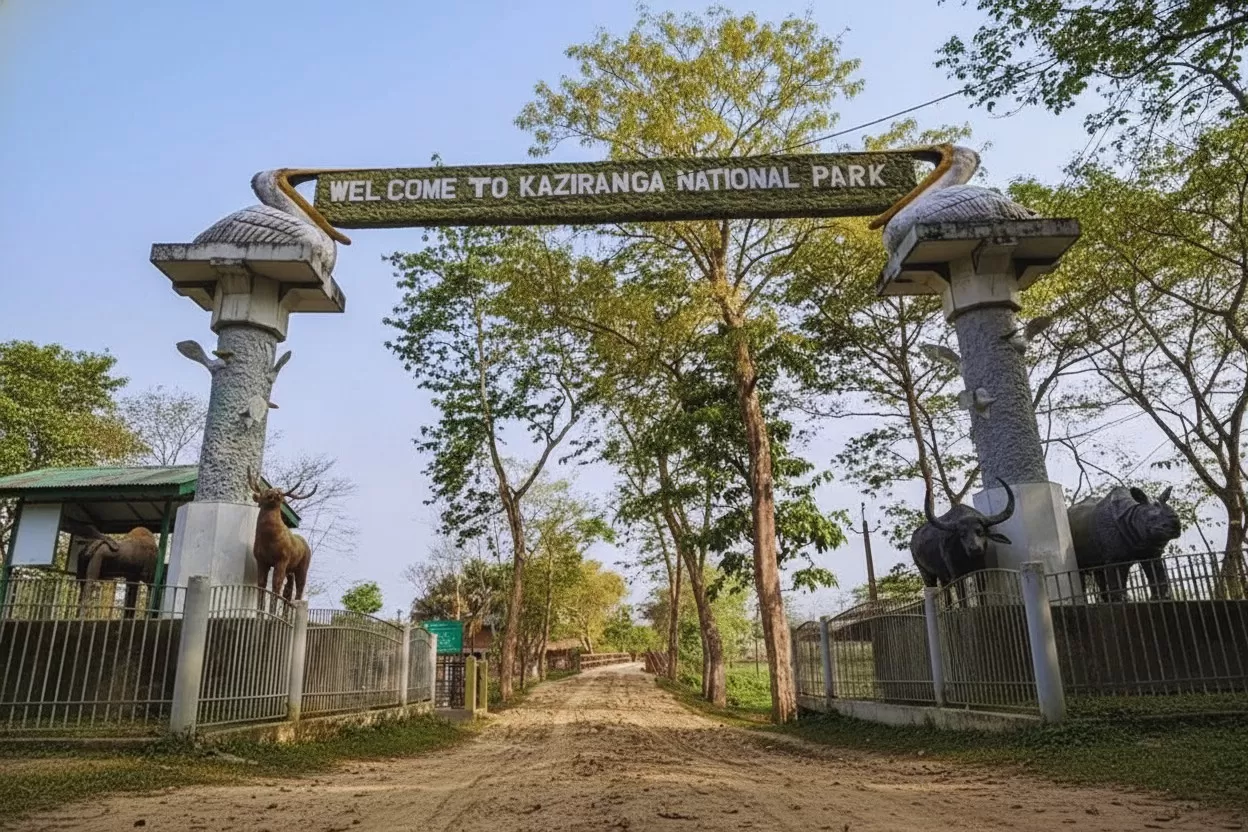
Kaziranga national park

Bokakhat (nearest town) Golaghat, Nagaon & Karbi Anglong Assam

Kaziranga National Park is one of India's most famous wildlife sanctuaries and a UNESCO World Heritage Site located in the state of Assam. Spread across the floodplains of the mighty Brahmaputra River, the park is renowned for hosting the world's largest population of the endangered Indian one-horned rhinoceros. Rich grasslands, wetlands, forests, and diverse wildlife make Kaziranga a paradise for nature lovers, photographers, and wildlife enthusiasts.

🌍 About This Place

Kaziranga National Park is one of India's most celebrated wildlife destinations and a symbol of successful conservation efforts. Located in Assam along the banks of the Brahmaputra River, the park covers vast stretches of grasslands, marshes, and tropical forests. It is internationally recognized for protecting the endangered Indian one-horned rhinoceros and is home to the largest population of this magnificent animal in the world. Established as a protected area in 1905, Kaziranga has evolved into a thriving ecosystem supporting a remarkable variety of wildlife. Visitors can spot Bengal tigers, Asian elephants, wild water buffaloes, swamp deer, and many other mammals during safari excursions. The park is also a haven for birdwatchers, with hundreds of resident and migratory bird species inhabiting its wetlands and forests.  

The natural beauty of Kaziranga is equally captivating. Expansive grasslands sway in the breeze, while numerous water bodies attract wildlife throughout the year. The annual flooding of the Brahmaputra River enriches the soil and sustains the park's unique ecological balance, creating ideal conditions for diverse flora and fauna.

Jeep safaris and elephant safaris offer visitors close encounters with wildlife in their natural habitat. Early morning excursions often provide the best opportunities for animal sightings and photography. The park's well-managed tourism facilities make it accessible and enjoyable for families, nature enthusiasts, and adventure seekers alike.

Recognized as a UNESCO World Heritage Site, Kaziranga National Park stands as a shining example of wildlife conservation in India. Its extraordinary biodiversity, stunning landscapes, and iconic rhinoceros population make it a must-visit destination for anyone seeking an unforgettable experience in the heart of nature.

🎯 Things to do

  • Jeep Safari (Central
  • Western
  • Eastern & Burapahar Ranges)
  • Elephant Safari (Best for close rhino sightings)
  • Bird Watching (Migratory and wetland birds)
  • Wildlife Photography
  • Visit Kaziranga Orchid & Biodiversity Park
  • Nature Walks (outside core zones)
  • Local Assamese Cultural Experience .

📍 Near By

  • Kakochang Waterfalls (≈13 km)
  • Karbi Anglong Hills
  • Kaziranga Orchid Park
  • Panbari Reserve Forest
  • Brahmaputra River Viewpoints
  • Numaligarh Tea Estates
  • Numaligarh Refinery & Heritage Village..

🚗 How to Reach

  • By Air :-The nearest airport is Jorhat Airport approximately 95 km from Kaziranga. Another convenient option is Lokpriya Gopinath Bordoloi International Airport about 220 km away. Taxis and buses are available from both airports.
  • By Train :- The nearest major railway stations are Furkating Junction (around 75 km) and Guwahati Railway Station. Regular trains connect these stations with major Indian cities.
  • By Bus :-Kaziranga is well connected by road to Guwahati  Jorhat Tezpur  and other towns of Assam. State transport and private buses operate regularly. Taxis can also be hired from nearby cities.

⭐ Why Visit

  • Home to more than two-thirds of the world's one-horned rhinoceroses.
  • Excellent opportunities for jeep and elephant safaris.
  • Rich biodiversity with tigers elephants  wild buffaloes  swamp deer and numerous bird species.
  • UNESCO World Heritage Site status.
  • Beautiful landscapes featuring grasslands  wetlands and forests.
  • Ideal destination for wildlife photography and birdwatching.

💡 Travel Tips

  • Best time to visit: November to April.
  • Wear comfortable clothing in earthy colors.
  • Carry binoculars and a camera.
  • Book safari permits in advance during peak season.
  • Follow park rules and maintain silence during safaris.
  • Carry sunscreen  hats and drinking water.
  • Avoid visiting during the monsoon season when parts of the park may remain closed.

✨ Special Features

  • World's largest population of Indian one-horned rhinoceroses.
  • Part of the India Tiger Reserve network.
  • Habitat for over 500 species of birds.
  • Frequent sightings of elephants  wild buffaloes  and deer.
  • Unique ecosystem shaped by annual Brahmaputra floods.

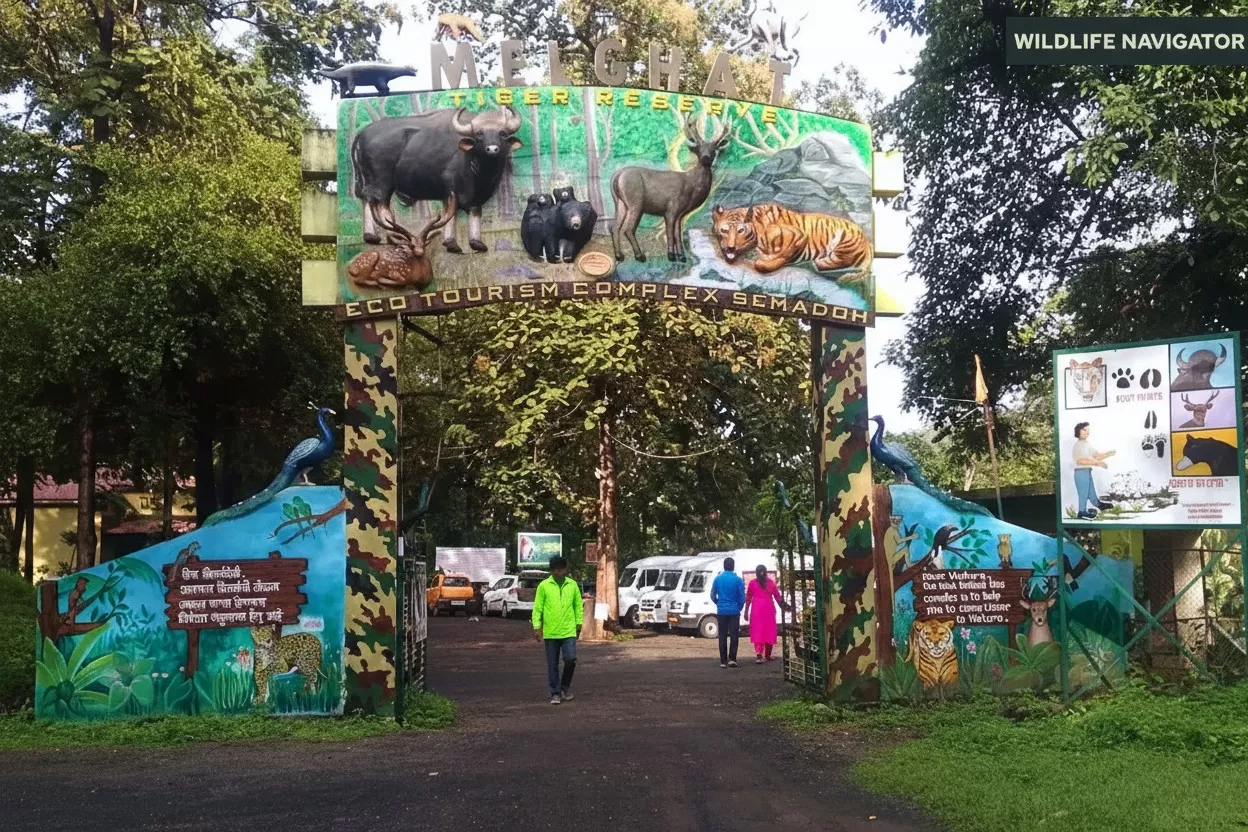
Melghat Tiger Reserve

Amravati Maharashtra

Melghat Tiger Reserve is located in the northern part of Maharashtra's Amravati district, nestled in the Satpura Hills (Gavilgarh Range). Established in 1974 under Project Tiger, it was among the first nine tiger reserves in India and the first tiger reserve in Maharashtra. The name "Melghat" means "meeting of the ghats," referring to the region's numerous valleys and hills. The reserve is famous for its rich biodiversity, dense teak forests, deep ravines, rivers, and diverse wildlife.

🌍 About This Place

Melghat Tiger Reserve, situated in the Amravati district of Maharashtra, is one of India's most significant wildlife conservation areas. Spread across the rugged Satpura Hills, the reserve was established under Project Tiger in 1974 and holds the distinction of being Maharashtra's first tiger reserve. Covering a vast area of forests, valleys, rivers, and hills, Melghat offers visitors a unique combination of natural beauty and rich biodiversity.

The reserve derives its name from the phrase "meeting of the ghats," reflecting the network of valleys and mountain ranges that shape its dramatic landscape. Dense teak forests dominate the terrain, providing an ideal habitat for a wide variety of wildlife. Melghat is home to majestic Bengal tigers, leopards, sloth bears, gaurs, wild dogs, sambar deer, barking deer, and many species of birds, reptiles, and insects.
Apart from wildlife, Melghat attracts visitors with its breathtaking scenery. The rolling hills, deep ravines, and flowing rivers create spectacular viewpoints and excellent opportunities for photography. The nearby hill station of Chikhaldara and the historic Gawilgarh Fort add cultural and historical interest to the region.

Nature enthusiasts can enjoy jeep safaris, bird watching, trekking, and eco-tourism activities. The reserve is also important from an ecological perspective, as it forms part of the catchment area of the Tapti River and supports several tribal communities, including the Korku and Gond tribes.

Melghat remains less crowded than many other tiger reserves in India, allowing visitors to experience the wilderness in a peaceful and authentic setting. Its combination of wildlife, scenic beauty, ecological importance, and adventure makes Melghat Tiger Reserve one of Maharashtra's most rewarding destinations for nature lovers and wildlife enthusiasts.

🎯 Things to do

  • Jeep Safari for tiger & wildlife spotting
  • Bird watching (paradise for bird lovers)
  • Wildlife & nature photography
  • Nature trails & forest walks (with guides)
  • Visit tribal villages (eco-tourism experience)
  • Enjoy scenic viewpoints & forest landscapes
  • Learn about conservation & forest ecology.

📍 Near By

  • Gawilgarh Fort – historic fort with valley views
  • Bhima Kund – waterfall & natural pool
  • Mozari Point – scenic picnic viewpoint
  • Shakkar Lake – peaceful lakeside picnic spot
  • Panchbol Point – panoramic hill views
  • Semadoh Forest Area – nature & picnic area.

🚗 How to Reach

  • By Air :- Nearest Airport: Dr. Babasaheb Ambedkar International Airport Nagpur; Distance: Approximately 225–250 km from Melghat; Taxis and buses are available from Nagpur to Chikhaldara Semadoh  and other entry points.
  • By Train :- Nearest Railway Station: Badnera Junction; Other nearby stations: Amravati Railway Station and Akola Junction; From the station  taxis and buses connect visitors to Semadoh Chikhaldara  Kolkas and Harisal.
  • By Road :- Well connected by road from Nagpur Amravati Akola Pune Mumbai and Indore.Regular MSRTC buses operate via Paratwada  Dharni  Chikhaldara and Semadoh.

⭐ Why Visit

  • One of India's oldest tiger reserves.
  • Opportunity to spot tigers leopards sloth bears  gaurs  wild dogs  sambar and numerous bird species.
  • Spectacular landscapes of hills valleys rivers and forests.
  • Less crowded than many famous tiger reserves.
  • Excellent destination for wildlife photography and nature lovers.
  • Close to the hill station of Chikhaldara and historic Gawilgarh Fort.

💡 Travel Tips

  • Best time to visit: October to June; wildlife sightings are best from December to May.
  • Carry binoculars  sunscreen hats  and comfortable walking shoes.
  • Book safari permits and accommodation in advance during peak season.
  • Wear earth-toned clothing to avoid disturbing wildlife.
  • Maintain silence during safaris and follow forest department rules.
  • Early morning safaris offer the best wildlife viewing opportunities.
  • Mobile network coverage may be limited inside forest areas.

✨ Special Features

  • First Tiger Reserve in Maharashtra.
  • Part of the Satpura mountain ecosystem.
  • Dense teak forests covering large areas.
  • Home to one of India's largest populations of Indian Gaur.
  • Important watershed for the Tapti River and its tributaries.
  • Rich tribal culture of the Korku and Gond communities.
  • Scenic valleys waterfalls and panoramic viewpoints.