





Sundarbans
8:00 AM - 5:00 PM
₹₹60–₹120 (varies by zone)
November to February
1 to 2 days.
Available
Yes
Sundarbans
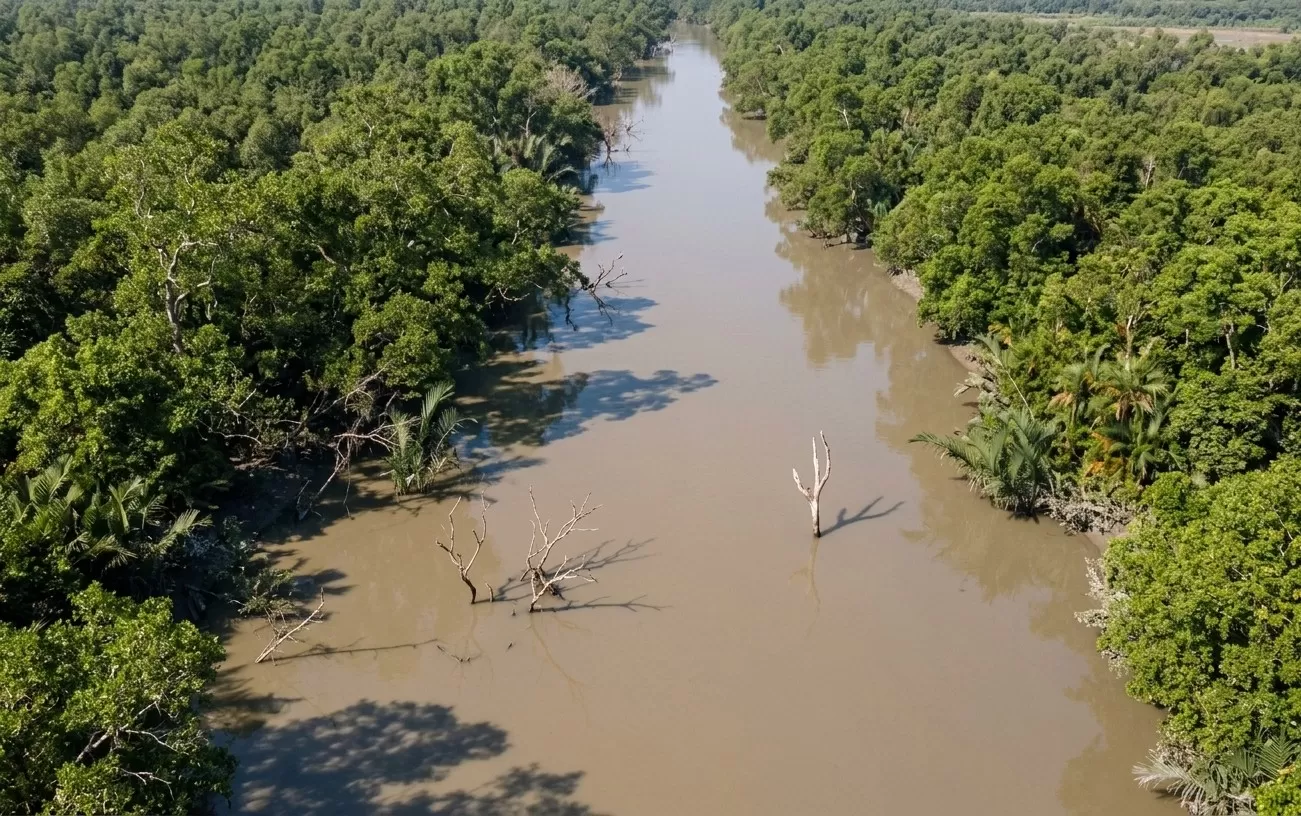
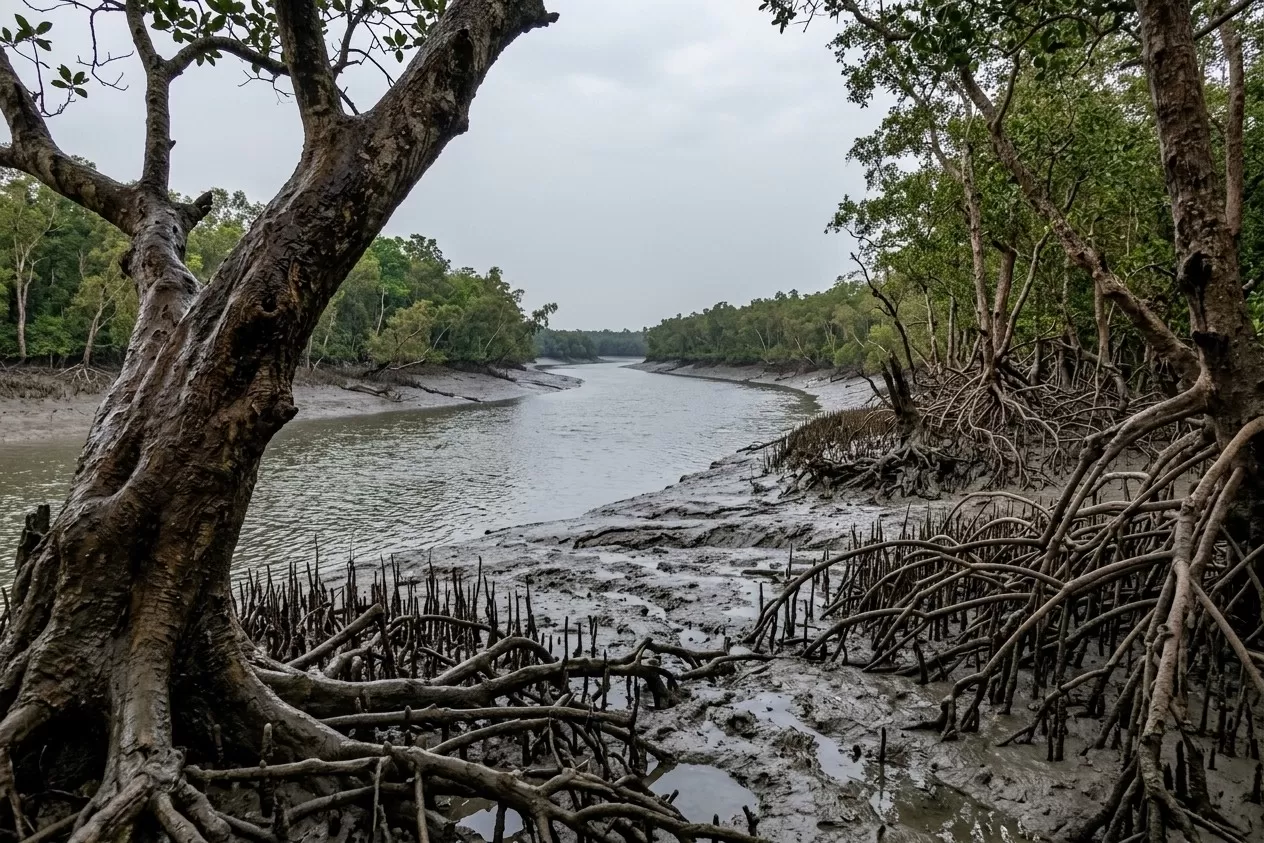
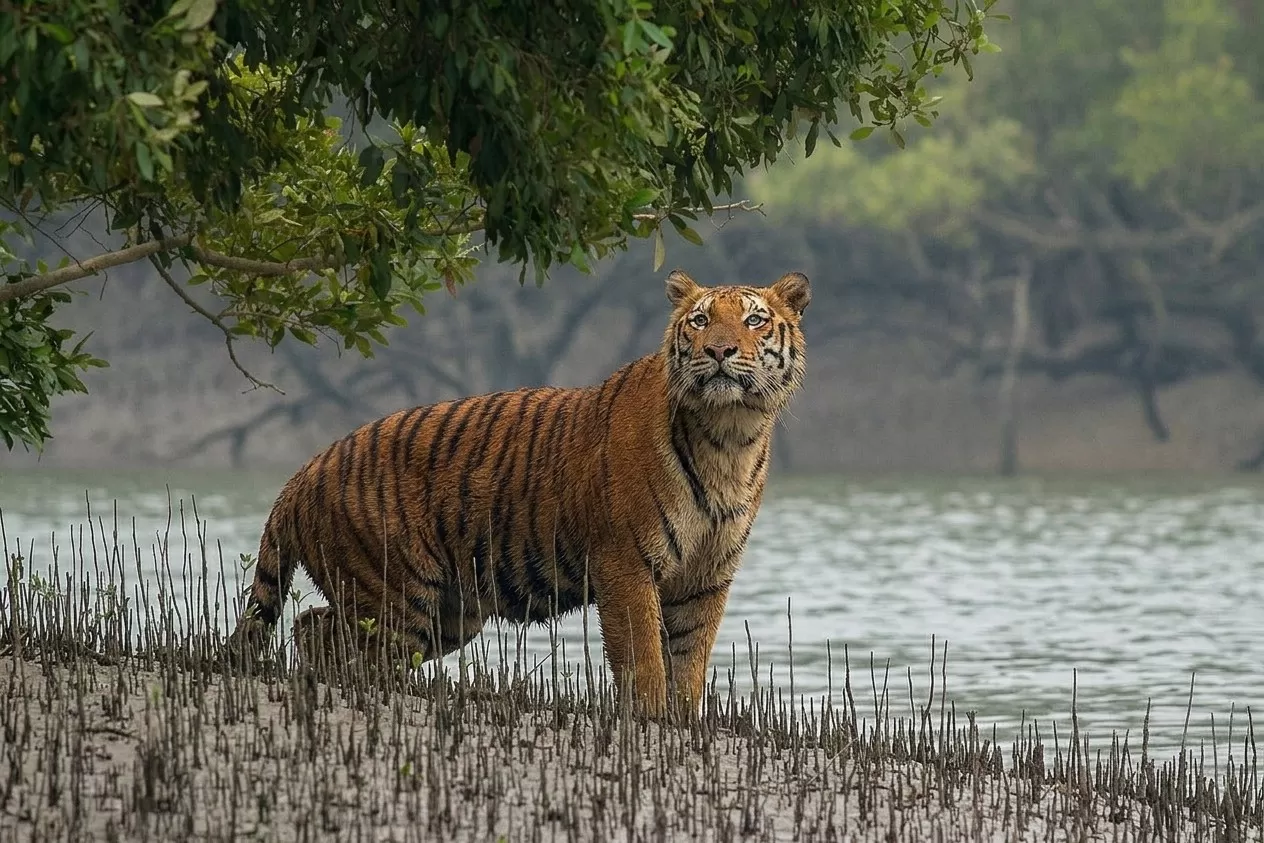
The Sundarbans is the world's largest mangrove forest and one of India's most remarkable natural treasures. Located in the delta formed by the Ganges, Brahmaputra, and Meghna rivers, it is famous for its unique ecosystem and the majestic Royal Bengal Tiger. The region is home to diverse wildlife including crocodiles, spotted deer, dolphins, and hundreds of bird species. Its network of rivers, creeks, and islands creates a breathtaking landscape that attracts nature lovers, wildlife enthusiasts, and adventure seekers from around the world.
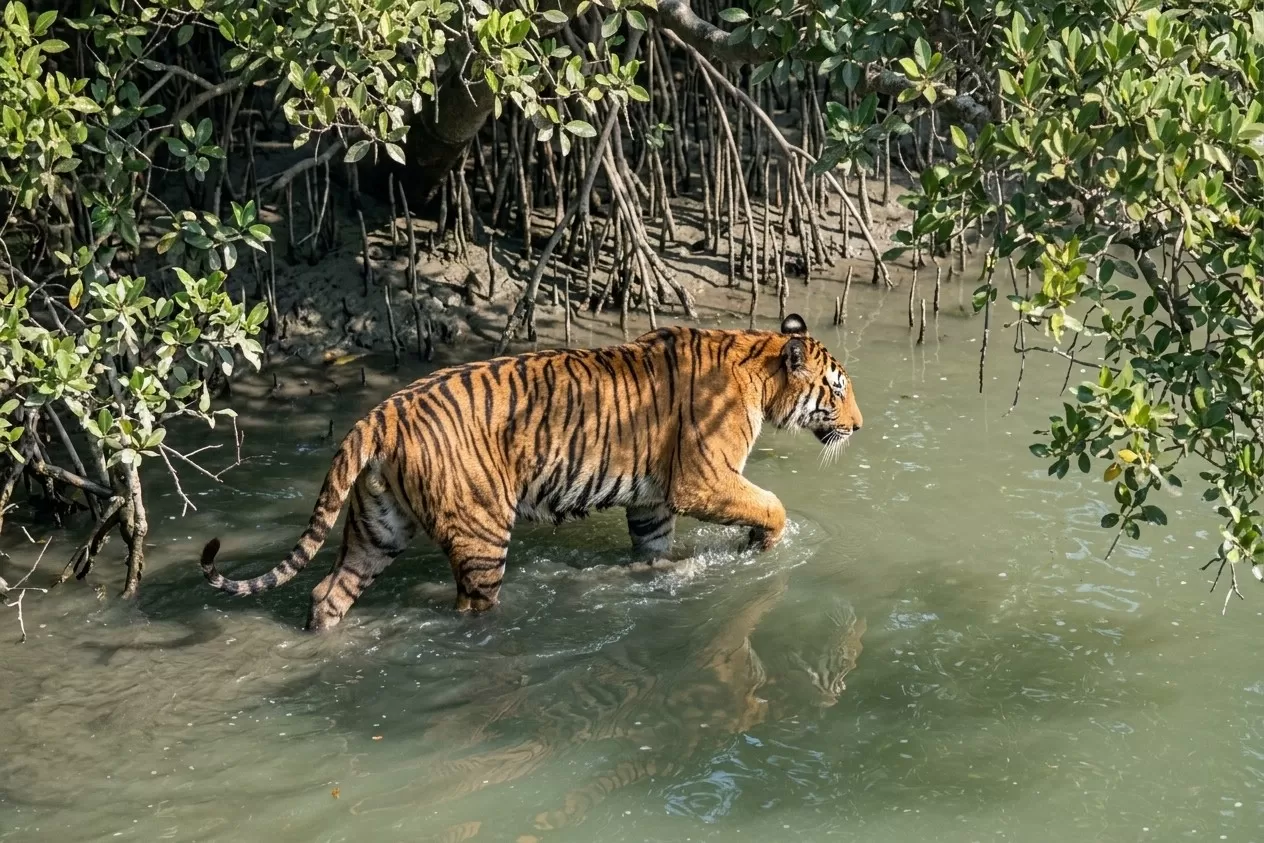
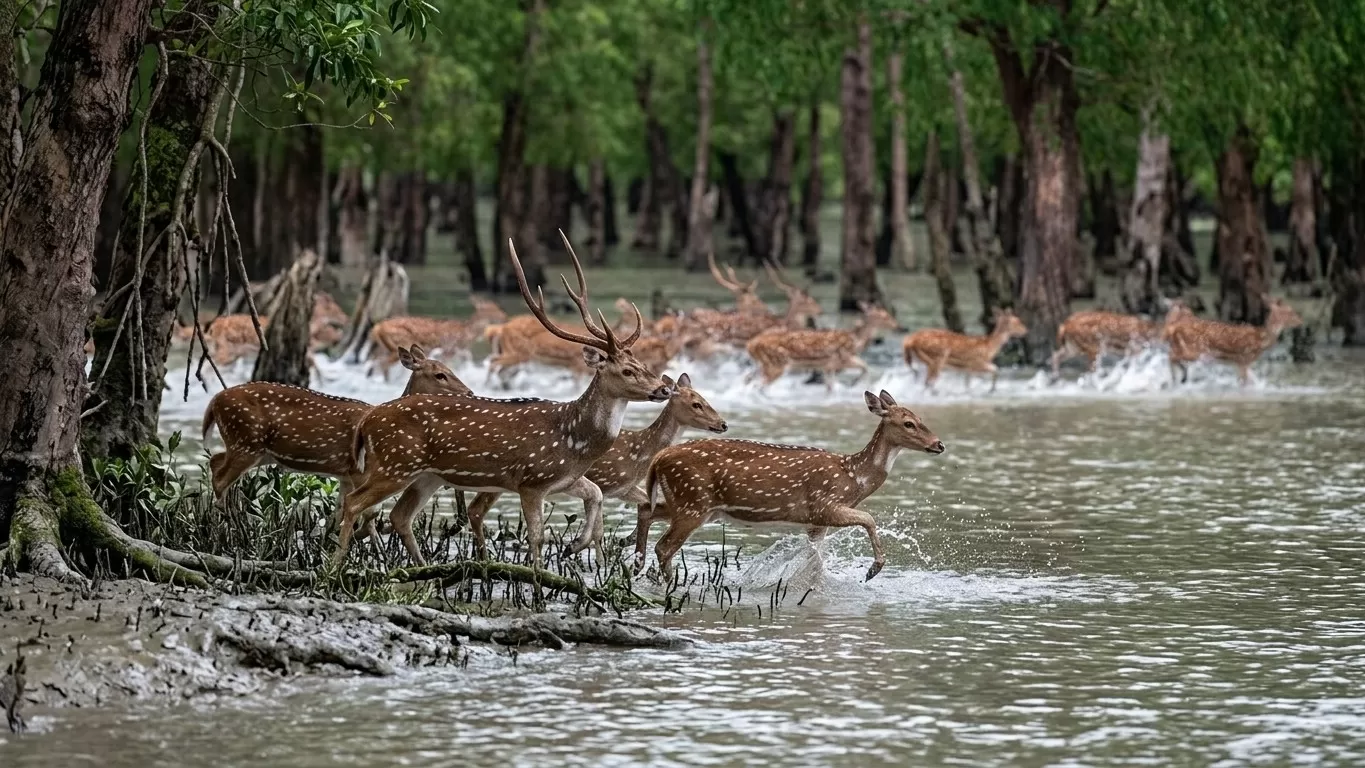
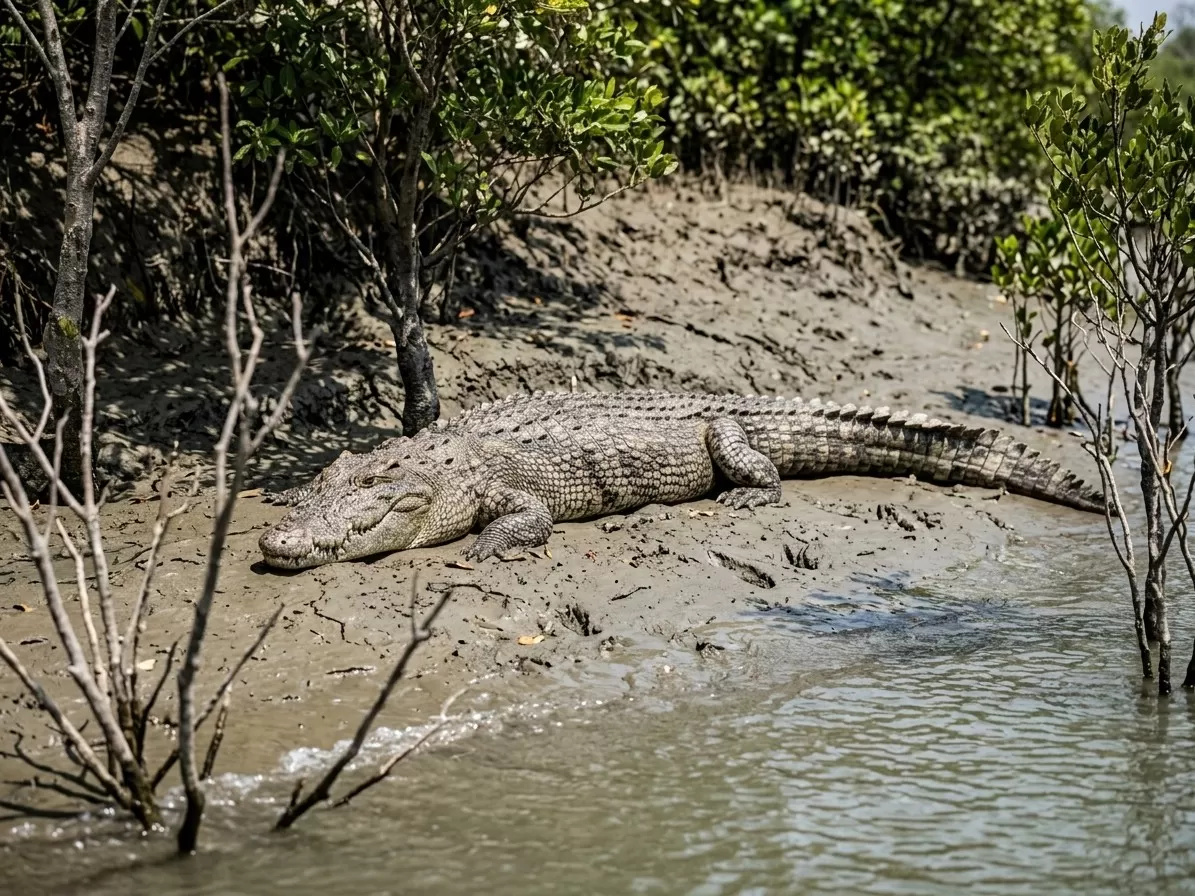
The park is best known as the habitat of the Royal Bengal Tiger, which has adapted to life in the mangrove forests and is known for its swimming abilities. Apart from tigers, the Sundarbans supports a rich variety of wildlife including estuarine crocodiles, fishing cats, wild boars, spotted deer, monitor lizards, Gangetic dolphins, and numerous bird species.
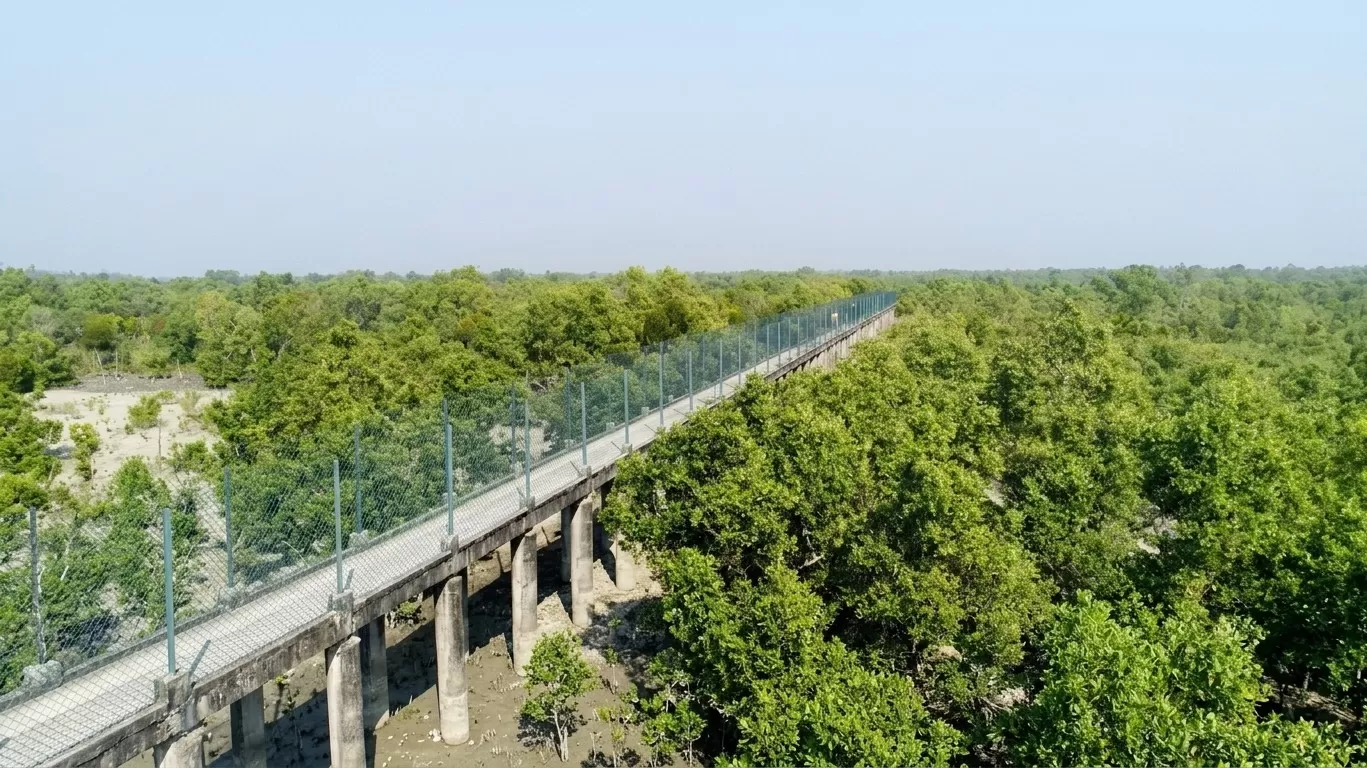
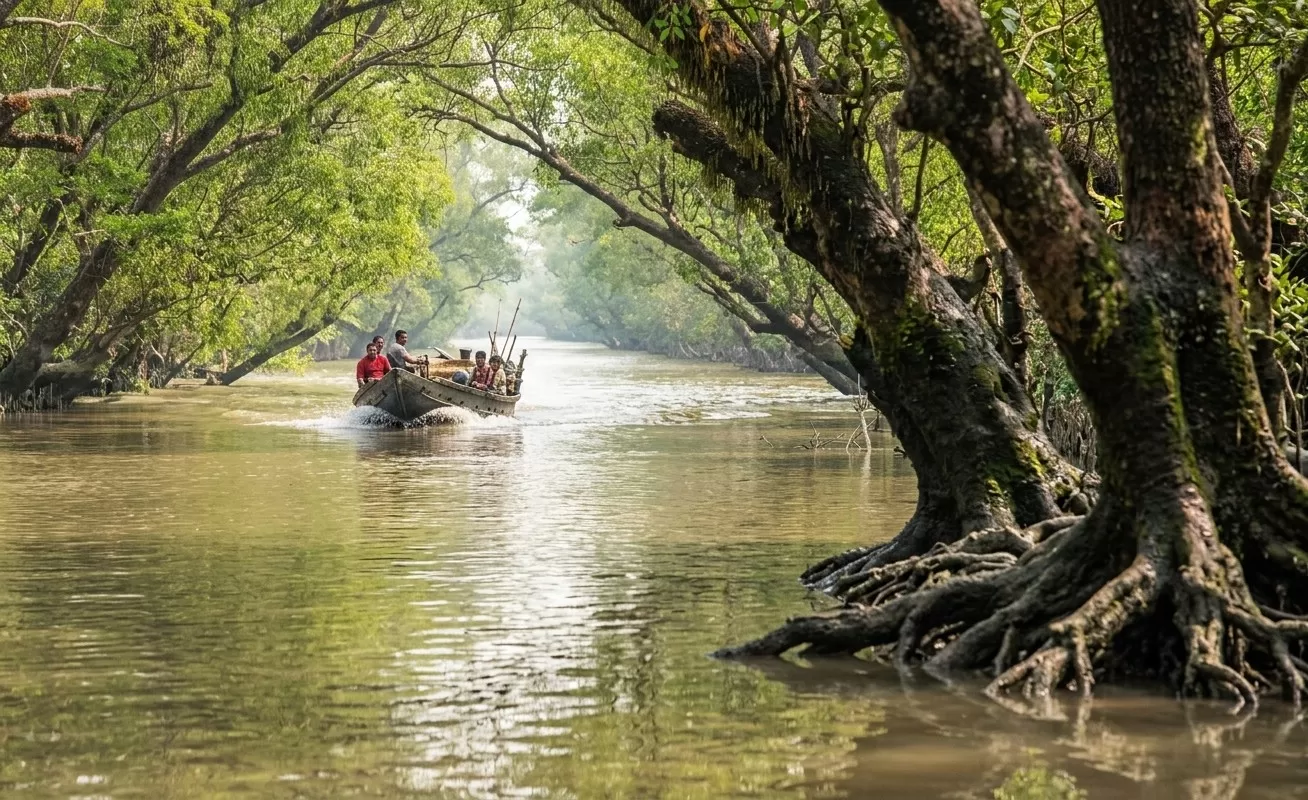
Visitors usually explore the area through boat safaris, which provide opportunities to observe wildlife while navigating through scenic waterways. Popular watchtowers such as Sajnekhali, Sudhanyakhali, and Dobanki offer excellent viewpoints for wildlife spotting. The tranquil environment, lush greenery, and unique mangrove landscape make the Sundarbans a paradise for photographers and nature enthusiasts.
The region also plays a vital role in protecting coastal areas from cyclones and tidal surges. The mangrove forests act as a natural barrier and support the livelihoods of local communities dependent on fishing, honey collection, and eco-tourism. A visit to the Sundarbans offers a rare opportunity to witness one of the most distinctive ecosystems on Earth while experiencing the rich cultural heritage of the local communities.
📜 History
The history of the Sundarbans goes back many centuries and is closely connected with the rivers, forests, and people of eastern India and Bangladesh. In ancient times, this region was home to small settlements where people depended on fishing, farming, and collecting forest products for their livelihood. Over time, repeated floods, cyclones, and changes in river courses forced many villages to disappear beneath the dense mangrove forests.
During the Mughal period, parts of the Sundarbans came under administrative control, but the thick forests remained largely untouched because of their difficult terrain and the presence of wild animals. Later, when the British ruled India, they started clearing sections of the forest during the late 18th and early 19th centuries to encourage agriculture and human settlements. Embankments were also built to protect cultivated land from tidal water.
The Sundarbans became internationally known because it is the world's largest mangrove forest and the natural habitat of the famous Royal Bengal Tiger. Recognising its unique ecological importance, UNESCO declared the Sundarbans National Park a World Heritage Site in 1987. Today, the Sundarbans is not only an important wildlife reserve but also a symbol of the delicate relationship between nature and human life. Despite facing frequent cyclones and rising sea levels, the local communities continue to preserve their traditions while living alongside one of the most remarkable ecosystems in the world.
🍛 Famous Food
1. Prawn Malai Curry
Prawn Malai Curry is one of the most popular dishes in the Sundarbans region. Fresh river prawns are cooked in a rich coconut milk gravy with mild spices, giving the dish a creamy texture and delicious flavour. It is usually served with steamed rice and is loved by both locals and tourists.
2. Bhapa Ilish
Bhapa Ilish is a traditional Bengali delicacy prepared using Hilsa fish. The fish is coated with mustard paste, green chillies, and mustard oil before being steamed to perfection. Its soft texture and rich taste make it one of the signature dishes of the region.
Visitor Statistics
0
Thousand Visitors / Year
4.4/5
Average Rating
2-3 Hours
Average Visit Duration
365
Open Days / Year
88+
Nearby Hotels
70+
Restaurants Nearby
Why Visit Sundarbans?
Discover what makes this destination one of the most loved tourist attractions.
Safari
Enjoy an exciting safari through the national park to spot wildlife. Follow park regulations and maintain silence during the safari.
Wildlife Photography
Capture stunning photographs of wild animals and natural landscapes. Respect wildlife by keeping a safe distance and avoiding disturbance.
Bird Watching
Observe a variety of resident and migratory birds in their natural habitat. Carry binoculars and enjoy peaceful birdwatching throughout the park.
Nature Walk
Walk along designated nature trails surrounded by forests and wildlife. Learn about the park's rich biodiversity while enjoying fresh air.
Camping
Experience camping amidst nature where camping is permitted. Follow eco-friendly practices and respect the protected environment.
Visit Interpretation Centre
Visit the interpretation centre to learn about wildlife and conservation. Explore exhibits, educational displays, and interactive information.
Eco Tourism
Experience eco-friendly tourism while helping protect nature and wildlife. Follow responsible travel practices to preserve the park's ecosystem.
Scenic Drive
Enjoy a scenic drive through beautiful forest roads and viewpoints. Keep an eye out for wildlife while following all traffic and park rules.
Scenic Drive
Enjoy a scenic drive through beautiful forest roads and viewpoints. Keep an eye out for wildlife while following all traffic and park rules.
Travel Tips & Essential Information
Everything you should know before visiting Sundarbans.
Best Time to Visit
November to February
What to Wear
Wear comfortable clothes and walking shoes. Carry a light jacket during winter mornings.
Photography
Sunrise and sunset provide the best lighting for beautiful photographs.
Local Food
Try nearby local restaurants to enjoy authentic regional cuisine.
Safety Tips
Keep your belongings secure and follow local guidelines during your visit.
Accessibility
The destination is accessible by road with nearby parking and public transport facilities.
Carry Water
Stay hydrated, especially during summer and while exploring outdoor attractions.
Nearby Facilities
Hotels, restaurants, ATMs, fuel stations and medical services are available nearby.
Travel Information
How to Reach
- By Air: Nearest airport is Netaji Subhas Chandra Bose International Airport Kolkata.,
- By Train: Reach Canning Railway Station from Kolkata.,
- By Road: Regular buses and taxis are available from Kolkata to Godkhali.,
- By Water: Boats are available from Godkhali Jetty to Sundarbans.
Travel Tips & Essential Information
- Carry valid ID proof.,
- Book safaris in advance.,
- Wear light cotton clothing.,
- Carry binoculars and a camera.,
- Follow forest department rules.,
- Avoid littering.,
- Carry mosquito repellent.,
- Stay hydrated.
Why Visit
- Home of the Royal Bengal Tiger,
- Largest Mangrove Forest in the World,
- UNESCO World Heritage Site,
- Unique Biodiversity,
- Exciting Boat Safaris,
- Excellent Bird Watching Opportunities,
- Stunning Natural Landscapes,
- Rich Local Culture
Special Features
- World's largest mangrove forest.,
- Habitat of the famous Royal Bengal Tiger.,
- UNESCO World Heritage Site.,
- Rich ecosystem with rivers creeks and islands.,
- Important natural shield against cyclones.,
- Home to rare aquatic and terrestrial wildlife.
Things To Do
Current Weather
--°C
...
Gosaba, West Bengal--%
-- km/h
--
--
Photo Gallery
Find on Map
Visited Sundarbans?
Share your experience, tips, and photos to help other travelers.
Share Your Experience
November to February
8:00 AM - 5:00 PM
The entry fee is ₹₹60–₹120 (varies by zone).
1 to 2 days.
By Air: Nearest airport is Netaji Subhas Chandra Bose International Airport Kolkata.,
By Train: Reach Canning Railway Station from Kolkata.,
By Road: Regular buses and taxis are available from Kolkata to Godkhali.,
By Water: Boats are available from Godkhali Jetty to Sundarbans.