

Explore Historical Places in India
India is home to some of the worlds most remarkable historical landmarks. Magnificent forts, royal palaces, museums and cultural heritage sites reflect the countrys rich history, architecture and traditions. From the majestic forts of Rajasthan to the historic monuments of Delhi, ancient forts of Maharashtra and heritage museums across India, every destination offers a unique glimpse into Indias glorious past.
Browse complete travel guides for Indias famous historical places including entry fees, opening hours, best time to visit, nearby attractions, travel tips and Google Maps directions. FunYatra regularly updates every destination guide to help travellers explore Indias rich cultural and historical heritage.
Orchha
📍 Orchha • Tikamgarh • Madhya Pradesh
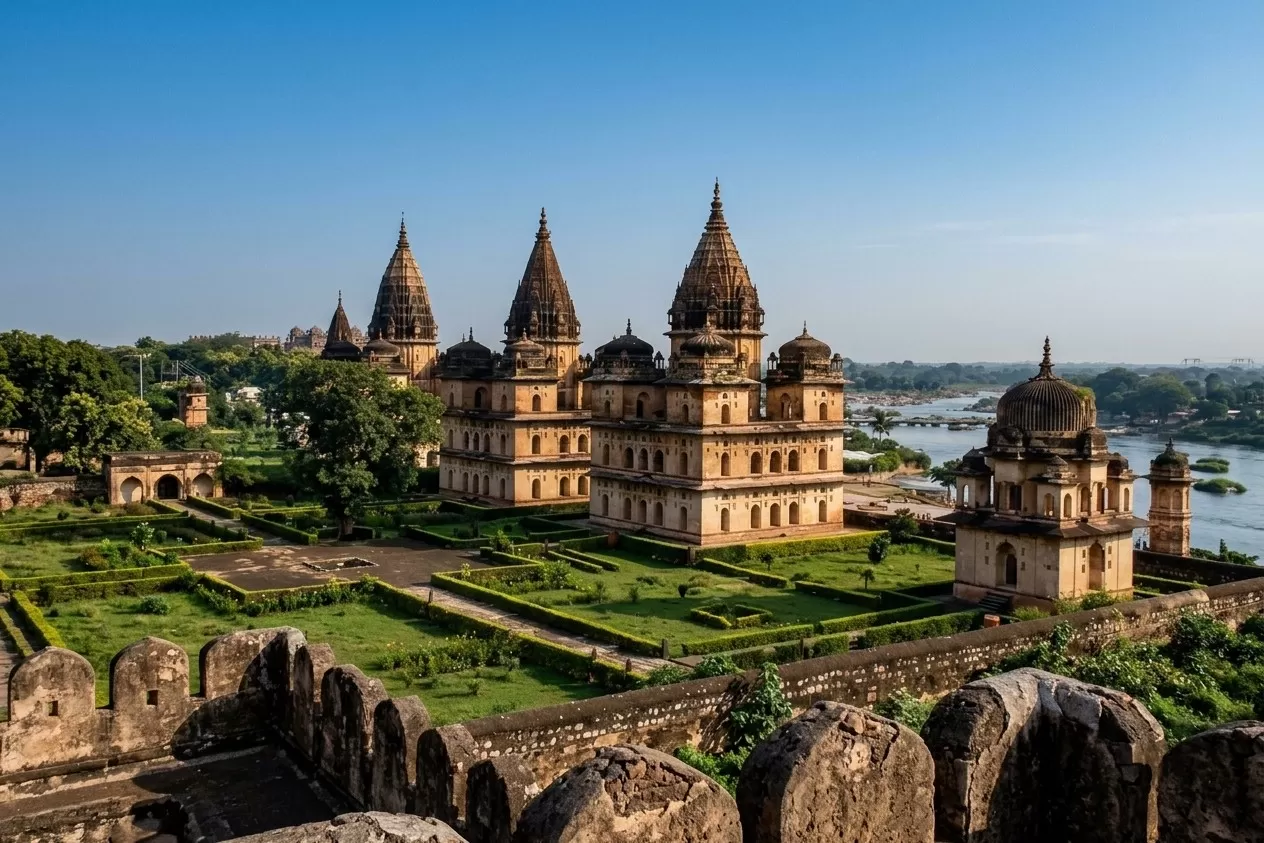
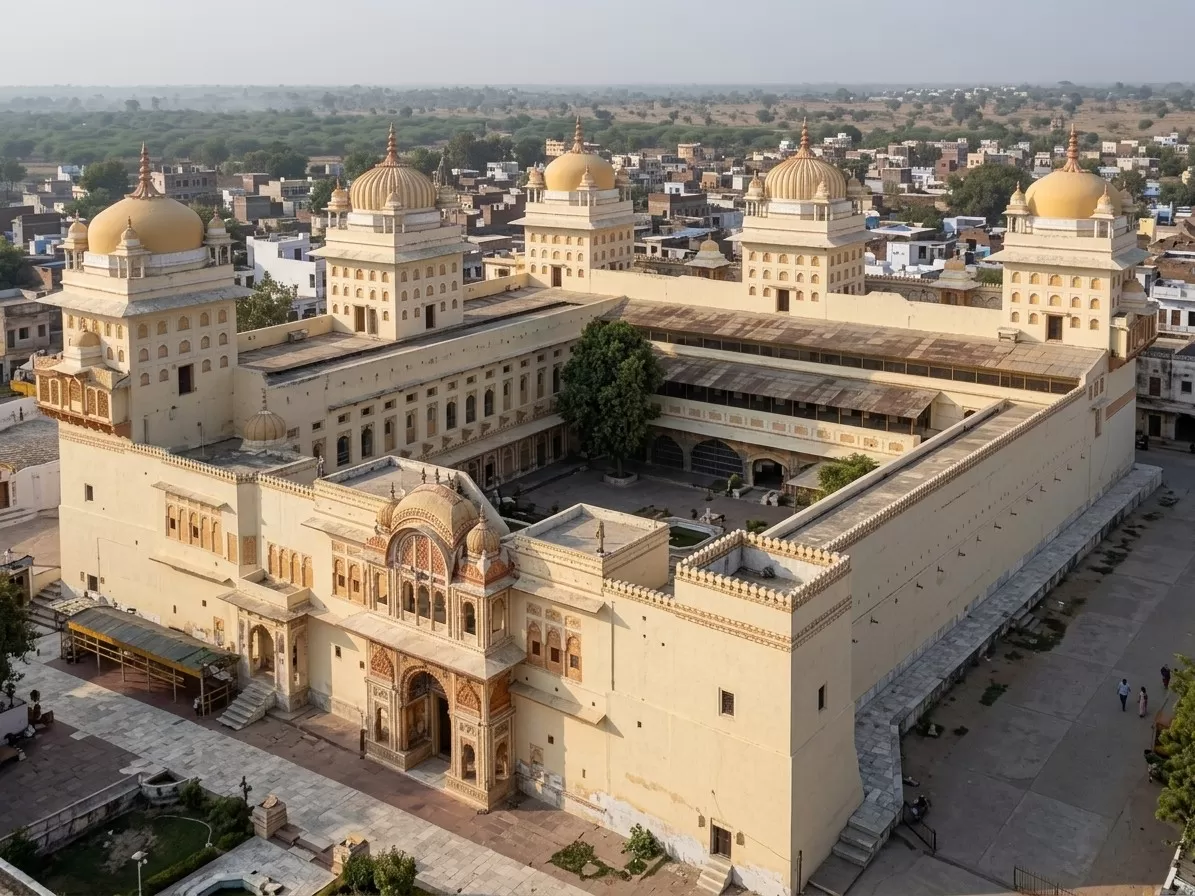
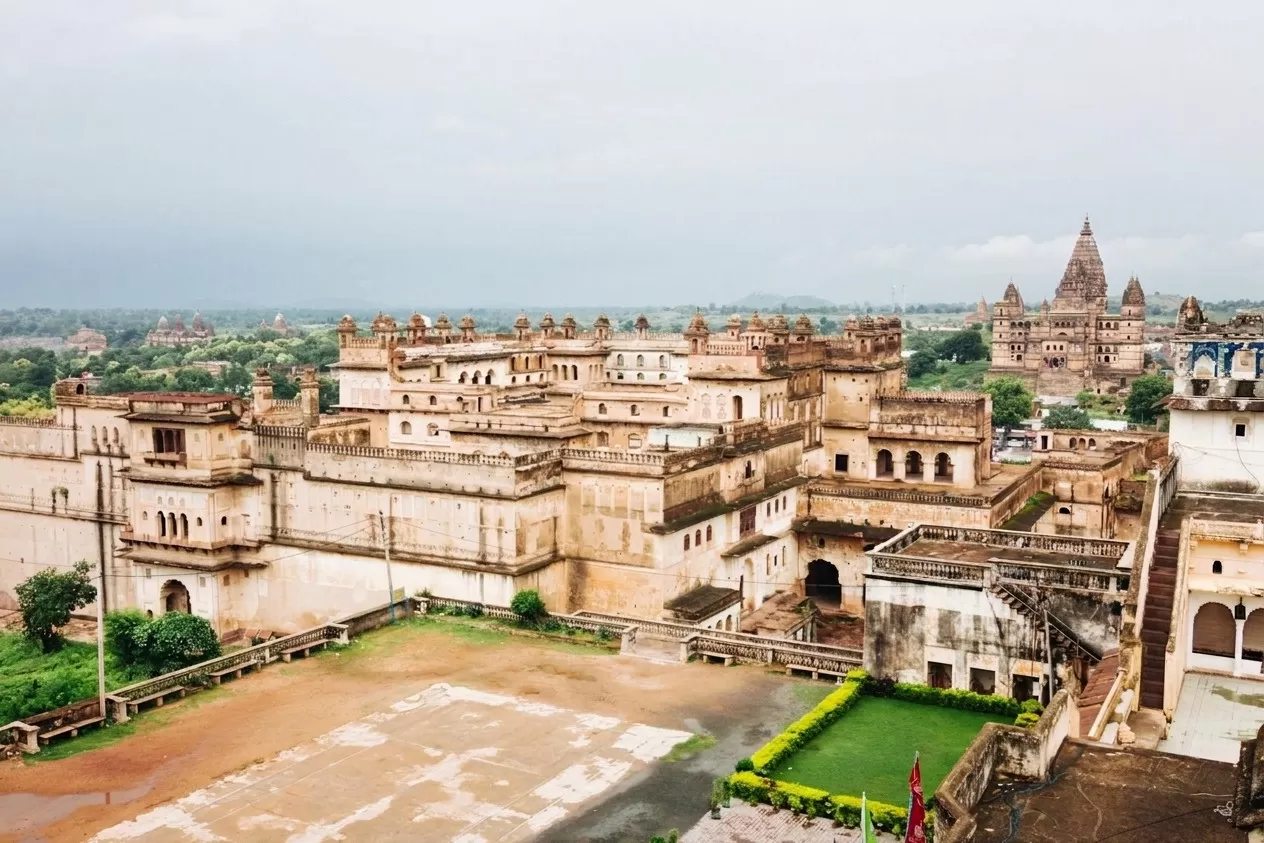
Orchha is a historic town located on the banks of the Betwa River in Madhya Pradesh, India. Founded in the 16th century by the Bundela Rajputs, it is famous for its magnificent forts, palaces, temples, and cenotaphs. The town showcases a unique blend of Rajput and Mughal architecture, attracting history lovers, photographers, and spiritual travelers. Major attractions include Jahangir Mahal, Raja Mahal, Ram Raja Temple, Chaturbhuj Temple, and the scenic Chhatris. Orchha's peaceful atmosphere and rich cultural heritage make it one of the most fascinating heritage destinations in central India.
Statue of Unity
📍 Ekta Nagar • Narmada • Gujarat
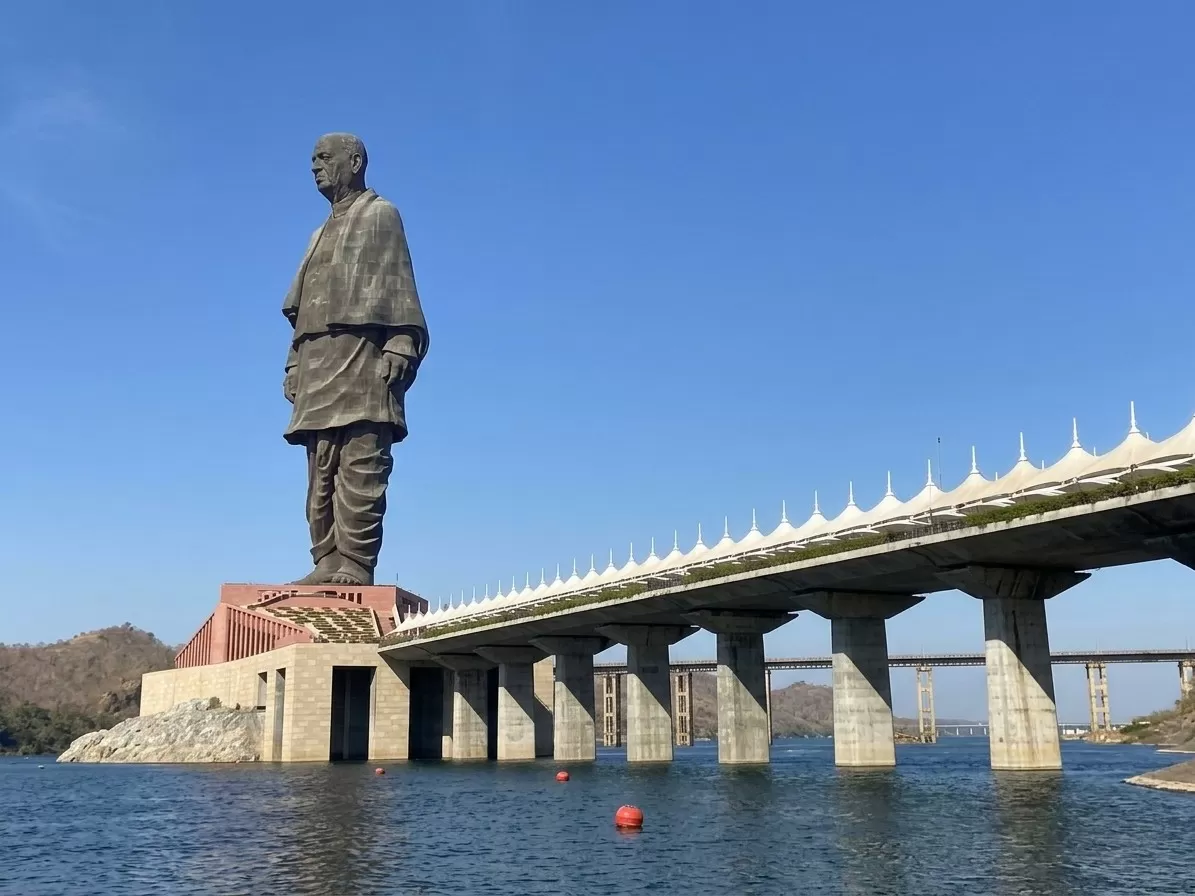
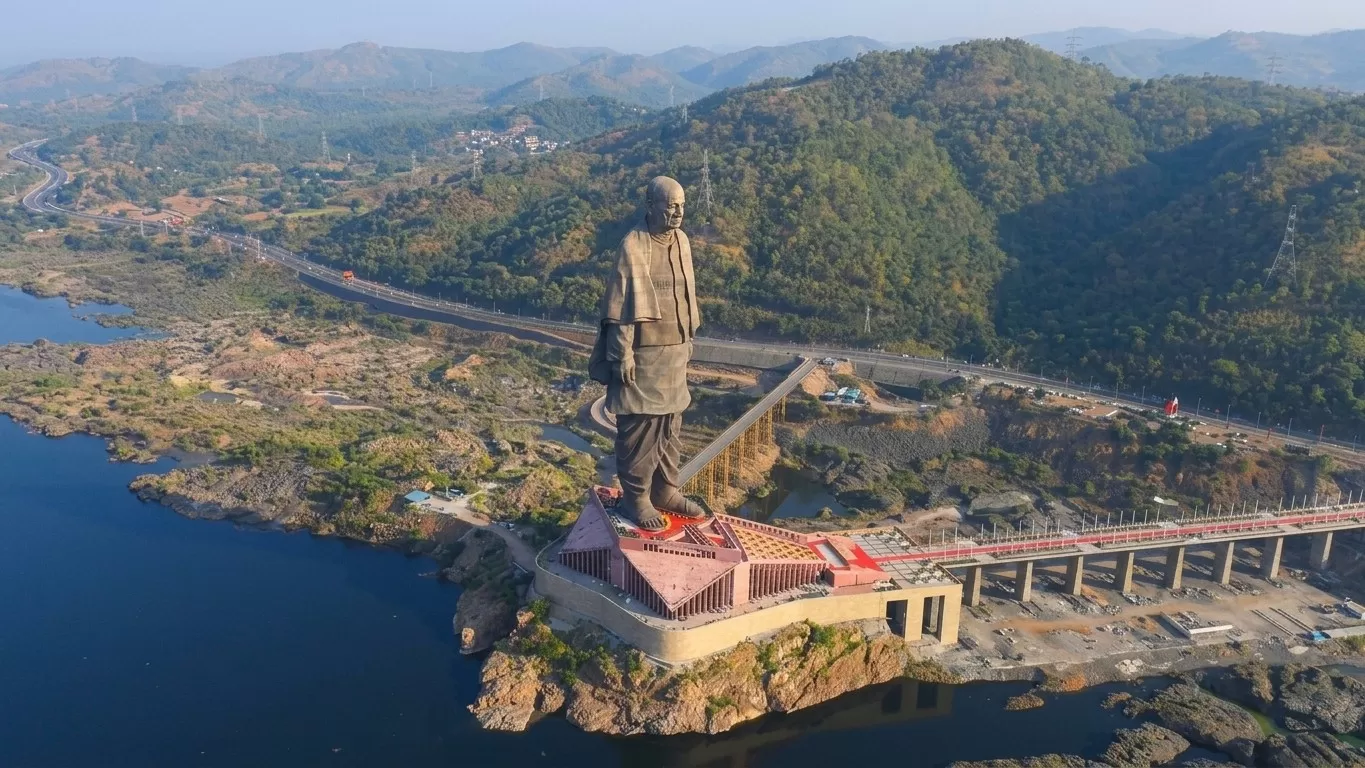
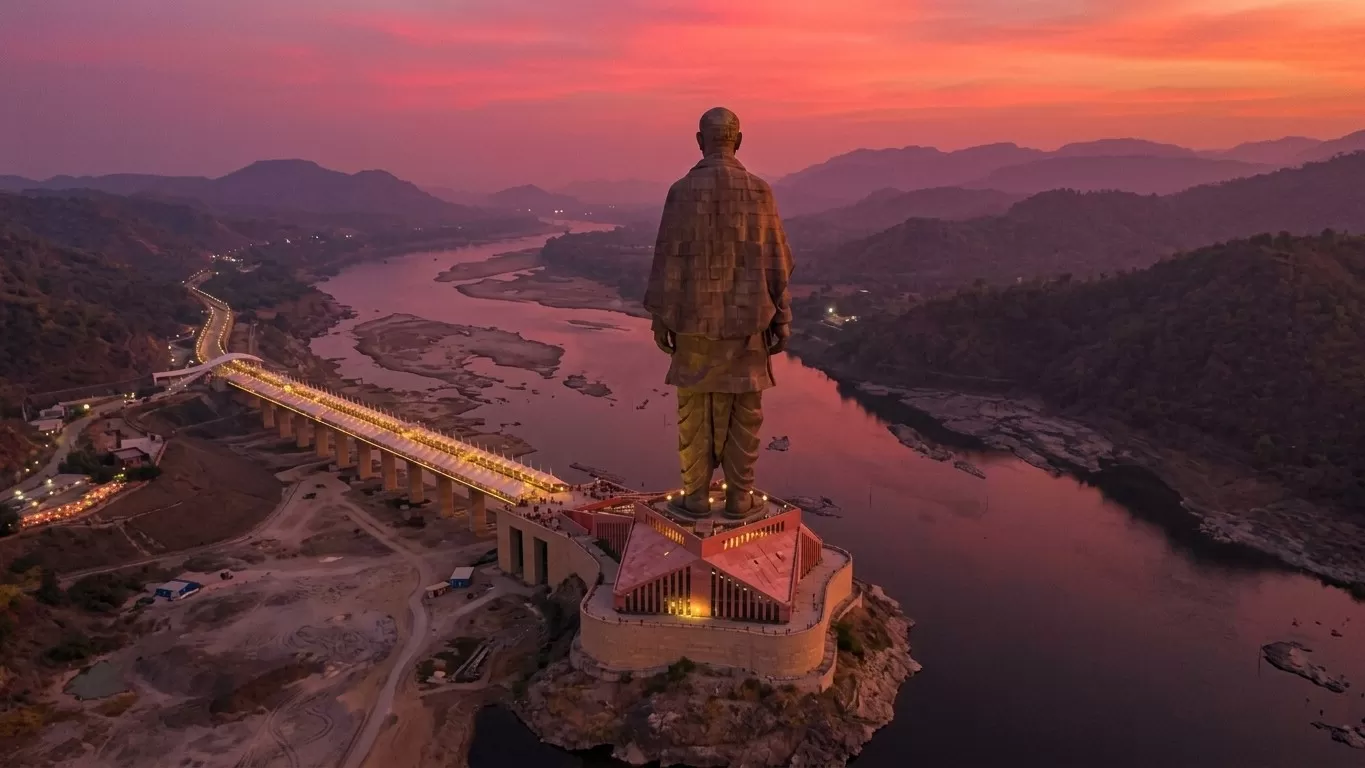
The Statue of Unity is the world's tallest statue, standing at 182 meters (597 feet) on the banks of the Narmada River in Gujarat. Dedicated to Sardar Vallabhbhai Patel, it symbolizes India's unity and national integration. Inaugurated on 31 October 2018, the monument attracts millions of visitors every year. Surrounded by scenic landscapes, gardens, museums, adventure activities, and eco-tourism attractions, the Statue of Unity has become one of India's most visited tourist destinations and a major landmark showcasing engineering excellence and cultural heritage.
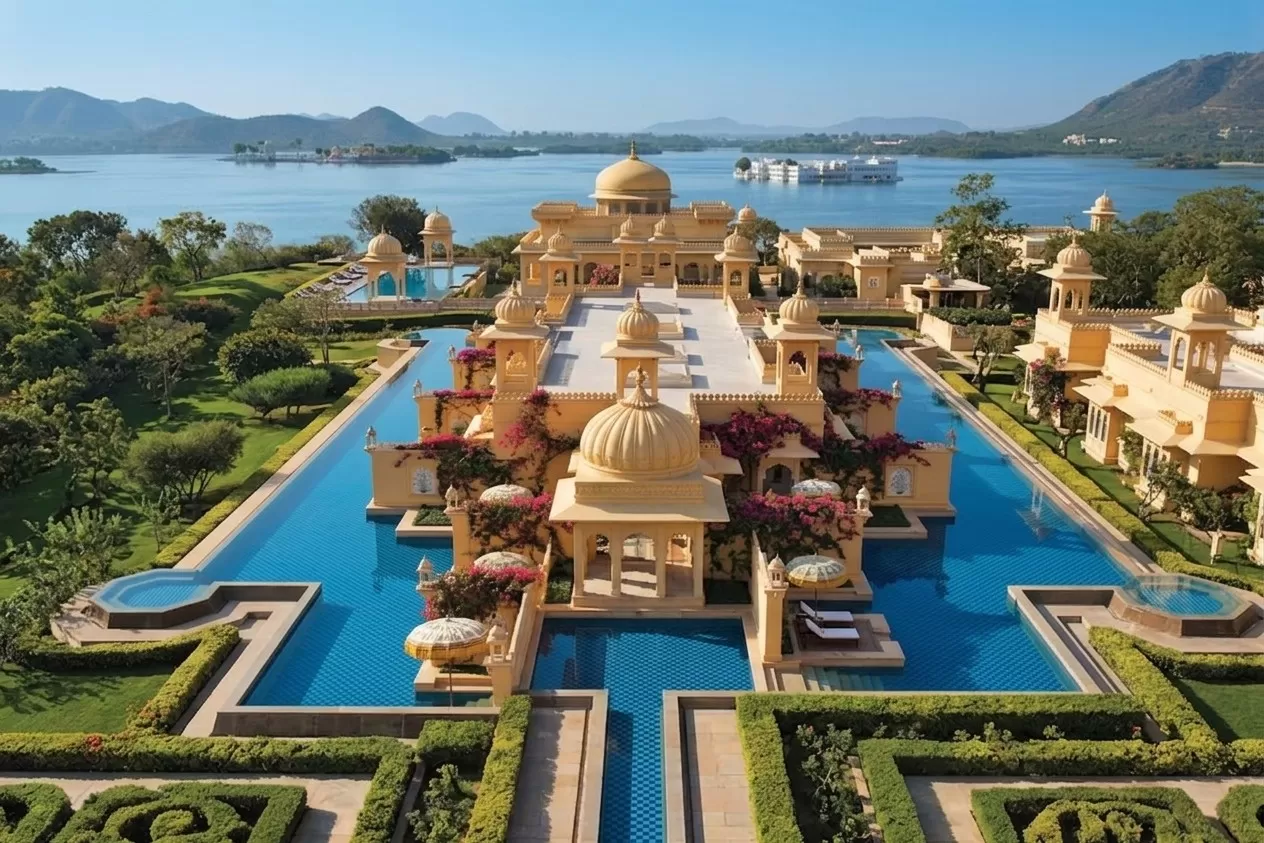
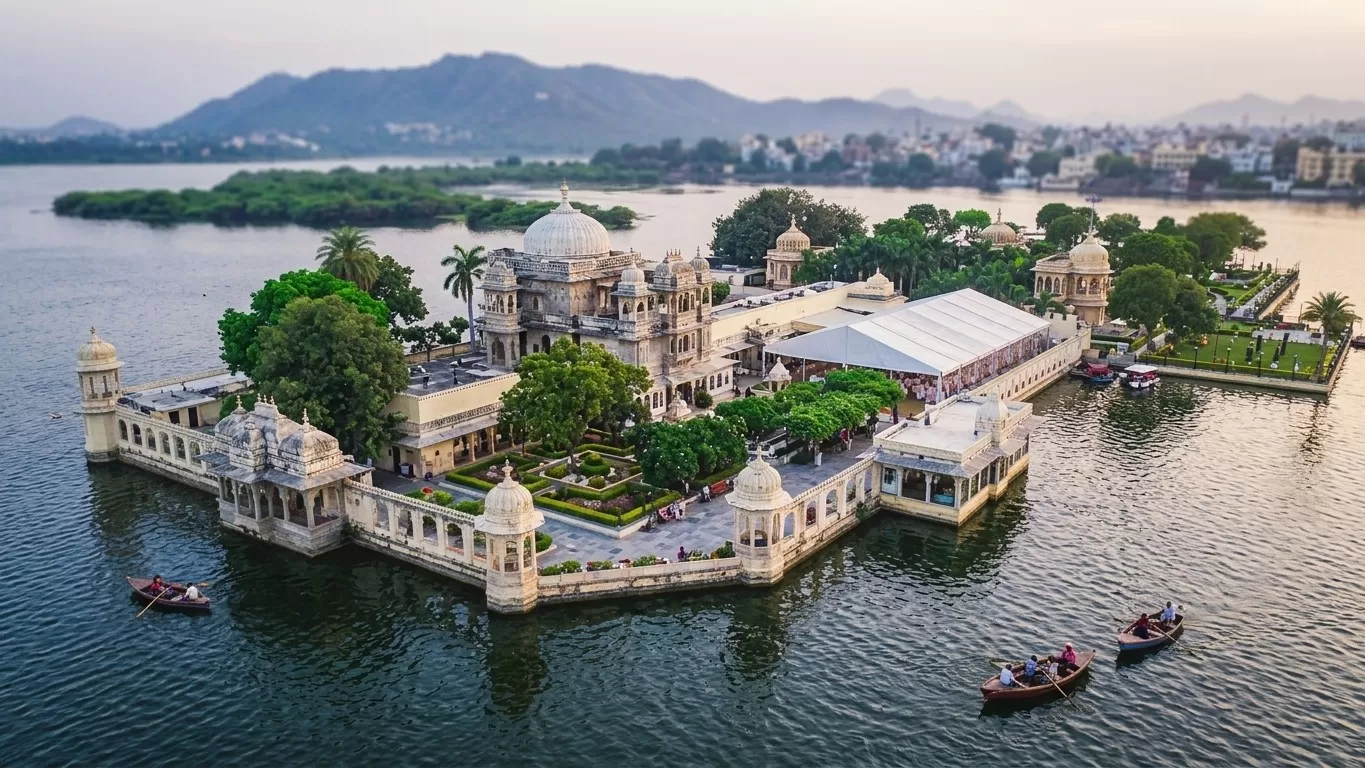
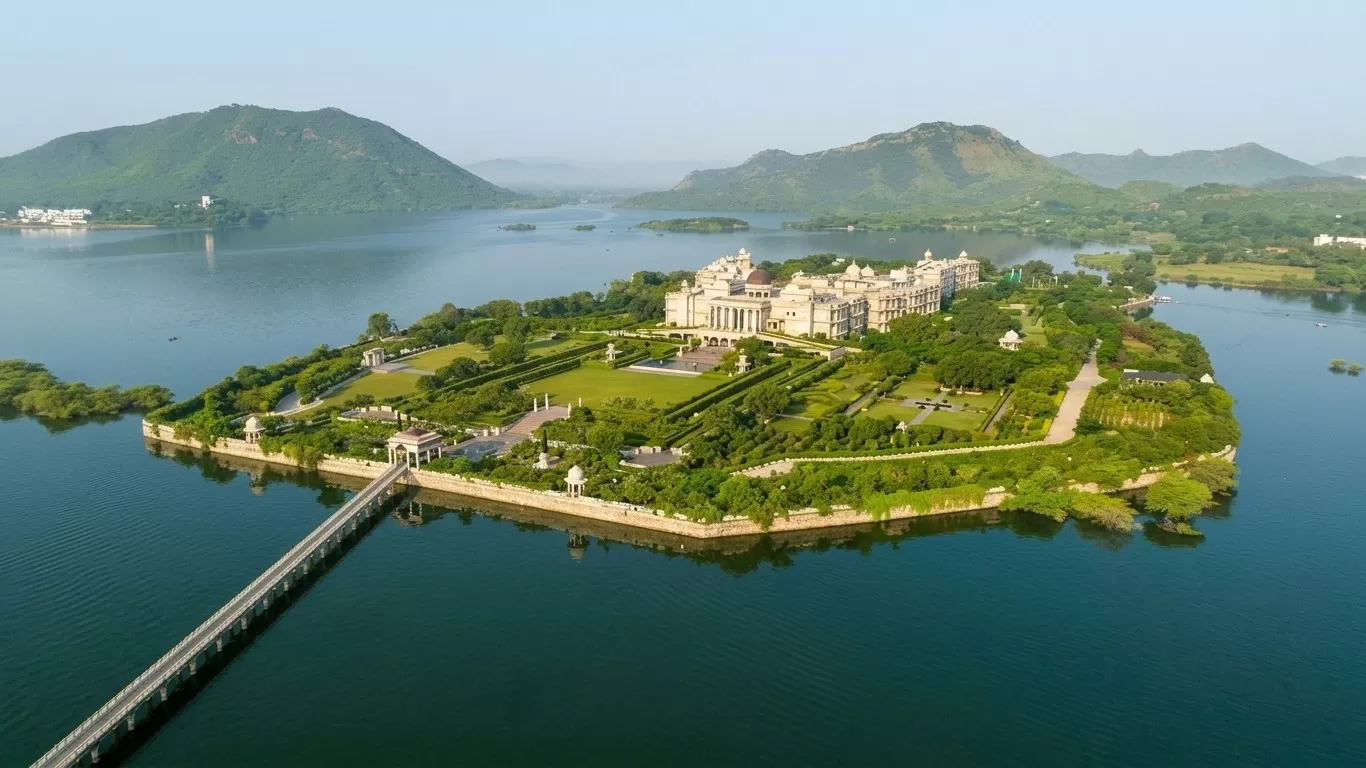
Udaipur, often called the “City of Lakes,” is one of Rajasthan’s most beautiful and romantic destinations. Surrounded by the ancient Aravalli Hills, the city is famous for its stunning lakes, magnificent palaces, vibrant culture, and rich Rajput heritage. Founded in 1559 by Maharana Udai Singh II, Udaipur attracts travelers with its picturesque landscapes, traditional architecture, colorful markets, and royal history. The city's serene lakes, including Lake Pichola and Fateh Sagar Lake, make it one of India's most enchanting tourist destinations.
Akbar’s Tomb (Sikandra)
📍 • Agra • Uttar Pradesh
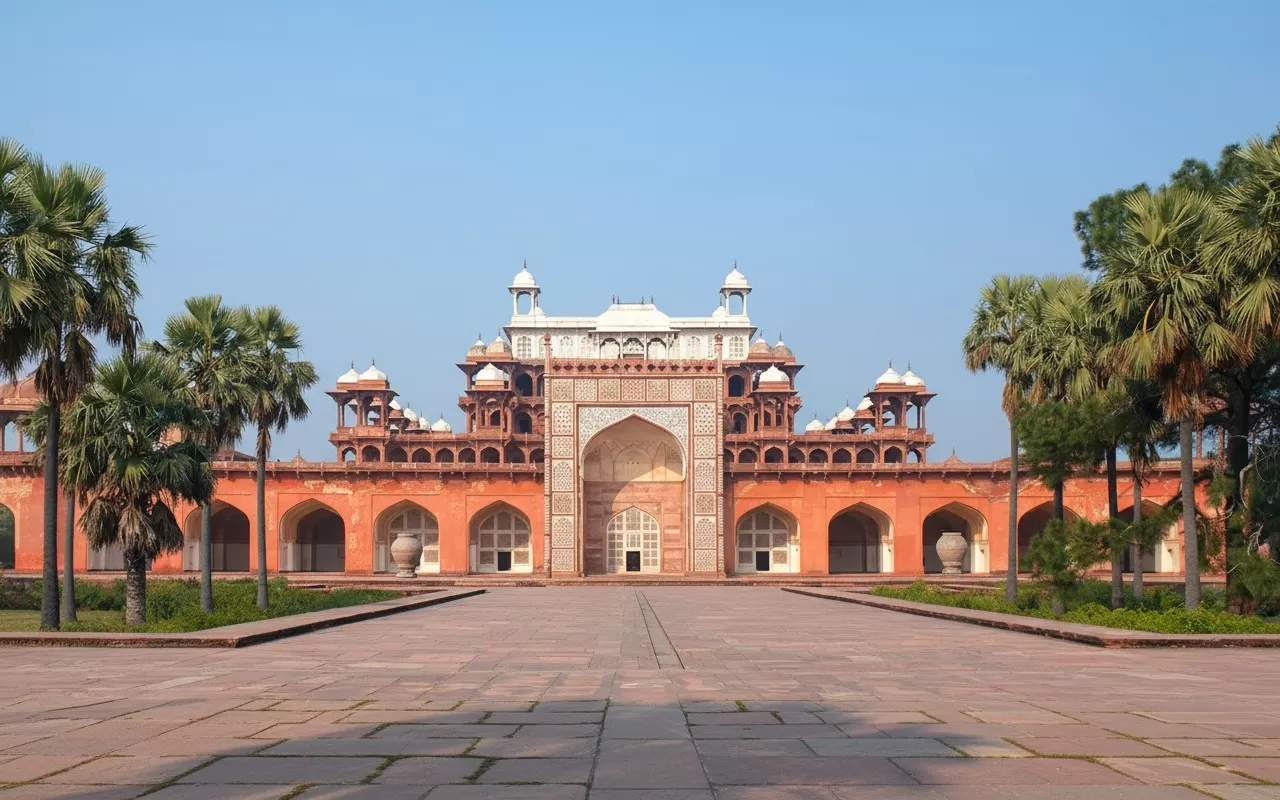
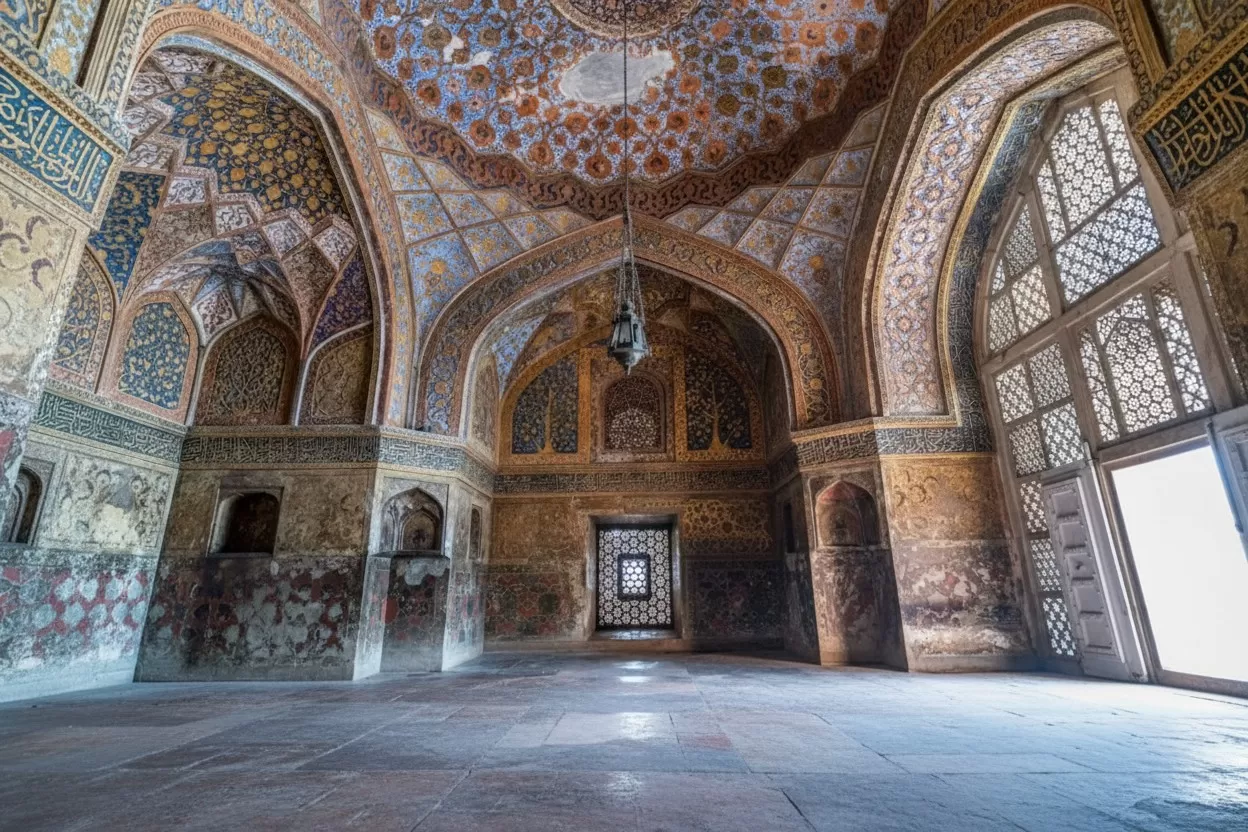
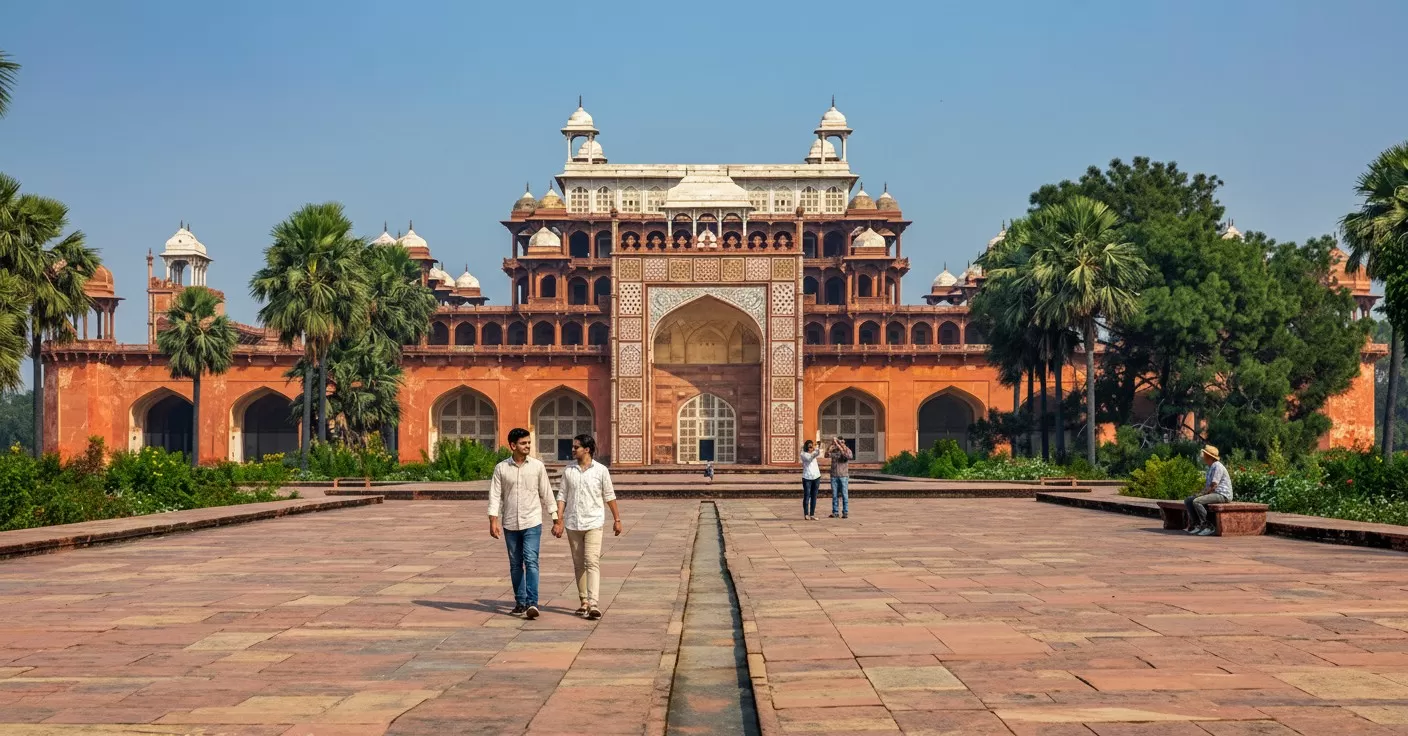
Akbar's Tomb is one of the finest examples of Mughal architecture in India. Located in Sikandra, about 10 km from Agra city, it is the final resting place of the great Mughal Emperor Akbar. Built between 1605 and 1613 by his son Emperor Jahangir, the monument beautifully combines Islamic, Hindu, Buddhist, and Jain architectural styles. Surrounded by lush gardens and peaceful pathways, the tomb reflects Akbar's vision of religious harmony and cultural integration.
Kumbhalgarh
📍 • Kumbhalgarh • Rajasthan
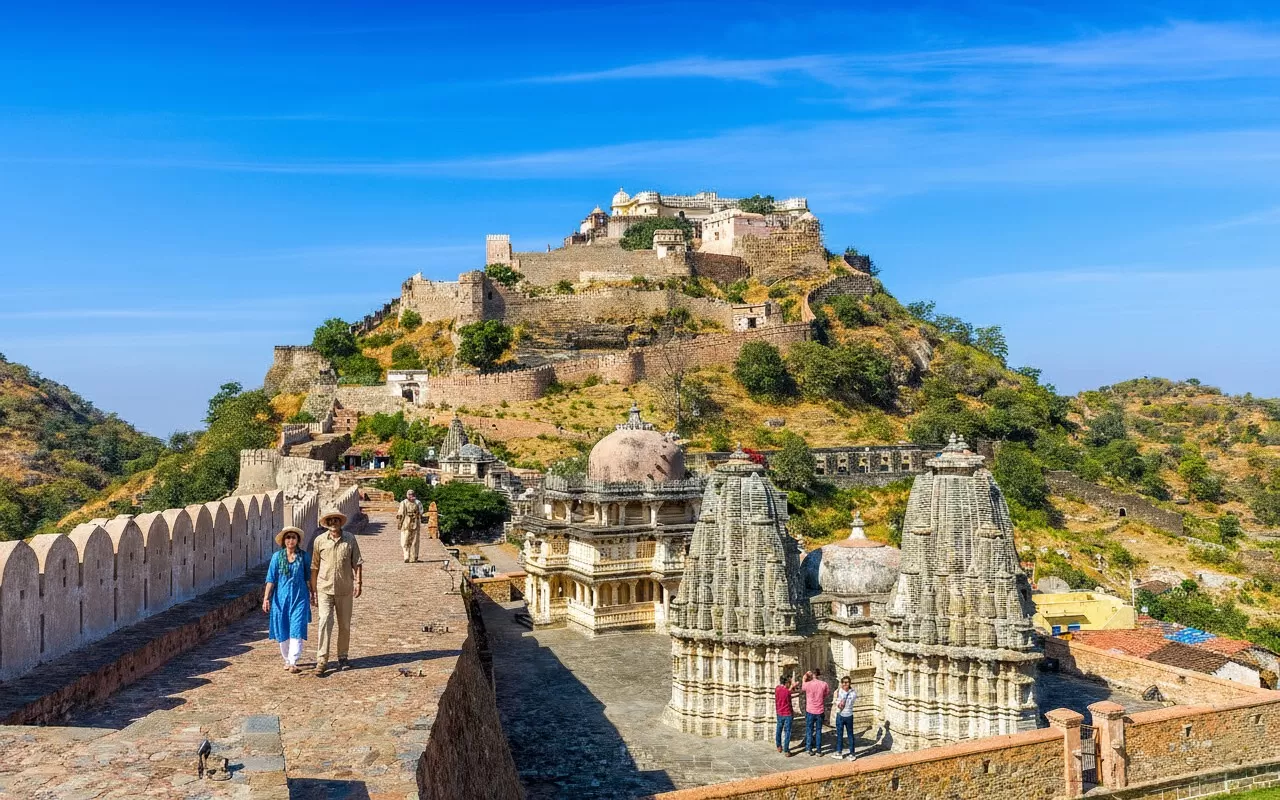
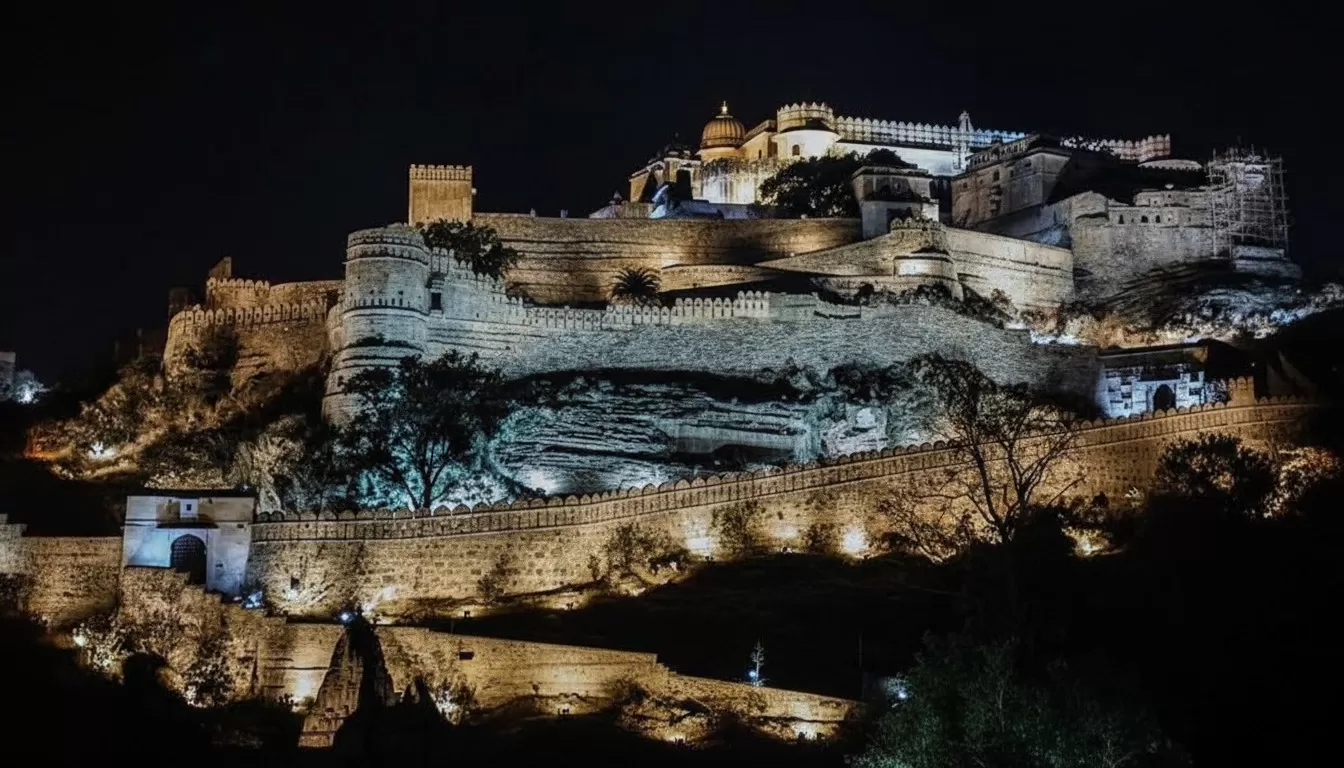
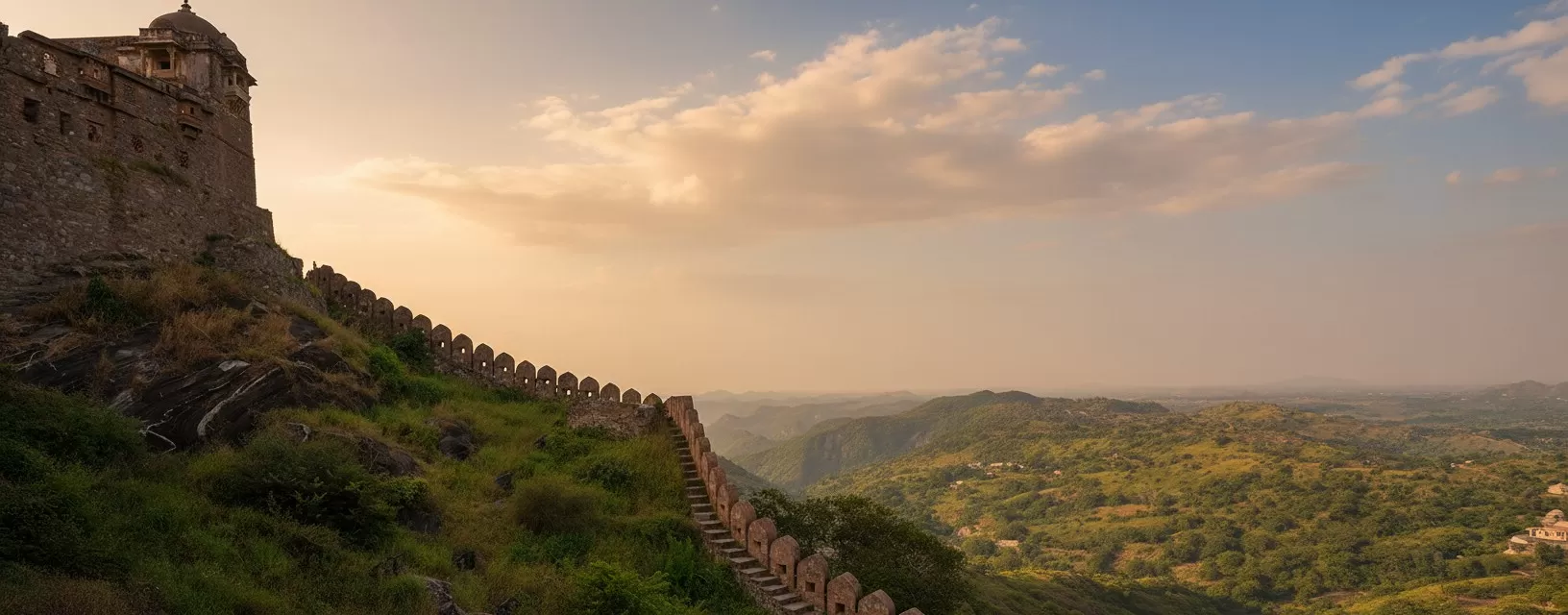
Kumbhalgarh Fort is one of India's most magnificent hill forts, located in the Aravalli Hills of Rajasthan. Built in the 15th century by Rana Kumbha, it is famous for its massive defensive wall stretching over 36 kilometers, often called the "Great Wall of India." The fort is a UNESCO World Heritage Site and offers breathtaking views, impressive architecture, ancient temples, palaces, and rich Rajput history. It is also known as the birthplace of Maharana Pratap.
Srirangapatna
📍 • Mandya • Karnataka
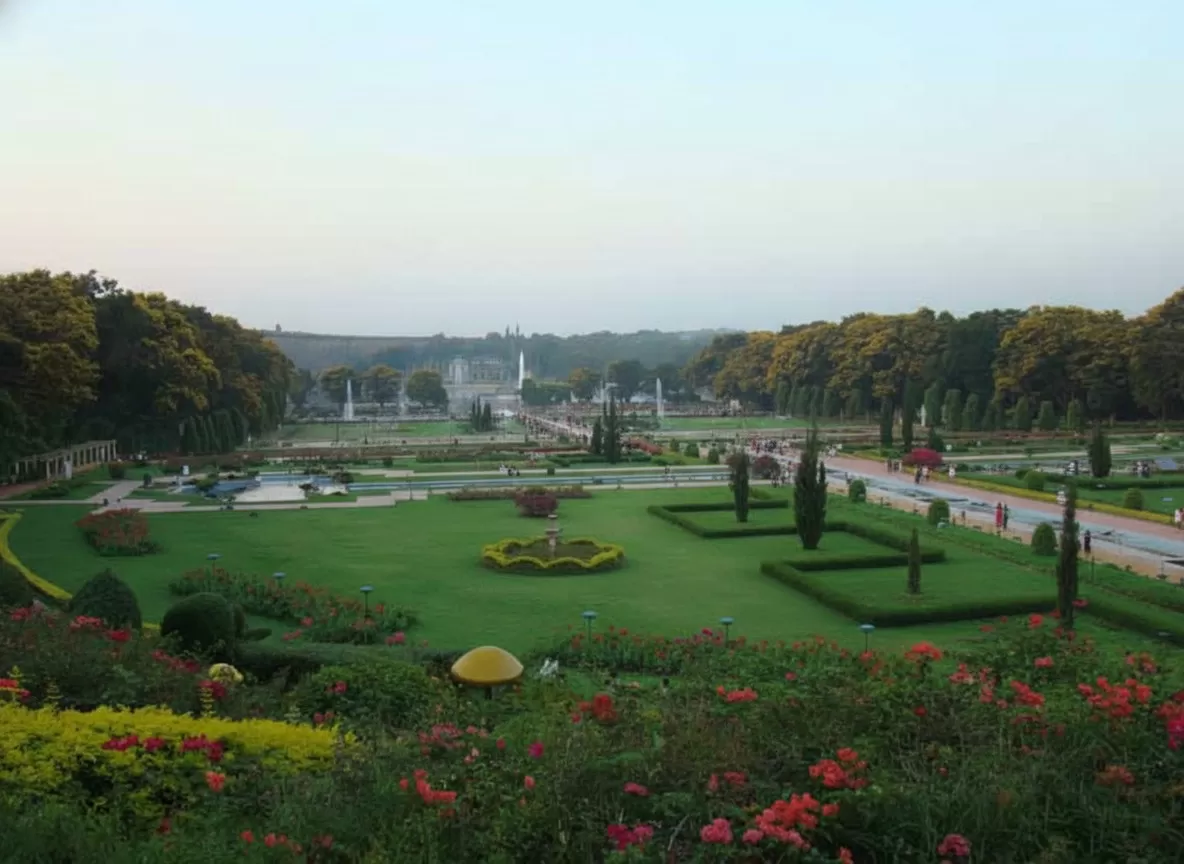
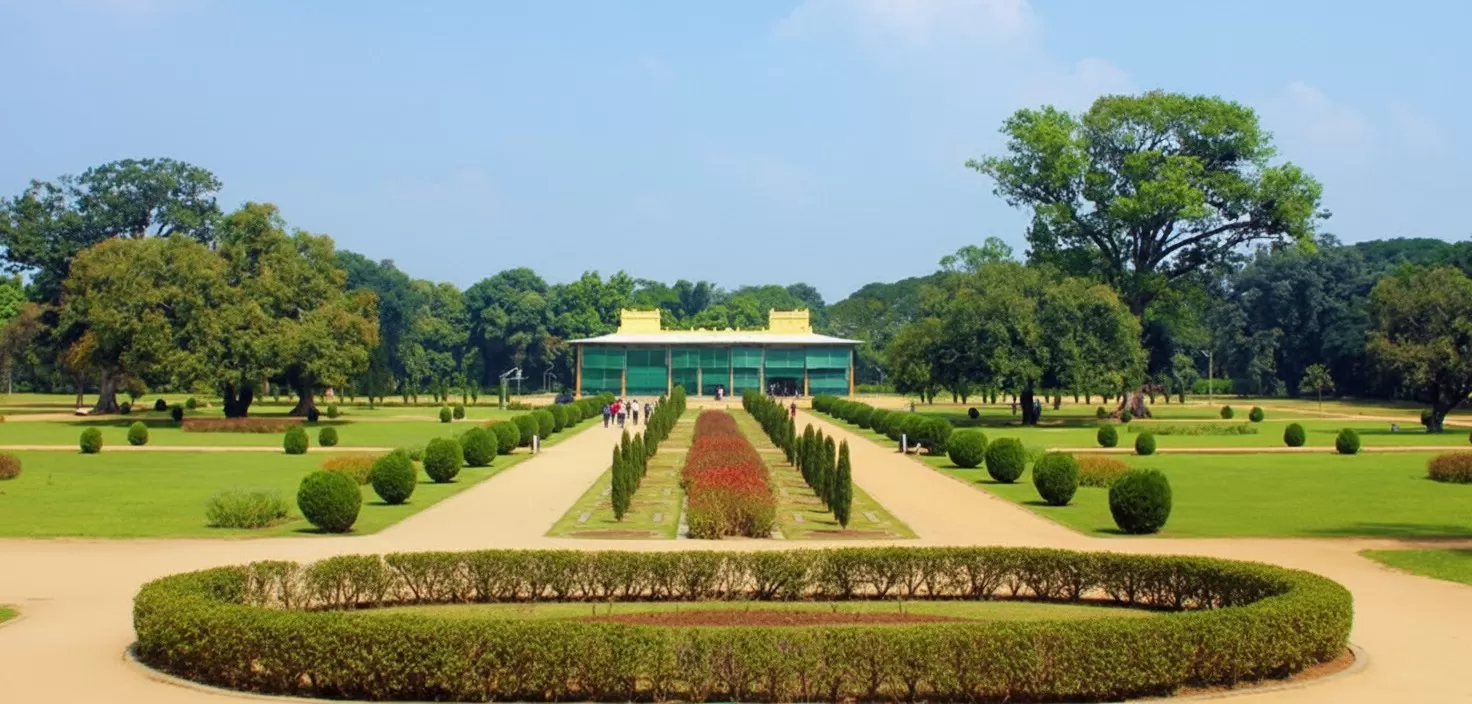
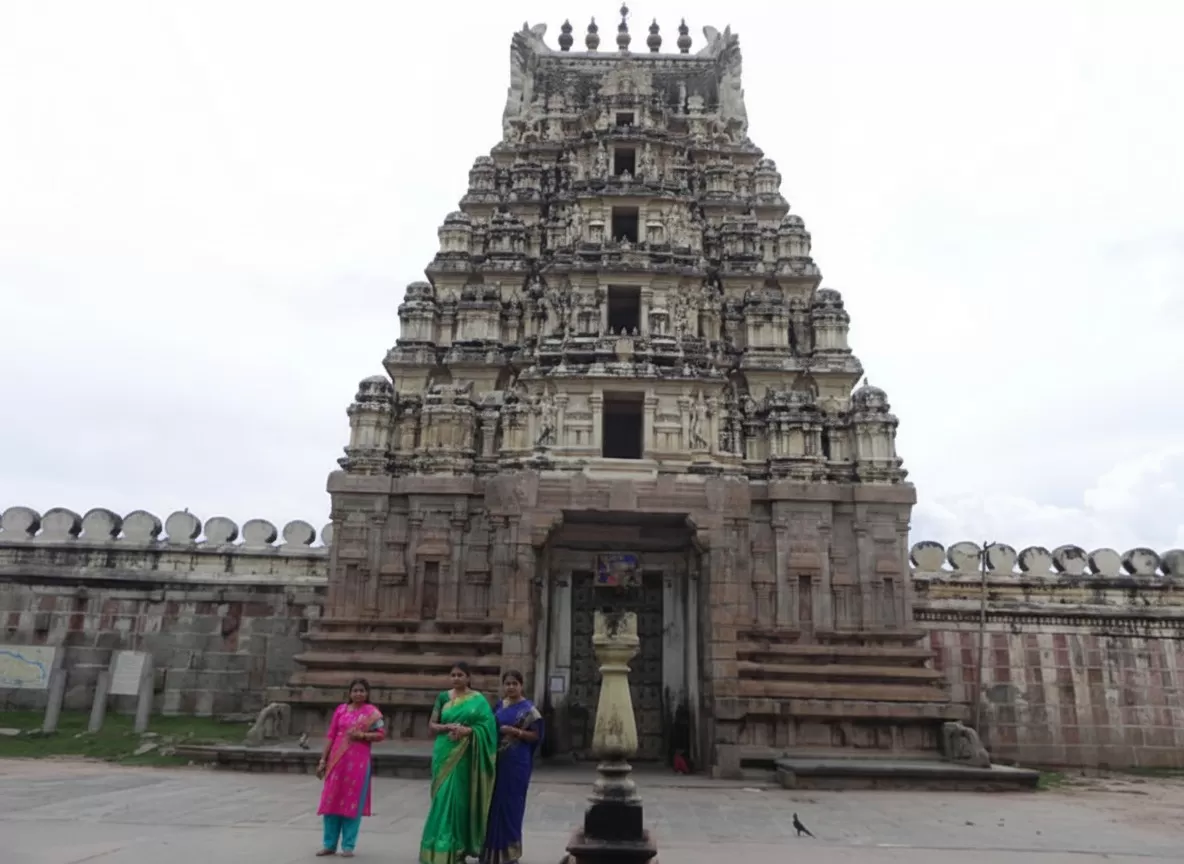
Srirangapatna is a historic island town in Karnataka, located on the banks of the River Kaveri near Mysuru. It served as the capital of the Kingdom of Mysore under Tipu Sultan and is renowned for its rich heritage, ancient temples, forts, and monuments. The town attracts history enthusiasts, pilgrims, and nature lovers alike. Its blend of cultural significance, architectural beauty, and historical importance makes Srirangapatna one of Karnataka's most fascinating tourist destinations.
Nahargarh Fort
📍 • Jaipur • Rajasthan
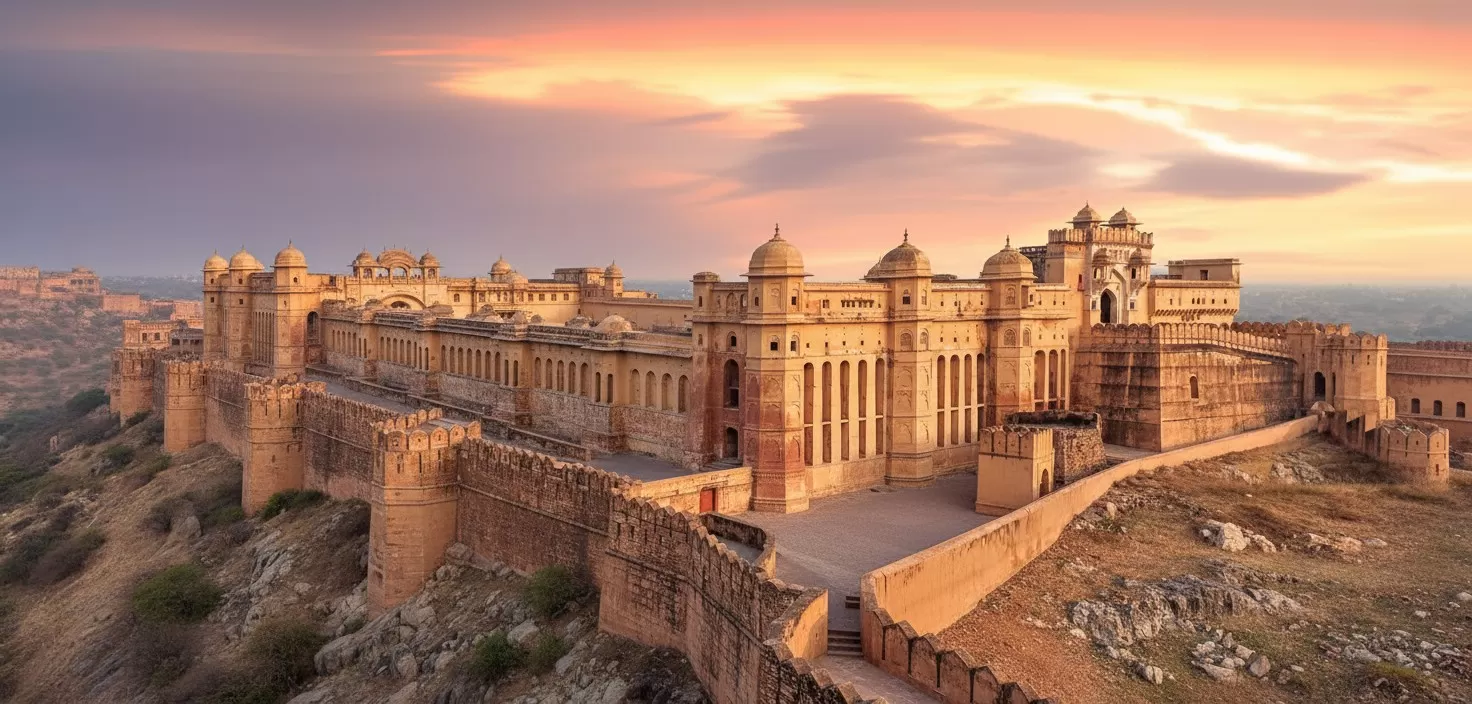
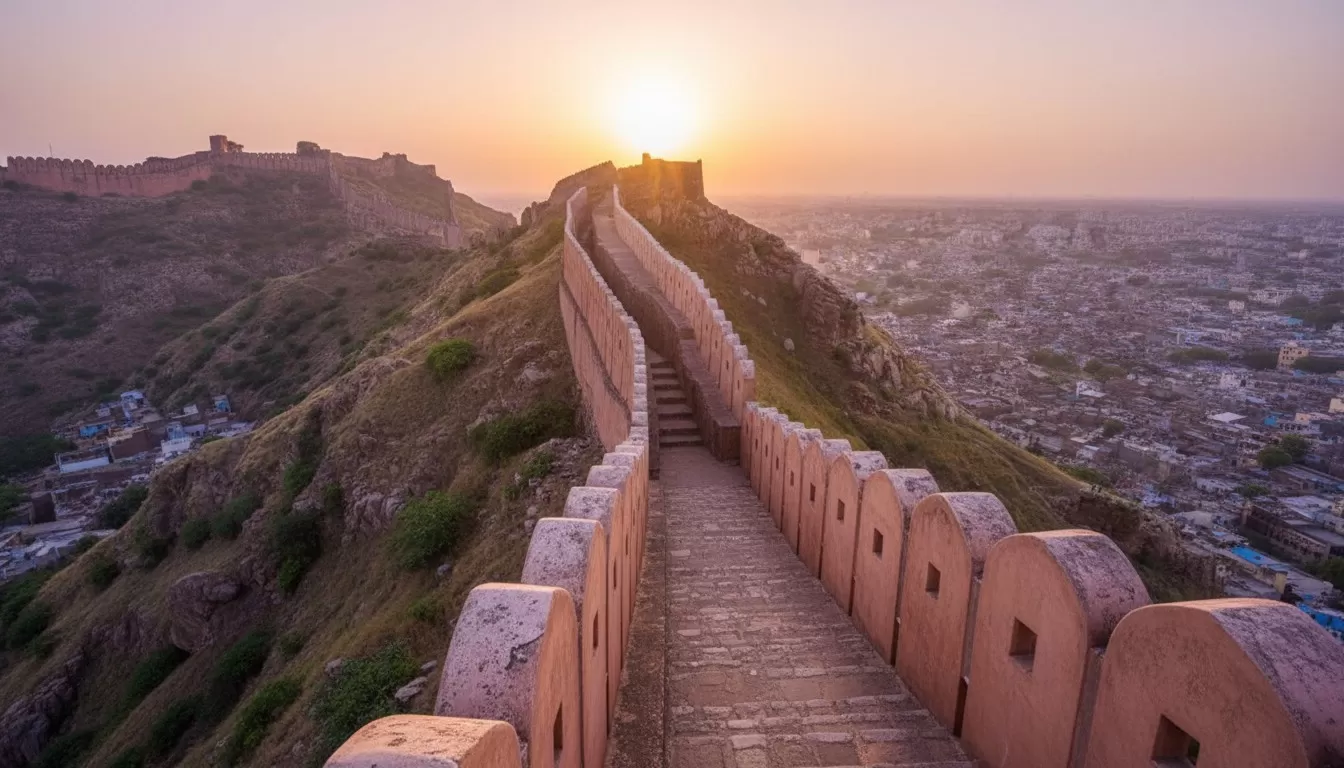
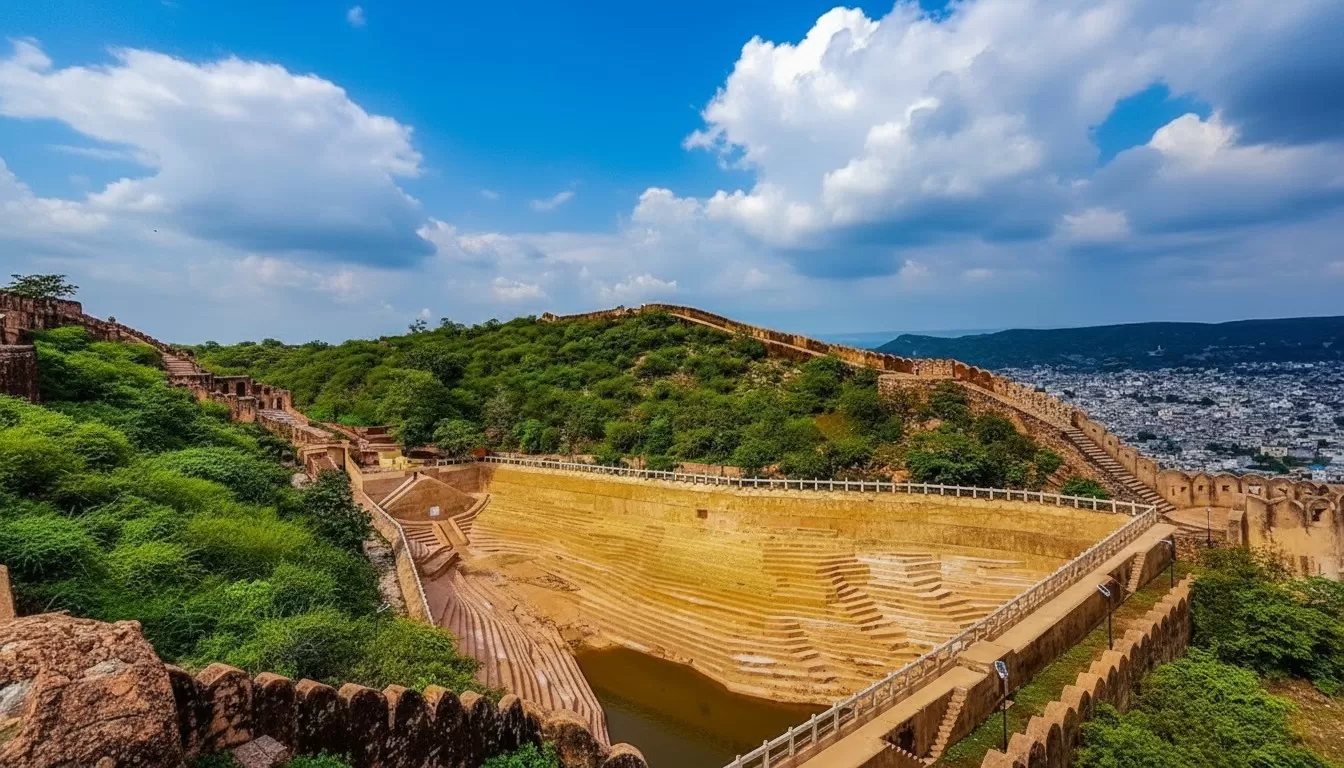
Perched on the rugged Aravalli Hills overlooking the Pink City of Jaipur, Nahargarh Fort is one of Rajasthan’s most famous historical attractions. Built in 1734 by Maharaja Sawai Jai Singh II, the fort originally served as a defensive structure to protect Jaipur from invading forces. The name “Nahargarh” means “abode of tigers,” and local legends say the fort was haunted by the spirit of Prince Nahar Singh, after whom it was named. Today, the fort is admired for its majestic architecture, panoramic city views, and rich Rajput history.
Jantar Mantar Jaipur
📍 • Jaipur • Rajasthan
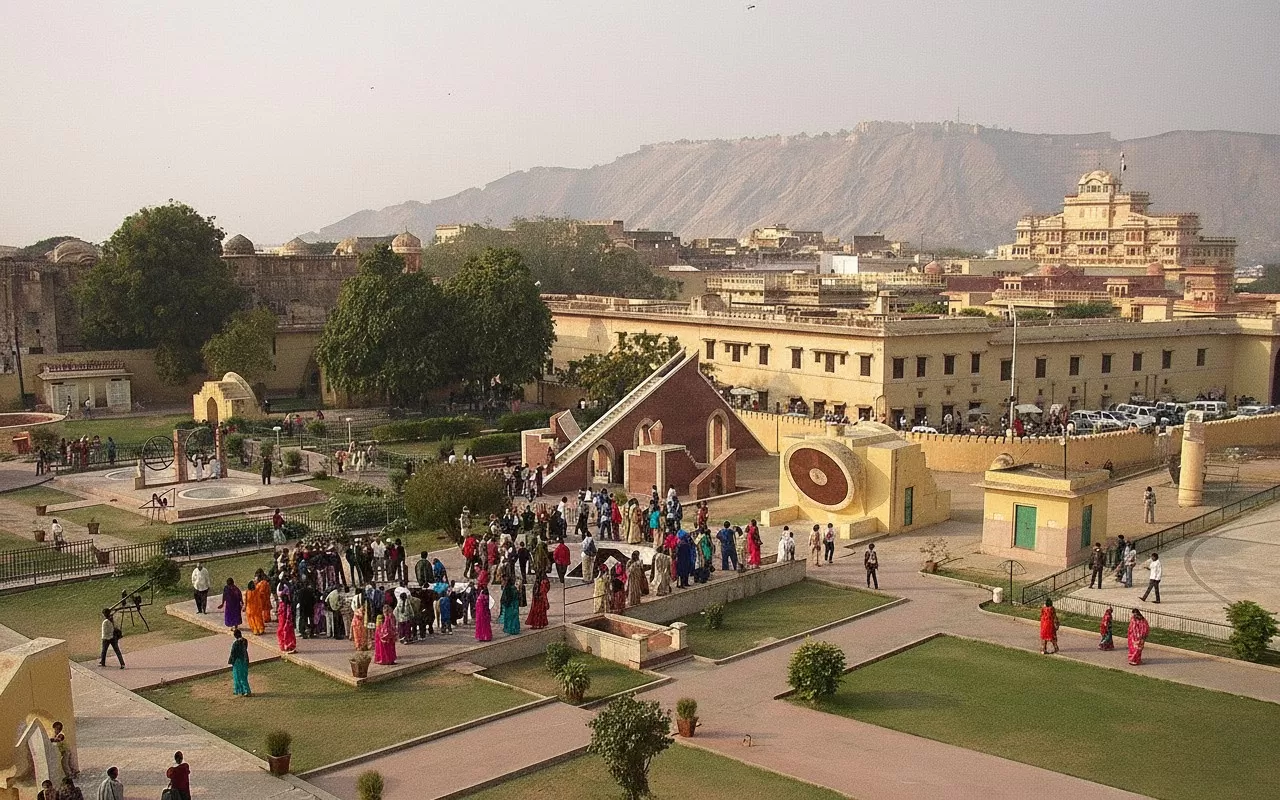
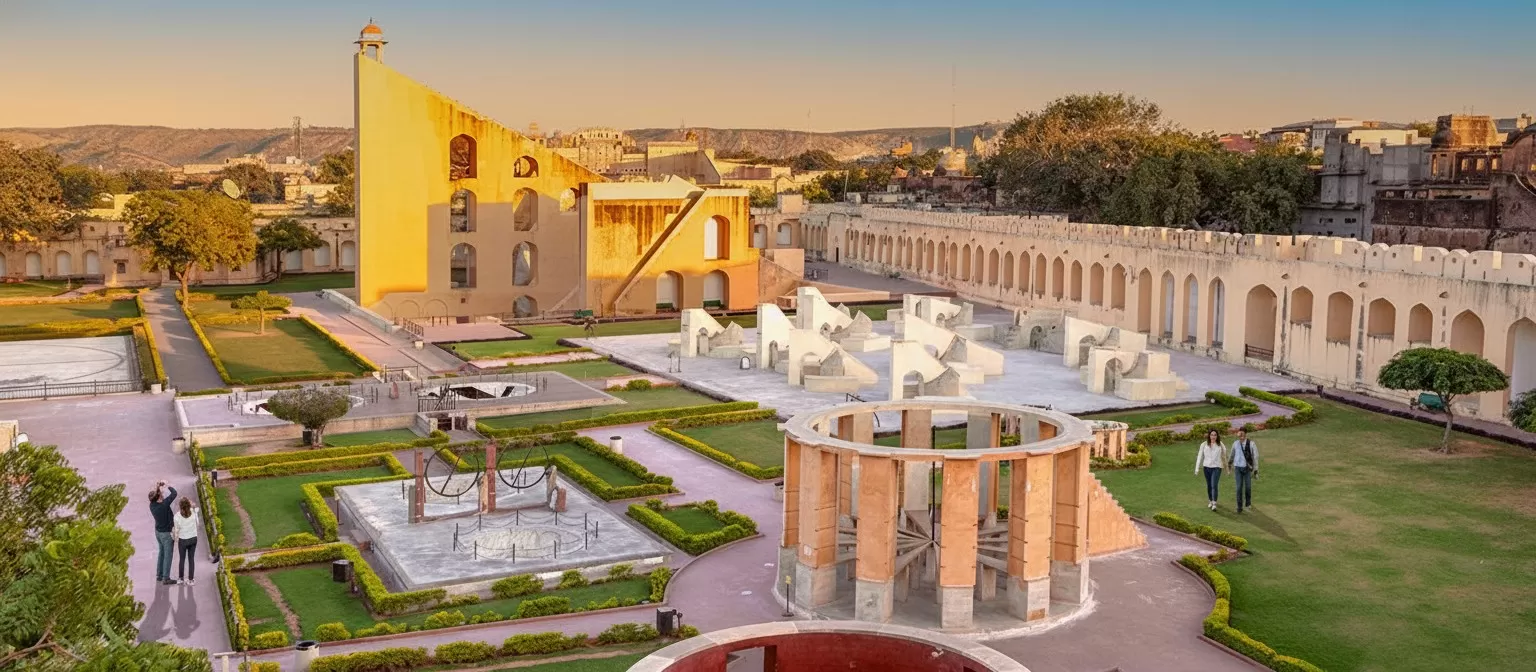
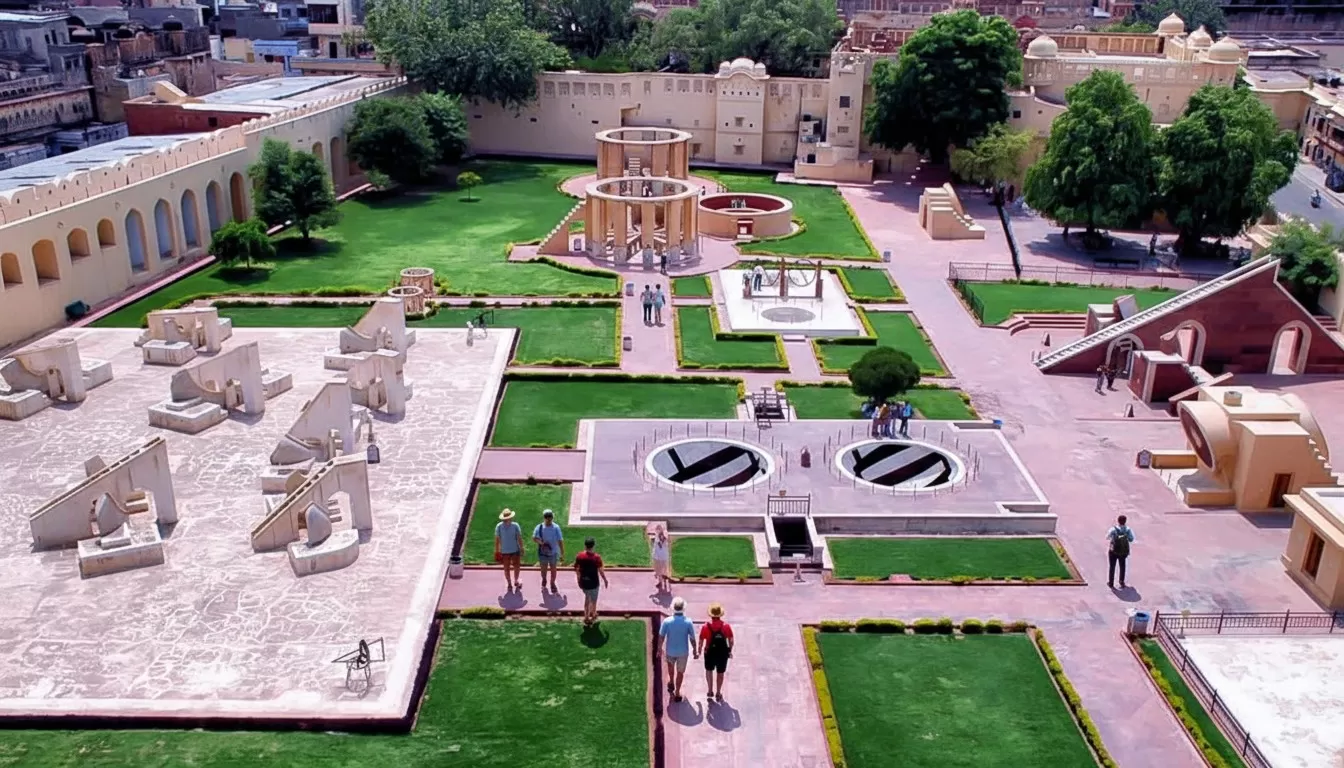
Jantar Mantar Jaipur is a UNESCO World Heritage astronomical observatory built by Maharaja Sawai Jai Singh II in the 18th century. It contains the world’s largest stone sundial and a collection of 19 astronomical instruments used to measure time, track celestial bodies, and predict eclipses. Located near City Palace in Jaipur, it reflects advanced ancient Indian science and architectural precision. The site remains one of the best-preserved observatories of its kind and attracts students, historians, and tourists interested in astronomy and heritage.
Hawa Mahal
📍 • Jaipur • Rajasthan
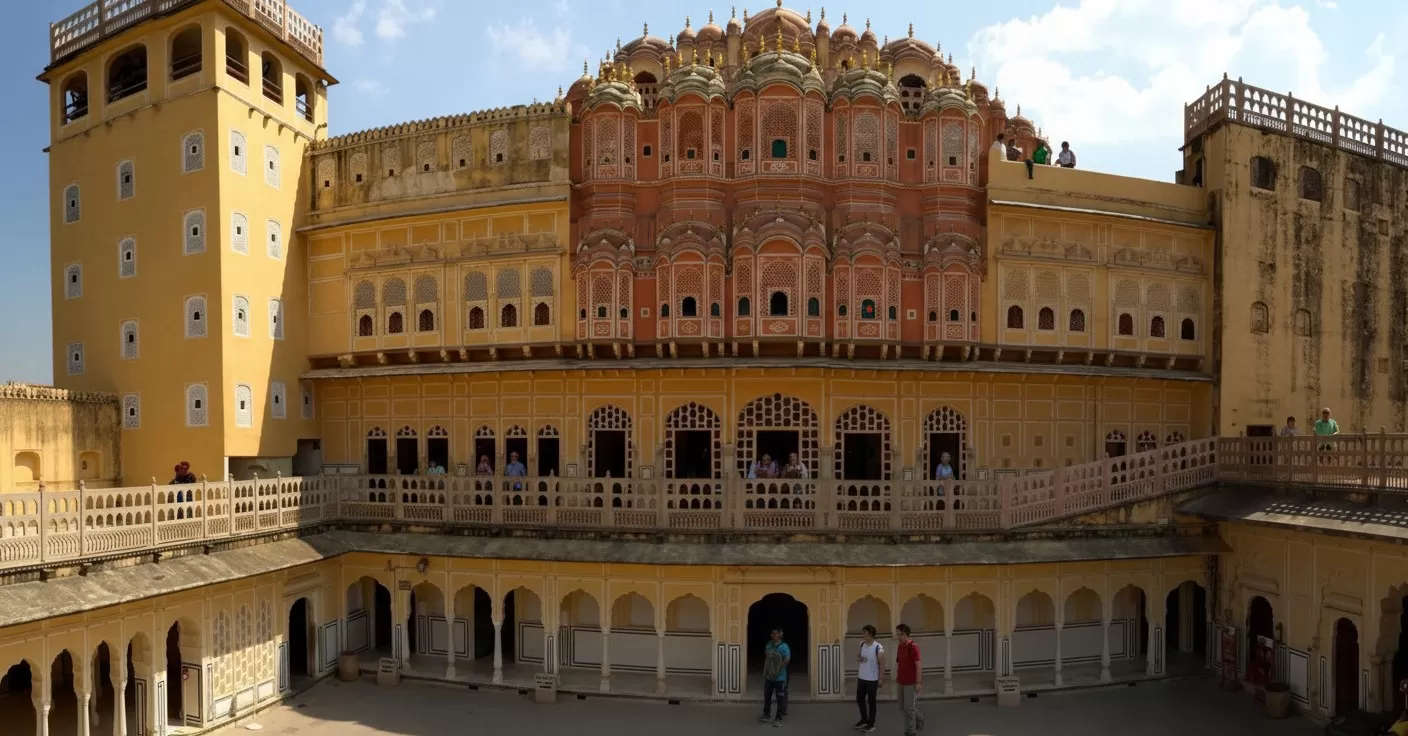
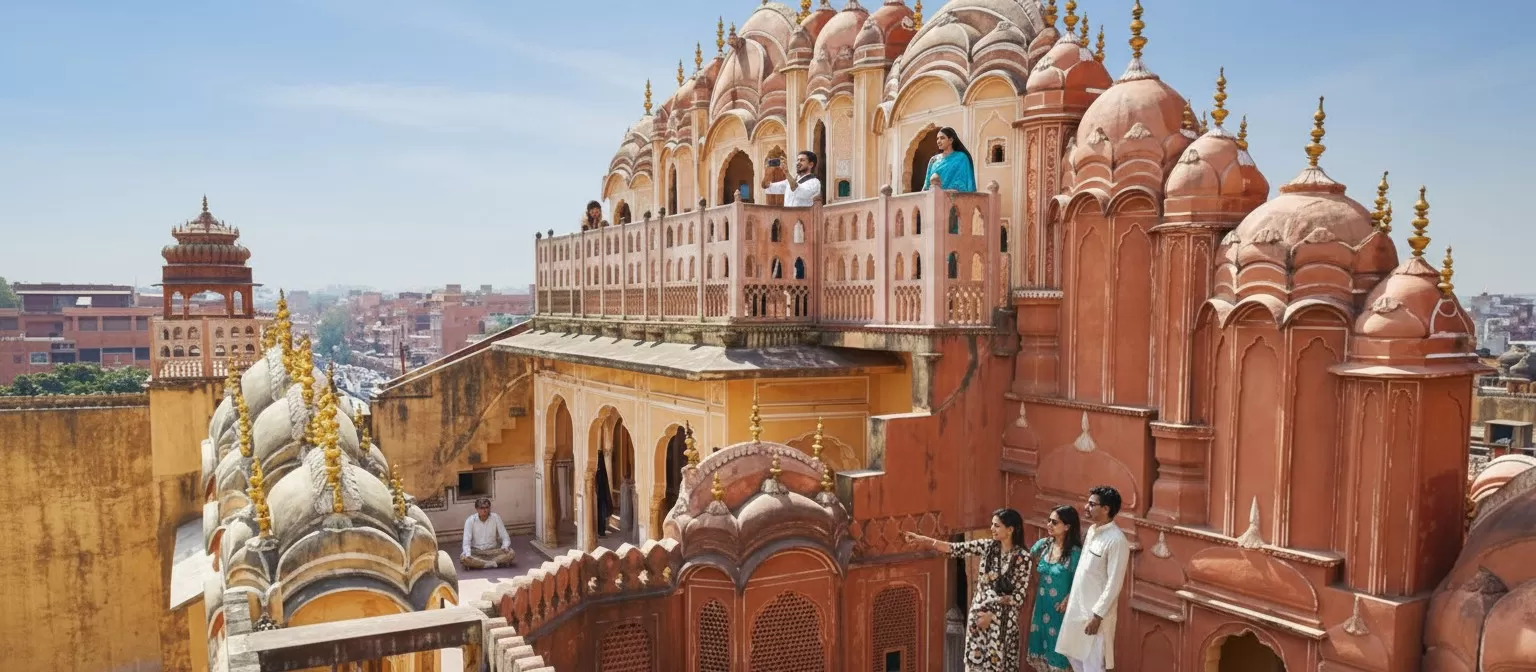
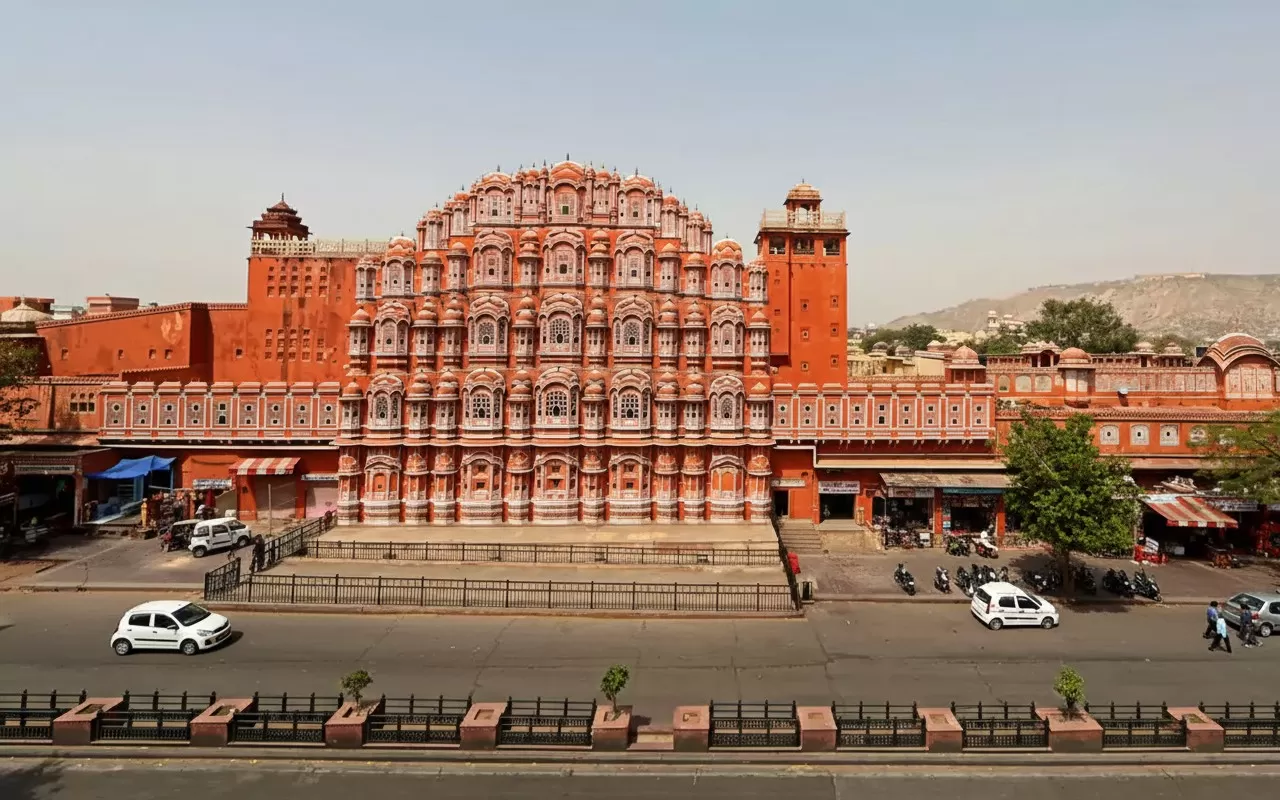
Hawa Mahal, also known as the “Palace of Winds,” is one of the most famous landmarks of Jaipur. Built in 1799 by Maharaja Sawai Pratap Singh, this five-story pink sandstone monument was designed by architect Lal Chand Ustad. The palace has 953 small windows called jharokhas, which allow cool air to circulate through the structure, keeping it naturally ventilated even during hot summers. Its unique honeycomb-shaped façade reflects the rich Rajput architectural style mixed with Mughal influences.
Varanasi Ghats
📍 • Varanasi • Uttar Pradesh
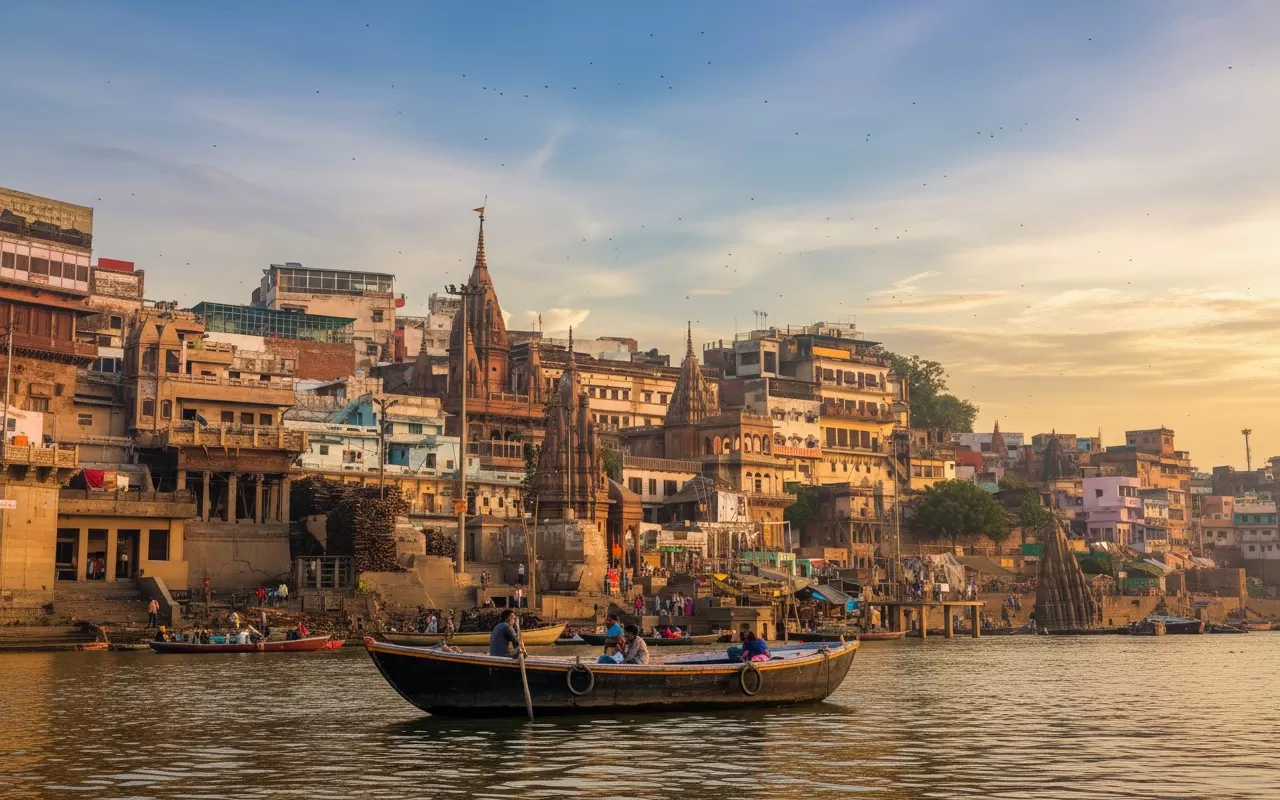
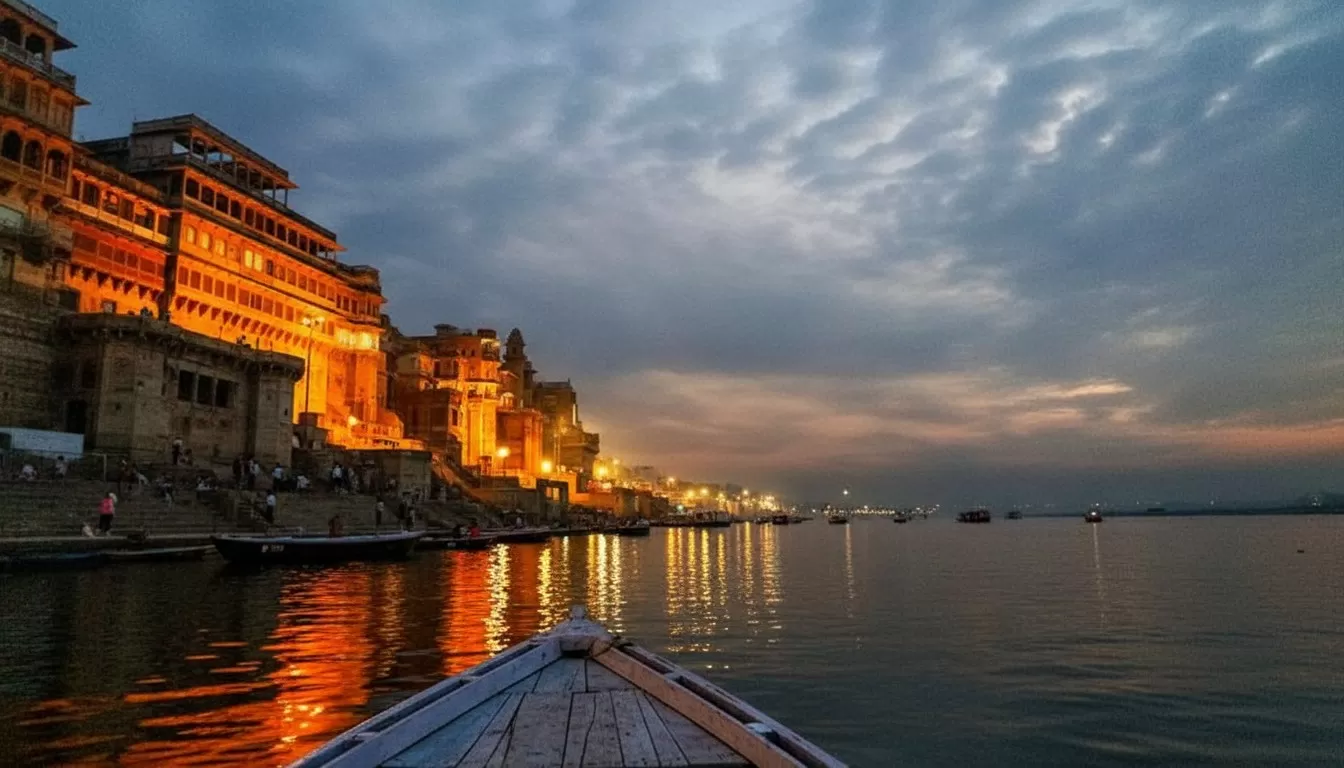
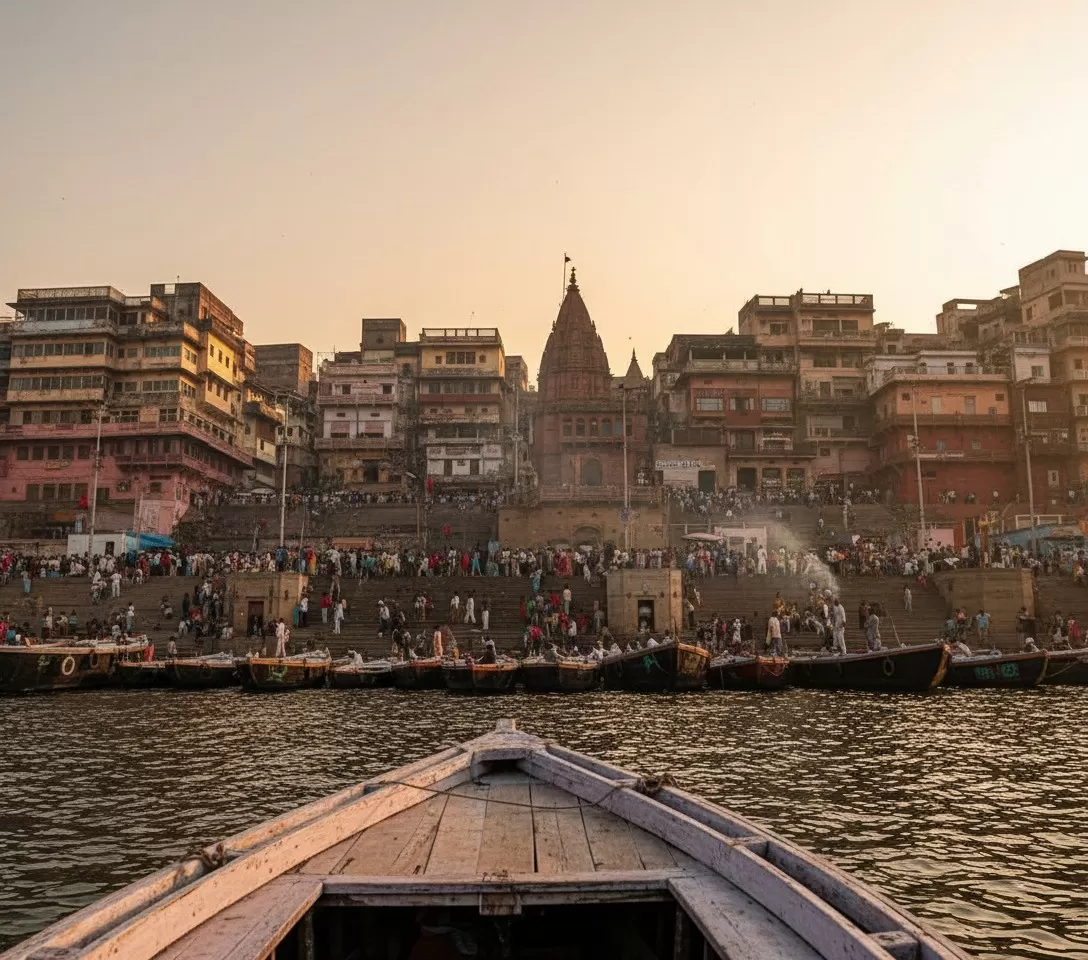
The ghats of Varanasi are a series of stone steps leading to the sacred Ganga River. More than 80 ghats stretch along the riverfront, each carrying deep religious, historical, and cultural importance. These ghats are central to Hindu traditions, where pilgrims perform prayers, rituals, meditation, yoga, and holy bathing. Famous ghats include Dashashwamedh Ghat, known for the grand evening Ganga Aarti, Assi Ghat for spiritual gatherings and sunrise views, and Manikarnika Ghat, one of the most sacred cremation ghats in Hindu belief.