
EN हिंदी

Pilgrimage Sites in India

Discover the most sacred and famous pilgrimage sites in India offering spiritual peace, devotion, and divine experiences

Shravanabelagola Temple

Shravanabelagola Hassan Karnataka

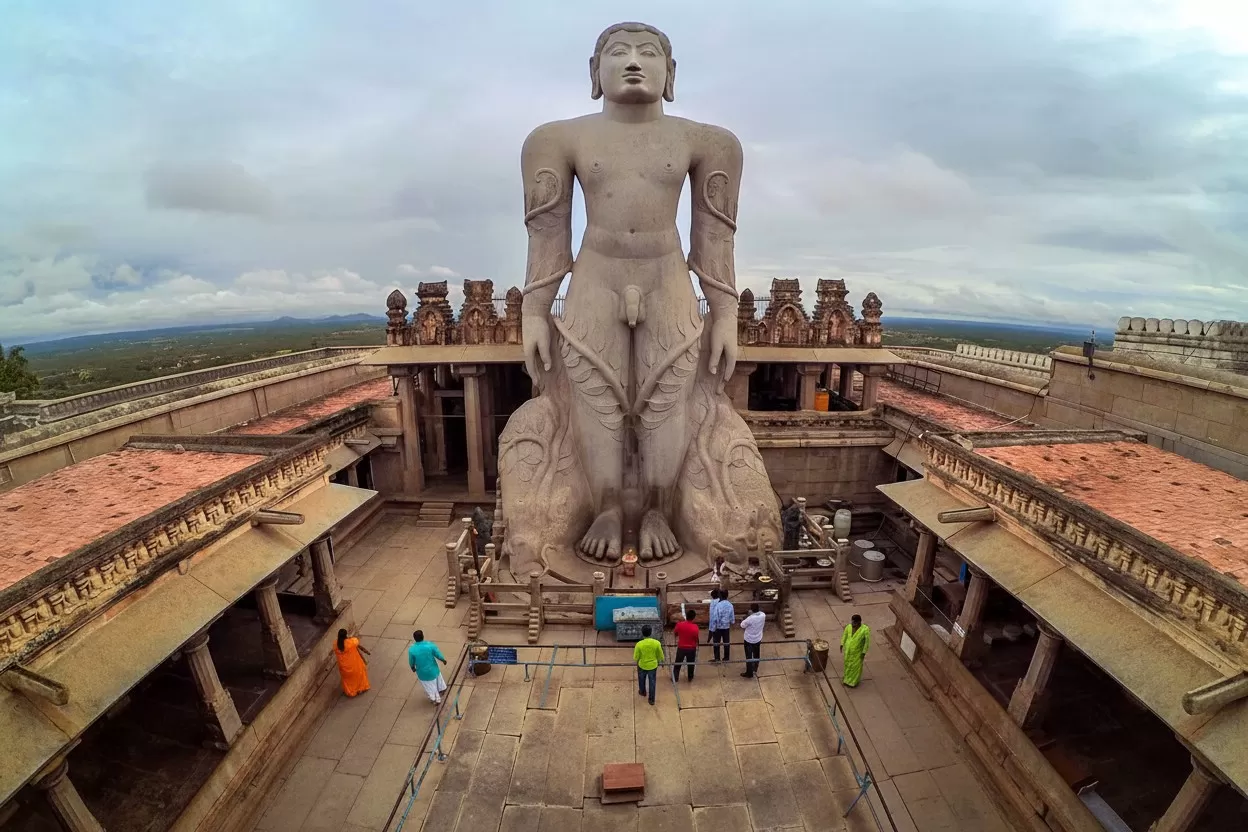
Shravanabelagola Temple is one of the most sacred Jain pilgrimage destinations in the state of Karnataka. It is famous for the colossal monolithic statue of Bahubali (Gommateshwara), which stands 57 feet tall atop Vindhyagiri Hill. Dating back over a thousand years, the site attracts pilgrims, historians, and tourists from across the world. The temple complex, ancient inscriptions, and panoramic hilltop views make Shravanabelagola an important center of Jain culture, spirituality, and architectural heritage.

🌍 About This Place

Shravanabelagola is one of India's most revered Jain pilgrimage centers, located in Karnataka's Hassan district. The name "Shravanabelagola" is derived from words meaning "white pond of the monk," referring to the picturesque water body situated between the region's two hills, Vindhyagiri and Chandragiri.

The site is internationally renowned for the magnificent statue of Bahubali, also known as Gommateshwara. Carved from a single block of granite and standing approximately 57 feet high, the statue was commissioned in 981 CE by the Ganga dynasty minister Chavundaraya. It represents Bahubali's renunciation, meditation, and spiritual victory over worldly desires. The serene expression and intricate craftsmanship of the statue continue to inspire visitors and devotees alike.
Shravanabelagola is not only a religious destination but also a treasure trove of history and archaeology. The hills contain numerous Jain temples, memorials, and inscriptions that provide valuable insights into South India's cultural and religious heritage. Chandragiri Hill is believed to be associated with the Jain monk Bhadrabahu and the Mauryan emperor Chandragupta Maurya, who is said to have spent his final years here.

A major attraction is the Mahamastakabhisheka festival, held once every twelve years, during which the Bahubali statue is ceremonially bathed with water, milk, saffron, sandalwood paste, and other sacred offerings. The event attracts thousands of pilgrims and tourists from around the world.Visitors must climb several hundred stone steps to reach the summit of Vindhyagiri Hill, where the statue stands majestically against the sky. The effort is rewarded with breathtaking views of the surrounding countryside and an unforgettable spiritual experience. Combining history, faith, architecture, and natural beauty, Shravanabelagola remains one of Karnataka's most remarkable heritage destinations.

🎯 Things to do

  • Climb 600+ steps to Vindhyagiri Hill
  • View the majestic Gommateshwara statue
  • Explore Chandragiri Hill temples
  • Visit Jain basadis (temples)
  • Photography & panoramic hill views
  • Visit the white pond (Belagola Lake)
  • Learn about Jain philosophy and history

📍 Near By

  • Halebidu – 50 km (Hoysala temples)
  • Belur – 55 km (Chennakesava Temple)
  • Hassan – 12 km
  • Mysuru – 85 km
  • Bengaluru – 145 km

🚗 How to Reach

  • By Air: Nearest airport is in Bengaluru (approx. 160 km).
  • By Train: Nearest railway station is Hassan (50 km).
  • By Road: Well connected via buses and taxis from Bengaluru/ Mysuru and Hassan.

⭐ Why Visit

  • Shravanabelagola offers a unique blend of spirituality history and scenic beauty.
  • The peaceful surroundings and the climb of about 600 steps to the hilltop create a deeply reflective experience.
  • It’s ideal for those seeking cultural insight and tranquility.

💡 Travel Tips

  • Visit early morning to avoid heat and crowds.
  • Wear comfortable footwear (you must climb barefoot).
  • Carry water especially during summer.
  • Dress modestly as it is a religious site.
  • Avoid visiting during peak afternoon hours due to high temperatures.

✨ Special Features

  • One of the largest free-standing monolithic statues in the world.
  • Ancient inscriptions dating back over 1000 years.
  • Twin hills: Vindhyagiri and Chandragiri with temples and monuments.
  • Major center of Jain heritage and philosophy.

Chamundi Hills

Mysuru Karnataka

Chamundi Hills is a famous spiritual and scenic landmark overlooking the city of Mysuru. The hill is home to the ancient Chamundeshwari Temple and offers panoramic views of Mysore palace, lakes, and urban landscape. Named after Goddess Chamundeshwari, it attracts devotees, tourists, and nature lovers. The winding road and 1,000-step staircase make the journey memorable. It is one of Karnataka’s most visited heritage and pilgrimage destinations.

🌍 About This Place

Chamundi Hills is one of the most iconic natural and spiritual landmarks in southern India. Rising about 1,000 meters above sea level, the hill offers a perfect blend of religion, history, and scenic beauty. The highlight of the destination is the Chamundeshwari Temple, dedicated to Goddess Chamundi, a fierce form of Durga who is believed to have slain the demon Mahishasura. This mythological connection also links the hill to the origin of Mysuru’s ancient name, “Mahishuru.”

The journey to the top is as memorable as the destination itself. Visitors can either drive through a winding motorable road or climb the historic 1,000 steps carved into the hillside. Along the way, small shrines and resting points provide spiritual and physical refreshment. Midway, the gigantic monolithic statue of Nandi, Lord Shiva’s sacred bull, stands as a symbol of devotion and craftsmanship, attracting photographers and pilgrims alike.
From the summit, visitors are rewarded with breathtaking panoramic views of Mysuru city, including the grand Mysore Palace, Karanji Lake, and the sprawling urban landscape. Sunrise and sunset are particularly magical, casting golden hues over the city below.

Chamundi Hills is not just a tourist attraction but also a living cultural center. During festivals like Navaratri, the temple becomes a hub of celebrations, rituals, and devotional energy. The peaceful environment, combined with natural beauty and spiritual significance, makes it a must-visit destination for travelers seeking both relaxation and divine connection.

Whether you are a devotee, a nature lover, or a photography enthusiast, Chamundi Hills offers an unforgettable experience that captures the essence of Karnataka’s heritage and spirituality.

🎯 Things to do

  • Visit Chamundeshwari Temple
  • Climb the 1000+ steps from base to top (spiritual trekking experience)
  • See the giant Nandi Statue
  • Enjoy panoramic city views
  • Photography & sunset watching
  • Visit Mahishasura statue near the temple

📍 Near By

  • Mysore Palace (13 km)
  • Brindavan Gardens (20 km)
  • Sri Chamarajendra Zoological Gardens (Mysore Zoo)
  • Karanji Lake
  • Srirangapatna

🚗 How to Reach

  • By Air: Nearest airport is in Bengaluru (~170 km).
  • By Train: Mysuru Junction is well connected to major cities.
  • By Road: Regular buses/ taxis and private vehicles go from Mysuru city to the hilltop.
  • Steps Route: About 1000 steps from the foothill for trekking enthusiasts.

⭐ Why Visit

  • Spiritual significance and peaceful temple atmosphere
  • Panoramic view of Mysuru city especially at sunrise/sunset
  • Historical and mythological importance
  • Ideal for photography and nature lovers

💡 Travel Tips

  • Visit early morning to avoid crowds
  • Wear comfortable shoes if climbing steps
  • Carry water and light snacks
  • Respect temple rules and dress modestly
  • Best time: October to March

✨ Special Features

  • Huge statue of Nandi (one of the largest in India)
  • Mahishasura statue near the temple
  • Cool climate and lush greenery
  • Illuminated views during festivals like Dussehra

Kashi Vishwanath Temple

Varanasi Uttar Pradesh

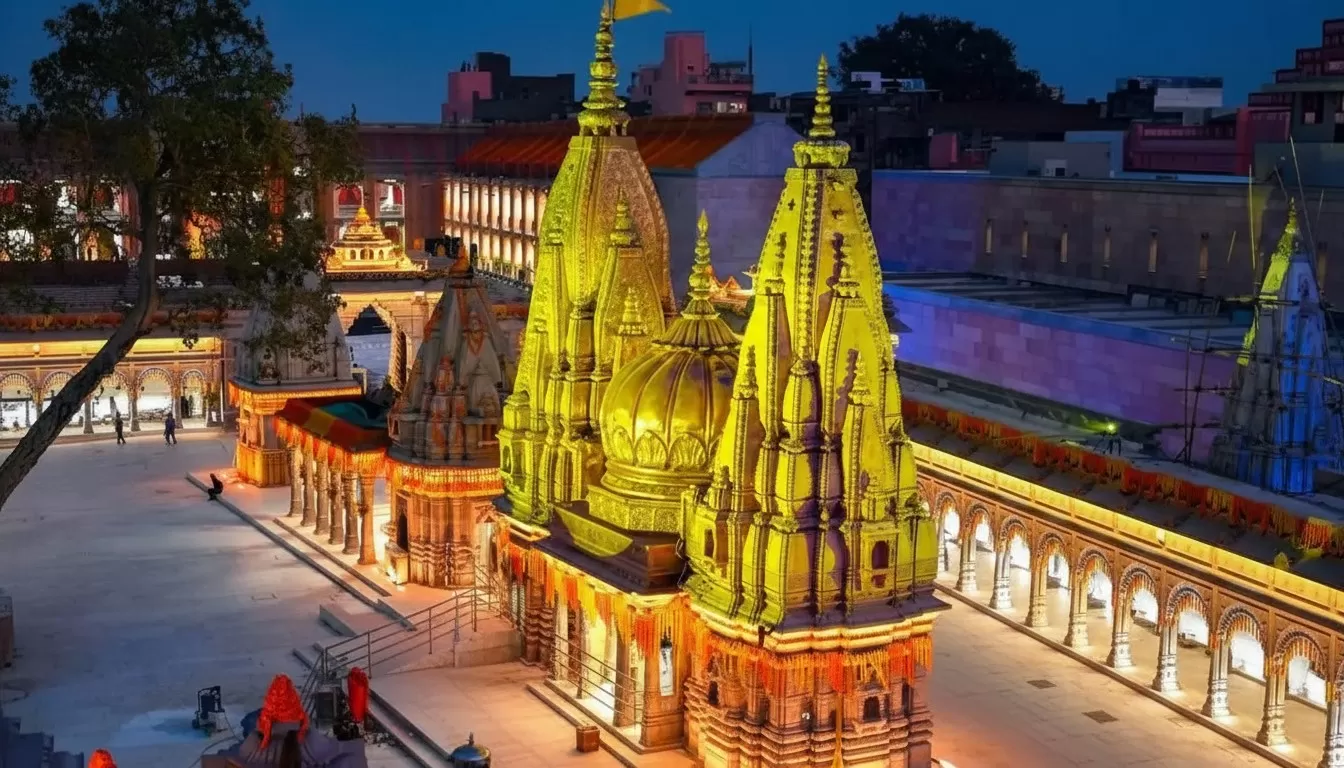
Kashi Vishwanath Temple is one of the most sacred Hindu temples dedicated to Lord Shiva, located in Varanasi, Uttar Pradesh, India. It stands on the western bank of the holy Ganges River and is one of the twelve Jyotirlingas. The temple attracts millions of devotees seeking blessings and spiritual liberation (moksha). Known for its gold-plated spire and deep religious significance, it has been rebuilt several times due to historical invasions, symbolizing resilience of faith and devotion across centuries worldwide pilgrims.

🌍 About This Place

Kashi Vishwanath Temple, located in the ancient city of Varanasi, is one of the most revered Hindu shrines dedicated to Lord Shiva. It is counted among the twelve Jyotirlingas, making it a supreme pilgrimage destination for devotees across India and the world. Situated on the western bank of the sacred river Ganga, the temple represents the eternal connection between spirituality, liberation, and the cycle of life and death. The temple has been destroyed and rebuilt multiple times throughout history, yet it continues to stand as a powerful symbol of faith and resilience. The current structure, completed in the 18th century by Ahilyabai Holkar, features a striking gold-plated spire and dome that shine brilliantly under sunlight.
The temple complex is located near the bustling lanes of Varanasi, filled with devotion, rituals, and chants of “Har Har Mahadev.” Pilgrims believe that a visit to this temple and a dip in the Ganges can lead to moksha, or liberation from the cycle of rebirth. The temple also lies close to other sacred sites such as the Gyanvapi Mosque and numerous ancient ghats, where the famous Ganga Aarti takes place every evening. The spiritual atmosphere, combined with historical richness, makes it a unique destination for seekers, historians, and travelers alike. Visiting Kashi Vishwanath Temple is not just a religious journey but also an experience of India's timeless cultural heritage.
Varanasi remains one of the oldest living cities in the world, where spirituality blends seamlessly with daily life along the ghats of the Ganga River. Early morning boat rides, temple bells, and evening aartis create an unforgettable experience for visitors seeking both peace and cultural depth. Tourists are advised to visit early, avoid peak hours, and experience the spiritual aura with patience, respect, and devotion throughout the sacred temple complex especially during Maha Shivratri festival.

🎯 Things to do

  • Attend Mangala Aarti (early morning)
  • Participate in Rudrabhishek Puja
  • Take a holy dip at Dashashwamedh Ghat
  • Explore the Kashi Vishwanath Corridor
  • Visit nearby temples inside the complex
  • Experience Ganga Aarti in the evening
  • Walk through the traditional Vishwanath Gali market

📍 Near By

  • Dashashwamedh Ghat (500 m)
  • Manikarnika Ghat (700 m)
  • Sarnath (10 km) – Buddhist pilgrimage site
  • Ramnagar Fort (14 km)
  • Assi Ghat (3 km)
  • Banaras Hindu University (BHU) (6 km)
  • Tulsi Manas Temple (5 km)

🚗 How to Reach

  • By Air: The nearest airport is Lal Bahadur Shastri International Airport  about 25 km from the temple. Taxis and cabs are easily available.
  • By Train: Varanasi Junction Railway Station is well connected to major Indian cities.
  • By Road: Regular buses and private vehicles connect Varanasi with nearby cities like Prayagraj  Lucknow and Patna.
  • From the old city area visitors usually walk through narrow lanes or use e-rickshaws to reach the temple corridor.

⭐ Why Visit

  • To seek blessings at one of the holiest Shiva temples.
  • To witness the spiritual energy of ancient Varanasi.
  • To experience the famous Ganga Aarti at nearby ghats.
  • To explore rich Hindu culture rituals and architecture.

💡 Travel Tips

  • Carry valid ID proof for security checks.
  • Mobile phones cameras and electronic items may not be allowed inside.
  • Visit early morning for less crowd and peaceful darshan.
  • Wear comfortable and modest clothing.
  • Be cautious of crowded lanes and keep belongings secure.

✨ Special Features

  • One of the twelve Jyotirlingas of Lord Shiva.
  • Beautiful gold-plated temple dome and spire.
  • Direct connection to the newly developed Kashi Vishwanath Corridor.
  • Close proximity to famous ghats like Dashashwamedh Ghat.
  • Deep spiritual and historical significance dating back centuries.

Rameswaram Temple

Rameswaram Ramanathapuram Tamil Nadu

Ramanathaswamy Temple is one of the holiest Hindu temples dedicated to Lord Shiva and is part of the sacred Char Dham pilgrimage. Located on Rameswaram Island, the temple is closely connected with the epic Ramayana. It is believed that Lord Rama worshipped Shiva here after defeating Ravana in Lanka. The temple is famous for its magnificent Dravidian architecture, massive corridors, carved pillars, and sacred water tanks known as “Theerthams.”

🌍 About This Place

Ramanathaswamy Temple is one of India’s most sacred and historically important temples. Situated on Rameswaram Island in Tamil Nadu, the temple is dedicated to Lord Shiva and attracts millions of pilgrims and tourists every year. According to Hindu mythology, Lord Rama built and worshipped the Shiva Lingam here before returning to Ayodhya after defeating Ravana. Because of this connection with the Ramayana, the temple holds immense spiritual significance.

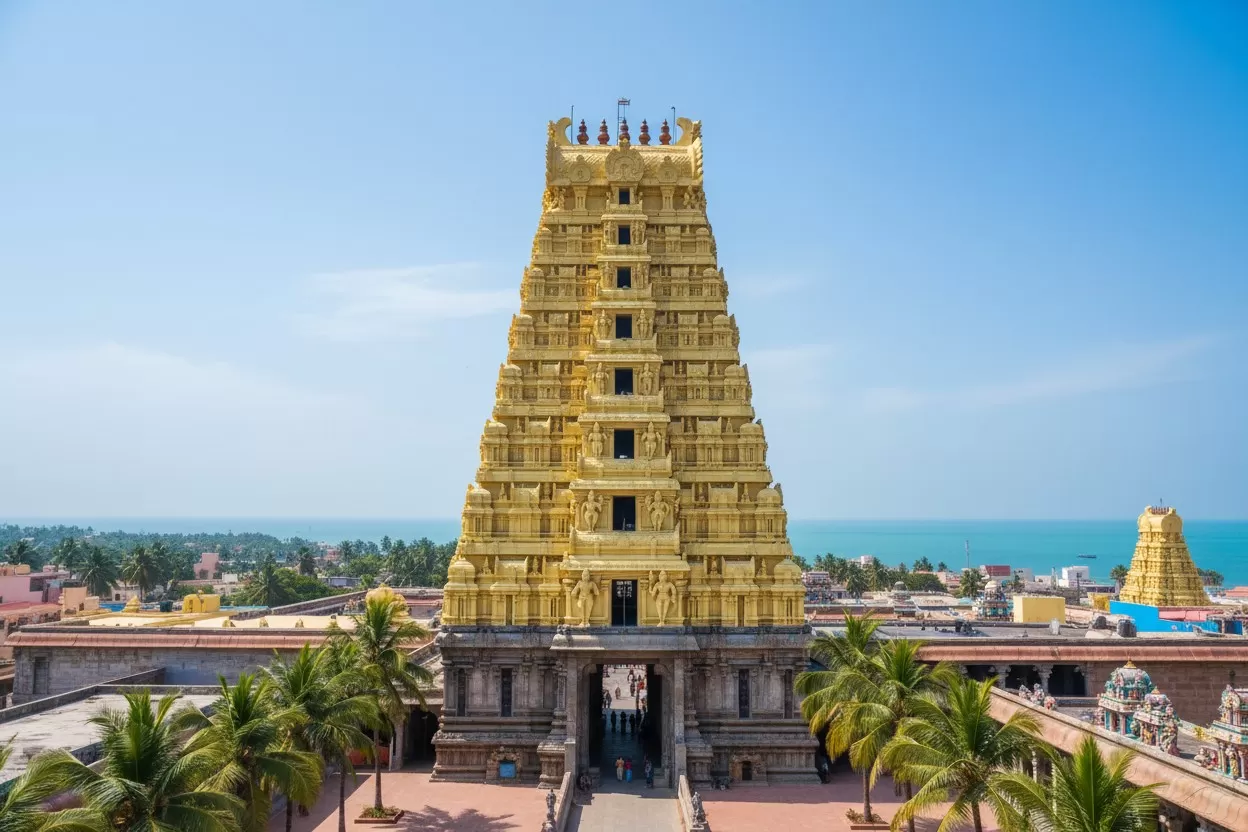
The temple is renowned for its grand Dravidian architecture, towering gopurams, and the world-famous long corridors supported by beautifully carved pillars. These corridors create a mesmerizing visual effect and are considered among the finest examples of South Indian temple architecture. Another important feature is the presence of 22 sacred wells or Theerthams within the temple premises. Devotees believe bathing in these holy waters cleanses sins and brings spiritual purification.
Rameswaram is also part of the Char Dham Yatra, making it one of the holiest pilgrimage destinations in India. The peaceful surroundings, sea breeze, and spiritual atmosphere provide a deeply calming experience for visitors. Nearby attractions such as Dhanushkodi, Agni Theertham, and the iconic Pamban Bridge add to the beauty of the journey.

Whether visited for devotion, architecture, history, or cultural exploration, Ramanathaswamy Temple offers a memorable and spiritually uplifting experience. The temple stands as a symbol of faith, tradition, and timeless Indian heritage, making it a must-visit destination for travelers from around the world.

🎯 Things to do

  • Take darshan of the Jyotirlinga and admire the temple architecture
  • Perform ritual baths at the 22 theerthams within the complex — believed to cleanse sins
  • Participate in special poojas (Spatika Linga Abhishekam Rudrabhishekam etc.) for devotional experience
  • Experience the serene corridors and mandapas — a unique blend of spirituality and architecture
  • Visit during important festivals such as Maha Shivaratri which attracts large pilgrim crowds.

📍 Near By

  • Agni Theertham: Sacred beach for holy bath rites
  • Dhanushkodi Beach: Scenic beach and historic ghost town at the island’s tip
  • Pamban Bridge: Iconic railway bridge connecting Rameswaram to mainland
  • Kothandaramaswamy Temple: Vaishnavite shrine associated with Rama legend (~13 km away)
  • Gandhamadhana Parvatham: Rising hillock with panoramic views
  • Lakshmana Theertham / Jada Tirtham: Sacred ponds with spiritual significance
  • Ariyaman Beach: Leisure beach ideal for picnics.

🚗 How to Reach

  • By Air :- The nearest airport is Madurai Airportm about 170 km from Rameswaram. From the airport  taxis and buses are available to reach the temple town.
  • By Train :- Rameswaram Railway Station is well connected to cities like Chennai Madurai  Coimbatore  and Tiruchirappalli. The train journey across the famous Pamban Bridge offers breathtaking sea views.
  • By Bus :-Regular government and private buses operate from major Tamil Nadu cities such as Madurai  Chennai Tirunelveli  and Trichy. Road travel via the Pamban Bridge is scenic and enjoyable.
  • By Road :-Rameswaram is connected through NH-87. Tourists can drive from Madurai in around 3.5–4 hours.

⭐ Why Visit

  • One of the 12 Jyotirlinga shrines of Lord Shiva
  • Sacred Char Dham pilgrimage destination
  • Longest temple corridor in India
  • Spiritual connection with the Ramayana
  • Peaceful island atmosphere and sea views

💡 Travel Tips

  • Best time to visit: October to March
  • Wear modest traditional clothing inside the temple
  • Early morning darshan is less crowded
  • Carry extra clothes if taking holy baths
  • Avoid peak afternoon heat during summer
  • Keep cash for local transport and offerings

✨ Special Features

  • Over 1
  • 200 beautifully carved pillars
  • 22 sacred wells with different-tasting water
  • Stunning Dravidian-style gopurams
  • Ancient architecture dating back several centuries
  • Nearby attractions: Dhanushkodi and Agni Theertham

Tawang

Tawang Arunachal Pradesh

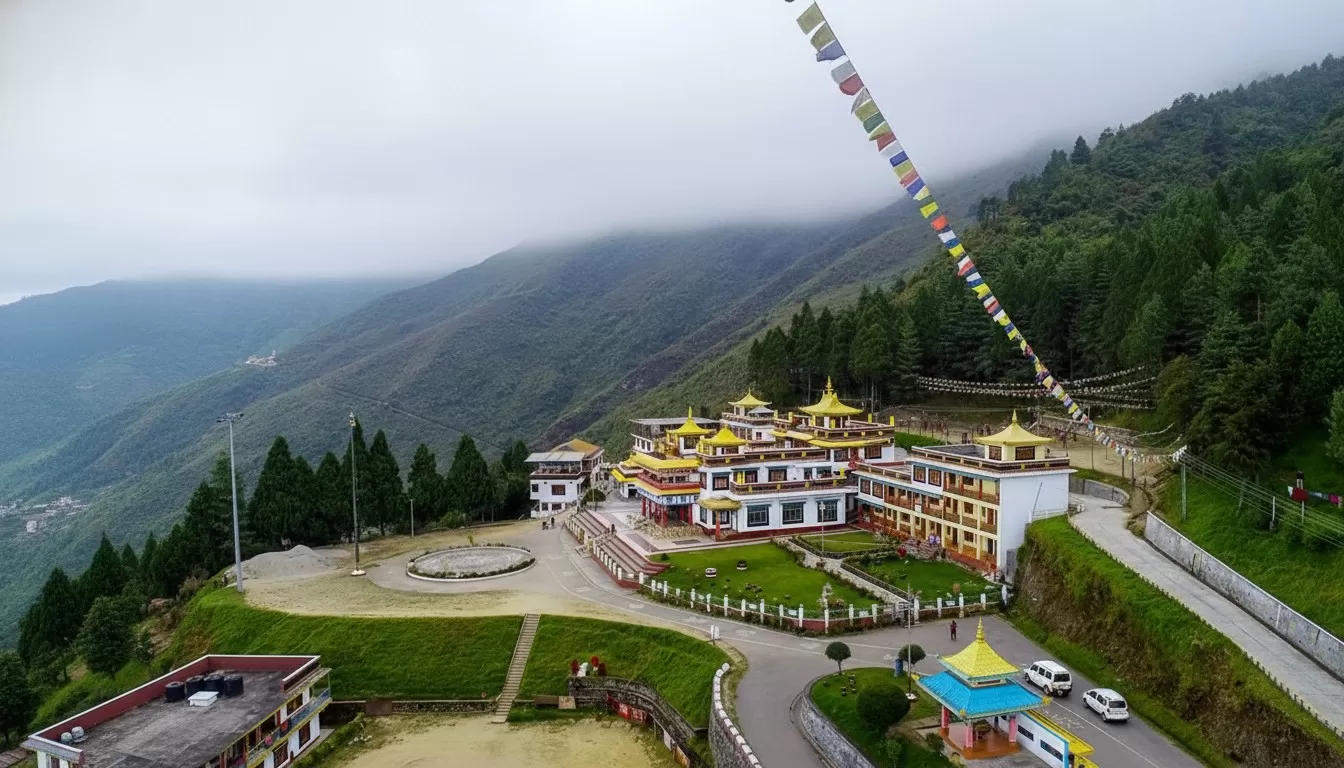
Tawang is a breathtaking hill town located in the northwestern part of Arunachal Pradesh at an altitude of about 3,000 meters above sea level. Surrounded by snow-capped Himalayan peaks, crystal-clear lakes, ancient monasteries, and lush valleys, Tawang is one of the most beautiful destinations in Northeast India. It is renowned for its rich Buddhist culture and is home to the famous Tawang Monastery, the largest monastery in India and one of the largest Buddhist monasteries in the world. The town offers a perfect blend of spirituality, history, adventure, and natural beauty.

🌍 About This Place

Nestled amidst the majestic Eastern Himalayas, Tawang is one of the most enchanting destinations in Arunachal Pradesh. Located at an elevation of around 3,000 meters, this picturesque hill town is famous for its breathtaking landscapes, serene monasteries, pristine lakes, and vibrant Buddhist culture. Surrounded by snow-clad mountains and lush valleys, Tawang offers visitors an unforgettable experience of natural beauty and spiritual tranquility.

The town's most celebrated attraction is the Tawang Monastery, a 17th-century Buddhist monastery that stands as the largest monastery in India and one of the largest in the world. Its magnificent architecture, ancient scriptures, and peaceful atmosphere attract pilgrims and tourists from across the globe. Another highlight is Sela Pass, a high-altitude mountain pass surrounded by snow-covered peaks and beautiful lakes that create spectacular panoramic views.
Nature lovers can explore Sangetsar Lake, popularly known as Madhuri Lake, and admire the scenic Nuranang Waterfall, one of the most beautiful waterfalls in Northeast India. History enthusiasts can visit the Tawang War Memorial, which commemorates the brave soldiers who sacrificed their lives during the 1962 Indo-China War.

Tawang is also known for its unique Monpa culture, colorful festivals, traditional handicrafts, and warm hospitality. The local cuisine, rich traditions, and Buddhist heritage add a special charm to the destination. Whether visitors seek adventure, photography, spirituality, or relaxation, Tawang provides a perfect escape from the hustle and bustle of city life.

With its awe-inspiring scenery, rich cultural heritage, and peaceful environment, Tawang remains one of India's most remarkable mountain destinations and a must-visit place for anyone exploring the beauty of Northeast India.

🎯 Things to do

  • Visit Tawang Monastery
  • Explore Madhuri Lake (Sangestar Tso)
  • Pay respects at Tawang War Memorial
  • Enjoy snowfall and photography
  • Experience Monpa culture and local cuisine
  • Trekking and nature walks
  • Visit high-altitude passes like Sela Pass
  • Attend local Buddhist festivals ..

📍 Near By

  • Tawang Monastery (0 km)
  • Sela Pass (78 km)
  • Madhuri Lake (Sangestar Tso) (35 km)
  • Bum La Pass (37 km – permit required)
  • Nuranang (Jang) Waterfall (40 km)
  • Pankang Teng Tso Lake (PTSO) (15 km)
  • Jaswant Garh War Memorial (25 km).

🚗 How to Reach

  • By Air :-Nearest major airport: Lokpriya Gopinath Bordoloi International Airport (about 480 km away)
  • Alternative airport: Salonibari Airport (about 330–390 km away) From Guwahati or Tezpur taxis and shared vehicles are available to Tawang.
  • By Train :- Nearest railway stations:Guwahati Railway Station; Rangapara North Railway Station; Continue the journey by road via Bomdila and Dirang.
  • By Road / Bus :-Route: Guwahati → Bhalukpong → Bomdila → Dirang → Tawang. Distance: Approximately 480–520 km
  • Travel Time: 14–16 hours
  • State-run and private buses shared Sumos and taxis operate regularly.
  • By Helicopter :-Helicopter services occasionally operate between Guwahati and Tawang subject to weather conditions and availability.

⭐ Why Visit

  • Visit the magnificent Tawang Monastery.
  • Experience the scenic beauty of Sela Pass.
  • Explore the stunning Sangetsar Lake (Madhuri Lake).
  • Witness the majestic Nuranang Falls.
  • Visit the historic Tawang War Memorial.
  • Enjoy snow-covered landscapes trekking photography and local Monpa culture.

💡 Travel Tips

  • Indian tourists need an Inner Line Permit (ILP) to enter Arunachal Pradesh.
  • Carry warm clothing throughout the year; temperatures can drop suddenly.
  • Acclimatize properly due to the high altitude.
  • Keep extra travel days for weather-related delays.
  • Mobile connectivity may be limited in remote areas.
  • Travel slowly and consider an overnight stay in Dirang or Bomdila.
  • Carry essential medicines and identity documents.

✨ Special Features

  • India's largest Buddhist monastery.
  • Spectacular Himalayan scenery.
  • High-altitude lakes with crystal-clear water.
  • Rich Monpa tribal culture and traditions.
  • Strategic location near the India-China border.
  • Snowfall during winter months.
  • Peaceful environment ideal for nature lovers and spiritual seekers.

Shri Mata Vaishno Devi

Katra Reasi Jammu and Kashmir

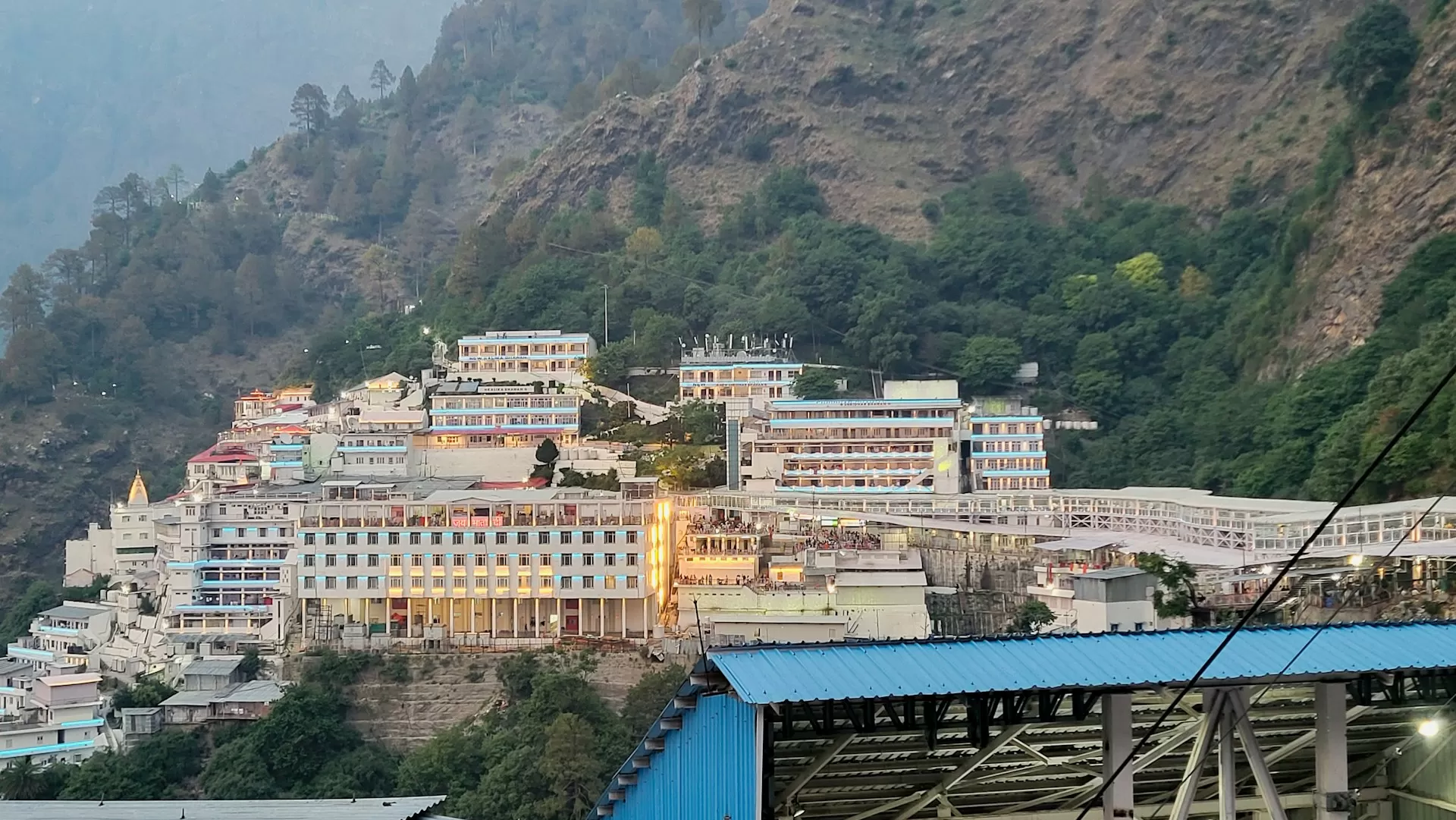
Shri Mata Vaishno Devi Shrine is one of the most revered Hindu pilgrimage sites in India. Situated in the Trikuta Hills near Katra, the shrine is dedicated to Goddess Vaishno Devi, who is worshipped as the combined manifestation of Mahakali, Mahalakshmi, and Mahasaraswati. The holy cave shrine is located at an altitude of about 1,585 meters (5,200 feet) above sea level and attracts millions of devotees every year. Pilgrims undertake a sacred trek of approximately 13 kilometers from Katra to the Bhawan, chanting “Jai Mata Di” throughout the journey.

🌍 About This Place

Shri Mata Vaishno Devi is one of the most important and revered pilgrimage destinations in India. Located in the picturesque Trikuta Hills near Katra in Jammu and Kashmir, the shrine is dedicated to Goddess Vaishno Devi, who is worshipped as the embodiment of divine feminine power. Every year, millions of devotees from across the country and abroad undertake the sacred journey to seek the blessings of the Mother Goddess.

The pilgrimage begins at Katra, the base camp of the yatra. From there, pilgrims travel approximately 13 kilometers through a well-maintained mountain route to reach the holy Bhawan. The journey itself is considered an act of devotion and faith. Along the route, devotees visit important landmarks such as Banganga, Charan Paduka, Ardhkuwari, and Sanjichhat. The atmosphere is filled with spiritual energy as pilgrims chant “Jai Mata Di” while ascending the hills.
The main attraction of the shrine is the sacred cave, where the Goddess is worshipped in the form of three natural rock formations known as Pindis. These represent Mahakali, Mahalakshmi, and Mahasaraswati, symbolizing strength, wealth, and wisdom. The shrine's serene surroundings, combined with breathtaking views of the mountains, create a unique blend of spirituality and natural beauty.

In addition to its religious significance, the shrine offers modern facilities for visitors, including accommodation, food courts, medical assistance, battery cars, and helicopter services. The yatra is accessible throughout the year, though Navratri is considered especially auspicious.

A visit to Shri Mata Vaishno Devi is more than a pilgrimage; it is a journey of faith, devotion, and self-discovery. The experience leaves devotees with a deep sense of peace, fulfillment, and spiritual upliftment, making it one of the most cherished religious destinations in India.

🎯 Things to do

  • Holy trek from Katra to Bhawan
  • Darshan of Mata Vaishno Devi
  • Visit Ardhkuwari Cave
  • Trek to Bhairon Nath Temple
  • Enjoy panoramic views from Himkoti
  • Experience spiritual aartis and bhajans .

📍 Near By

  • Bhairon Nath Temple (2 km from Bhawan)
  • Ardhkuwari Cave /Himkoti View Point / Shiv Khori Cave (approx. 70 km)
  • Patnitop Hill Station (approx. 80 km)
  • Banganga Temple .

🚗 How to Reach

  • By Air :- Nearest airport: Jammu Airport Distance from airport to Katra: approximately 50 km.;Regular flights connect Jammu with major cities such as Delhi Mumbai and Chandigarh.Taxis and buses are available from the airport to Katra.
  • By Train :- Nearest railway station: Shri Mata Vaishno Devi Katra Railway Station;Direct trains are available from Delhi Mumbai Kolkata Ahmedabad and other major cities.;Alternatively  travelers can arrive at Jammu Tawi Railway Station and continue to Katra by road.
  • By Road :- Katra is well connected by national highways.Regular bus services operate from Jammu  Delhi  Amritsar and other North Indian cities.Private taxis and tourist coaches are also available.
  • Helicopter service up to Sanjichhat
  • followed by a short walk to the shrine.

⭐ Why Visit

  • One of India's most sacred Shakti Peeth pilgrimage destinations.
  • Spiritual atmosphere amidst the beautiful Trikuta Mountains.
  • Holy cave containing the three natural Pindis representing the Divine Mother.
  • A journey believed to fulfill devotees' wishes and bring peace faith  and blessings.
  • Scenic mountain views and well-developed pilgrimage facilities.

💡 Travel Tips

  • Register for the Yatra before starting the trek.
  • Carry warm clothing
  • especially during winter and night travel.
  • Wear comfortable walking shoes.
  • Keep water and light snacks handy.
  • Book accommodation and helicopter tickets well in advance during peak seasons and Navratri.
  • Avoid carrying excessive luggage during the trek.
  • Follow Shrine Board instructions and safety guidelines.

✨ Special Features

  • Sacred cave shrine with three naturally formed Pindis.
  • Open throughout the year.
  • Modern facilities including battery cars accommodation  medical aid and helicopter services.
  • Beautiful trekking route passing through Banganga  Charan Paduka  Ardhkuwari and Sanjichhat.
  • One of the most visited pilgrimage destinations in India.

Tirupati Balaji

Tirumala Tirupati Andhra Pradesh

Tirupati Balaji Temple, also known as Sri Venkateswara Temple, is one of the most revered Hindu pilgrimage sites in India. Situated on the Tirumala Hills in Andhra Pradesh, the temple is dedicated to Lord Venkateswara, an incarnation of Lord Vishnu. Millions of devotees visit every year seeking blessings, prosperity, and spiritual fulfillment. Renowned for its rich traditions, grand architecture, and sacred rituals, the temple attracts pilgrims and tourists from across the world throughout the year.

🌍 About This Place

Tirupati Balaji Temple, popularly known as Sri Venkateswara Temple, is among the most significant Hindu temples in India and a major center of pilgrimage. Located atop the Tirumala Hills in Andhra Pradesh, the temple is dedicated to Lord Venkateswara, believed to be an incarnation of Lord Vishnu who descended to earth to guide and protect humanity during the Kali Yuga.

The temple's origins date back several centuries and are mentioned in ancient Hindu scriptures and inscriptions. Over time, various South Indian dynasties, including the Pallavas, Cholas, and Vijayanagara rulers, contributed to its development and grandeur. The temple showcases impressive Dravidian architecture, featuring ornate carvings, towering gopurams, and a magnificent gold-plated dome that reflects the rich cultural heritage of South India.
Every day, thousands of devotees gather to seek blessings from the deity. The temple administration manages one of the largest pilgrimage operations in the world, ensuring smooth darshan arrangements and facilities for visitors. One of the most cherished traditions is the offering of Tirupati Laddu Prasadam, which has become an iconic symbol of the temple.

The surrounding Tirumala Hills add to the spiritual ambiance, offering breathtaking views and a peaceful environment. Pilgrims often undertake a sacred trek to the temple as an act of devotion. Major festivals such as Brahmotsavam attract enormous crowds and are celebrated with great enthusiasm and religious fervor.Apart from its religious significance, the temple is known for its charitable activities, educational institutions, healthcare services, and preservation of traditional arts and culture. A visit to Tirupati Balaji offers a unique blend of spirituality, history, architecture, and devotion, making it one of India's most treasured religious destinations and an unforgettable experience for pilgrims and travelers alike.

🎯 Things to do

  • Seek darshan at Sri Venkateswara Temple
  • Participate in temple rituals and sevas
  • Offer hair at Kalyana Katta (tonsuring)
  • Collect Laddu Prasadam
  • Visit Akasa Ganga holy waterfall
  • Explore Srivari Museum
  • Walk the sacred Alipiri Footpath
  • Attend early morning Suprabhatam Seva.

📍 Near By

  • Akasa Ganga
  • Silathoranam (Natural Rock Arch)
  • Sri Vari Museum
  • Japali Teertham
  • Papavinasam Theertham
  • Talakona Waterfalls (≈50 km)
  • Chandragiri Fort (≈16 km).

🚗 How to Reach

  • By Air :- Nearest airport: Tirupati Airport (about 15 km from Tirupati city).Regular flights connect Tirupati with Hyderabad Bengaluru  Chennai Delhi and other major cities.Taxis and buses are available from the airport to Tirupati and Tirumala.
  • By Train :-Major railway station: Tirupati Railway Station.Well connected to Chennai  Hyderabad Bengaluru  Mumbai Nagpur and Delhi.
  • By Bus :- Frequent government and private buses operate from Chennai Bengaluru Hyderabad  Vijayawada and other cities.
  • APSRTC provides direct buses to Tirumala from Tirupati.

⭐ Why Visit

  • One of the holiest Hindu temples.
  • Spiritual and peaceful atmosphere.
  • Famous Tirupati Laddu Prasadam.
  • Beautiful hill scenery and sacred traditions.
  • Rich history and architecture.

💡 Travel Tips

  • Book darshan tickets online in advance.
  • Carry valid ID proof.
  • Wear traditional/modest clothing.
  • Avoid weekends and festival rush if possible.
  • Stay hydrated while climbing the hill route.
  • Keep valuables secure.

✨ Special Features

  • One of the world's most visited temples.
  • Located on seven sacred hills.
  • Famous hair-offering tradition.
  • Gold-covered Ananda Nilayam tower.
  • Renowned Tirupati Laddu with GI tag.
  • 24-hour pilgrimage management and facilities.

Trimbakeshwar Temple

Trimbakeshwar Nashik Maharashtra

Trimbakeshwar Temple is one of the twelve sacred Jyotirlingas of Lord Shiva, located in the town of Trimbakeshwar Temple near Nashik. Built from black basalt stone in traditional Hemadpanti architecture, the temple is renowned for its spiritual significance and unique Shiva Lingam representing Brahma, Vishnu, and Mahesh. Situated at the foothills of the Brahmagiri Hills, it is also closely associated with the origin of the sacred Godavari River, attracting millions of devotees and pilgrims annually.

🌍 About This Place

Trimbakeshwar Temple is one of the most revered Hindu pilgrimage destinations in India and holds immense religious significance as one of the twelve Jyotirlingas of Lord Shiva. Located in the tranquil town of Trimbakeshwar, about 30 kilometers from Nashik in Maharashtra, the temple attracts devotees from across the country throughout the year.

The present temple structure was built during the 18th century by Peshwa Balaji Baji Rao and showcases the remarkable Hemadpanti style of architecture. Constructed from black basalt stone, the temple features intricately carved pillars, beautiful sculptures, and a majestic spire that reflects the craftsmanship of the era. The temple complex creates a serene and spiritual atmosphere for worshippers and visitors alike.A unique feature of Trimbakeshwar Temple is its sacred Lingam, which represents the Hindu Trinity—Brahma, Vishnu, and Mahesh (Shiva). This rare representation distinguishes it from other Jyotirlinga temples across India. The temple is also closely linked to the sacred Godavari River, considered one of India's holiest rivers. The nearby Brahmagiri Hills are believed to be the source of the river, adding to the spiritual importance of the region.

Apart from daily worship and special religious ceremonies, the temple is known for conducting rituals such as Narayan Nagbali, Kalsarpa Shanti, and Tripindi Shraddha, which draw devotees seeking spiritual remedies and blessings. During festivals such as Mahashivratri and Kumbh Mela, the temple witnesses a massive influx of pilgrims.Surrounded by lush hills, scenic landscapes, and ancient spiritual traditions, Trimbakeshwar Temple offers a unique blend of faith, history, architecture, and natural beauty. Whether visiting for religious purposes or cultural exploration, the temple provides an enriching and memorable experience for every traveler.

🎯 Things to do

  • Darshan of Trimbak Jyotirlinga
  • Visit Kushavarta Kund (Godavari origin)
  • Attend morning or evening Aarti
  • Perform religious rituals & pujas
  • Explore temple architecture
  • Buy religious items & local souvenirs
  • Experience spiritual atmosphere.

📍 Near By

  • Brahmagiri Hill – trekking & scenic views
  • Anjaneri Hills – birthplace of Lord Hanuman
  • Gangadwar (Godavari origin)
  • Vaitarna Lake – peaceful picnic spot
  • Ashoka Waterfall – popular monsoon picnic
  • Pandavleni Caves (Nashik)
  • Sula Vineyards – leisure & sightseeing (near Nashik).

🚗 How to Reach

  • By Air :- Nearest airport: Nashik Airport (about 35–40 km).Alternative: Chhatrapati Shivaji Maharaj International Airport (about 180 km).Taxis and buses are available from both airports.
  • By Train :- Nearest railway station: Nashik Road Railway Station (around 30 km).Regular trains connect Nashik with Mumbai Pune Delhi Hyderabad and other major cities.Local buses and taxis operate from the station to Trimbakeshwar.
  • By Bus :- Frequent Maharashtra State Transport (MSRTC) buses run from Nashik Central Bus Stand.Direct buses are also available from Mumbai Pune and nearby cities.

⭐ Why Visit

  • One of the 12 Jyotirlingas of Lord Shiva.
  • Origin place of the sacred Godavari River.
  • Unique three-faced Jyotirlinga representing Brahma Vishnu and Shiva.
  • Famous for Narayan Nagbali and Kaal Sarp Shanti rituals.
  • Beautiful natural surroundings of Brahmagiri Hills.
  • Important destination during Mahashivratri and Kumbh Mela.

💡 Travel Tips

  • Visit early morning to avoid long queues.
  • Shravan month and Mahashivratri attract huge crowds.
  • Wear modest traditional clothing suitable for a temple visit.
  • Carry water and comfortable footwear for exploring Brahmagiri Hill.
  • Follow temple rules regarding mobile phones  bags  and photography.
  • Monsoon (July–September) offers beautiful scenery but can be crowded.

✨ Special Features

  • One of the 12 Jyotirlingas in India.
  • Unique Shiva Linga representing the Trinity—Brahma Vishnu and Mahesh.
  • Ancient black-stone Hemadpanti architecture.
  • Sacred Kushavarta Kund considered the symbolic source of the Godavari River.
  • Venue for important Hindu rituals such as Narayan Nagbali  Kalsarpa Shanti and Tripindi Shraddha.
  • Located amidst the scenic Brahmagiri mountain range.

Tuljabhavani Temple

Tuljapur Osmanabad Maharashtra

The Tulja Bhavani Temple is one of the most revered Hindu pilgrimage sites in Maharashtra, located in the town of Tuljapur, Dharashiv (Osmanabad) district. The temple is dedicated to Goddess Tulja Bhavani, a powerful form of Goddess Durga. It is considered one of the "Three and a Half Shakti Peethas" (Sade Teen Shakti Peeth) of Maharashtra and holds immense spiritual significance for devotees. The temple is especially famous as the family deity (Kuldevi) of the great Maratha ruler Chhatrapati Shivaji Maharaj, who is believed to have received the divine sword "Bhavani Talwar" from the goddess.

🌍 About This Place

The Tulja Bhavani Temple, situated in Tuljapur in Maharashtra's Dharashiv district, is one of the most sacred pilgrimage destinations in India. Dedicated to Goddess Tulja Bhavani, a fierce and protective form of Goddess Durga, the temple attracts millions of devotees every year. It is recognized as one of the revered "Three and a Half Shakti Peethas" of Maharashtra and is deeply rooted in the spiritual and cultural traditions of the region.

The temple's history dates back several centuries and is closely associated with Chhatrapati Shivaji Maharaj, the founder of the Maratha Empire. According to popular belief, Goddess Bhavani blessed Shivaji Maharaj and presented him with the legendary Bhavani Sword, symbolizing divine protection and courage. Because of this connection, the temple holds a special place in Maratha history and heritage.
Architecturally, the temple is built in the traditional Hemadpanti style, featuring massive stone structures, intricately carved gateways, and ancient temple architecture. The sanctum houses the sacred idol of Goddess Tulja Bhavani, which is worshipped with great devotion. The temple complex resonates with chants, prayers, and rituals throughout the day, creating a spiritually uplifting atmosphere.

Navratri is the most important festival celebrated here, when thousands of pilgrims gather to participate in special prayers and cultural events. Besides its religious significance, the temple offers visitors a glimpse into Maharashtra's rich history, traditions, and devotional practices. A visit to Tulja Bhavani Temple provides not only spiritual fulfillment but also an opportunity to experience the timeless heritage and faith that have made this shrine a revered center of worship for generations.

🎯 Things to do

  • Seek blessings of Goddess Tulja Bhavani
  • Participate in Aarti & Abhishek
  • Attend religious rituals and festivals
  • Learn about Shivaji Maharaj’s history
  • Walk around temple complex
  • Photography (outside temple premises).

📍 Near By

  • Ghatshil Temple Area – scenic hill surroundings
  • Balaghat Hills – peaceful nature views
  • Tuljapur Lake (local area)
  • Naldurg Fort (approx. 45 km) – historical picnic spot
  • Solapur Siddheshwar Garden (approx. 45 km).

🚗 How to Reach

  • By Air :- Nearest Airport: Solapur Airport (about 50 km);Nearest Major Airport: Pune International Airport (about 290–300 km); Taxis and buses are available from both airports.
  • By Train :-Nearest Railway Stations:Dharashiv Railway Station (about 25–30 km);Solapur Railway Station (about 45 km);Solapur offers excellent rail connectivity to Mumbai Pune Hyderabad Bengaluru and other major cities.
  • By Bus:-Regular MSRTC and private buses operate from Mumbai Pune Nagpur Aurangabad Solapur Hyderabad and nearby cities.Tuljapur is well connected through state and national highways.

⭐ Why Visit

  • Seek blessings of Goddess Tulja Bhavani.
  • Experience one of Maharashtra's most important Shakti Peethas.
  • Explore ancient Hemadpanti architecture.
  • Learn about its connection with Chhatrapati Shivaji Maharaj.
  • Witness grand Navratri celebrations and traditional rituals.

💡 Travel Tips

  • Visit early morning for a peaceful darshan.
  • Expect large crowds on Tuesdays Fridays and during Navratri.
  • Wear modest clothing suitable for a religious place.
  • Book accommodation in advance during festivals.
  • Carry drinking water and essential medicines.
  • Photography may be restricted inside the sanctum.

✨ Special Features

  • One of Maharashtra's "Sade Teen Shakti Peethas".
  • Ancient Hemadpanti-style architecture.
  • Self-manifested (Swayambhu) idol of the Goddess.
  • Historic association with Chhatrapati Shivaji Maharaj.
  • Major center of Shakti worship attracting millions of devotees annually.

Gajanan Maharaj Temple

Shegaon Buldhana Maharashtra

Gajanan Maharaj Temple is one of Maharashtra's most revered spiritual destinations. Dedicated to Saint Gajanan Maharaj, the temple attracts millions of devotees every year. Known for its peaceful atmosphere, cleanliness, and well-managed facilities, the temple complex offers a deeply spiritual experience. Pilgrims visit to seek blessings, participate in religious ceremonies, and experience the saint's teachings of devotion, humility, and service. The shrine has become an important center of faith and cultural heritage in the Vidarbha region of Maharashtra.

🌍 About This Place

Gajanan Maharaj Temple is among the most significant pilgrimage centers in Maharashtra and serves as the spiritual heart of Shegaon town. The temple is dedicated to Saint Gajanan Maharaj, a revered saint believed to have appeared in Shegaon in the late nineteenth century. His teachings emphasized devotion to God, compassion, simplicity, and selfless service, inspiring countless followers across India.

The temple complex is renowned for its disciplined management, cleanliness, and peaceful atmosphere. Devotees from different parts of the country visit throughout the year to offer prayers and seek blessings at the saint's sacred samadhi. The shrine's spiritual ambiance creates a sense of calm and devotion that leaves a lasting impression on visitors.Inside the complex, pilgrims can participate in daily aartis, bhajans, and religious ceremonies conducted according to traditional practices. The temple trust has developed excellent facilities, including accommodation, dining arrangements, waiting halls, and security services, ensuring a comfortable experience for visitors. These facilities make the temple one of the best-managed pilgrimage destinations in India.

A major attraction near the temple is Anand Sagar, a large spiritual and recreational complex developed by the temple trust. Spread across vast landscaped grounds, it features gardens, fountains, meditation spaces, educational exhibits, and family-friendly attractions. Many pilgrims combine their temple visit with a trip to Anand Sagar.The temple also plays an important role in social welfare through educational, charitable, and community service initiatives. During religious festivals and special occasions, thousands of devotees gather to participate in grand celebrations filled with devotional music and spiritual activities.

Whether visited for faith, cultural exploration, or spiritual reflection, Gajanan Maharaj Temple offers a deeply enriching experience. Its sacred heritage, serene surroundings, and excellent facilities make it one of Maharashtra's most respected and visited religious destinations.

🎯 Things to do

  • Take Samadhi Darshan
  • Attend Aarti (Kakad / Madhyahan / Shej)
  • Experience meditation & spiritual calm
  • Visit Prasadalaya (free meals)
  • Explore Anand Sagar complex
  • Buy devotional items from temple shops
  • Walk peacefully inside the clean temple campus.

📍 Near By

  • Anand Sagar Shegaon – gardens/ fountains/ temples/ picnic areas
  • Shegaon Garden Area – peaceful green surroundings
  • Gajanan Maharaj Udyan – maintained garden by Sansthan
  • Nandura Lake (nearby) – nature & picnic spot
  • Lonar Lake (approx. 85 km) – famous meteor crater lake.

🚗 How to Reach

  • By Air:- Nearest airport: Dr. Babasaheb Ambedkar International Airport (about 300 km).Another convenient option is Akola Airport (limited connectivity).Taxis and buses are available from major cities to Shegaon.
  • By Train :- The nearest railway station is Shegaon Railway Station.Shegaon lies on the important Mumbai–Howrah railway route and many express trains stop here.The temple is only a short distance from the station.
  • By Bus :- Regular state transport and private buses connect Shegaon with Nagpur  Akola  Amravati  Pune  Mumbai and other cities.Local auto-rickshaws are easily available from the bus stand.

⭐ Why Visit

  • Spiritual significance and blessings of Gajanan Maharaj.
  • Peaceful and well-maintained temple environment.
  • Famous Samadhi Mandir.
  • Visit to Anand Sagar.
  • Excellent facilities for pilgrims.
  • Rich cultural and devotional atmosphere.

💡 Travel Tips

  • Visit early morning for a less crowded darshan.
  • Dress modestly and respectfully.
  • Weekdays are generally less crowded than weekends and festivals.
  • Carry water during summer months.
  • Book accommodation in advance during major religious events.
  • Follow temple rules regarding photography and queue management.

✨ Special Features

  • Samadhi of Sant Gajanan Maharaj.
  • Exceptionally clean and well-maintained premises.
  • Free or affordable accommodation facilities for devotees.
  • Organized queue management and security.
  • Spiritual atmosphere with daily prayers and devotional activities.
  • Nearby Anand Sagar project featuring gardens  exhibits  and family attractions.

Sai Baba Temple

Shirdi Ahilyanagar Maharashtra

The Shirdi Sai Baba Temple is one of India's most visited spiritual destinations, dedicated to Sai Baba of Shirdi. Located in Shirdi, the temple houses the sacred Samadhi (final resting place) of Sai Baba, who preached love, compassion, charity, and harmony among all religions. Millions of devotees from India and abroad visit Shirdi every year to seek blessings and experience its peaceful spiritual atmosphere.

🌍 About This Place

The Shirdi Sai Baba Temple, located in the town of Shirdi in Maharashtra, is one of the most revered pilgrimage destinations in India. Dedicated to Sai Baba of Shirdi, the temple attracts millions of devotees every year from different parts of the world. Sai Baba was a spiritual saint who taught the values of faith, patience, compassion, charity, and universal brotherhood. His teachings emphasized that all religions ultimately lead to the same divine truth, making him respected by people of various faiths.

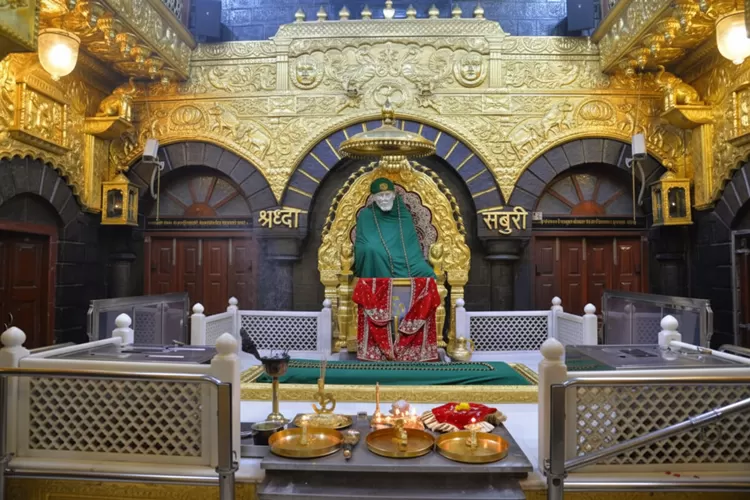
The main attraction of the temple complex is the Samadhi Mandir, where Sai Baba's mortal remains were laid to rest in 1918. Devotees gather here to offer prayers and seek blessings. The beautiful white marble statue of Sai Baba, seated gracefully above the Samadhi, inspires devotion and inner peace among visitors. The temple atmosphere is filled with spiritual energy, devotional songs, and the chanting of Sai Baba's name.
Apart from the Samadhi Mandir, visitors can explore important places connected with Sai Baba's life, including Dwarkamai, Chavadi, and Gurusthan. Daily aarti ceremonies are major attractions and provide a deeply moving spiritual experience. The temple trust also operates a large Prasadalaya, serving meals to thousands of devotees every day.

Shirdi is known not only for its religious significance but also for its excellent management, cleanliness, and facilities for pilgrims. Whether one visits for spiritual growth, devotion, or cultural exploration, the experience leaves a lasting impression. The temple stands as a symbol of love, unity, and selfless service, reflecting Sai Baba's timeless message: "Sabka Malik Ek" – God is One. This universal teaching continues to inspire millions across generations.

🎯 Things to do

  • Visiting Shirdi involves temple rituals like darshan (viewing) and Aarti
  • Exploring holy spots like Dwarkamai-Chavadi and Gurusthan
  • Experiencing spiritual activities like Sai Satcharitra recitation

📍 Near By

  • Shani Shingnapur(about 35-40 km away)
  • Nashik -Kalaram Temple and Ramkund
  • Bhandardara (76 km) is a popular nearby hill station for nature
  • Trimbakeshwar (near Nashik) .

🚗 How to Reach

  • By Air :-Nearest Airport: Shirdi Airport (about 14 km from the temple).Regular flights connect Shirdi with major cities such as Delhi Hyderabad  Bengaluru  and Chennai.Taxis and buses are available from the airport to the temple.
  • By Train :-Nearest Railway Station: Sainagar Shirdi Railway Station.Direct trains operate from Mumbai  Pune Hyderabad Chennai Delhi and other major cities.
  • By Bus :-Maharashtra State Transport (MSRTC) and private buses operate frequent services from Mumbai  Pune  Nashik  Aurangabad  Nagpur  and other cities.Well-connected roads make Shirdi easily accessible by car as well.

⭐ Why Visit

  • Seek blessings at Sai Baba's Samadhi.
  • Experience spiritual peace and devotion.
  • Attend Kakad Aarti  Madhyan Aarti  Dhoop Aarti  and Shej Aarti.
  • Visit nearby sacred places associated with Sai Baba's life.
  • Witness one of India's most organized pilgrimage centers.

💡 Travel Tips

  • Visit on weekdays to avoid heavy crowds.
  • Book accommodation in advance during festivals and holidays.
  • Follow temple dress and security guidelines.
  • Keep drinking water and comfortable footwear for long queues.
  • Use official temple facilities for darshan passes and donations.

✨ Special Features

  • Marble statue of Sai Baba installed in the Samadhi Mandir.
  • Free meals (Prasadalaya) for devotees.
  • Clean and well-managed temple complex.
  • Daily aartis and devotional programs.
  • Strong message of unity beyond caste  creed  and religion.