
Tawang
7:00 AM – 7:00 PM
₹No entry fee
March to May and September to November
1 - 2 days
Available
Yes
Tawang
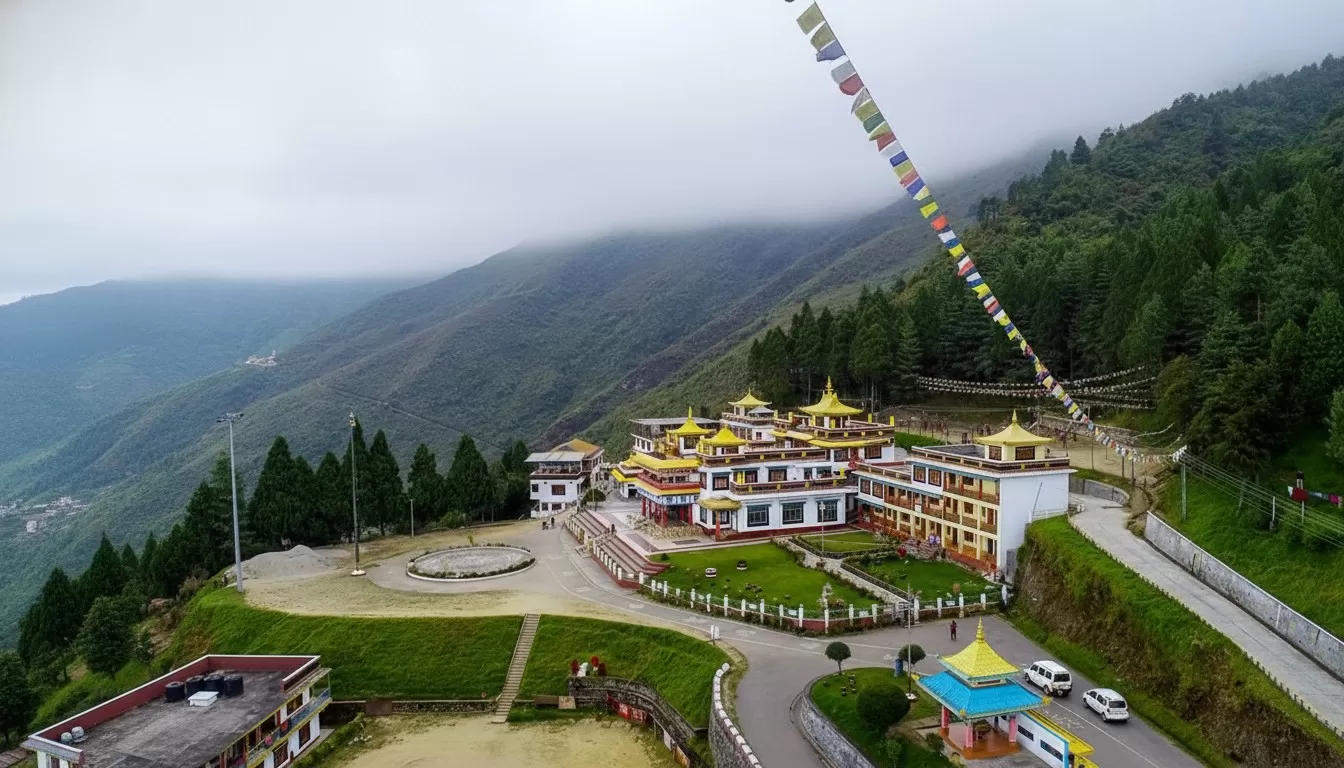
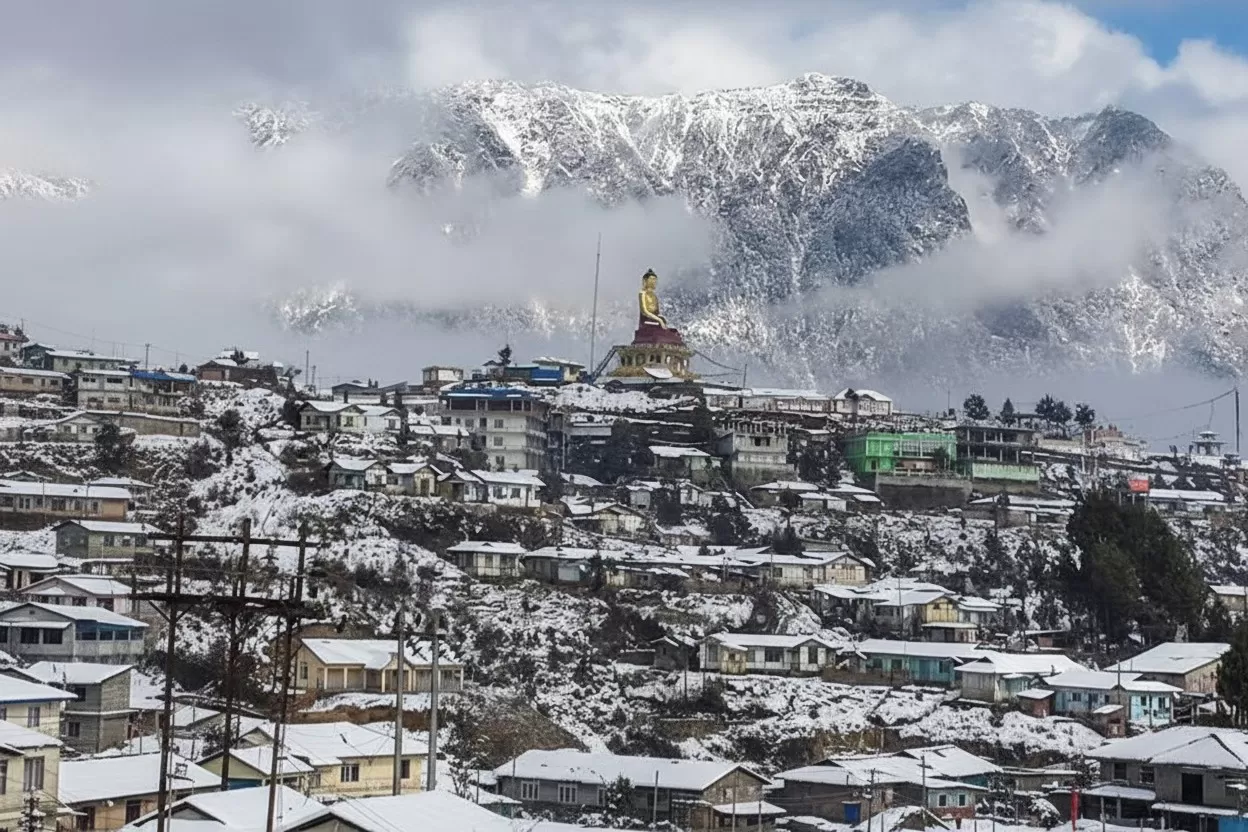
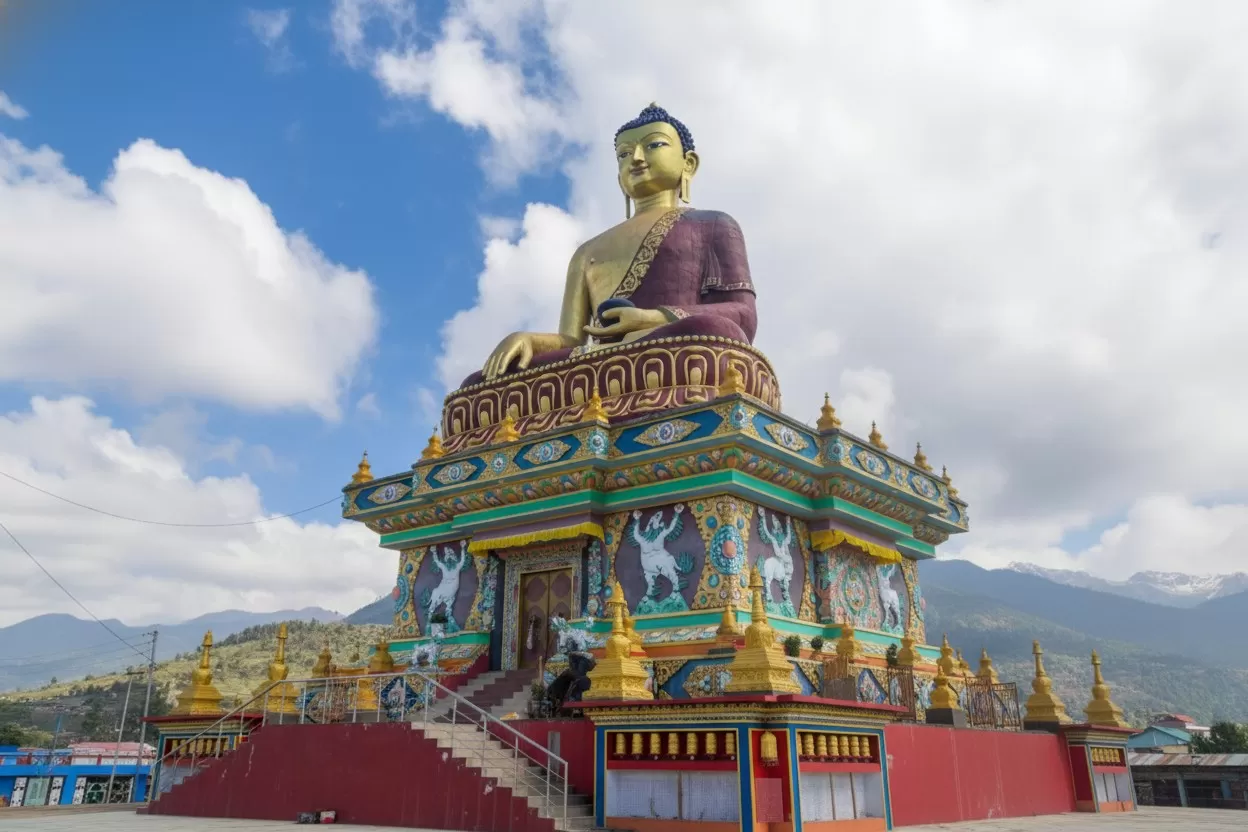
Tawang is a breathtaking hill town located in the northwestern part of Arunachal Pradesh at an altitude of about 3,000 meters above sea level. Surrounded by snow-capped Himalayan peaks, crystal-clear lakes, ancient monasteries, and lush valleys, Tawang is one of the most beautiful destinations in Northeast India. It is renowned for its rich Buddhist culture and is home to the famous Tawang Monastery, the largest monastery in India and one of the largest Buddhist monasteries in the world. The town offers a perfect blend of spirituality, history, adventure, and natural beauty.
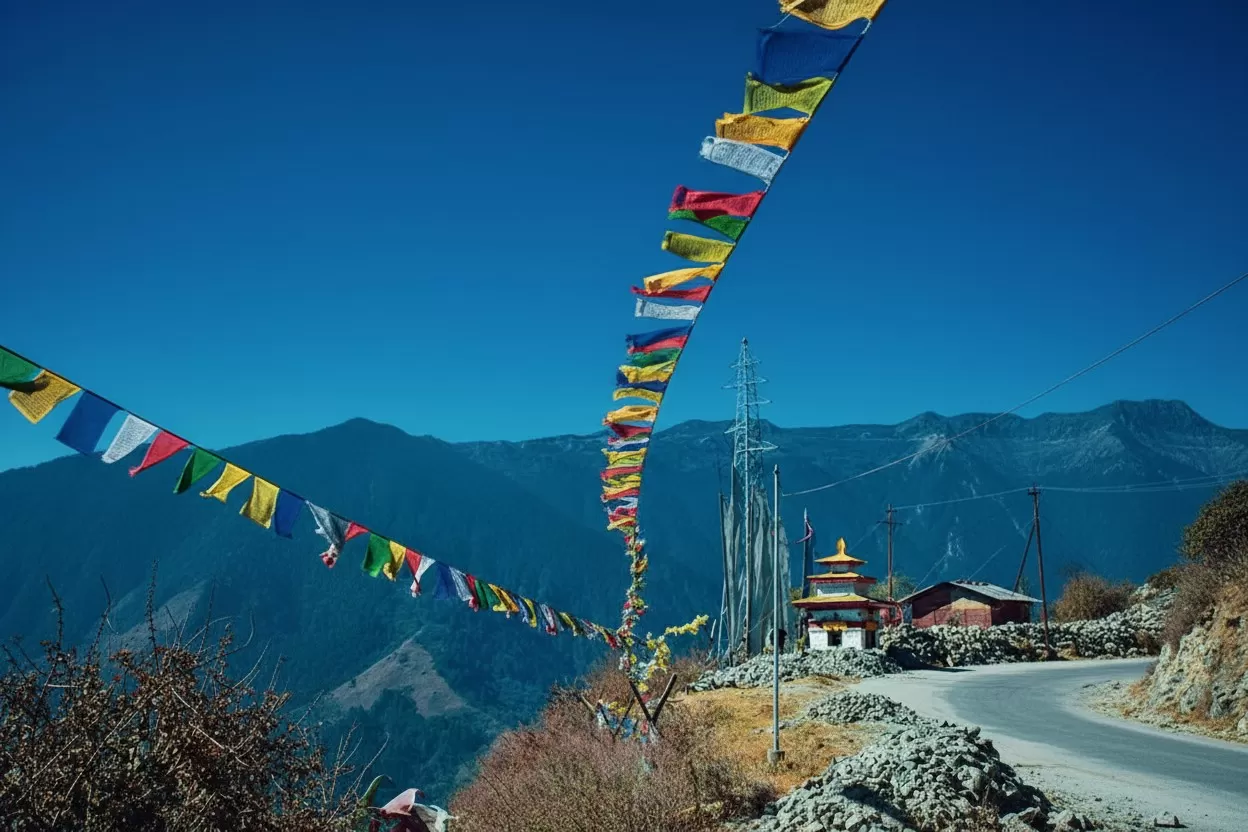
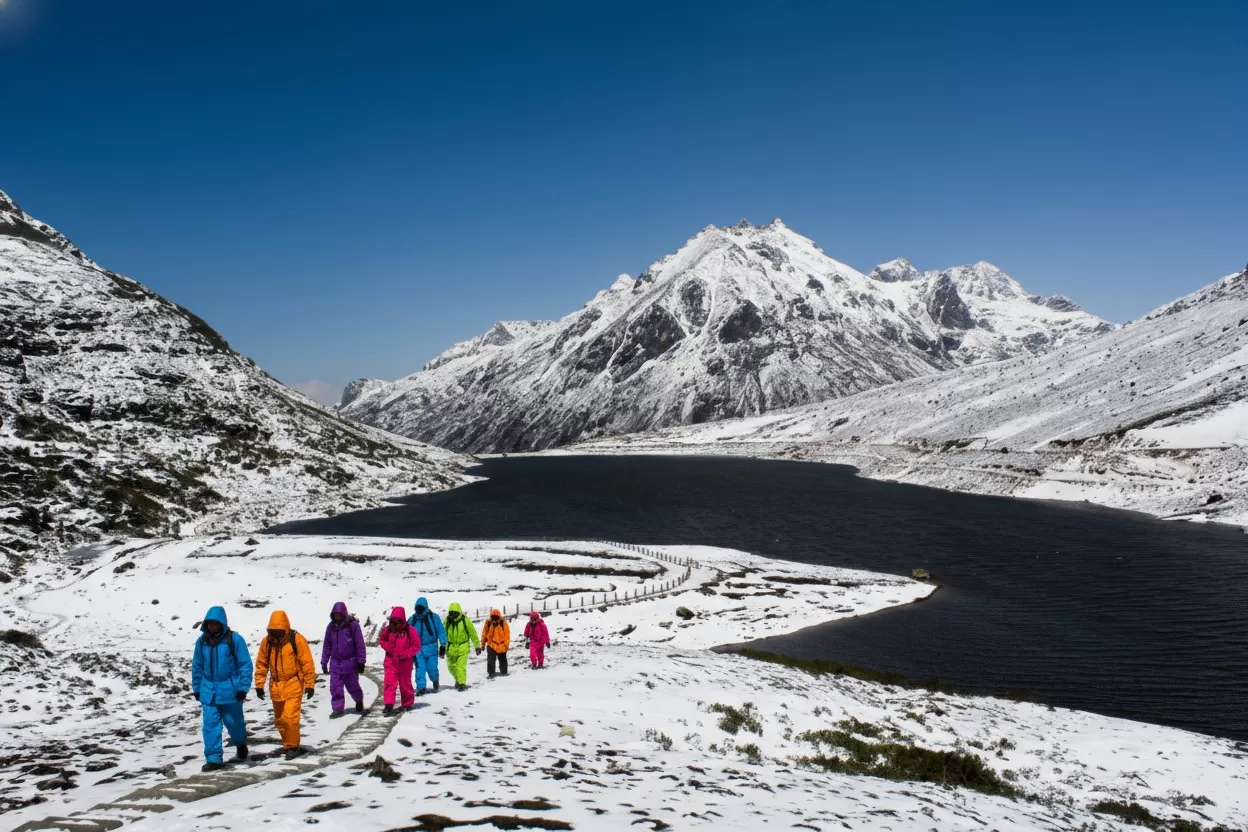
The town's most celebrated attraction is the Tawang Monastery, a 17th-century Buddhist monastery that stands as the largest monastery in India and one of the largest in the world. Its magnificent architecture, ancient scriptures, and peaceful atmosphere attract pilgrims and tourists from across the globe. Another highlight is Sela Pass, a high-altitude mountain pass surrounded by snow-covered peaks and beautiful lakes that create spectacular panoramic views.
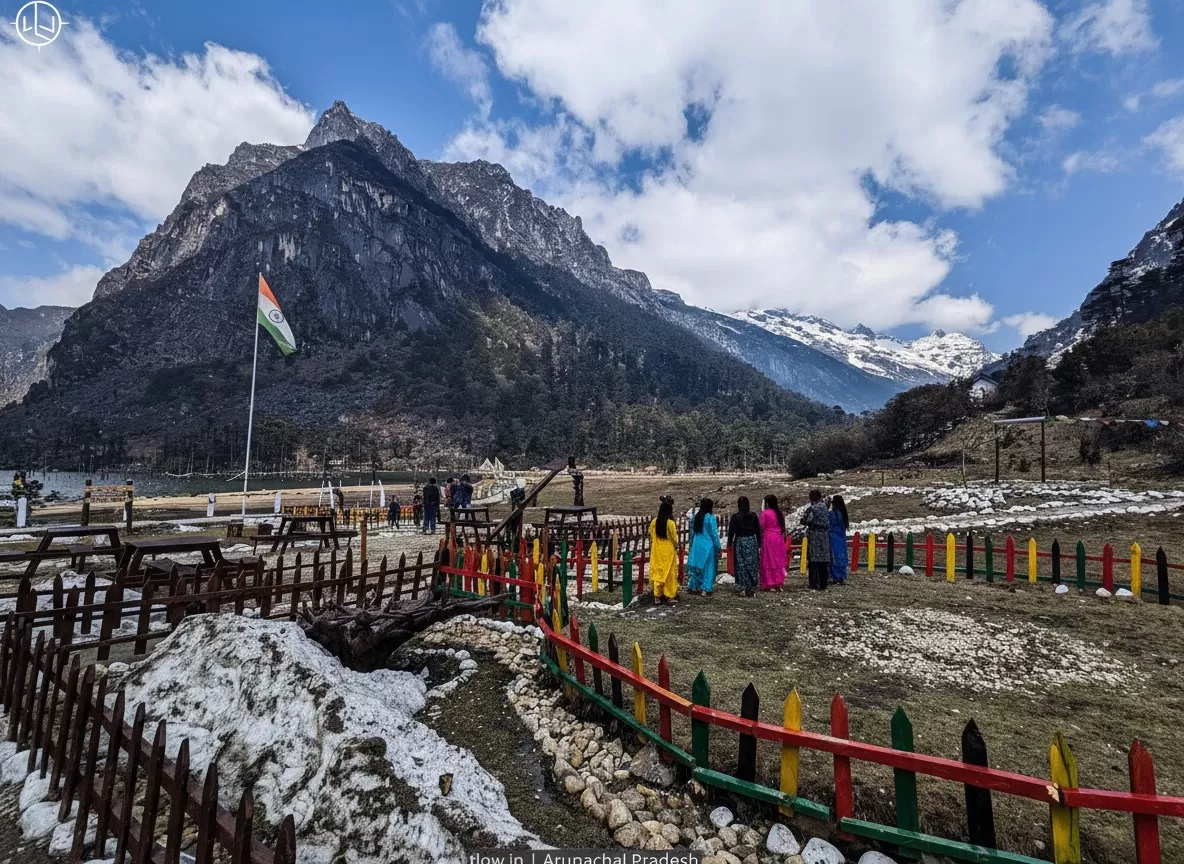
Nature lovers can explore Sangetsar Lake, popularly known as Madhuri Lake, and admire the scenic Nuranang Waterfall, one of the most beautiful waterfalls in Northeast India. History enthusiasts can visit the Tawang War Memorial, which commemorates the brave soldiers who sacrificed their lives during the 1962 Indo-China War.
Tawang is also known for its unique Monpa culture, colorful festivals, traditional handicrafts, and warm hospitality. The local cuisine, rich traditions, and Buddhist heritage add a special charm to the destination. Whether visitors seek adventure, photography, spirituality, or relaxation, Tawang provides a perfect escape from the hustle and bustle of city life.
With its awe-inspiring scenery, rich cultural heritage, and peaceful environment, Tawang remains one of India's most remarkable mountain destinations and a must-visit place for anyone exploring the beauty of Northeast India.
📜 History
Tawang has a long and interesting history that is deeply connected with Tibetan Buddhism and the culture of the Monpa community. The region became important in the 17th century when the famous Tawang Monastery was established in 1680–1681 by Merak Lama Lodre Gyatso under the guidance of the Fifth Dalai Lama. Over the years, the monastery became one of the most respected centres of Buddhist learning in the Himalayan region. The name "Tawang" is believed to come from two Tibetan words – Ta, meaning horse, and Wang, meaning chosen or blessed. According to local belief, a horse selected the location where the monastery was finally built, and the place has been considered sacred ever since.
During British rule, Tawang remained a remote Himalayan region with limited outside influence. After India's independence, the area officially became part of India under the McMahon Line, although this was disputed by China. One of the most significant events in Tawang's history was the 1962 Sino-Indian War. Chinese forces entered Tawang and occupied the town for a short period before withdrawing. Even today, the war remains an important chapter in the memories of local people, and visitors can see several war memorials that honour the brave Indian soldiers who defended the region. Today, Tawang is known not only for its historical importance but also for preserving centuries-old Buddhist traditions, peaceful monasteries, and the rich heritage of the Monpa people.
Why Visit Tawang?
Discover what makes this destination one of the most loved tourist attractions.
🍛 Thukpa
Thukpa is a warm noodle soup prepared with vegetables, chicken, or mutton. It is one of the most popular comfort foods in Tawang, especially during the cold winter months. The rich broth and fresh ingredients make it both filling and delicious.
🍛 Momos
Momos are soft steamed dumplings filled with vegetables, chicken, pork, or cheese. They are served with spicy local chutney and are easily available across Tawang in restaurants and street food stalls.
🍛 Zan
Zan is a traditional Monpa dish made from millet flour. It is usually served with vegetables, meat curry, or butter tea. This simple and nutritious meal has been part of the local diet for generations.
🍛 Butter Tea
Butter Tea is a traditional Himalayan drink prepared with tea leaves, yak butter, salt, and milk. Unlike regular tea, it has a rich, slightly salty taste and helps keep the body warm in Tawang's cold climate.
Darshan
Offer darshan at the sacred shrine with devotion and respect. Follow temple guidelines and maintain discipline during your visit.
Prayer
Spend peaceful moments in prayer and seek spiritual blessings. The calm surroundings help create a divine and positive experience.
Meditation
Practice meditation in the tranquil atmosphere of the pilgrimage site. Enjoy inner peace, mindfulness, and spiritual rejuvenation.
Attend Aarti
Attend the traditional aarti filled with devotional songs and rituals. Experience the spiritual energy created by lamps, bells, and prayers.
Religious Ceremony
Witness or participate in sacred religious ceremonies and rituals. Learn about local customs, traditions, and spiritual practices.
Spiritual Experience
Experience the spiritual atmosphere and divine serenity of the holy place. Take time for reflection, gratitude, and inner peace.
Temple Architecture
Admire the beautiful temple architecture and intricate carvings. Discover the artistic and cultural heritage of the sacred monument.
Photography (if allowed)
Capture memorable photographs where photography is permitted. Respect temple rules and avoid photographing restricted areas.
Donate
Offer donations to support temple activities and charitable services. Donate voluntarily according to your faith and wishes.
Prasad
Receive and enjoy the sacred prasad offered after worship. Accept it respectfully as a symbol of blessings and devotion.
Local Food
Taste delicious local cuisine and traditional pilgrimage specialties. Enjoy authentic regional flavors served around the temple area.
Shopping
Shop for religious souvenirs, handicrafts, and devotional items. Purchase memorable keepsakes while supporting local vendors.
Travel Tips & Essential Information
Everything you should know before visiting Tawang.
Best Time to Visit
March to May and September to November
What to Wear
Wear comfortable clothes and walking shoes. Carry a light jacket during winter mornings.
Photography
Sunrise and sunset provide the best lighting for beautiful photographs.
Local Food
Try nearby local restaurants to enjoy authentic regional cuisine.
Safety Tips
Keep your belongings secure and follow local guidelines during your visit.
Accessibility
The destination is accessible by road with nearby parking and public transport facilities.
Carry Water
Stay hydrated, especially during summer and while exploring outdoor attractions.
Nearby Facilities
Hotels, restaurants, ATMs, fuel stations and medical services are available nearby.
Travel Information
How to Reach
- By Air :-Nearest major airport: Lokpriya Gopinath Bordoloi International Airport (about 480 km away)
- Alternative airport: Salonibari Airport (about 330–390 km away) From Guwahati or Tezpur taxis and shared vehicles are available to Tawang.,
- By Train :- Nearest railway stations:Guwahati Railway Station; Rangapara North Railway Station; Continue the journey by road via Bomdila and Dirang.,
- By Road / Bus :-Route: Guwahati → Bhalukpong → Bomdila → Dirang → Tawang. Distance: Approximately 480–520 km
- Travel Time: 14–16 hours,
- State-run and private buses shared Sumos and taxis operate regularly.,
- By Helicopter :-Helicopter services occasionally operate between Guwahati and Tawang subject to weather conditions and availability.
Travel Tips & Essential Information
- Indian tourists need an Inner Line Permit (ILP) to enter Arunachal Pradesh.,
- Carry warm clothing throughout the year; temperatures can drop suddenly.,
- Acclimatize properly due to the high altitude.,
- Keep extra travel days for weather-related delays.,
- Mobile connectivity may be limited in remote areas.,
- Travel slowly and consider an overnight stay in Dirang or Bomdila.,
- Carry essential medicines and identity documents.
Why Visit
- Visit the magnificent Tawang Monastery.,
- Experience the scenic beauty of Sela Pass.,
- Explore the stunning Sangetsar Lake (Madhuri Lake).,
- Witness the majestic Nuranang Falls.,
- Visit the historic Tawang War Memorial.,
- Enjoy snow-covered landscapes trekking photography and local Monpa culture.
Special Features
- India's largest Buddhist monastery.,
- Spectacular Himalayan scenery.,
- High-altitude lakes with crystal-clear water.,
- Rich Monpa tribal culture and traditions.,
- Strategic location near the India-China border.,
- Snowfall during winter months.,
- Peaceful environment ideal for nature lovers and spiritual seekers.
Things To Do
Current Weather
💧 Humidity
--💨 Wind
--👀 Visibility
--☀ UV Index
--Weather Details
🌫🌫 Air Quality
⭐ Travel Intelligence
🚨 Weather Alerts
⚙ System Status
Powered by
Photo Gallery
Find on Map
Visited Tawang?
Share your experience, tips, and photos to help other travelers.
Share Your Experience
Best Time to Visit Tawang?
March to May and September to November
Opening Time
7:00 AM – 7:00 PM
Entry Fee
The entry fee is ₹No entry fee.
How much time is required?
1 - 2 days
How to Reach Tawang?
By Air :-Nearest major airport: Lokpriya Gopinath Bordoloi International Airport (about 480 km away)
Alternative airport: Salonibari Airport (about 330–390 km away) From Guwahati or Tezpur taxis and shared vehicles are available to Tawang.,
By Train :- Nearest railway stations:Guwahati Railway Station; Rangapara North Railway Station; Continue the journey by road via Bomdila and Dirang.,
By Road / Bus :-Route: Guwahati → Bhalukpong → Bomdila → Dirang → Tawang. Distance: Approximately 480–520 km
Travel Time: 14–16 hours,
State-run and private buses shared Sumos and taxis operate regularly.,
By Helicopter :-Helicopter services occasionally operate between Guwahati and Tawang subject to weather conditions and availability.