
National Parks in India
Discover the most famous national parks in India known for wildlife, forests, biodiversity and nature experiences
Dudhwa National Park
Palia Kalan • Lakhimpur Kheri • Uttar Pradesh
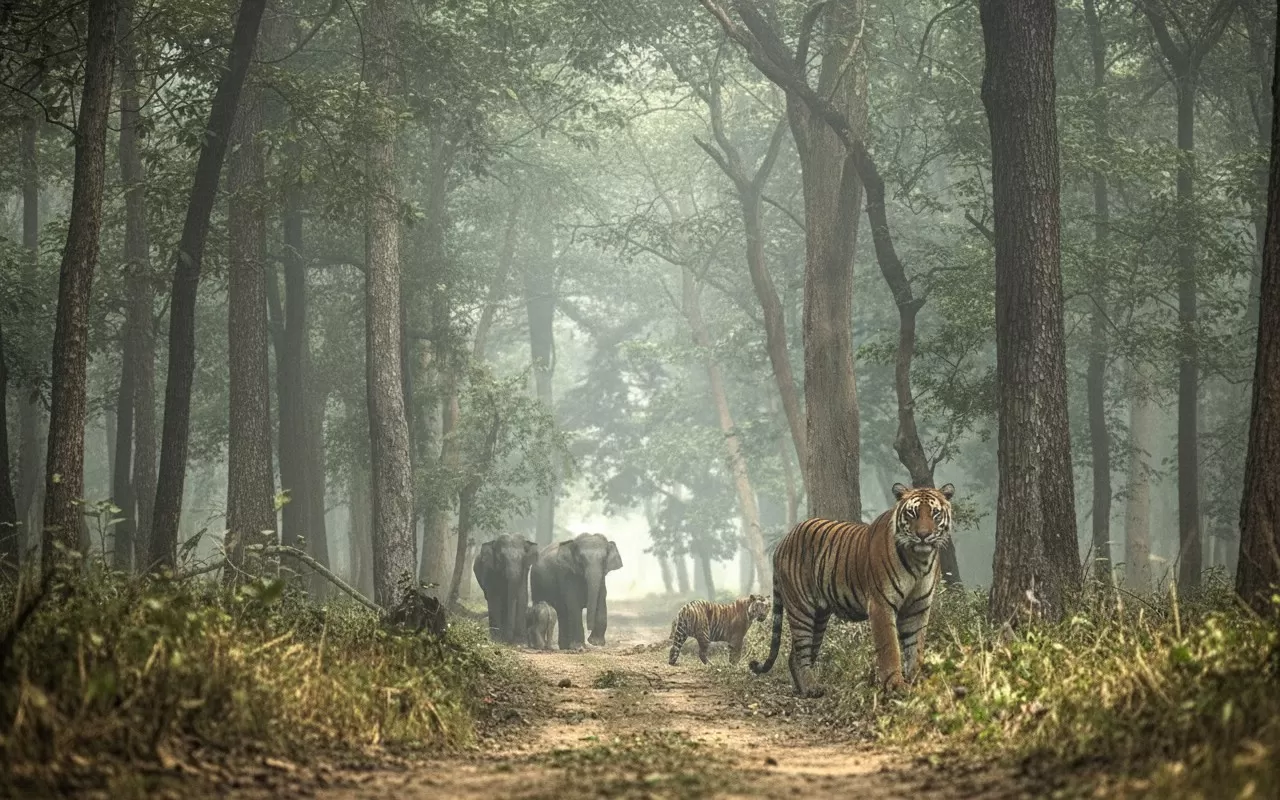
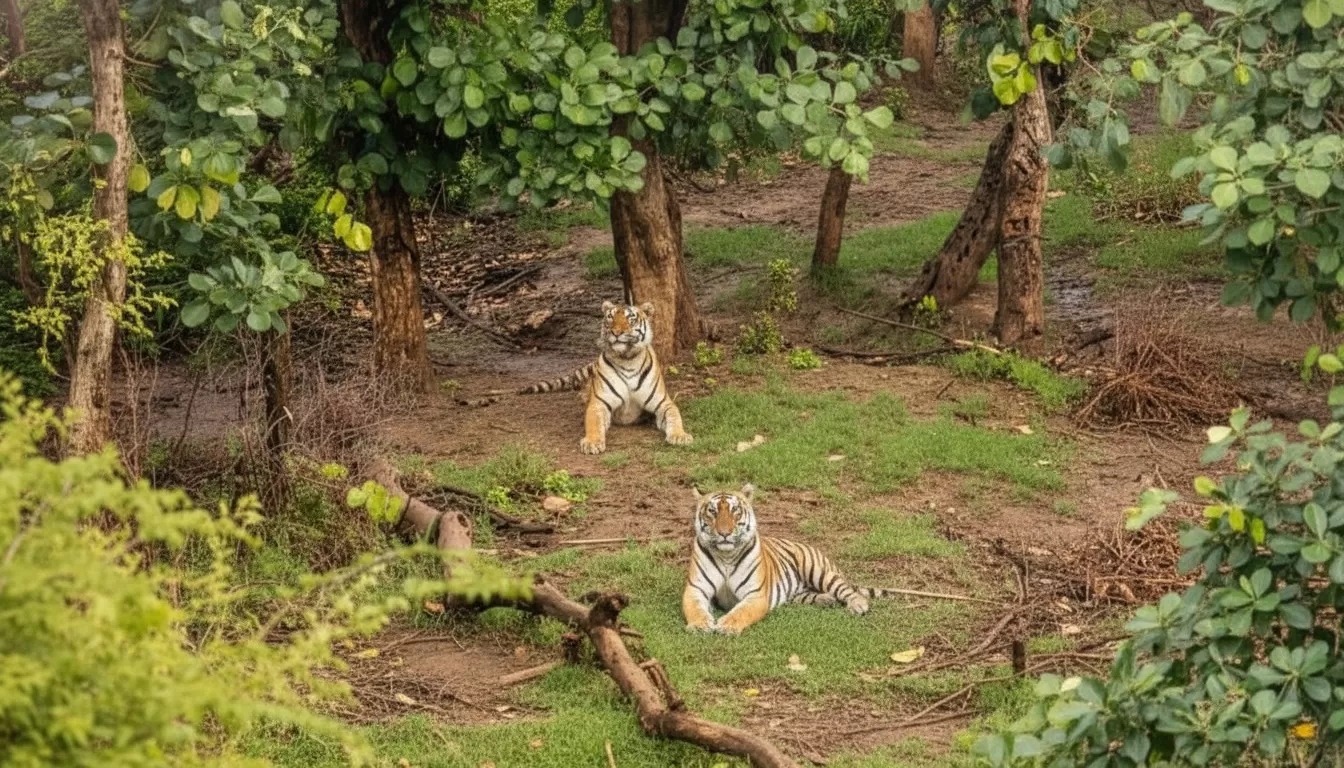
Dudhwa National Park is one of India's finest wildlife destinations, located in the Terai region along the Indo-Nepal border. Established in 1977, it is renowned for its rich biodiversity, dense sal forests, vast grasslands, and wetlands. The park is home to Bengal tigers, one-horned rhinoceroses, elephants, swamp deer (barasingha), and over 450 bird species. As part of the Dudhwa Tiger Reserve, it offers nature lovers an authentic wilderness experience and excellent opportunities for wildlife photography and birdwatching.
🌍 About This Place
Dudhwa National Park is a premier wildlife sanctuary located in the Lakhimpur Kheri district of Uttar Pradesh, near the border of Nepal. Spread across approximately 490 square kilometers, the park forms the core area of the Dudhwa Tiger Reserve and represents one of the most important protected ecosystems in northern India. The park is situated in the fertile Terai belt, characterized by dense sal forests, extensive grasslands, marshes, and wetlands that support an extraordinary variety of flora and fauna.
Dudhwa is particularly famous for its successful conservation efforts involving the endangered one-horned rhinoceros and the swamp deer, locally known as barasingha. The park also provides habitat for Bengal tigers, leopards, Asian elephants, sloth bears, wild boars, and numerous species of deer. Its diverse landscape makes it one of the best places in North India for wildlife observation and nature photography.
Birdwatchers are especially attracted to Dudhwa because of its remarkable avian diversity. More than 450 bird species have been recorded here, including migratory birds that arrive during winter. Wetlands within the park create ideal conditions for waterfowl, storks, eagles, owls, and many other bird species.
Visitors can explore the park through guided jeep safaris that pass through forests and grasslands, offering opportunities to observe animals in their natural surroundings. The peaceful environment and relatively low tourist crowds provide a more intimate wildlife experience compared to many other national parks in India.Apart from wildlife, Dudhwa plays a significant role in ecological conservation by preserving the fragile Terai ecosystem and maintaining biodiversity. Its combination of scenic landscapes, rich wildlife, and successful conservation programs makes Dudhwa National Park a must-visit destination for nature enthusiasts, wildlife photographers, researchers, and travelers seeking an authentic jungle adventure in northern India.
The park’s serene environment, combined with its rich biodiversity, makes it an ideal destination for nature lovers seeking tranquility and adventure. Whether it's spotting a tiger in the wild, watching herds of deer grazing, or listening to the calls of exotic birds, Dudhwa National Park promises an unforgettable experience in the heart of nature.
🐅 Bengal Tigers
🦏 Reintroduced One-Horned Rhinoceros
🦌 Swamp Deer (Barasingha)
🐘 Asian Elephants
🐆 Leopards
🐦 450+ species of birds
🎯 Things to do
📍 Near By
- Kishanpur Wildlife Sanctuary (part of Dudhwa Tiger Reserve)
- Katarniaghat Wildlife Sanctuary
- Frog Temple (Bala Ji Temple)& Lakhimpur Kheri
- Local Terai villages for eco-tourism
🚗 How to Reach
⭐ Why Visit
💡 Travel Tips
✨ Special Features
Silent Valley National Park
Mannarkkad • Palakkad • Kerala
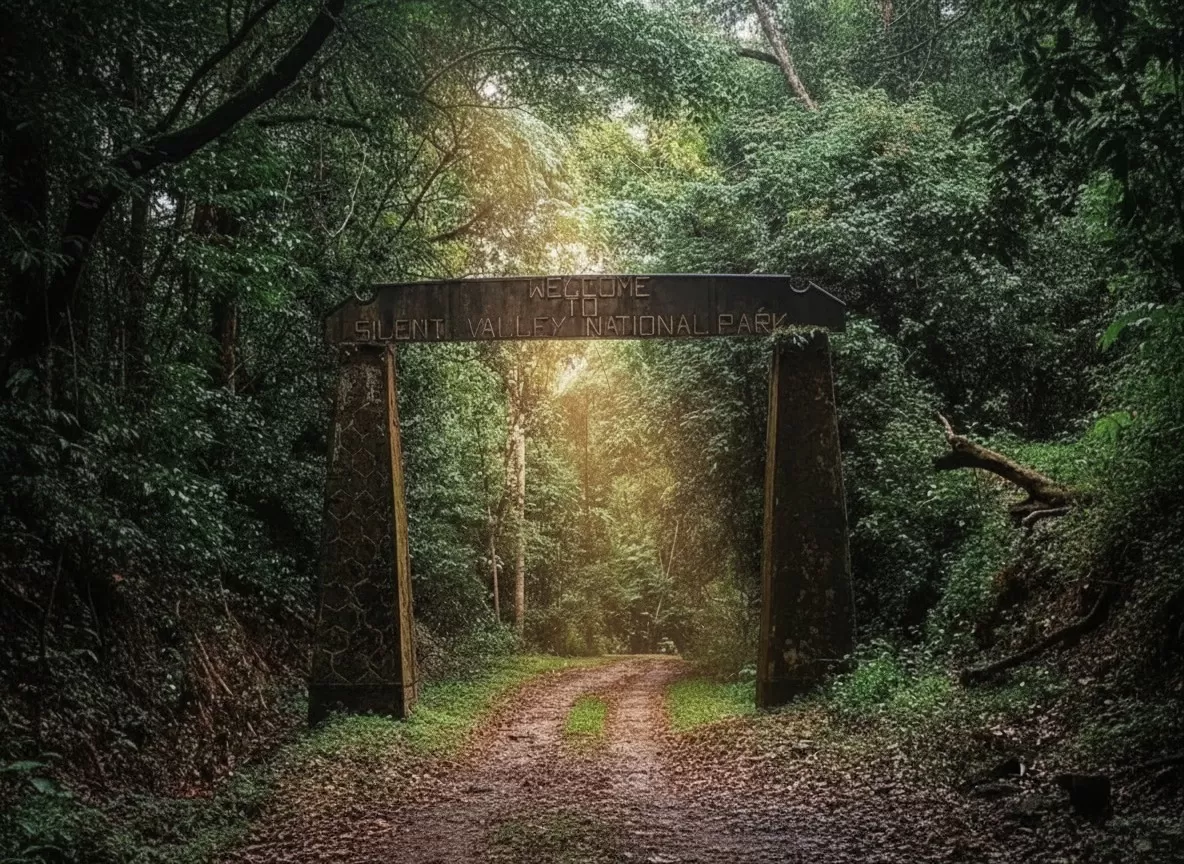
Located in the lush Western Ghats of Kerala, Silent Valley National Park is one of India’s most untouched tropical evergreen forests. Spread across the Nilgiri Hills, the park is famous for its rich biodiversity, rare wildlife, mist-covered valleys, and dense rainforest ecosystem. The park gets its name from the unusual absence of cicadas, making the forest remarkably quiet and peaceful.
🌍 About This Place
Silent Valley National Park is one of the most beautiful and ecologically important national parks in India. Situated in the Western Ghats of Kerala, this park is known for its untouched evergreen rainforest, rare wildlife, and breathtaking natural scenery. The dense forest, rolling hills, deep valleys, and flowing rivers create a magical atmosphere for visitors who love nature and adventure. The park is home to many endangered species, including the famous Lion-tailed Macaque, elephants, tigers, leopards, Malabar giant squirrels, and numerous species of birds and butterflies. The Kunthi River flowing through the valley adds to the beauty of the region with its crystal-clear water and peaceful surroundings.
Silent Valley is an ideal destination for eco-tourism, wildlife photography, trekking, and birdwatching. Unlike many crowded tourist places, the park offers silence, fresh air, and a close connection with nature. Visitors can enjoy jeep safaris, guided forest walks, and panoramic viewpoints surrounded by thick rainforest.
The national park also plays an important role in environmental conservation. It is one of the last remaining untouched tropical rainforests in India and is protected carefully by the Kerala Forest Department. The cool climate, rich biodiversity, and scenic beauty make Silent Valley a paradise for researchers, wildlife enthusiasts, and travelers seeking peace.
A visit to Silent Valley National Park offers a unique opportunity to experience the raw beauty of nature and understand the importance of preserving forests and wildlife for future generations.
🎯 Things to do
📍 Near By
- Keralamkundu Waterfalls
- Parambikulam Tiger Reserve
- Siruvani Waterfalls
- Kanjirappuzha Dam & Garden.
🚗 How to Reach
⭐ Why Visit
💡 Travel Tips
✨ Special Features
Kaziranga national park
Bokakhat (nearest town) • Golaghat, Nagaon & Karbi Anglong • Assam
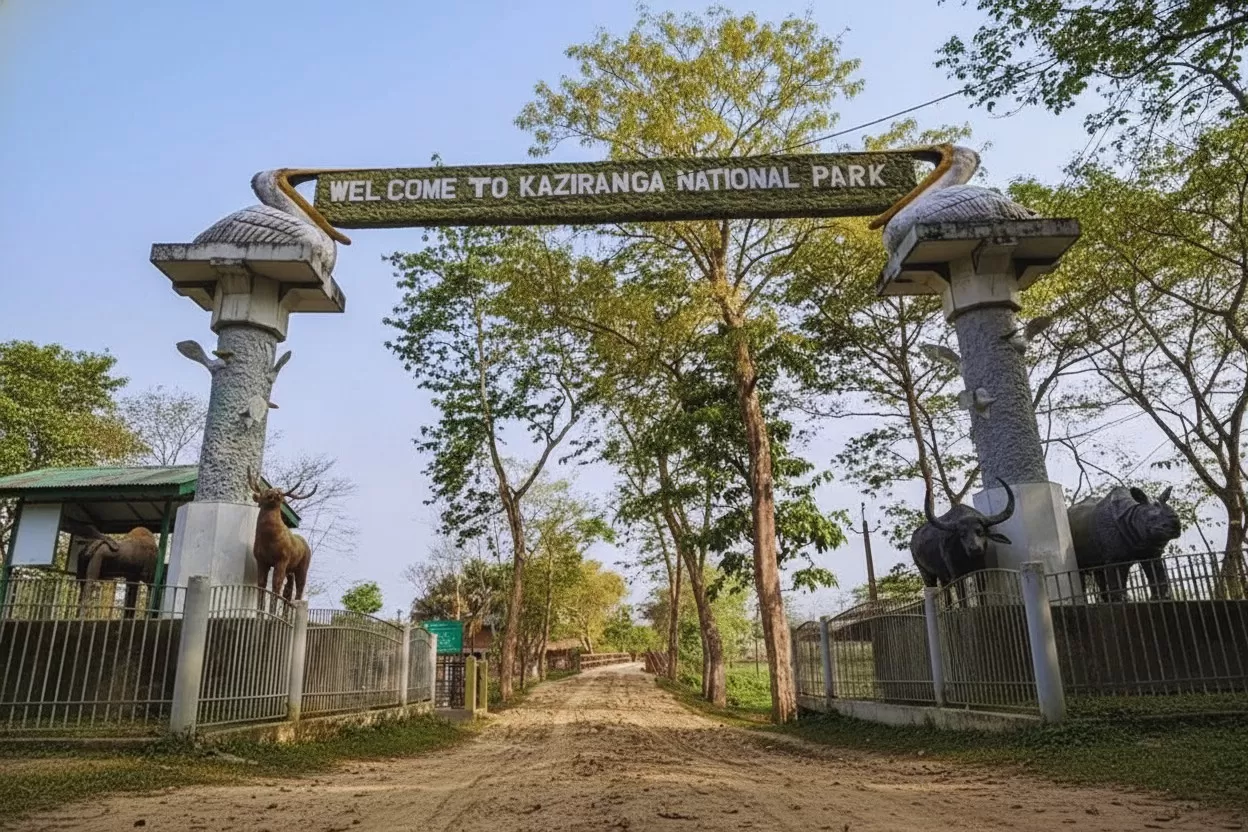
Kaziranga National Park is one of India's most famous wildlife sanctuaries and a UNESCO World Heritage Site located in the state of Assam. Spread across the floodplains of the mighty Brahmaputra River, the park is renowned for hosting the world's largest population of the endangered Indian one-horned rhinoceros. Rich grasslands, wetlands, forests, and diverse wildlife make Kaziranga a paradise for nature lovers, photographers, and wildlife enthusiasts.
🌍 About This Place
Kaziranga National Park is one of India's most celebrated wildlife destinations and a symbol of successful conservation efforts. Located in Assam along the banks of the Brahmaputra River, the park covers vast stretches of grasslands, marshes, and tropical forests. It is internationally recognized for protecting the endangered Indian one-horned rhinoceros and is home to the largest population of this magnificent animal in the world. Established as a protected area in 1905, Kaziranga has evolved into a thriving ecosystem supporting a remarkable variety of wildlife. Visitors can spot Bengal tigers, Asian elephants, wild water buffaloes, swamp deer, and many other mammals during safari excursions. The park is also a haven for birdwatchers, with hundreds of resident and migratory bird species inhabiting its wetlands and forests.
The natural beauty of Kaziranga is equally captivating. Expansive grasslands sway in the breeze, while numerous water bodies attract wildlife throughout the year. The annual flooding of the Brahmaputra River enriches the soil and sustains the park's unique ecological balance, creating ideal conditions for diverse flora and fauna.
Jeep safaris and elephant safaris offer visitors close encounters with wildlife in their natural habitat. Early morning excursions often provide the best opportunities for animal sightings and photography. The park's well-managed tourism facilities make it accessible and enjoyable for families, nature enthusiasts, and adventure seekers alike.
Recognized as a UNESCO World Heritage Site, Kaziranga National Park stands as a shining example of wildlife conservation in India. Its extraordinary biodiversity, stunning landscapes, and iconic rhinoceros population make it a must-visit destination for anyone seeking an unforgettable experience in the heart of nature.
🎯 Things to do
📍 Near By
- Kakochang Waterfalls (≈13 km)
- Karbi Anglong Hills
- Kaziranga Orchid Park
- Panbari Reserve Forest
- Brahmaputra River Viewpoints
- Numaligarh Tea Estates
- Numaligarh Refinery & Heritage Village..
🚗 How to Reach
⭐ Why Visit
💡 Travel Tips
✨ Special Features
Bandipur National Park
Gundlupete • Chamarajanagar • Karnataka
Bandipur National Park is one of India's most famous wildlife reserves, located in the southern state of Karnataka. Established as a national park in 1974 under Project Tiger, it forms an important part of the Nilgiri Biosphere Reserve along with Nagarhole, Mudumalai, and Wayanad wildlife sanctuaries. The park is renowned for its rich biodiversity, dense forests, grasslands, and diverse wildlife, including tigers, elephants, leopards, deer, wild dogs, and over 200 species of birds.
🌍 About This Place
Bandipur National Park, located in the Chamarajanagar district of Karnataka, is one of India's most celebrated wildlife destinations. Spread across lush forests and rolling grasslands, the park forms an integral part of the Nilgiri Biosphere Reserve, one of the largest protected ecosystems in South India. Originally established as a hunting reserve for the Maharajas of Mysore, Bandipur was declared a national park in 1974 and later became a key component of Project Tiger.
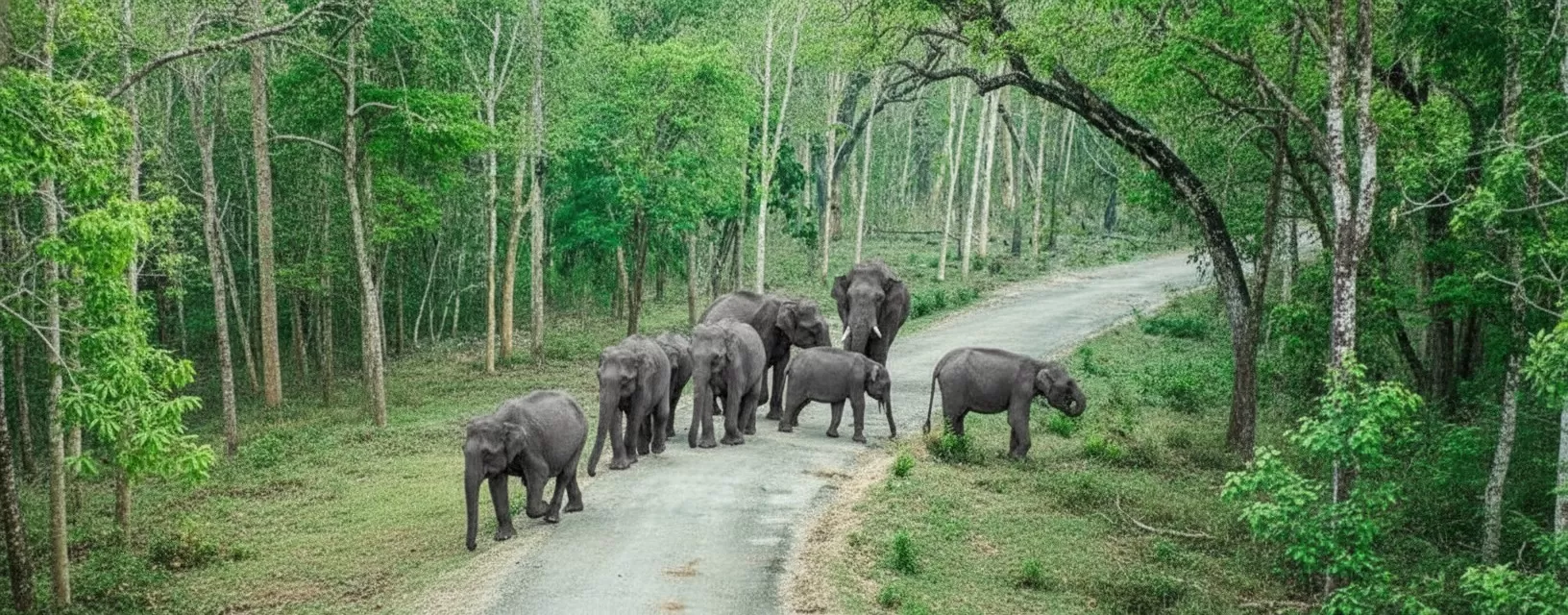
The park is famous for its remarkable biodiversity and offers visitors a unique opportunity to experience wildlife in its natural habitat. Dense teak forests, bamboo groves, and open grasslands provide shelter to a wide variety of animals. Visitors may encounter majestic Asian elephants, elusive Bengal tigers, leopards, sloth bears, gaurs, spotted deer, sambar deer, and wild dogs. Bird enthusiasts can also enjoy sightings of numerous resident and migratory bird species.
Bandipur's strategic location links it with Nagarhole National Park in Karnataka, Mudumalai National Park in Tamil Nadu, and Wayanad Wildlife Sanctuary in Kerala, creating a vast wildlife corridor that supports healthy populations of many species. The park's scenic beauty, combined with its ecological significance, makes it a paradise for nature lovers, wildlife photographers, and adventure seekers.
Safari tours are the main attraction, offering thrilling opportunities to observe animals in their natural surroundings. The best time to visit is from October to May when the weather is pleasant and wildlife sightings are more frequent. With its rich natural heritage, conservation importance, and unforgettable safari experiences, Bandipur National Park remains one of the finest wildlife destinations in India, attracting thousands of visitors every year who seek to explore the beauty and diversity of the country's natural wilderness.
🎯 Things to do
📍 Near By
- Mudumalai National Park
- Wayanad Wildlife Sanctuary
- Ooty
- Gopalaswamy Betta
- Himavad Gopalaswamy Temple .
🚗 How to Reach
⭐ Why Visit
💡 Travel Tips
✨ Special Features
Valley of Flowers National Park
Joshimath • Chamoli • Uttarakhand
The Valley of Flowers National Park is one of India's most beautiful high-altitude national parks, located in the Himalayas of Uttarakhand. It is a UNESCO World Heritage Site and forms part of the Nanda Devi Biosphere Reserve. The valley is famous for its vast meadows covered with hundreds of species of colorful alpine flowers, surrounded by snow-capped mountains, waterfalls, and glaciers. The park covers about 87 square kilometers and is generally open from June to October.
🌍 About This Place
The Valley of Flowers National Park is a breathtaking natural paradise nestled in the Chamoli district of Uttarakhand, India. Situated amidst the majestic Himalayan ranges, this enchanting valley is renowned for its vast meadows filled with vibrant wildflowers that bloom during the monsoon season. Recognized as a UNESCO World Heritage Site, the park attracts nature lovers, trekkers, photographers, botanists, and adventure enthusiasts from around the world.
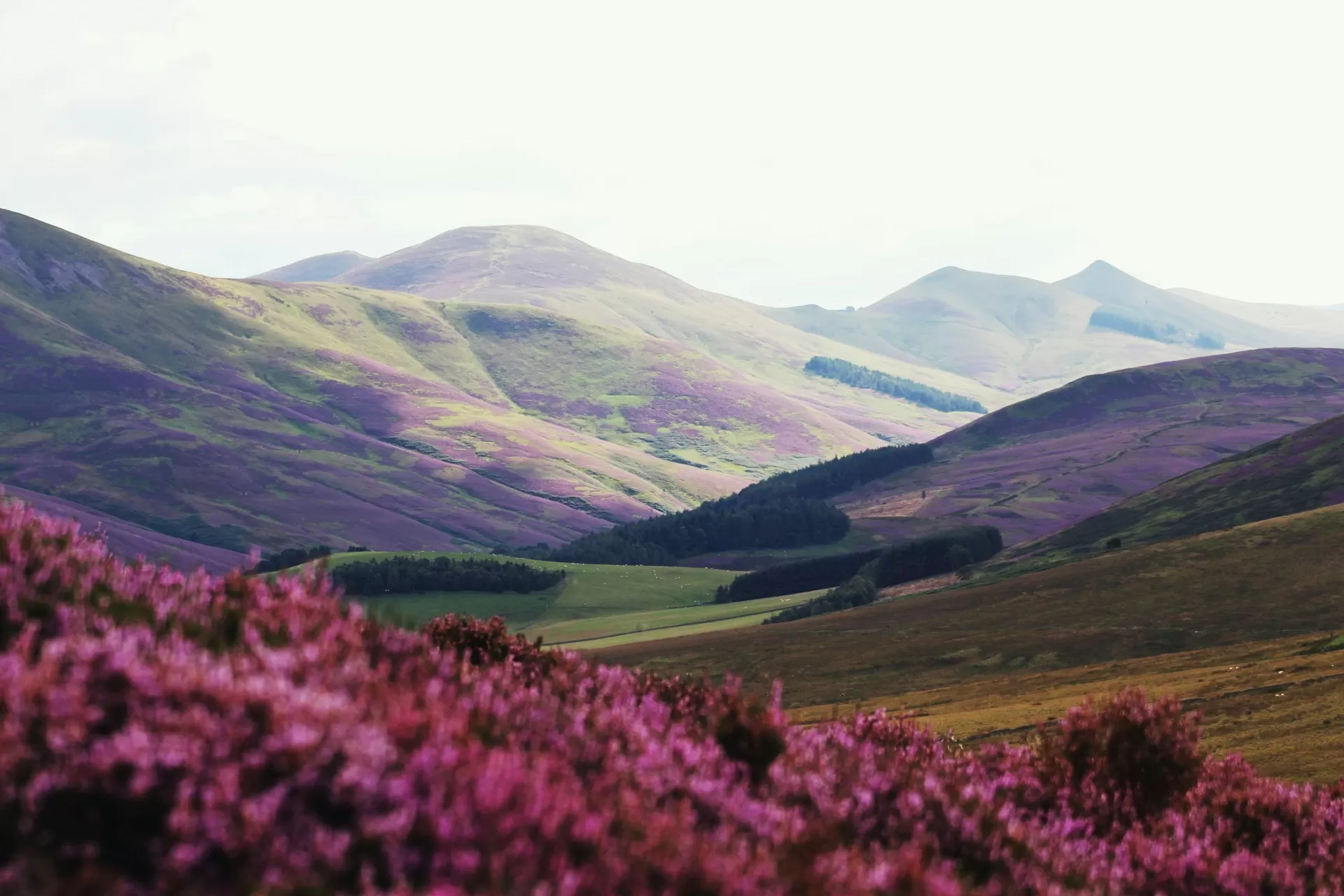
Spread over approximately 87 square kilometers, the valley lies at an altitude ranging from 3,300 to 3,600 meters above sea level. During the flowering season, usually from July to August, the landscape transforms into a colorful carpet of blossoms featuring orchids, poppies, primulas, daisies, marigolds, blue poppies, and hundreds of other alpine flower species. The combination of colorful flowers, mist-covered mountains, sparkling streams, and cascading waterfalls creates a dreamlike atmosphere that leaves visitors mesmerized.
Apart from its floral beauty, the park is also rich in wildlife. It serves as a habitat for several rare and endangered species, including the snow leopard, musk deer, Asiatic black bear, red fox, and Himalayan monal. The valley's unique ecosystem and biodiversity make it an important conservation area in the Himalayas.
Reaching the valley itself is an adventure, involving a scenic trek through forests, rivers, and mountain trails. The journey offers spectacular views of the Garhwal Himalayas and provides an unforgettable experience for trekkers. For those seeking peace, natural beauty, and a close connection with nature, the Valley of Flowers offers one of the most memorable travel experiences in India. Its unmatched beauty and ecological significance make it a must-visit destination for every nature enthusiast.
🎯 Things to do
📍 Near By
- Govindghat – starting point before the trek
- Gorson Bugyal – alpine meadows (trek option)
- Joshimath – hill town with temples and mountain views
- Badrinath – important Char Dham pilgrimage site
- Mana Village – last Indian village before the Tibet border
- Auli – popular ski and scenic destination nearby
- Hemkund Sahib – religious site with high-altitude lake.
🚗 How to Reach
⭐ Why Visit
💡 Travel Tips
✨ Special Features
Tadoba National Park
• Chandrapur • Maharashtra
Tadoba-Andhari Tiger Reserve is the largest and oldest tiger reserve in Maharashtra. Located in the Chandrapur district, it covers dense forests, grasslands, lakes, and rivers, providing an ideal habitat for tigers and a wide variety of wildlife. The reserve is named after "Tadoba," a local tribal deity, and the Andhari River that flows through the forest. Known for its high tiger sighting rate, Tadoba attracts wildlife enthusiasts, photographers, nature lovers, and adventure seekers from across India and abroad.
🌍 About This Place
Tadoba-Andhari Tiger Reserve is one of India's most celebrated wildlife destinations and the largest tiger reserve in Maharashtra. Situated in the Chandrapur district, the reserve spans a vast area of dense teak forests, bamboo groves, grasslands, lakes, and river systems that support a rich variety of flora and fauna. Established as a national park in 1955 and later incorporated into a tiger reserve, Tadoba has become a major center for wildlife conservation and eco-tourism.
The reserve is particularly famous for its thriving population of Bengal tigers, making it one of the best places in India to observe these magnificent animals in their natural habitat. Visitors often have excellent opportunities to spot tigers during jeep safaris, especially in the summer months when animals gather near water sources. Besides tigers, Tadoba is home to leopards, sloth bears, Indian gaur, wild dogs, hyenas, sambar deer, spotted deer, nilgai, and marsh crocodiles.
Bird enthusiasts can enjoy sightings of numerous resident and migratory bird species, making the reserve an attractive destination throughout the year. The serene Tadoba Lake and the Andhari River further enhance the natural beauty of the landscape and provide vital water sources for wildlife.
The reserve offers well-organized safari experiences through several tourism zones, allowing visitors to explore different habitats and ecosystems. Nature lovers, photographers, and adventure seekers are drawn to Tadoba's unspoiled wilderness and exceptional biodiversity. With its remarkable tiger population, scenic beauty, and commitment to conservation, Tadoba-Andhari Tiger Reserve stands as one of India's premier wildlife destinations, offering unforgettable encounters with nature and a deeper appreciation of the country's rich natural heritage.
🎯 Things to do
📍 Near By
- Tadoba Lake – scenic and peaceful
- Eraivata Dam – popular picnic & sunset spot
- Anandwan (near Warora) – nature & social tourism Ghodazari Lake & Forest Park – picnic + wildlife
- Junona Lake – quiet lakeside spot.