
Valley of Flowers National Park
7:00 AM to 2:00 PM
₹₹200 per person Foreign Tourists: ₹800 per person
Mid-July to Mid-August
1 - 2 days
Available
Yes
Valley of Flowers National Park
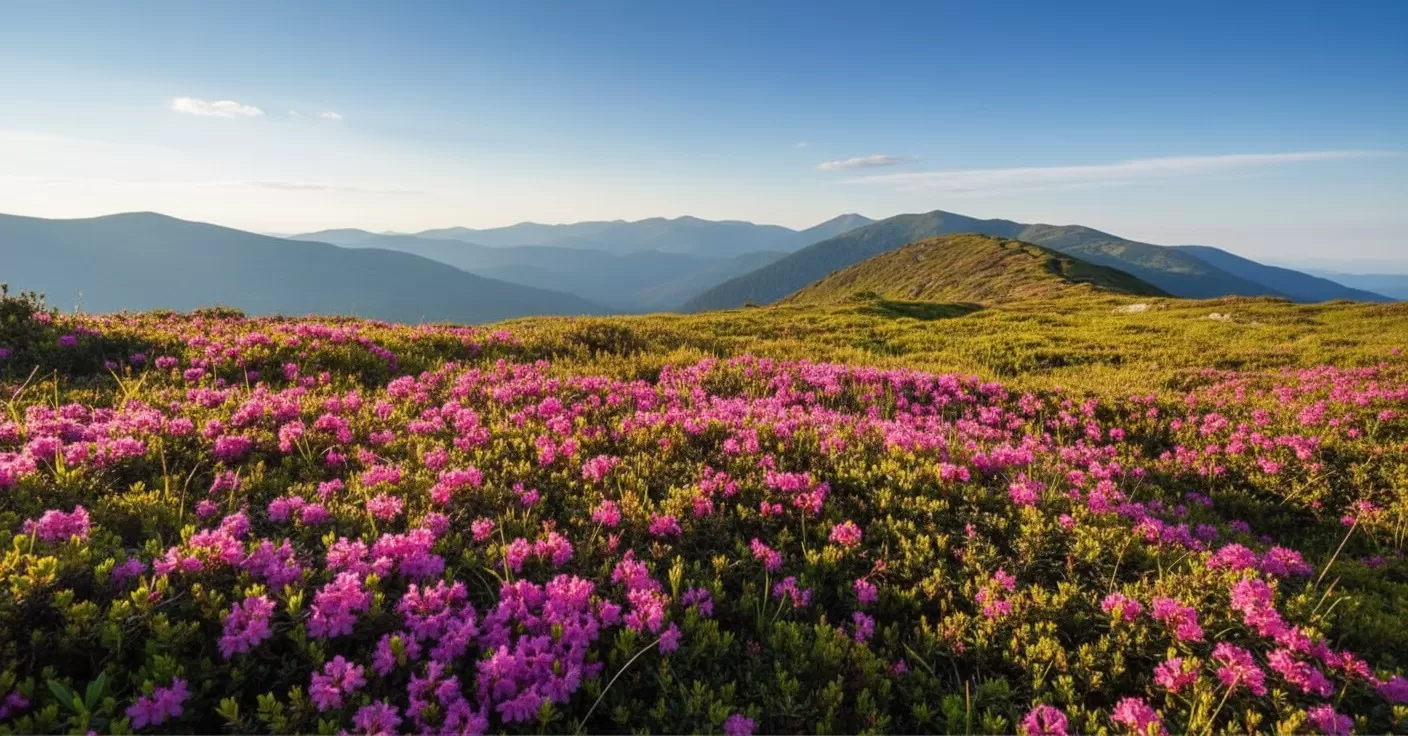
The Valley of Flowers National Park is one of India's most beautiful high-altitude national parks, located in the Himalayas of Uttarakhand. It is a UNESCO World Heritage Site and forms part of the Nanda Devi Biosphere Reserve. The valley is famous for its vast meadows covered with hundreds of species of colorful alpine flowers, surrounded by snow-capped mountains, waterfalls, and glaciers. The park covers about 87 square kilometers and is generally open from June to October.
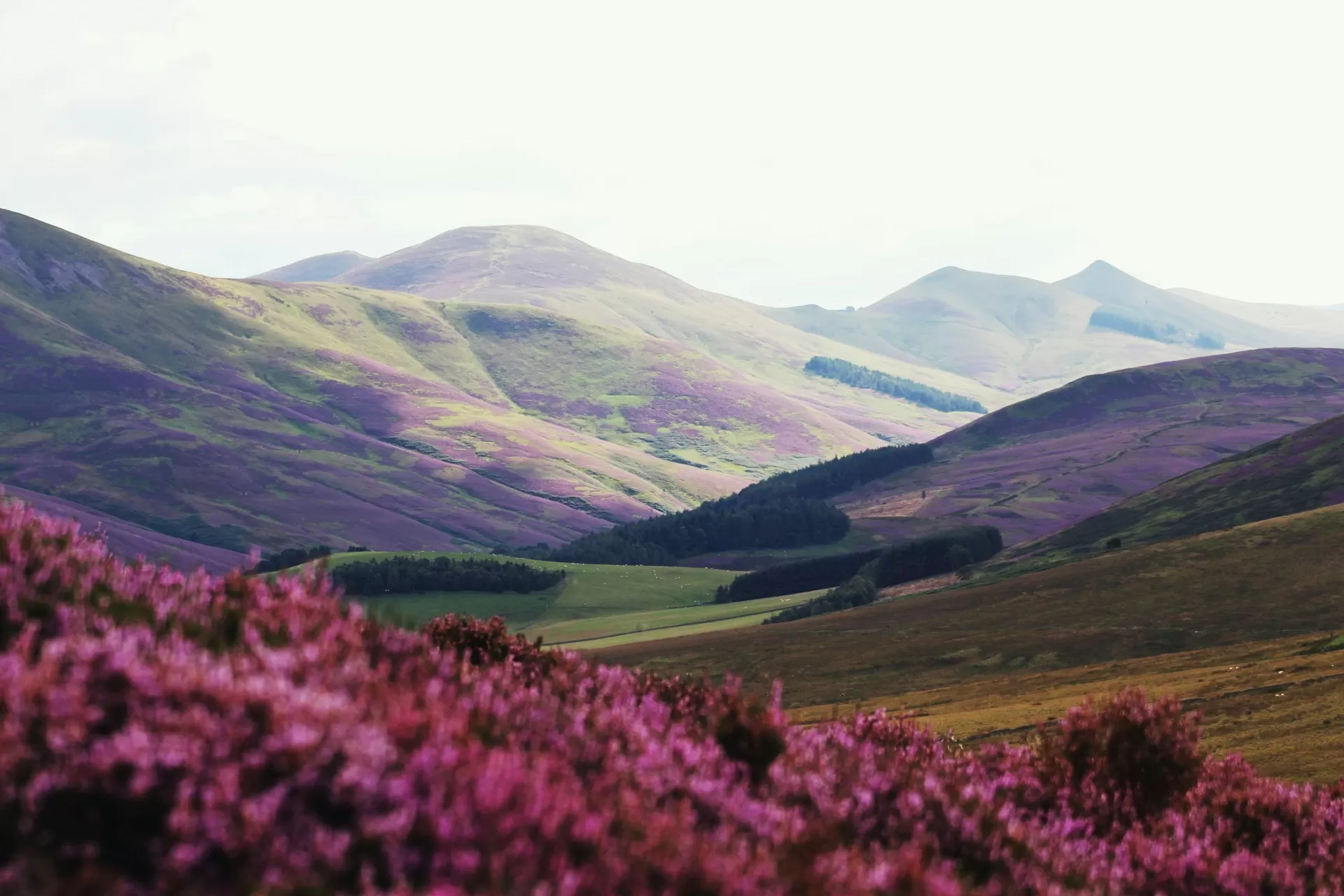
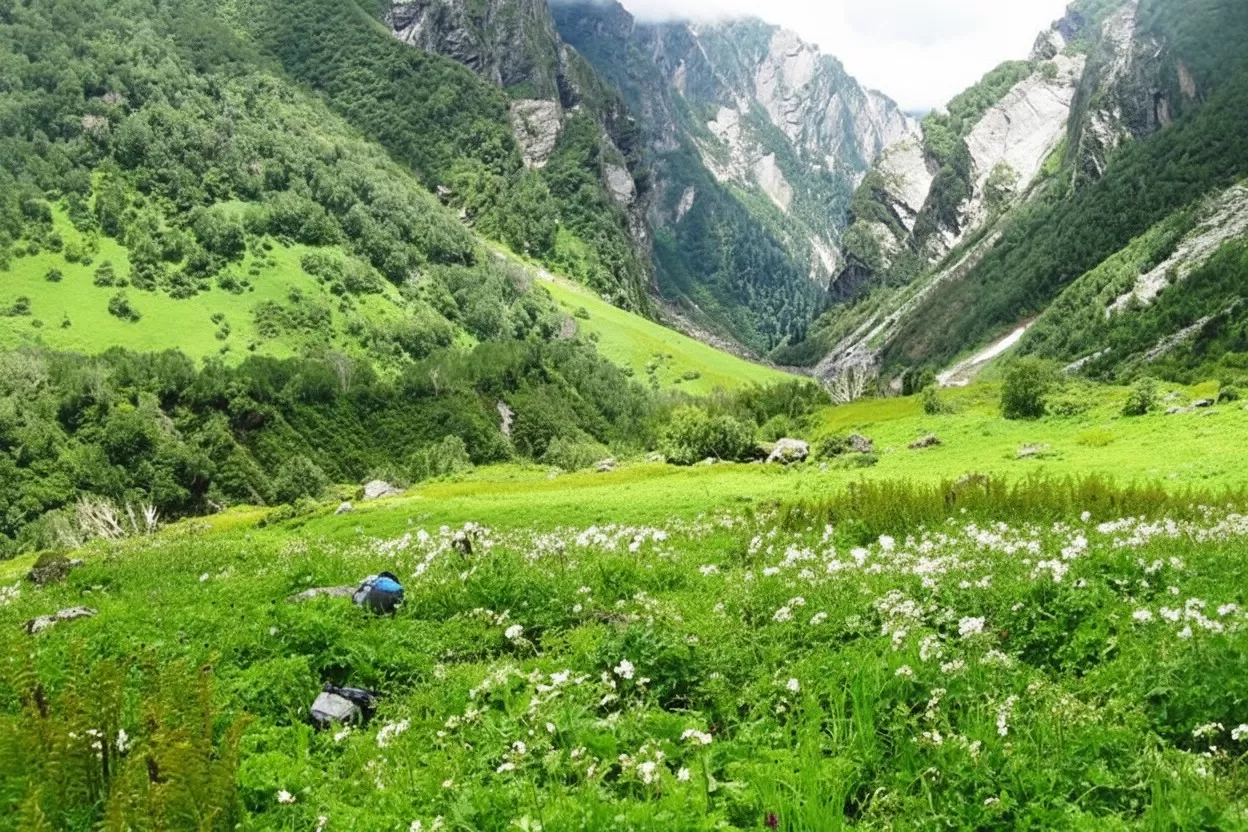
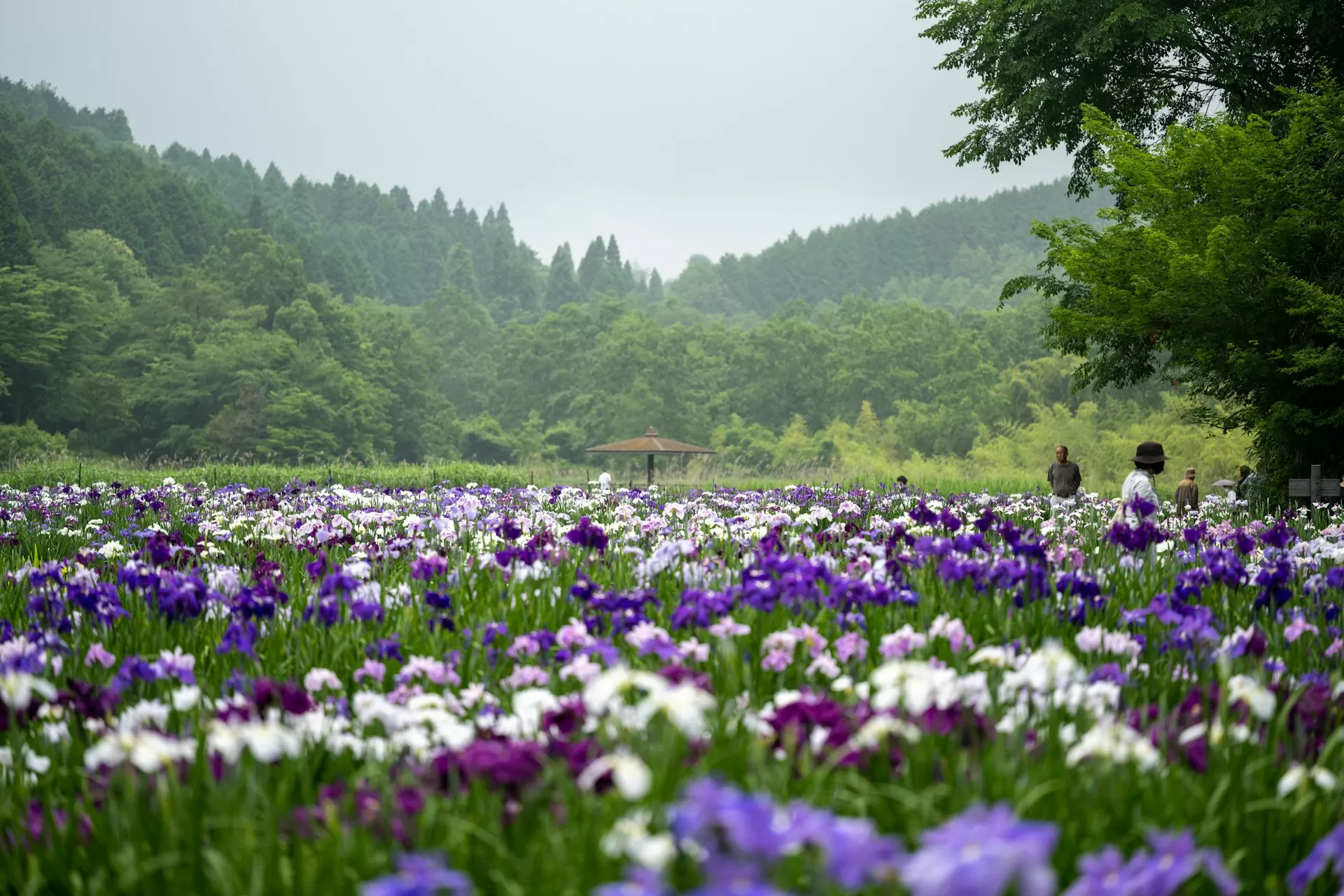
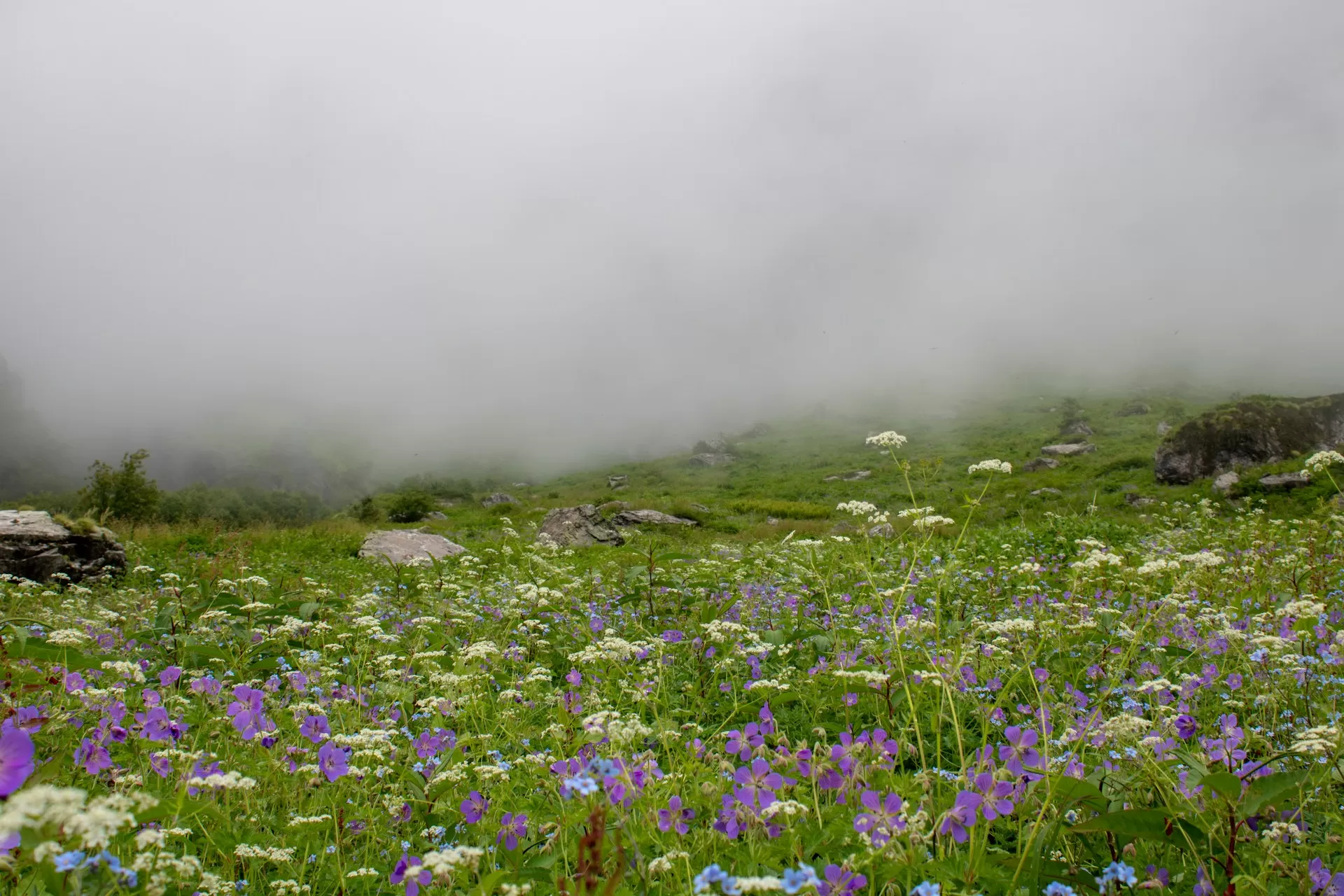
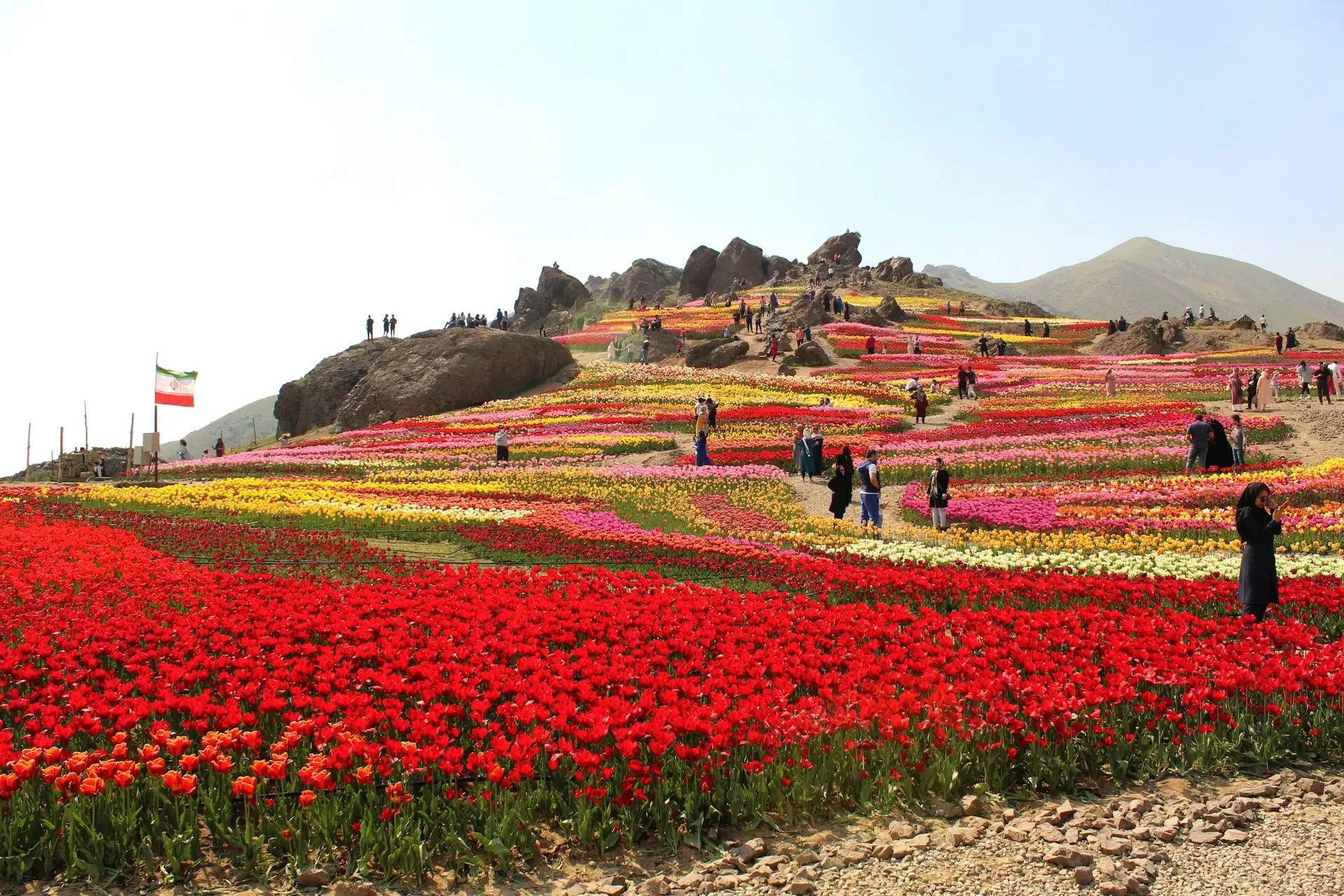
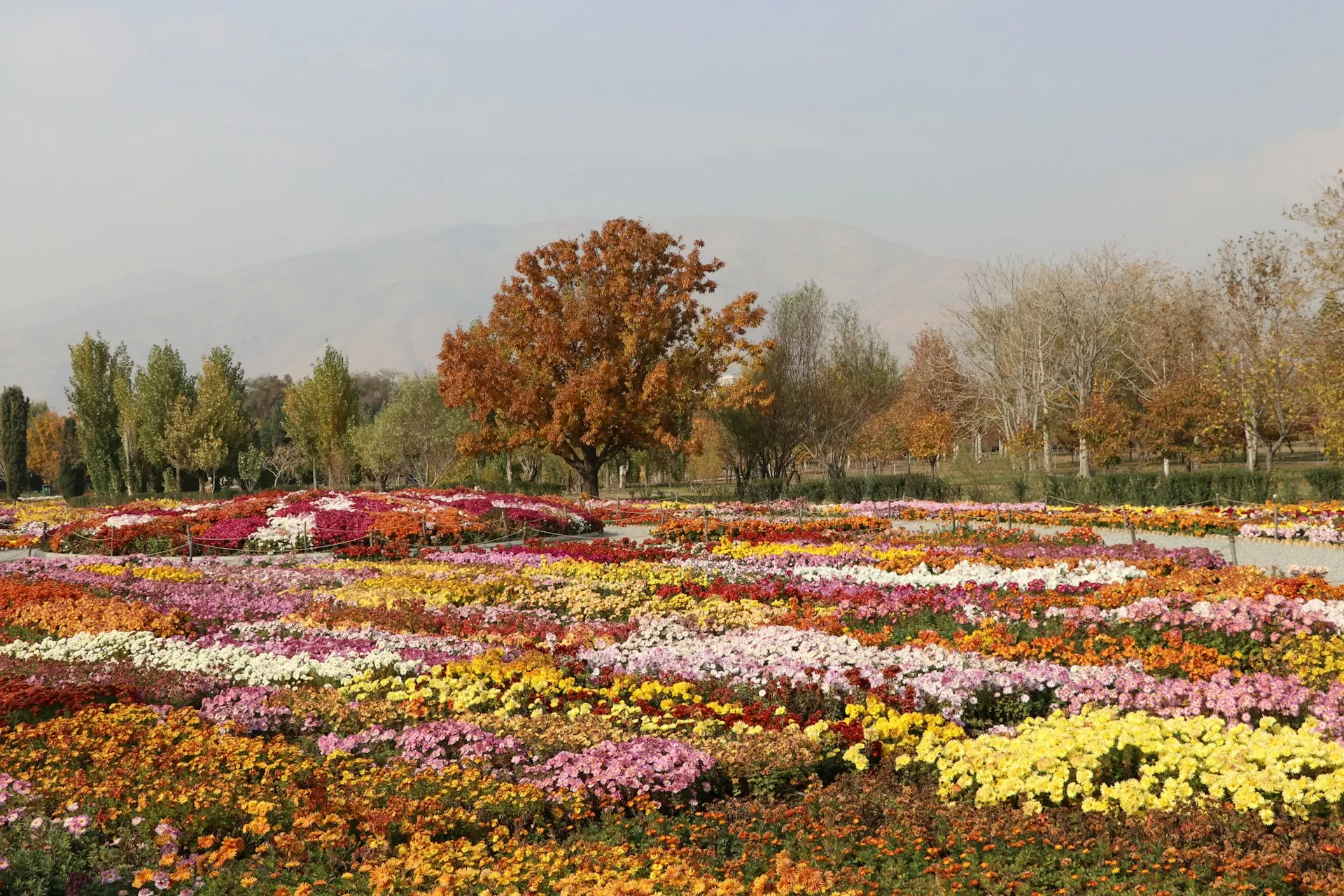
Spread over approximately 87 square kilometers, the valley lies at an altitude ranging from 3,300 to 3,600 meters above sea level. During the flowering season, usually from July to August, the landscape transforms into a colorful carpet of blossoms featuring orchids, poppies, primulas, daisies, marigolds, blue poppies, and hundreds of other alpine flower species. The combination of colorful flowers, mist-covered mountains, sparkling streams, and cascading waterfalls creates a dreamlike atmosphere that leaves visitors mesmerized.
Apart from its floral beauty, the park is also rich in wildlife. It serves as a habitat for several rare and endangered species, including the snow leopard, musk deer, Asiatic black bear, red fox, and Himalayan monal. The valley's unique ecosystem and biodiversity make it an important conservation area in the Himalayas.
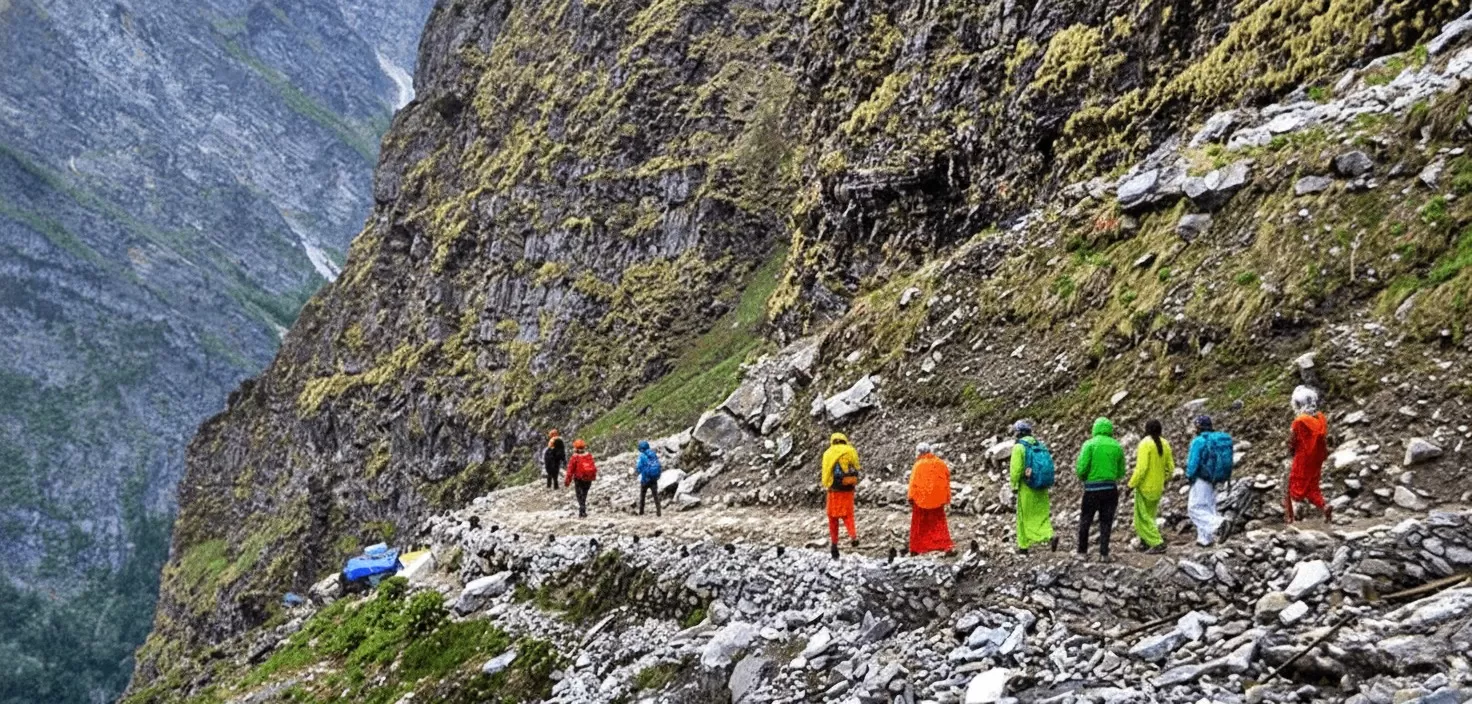
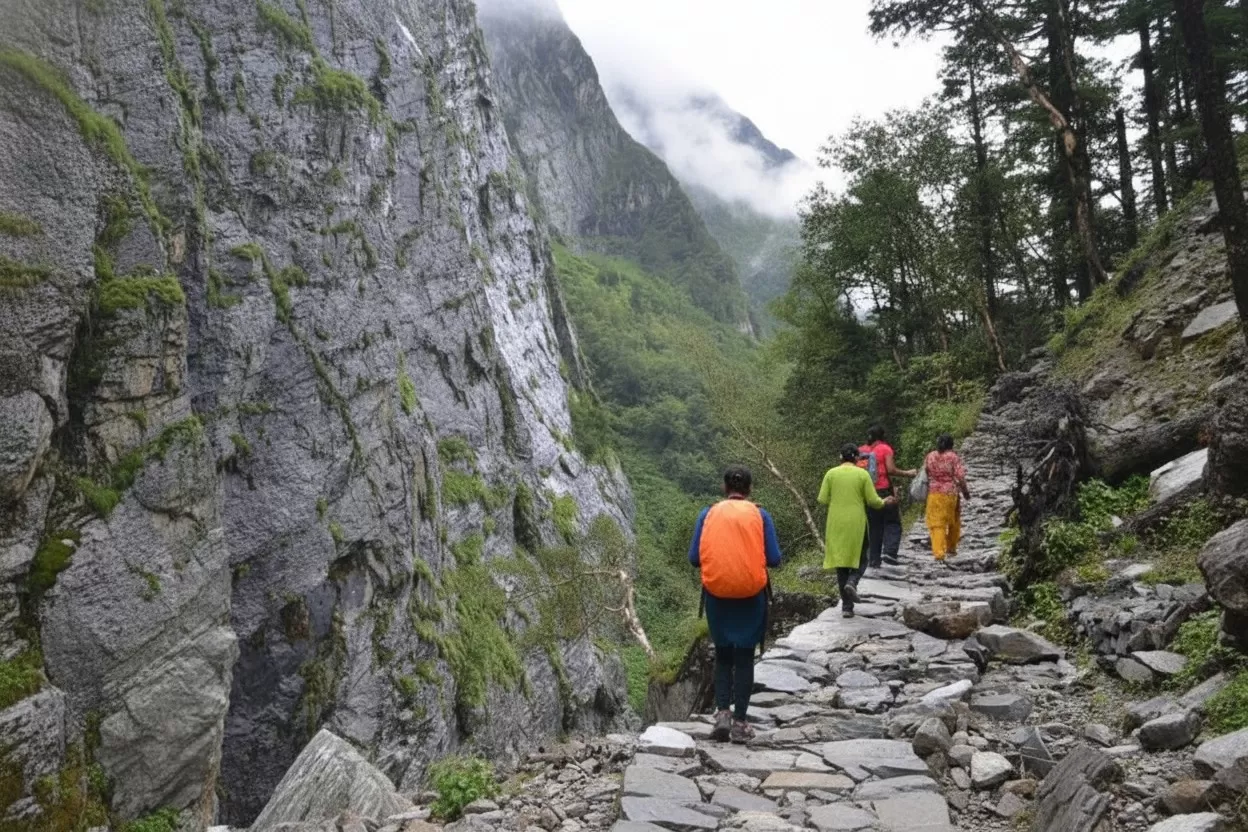
Reaching the valley itself is an adventure, involving a scenic trek through forests, rivers, and mountain trails. The journey offers spectacular views of the Garhwal Himalayas and provides an unforgettable experience for trekkers. For those seeking peace, natural beauty, and a close connection with nature, the Valley of Flowers offers one of the most memorable travel experiences in India. Its unmatched beauty and ecological significance make it a must-visit destination for every nature enthusiast.
📜 History
The history of Valley of Flowers National Park is as fascinating as its natural beauty. Although local villagers and shepherds had known about this valley for centuries, it remained largely unknown to the outside world. In 1931, British mountaineers Frank S. Smythe, Eric Shipton, and R.L. Holdsworth accidentally reached the valley while returning from a successful expedition to Mount Kamet. They were amazed by the endless spread of colourful wildflowers and named it the "Valley of Flowers." After returning to England, Frank S. Smythe wrote a famous book titled *The Valley of Flowers* in 1938. His writings introduced the valley to nature lovers across the world and brought international attention to this hidden Himalayan treasure.
Recognising its ecological importance, the Government of India declared the area a National Park in 1982 to protect its rare alpine flowers, medicinal plants, and wildlife from human disturbance. To preserve its fragile ecosystem, activities such as camping, grazing, and plucking flowers were prohibited inside the park. A major milestone came in 2005 when UNESCO included the Valley of Flowers National Park in the Nanda Devi and Valley of Flowers World Heritage Site. This recognition highlighted its global environmental significance. Today, the park is not only a symbol of Uttarakhand's natural heritage but also an example of successful conservation. Every year, thousands of visitors trek to witness the breathtaking landscape while strict conservation rules help ensure that its beauty remains untouched for future generations.
Why Visit Valley of Flowers National Park?
Discover what makes this destination one of the most loved tourist attractions.
🍛 Aloo Ke Gutke
Aloo Ke Gutke is one of Uttarakhand's most loved traditional dishes. It is prepared using boiled potatoes, mustard oil, red chillies, coriander, and local spices. The simple yet spicy flavour makes it a favourite meal after completing the trek.
🍛 Kafuli
Kafuli is a healthy Garhwali dish made from spinach and fenugreek leaves cooked with local spices. It is usually served with steamed rice and is known for its rich taste and nutritional value.
🍛 Mandua Ki Roti
Mandua Ki Roti is prepared from finger millet flour, which is commonly grown in the Himalayan region. It is rich in calcium and fibre and is usually enjoyed with ghee, vegetables, or lentils.
🍛 Jhangora Ki Kheer
Jhangora Ki Kheer is a traditional dessert prepared from barnyard millet, milk, sugar, and dry fruits. It is light, nutritious, and commonly served during festivals and special occasions in Uttarakhand.
Safari
Enjoy an exciting safari through the national park to spot wildlife. Follow park regulations and maintain silence during the safari.
Wildlife Photography
Capture stunning photographs of wild animals and natural landscapes. Respect wildlife by keeping a safe distance and avoiding disturbance.
Bird Watching
Observe a variety of resident and migratory birds in their natural habitat. Carry binoculars and enjoy peaceful birdwatching throughout the park.
Nature Walk
Walk along designated nature trails surrounded by forests and wildlife. Learn about the park's rich biodiversity while enjoying fresh air.
Camping
Experience camping amidst nature where camping is permitted. Follow eco-friendly practices and respect the protected environment.
Visit Interpretation Centre
Visit the interpretation centre to learn about wildlife and conservation. Explore exhibits, educational displays, and interactive information.
Eco Tourism
Experience eco-friendly tourism while helping protect nature and wildlife. Follow responsible travel practices to preserve the park's ecosystem.
Scenic Drive
Enjoy a scenic drive through beautiful forest roads and viewpoints. Keep an eye out for wildlife while following all traffic and park rules.
Travel Tips & Essential Information
Everything you should know before visiting Valley of Flowers National Park.
Best Time to Visit
Mid-July to Mid-August
What to Wear
Wear comfortable clothes and walking shoes. Carry a light jacket during winter mornings.
Photography
Sunrise and sunset provide the best lighting for beautiful photographs.
Local Food
Try nearby local restaurants to enjoy authentic regional cuisine.
Safety Tips
Keep your belongings secure and follow local guidelines during your visit.
Accessibility
The destination is accessible by road with nearby parking and public transport facilities.
Carry Water
Stay hydrated, especially during summer and while exploring outdoor attractions.
Nearby Facilities
Hotels, restaurants, ATMs, fuel stations and medical services are available nearby.
Travel Information
How to Reach
- By Air :- Nearest Airport: Jolly Grant Airport Dehradun.Distance to Govindghat: Approximately 290 km; From the airport taxis and buses are available to Govindghat the starting point of the trek.,
- By Train :- Nearest Railway Station: Rishikesh ;Alternative major railhead: Haridwar; From Rishikesh or Haridwar buses and taxis are available to Govindghat.,
- By Road :- Route: Delhi → Haridwar → Rishikesh → Rudraprayag → Joshimath → Govindghat; Regular buses and shared taxis operate from Haridwar and Rishikesh.,
- Trek Route:-Govindghat → Pulna (4 km by shared taxi);Pulna → Ghangaria (about 13 km trek);Ghangaria → Valley of Flowers (about 4 km trek one way)
Travel Tips & Essential Information
- Best time to visit: Mid-July to Mid-August.,
- Carry rain gear, as monsoon showers are common.,
- Wear comfortable trekking shoes.,
- Carry warm clothing due to cold mountain weather.,
- Keep personal medicines and a first-aid kit.,
- Stay hydrated and avoid plastic waste.,
- Book accommodation in Ghangaria in advance during peak season.
Why Visit
- UNESCO World Heritage Site,
- More than 600 species of alpine flowers,
- Spectacular Himalayan scenery,
- Ideal for trekking photography and nature lovers,
- Habitat of rare wildlife such as snow leopard musk deer and Himalayan monal bird
Special Features
- Peak blooming season: July to August,
- Located at an altitude of about 3300–3600 meters,
- Rich biodiversity and rare medicinal plants,
- Crystal-clear streams waterfalls and glaciers,
- Nearby attraction: Hemkund Sahib
Things To Do
Current Weather
💧 Humidity
--💨 Wind
--👀 Visibility
--☀ UV Index
--Weather Details
🌫🌫 Air Quality
⭐ Travel Intelligence
🚨 Weather Alerts
⚙ System Status
Powered by
Photo Gallery
Find on Map
Visited Valley of Flowers National Park?
Share your experience, tips, and photos to help other travelers.
Share Your Experience
Best Time to Visit Valley of Flowers National Park?
Mid-July to Mid-August
Opening Time
7:00 AM to 2:00 PM
Entry Fee
The entry fee is ₹₹200 per person Foreign Tourists: ₹800 per person.
How much time is required?
1 - 2 days
How to Reach Valley of Flowers National Park?
By Air :- Nearest Airport: Jolly Grant Airport Dehradun.Distance to Govindghat: Approximately 290 km; From the airport taxis and buses are available to Govindghat the starting point of the trek.,
By Train :- Nearest Railway Station: Rishikesh ;Alternative major railhead: Haridwar; From Rishikesh or Haridwar buses and taxis are available to Govindghat.,
By Road :- Route: Delhi → Haridwar → Rishikesh → Rudraprayag → Joshimath → Govindghat; Regular buses and shared taxis operate from Haridwar and Rishikesh.,
Trek Route:-Govindghat → Pulna (4 km by shared taxi);Pulna → Ghangaria (about 13 km trek);Ghangaria → Valley of Flowers (about 4 km trek one way)