
EN हिंदी
Kaziranga national park
1 / 8
Home Assam Kaziranga national park
National Park

Kaziranga national park

★★★★★ 4.1 (109 Reviews)
📍 Bokakhat (nearest town)• Golaghat, Nagaon & Karbi Anglong• Assam
📍 Get Directions
🕒
Opening Time

Morning: 7:00 AM – 12:00 PM Afternoon: 1:00 PM – 4:30 PM

💰
Entry Fee

₹₹100 – ₹200, Jeep Safari: ₹2,500 – ₹4,000 per jeep

🌤️
Best Season

November to April

Duration

1 -2 day

🅿️
Parking

Available

👨‍👩‍👧‍👦
Family Friendly

Yes

Kaziranga national park

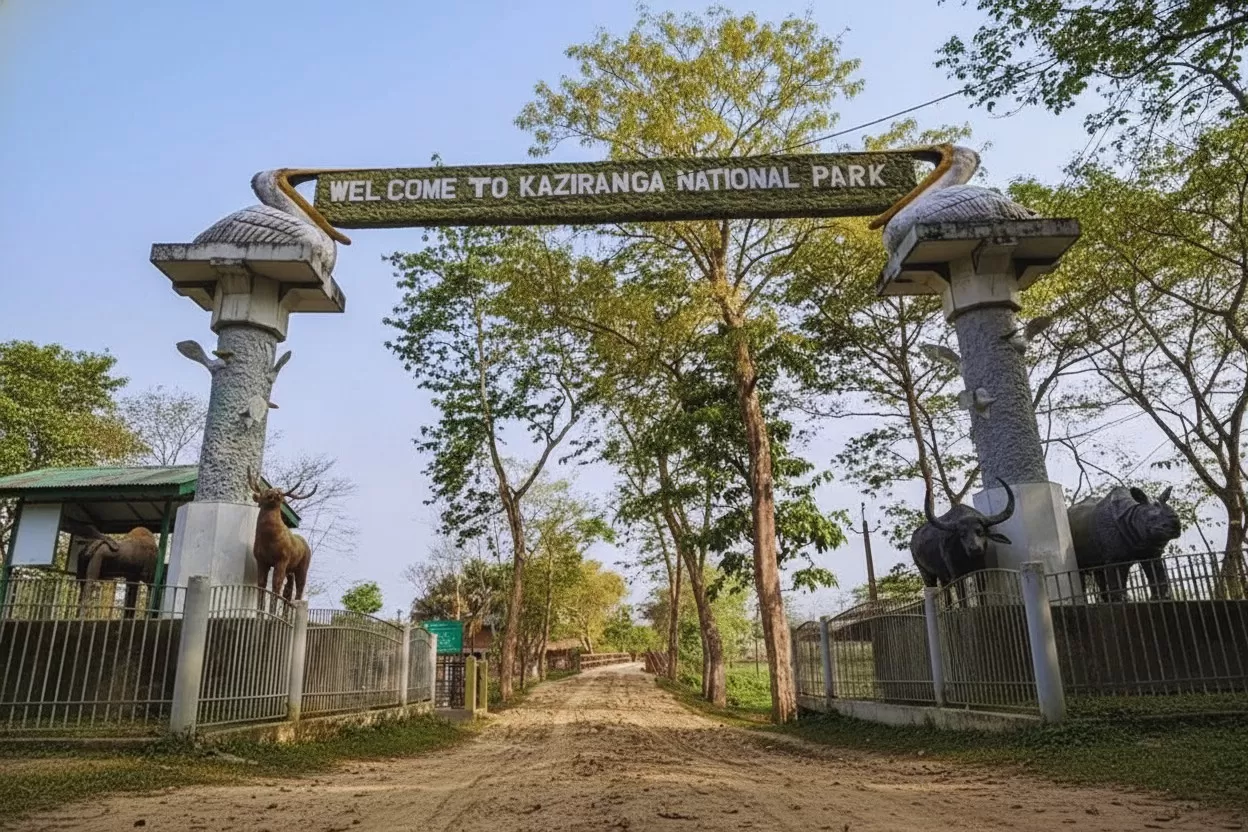
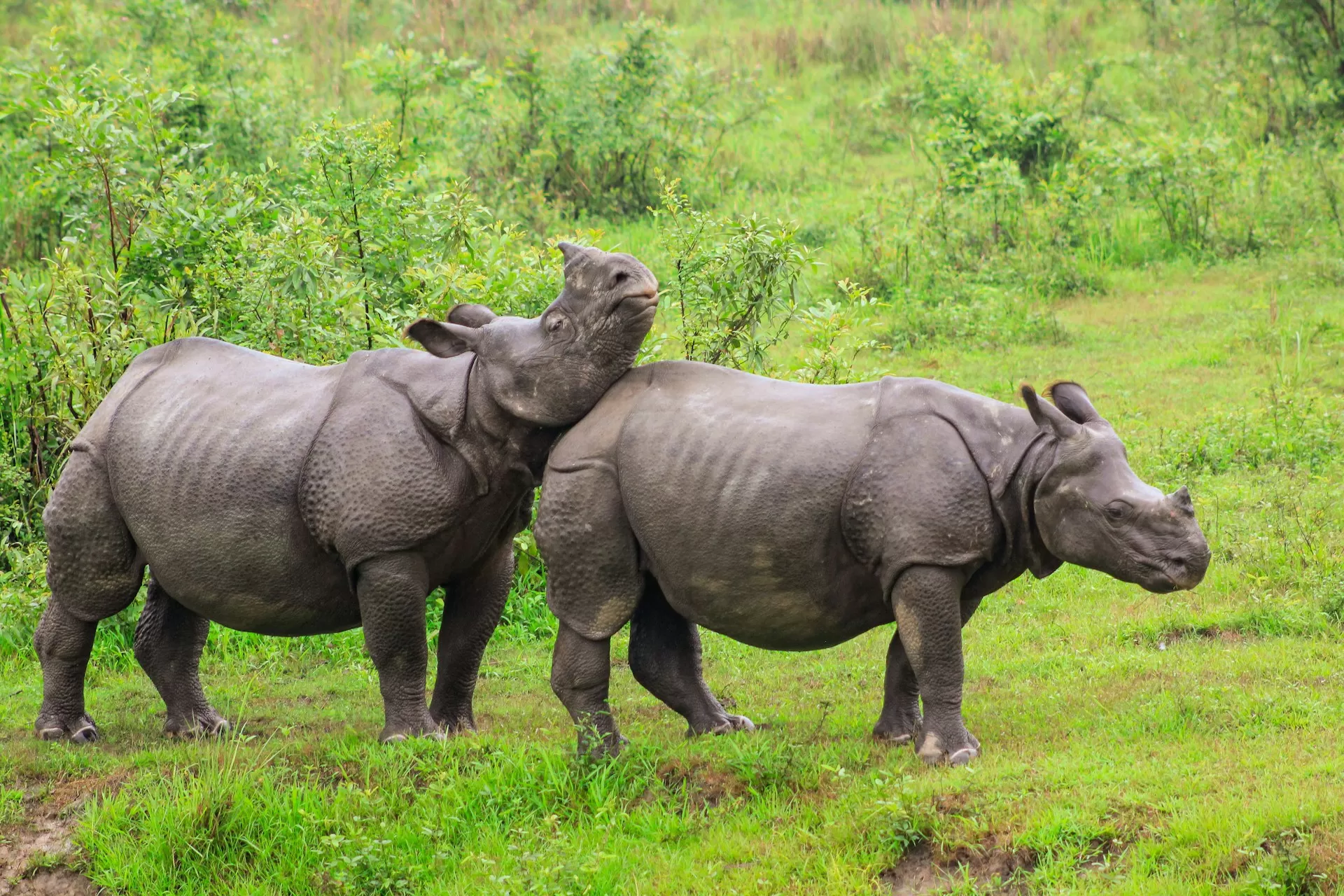
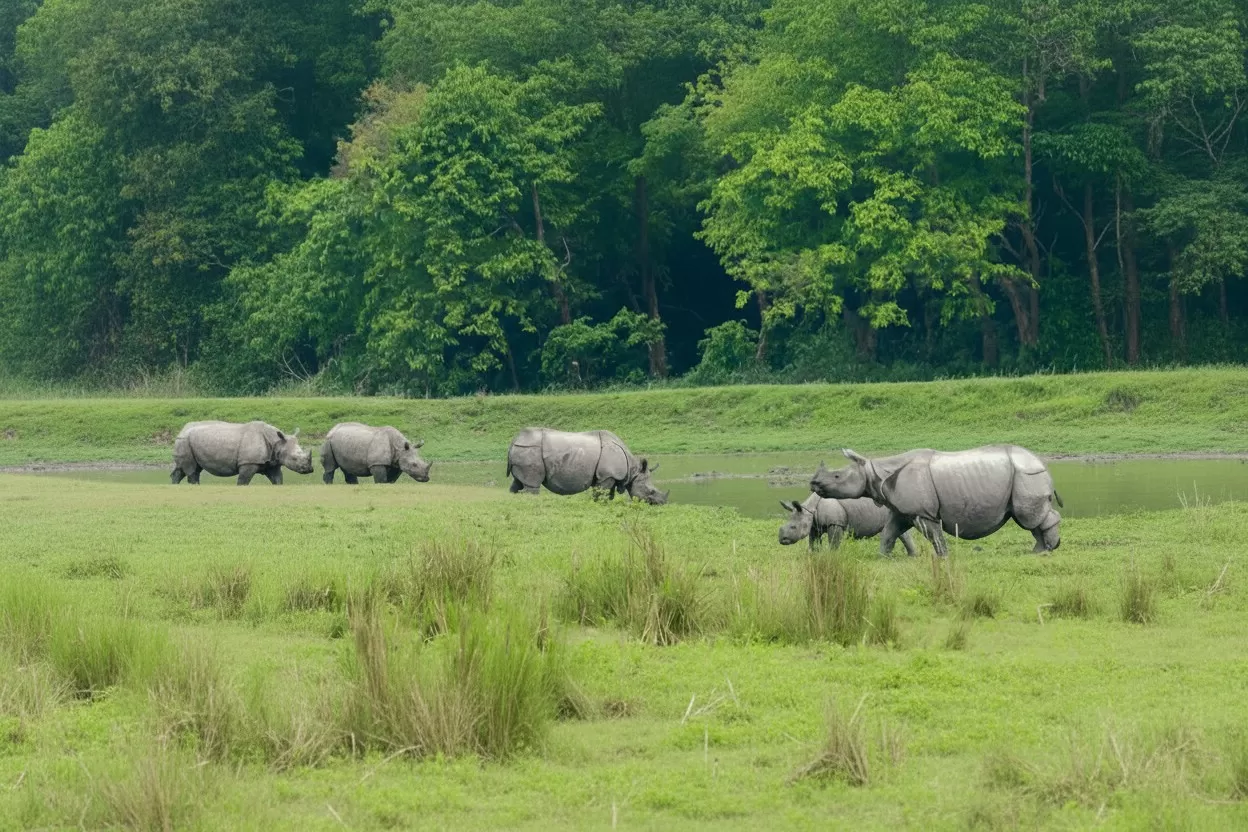
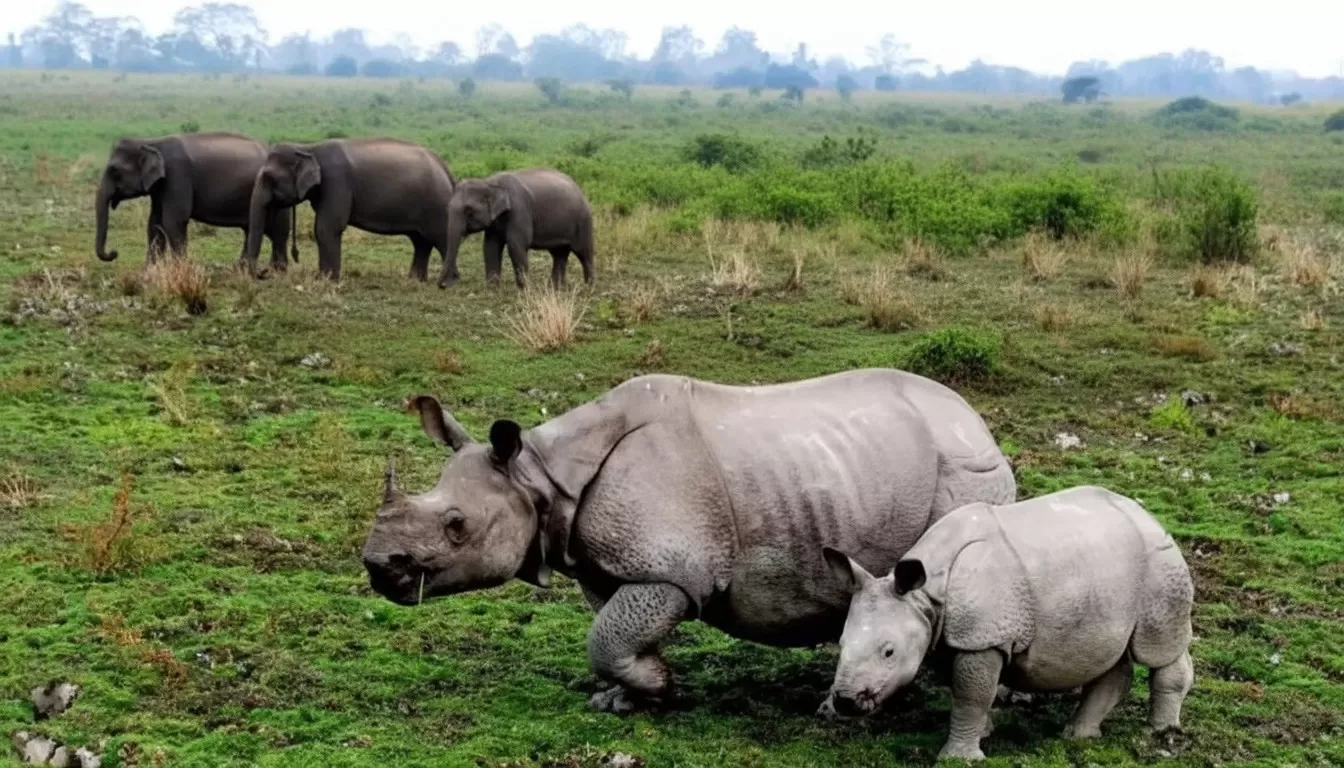
Kaziranga National Park is one of India's most famous wildlife sanctuaries and a UNESCO World Heritage Site located in the state of Assam. Spread across the floodplains of the mighty Brahmaputra River, the park is renowned for hosting the world's largest population of the endangered Indian one-horned rhinoceros. Rich grasslands, wetlands, forests, and diverse wildlife make Kaziranga a paradise for nature lovers, photographers, and wildlife enthusiasts.

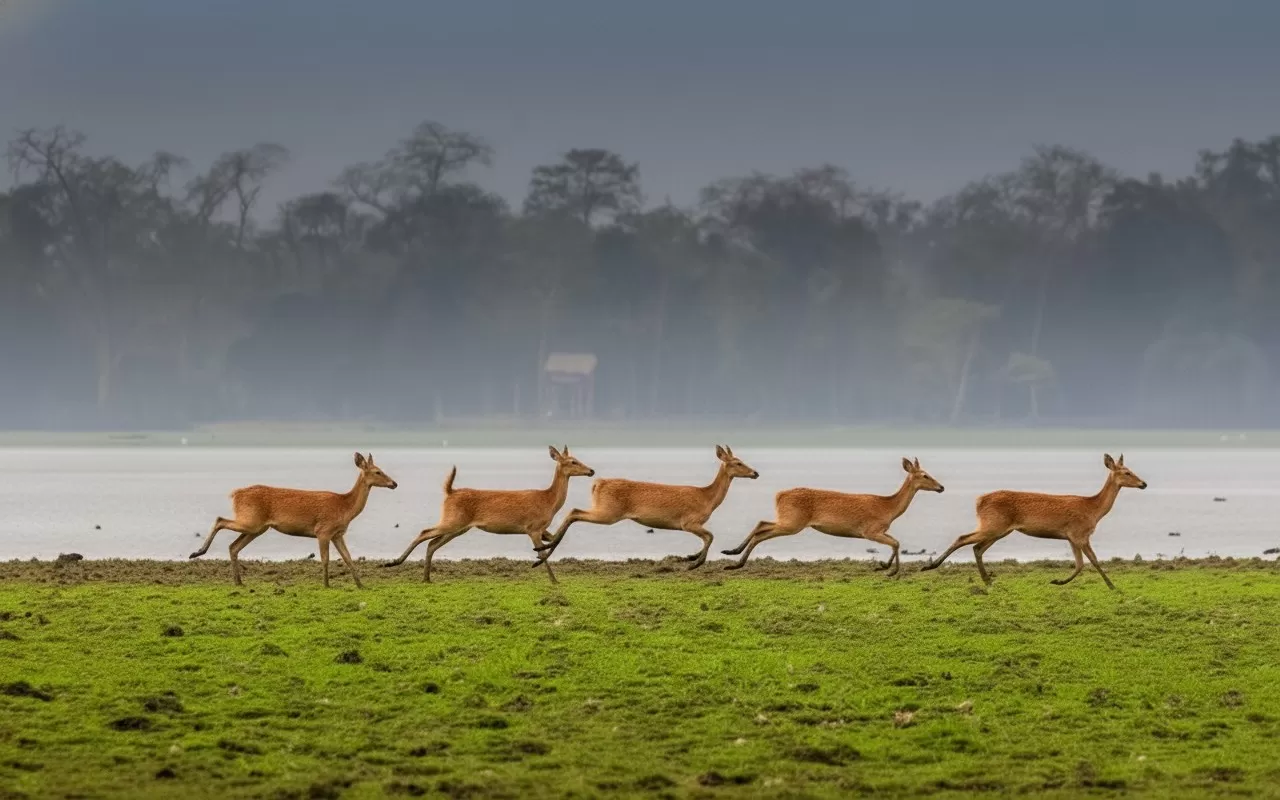
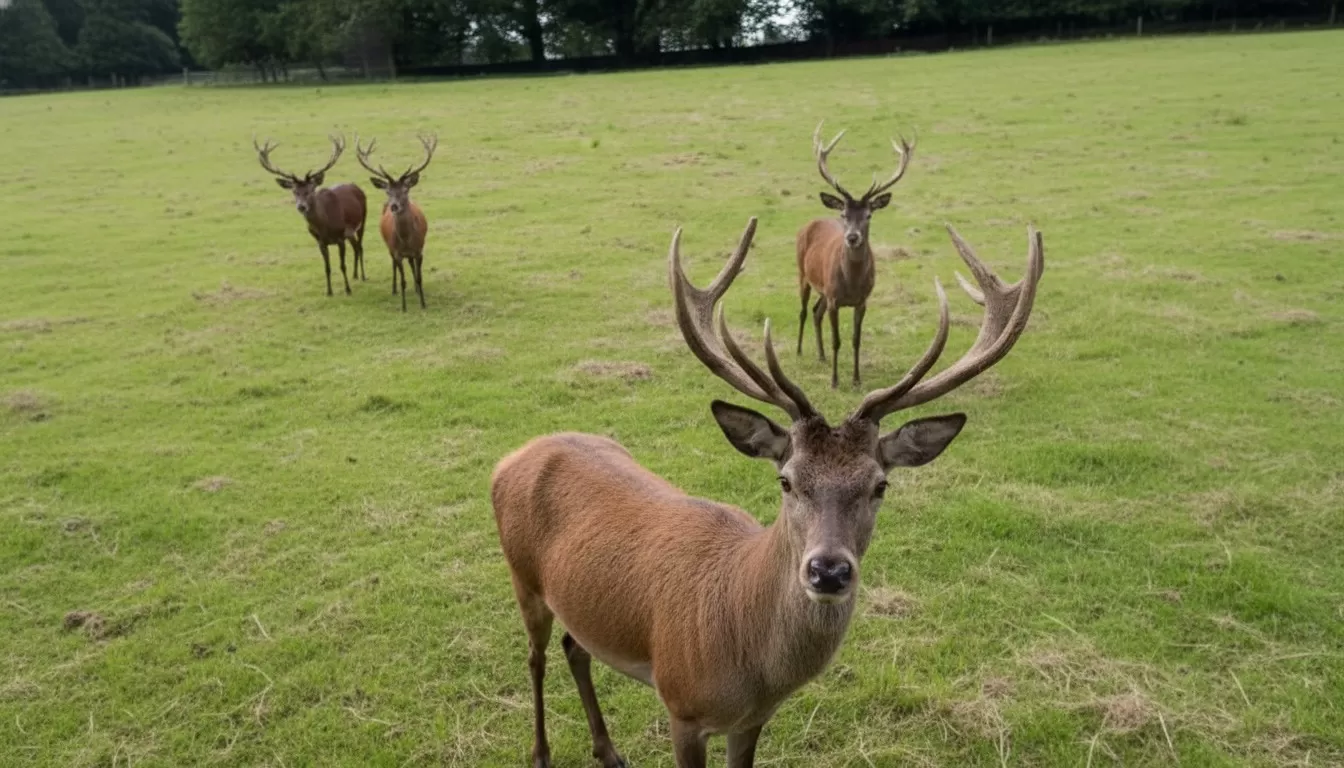
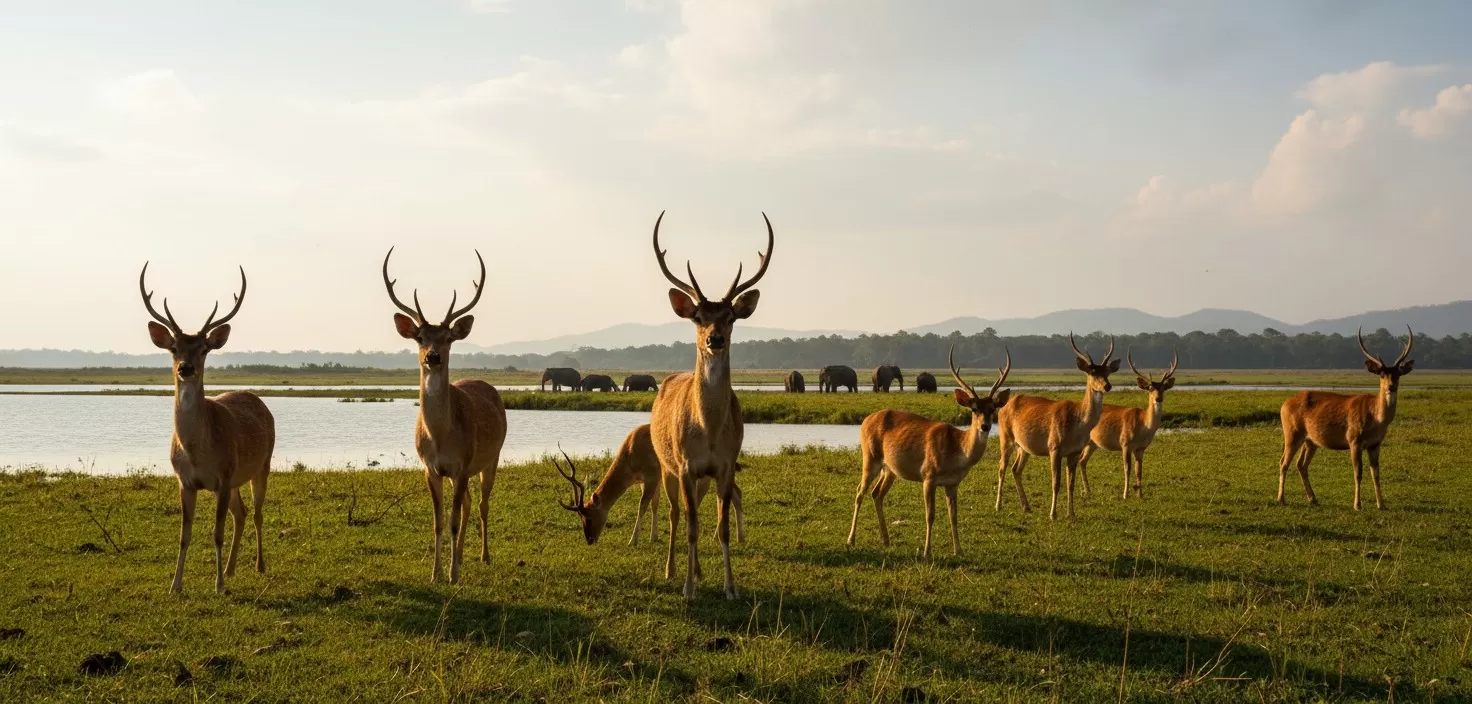
Kaziranga National Park is one of India's most celebrated wildlife destinations and a symbol of successful conservation efforts. Located in Assam along the banks of the Brahmaputra River, the park covers vast stretches of grasslands, marshes, and tropical forests. It is internationally recognized for protecting the endangered Indian one-horned rhinoceros and is home to the largest population of this magnificent animal in the world. Established as a protected area in 1905, Kaziranga has evolved into a thriving ecosystem supporting a remarkable variety of wildlife. Visitors can spot Bengal tigers, Asian elephants, wild water buffaloes, swamp deer, and many other mammals during safari excursions. The park is also a haven for birdwatchers, with hundreds of resident and migratory bird species inhabiting its wetlands and forests.  

The natural beauty of Kaziranga is equally captivating. Expansive grasslands sway in the breeze, while numerous water bodies attract wildlife throughout the year. The annual flooding of the Brahmaputra River enriches the soil and sustains the park's unique ecological balance, creating ideal conditions for diverse flora and fauna.

Jeep safaris and elephant safaris offer visitors close encounters with wildlife in their natural habitat. Early morning excursions often provide the best opportunities for animal sightings and photography. The park's well-managed tourism facilities make it accessible and enjoyable for families, nature enthusiasts, and adventure seekers alike.

Recognized as a UNESCO World Heritage Site, Kaziranga National Park stands as a shining example of wildlife conservation in India. Its extraordinary biodiversity, stunning landscapes, and iconic rhinoceros population make it a must-visit destination for anyone seeking an unforgettable experience in the heart of nature.

📜 History

Kaziranga National Park has a long and inspiring history that reflects India's commitment to wildlife conservation. In the early 1900s, the population of the one-horned rhinoceros had dropped sharply because of hunting and habitat loss. During her visit to the Kaziranga area in 1904, Mary Curzon, the wife of the then Viceroy of India, Lord Curzon, was disappointed that she could not spot a single rhinoceros. She strongly urged her husband to take steps to protect the species. As a result, the area was declared a Reserved Forest in 1905. Over the following decades, its protection was gradually strengthened. It became a Game Sanctuary in 1916, a Wildlife Sanctuary in 1950, and finally received the status of a National Park in 1974. In recognition of its outstanding natural value and successful conservation efforts, UNESCO declared Kaziranga a World Heritage Site in 1985.

The park has also faced several challenges over the years. Seasonal floods from the Brahmaputra River regularly affect the area. While these floods create difficulties for animals and forest staff, they also play an important role in maintaining the grasslands and wetlands that support Kaziranga's rich biodiversity. Another major challenge has been poaching, especially targeting rhinoceroses for their horns. Thanks to strict protection measures, regular forest patrols, and the active involvement of local communities, Kaziranga has become one of the world's greatest wildlife conservation success stories and now supports the largest population of one-horned rhinoceroses.

Why Visit Kaziranga national park?

Discover what makes this destination one of the most loved tourist attractions.

Kaziranga national park
1

🍛 Assamese Thali

A complete traditional meal served with steamed rice, dal, seasonal vegetables, fish or meat curry, chutney, and pickles. It is simple, healthy, and gives visitors the authentic taste of Assam.

2

🍛 Masor Tenga

Masor Tenga is a light and tangy Assamese fish curry prepared with tomatoes, lemon, elephant apple, or other local sour ingredients. It is especially popular during lunch.

3

🍛 Duck Meat Curry

Duck meat cooked with local spices, black pepper, and sometimes ash gourd is one of Assam's famous traditional dishes. It has a rich flavour and is commonly prepared during festivals.

4

🍛 Pitha

Pitha is a traditional Assamese snack made from rice flour and filled with coconut, sesame seeds, or jaggery. It is soft, mildly sweet, and usually enjoyed with tea.

🦁

Safari

Enjoy an exciting safari through the national park to spot wildlife. Follow park regulations and maintain silence during the safari.

📸

Wildlife Photography

Capture stunning photographs of wild animals and natural landscapes. Respect wildlife by keeping a safe distance and avoiding disturbance.

🦜

Bird Watching

Observe a variety of resident and migratory birds in their natural habitat. Carry binoculars and enjoy peaceful birdwatching throughout the park.

🚶

Nature Walk

Walk along designated nature trails surrounded by forests and wildlife. Learn about the park's rich biodiversity while enjoying fresh air.

🏕️

Camping

Experience camping amidst nature where camping is permitted. Follow eco-friendly practices and respect the protected environment.

🏛️

Visit Interpretation Centre

Visit the interpretation centre to learn about wildlife and conservation. Explore exhibits, educational displays, and interactive information.

🌿

Eco Tourism

Experience eco-friendly tourism while helping protect nature and wildlife. Follow responsible travel practices to preserve the park's ecosystem.

🚗

Scenic Drive

Enjoy a scenic drive through beautiful forest roads and viewpoints. Keep an eye out for wildlife while following all traffic and park rules.

Travel Tips & Essential Information

Everything you should know before visiting Kaziranga national park.

🌤

Best Time to Visit

November to April

👕

What to Wear

Wear comfortable clothes and walking shoes. Carry a light jacket during winter mornings.

📷

Photography

Sunrise and sunset provide the best lighting for beautiful photographs.

🍴

Local Food

Try nearby local restaurants to enjoy authentic regional cuisine.

🛡️

Safety Tips

Keep your belongings secure and follow local guidelines during your visit.

🚗

Accessibility

The destination is accessible by road with nearby parking and public transport facilities.

💧

Carry Water

Stay hydrated, especially during summer and while exploring outdoor attractions.

📍

Nearby Facilities

Hotels, restaurants, ATMs, fuel stations and medical services are available nearby.

Travel Information

🚗

How to Reach

  • ✈️By Air :-The nearest airport is Jorhat Airport approximately 95 km from Kaziranga. Another convenient option is Lokpriya Gopinath Bordoloi International Airport about 220 km away. Taxis and buses are available from both airports.,
  • 🚆By Train :- The nearest major railway stations are Furkating Junction (around 75 km) and Guwahati Railway Station. Regular trains connect these stations with major Indian cities.,
  • 🚌By Bus :-Kaziranga is well connected by road to Guwahati  Jorhat Tezpur  and other towns of Assam. State transport and private buses operate regularly. Taxis can also be hired from nearby cities.
💡

Travel Tips & Essential Information

  • Best time to visit: November to April.,
  • Wear comfortable clothing in earthy colors.,
  • Carry binoculars and a camera.,
  • Book safari permits in advance during peak season.,
  • Follow park rules and maintain silence during safaris.,
  • Carry sunscreen  hats and drinking water.,
  • Avoid visiting during the monsoon season when parts of the park may remain closed.

Why Visit

  • Home to more than two-thirds of the world's one-horned rhinoceroses.,
  • Excellent opportunities for jeep and elephant safaris.,
  • Rich biodiversity with tigers elephants  wild buffaloes  swamp deer and numerous bird species.,
  • UNESCO World Heritage Site status.,
  • Beautiful landscapes featuring grasslands  wetlands and forests.,
  • Ideal destination for wildlife photography and birdwatching.

Special Features

  • World's largest population of Indian one-horned rhinoceroses.,
  • Part of the India Tiger Reserve network.,
  • Habitat for over 500 species of birds.,
  • Frequent sightings of elephants  wild buffaloes  and deer.,
  • Unique ecosystem shaped by annual Brahmaputra floods.
Activities

Things To Do

Jeep Safari (Central
Western
Eastern & Burapahar Ranges)
Elephant Safari (Best for close rhino sightings)
🦜 Bird Watching (Migratory and wetland birds)
📷 Wildlife Photography
Visit Kaziranga Orchid & Biodiversity Park
🌿 Nature Walks (outside core zones)
Local Assamese Cultural Experience .

Current Weather

🌤 Live Weather
☀️
--
Loading...
Feels Like

💧 Humidity

--

💨 Wind

--

👀 Visibility

--

☀ UV Index

--

Weather Details


🌡 Pressure --
🌧 Rain Chance --
🧭🧭 Wind Direction --
🌄 Sunrise --
🌇 Sunset --

🌫🌫 Air Quality


--
Loading...

PM2.5 --
PM10 --
CO --
NO₂ --
O₃ --
SO₂ --

⭐ Travel Intelligence


--
--
Loading...
Calculating...

🚨 Weather Alerts


Waiting for weather updates...

⚙ System Status


🌐 Connection Checking...
📍 GPS Detecting...
⚡ API Time --
🕒 Last Update --
FunYatra Weather Intelligence
Powered by
Location

Find on Map

Visited Kaziranga national park?

Share your experience, tips, and photos to help other travelers.

×

Share Your Experience

Frequently Asked

Best Time to Visit Kaziranga national park?

November to April

Opening Time

Morning: 7:00 AM – 12:00 PM Afternoon: 1:00 PM – 4:30 PM

Entry Fee

The entry fee is ₹₹100 – ₹200, Jeep Safari: ₹2,500 – ₹4,000 per jeep.

How much time is required?

1 -2 day

How to Reach Kaziranga national park?

By Air :-The nearest airport is Jorhat Airport approximately 95 km from Kaziranga. Another convenient option is Lokpriya Gopinath Bordoloi International Airport about 220 km away. Taxis and buses are available from both airports.,
By Train :- The nearest major railway stations are Furkating Junction (around 75 km) and Guwahati Railway Station. Regular trains connect these stations with major Indian cities.,
By Bus :-Kaziranga is well connected by road to Guwahati  Jorhat Tezpur  and other towns of Assam. State transport and private buses operate regularly. Taxis can also be hired from nearby cities.

Updated on: 6 July 2026