Jantar Mantar Jaipur
9:00 AM – 5:00 PM
₹₹50 , Foreign Tourists: ₹200
All year
1 - 2 hrs
Available
Yes
Jantar Mantar Jaipur
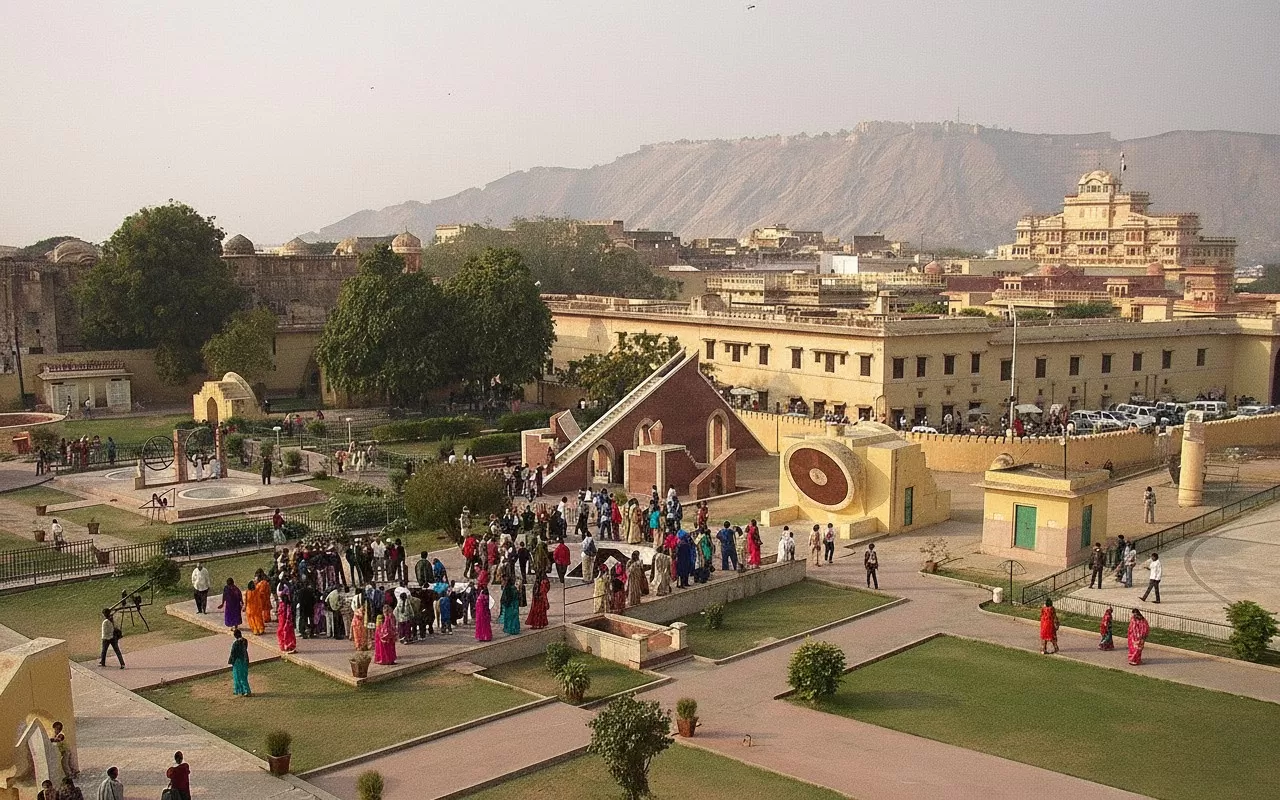
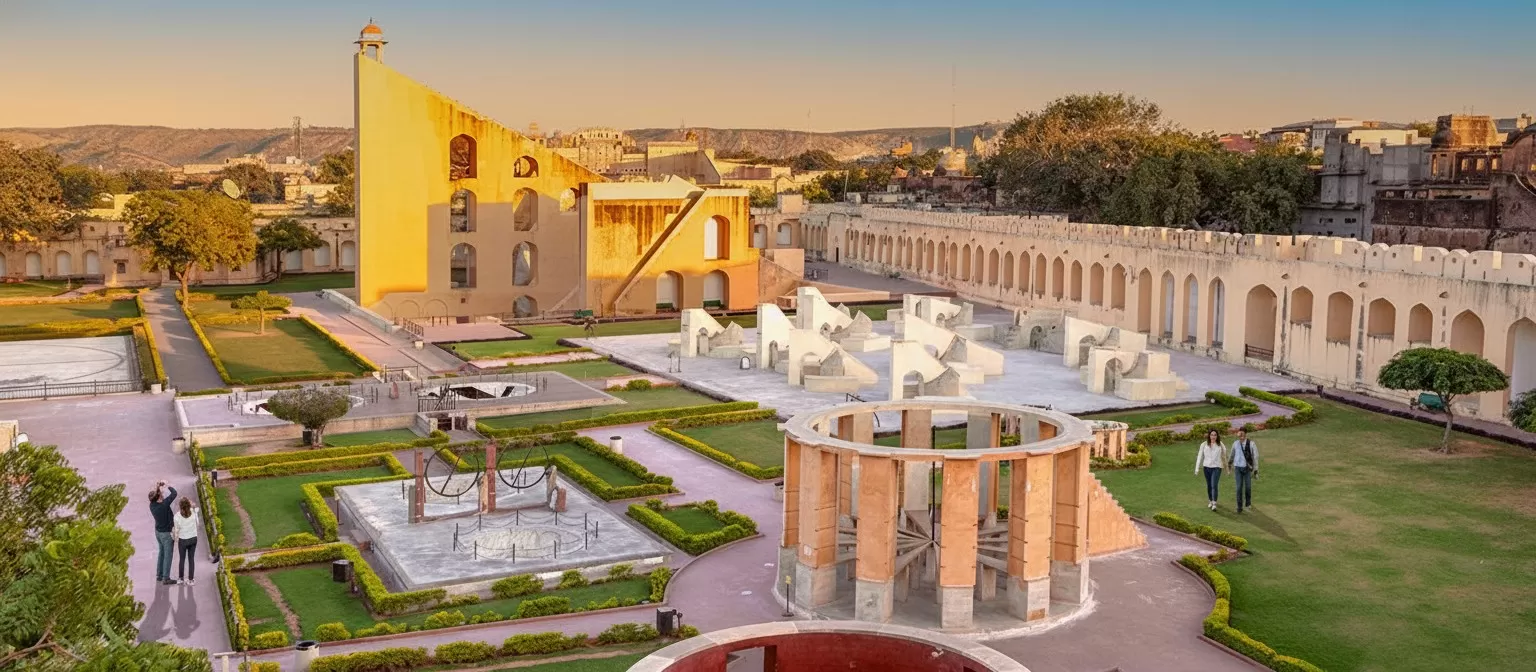
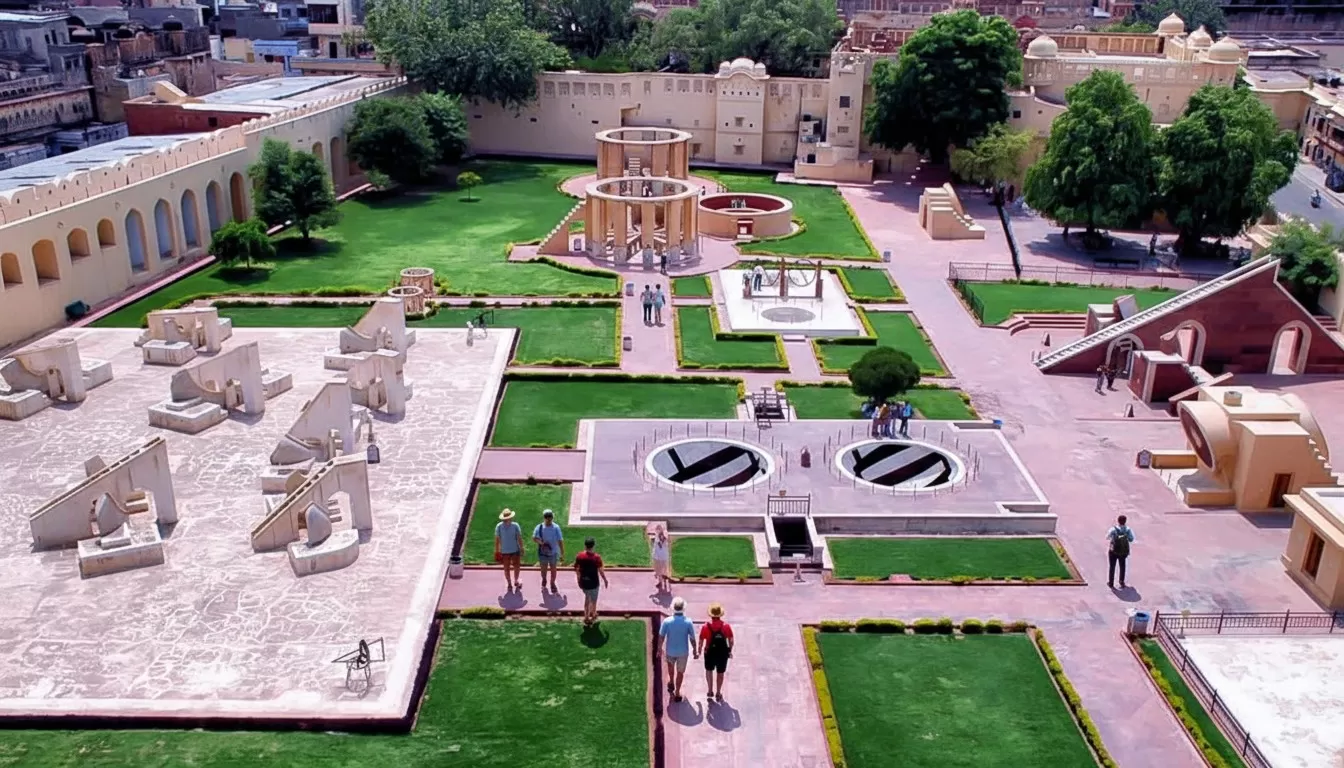
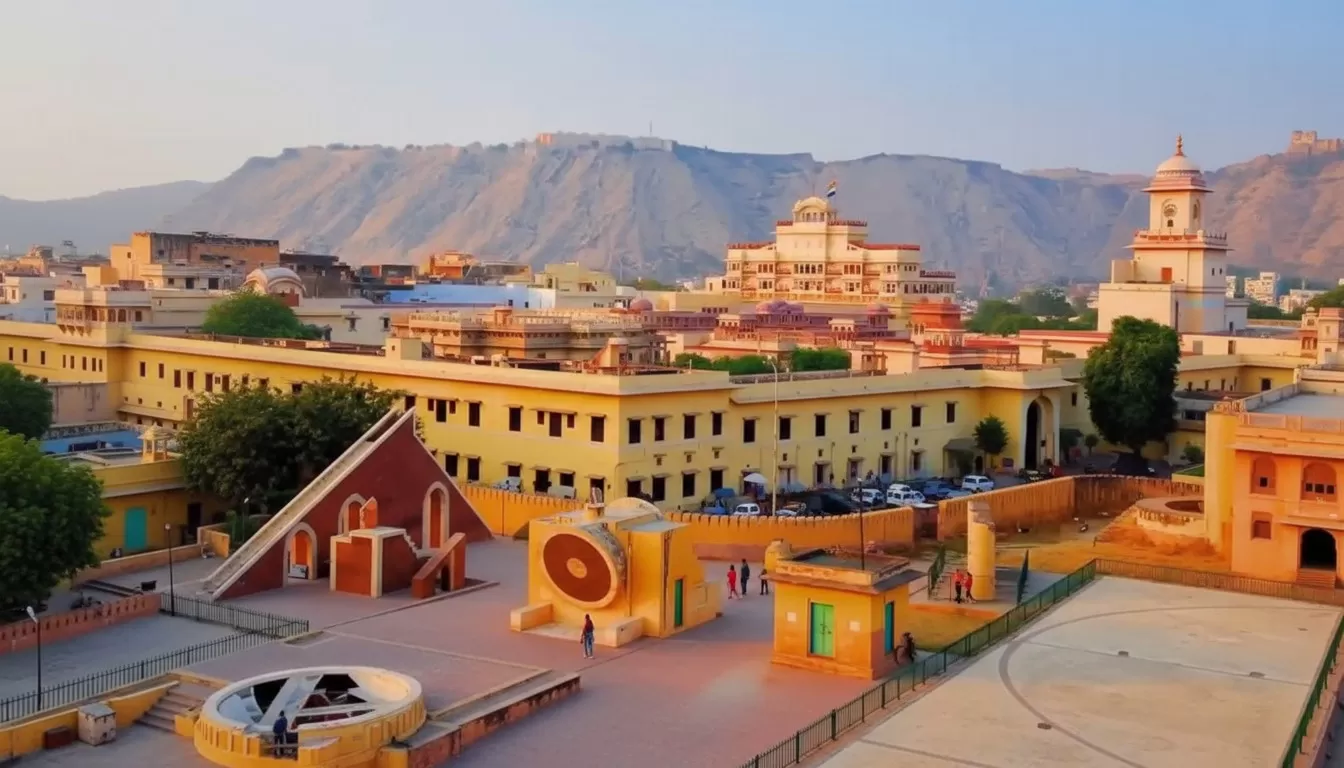
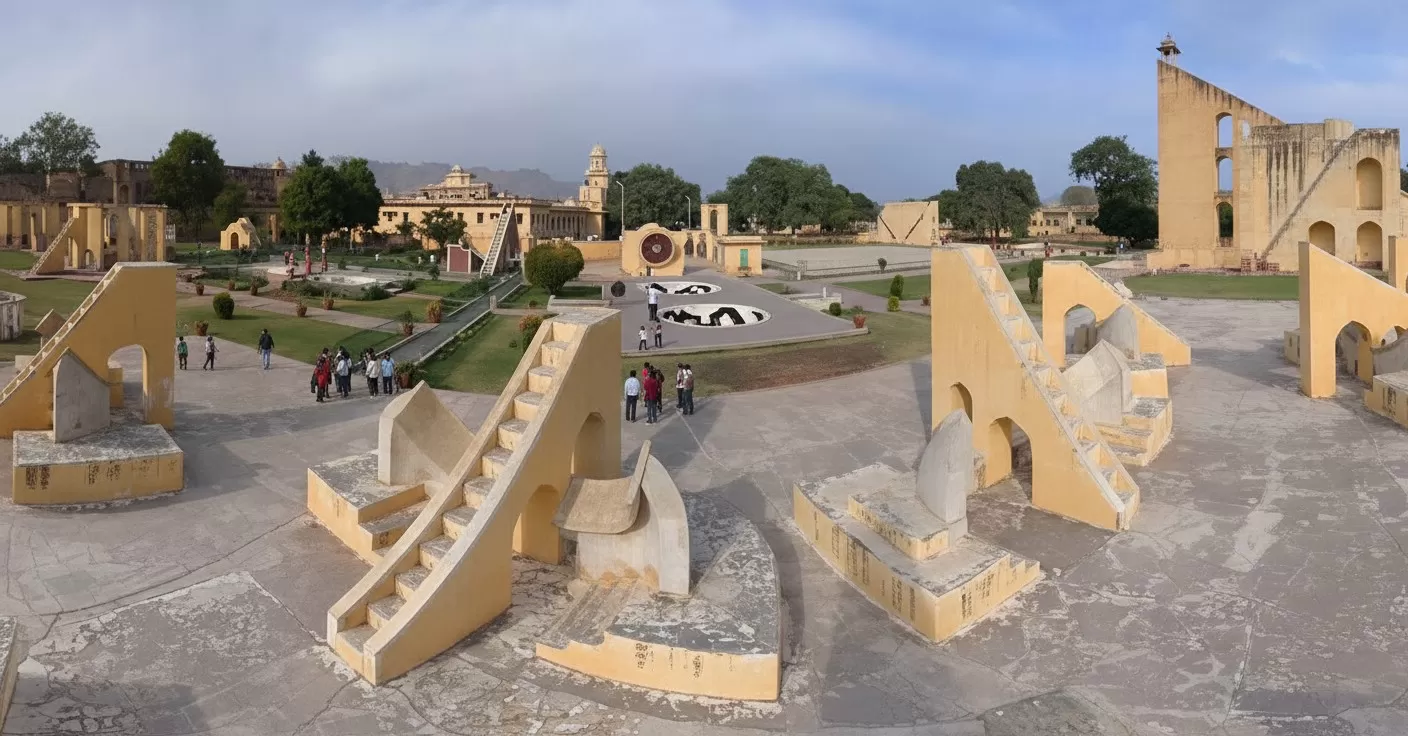
Jantar Mantar Jaipur is a UNESCO World Heritage astronomical observatory built by Maharaja Sawai Jai Singh II in the 18th century. It contains the world’s largest stone sundial and a collection of 19 astronomical instruments used to measure time, track celestial bodies, and predict eclipses. Located near City Palace in Jaipur, it reflects advanced ancient Indian science and architectural precision. The site remains one of the best-preserved observatories of its kind and attracts students, historians, and tourists interested in astronomy and heritage.
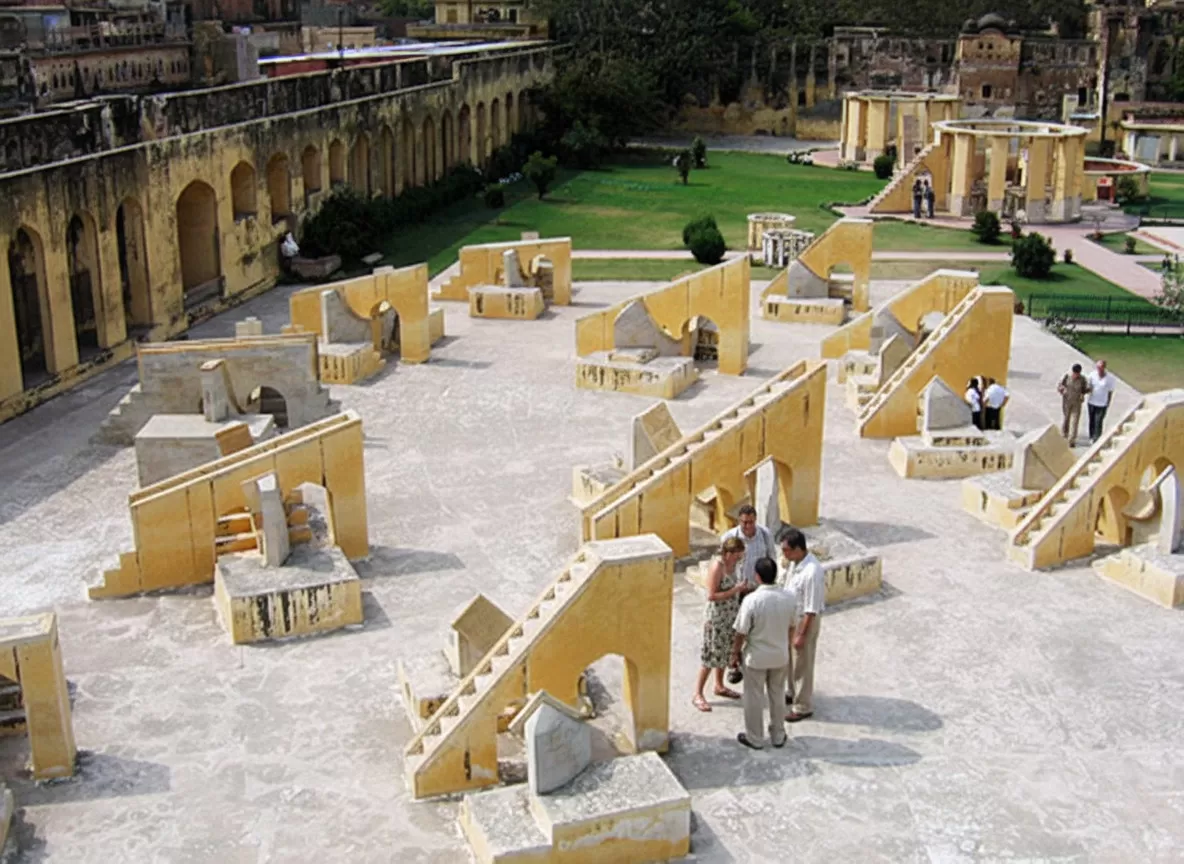
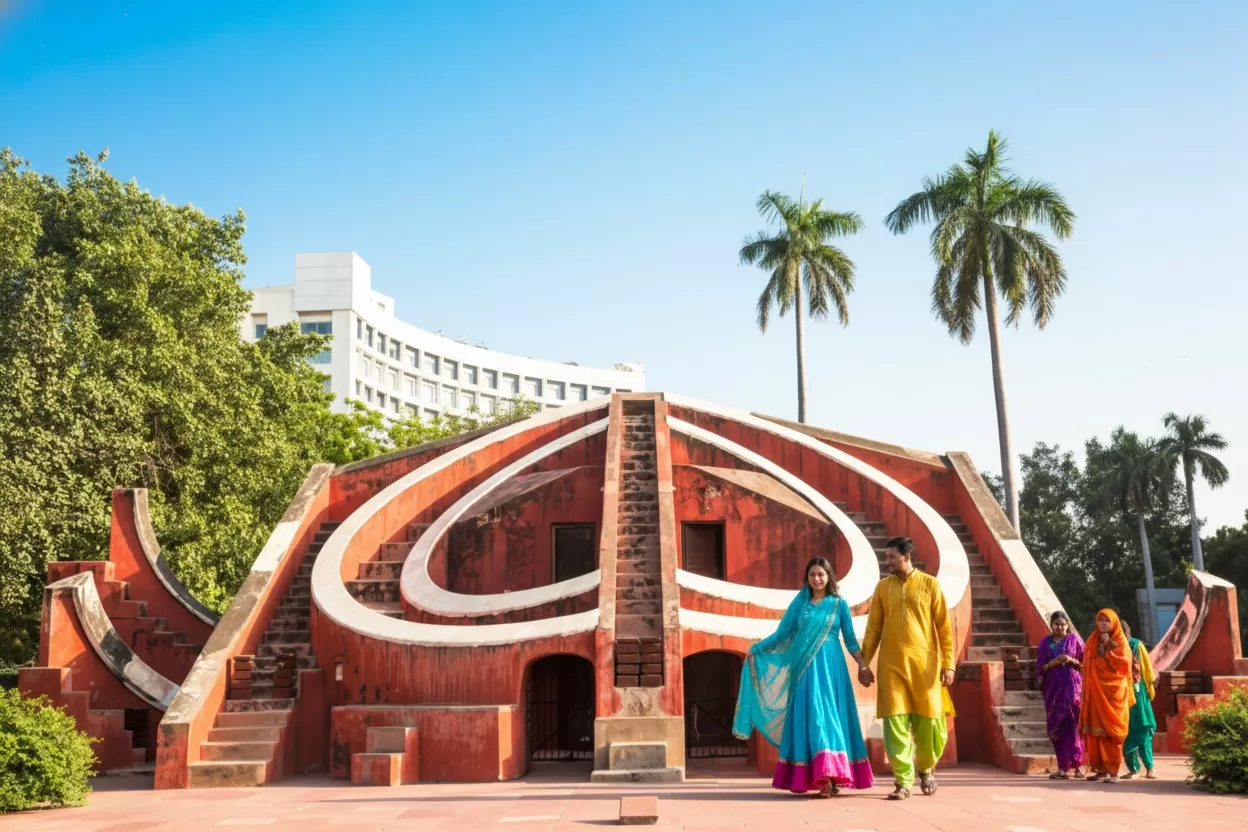
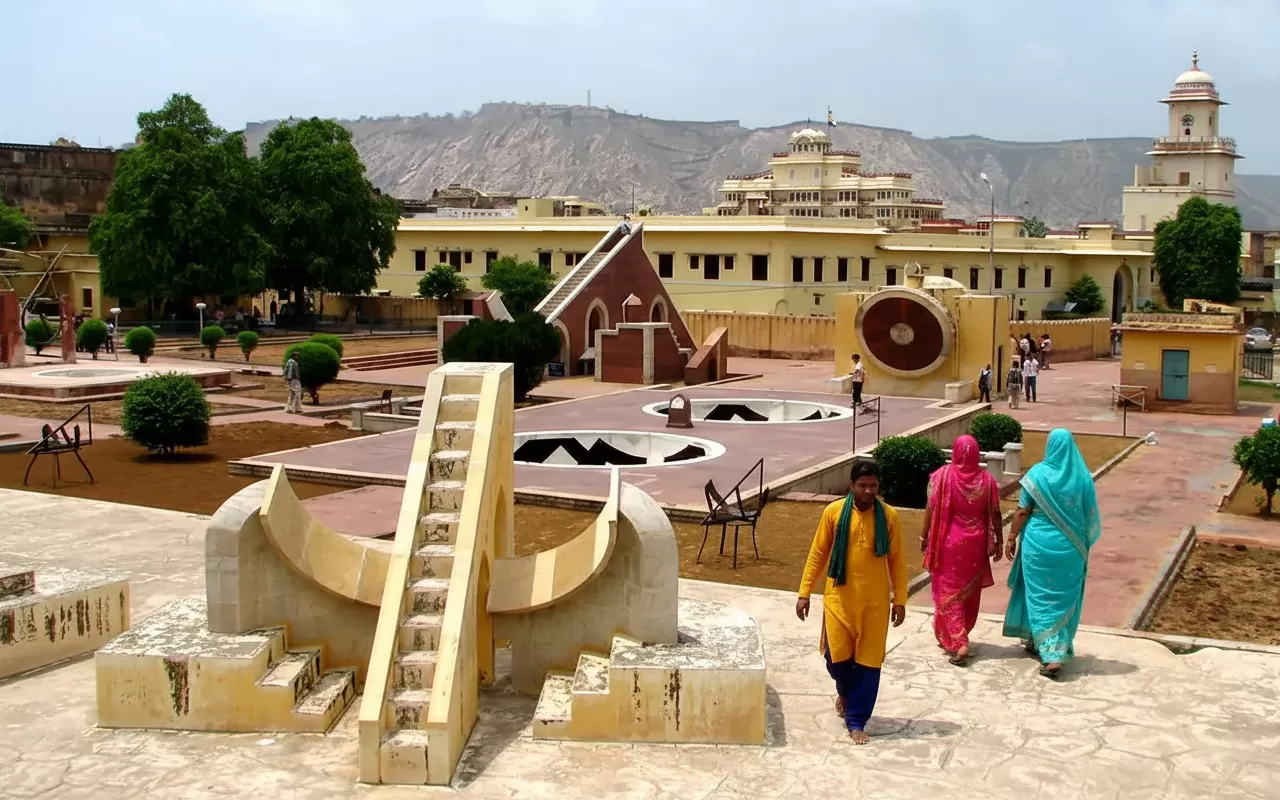
The site consists of 19 large architectural instruments made of stone and marble, each designed for specific astronomical calculations. Unlike modern telescopes, these instruments are fixed structures aligned with celestial bodies to measure time, predict eclipses, track stars, and determine planetary positions with impressive accuracy.
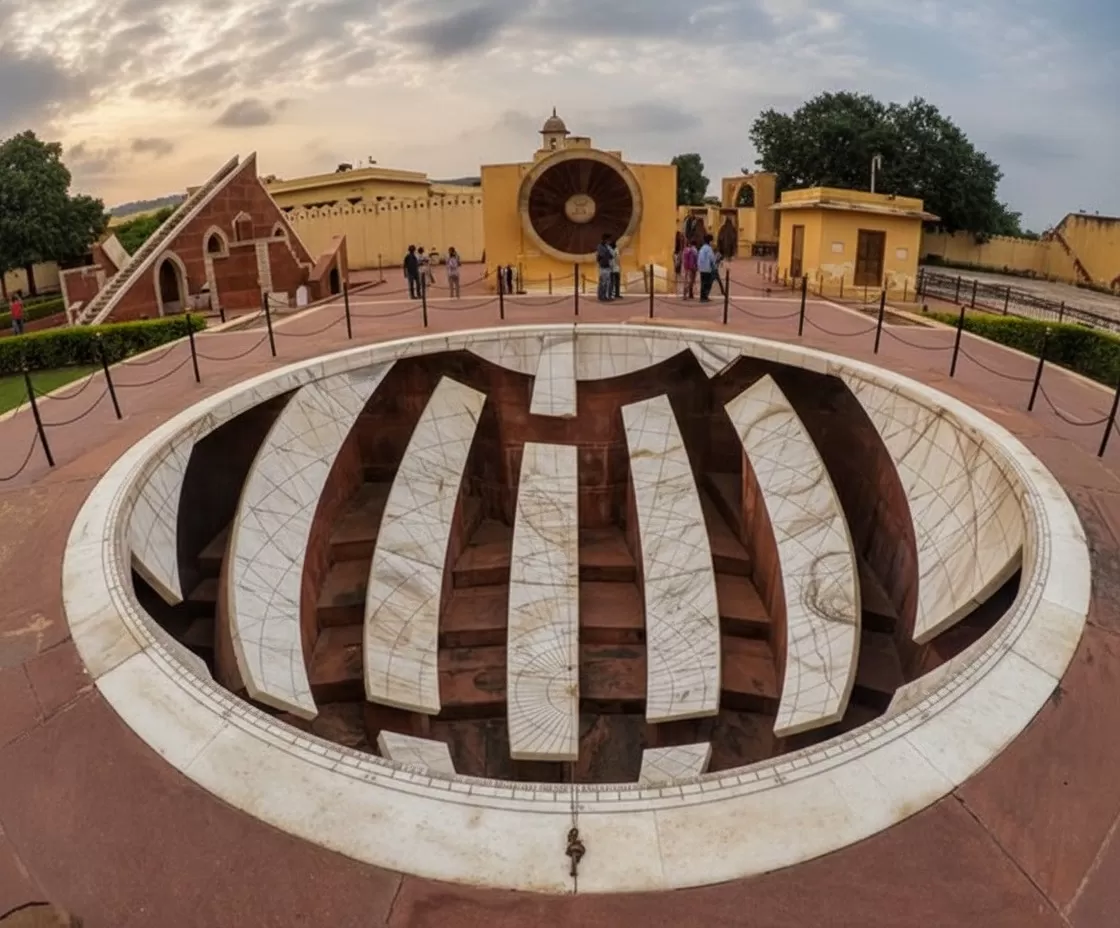
The most famous structure is the Samrat Yantra, a massive sundial that can measure time accurately up to a few seconds. Another key instrument, the Jai Prakash Yantra, helps locate celestial objects by reflecting the sky’s position on concave surfaces. These instruments demonstrate the advanced understanding of astronomy and mathematics in ancient India.
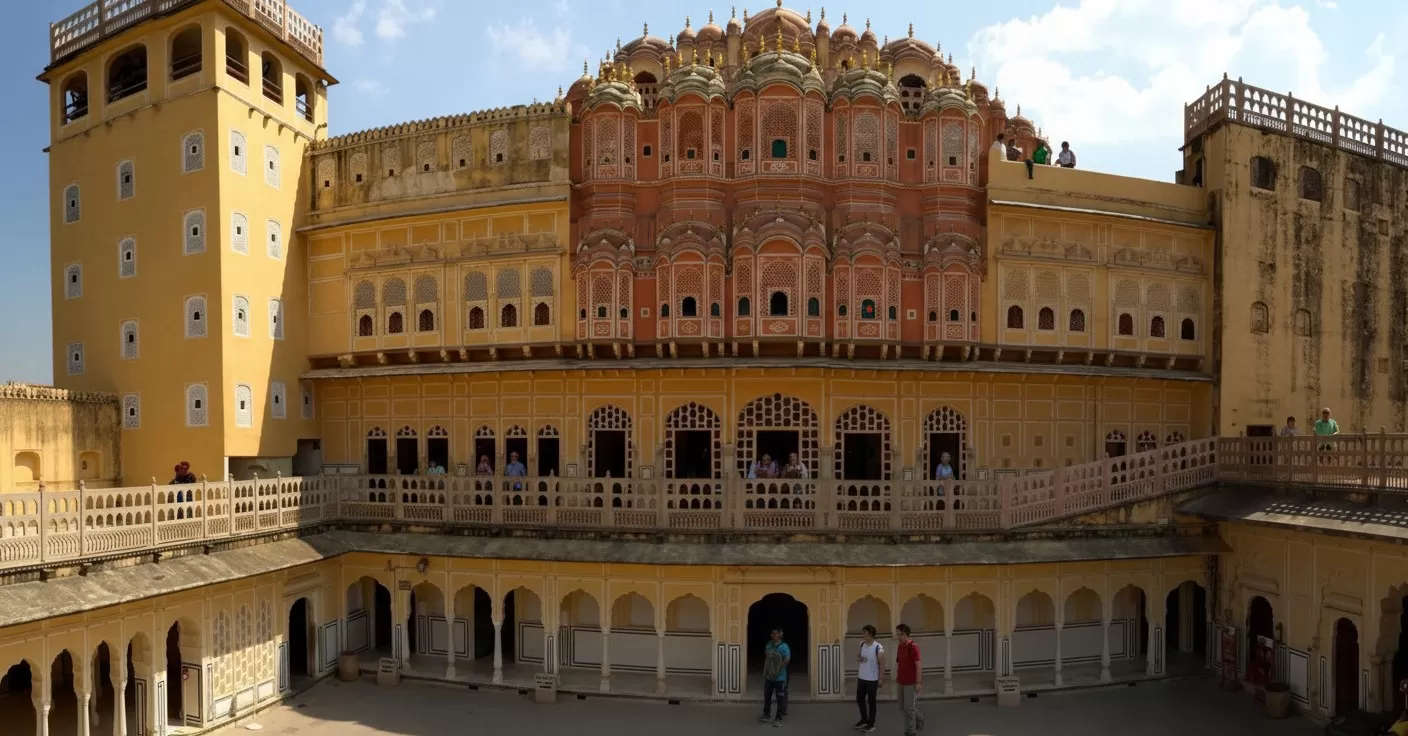
Located in the heart of Jaipur, near the City Palace and Hawa Mahal, Jantar Mantar is a UNESCO World Heritage Site that attracts tourists, students, researchers, and photography enthusiasts. Its geometric structures and historical significance make it a unique blend of science and architecture.Visitors can explore the site in 1–2 hours, preferably with a guide to understand the working principles of each instrument. The open layout offers excellent photography opportunities, especially during morning and evening light.
Today, Jantar Mantar stands not just as a tourist attraction but as a symbol of India’s scientific heritage and innovation. It continues to inspire curiosity about astronomy and ancient engineering, making it a must-visit destination in Jaipur for anyone interested in history, science, and culture.
📜 History
The Jantar Mantar in Jaipur is one of the most remarkable examples of India's scientific and astronomical heritage. It was built between 1728 and 1734 by Maharaja Sawai Jai Singh II, the founder of Jaipur. Jai Singh was deeply interested in astronomy and believed that the existing astronomical tables used during that period contained several errors. To improve the accuracy of celestial observations, he decided to build large masonry instruments instead of depending only on small metal devices. The Jaipur observatory is the largest among the five Jantar Mantars constructed by the king in different cities, including Delhi, Ujjain, Varanasi, and Mathura. Out of these, the one in Mathura no longer exists. The observatory houses 19 giant instruments, each designed for a specific purpose such as measuring time, tracking the movement of the sun, moon, and planets, predicting eclipses, and calculating the positions of stars.
One of the most famous instruments is the Samrat Yantra, which is considered the world's largest stone sundial. It can measure time with impressive accuracy under clear weather conditions. In recognition of its outstanding scientific and cultural value, UNESCO declared Jantar Mantar a World Heritage Site in 2010. Today, it stands as a symbol of India's advanced knowledge of astronomy and continues to attract historians, scientists, students, and tourists from across the world.
Why Visit Jantar Mantar Jaipur?
Discover what makes this destination one of the most loved tourist attractions.
🍛 Dal Baati Churma
Dal Baati Churma is Rajasthan's most famous traditional meal. Crispy baked baati is served with spicy lentil curry and sweet churma made from crushed wheat. It offers a perfect mix of spicy and sweet flavours.
🍛 Pyaaz Kachori
Pyaaz Kachori is a deep-fried crispy snack filled with spicy onion stuffing. It is usually served with tamarind and mint chutney and is one of Jaipur's favourite breakfast items.
🍛 Ghewar
Ghewar is a famous Rajasthani dessert prepared from flour, ghee, and sugar syrup. It is especially popular during festivals but is available throughout the year in Jaipur.
🍛 Laal Maas
Laal Maas is a traditional Rajasthani mutton curry known for its rich red colour and spicy taste. It is usually enjoyed with bajra roti or naan.
🍛 Mawa Kachori
Mawa Kachori is a sweet delicacy filled with rich mawa and dry fruits, then dipped in sugar syrup. It is one of Jaipur's signature desserts.
Heritage Walk
Walk through historic streets and heritage sites to discover the past. Enjoy the architecture, culture, and stories preserved for generations.
Explore Ancient Architecture
Admire magnificent ancient buildings, forts, temples, and monuments. Observe the craftsmanship and architectural brilliance of earlier civilizations.
Photography
Capture memorable photographs of historic monuments and scenic surroundings. Respect site rules and avoid restricted photography areas.
Guided Tour
Join a guided tour to learn fascinating stories behind the monument. Expert guides provide valuable historical facts and local insights.
Learn History
Discover the rich history, culture, and legacy of the destination. Learn about important events, rulers, and historical significance.
Museum Visit
Explore museums displaying ancient artifacts, sculptures, and historical collections. Gain deeper knowledge about the region's cultural heritage.
Attend Light & Sound Show
Enjoy an impressive light and sound show that brings history to life. The show narrates historical events with music, lights, and storytelling.
Local Shopping
Browse local markets for handicrafts, souvenirs, and traditional products. Support local artisans while taking home memorable keepsakes.
Cultural Experience
Experience local traditions, folk performances, and cultural activities. Interact with the community to understand their heritage and lifestyle.
Visit Nearby Monuments
Visit nearby monuments and archaeological sites during your trip. Explore multiple heritage attractions to enrich your historical experience.
Travel Tips & Essential Information
Everything you should know before visiting Jantar Mantar Jaipur.
Best Time to Visit
All year
What to Wear
Wear comfortable clothes and walking shoes. Carry a light jacket during winter mornings.
Photography
Sunrise and sunset provide the best lighting for beautiful photographs.
Local Food
Try nearby local restaurants to enjoy authentic regional cuisine.
Safety Tips
Keep your belongings secure and follow local guidelines during your visit.
Accessibility
The destination is accessible by road with nearby parking and public transport facilities.
Carry Water
Stay hydrated, especially during summer and while exploring outdoor attractions.
Nearby Facilities
Hotels, restaurants, ATMs, fuel stations and medical services are available nearby.
Travel Information
How to Reach
- By Air: The nearest airport is Jaipur International Airport around 12 km away.,
- By Train: Reach Jaipur Junction Railway Station and take a taxi auto-rickshaw or bus.,
- By Road: Jaipur is well connected by highways from Delhi Agra and other major cities.
Travel Tips & Essential Information
- Visit early morning or evening to avoid heat.,
- Hire a guide to understand the instruments better.,
- Carry water sunglasses and comfortable footwear.,
- Combine the visit with nearby heritage attractions.
Why Visit
- Explore ancient Indian astronomy and science.,
- Experience unique architectural and mathematical designs.,
- Enjoy photography of massive geometric instruments.,
- Learn how people measured time before modern technology.,
- Located near popular attractions like Hawa Mahal and City Palace.
Special Features
- World’s largest stone sundial.,
- UNESCO World Heritage recognition.,
- Scientific instruments built entirely from stone and marble.,
- Blend of astronomy mathematics and architecture.
Things To Do
Current Weather
💧 Humidity
--💨 Wind
--👀 Visibility
--☀ UV Index
--Weather Details
🌫🌫 Air Quality
⭐ Travel Intelligence
🚨 Weather Alerts
⚙ System Status
Powered by
Photo Gallery
Find on Map
Visited Jantar Mantar Jaipur?
Share your experience, tips, and photos to help other travelers.
Share Your Experience
Nearby Attractions
Best Time to Visit Jantar Mantar Jaipur?
All year
Opening Time
9:00 AM – 5:00 PM
Entry Fee
The entry fee is ₹₹50 , Foreign Tourists: ₹200.
How much time is required?
1 - 2 hrs
How to Reach Jantar Mantar Jaipur?
By Air: The nearest airport is Jaipur International Airport around 12 km away.,
By Train: Reach Jaipur Junction Railway Station and take a taxi auto-rickshaw or bus.,
By Road: Jaipur is well connected by highways from Delhi Agra and other major cities.