
EN हिंदी
Melghat Tiger Reserve
1 / 9
Home Maharashtra Melghat Tiger Reserve
Wildlife Sanctuary

Melghat Tiger Reserve

★★★★★ 3.9 (138 Reviews)
📍 • Amravati• Maharashtra
📍 Get Directions
🕒
Opening Time

Morning Safari: 6:00 AM – 10:00 AM , Evening Safari: 3:00 PM – 6:30 PM

💰
Entry Fee

₹₹50 – ₹100 per person ,₹2,500 – ₹3,500 per jeep

🌤️
Best Season

1 October – 30 June

Duration

1 -2 day

🅿️
Parking

Available

👨‍👩‍👧‍👦
Family Friendly

Yes

Melghat Tiger Reserve

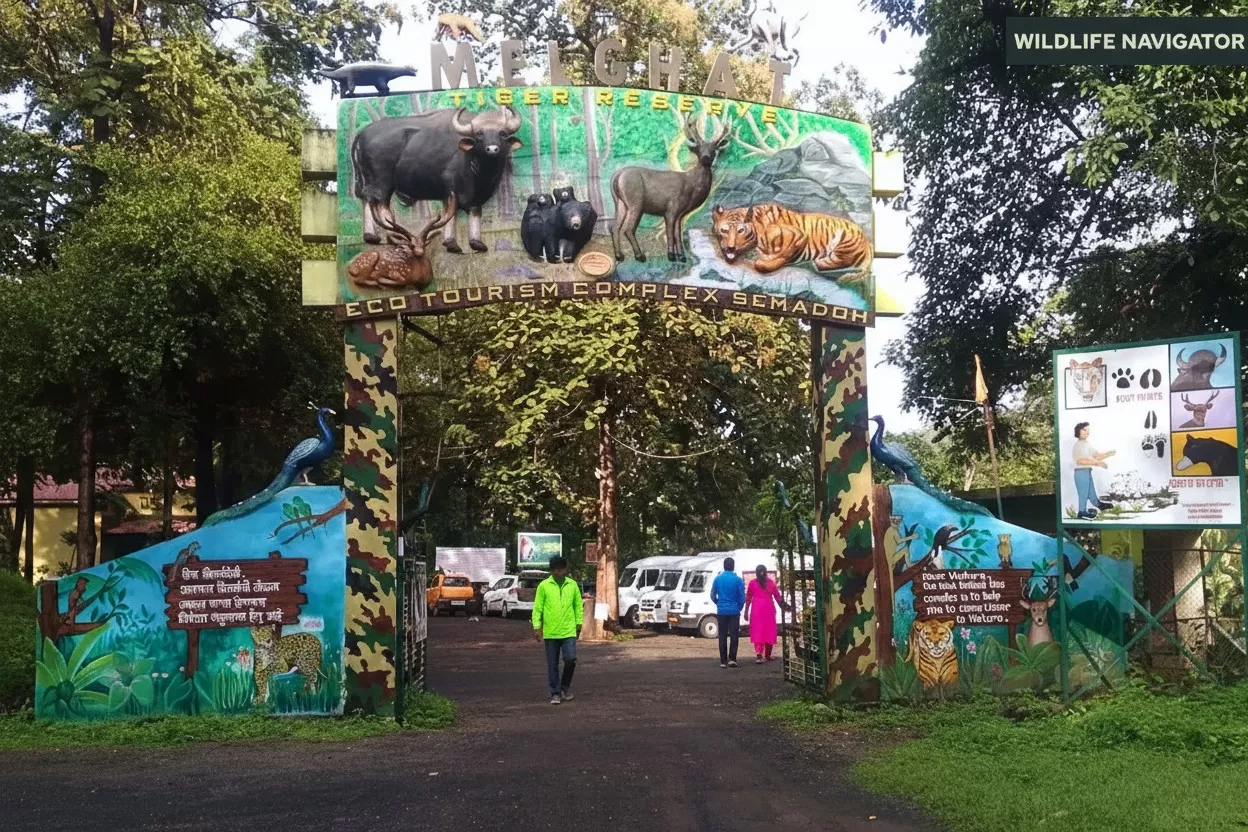
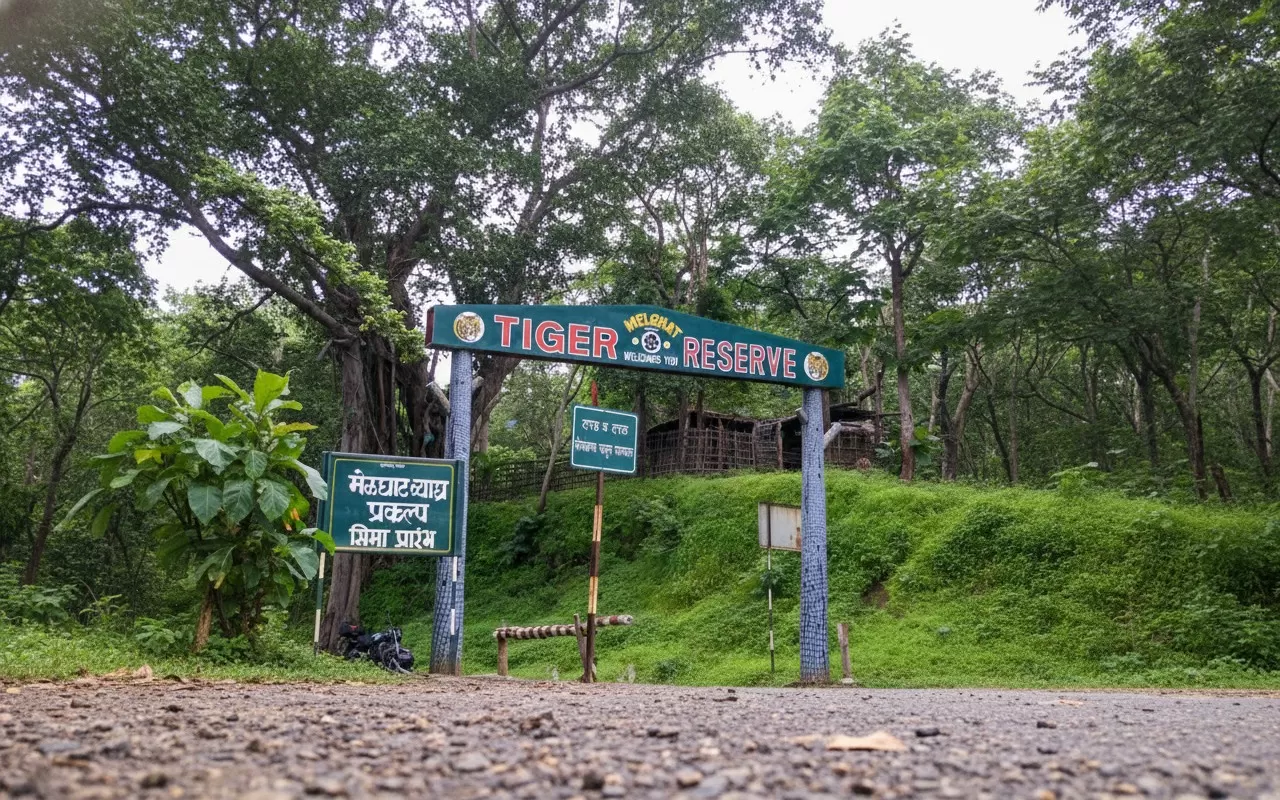
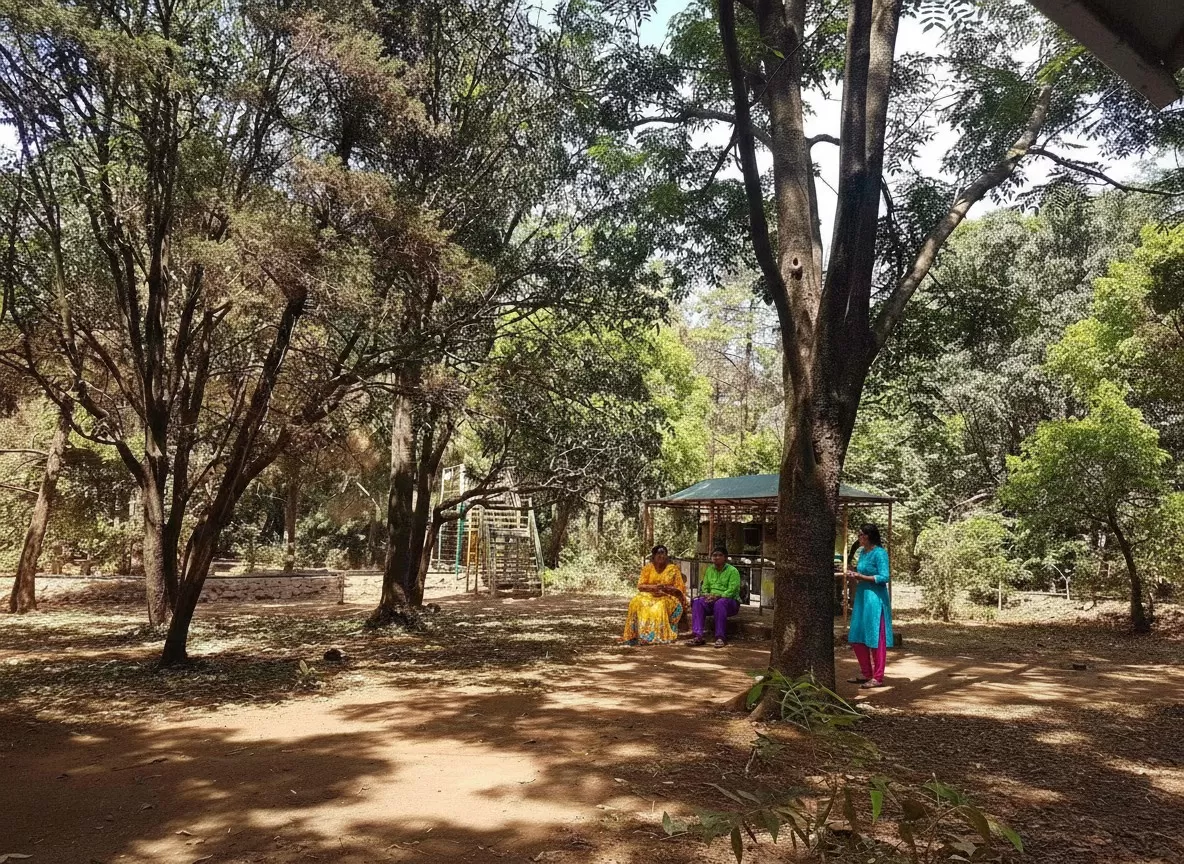
Melghat Tiger Reserve is located in the northern part of Maharashtra's Amravati district, nestled in the Satpura Hills (Gavilgarh Range). Established in 1974 under Project Tiger, it was among the first nine tiger reserves in India and the first tiger reserve in Maharashtra. The name "Melghat" means "meeting of the ghats," referring to the region's numerous valleys and hills. The reserve is famous for its rich biodiversity, dense teak forests, deep ravines, rivers, and diverse wildlife.

Melghat Tiger Reserve, situated in the Amravati district of Maharashtra, is one of India's most significant wildlife conservation areas. Spread across the rugged Satpura Hills, the reserve was established under Project Tiger in 1974 and holds the distinction of being Maharashtra's first tiger reserve. Covering a vast area of forests, valleys, rivers, and hills, Melghat offers visitors a unique combination of natural beauty and rich biodiversity.

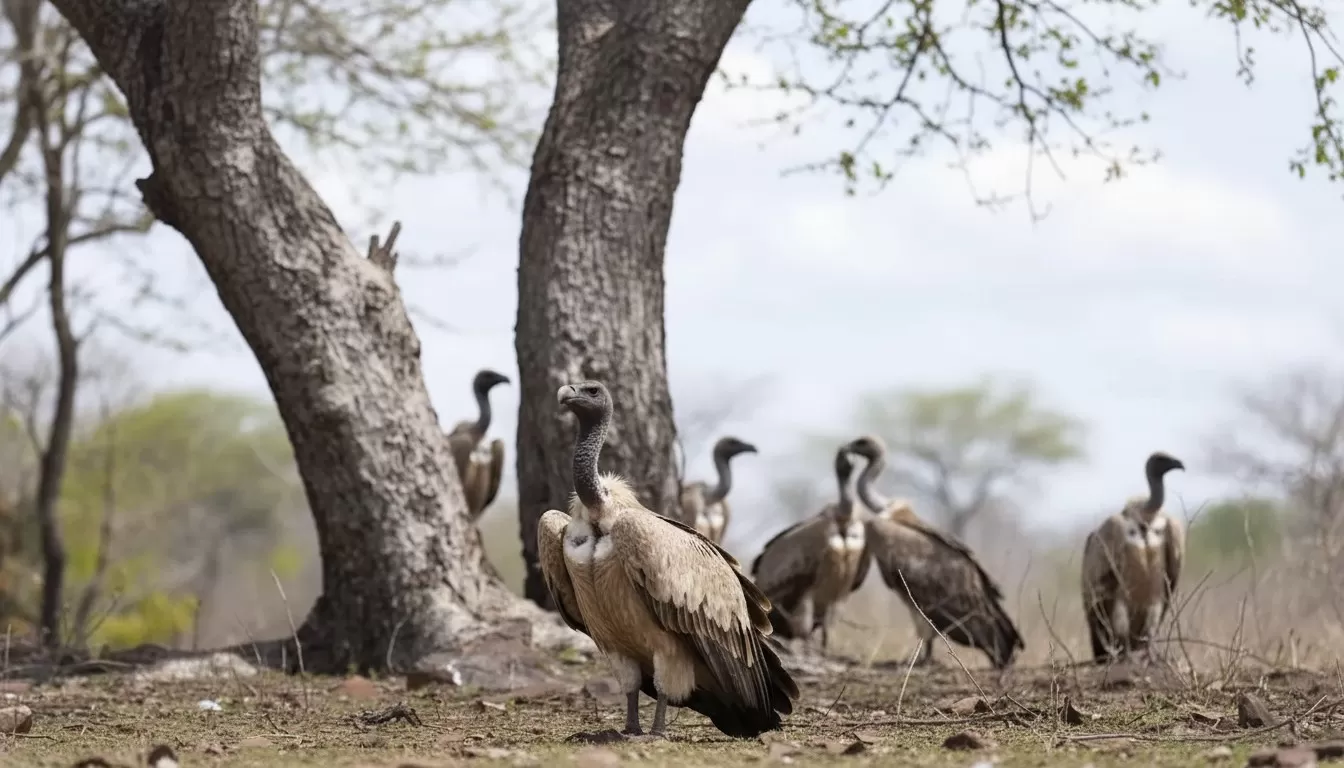
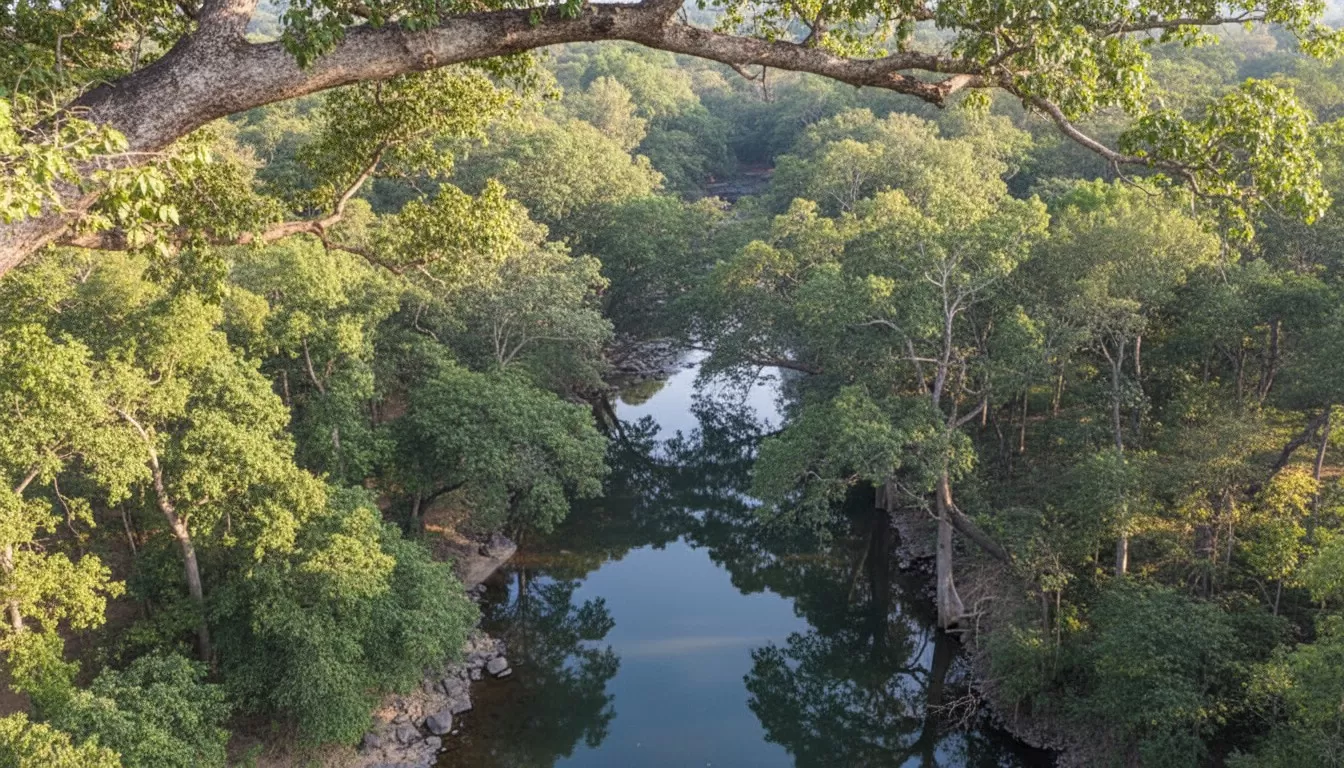
The reserve derives its name from the phrase "meeting of the ghats," reflecting the network of valleys and mountain ranges that shape its dramatic landscape. Dense teak forests dominate the terrain, providing an ideal habitat for a wide variety of wildlife. Melghat is home to majestic Bengal tigers, leopards, sloth bears, gaurs, wild dogs, sambar deer, barking deer, and many species of birds, reptiles, and insects.
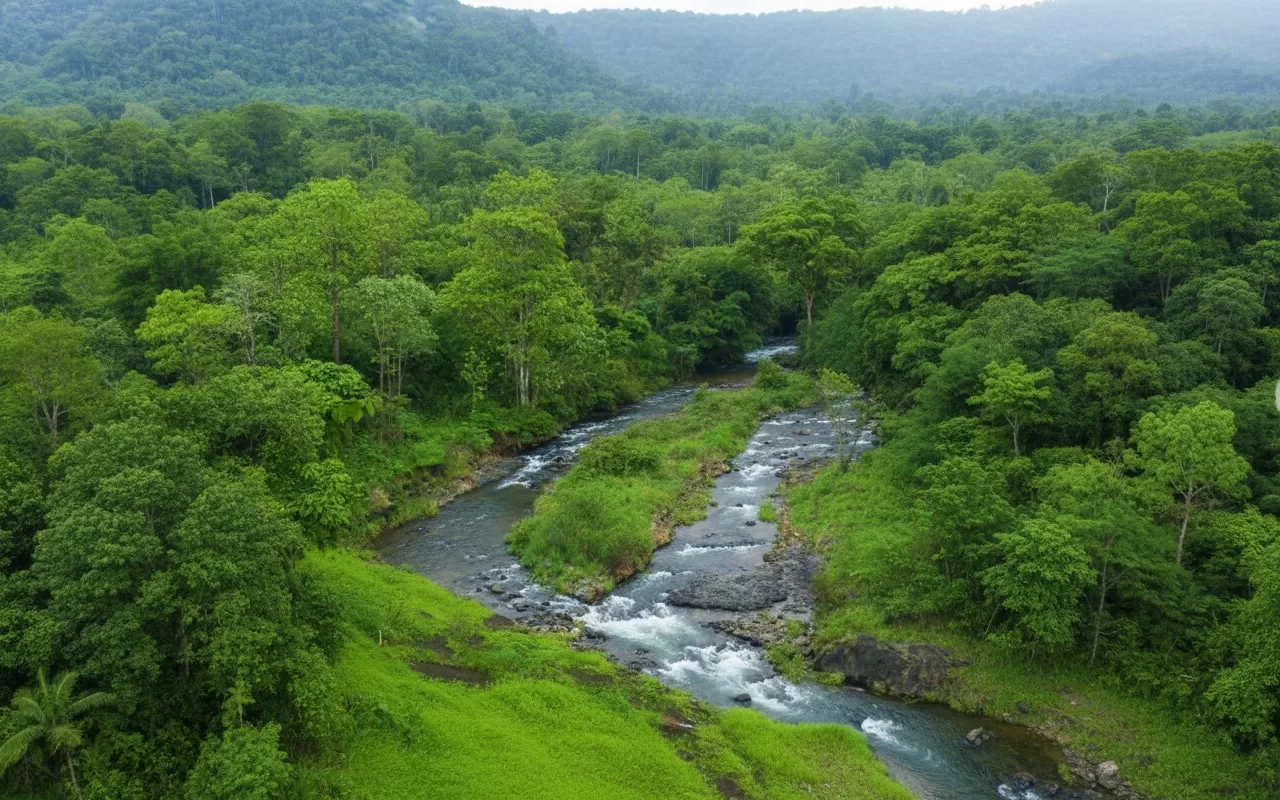
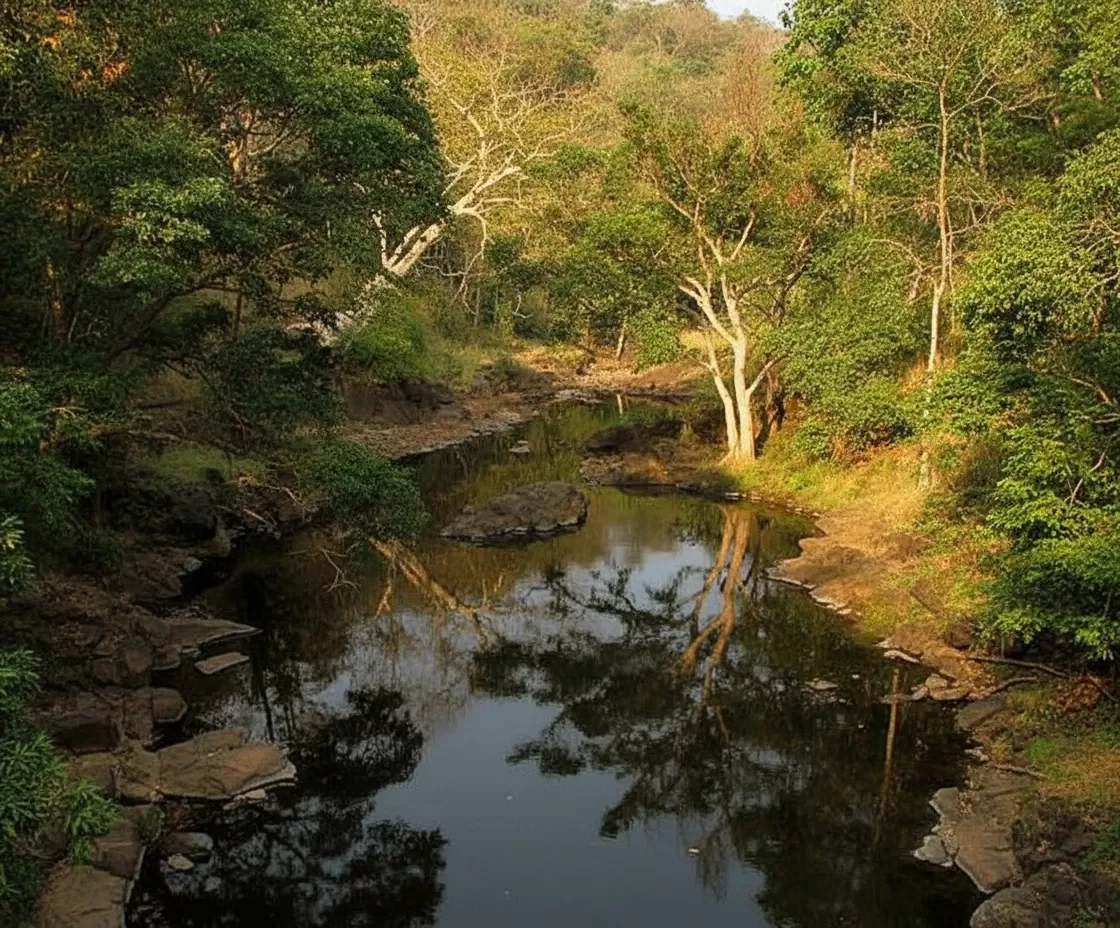
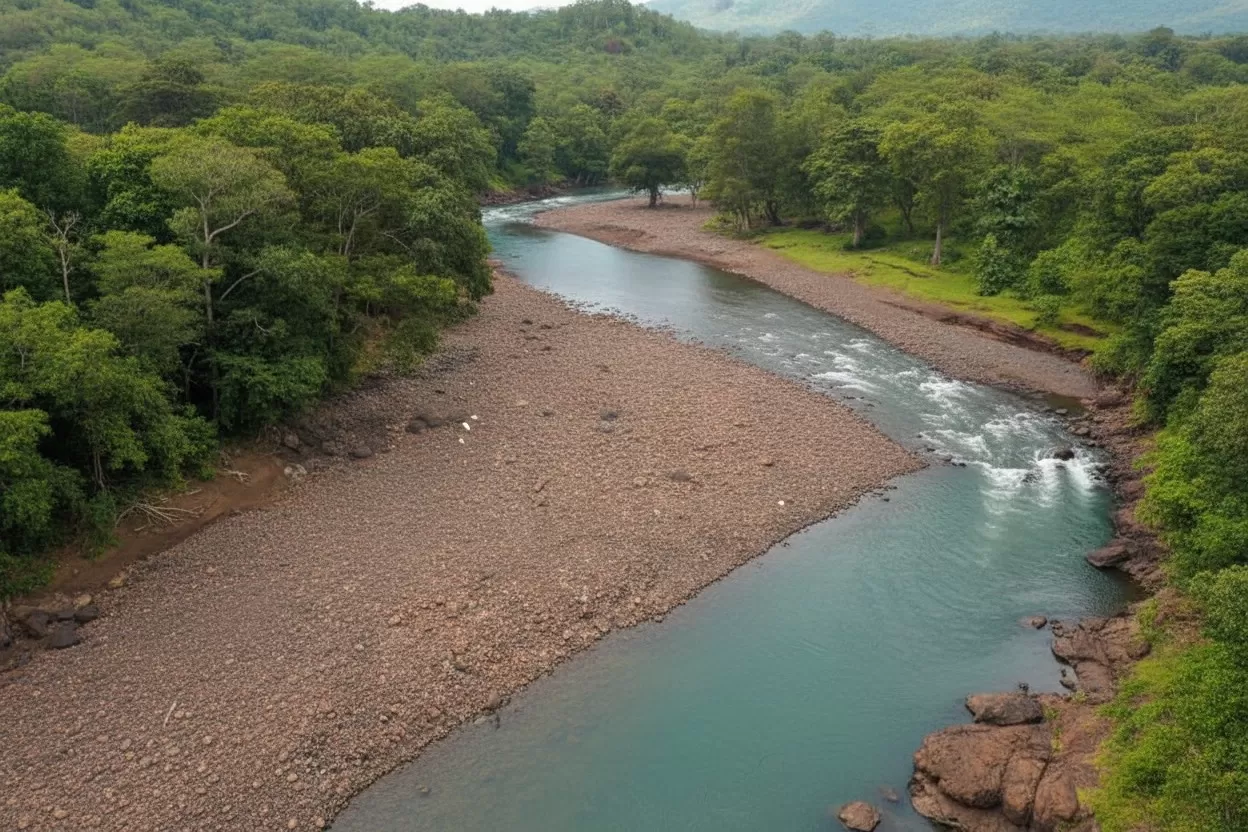
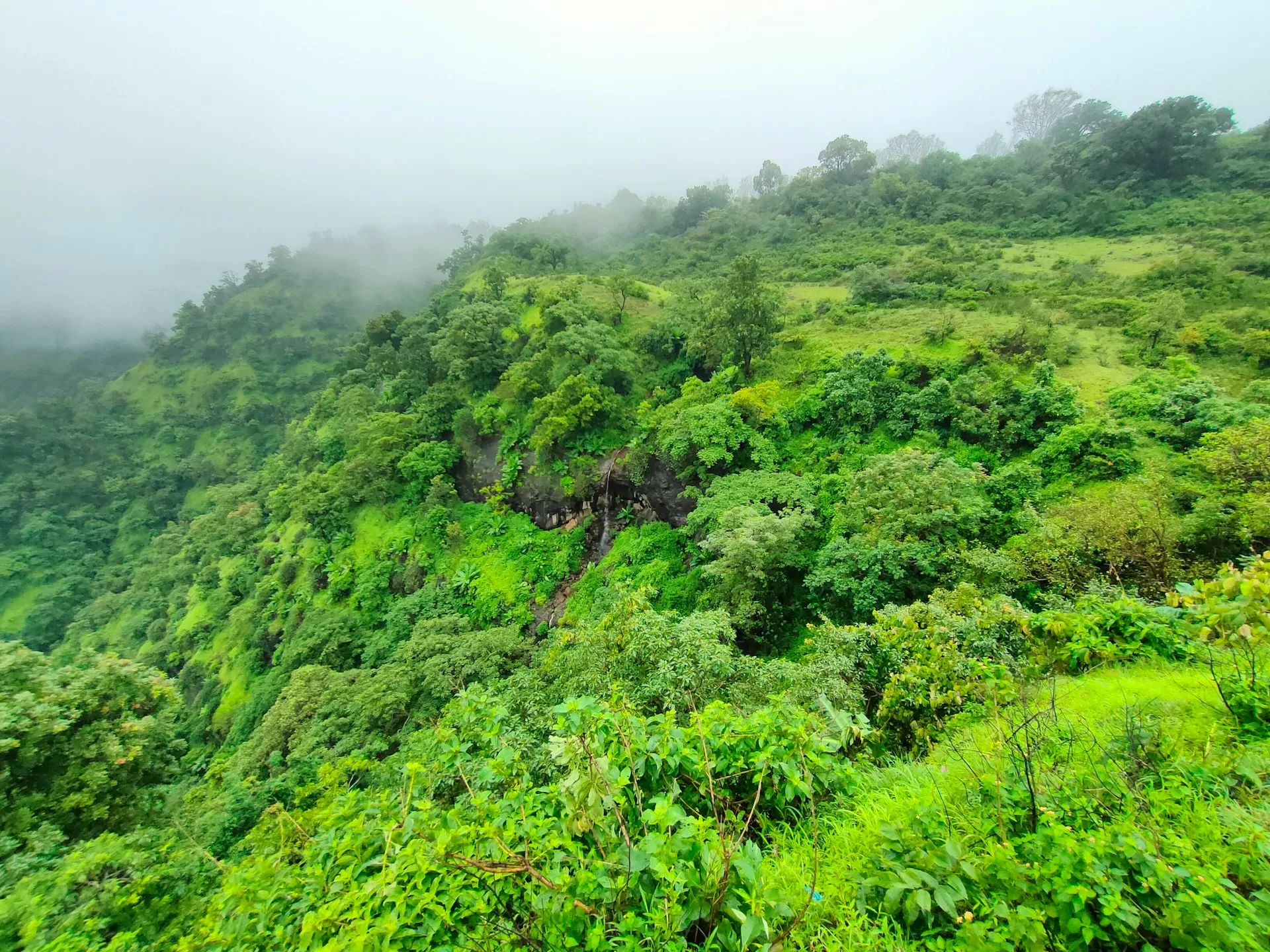
Apart from wildlife, Melghat attracts visitors with its breathtaking scenery. The rolling hills, deep ravines, and flowing rivers create spectacular viewpoints and excellent opportunities for photography. The nearby hill station of Chikhaldara and the historic Gawilgarh Fort add cultural and historical interest to the region.

Nature enthusiasts can enjoy jeep safaris, bird watching, trekking, and eco-tourism activities. The reserve is also important from an ecological perspective, as it forms part of the catchment area of the Tapti River and supports several tribal communities, including the Korku and Gond tribes.

Melghat remains less crowded than many other tiger reserves in India, allowing visitors to experience the wilderness in a peaceful and authentic setting. Its combination of wildlife, scenic beauty, ecological importance, and adventure makes Melghat Tiger Reserve one of Maharashtra's most rewarding destinations for nature lovers and wildlife enthusiasts.
📜 History

Melghat Tiger Reserve, located in the Satpura hills of Maharashtra, has an important place in India's wildlife conservation history. The forests of Melghat were once used as hunting grounds during the British period and by a few local rulers. As the tiger population started declining across the country due to hunting and loss of forests, the need to protect these animals became urgent. In 1973, when the Government of India launched Project Tiger, Melghat became one of the very first nine tiger reserves selected under this national conservation programme. This marked the beginning of organized wildlife protection in the region. Over the years, strict conservation efforts helped restore the natural habitat of tigers, leopards, sloth bears, gaurs, and many other wild animals.

The reserve includes the famous Gugamal National Park along with several surrounding wildlife sanctuaries, creating a large protected landscape. Besides wildlife, Melghat is also home to the Korku tribal community, whose culture has been closely connected with these forests for generations. One of the most challenging periods in Melghat's history was the recurring problem of child malnutrition reported from nearby tribal villages during the 1990s and early 2000s. Although the issue was not directly related to the tiger reserve, it brought national attention to the region and highlighted the need to balance wildlife conservation with the welfare of local communities. Today, Melghat stands as one of Maharashtra's most respected tiger reserves, known for its rich biodiversity and successful conservation efforts.

Why Visit Melghat Tiger Reserve?

Discover what makes this destination one of the most loved tourist attractions.

Melghat Tiger Reserve
1

🍛 Zunka Bhakri

A traditional Maharashtrian meal made with gram flour cooked with onions, garlic, and spices, served with jowar bhakri. It is simple, healthy, and commonly eaten in villages around Melghat.

2

🍛 . Varhadi Chicken

This spicy chicken curry belongs to the Vidarbha region. It is prepared using local spices, dry coconut, and traditional masalas, giving it a rich and bold flavour.

3

🍛 Pithla Bhakri

A comforting dish made from gram flour and spices, served with freshly prepared bhakri. It is one of the most common homemade meals in rural Maharashtra.

4

🍛 Bhutte ka Kees

Grated corn is cooked with milk, spices, and ghee to prepare this mildly sweet and savoury dish. It is popular in areas bordering Madhya Pradesh and is also enjoyed around Melghat.

5

🍛 Mahua Ladoo

Prepared using dried mahua flowers, jaggery, and local ingredients, these laddoos are traditionally made by tribal communities. They have a naturally sweet taste and reflect the food culture of the region.

🦁

Jungle Safari

Explore the forest on a guided jungle safari to spot wild animals. Follow park rules and maintain silence to avoid disturbing wildlife.

🦜

Bird Watching

Observe colorful resident and migratory birds in their natural habitat. Carry binoculars and enjoy peaceful birdwatching throughout the sanctuary.

📸

Wildlife Photography

Capture amazing photographs of wildlife and beautiful natural landscapes. Maintain a safe distance and never disturb animals for photographs.

🚶

Nature Walk

Walk along designated nature trails surrounded by rich forests and wildlife. Enjoy fresh air while learning about the local ecosystem.

🏕️

Camping

Experience camping close to nature in approved camping areas. Follow eco-friendly practices and respect the sanctuary environment.

🚙

Jeep Safari

Enjoy an exciting jeep safari through the forest with expert guides. Look out for wildlife while following all safety instructions.

🐘

Elephant Safari

Experience an elephant safari where officially available. Enjoy a unique view of the forest while respecting animal welfare guidelines.

📖

Learn Wildlife

Learn about wildlife, biodiversity, and conservation efforts in the sanctuary. Discover the importance of protecting natural habitats for future generations.

🌿

Eco Tourism

Support eco-friendly tourism while exploring the natural environment. Help conserve forests and wildlife by following responsible travel practices.

Travel Tips & Essential Information

Everything you should know before visiting Melghat Tiger Reserve.

🌤

Best Time to Visit

1 October – 30 June

👕

What to Wear

Wear comfortable clothes and walking shoes. Carry a light jacket during winter mornings.

📷

Photography

Sunrise and sunset provide the best lighting for beautiful photographs.

🍴

Local Food

Try nearby local restaurants to enjoy authentic regional cuisine.

🛡️

Safety Tips

Keep your belongings secure and follow local guidelines during your visit.

🚗

Accessibility

The destination is accessible by road with nearby parking and public transport facilities.

💧

Carry Water

Stay hydrated, especially during summer and while exploring outdoor attractions.

📍

Nearby Facilities

Hotels, restaurants, ATMs, fuel stations and medical services are available nearby.

Travel Information

🚗

How to Reach

  • ✈️By Air :- Nearest Airport: Dr. Babasaheb Ambedkar International Airport Nagpur; Distance: Approximately 225–250 km from Melghat; Taxis and buses are available from Nagpur to Chikhaldara Semadoh  and other entry points.,
  • 🚆By Train :- Nearest Railway Station: Badnera Junction; Other nearby stations: Amravati Railway Station and Akola Junction; From the station  taxis and buses connect visitors to Semadoh Chikhaldara  Kolkas and Harisal.,
  • 🛣️By Road :- Well connected by road from Nagpur Amravati Akola Pune Mumbai and Indore.Regular MSRTC buses operate via Paratwada  Dharni  Chikhaldara and Semadoh.
💡

Travel Tips & Essential Information

  • Best time to visit: October to June; wildlife sightings are best from December to May.,
  • Carry binoculars  sunscreen hats  and comfortable walking shoes.,
  • Book safari permits and accommodation in advance during peak season.,
  • Wear earth-toned clothing to avoid disturbing wildlife.,
  • Maintain silence during safaris and follow forest department rules.,
  • Early morning safaris offer the best wildlife viewing opportunities.,
  • Mobile network coverage may be limited inside forest areas.

Why Visit

  • One of India's oldest tiger reserves.,
  • Opportunity to spot tigers leopards sloth bears  gaurs  wild dogs  sambar and numerous bird species.,
  • Spectacular landscapes of hills valleys rivers and forests.,
  • Less crowded than many famous tiger reserves.,
  • Excellent destination for wildlife photography and nature lovers.,
  • Close to the hill station of Chikhaldara and historic Gawilgarh Fort.

Special Features

  • First Tiger Reserve in Maharashtra.,
  • Part of the Satpura mountain ecosystem.,
  • Dense teak forests covering large areas.,
  • Home to one of India's largest populations of Indian Gaur.,
  • Important watershed for the Tapti River and its tributaries.,
  • Rich tribal culture of the Korku and Gond communities.,
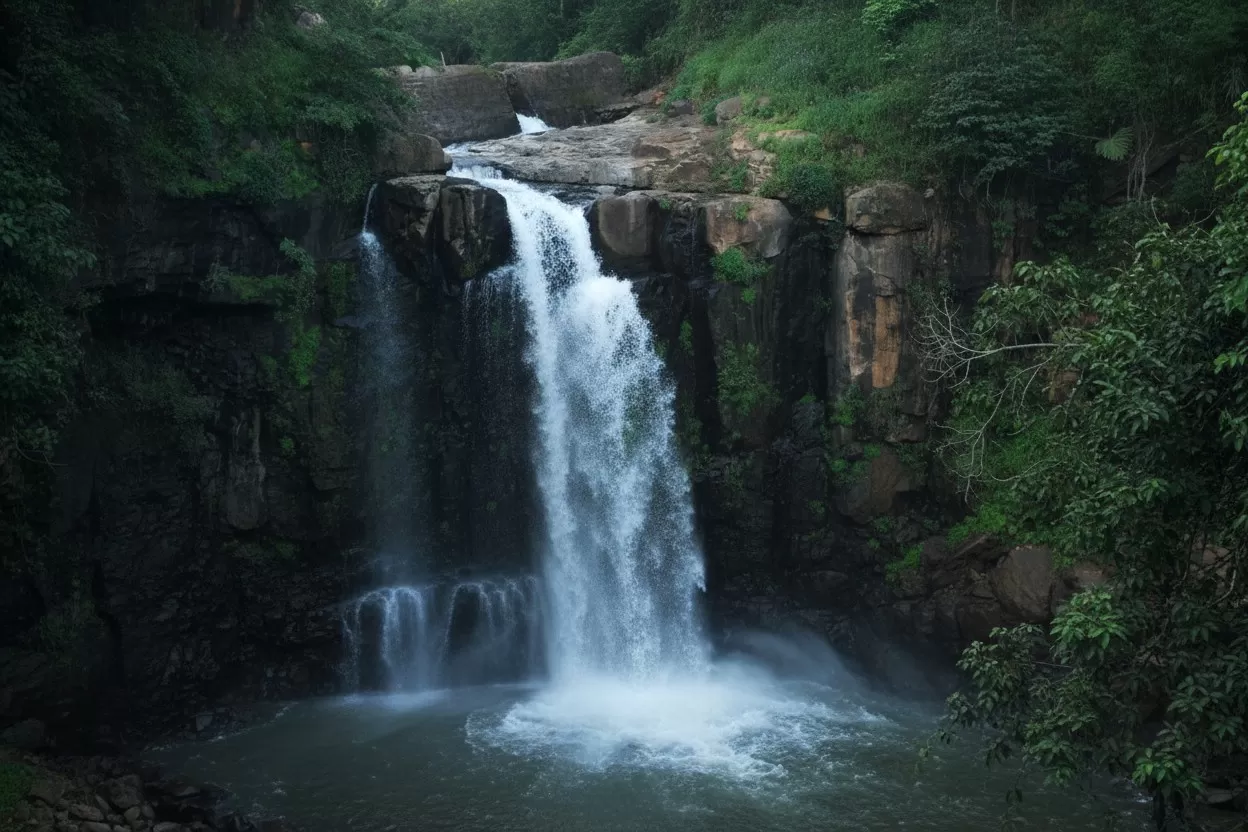
  • Scenic valleys waterfalls and panoramic viewpoints.
Activities

Things To Do

🦌 Jeep Safari for tiger & wildlife spotting
🦜 Bird watching (paradise for bird lovers)
📷 Wildlife & nature photography
Nature trails & forest walks (with guides)
Visit tribal villages (eco-tourism experience)
Enjoy scenic viewpoints & forest landscapes
Learn about conservation & forest ecology.

Current Weather

🌤 Live Weather
☀️
--
Loading...
Feels Like

💧 Humidity

--

💨 Wind

--

👀 Visibility

--

☀ UV Index

--

Weather Details


🌡 Pressure --
🌧 Rain Chance --
🧭🧭 Wind Direction --
🌄 Sunrise --
🌇 Sunset --

🌫🌫 Air Quality


--
Loading...

PM2.5 --
PM10 --
CO --
NO₂ --
O₃ --
SO₂ --

⭐ Travel Intelligence


--
--
Loading...
Calculating...

🚨 Weather Alerts


Waiting for weather updates...

⚙ System Status


🌐 Connection Checking...
📍 GPS Detecting...
⚡ API Time --
🕒 Last Update --
FunYatra Weather Intelligence
Powered by
Location

Find on Map

Visited Melghat Tiger Reserve?

Share your experience, tips, and photos to help other travelers.

×

Share Your Experience

Explore More

Nearby Attractions

Frequently Asked

Best Time to Visit Melghat Tiger Reserve?

1 October – 30 June

Opening Time

Morning Safari: 6:00 AM – 10:00 AM , Evening Safari: 3:00 PM – 6:30 PM

Entry Fee

The entry fee is ₹₹50 – ₹100 per person ,₹2,500 – ₹3,500 per jeep.

How much time is required?

1 -2 day

How to Reach Melghat Tiger Reserve?

By Air :- Nearest Airport: Dr. Babasaheb Ambedkar International Airport Nagpur; Distance: Approximately 225–250 km from Melghat; Taxis and buses are available from Nagpur to Chikhaldara Semadoh  and other entry points.,
By Train :- Nearest Railway Station: Badnera Junction; Other nearby stations: Amravati Railway Station and Akola Junction; From the station  taxis and buses connect visitors to Semadoh Chikhaldara  Kolkas and Harisal.,
By Road :- Well connected by road from Nagpur Amravati Akola Pune Mumbai and Indore.Regular MSRTC buses operate via Paratwada  Dharni  Chikhaldara and Semadoh.

Updated on: 21 July 2026