
Tal Chhapar Wildlife Sanctuary
Morning: 6:00 AM – 10:00 AM Evening: 3:00 PM – 6:00 PM
₹Indian Tourist: ₹30 – ₹50 Foreign Tourist: ₹300 – ₹400
July – March
3-4 hr
Available
Yes
Tal Chhapar Wildlife Sanctuary
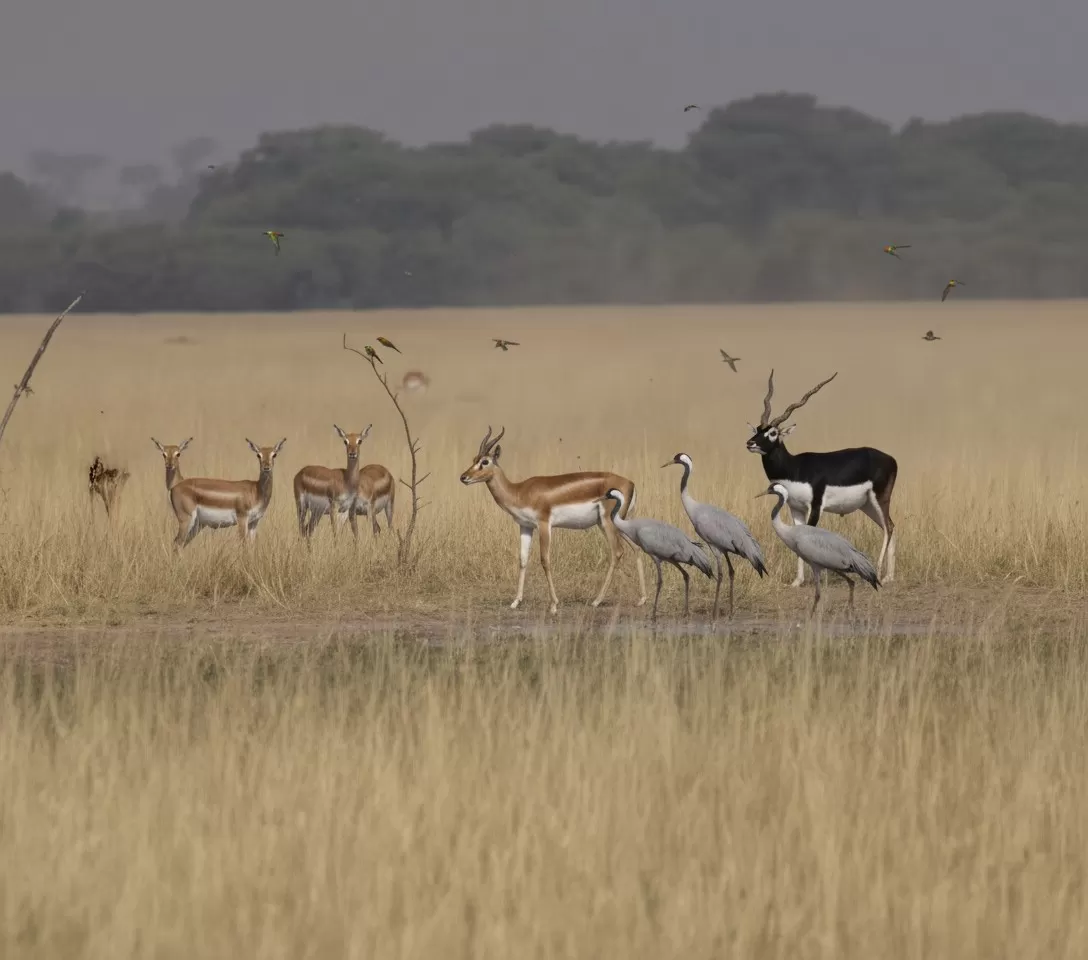
Tal Chhapar Wildlife Sanctuary is a famous wildlife sanctuary located in Rajasthan's Churu district. Spread across approximately 7 square kilometers, it is renowned for its large population of blackbucks, vast grasslands, and rich birdlife. The sanctuary provides a unique ecosystem where desert wildlife thrives in open plains. Nature lovers, birdwatchers, photographers, and wildlife enthusiasts visit throughout the year to experience its scenic beauty, peaceful environment, and opportunities to spot rare migratory birds and native desert species.
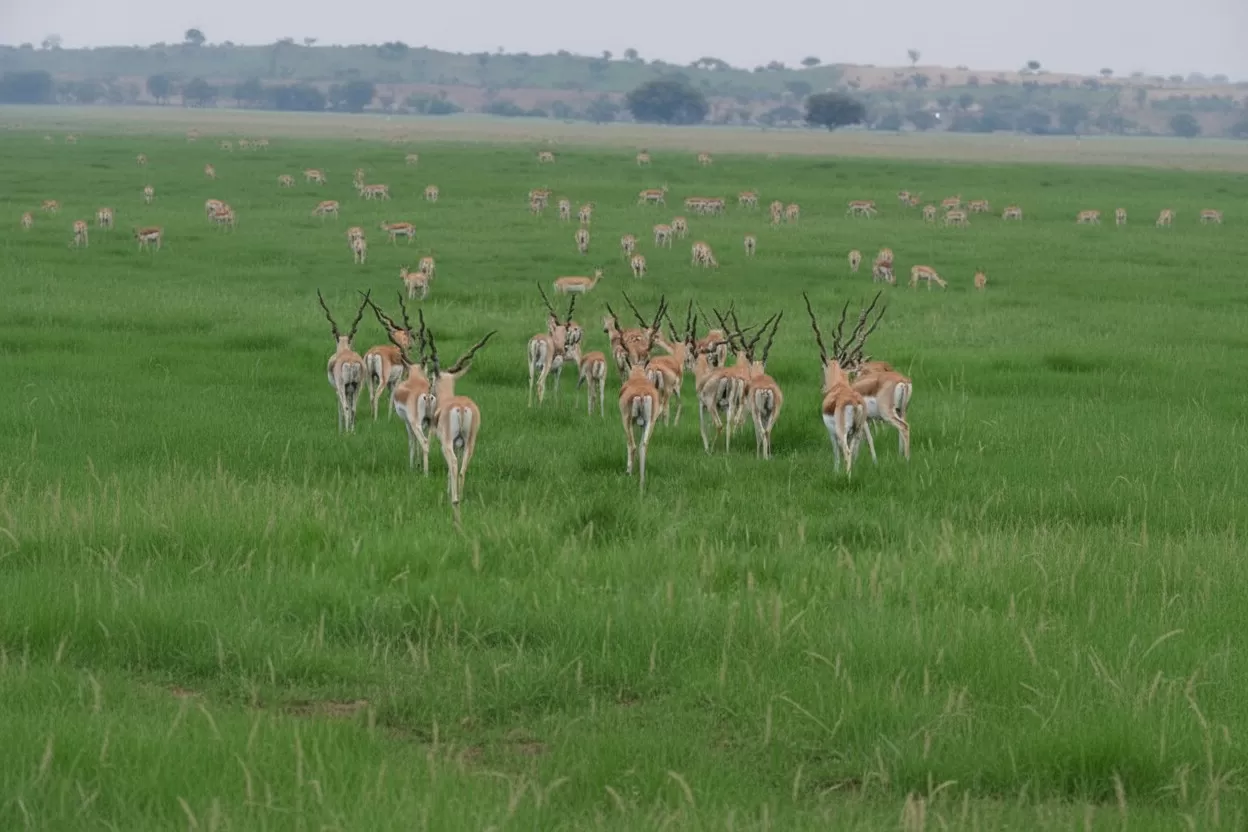
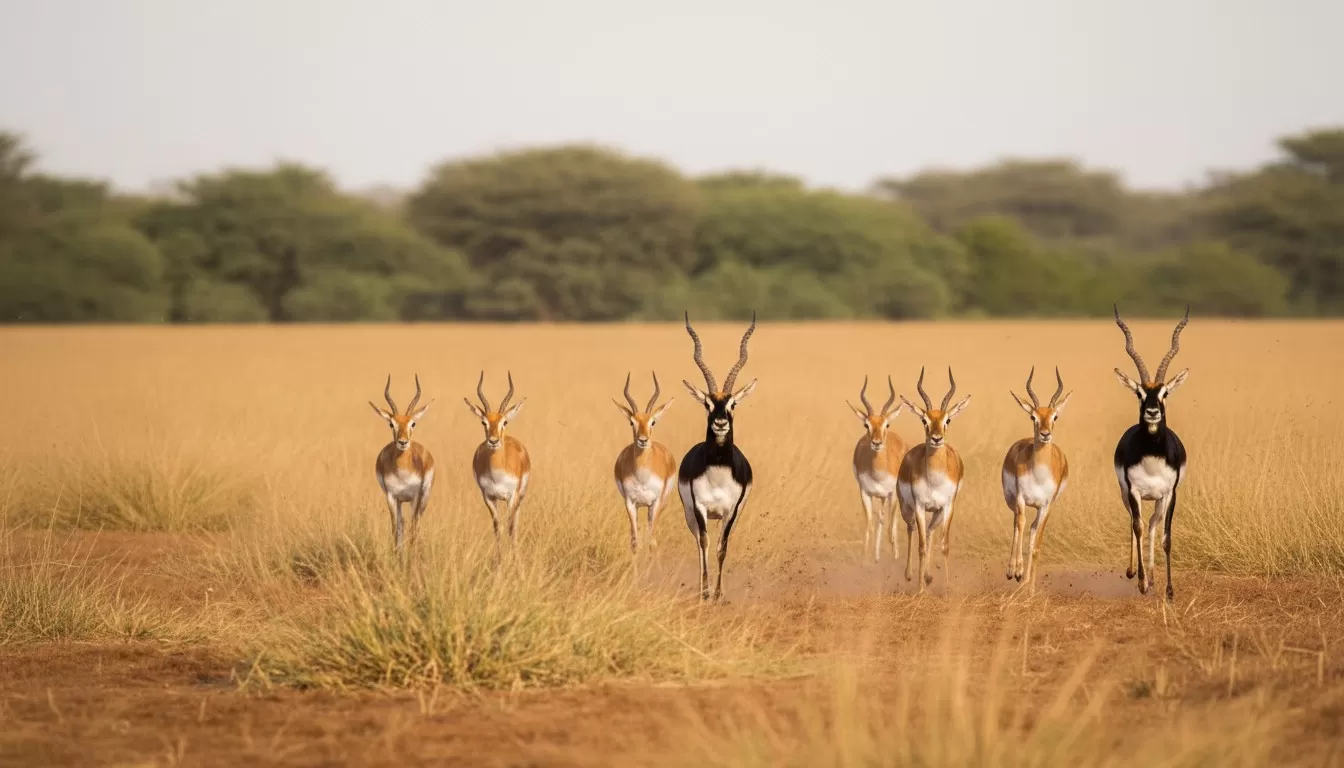
The sanctuary was originally established as a hunting reserve by the rulers of Bikaner and later declared a protected wildlife sanctuary to conserve its rich biodiversity. Today, it serves as a safe habitat for hundreds of blackbucks, making it one of the best places in India to observe these graceful antelopes in their natural surroundings. Visitors can often witness large herds grazing across the grasslands, creating a spectacular sight against the desert landscape.
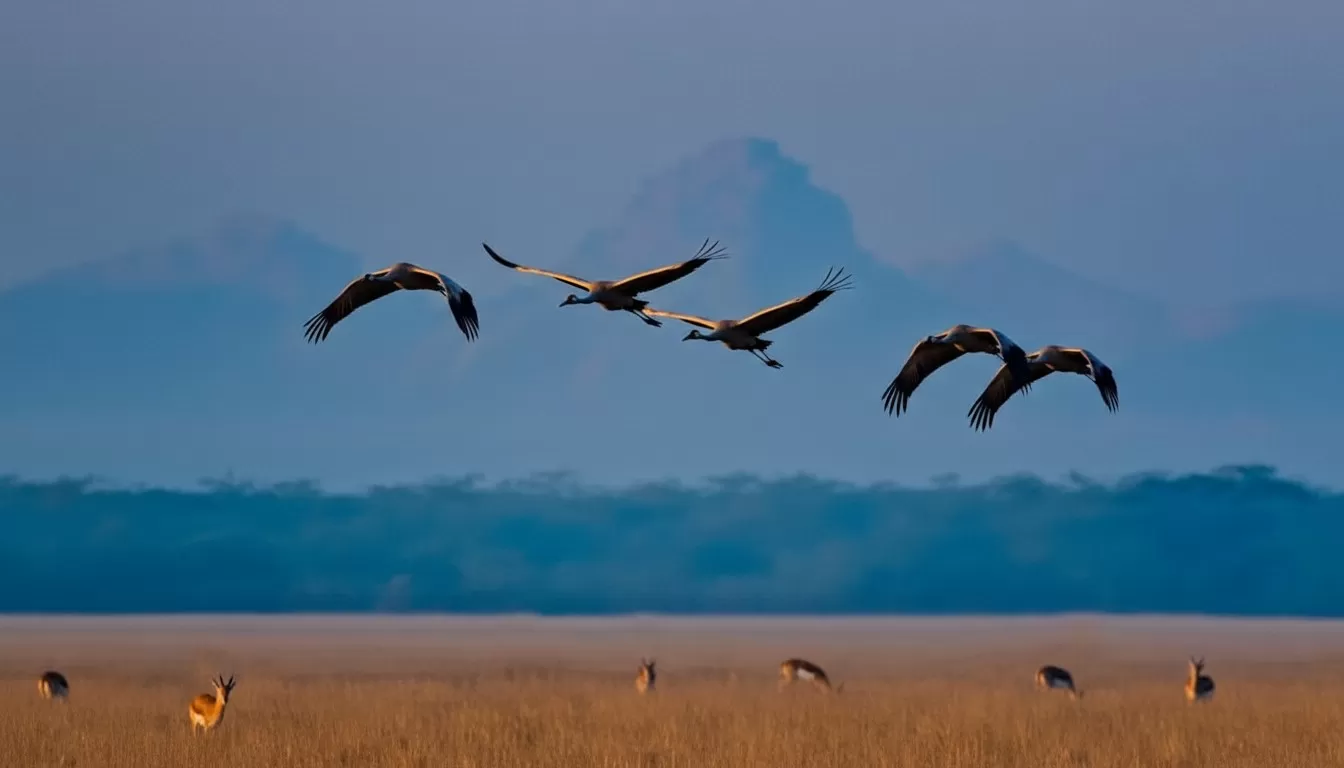
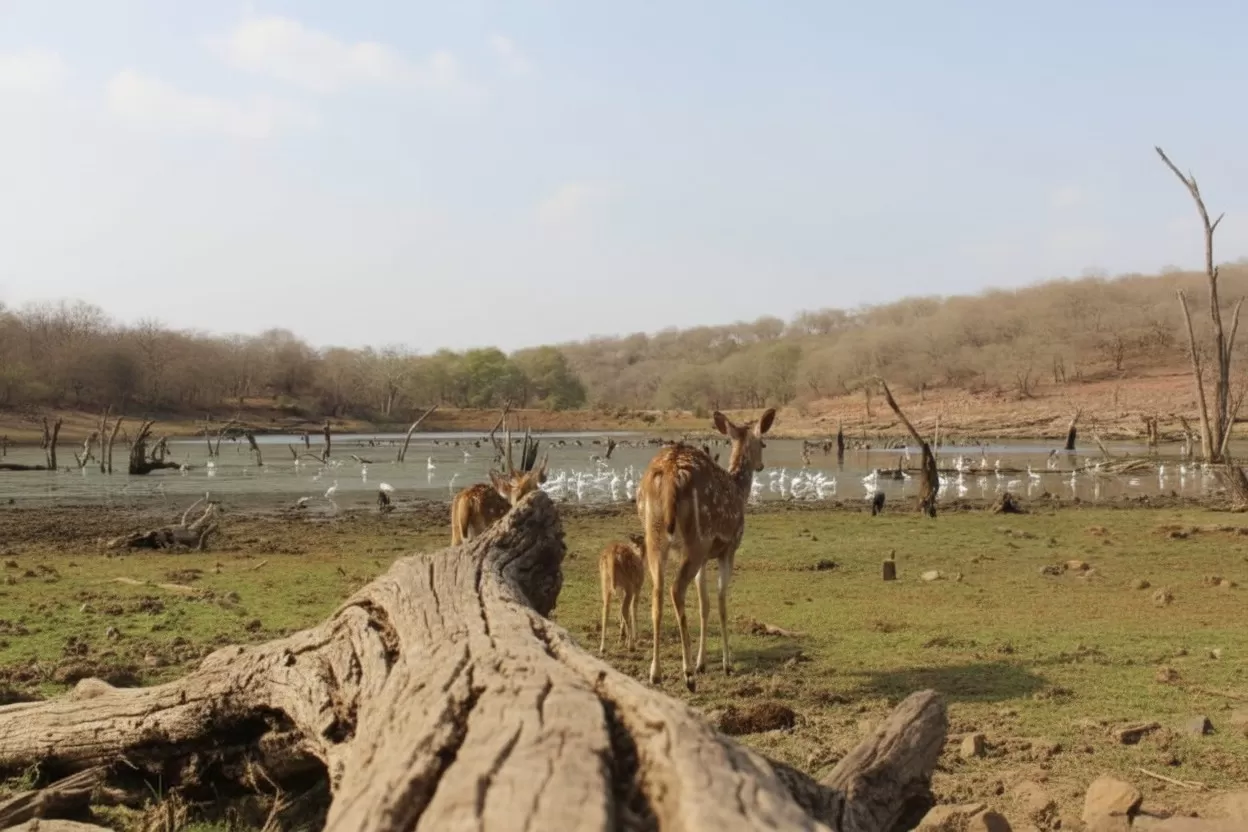
Apart from blackbucks, the sanctuary supports a variety of wildlife species including desert foxes, jungle cats, Indian foxes, and numerous small mammals. However, Tal Chhapar is especially famous among birdwatchers. More than 300 bird species have been recorded here, including harriers, eagles, falcons, skylarks, wheatears, and several migratory birds that arrive during winter from Europe and Central Asia.
The flat grasslands, scattered shrubs, and seasonal wetlands create ideal conditions for both resident and migratory birds. During sunrise and sunset, the sanctuary offers breathtaking views, making it a favorite destination for photographers and nature enthusiasts.
The best time to visit is from October to March when the weather is pleasant and bird activity is at its peak. Easily accessible by road and rail, Tal Chhapar Wildlife Sanctuary provides a peaceful escape into nature and offers a rare opportunity to experience Rajasthan's grassland ecosystem, rich wildlife, and exceptional bird diversity in a serene and scenic setting.
📜 History
Tal Chhapar Wildlife Sanctuary has an interesting history that goes back to the time when Rajasthan was ruled by princely states. This grassland area was once used as a hunting ground by the royal family of Bikaner. During those days, blackbucks and other wild animals were commonly found here, and hunting was considered a royal sport. In the early 1920s, Maharaja Ganga Singh of Bikaner took a special interest in protecting blackbucks. To increase their population, he is believed to have brought several blackbucks from Hanumangarh and released them in the Tal Chhapar region. As years passed, the number of blackbucks grew steadily, making this place one of the best natural habitats for the species in Rajasthan.
Realising the ecological importance of the grasslands, the Government of Rajasthan declared Tal Chhapar as a protected sanctuary in 1966. Later, in 1971, its boundaries were expanded to provide better protection for wildlife and their habitat. Since then, strict conservation measures have helped preserve not only blackbucks but also desert foxes, jackals, reptiles, and many migratory birds. Today, Tal Chhapar Wildlife Sanctuary is known more for conservation than hunting. It stands as an example of how a former royal hunting reserve was successfully transformed into a protected wildlife habitat. The sanctuary continues to attract nature lovers, birdwatchers, photographers, and researchers from different parts of India and abroad.
Why Visit Tal Chhapar Wildlife Sanctuary?
Discover what makes this destination one of the most loved tourist attractions.
🍛 Bajra Roti with Lehsun Chutney
Bajra Roti is one of the most popular traditional dishes of Rajasthan. It is made from pearl millet flour and served hot with spicy garlic chutney, butter or ghee. The meal is healthy, filling and perfectly suited to the dry climate of the region.
🍛 Dal Baati Churma
Dal Baati Churma is Rajasthan's signature dish. Crispy baked baatis are served with spicy dal and sweet churma prepared from crushed wheat, ghee and jaggery or sugar. It is a complete and satisfying meal.
🍛 Ker Sangri
Ker Sangri is a unique desert vegetable prepared using dried berries and beans found in Rajasthan. Cooked with local spices, it has a tangy and spicy flavour and is usually served with bajra roti.
🍛 Gatte Ki Sabzi
Gatte Ki Sabzi is made from gram flour dumplings cooked in a rich yoghurt-based gravy. It is commonly prepared in Rajasthani homes and is best enjoyed with roti or rice.
🍛 Rabri (Rajasthani)
Rajasthani Rabri is a rich dessert made by slowly thickening milk and adding sugar, cardamom and dry fruits. It is commonly served during festivals and special occasions.
Jungle Safari
Explore the forest on a guided jungle safari to spot wild animals. Follow park rules and maintain silence to avoid disturbing wildlife.
Bird Watching
Observe colorful resident and migratory birds in their natural habitat. Carry binoculars and enjoy peaceful birdwatching throughout the sanctuary.
Wildlife Photography
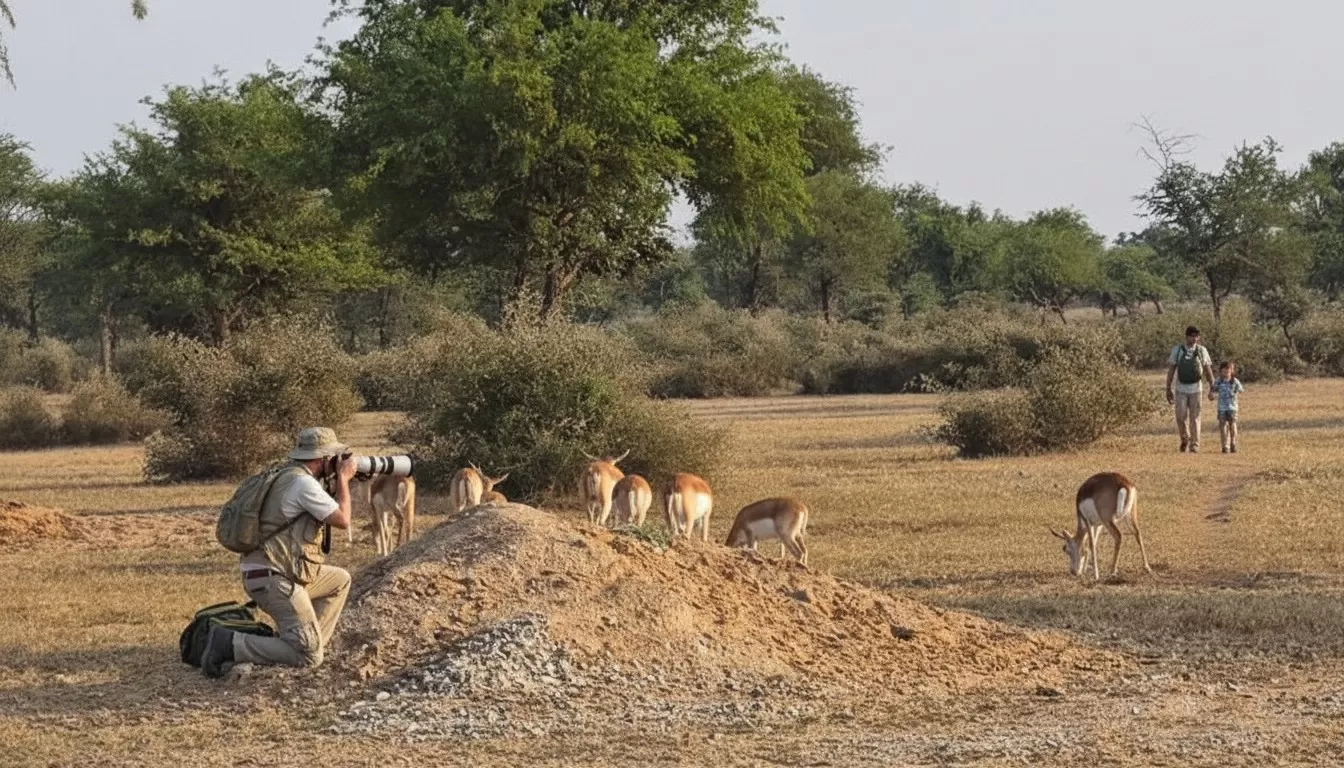
Capture amazing photographs of wildlife and beautiful natural landscapes. Maintain a safe distance and never disturb animals for photographs.
Nature Walk
Walk along designated nature trails surrounded by rich forests and wildlife. Enjoy fresh air while learning about the local ecosystem.
Camping
Experience camping close to nature in approved camping areas. Follow eco-friendly practices and respect the sanctuary environment.
Jeep Safari
Enjoy an exciting jeep safari through the forest with expert guides. Look out for wildlife while following all safety instructions.
Elephant Safari
Experience an elephant safari where officially available. Enjoy a unique view of the forest while respecting animal welfare guidelines.
Learn Wildlife
Learn about wildlife, biodiversity, and conservation efforts in the sanctuary. Discover the importance of protecting natural habitats for future generations.
Eco Tourism
Support eco-friendly tourism while exploring the natural environment. Help conserve forests and wildlife by following responsible travel practices.
Travel Tips & Essential Information
Everything you should know before visiting Tal Chhapar Wildlife Sanctuary.
Best Time to Visit
July – March
What to Wear
Wear comfortable clothes and walking shoes. Carry a light jacket during winter mornings.
Photography
Sunrise and sunset provide the best lighting for beautiful photographs.
Local Food
Try nearby local restaurants to enjoy authentic regional cuisine.
Safety Tips
Keep your belongings secure and follow local guidelines during your visit.
Accessibility
The destination is accessible by road with nearby parking and public transport facilities.
Carry Water
Stay hydrated, especially during summer and while exploring outdoor attractions.
Nearby Facilities
Hotels, restaurants, ATMs, fuel stations and medical services are available nearby.
Travel Information
How to Reach
- By Air: Nearest airport is in Jaipur (approx. 200 km),
- By Train: Closest railway station is Chhapar (about 7 km) well connected to Bikaner and Delhi,
- By Road: Easily accessible via road; regular buses and taxis run from nearby cities like Churu and Sikar.
Travel Tips & Essential Information
- Carry binoculars and a camera for birdwatching.,
- Visit early morning or late afternoon for best sightings.,
- Wear neutral-colored clothes to avoid disturbing wildlife.,
- Stay in nearby towns like Chhapar or Churu for better accommodation options.
Why Visit
- Tal Chhapar is a paradise for birdwatchers and nature lovers.,
- It hosts migratory birds like harriers falcons and eagles during winter.,
- The sight of blackbucks running gracefully across the grassland is unforgettable.,
- Its peaceful environment offers a refreshing escape from crowded tourist spots.
Special Features
- Grassland Ecosystem: Rare in Rajasthan & resembling African savannas.,
- Birdwatching Hotspot: Home to over 300 species of birds.,
- Blackbuck Population: One of the best places in India to see them in large numbers.,
- Clear Visibility: Flat terrain ensures easy wildlife spotting.
Things To Do
Current Weather
💧 Humidity
--💨 Wind
--👀 Visibility
--☀ UV Index
--Weather Details
🌫🌫 Air Quality
⭐ Travel Intelligence
🚨 Weather Alerts
⚙ System Status
Powered by
Photo Gallery
Find on Map
Visited Tal Chhapar Wildlife Sanctuary?
Share your experience, tips, and photos to help other travelers.
Share Your Experience
Best Time to Visit Tal Chhapar Wildlife Sanctuary?
July – March
Opening Time
Morning: 6:00 AM – 10:00 AM Evening: 3:00 PM – 6:00 PM
Entry Fee
The entry fee is ₹Indian Tourist: ₹30 – ₹50 Foreign Tourist: ₹300 – ₹400.
How much time is required?
3-4 hr
How to Reach Tal Chhapar Wildlife Sanctuary?
By Air: Nearest airport is in Jaipur (approx. 200 km),
By Train: Closest railway station is Chhapar (about 7 km) well connected to Bikaner and Delhi,
By Road: Easily accessible via road; regular buses and taxis run from nearby cities like Churu and Sikar.