
EN हिंदी

Forts and Palaces in India

Discover historic forts and royal palaces in India showcasing rich heritage, architecture and royal history

Kumbhalgarh

Kumbhalgarh Rajasthan

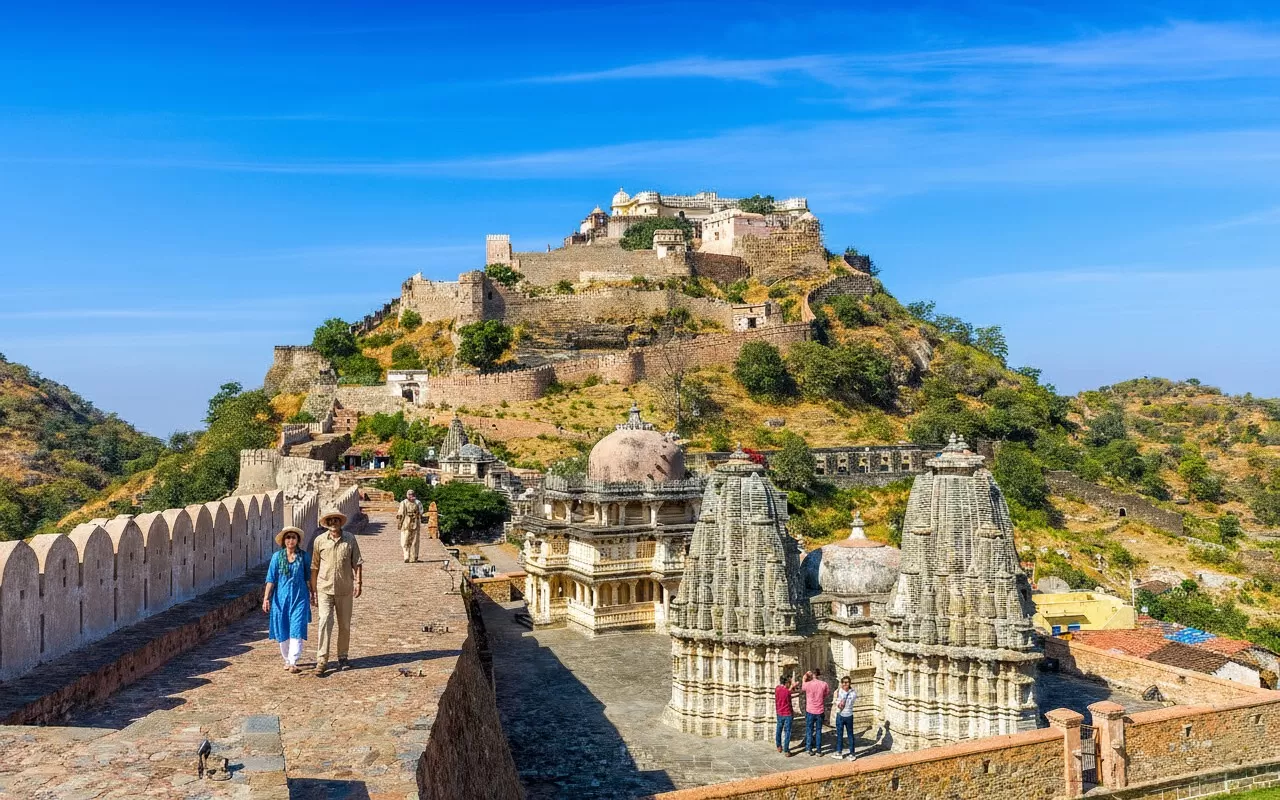
Kumbhalgarh Fort is one of India's most magnificent hill forts, located in the Aravalli Hills of Rajasthan. Built in the 15th century by Rana Kumbha, it is famous for its massive defensive wall stretching over 36 kilometers, often called the "Great Wall of India." The fort is a UNESCO World Heritage Site and offers breathtaking views, impressive architecture, ancient temples, palaces, and rich Rajput history. It is also known as the birthplace of Maharana Pratap.

🌍 About This Place

Kumbhalgarh Fort, nestled in the rugged Aravalli hills of Rajasthan, stands as a remarkable symbol of Rajput strength and architectural brilliance. Built during the 15th century by Maharana Kumbha, the fort is renowned for its massive defensive walls that stretch over 36 kilometers, making it the second longest continuous wall in the world after the Great Wall of China. This magnificent structure was designed to protect the Mewar kingdom and served as a refuge during times of war.

The fort complex is spread across several hilltops and includes numerous palaces, temples, and gardens. Among its many historical treasures, Kumbhalgarh is famously known as the birthplace of Maharana Pratap, one of the greatest warriors in Indian history. The Badal Mahal, or Palace of Clouds, situated at the highest point, offers stunning views of the surrounding landscape.
Inside the fort, visitors can explore over 360 temples, both Jain and Hindu, reflecting the region’s rich cultural heritage. The architecture features massive gates, thick walls, and watchtowers that highlight the advanced military engineering of the time.

The surrounding Kumbhalgarh Wildlife Sanctuary adds to the charm of the destination, offering opportunities to spot wildlife like leopards, wolves, and various bird species. The fort becomes especially enchanting during the evening light and sound show, which narrates its glorious past.

Kumbhalgarh Fort is not just a historical monument but a testament to the courage, vision, and artistic excellence of Rajasthan’s royal legacy, making it a must-visit destination for history enthusiasts and travelers alike.

🎯 Things to do

  • Explore the massive 36 km fort wall
  • Visit Badal Mahal
  • See the birthplace of Maharana Pratap
  • Explore ancient Jain & Hindu temples
  • Enjoy panoramic Aravalli hill views
  • Attend the Light & Sound Show in the evening
  • Photography at sunset 📸

📍 Near By

  • Kumbhalgarh Wildlife Sanctuary (Nature & wildlife safari)
  • Ranakpur Jain Temple (Marble temple ~50 km)
  • Haldighati (Historic battle site)
  • Nathdwara (Famous Krishna temple town)
  • Udaipur (~85 km away)...

🚗 How to Reach

  • By Air: Nearest airport is Maharana Pratap Airport (~85 km).
  • By Rail: Nearest railway station is Udaipur City Railway Station (~85 km).
  • By Road: Well connected via road from Udaipur (2–3 hrs drive) Taxis and buses are easily available.

⭐ Why Visit

  • Experience breathtaking panoramic views of the Aravalli hills
  • Walk along the 36 km long fort wall
  • Explore ancient temples and palaces
  • Witness the birthplace of Maharana Pratap
  • Enjoy the mesmerizing evening light and sound show

💡 Travel Tips

  • Visit between October and March for pleasant weather
  • Wear comfortable shoes for walking
  • Carry water and sun protection
  • Visit early morning or evening for best views
  • Don’t miss the light & sound show

✨ Special Features

  • Second-longest wall in the world (~36 km)
  • Over 360 temples inside the fort complex
  • Strategic hilltop construction for defense
  • Massive gates and intricate architecture
  • Wildlife sanctuary nearby: Kumbhalgarh Wildlife Sanctuary

Nahargarh Fort

Jaipur Rajasthan

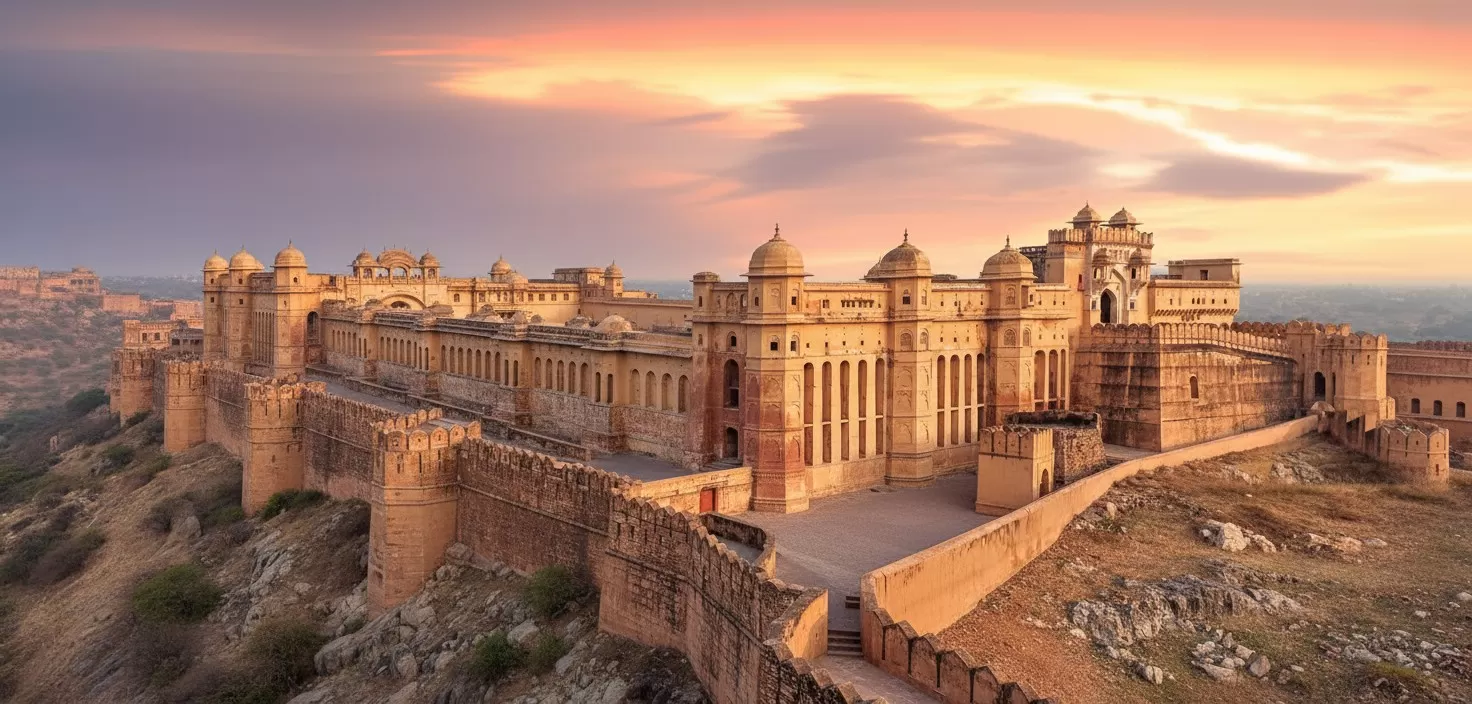
Perched on the rugged Aravalli Hills overlooking the Pink City of Jaipur, Nahargarh Fort is one of Rajasthan’s most famous historical attractions. Built in 1734 by Maharaja Sawai Jai Singh II, the fort originally served as a defensive structure to protect Jaipur from invading forces. The name “Nahargarh” means “abode of tigers,” and local legends say the fort was haunted by the spirit of Prince Nahar Singh, after whom it was named. Today, the fort is admired for its majestic architecture, panoramic city views, and rich Rajput history.

🌍 About This Place

Nahargarh Fort stands proudly on the Aravalli Hills, forming an important part of Jaipur’s rich heritage and history. Constructed in 1734 by Maharaja Sawai Jai Singh II, the founder of Jaipur, the fort was initially designed to strengthen the defense of the city. Over the years, it evolved into a royal retreat where kings and queens spent their leisure time amidst nature and cool hilltop surroundings.

The fort combines Rajput and Indo-European architectural styles, featuring grand courtyards, decorative windows, elegant corridors, and beautifully painted interiors. One of its most admired sections is Madhavendra Bhawan, built by Maharaja Sawai Madho Singh for his queens. This palace consists of multiple identical suites connected by passages, showcasing the luxurious lifestyle of Rajasthan’s royal families.

Nahargarh Fort is especially popular for the breathtaking panoramic view it offers of Jaipur city. During sunset, the entire city glows in shades of gold and pink, creating a magical atmosphere for visitors and photographers. The fort also attracts adventure seekers who enjoy the scenic drive and trekking routes around the hills.

Apart from its historical significance, the fort has become a favorite destination for tourists seeking peace, culture, and photography. Several Bollywood films and music videos have been shot here due to its royal backdrop and scenic beauty. Whether exploring its historic chambers, enjoying the cool breeze from the hilltop, or admiring Jaipur’s skyline, Nahargarh Fort provides a memorable experience that reflects the grandeur and cultural richness of Rajasthan.

🎯 Things to do

  • Enjoy panoramic Jaipur city views
  • Explore Madhavendra Bhawan palace suites
  • Visit the Wax Museum & Sheesh Mahal
  • Sunset photography
  • Visit nearby Jaigarh Fort
  • Dine at the fort’s rooftop restaurant
  • Enjoy cycling/trekking route up the hill

📍 Near By

  • Jaigarh Fort – 6 km
  • Amber Fort – 15 km
  • Jal Mahal – 10 km
  • Hawa Mahal – 8 km
  • City Palace Jaipur – 8 km
  • Jantar Mantar – 8 km
  • Kanak Vrindavan Garden – 12 km

🚗 How to Reach

  • By Air: The nearest airport is Jaipur International Airport about 25 km away.
  • By Train: Jaipur Junction Railway Station is around 18 km from the fort.
  • By Road: Taxis auto-rickshaws and local buses are easily available from Jaipur city. The road to the fort winds through scenic hills and offers beautiful views.

⭐ Why Visit

  • Spectacular sunset views over Jaipur city.
  • Historic Rajput architecture and royal interiors.
  • Photography opportunities with scenic landscapes.
  • Peaceful atmosphere away from city crowds.
  • Popular cafés and viewpoints for relaxing evenings.

💡 Travel Tips

  • Visit during early morning or sunset for pleasant weather and stunning views.
  • Carry water/ sunglasses and comfortable walking shoes.
  • Avoid visiting during peak afternoon heat in summer.
  • Keep your camera charged for panoramic photography.
  • Weekdays are less crowded than weekends.

✨ Special Features

  • Connected historically with Jaigarh Fort through underground passages.
  • Features Madhavendra Bhawan a palace with beautifully designed suites for royal queens.
  • Offers one of the best panoramic views of Jaipur.
  • Famous shooting location for movies and music videos.

Hawa Mahal

Jaipur Rajasthan

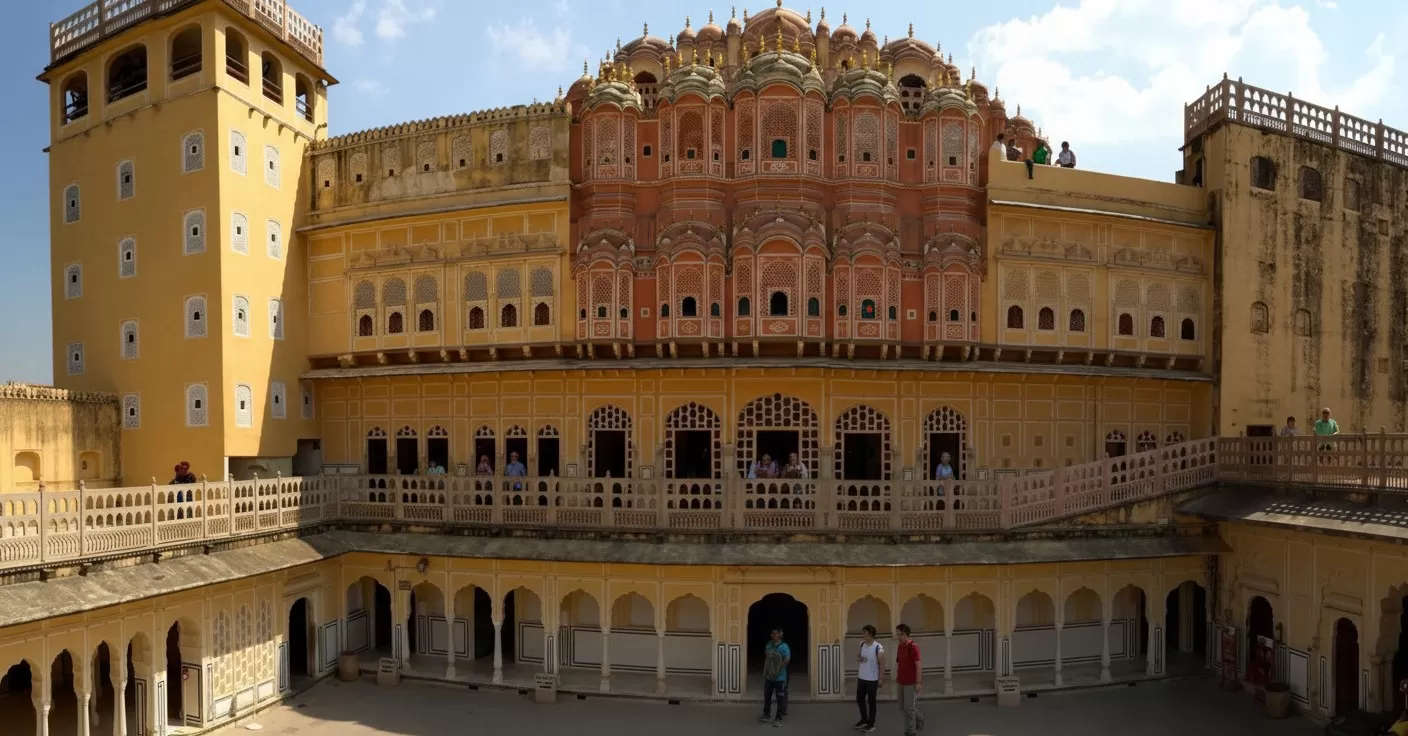
Hawa Mahal, also known as the “Palace of Winds,” is one of the most famous landmarks of Jaipur. Built in 1799 by Maharaja Sawai Pratap Singh, this five-story pink sandstone monument was designed by architect Lal Chand Ustad. The palace has 953 small windows called jharokhas, which allow cool air to circulate through the structure, keeping it naturally ventilated even during hot summers. Its unique honeycomb-shaped façade reflects the rich Rajput architectural style mixed with Mughal influences.

🌍 About This Place

Hawa Mahal is one of the most iconic monuments in India and a symbol of the rich cultural heritage of Rajasthan. Located in the heart of the Pink City, Jaipur, this magnificent palace was constructed in 1799 by Maharaja Sawai Pratap Singh. Designed by Lal Chand Ustad, the structure resembles the crown of Lord Krishna and showcases a perfect blend of Rajput and Mughal architectural styles. Built using red and pink sandstone, Hawa Mahal attracts thousands of visitors every year due to its unique appearance and historical significance.

The palace is famous for its 953 small windows, known as jharokhas, decorated with intricate latticework. These windows were specially designed to allow cool air to pass through the palace, creating a natural air-conditioning effect during the hot desert climate. The royal women of the palace used these windows to observe daily life and festive processions on the streets while maintaining royal privacy according to the purdah system.
Although the front façade looks grand and massive, the palace is surprisingly narrow from inside. Visitors can climb through ramps and corridors to reach the upper floors, where breathtaking views of Jaipur city can be enjoyed. The monument becomes especially beautiful during sunrise when the sunlight reflects on the pink sandstone walls.

Hawa Mahal is not only an architectural masterpiece but also an important cultural landmark that reflects the artistic excellence and royal lifestyle of Rajasthan. A visit to Jaipur remains incomplete without exploring this historic Palace of Winds.

🎯 Things to do

  • Admire the iconic honeycomb façade
  • Explore the small chambers and corridors
  • Visit the small museum inside
  • Enjoy panoramic views of Jaipur from the top
  • Photography (especially morning shots)
  • Explore nearby bazaars for shopping

📍 Near By

  • 🏰 City Palace Jaipur
  • 🔭 Jantar Mantar (UNESCO Site)
  • 🌊 Jal Mahal
  • 🏯 Amber Fort (11 km)
  • 🌄 Nahargarh Fort
  • 🛍 Johari Bazaar & Bapu Bazaar
  • 🌳 Ram Niwas Garden

🚗 How to Reach

  • By Air: The nearest airport is Jaipur International Airport  around 13 km away.
  • By Train: Jaipur Junction Railway Station is about 5 km from Hawa Mahal.
  • By Road: Jaipur is well connected by highways. Local taxis  auto-rickshaws  and buses easily reach the monument.
  • Local Transport: From the city center visitors can use e-rickshaws or rental bikes.

⭐ Why Visit

  • Experience the royal heritage of Rajasthan.
  • Admire stunning Rajput architecture and detailed latticework.
  • Enjoy panoramic views of Jaipur city from the top floors.
  • Explore nearby attractions like City Palace and Jantar Mantar.
  • Perfect destination for photography and cultural exploration.

💡 Travel Tips

  • Visit early morning for cooler weather and better photographs.
  • Wear comfortable footwear because climbing ramps and stairs is required.
  • Carry water during summer months.
  • Hire a local guide to learn the historical significance.
  • Avoid peak afternoon hours due to heavy tourist crowds.

✨ Special Features

  • 953 intricately designed windows (jharokhas).
  • Natural cooling ventilation system.
  • Unique pink sandstone honeycomb façade.
  • Blend of Rajput and Mughal architecture.
  • Built so royal women could observe street festivals without being seen.

Agra Fort

Agra Uttar Pradesh

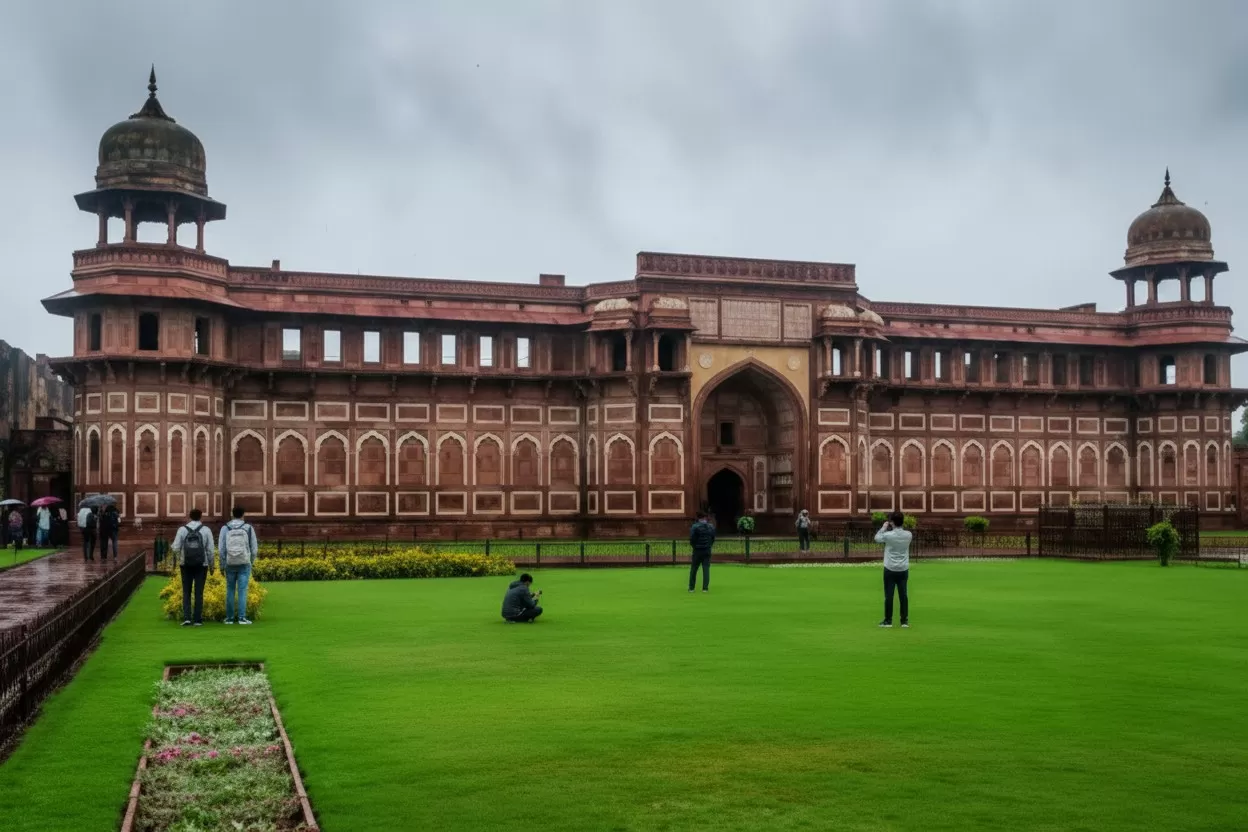
Agra Fort is one of India's most magnificent historical monuments and a UNESCO World Heritage Site. Built mainly by Emperor Akbar in the 16th century, this massive red sandstone fort served as the primary residence of the Mughal emperors. Located on the banks of the Yamuna River, it houses beautiful palaces, mosques, audience halls, and gardens. The fort showcases a blend of Islamic and Hindu architectural styles and offers stunning views of the nearby Taj Mahal.

🌍 About This Place

Agra Fort stands as one of the finest examples of Mughal architecture and military engineering in India. Situated along the banks of the Yamuna River in Agra, the fort was commissioned by Emperor Akbar in 1565 and later expanded by his successors, including Jahangir and Shah Jahan. Constructed primarily from red sandstone, the fort served as the main residence and administrative center of the Mughal Empire for many years.

Spread across nearly 94 acres, Agra Fort is enclosed by imposing walls rising over 20 meters high. Within these fortified boundaries lie a series of magnificent structures that reflect the grandeur of the Mughal era. Notable attractions include Jahangiri Mahal, a stunning palace built for the royal family; Khas Mahal, a beautiful marble residence; and Musamman Burj, an elegant octagonal tower associated with Emperor Shah Jahan.
The fort also contains Diwan-i-Aam (Hall of Public Audience) and Diwan-i-Khas (Hall of Private Audience), where emperors conducted state affairs and received distinguished guests. The intricate carvings, marble inlay work, decorative arches, and spacious courtyards highlight the artistic brilliance of Mughal craftsmen.

One of the most fascinating stories connected with Agra Fort is that Shah Jahan, the builder of the Taj Mahal, spent his final years imprisoned here by his son Aurangzeb. From Musamman Burj, he is believed to have gazed at the Taj Mahal until his death.

Today, Agra Fort attracts millions of visitors from around the world who come to admire its architectural beauty, historical significance, and cultural heritage. The fort provides a captivating journey through India's imperial past while offering breathtaking views of the Taj Mahal, making it an essential destination for anyone exploring Agra and the rich legacy of the Mughal Empire.

🎯 Things to do

  • Explore Mughal palaces and courtyards
  • Visit Diwan-i-Aam and Diwan-i-Khas
  • See Musamman Burj (Taj view point)
  • Visit Moti Masjid
  • Take historical guided tour
  • Photography of red sandstone
  • architecture
  • Evening visit for golden sunset views.

📍 Near By

  • Taj Mahal – 2.5 km
  • Mehtab Bagh – Garden with Taj view
  • Itmad-ud-Daula (Baby Taj)
  • Akbar’s Tomb and Sikandra
  • Fatehpur Sikri – 40 km
  • Jama Masjid Agra.

🚗 How to Reach

  • By Air: Nearest airport is in Agra while major international access is through Delhi.
  • By Train: Agra Cantt Railway Station is well connected to Delhi  Mumbai  Jaipur and other major cities.
  • By Road: Agra is connected through the Yamuna Expressway from Delhi and national highways from nearby states.
  • Local Transport: Auto-rickshaws  taxis  e-rickshaws and buses are easily available.

⭐ Why Visit

  • UNESCO World Heritage Site
  • Stunning Mughal architecture
  • Rich historical significance
  • Beautiful palaces and royal halls
  • Excellent photography spots
  • View of the Taj Mahal from the fort
  • Ideal destination for history lovers and tourists

💡 Travel Tips

  • Visit early morning or evening for pleasant weather.
  • Wear comfortable walking shoes.
  • Carry water and sunglasses during summer.
  • Hire a guide for better historical understanding.
  • Keep cameras charged for photography.
  • Avoid weekends and holidays for smaller crowds.

✨ Special Features

  • Massive 70-foot-high defensive walls
  • Blend of red sandstone and white marble architecture
  • Historic residence of Mughal emperors
  • Beautiful courtyards mosques and audience halls
  • Strategic riverside location near the Yamuna River
  • Spectacular view of the Taj Mahal from Musamman Burj

Ratangad Fort

Ratanwadi Ahilyanagar Maharashtra

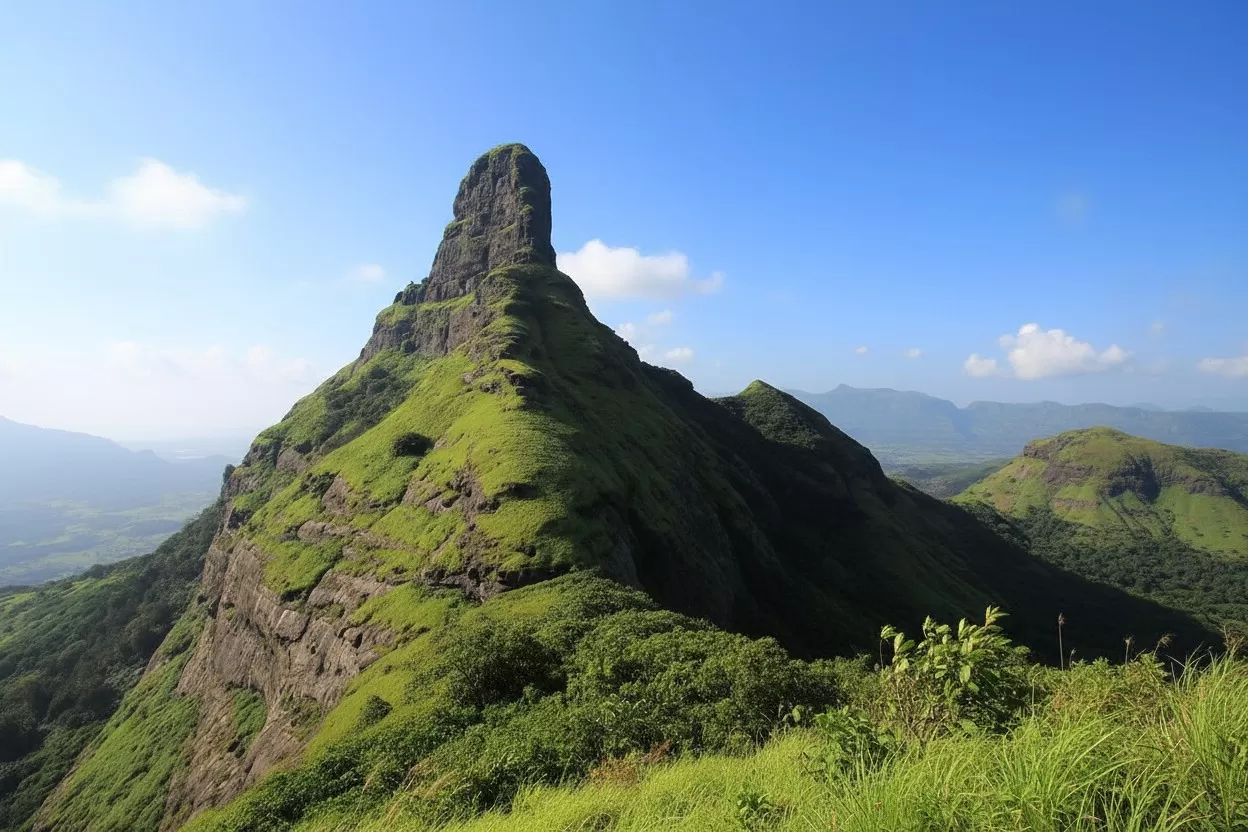
Ratangad Fort is a magnificent hill fort located near Ratanwadi village in the Sahyadri range of Maharashtra's Ahilyanagar (Ahmednagar) district. Situated at an elevation of about 4,250 feet (1,297 m), the fort is renowned for its breathtaking landscapes, ancient architecture, and thrilling trekking routes. Ratangad, meaning "Fort of Jewels," is often called the "Jewel of the Sahyadris" because of its natural beauty and strategic location.

🌍 About This Place

Ratangad Fort is one of Maharashtra's most picturesque hill forts, situated amidst the rugged Sahyadri Mountains near Ratanwadi village. Standing at an elevation of approximately 4,250 feet above sea level, the fort offers a perfect blend of history, adventure, and natural beauty. Often referred to as the "Jewel of the Sahyadris," Ratangad has attracted trekkers, nature lovers, and history enthusiasts for decades.

The fort is believed to be around 400 years old and played an important role during the era of Chhatrapati Shivaji Maharaj. Its strategic location provided excellent surveillance over the surrounding valleys and trade routes. The fort features four prominent gateways—Ganesh Darwaza, Hanuman Darwaza, Konkan Darwaza, and Trimbak Darwaza—which reflect the architectural style of the period. One of the fort's most remarkable attractions is the famous "Nedhe" or "Eye of the Needle," a naturally formed hole in the rock that creates a stunning frame for the surrounding landscape.
The trek to Ratangad is an unforgettable experience. The trail passes through lush forests, rocky patches, and scenic mountain terrain. During the monsoon and post-monsoon seasons, the region transforms into a green paradise adorned with waterfalls, wildflowers, and mist-covered hills. From the summit, visitors can enjoy breathtaking views of nearby peaks, valleys, and reservoirs, including the famous Bhandardara region.

Apart from trekking, Ratangad is also a paradise for photographers and campers. The fort's unique geological formations, ancient structures, and panoramic viewpoints make it one of the most rewarding destinations in Maharashtra. Whether you are seeking adventure, historical exploration, or a peaceful escape into nature, Ratangad Fort offers an enriching and memorable experience that showcases the true beauty of the Western Ghats.

🎯 Things to do

  • Trekking through forest and rocky trails
  • Photography of valleys
  • lakes
  • and peaks
  • Visit Nedhe (Eye of the Needle)
  • View Kalsubai Peak
  • Bhandardara & Arthur Lake
  • Camping near caves (with safety precautions)
  • Sunrise & sunset viewing
  • Explore fort ruins
  • bastions & water tanks.

📍 Near By

  • Bhandardara Lake (Arthur Lake) – lakeside picnic
  • Wilson Dam – scenic dam views
  • Randha Falls – powerful waterfall
  • Umbrella Falls (seasonal)
  • Kalsubai Base Village – nature picnic
  • Ratanwadi Village & Amruteshwar Temple.

🚗 How to Reach

  • By Air :- Nearest Airports:Pune Airport – about 180 km; Chhatrapati Shivaji Maharaj International Airport – about 190 km; From the airport  hire a taxi or travel to Bhandardara/Ratanwadi by bus.
  • By Train :- Nearest railway stations:Igatpuri Railway Station; Kasara Railway Station; From these stations taxis and buses are available to Bhandardara and Ratanwadi village.
  • By Bus :- Regular MSRTC buses operate from Mumbai Pune Nashik and Ahilyanagar to Bhandardara and nearby villages.
  • From Bhandardara local transport is available to Ratanwadi  the main base village for the trek.
  • By Road;Mumbai → Bhandardara → Ratanwadi → Ratangad Trek; Pune → Sangamner → Bhandardara → Ratanwadi
  • Nashik → Ghoti → Bhandardara → Ratanwadi

⭐ Why Visit

  • Spectacular panoramic views of the Sahyadri ranges.
  • Famous "Nedhe" (Eye of the Needle) rock formation.
  • Historic fort associated with Shivaji Maharaj.
  • Excellent trekking and camping opportunities.
  • Beautiful monsoon and post-monsoon scenery.
  • Nearby attractions such as Bhandardara Dam Sandhan Valley and Amruteshwar Temple.

💡 Travel Tips

  • Visit between October and February for pleasant weather.
  • Wear sturdy trekking shoes with good grip.
  • Carry sufficient drinking water and snacks.
  • Avoid trekking during heavy rainfall due to slippery trails.
  • Start early in the morning to enjoy sunrise views.
  • Carry a flashlight if planning an overnight stay.
  • Follow local guidelines and avoid littering.

✨ Special Features

  • Unique "Nedhe" (Eye of the Needle) natural rock window.
  • Four ancient gateways with historic carvings.
  • Dense forests  waterfalls  and scenic trekking routes.
  • Magnificent views of surrounding peaks including Kalsubai and Alang-Madan-Kulang ranges.
  • Rich blend of history adventure and nature.

Thibaw Palace

Ratnagiri Maharashtra

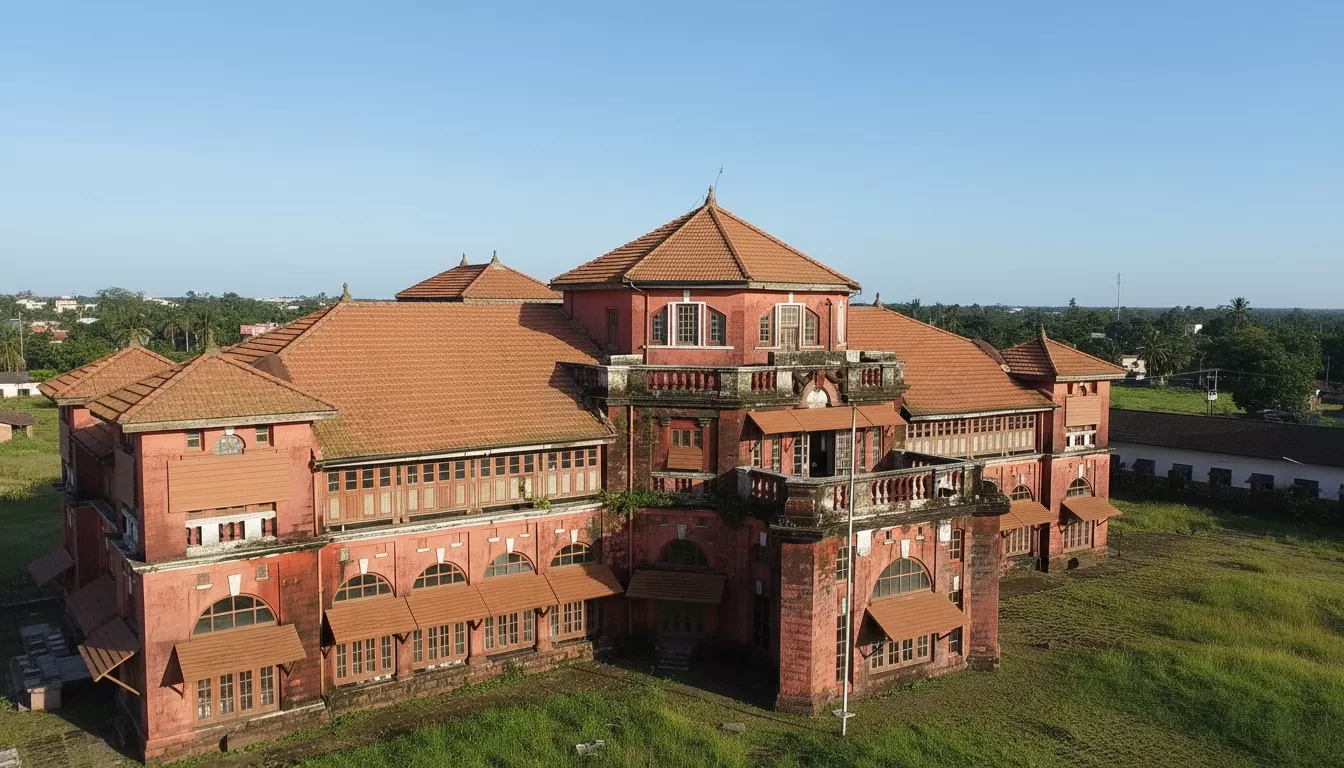
The historic Thibaw Palace is one of Ratnagiri's most famous heritage attractions. Built by the British Government in 1910, the palace served as the residence of King Thibaw Min, the last king of Burma (now Myanmar), during his exile in India. The king and his family lived here until his death in 1916. Today, the palace functions as a museum preserving royal artifacts and memories of a unique chapter in Indo-Myanmar history.

🌍 About This Place

Nestled atop a small hill in Ratnagiri, Maharashtra, Thibaw Palace stands as a remarkable symbol of history, architecture, and cultural heritage. Built in 1910 by the British Government, the palace was constructed to house King Thibaw Min, the last monarch of Burma (present-day Myanmar), after he was exiled from his kingdom. The palace remained his residence until his death in 1916, making it an important landmark that reflects a unique connection between India and Myanmar.

The palace is an impressive three-storeyed structure featuring sloping roofs, elegant wooden windows, and intricate carvings that showcase a blend of British colonial and Burmese architectural influences. One of its most attractive sections is the marble-floored dance hall, which highlights the grandeur once associated with royal life. Today, the palace houses a museum where visitors can view photographs, personal belongings, and artifacts related to King Thibaw and his family. A Buddha idol brought by the king from Burma remains one of the most treasured exhibits.

Apart from its historical significance, Thibaw Palace offers breathtaking views of Someshwar Creek, Bhatye Bridge, and the vast Arabian Sea. The surrounding landscape, especially during sunset, creates a memorable experience for visitors. History enthusiasts, architecture lovers, photographers, and cultural travelers find the palace particularly appealing. Its peaceful setting and fascinating story of exile and resilience make it one of Ratnagiri's most important tourist attractions. A visit to Thibaw Palace is not only a journey through history but also an opportunity to appreciate the scenic beauty of the Konkan coast while exploring a unique chapter of South Asian heritage.

🎯 Things to do

  • Explore the palace interiors & museum
  • Learn about Burmese royal history
  • Photography of colonial architecture
  • Enjoy sea views from the palace hill
  • Relax in the surrounding garden area
  • Peaceful walk & heritage exploration.

📍 Near By

  • Bhatye Beach – 3 km
  • Mandavi Beach – 2 km
  • Ratnagiri Marine Aquarium – 3 km
  • Bhagwati Fort (Ratnadurg Fort) – 4 km Ganpatipule Beach & Temple – 25 km Aare-Ware Beach Road – Scenic picnic drive.

🚗 How to Reach

  • By Air :-Nearest Airport: Chhatrapati Shivaji Maharaj International Airport; Distance: Approximately 340 km from Ratnagiri.From the airport  travelers can hire a taxi or take a train/bus to Ratnagiri.
  • By Train:- Nearest Railway Station: Ratnagiri Railway Station; Distance: About 7 km from the palace.
  • Auto-rickshaws and taxis are easily available from the station.
  • By Bus:- Nearest Bus Stand: Ratnagiri Bus Stand; Distance: Around 1–2 km from the palace.Local autos and cabs provide easy access.

⭐ Why Visit

  • Discover the fascinating story of Burma's last king in exile.
  • Explore a rare blend of British colonial and Burmese architectural styles.
  • Visit the museum displaying royal artifacts and photographs.
  • Enjoy panoramic views of the Arabian Sea Someshwar Creek and Bhatye Bridge.
  • Experience one of Ratnagiri's best sunset viewpoints.

💡 Travel Tips

  • est time to visit: October to March.
  • Carry a camera for scenic photography.
  • Visit during evening hours for sunset views.
  • Allocate 1–2 hours for exploring the palace and museum.
  • Wear comfortable footwear as the palace is located on a small hill.

✨ Special Features

  • Three-storeyed heritage structure with sloping roofs.
  • Beautiful semi-circular wooden windows and intricate carvings.
  • Marble-floored dance hall.
  • Buddha idol brought by King Thibaw from Burma.
  • Museum containing royal belongings and historical exhibits.
  • Spectacular viewpoint overlooking the Konkan coastline.