
EN हिंदी

Museums in India

Discover famous museums in India showcasing history, art, culture and heritage

Akbar’s Tomb (Sikandra)

Agra Uttar Pradesh

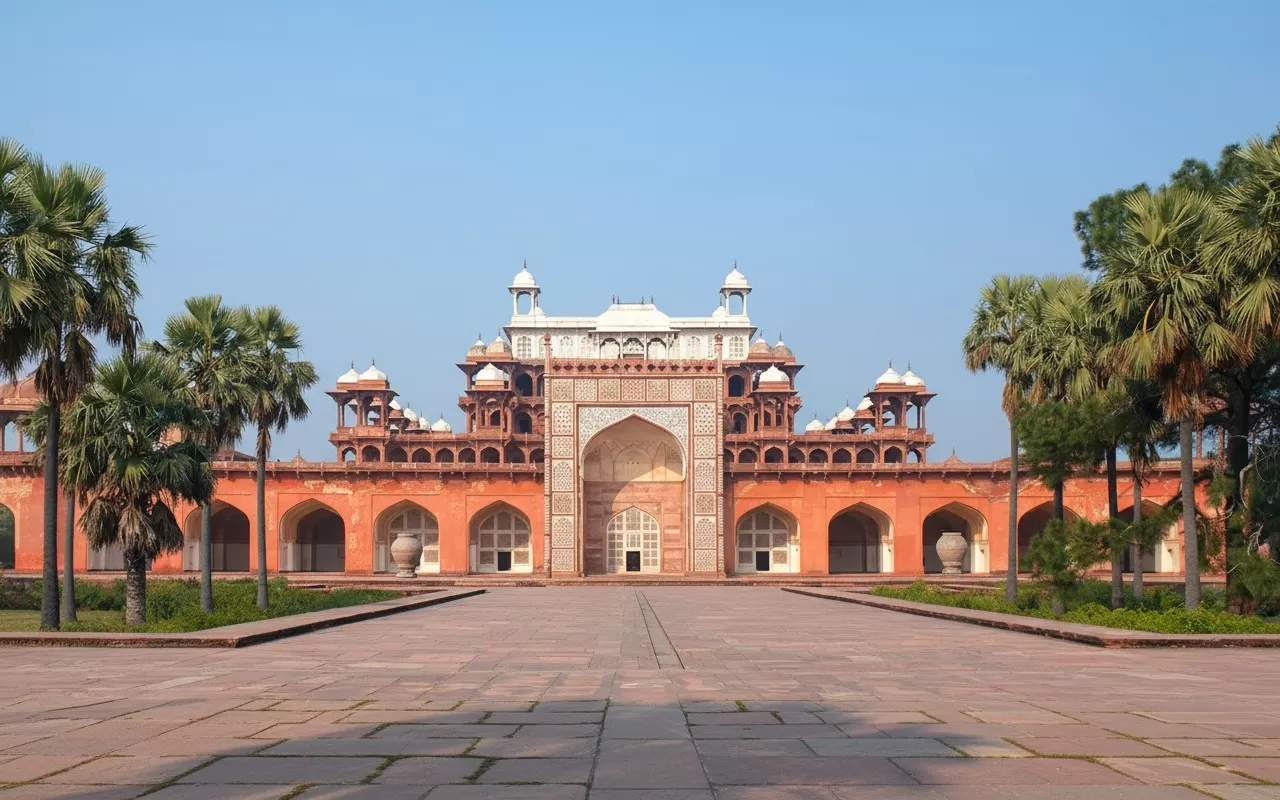
Akbar's Tomb is one of the finest examples of Mughal architecture in India. Located in Sikandra, about 10 km from Agra city, it is the final resting place of the great Mughal Emperor Akbar. Built between 1605 and 1613 by his son Emperor Jahangir, the monument beautifully combines Islamic, Hindu, Buddhist, and Jain architectural styles. Surrounded by lush gardens and peaceful pathways, the tomb reflects Akbar's vision of religious harmony and cultural integration.

🌍 About This Place

Akbar's Tomb is one of the most important Mughal monuments in India and stands as a symbol of Emperor Akbar's progressive vision and legacy. Located in Sikandra on the outskirts of Agra, the monument was commissioned by Akbar himself during his lifetime and completed by his son Jahangir in 1613. The tomb is set within a vast Charbagh-style garden spread across several acres, creating a serene and majestic atmosphere.

The architecture of the monument is unique among Mughal structures. Unlike many Mughal mausoleums that feature large central domes, Akbar's Tomb follows a pyramid-like, multi-tiered design. The structure is primarily built of red sandstone and decorated with white marble, geometric motifs, floral patterns, and intricate calligraphy. The grand southern gateway is particularly impressive, featuring four white marble minarets that are considered among the earliest examples of Mughal minaret design.
The monument reflects Akbar's policy of religious tolerance and cultural inclusiveness. Architectural elements inspired by Hindu, Islamic, Jain, and Buddhist traditions can be seen throughout the complex. This fusion of styles makes the tomb an important landmark in the evolution of Mughal architecture.

Visitors entering the complex pass through beautifully landscaped gardens inhabited by deer, peacocks, monkeys, and various bird species. The peaceful environment provides an ideal setting for history lovers, photographers, and architecture enthusiasts.

Inside the main structure lies the symbolic cenotaph of Akbar, while the actual burial chamber is located in the basement. The intricate craftsmanship, historical significance, and tranquil surroundings make Akbar's Tomb one of Agra's most rewarding heritage attractions. It offers visitors a fascinating glimpse into the life, achievements, and enduring legacy of one of India's greatest rulers.

🎯 Things to do

  • ✔ Explore Mughal architecture and carvings
  • ✔ Walk through the symmetrical Mughal gardens
  • ✔ Photography (especially morning light)
  • ✔ Observe wildlife inside the garden complex
  • ✔ Study Indo-Islamic architectural fusion
  • ✔ Relax in the peaceful green surroundings

📍 Near By

  • Taj Mahal – 15 km
  • Agra Fort – 12 km
  • Fatehpur Sikri – 40 km
  • Itmad-ud-Daula – 14 km
  • Mehtab Bagh – 16 km

🚗 How to Reach

  • By Air: Nearest airport is in Agra (Kheria Airport) about 10 km away.
  • By Train: Agra has major railway stations like Agra Cantt  well connected to cities like Delhi and Jaipur.
  • By Road: Easily accessible via NH-19; Sikandra is about 8–10 km from central Agra. Local taxis autos  and buses are available.

⭐ Why Visit

  • Unique Mughal architecture without a central dome
  • Peaceful gardens with wildlife
  • Historical significance linked to Akbar’s reign
  • Less crowded than the Taj Mahal

💡 Travel Tips

  • Visit early morning or late afternoon for better weather
  • Wear comfortable walking shoes
  • Carry water especially in summer
  • Combine visit with nearby attractions in Agra
  • Respect monument rules and avoid littering

✨ Special Features

  • Fusion of multiple architectural styles
  • Grand entrance gateway with marble decorations
  • Charbagh garden layout
  • Tiered pyramid-like tomb structure

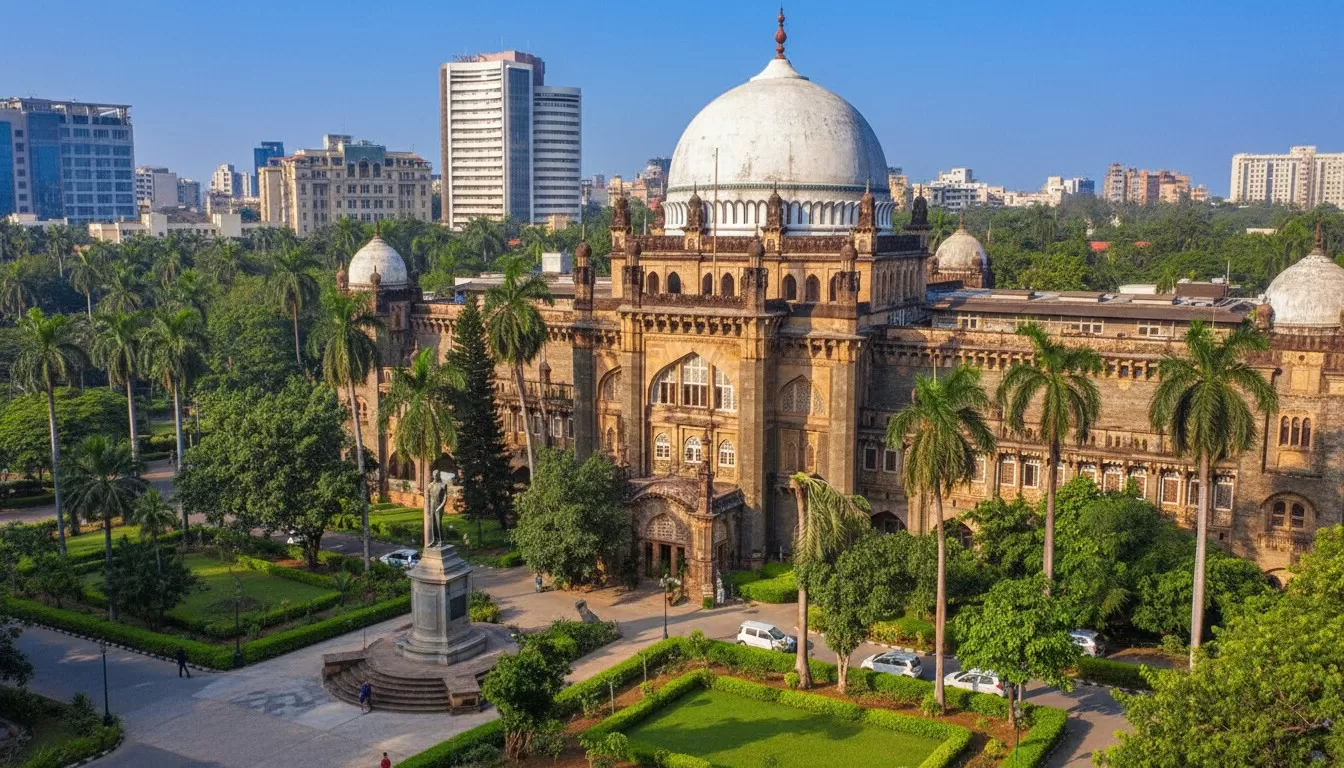
Chhatrapati Shivaji Maharaj Vastu Sangrahalaya, formerly known as the Prince of Wales Museum, is one of India’s finest museums located in the heart of Mumbai. Built in an impressive Indo-Saracenic architectural style, the museum showcases India’s rich cultural heritage through ancient sculptures, rare paintings, decorative arts, natural history collections, and archaeological treasures. Surrounded by beautiful gardens and historic buildings, it attracts history lovers, students, tourists, and art enthusiasts from around the world.

🌍 About This Place

Chhatrapati Shivaji Maharaj Vastu Sangrahalaya is one of the most famous museums in India and an important cultural landmark of Mumbai. Established in the early 20th century, the museum reflects a perfect blend of Indian, Mughal, and European architectural styles. Earlier known as the Prince of Wales Museum, it was renamed in honor of the great Maratha king Chhatrapati Shivaji Maharaj. The museum is situated near the Gateway of India and attracts thousands of visitors every year.

The museum contains an extraordinary collection of ancient artifacts, paintings, sculptures, manuscripts, decorative arts, coins, arms, and natural history specimens. Its galleries showcase the glorious history and artistic traditions of India along with collections from Tibet, Nepal, China, and Europe. The carefully arranged exhibits provide valuable knowledge about ancient civilizations, religions, and royal lifestyles.
One of the major attractions of the museum is its beautiful dome, carved arches, and spacious gardens that create a calm and heritage-rich atmosphere. The museum also organizes exhibitions, workshops, educational programs, and cultural events for students and tourists. Audio guides and informative displays help visitors understand the historical importance of the collections.

The museum is an ideal destination for history lovers, researchers, photographers, and families seeking a meaningful travel experience. Its location near major tourist attractions in Mumbai makes it easy to include in a city tour. Visiting Chhatrapati Shivaji Maharaj Vastu Sangrahalaya offers a wonderful opportunity to explore India’s rich artistic, historical, and cultural heritage in a single place.

🎯 Things to do

  • Explore ancient Indian art galleries with sculpture
  • painting and decorative arts
  • View archaeological collections from Harappan to medieval India
  • Walk through natural history exhibits with geological & biological specimens
  • Learn via audio guides or guided tours (if available)
  • Enjoy the heritage architecture and garden spaces.

📍 Near By

  • Gateway of India — iconic waterfront monument
  • Colaba Causeway — shopping & street food area
  • Jehangir Art Gallery — contemporary art space
  • National Gallery of Modern Art.

🚗 How to Reach

  • By Air :-The nearest airport is Chhatrapati Shivaji Maharaj International Airport about 25 km away. Taxis app-based cabs and buses are easily available from the airport to the museum.
  • By Train :-Churchgate Railway Station – around 2 km away; Chhatrapati Shivaji Maharaj Terminus – around 3 km away
  • By Bus :- Mumbai’s BEST buses regularly connect the museum area with all major parts of the city. Visitors can get down near Kala Ghoda or Gateway of India.
  • By Road :-Private taxis auto-rickshaws and app-based cab services are convenient options for reaching the museum.

⭐ Why Visit

  • Explore India’s historical artistic and cultural heritage.
  • View rare ancient artifacts and world-class exhibitions.
  • Enjoy the grand Indo-Saracenic architecture of the museum building.
  • Ideal place for students photographers researchers and families.
  • Located near famous attractions like Gateway of India and Marine Drive.

💡 Travel Tips

  • Visit during morning hours for a peaceful experience.
  • Carry a camera if photography is permitted in selected galleries.
  • Wear comfortable footwear because the museum has many sections to explore.
  • Allocate at least 2–3 hours for a complete visit.
  • Avoid weekends if you prefer less crowd.

✨ Special Features

  • Magnificent Indo-Saracenic architecture.
  • More than 50000 historical artifacts.
  • Ancient Indian Tibetan Chinese and European art collections.
  • Audio-guided tours available for visitors.
  • Beautiful landscaped gardens and heritage ambiance.