

Explore Historical Places in India
India is home to some of the worlds most remarkable historical places, reflecting thousands of years of rich history, culture, and architectural excellence. From magnificent forts and royal palaces to ancient temples, rock-cut caves, and UNESCO World Heritage Sites, every monument tells a fascinating story of Indias glorious past. Famous historical attractions such as the Taj Mahal, Red Fort, Qutub Minar, Hampi, Khajuraho Group of Monuments, Ajanta & Ellora Caves, Golconda Fort, and Amer Fort attract millions of visitors every year. Whether you are passionate about history, architecture, archaeology, or cultural heritage, Indias historical places offer unforgettable experiences that showcase the countrys incredible legacy.
Browse historical places by state and district to discover complete travel information, including history, entry fees, opening hours, best time to visit, major attractions, time required to explore, nearby tourist places, and useful travel tips. FunYatra regularly updates its travel guides to help travellers plan memorable heritage tours and explore Indias rich historical and cultural treasures with confidence.
Khajuraho Group of Monuments
📍 Khajuraho • Chhatarpur • Madhya Pradesh
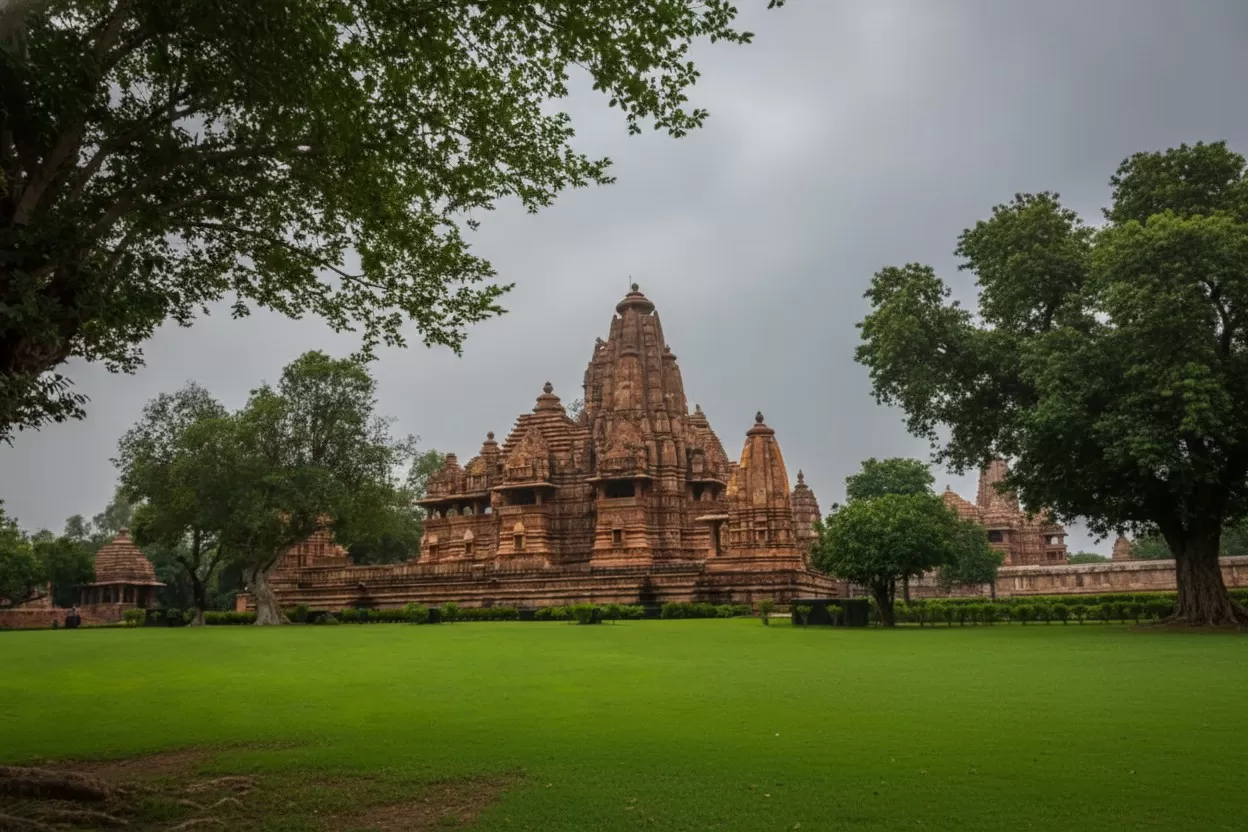
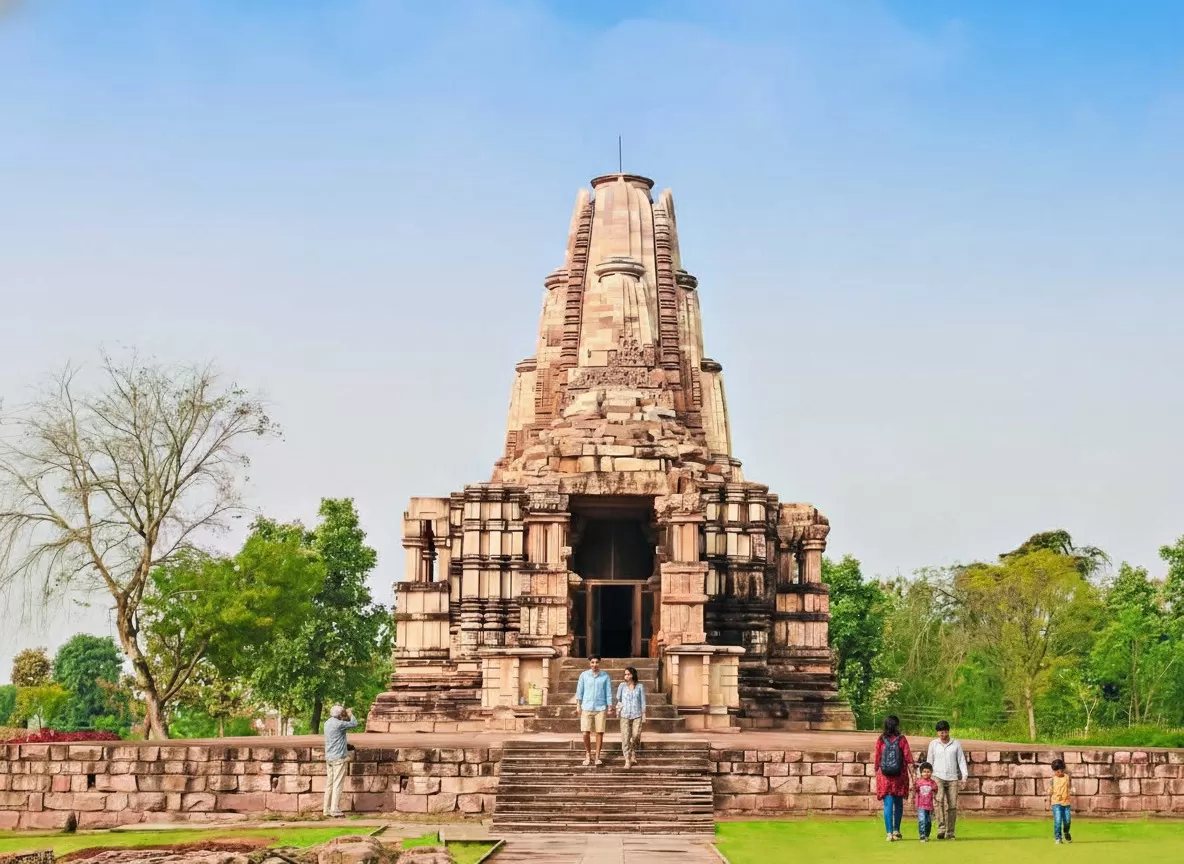
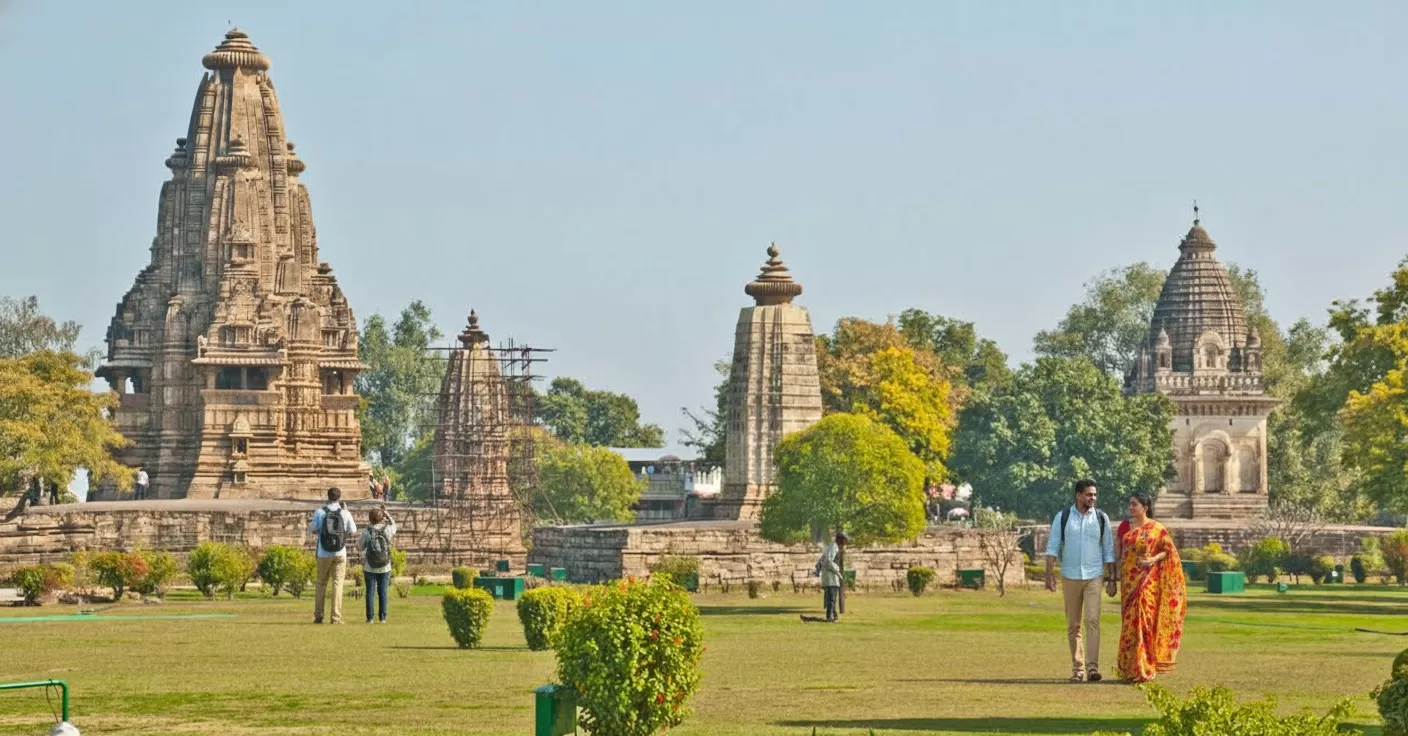
The Khajuraho Group of Monuments is a UNESCO World Heritage Site renowned for its stunning Nagara-style temple architecture and intricate stone carvings. Built between the 9th and 12th centuries by the Chandela dynasty, the temples showcase exceptional craftsmanship, depicting gods, goddesses, celestial beings, daily life, music, dance, and famous erotic sculptures. Originally consisting of around 85 temples, about 25 survive today. Khajuraho is considered one of India's greatest architectural and cultural treasures, attracting visitors, historians, and art enthusiasts from around the world.
Sanchi Stupa
📍 Sanchi • Raisen • Madhya Pradesh
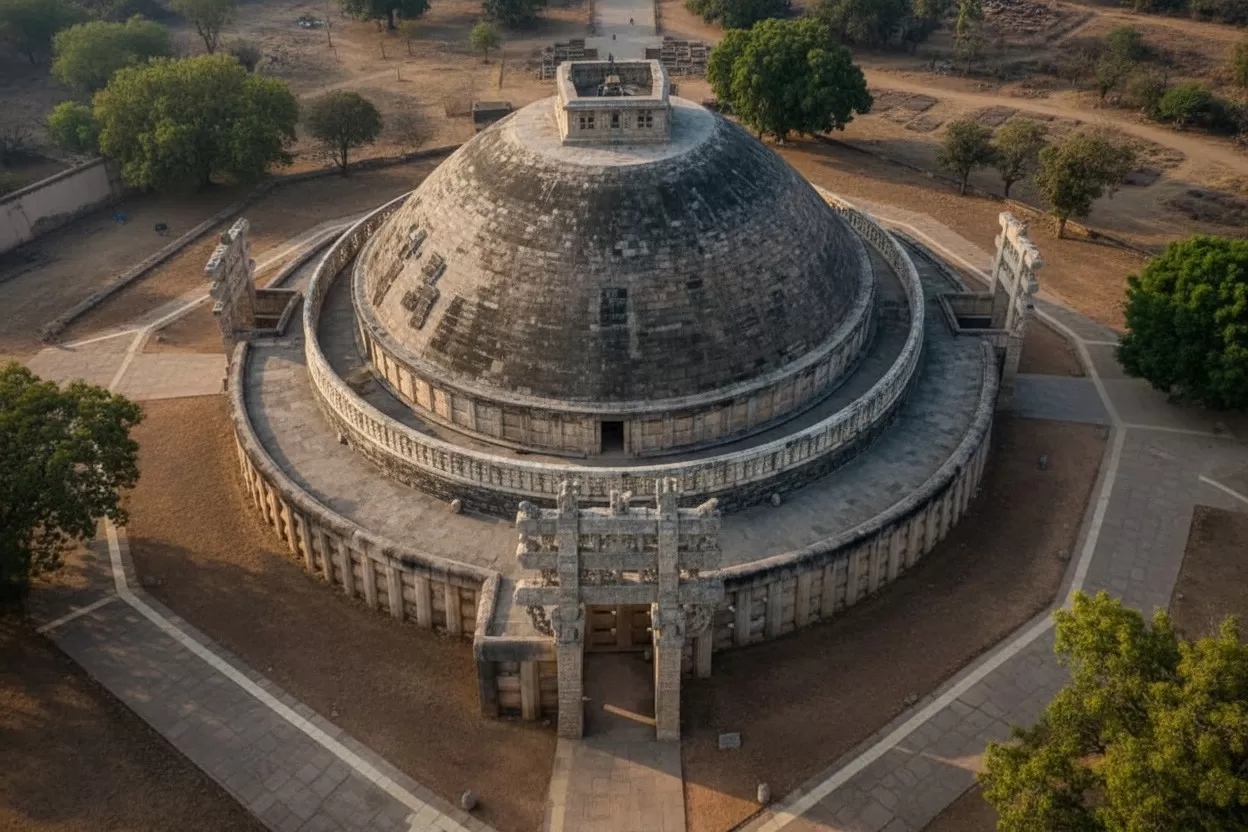
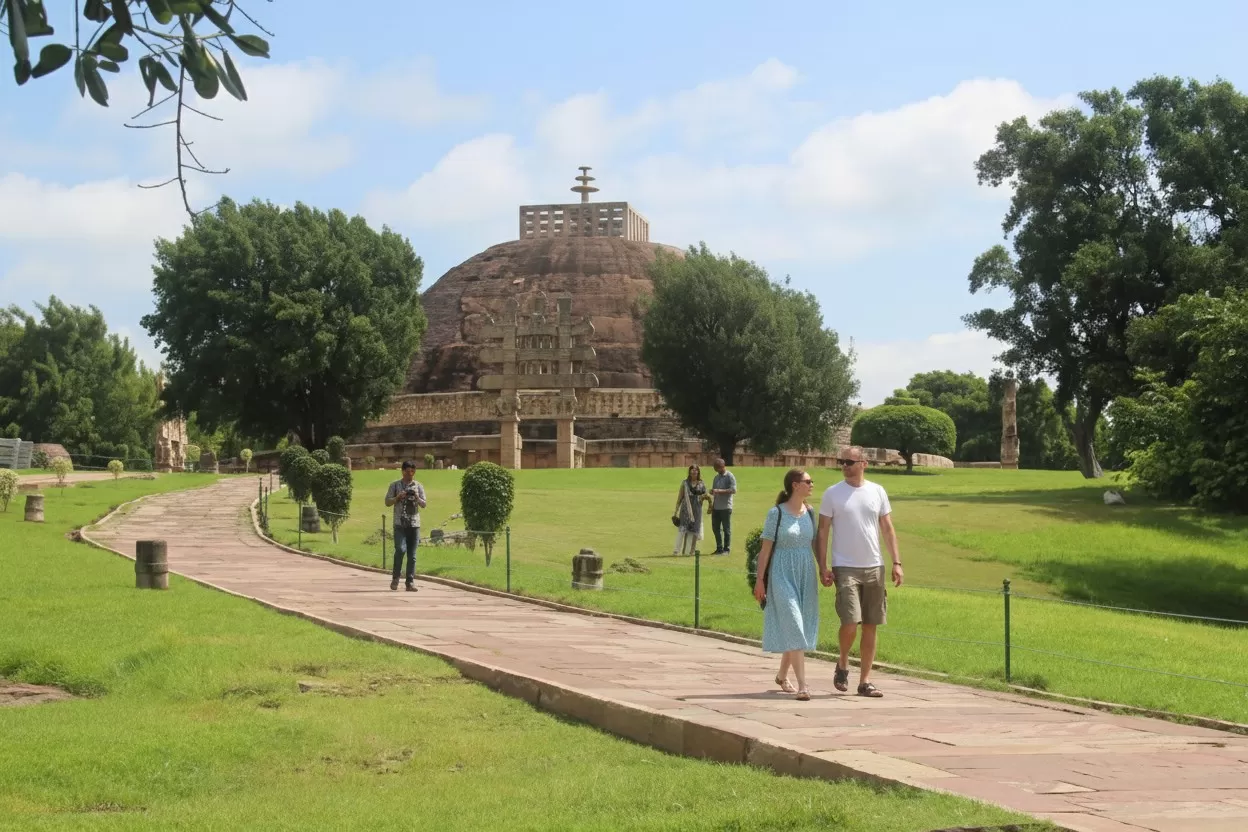
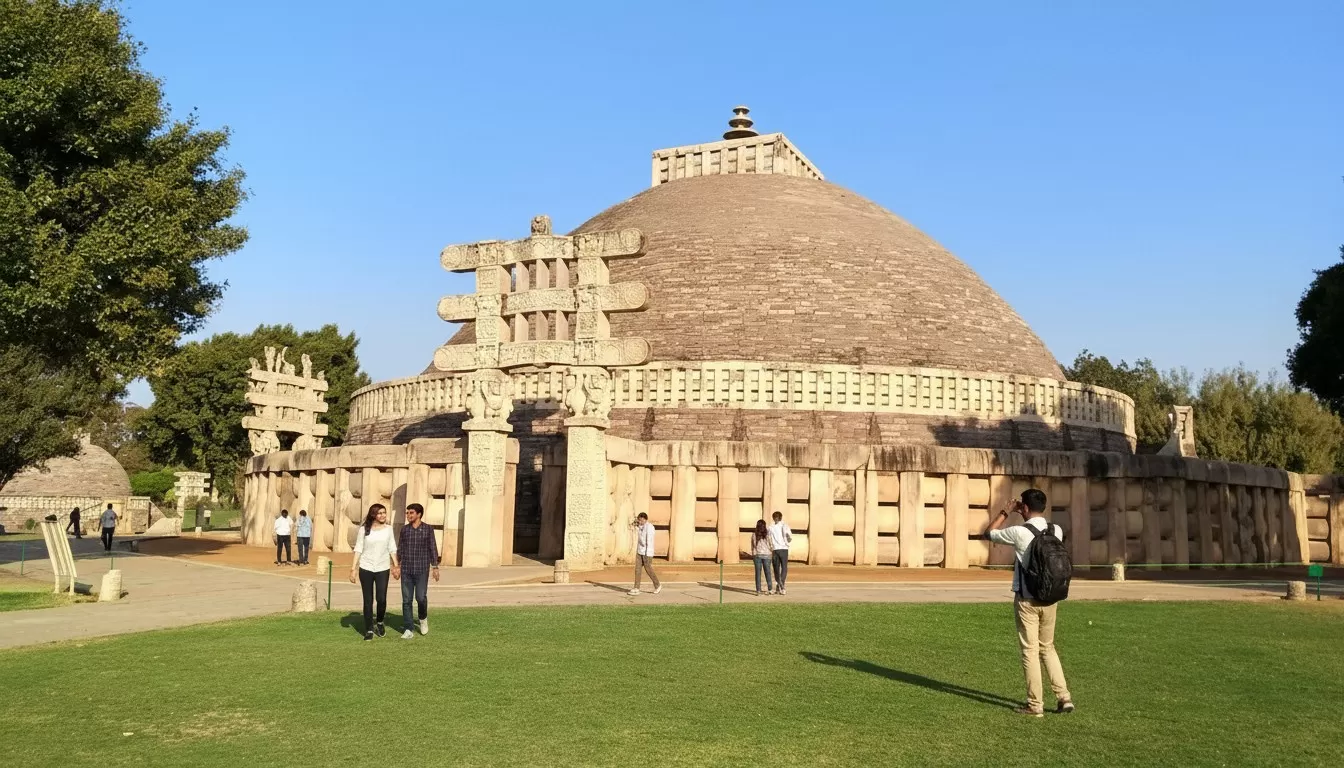
The ancient Buddhist monument of Sanchi Stupa is one of India's most important historical and religious sites. Built by Emperor Ashoka in the 3rd century BCE, it showcases remarkable Buddhist architecture, intricate stone carvings, and beautifully decorated gateways. The Great Stupa at Sanchi symbolizes peace, enlightenment, and the teachings of Buddha. Recognized as a UNESCO World Heritage Site, Sanchi attracts history enthusiasts, pilgrims, photographers, and travelers from around the world seeking cultural and spiritual experiences.
Mahabalipuram (Mamallapuram)
📍 Mahabalipuram • Chengalpattu • Tamil Nadu
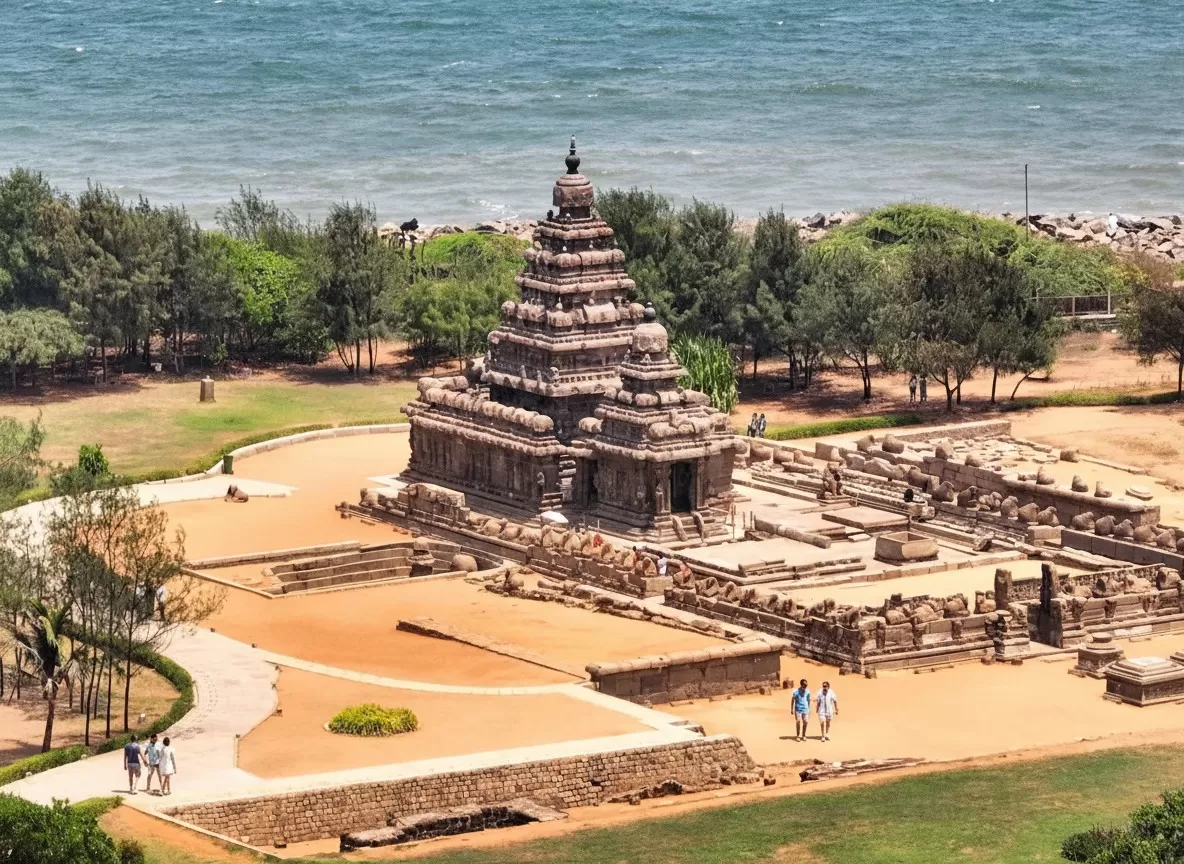
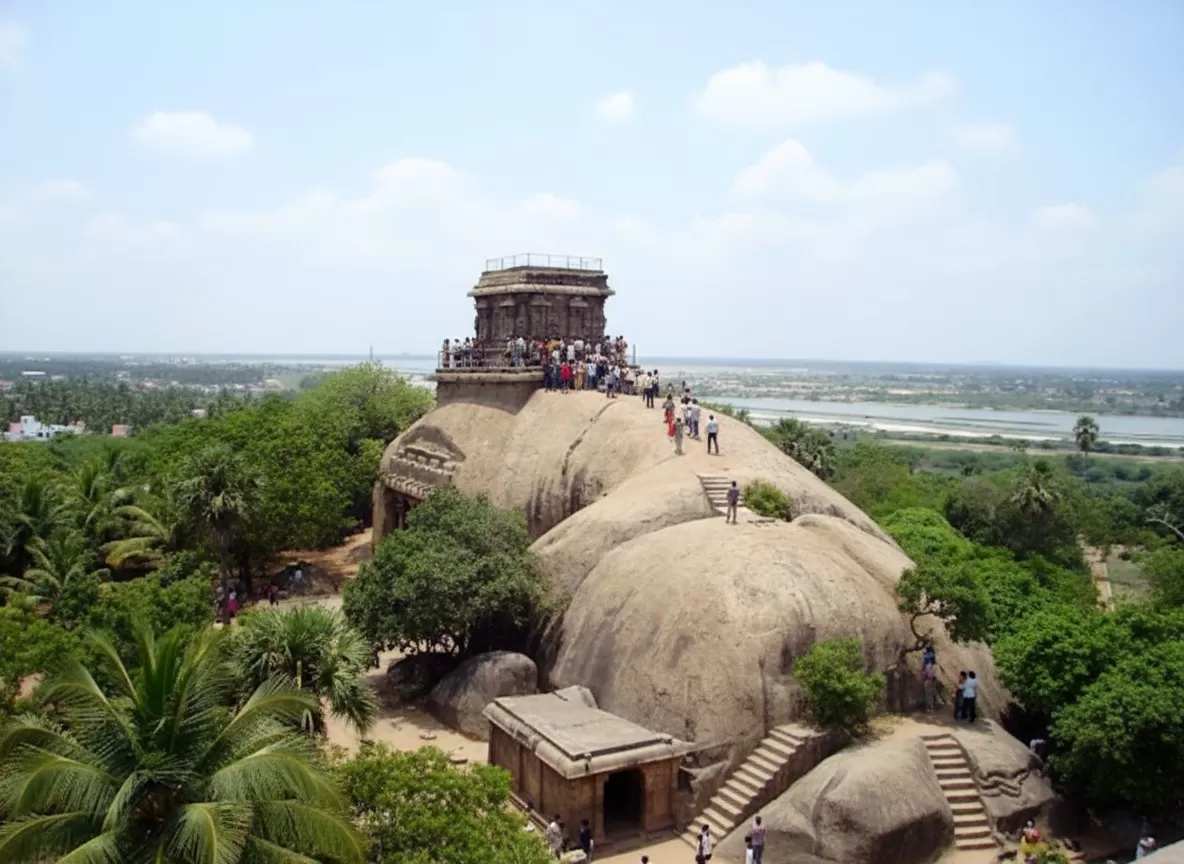
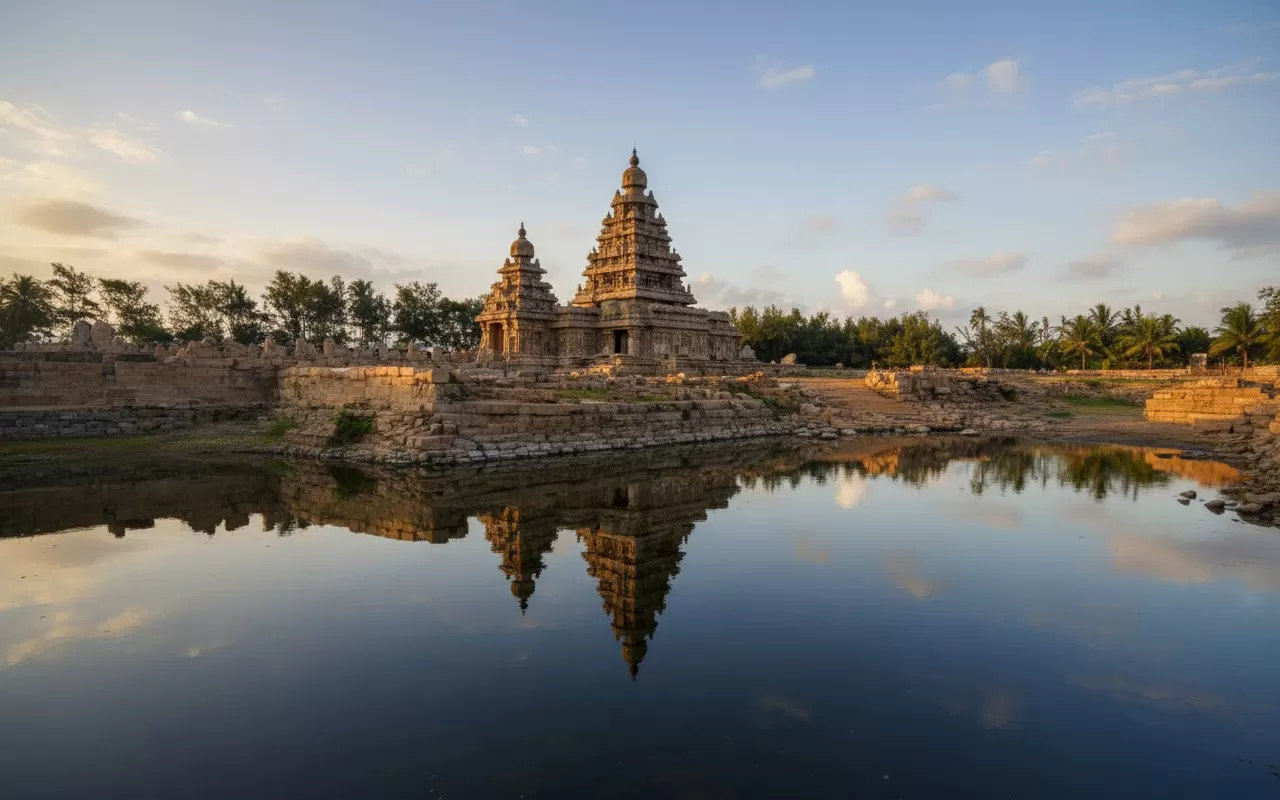
Mahabalipuram, also known as Mamallapuram, is a historic coastal town in the Indian state of Tamil Nadu. Renowned for its ancient rock-cut temples, stone sculptures, and UNESCO-recognized monuments, it was a major seaport of the Pallava Dynasty during the 7th and 8th centuries. The town attracts history enthusiasts, architecture lovers, photographers, and beach travelers alike. Its blend of cultural heritage, artistic excellence, and scenic coastline makes it one of South India's most celebrated tourist destinations.
Rani ki Vav
📍 • Patan • Gujarat
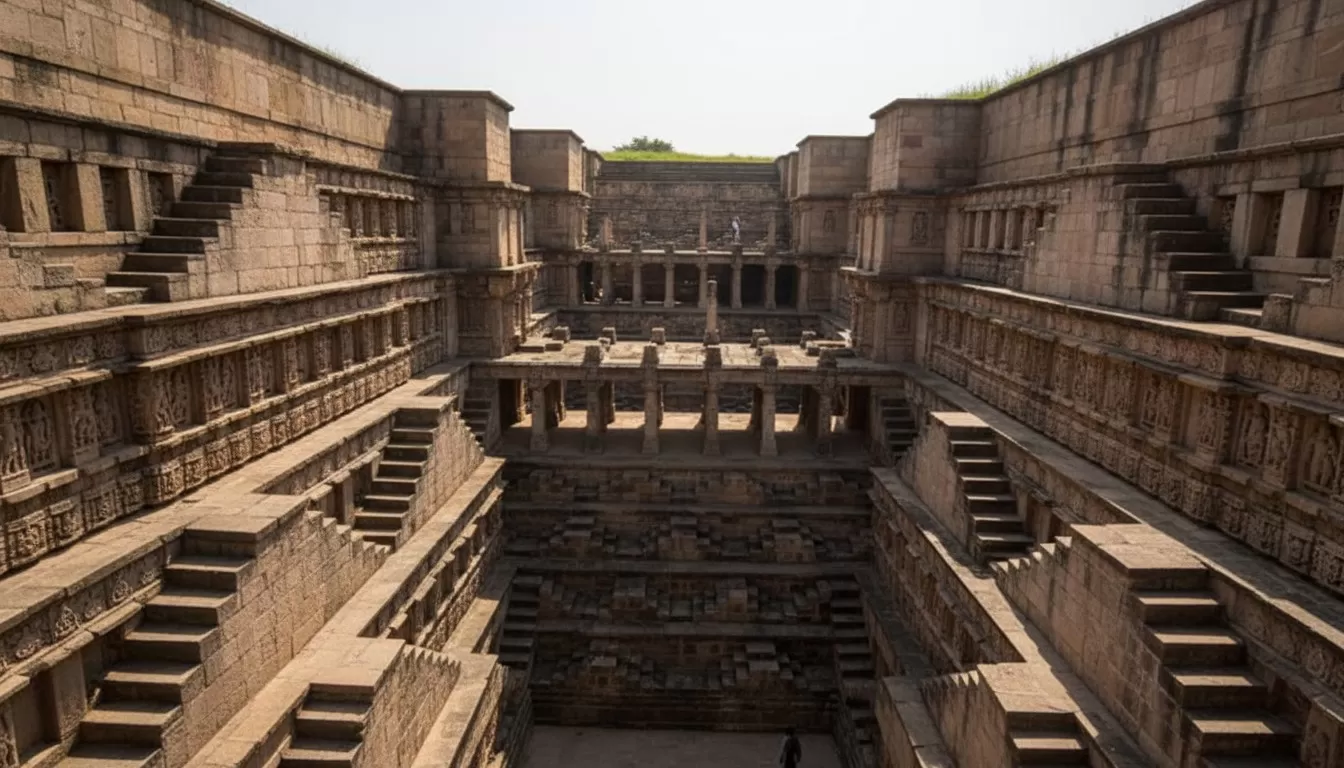
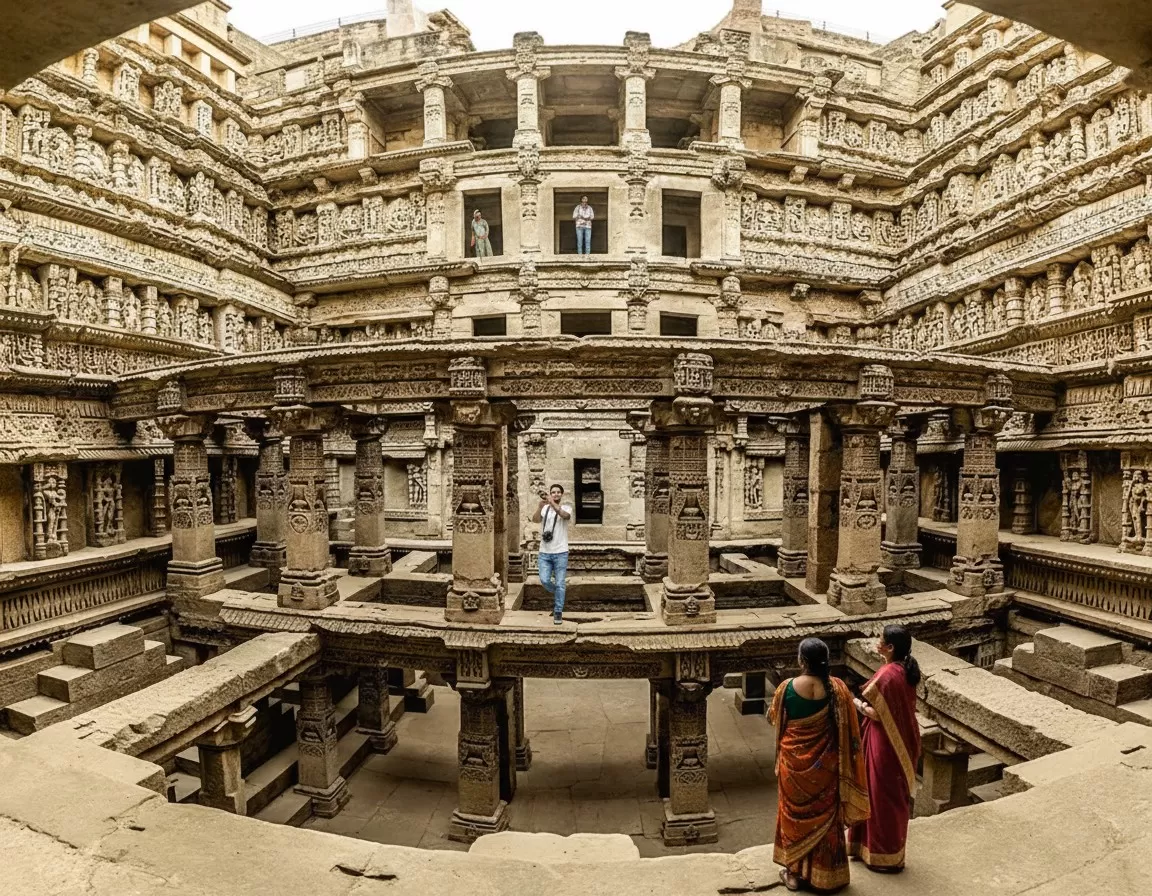
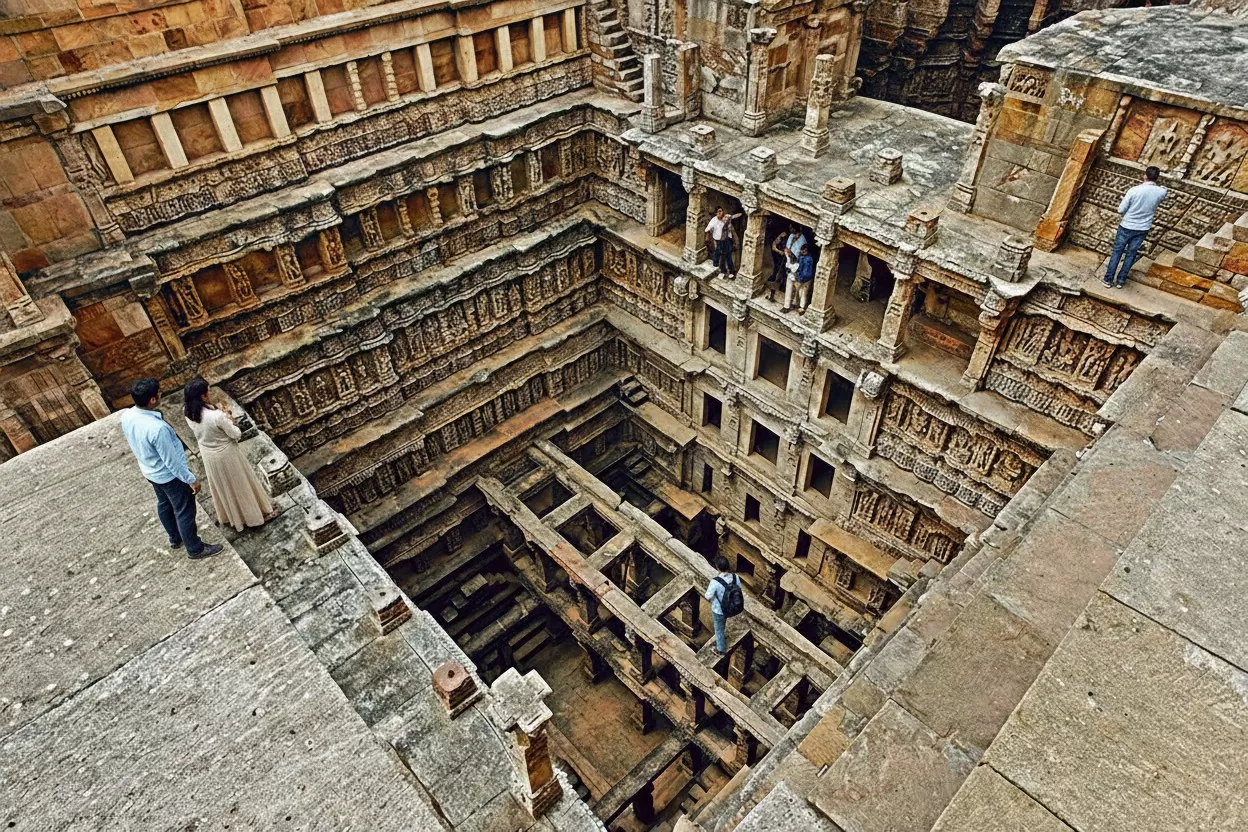
Rani ki Vav is one of India’s finest stepwells and a UNESCO World Heritage Site located in the historic town of Patan. Built during the 11th century by Queen Udayamati in memory of King Bhimdev I of the Solanki dynasty, this architectural masterpiece reflects the artistic brilliance of ancient India. Designed as an inverted temple, the stepwell is famous for its intricate carvings, beautifully sculpted pillars, and mythological figures. The structure descends several levels underground and once served as a water storage system as well as a spiritual and social gathering place.
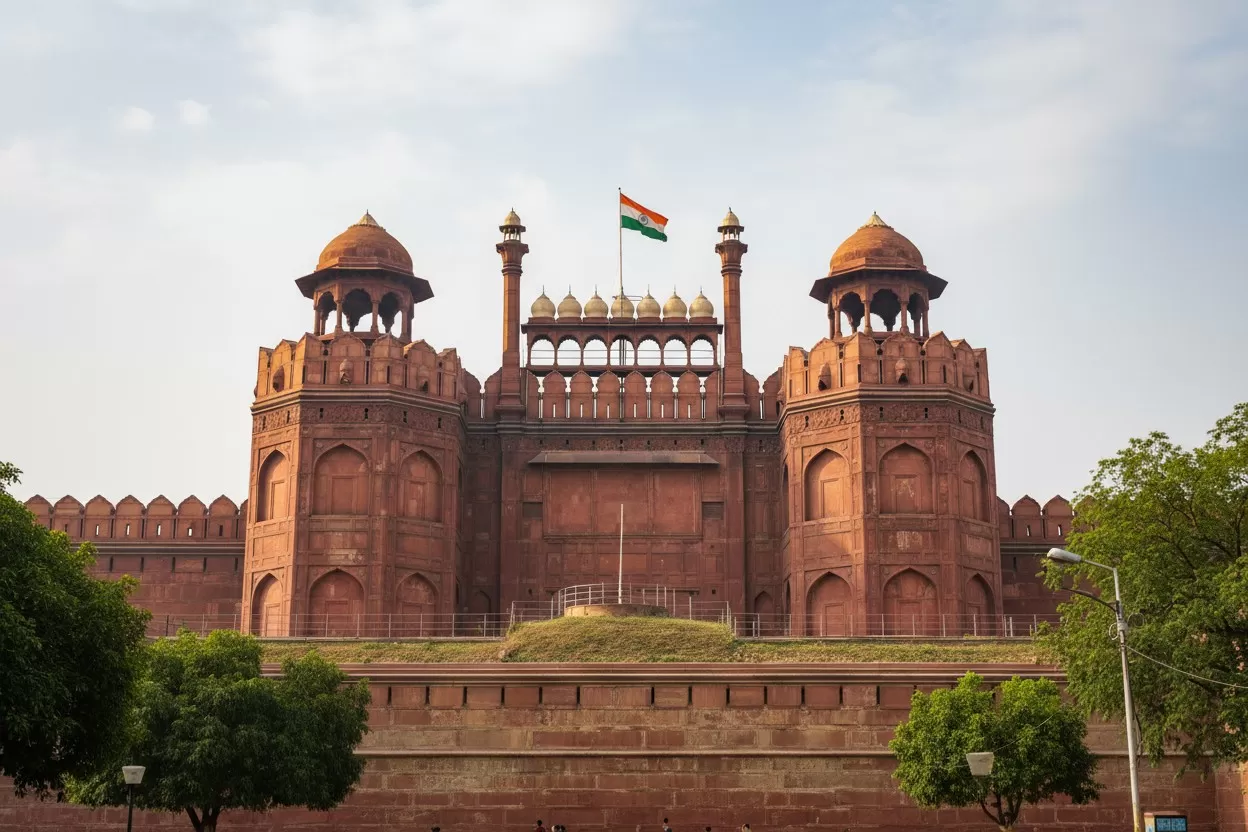
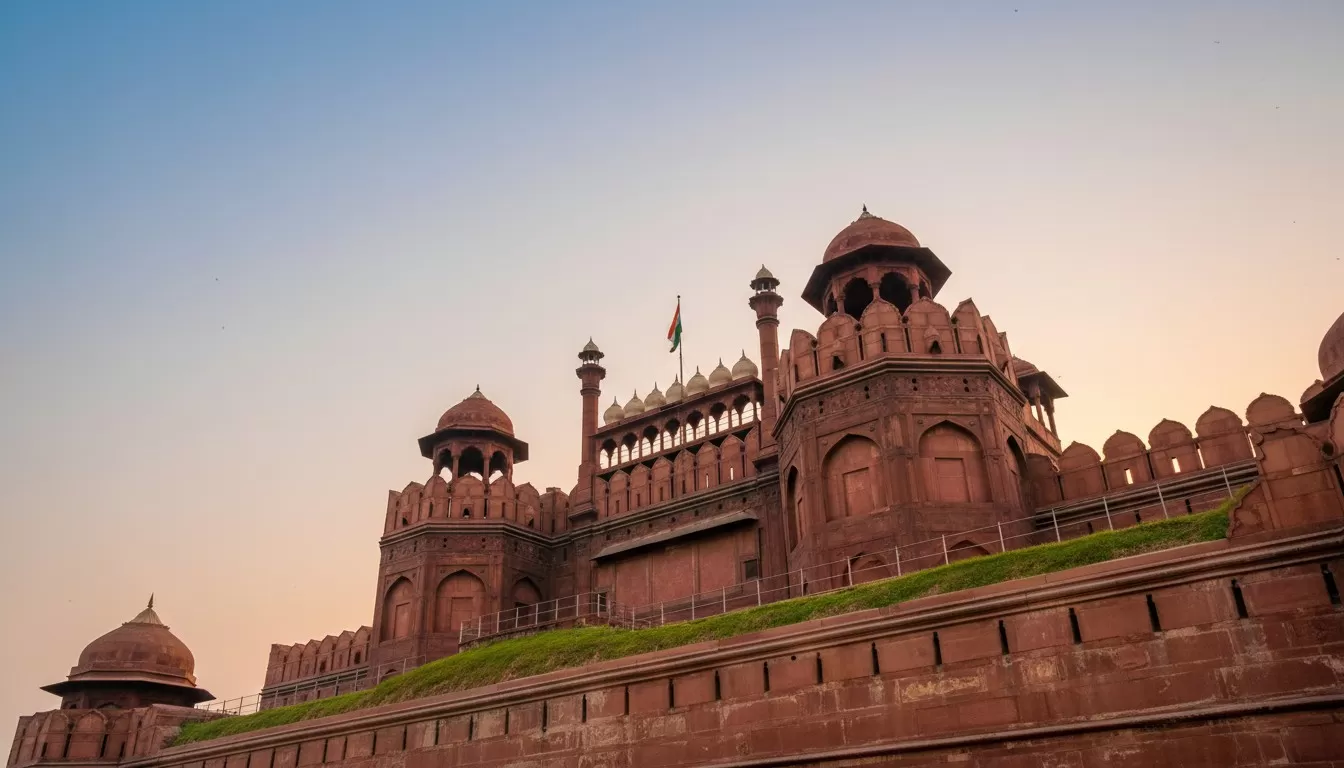
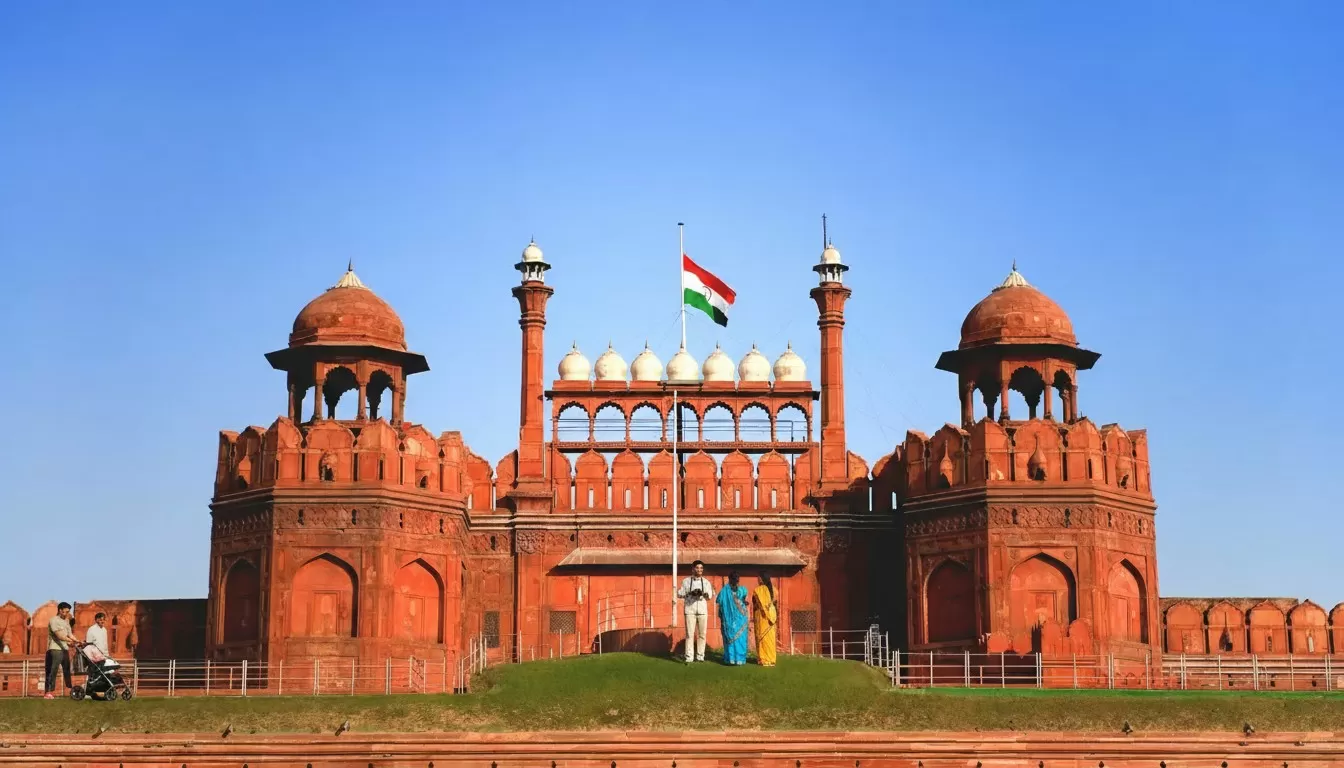
The Red Fort is one of India’s most famous historical monuments and a UNESCO World Heritage Site. Built in 1648 by Mughal Emperor Shah Jahan, the fort served as the main residence of the Mughal emperors for nearly 200 years. Constructed using massive red sandstone walls, the fort represents the brilliance of Mughal architecture, combining Persian, Timurid, and Indian styles. Every year on India’s Independence Day, the Prime Minister hoists the national flag here, making it a symbol of national pride and heritage.
Fatehpur Sikri
📍 Fatehpur Sikri • Agra • Uttar Pradesh
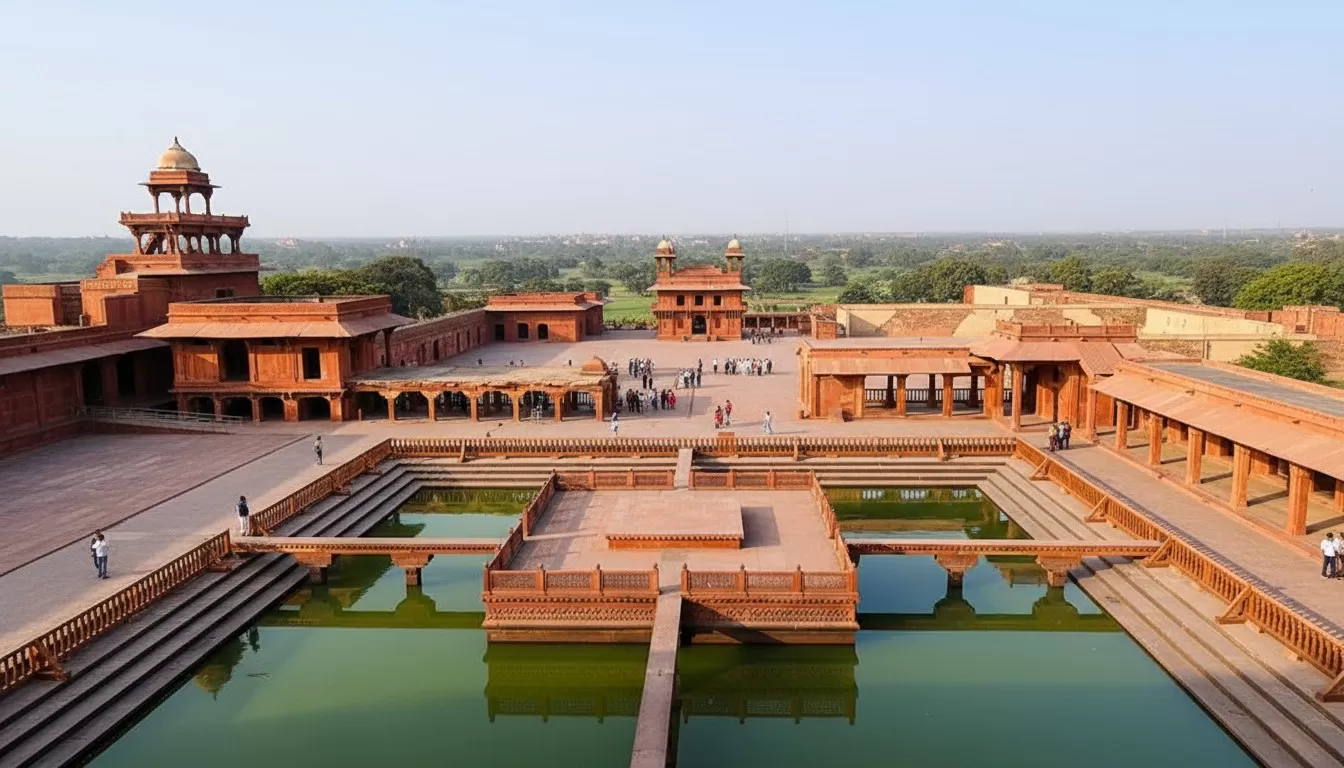
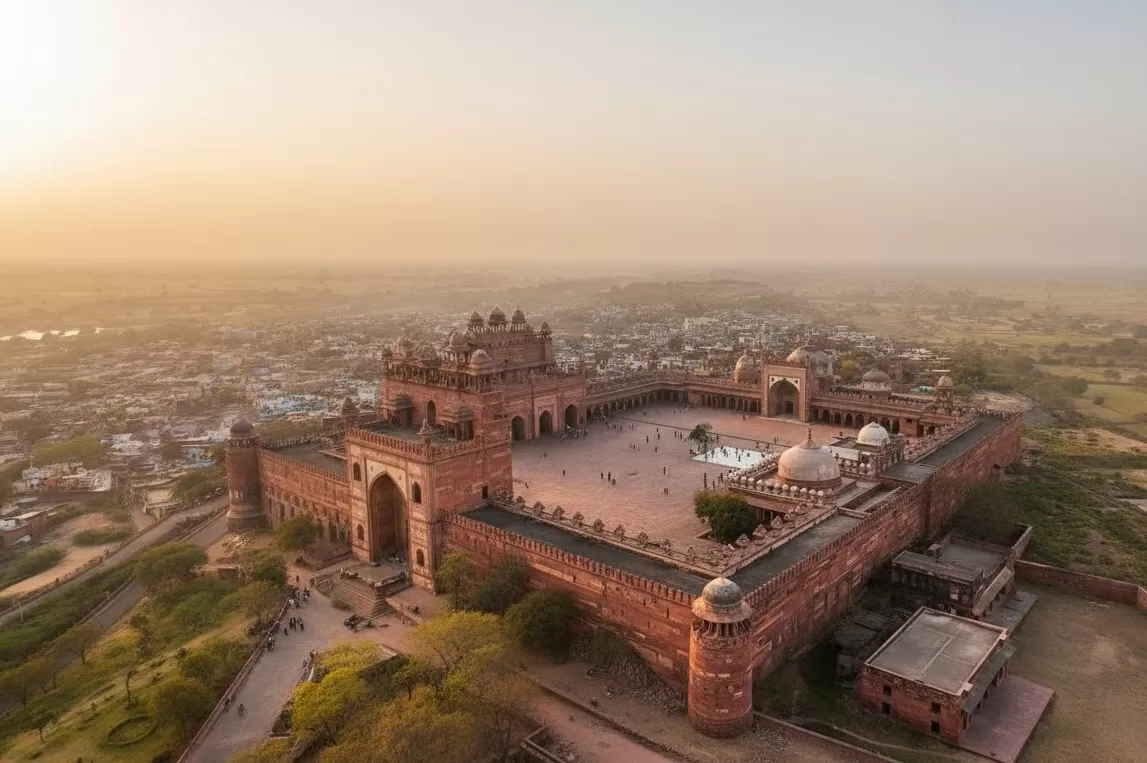
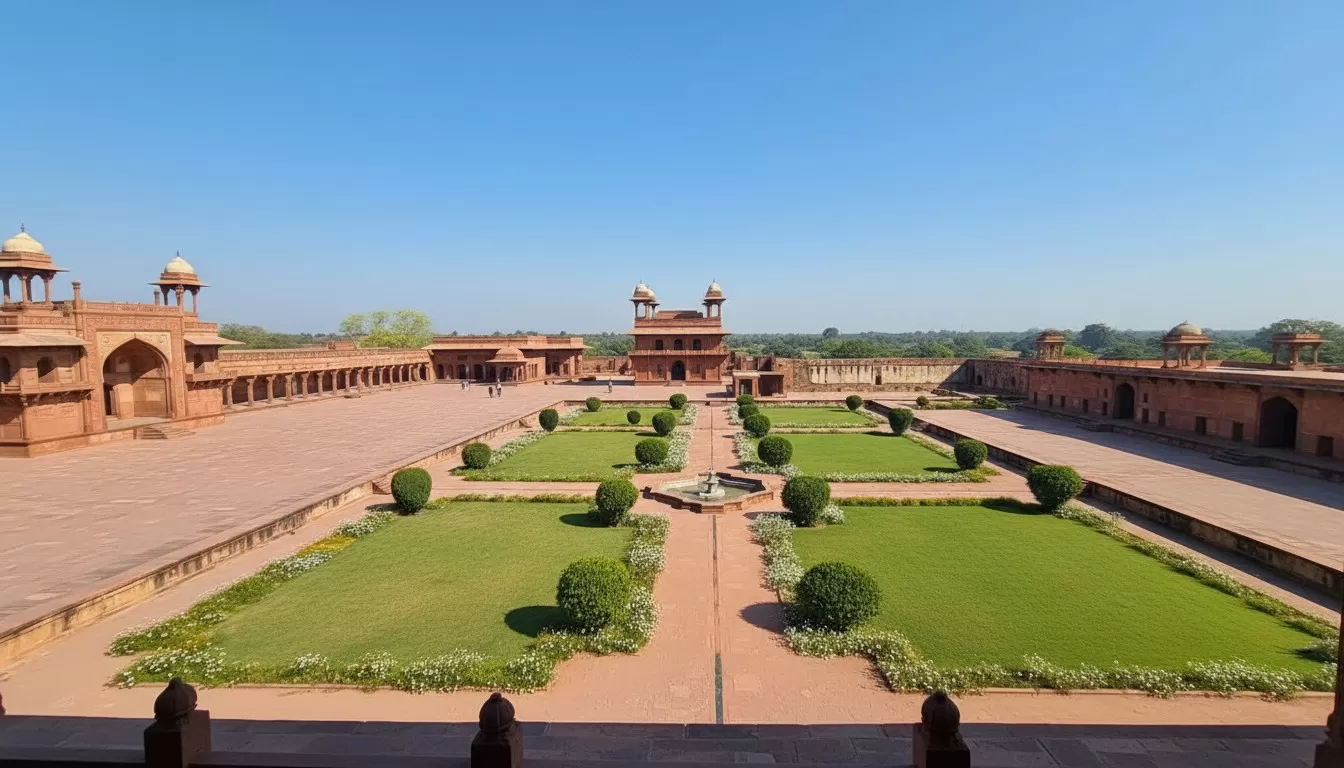
Fatehpur Sikri is a historic city located about 40 km from Agra in Uttar Pradesh. Built in the 16th century by the Mughal Emperor Akbar, it served as the capital of the Mughal Empire for a short period. The city is renowned for its magnificent red sandstone architecture, grand palaces, mosques, and courtyards. Recognized as a UNESCO World Heritage Site, Fatehpur Sikri reflects a unique blend of Hindu, Persian, and Islamic architectural styles and remains one of India's most important historical attractions.
Qutub Minar
📍 • South Delhi • Delhi
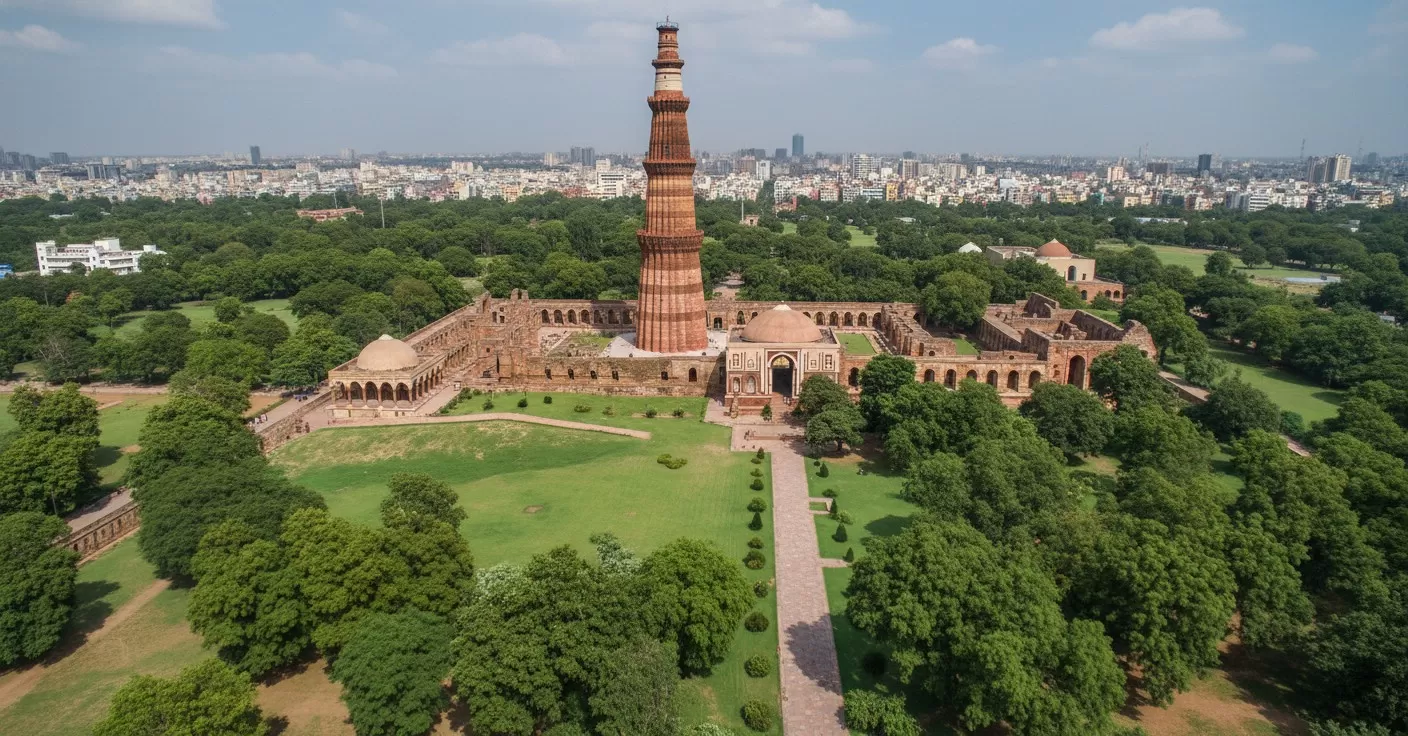
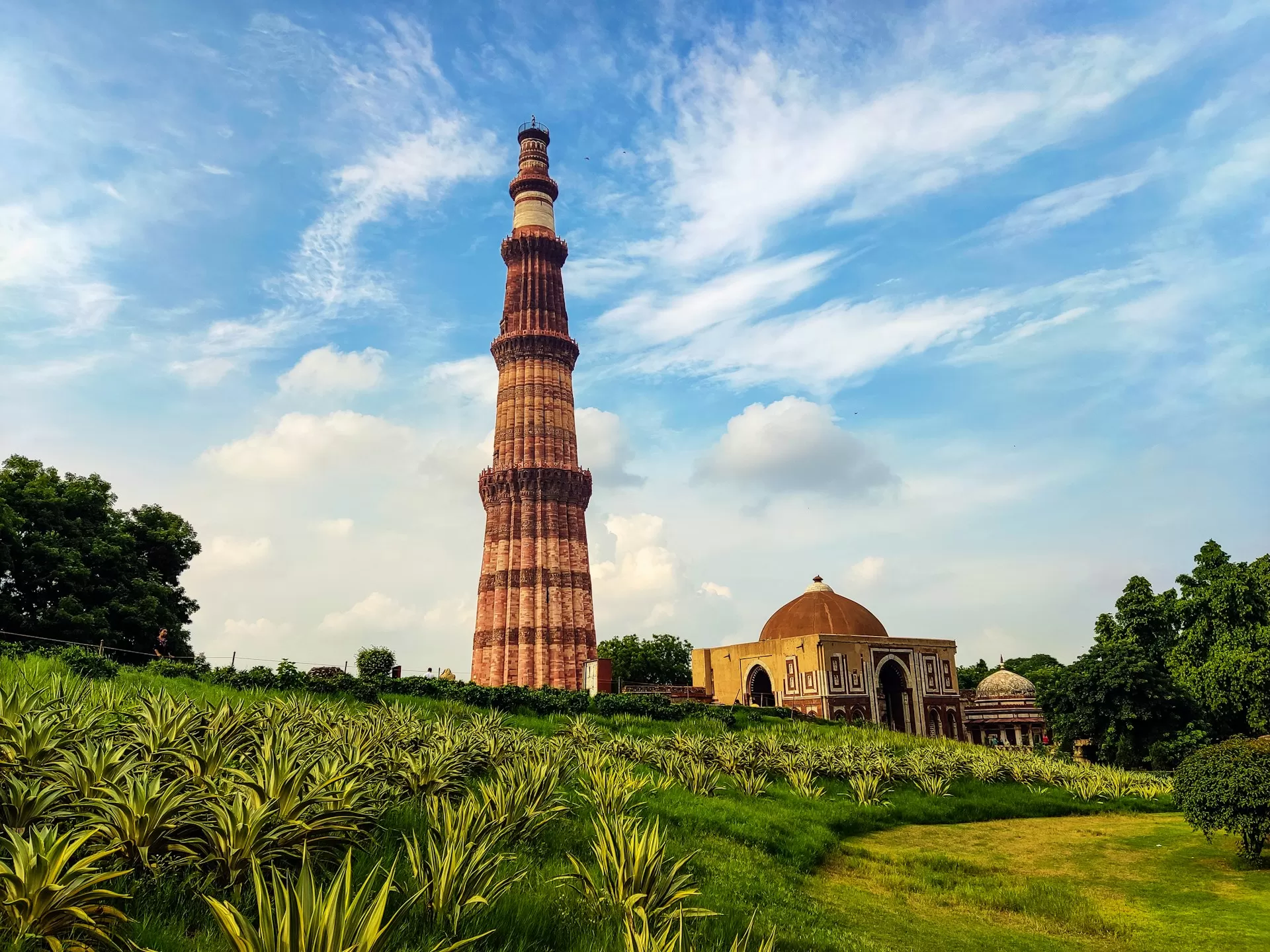
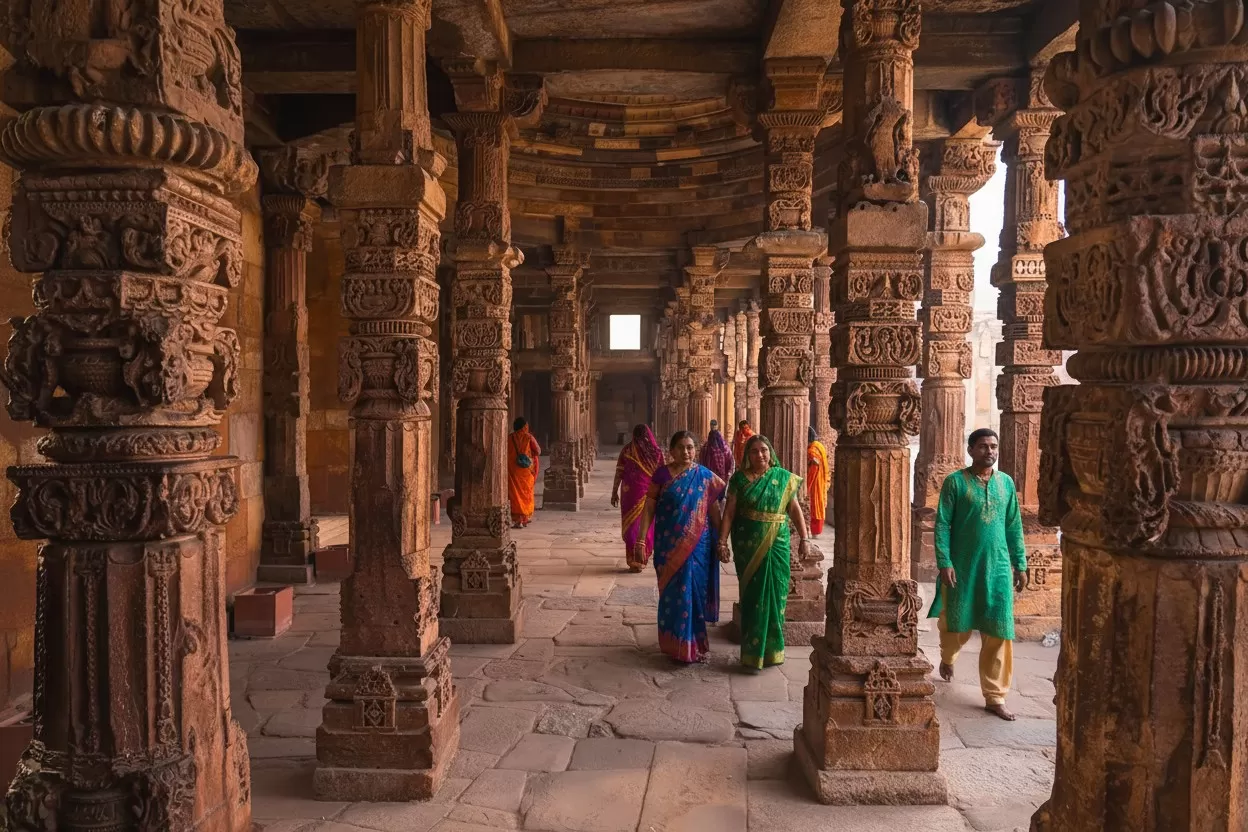
Qutub Minar is one of the most famous historical monuments in India and a symbol of Delhi's rich cultural heritage. Built in 1193 by Qutb-ud-din Aibak, the tower was later completed by his successors. Standing at a height of approximately 72.5 meters (238 feet), it is the tallest brick minaret in the world and is recognized as a UNESCO World Heritage Site. The monument showcases a remarkable blend of Indo-Islamic architecture with intricate carvings, Arabic inscriptions, and beautifully designed balconies.
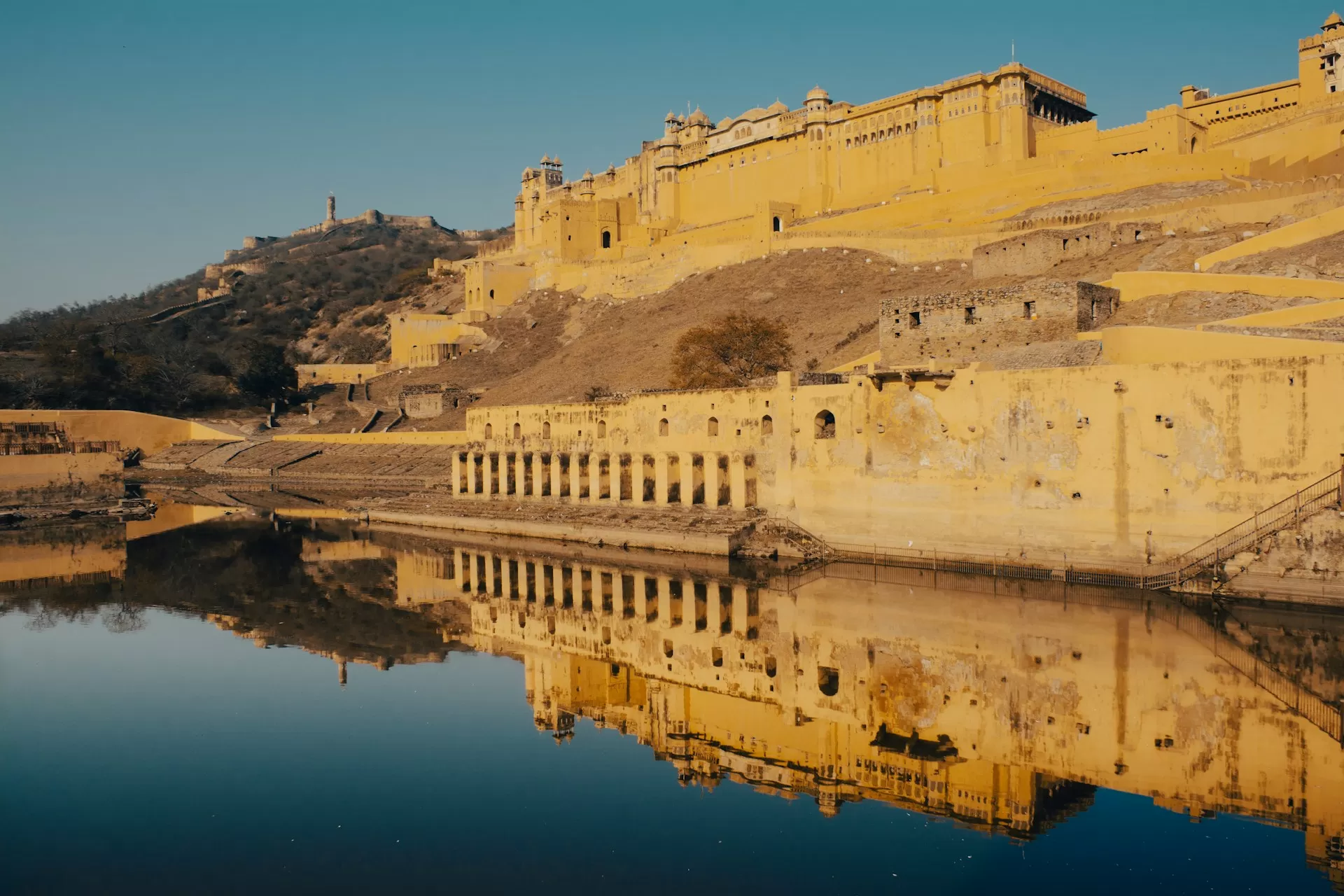
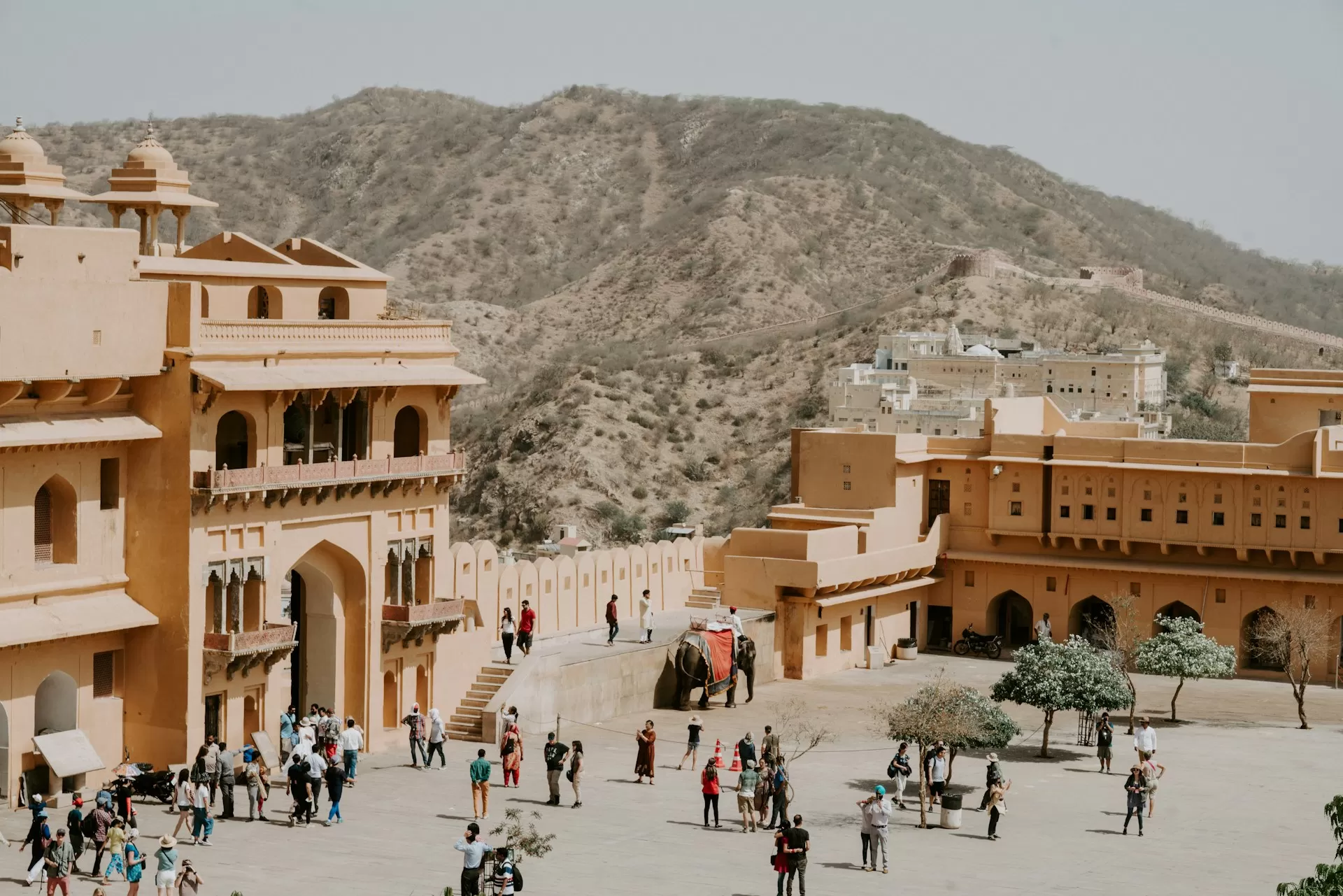
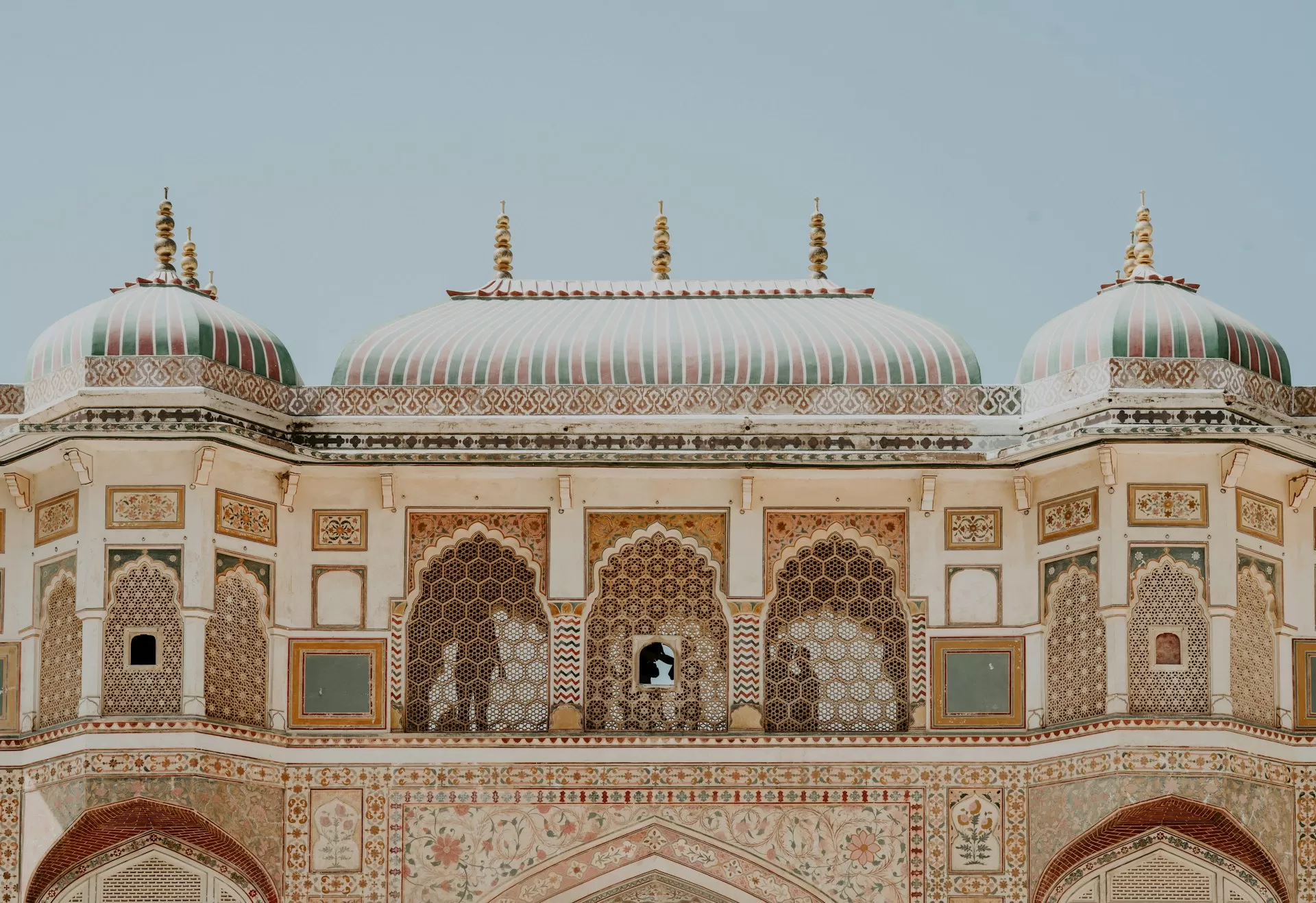
Amer Fort, also known as Amber Fort, is one of the most magnificent forts in India. Located about 11 kilometers from Jaipur in the state of Rajasthan, the fort was built primarily by Raja Man Singh I in 1592 and later expanded by successive rulers. Constructed from red sandstone and marble, the fort showcases a beautiful blend of Rajput and Mughal architectural styles. It is famous for its grand palaces, intricate mirror work, artistic carvings, spacious courtyards, and breathtaking views of the surrounding hills and lakes.
Konark Sun Temple
📍 Konark • Puri • Odisha
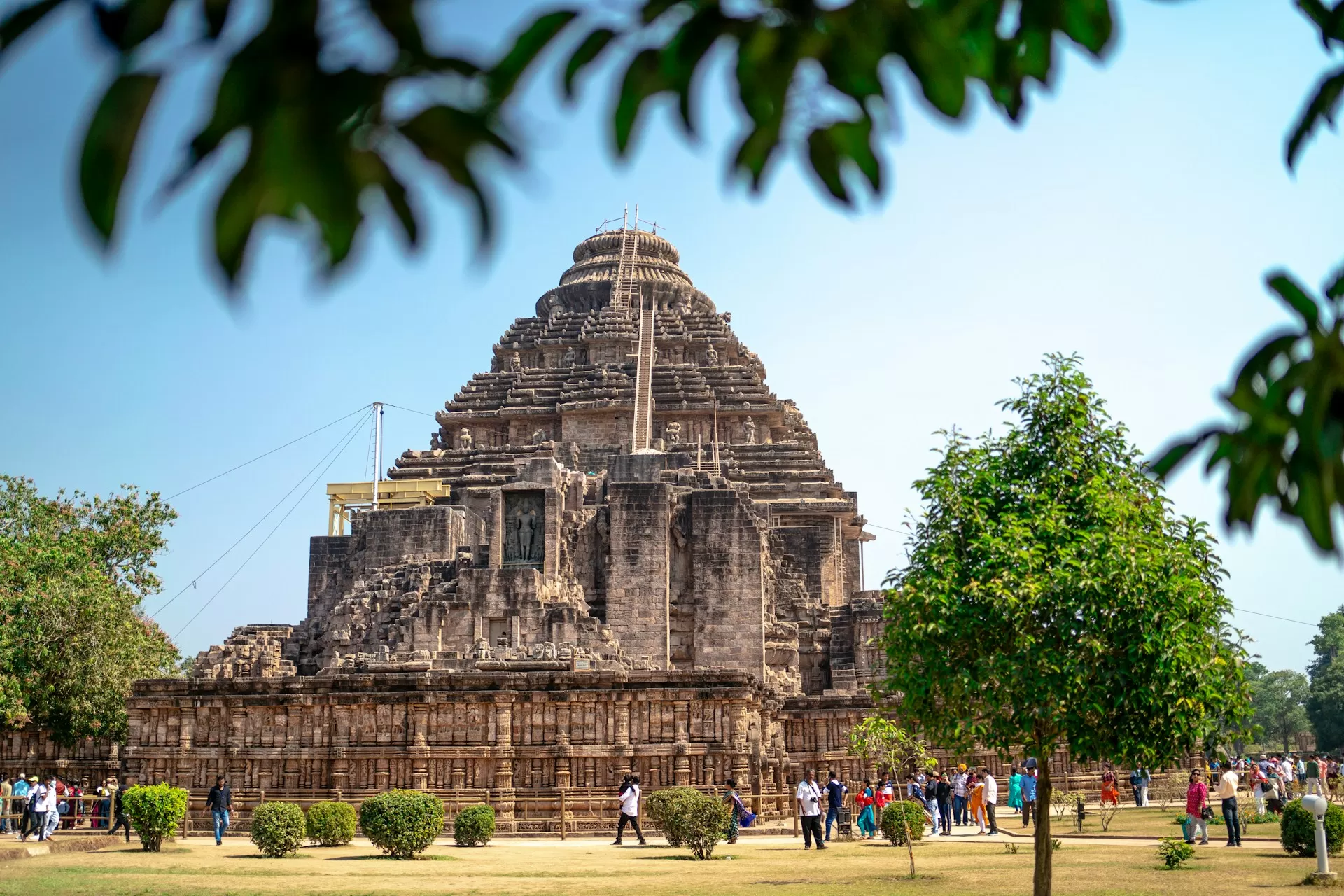
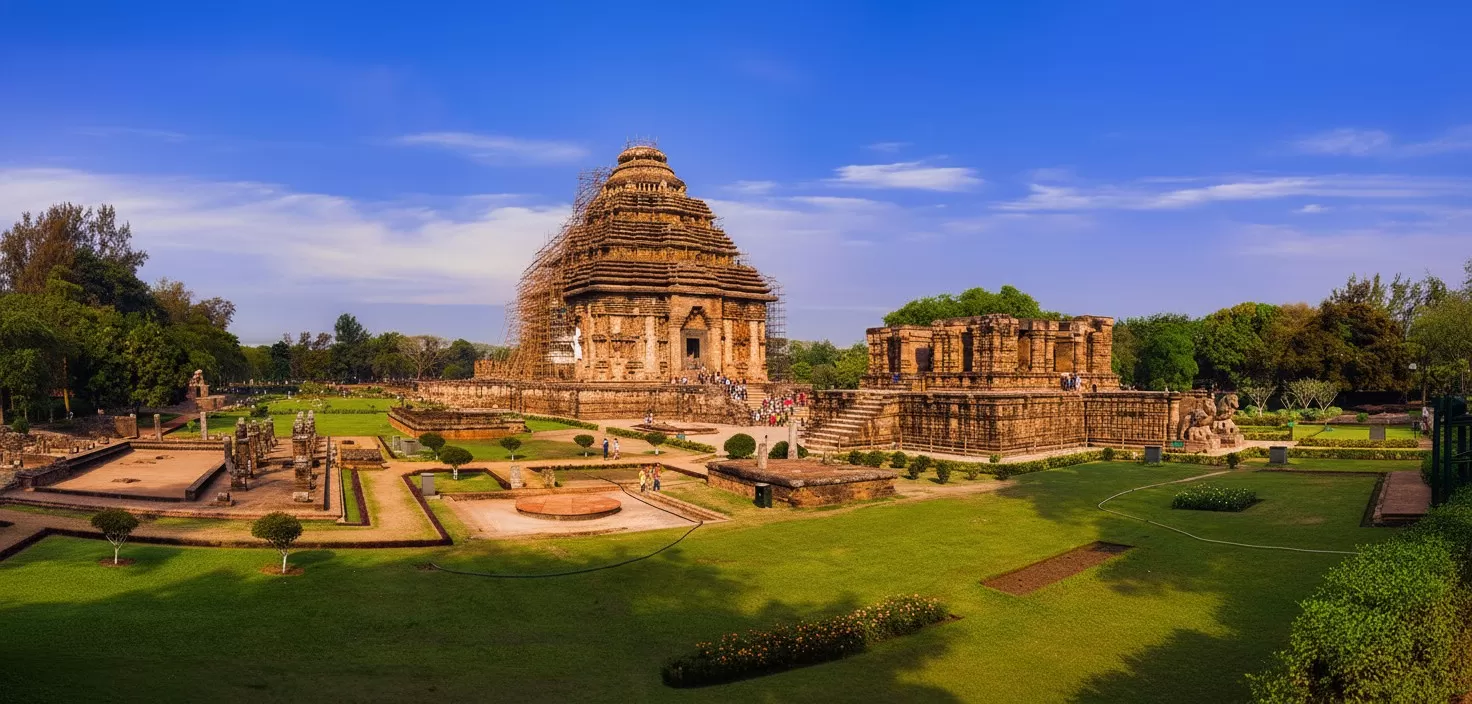
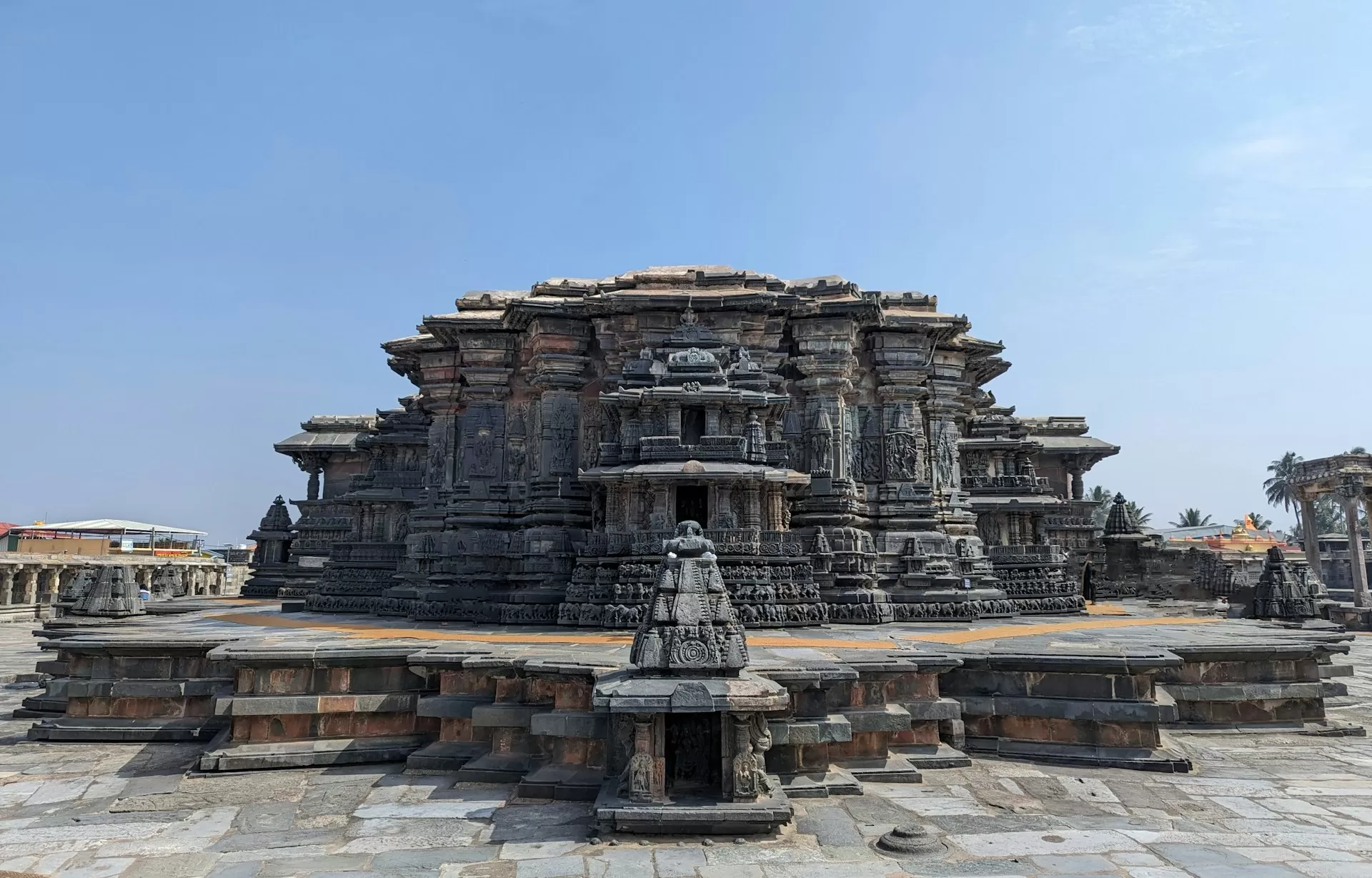
The Konark Sun Temple is one of India's most magnificent historical monuments, located in the town of Konark in the state of Odisha. Built in the 13th century by King Narasimhadeva I, the temple is dedicated to the Sun God, Surya. Designed in the form of a colossal stone chariot with twelve pairs of intricately carved wheels and seven horses, it represents the Sun God's journey across the sky. Recognized as a UNESCO World Heritage Site, the temple is celebrated for its remarkable architecture, artistic excellence, and historical significance. Although parts of the original structure have collapsed over time, the remaining carvings continue to amaze visitors with their precision and beauty. The temple reflects the advanced engineering, artistic skills, and cultural richness of medieval India, making it one of the country's most important heritage attractions.
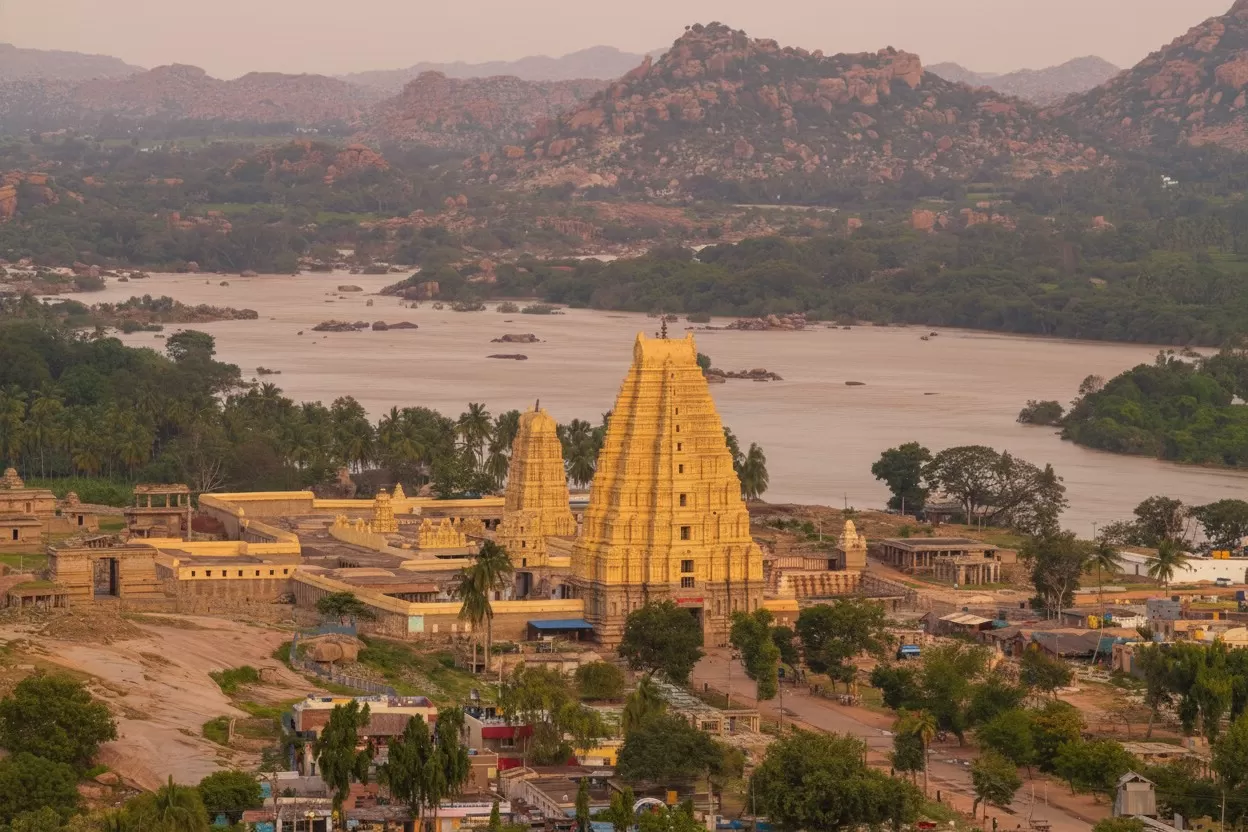
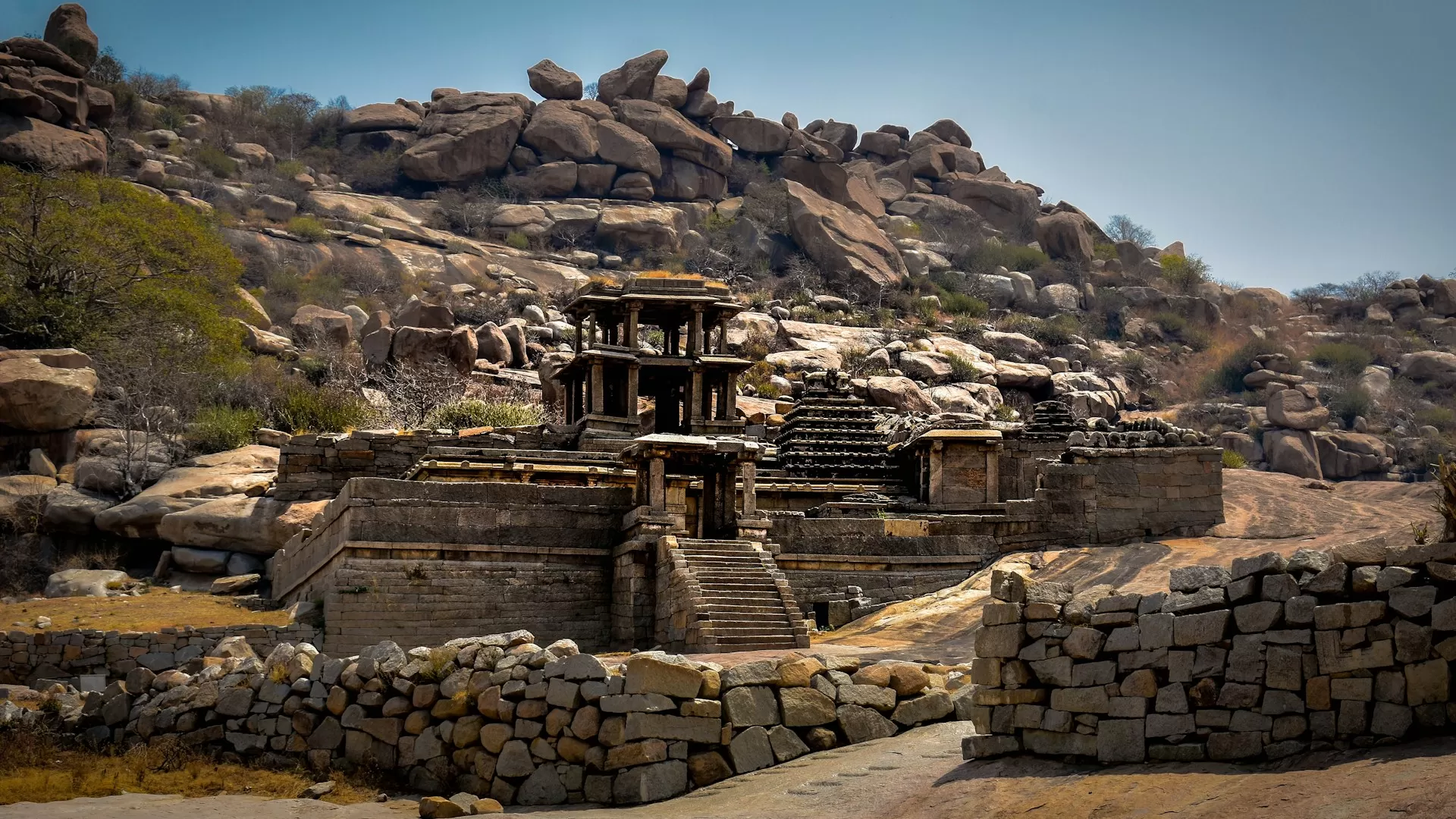
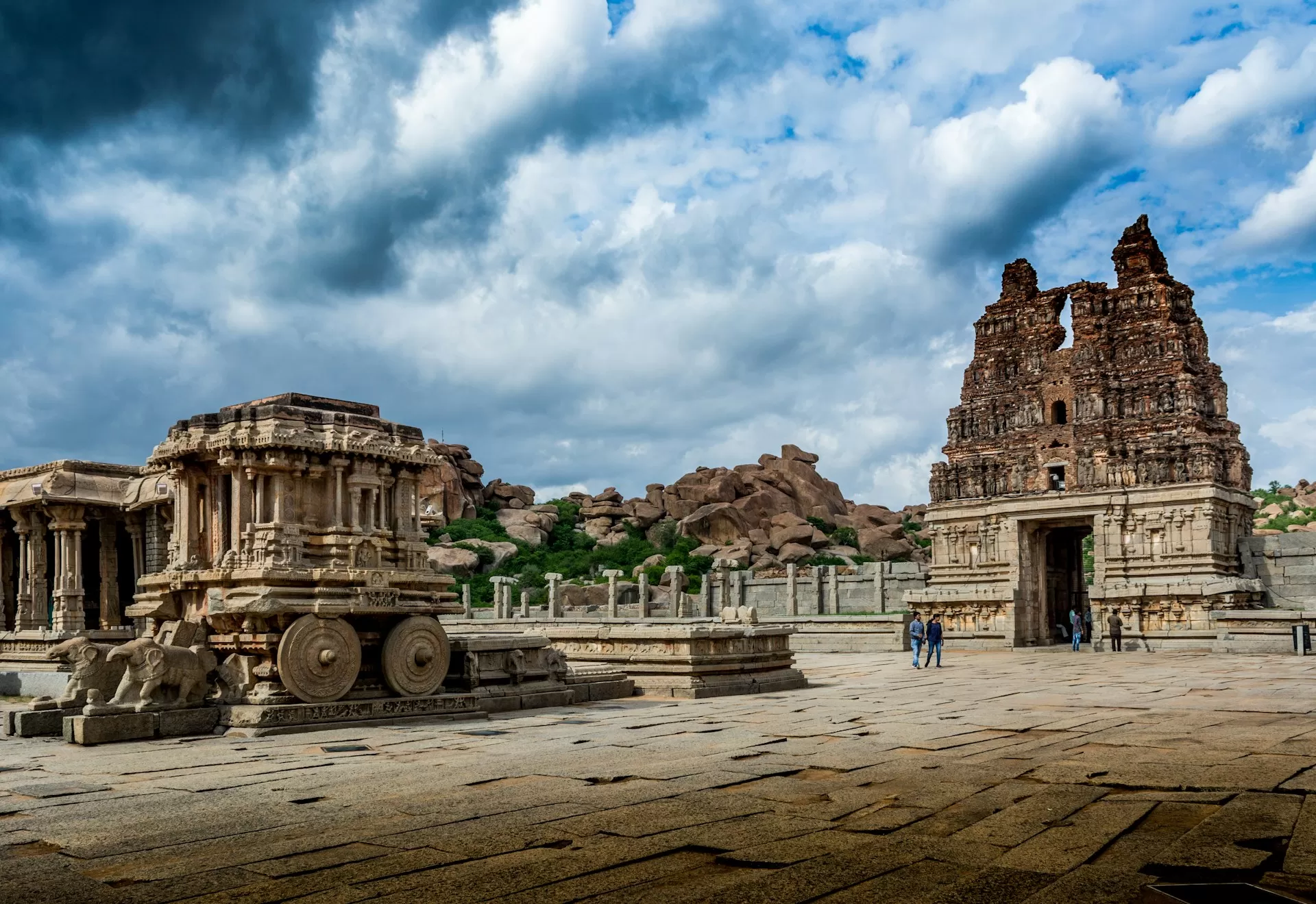
Hampi is one of India's most famous historical destinations, located in the state of Karnataka. It was the capital of the powerful Vijayanagara Empire during the 14th–16th centuries and is now recognized as a UNESCO World Heritage Centre World Heritage Site. Hampi is renowned for its magnificent temples, royal complexes, giant boulders, ancient markets, and stunning landscapes spread across a vast area along the Tungabhadra River.