
Khajuraho Group of Monuments
8:00 AM–6:00 PM
₹₹40
October to March
3 - 5 hr
Available
Yes
Khajuraho Group of Monuments
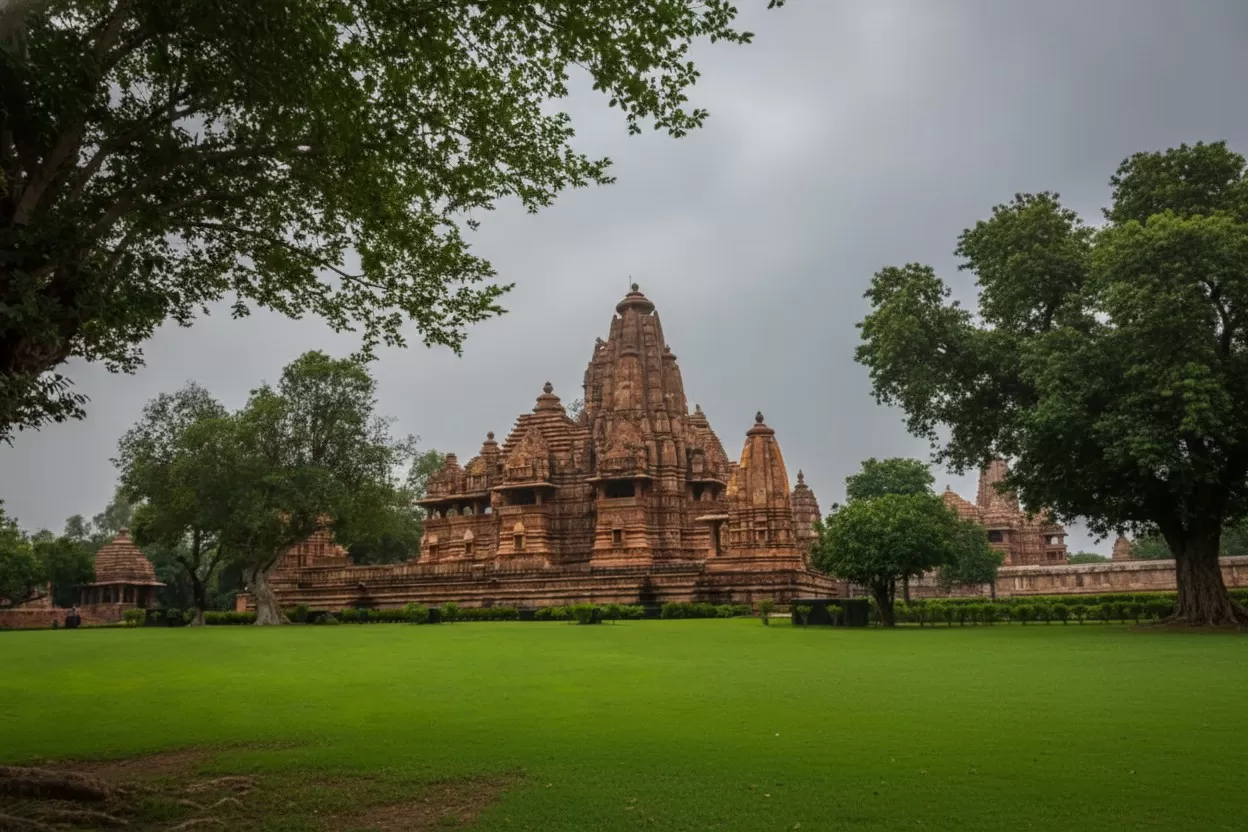
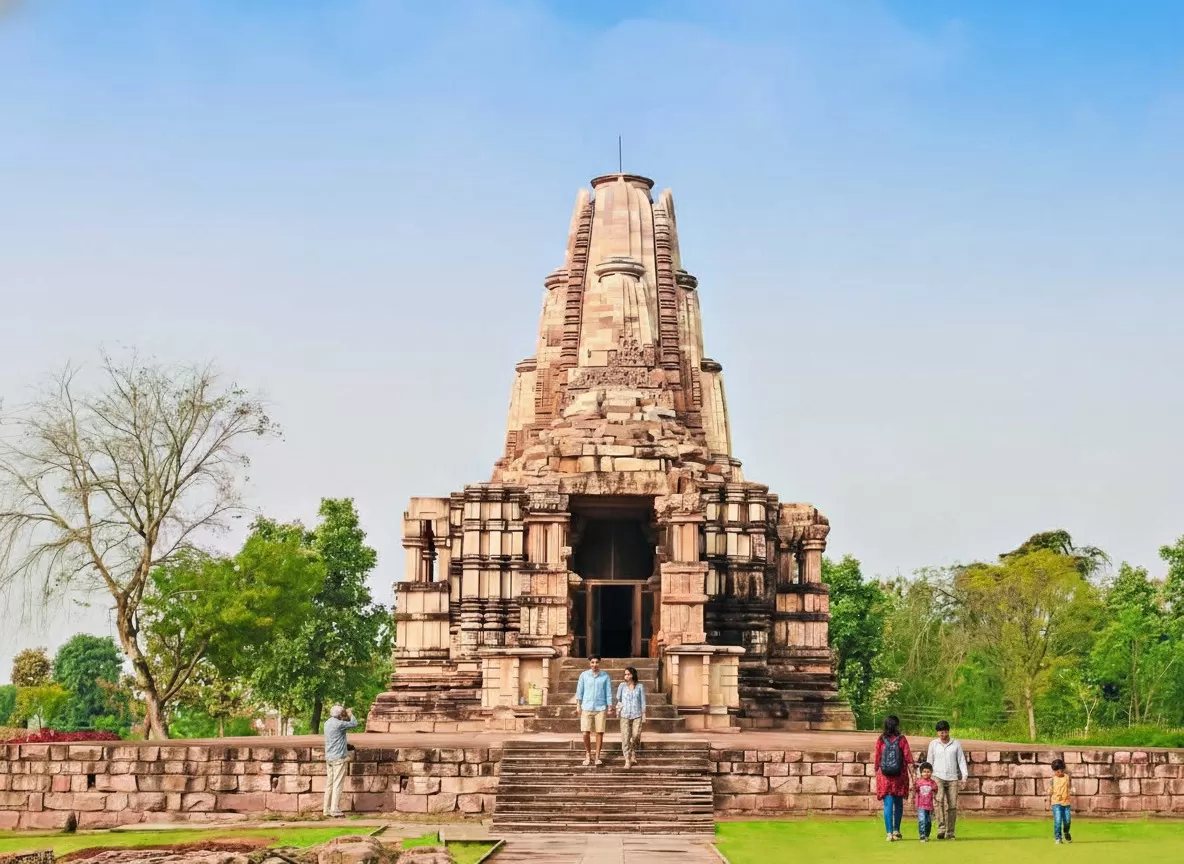
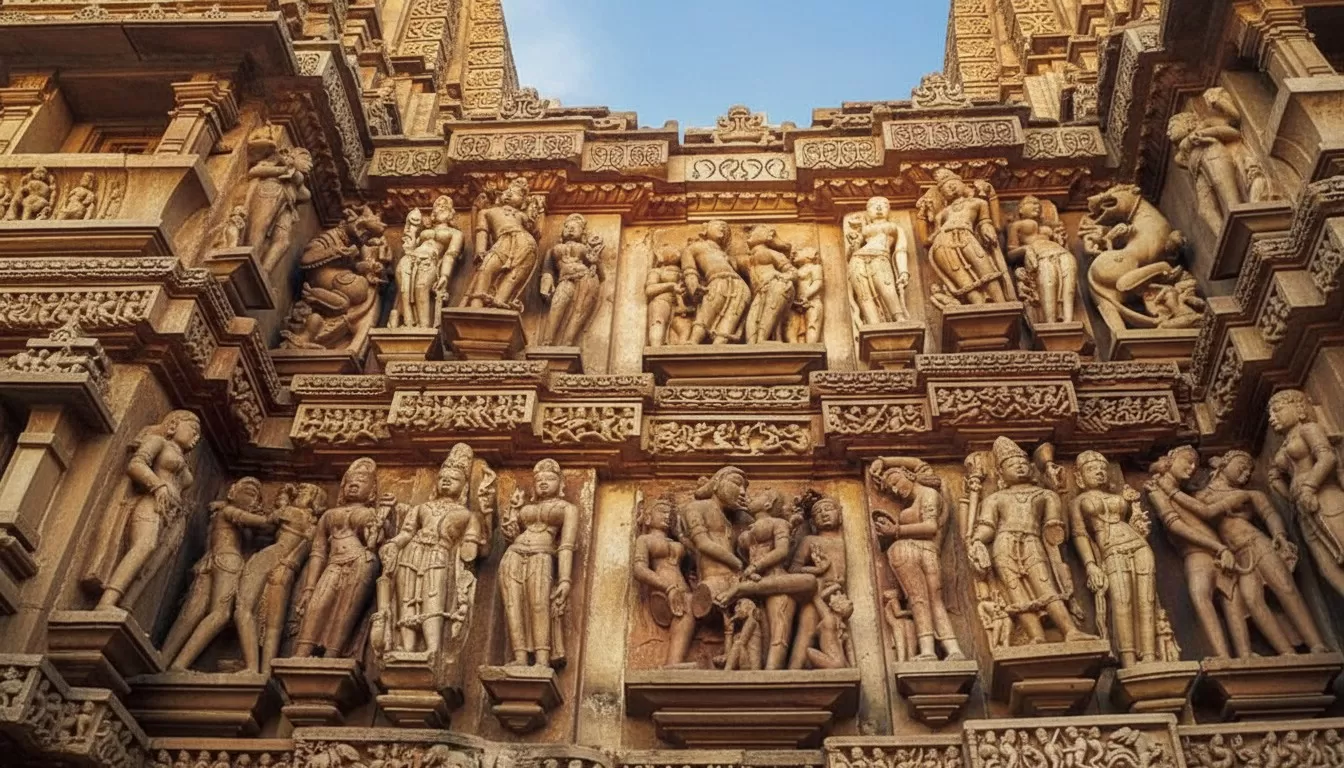
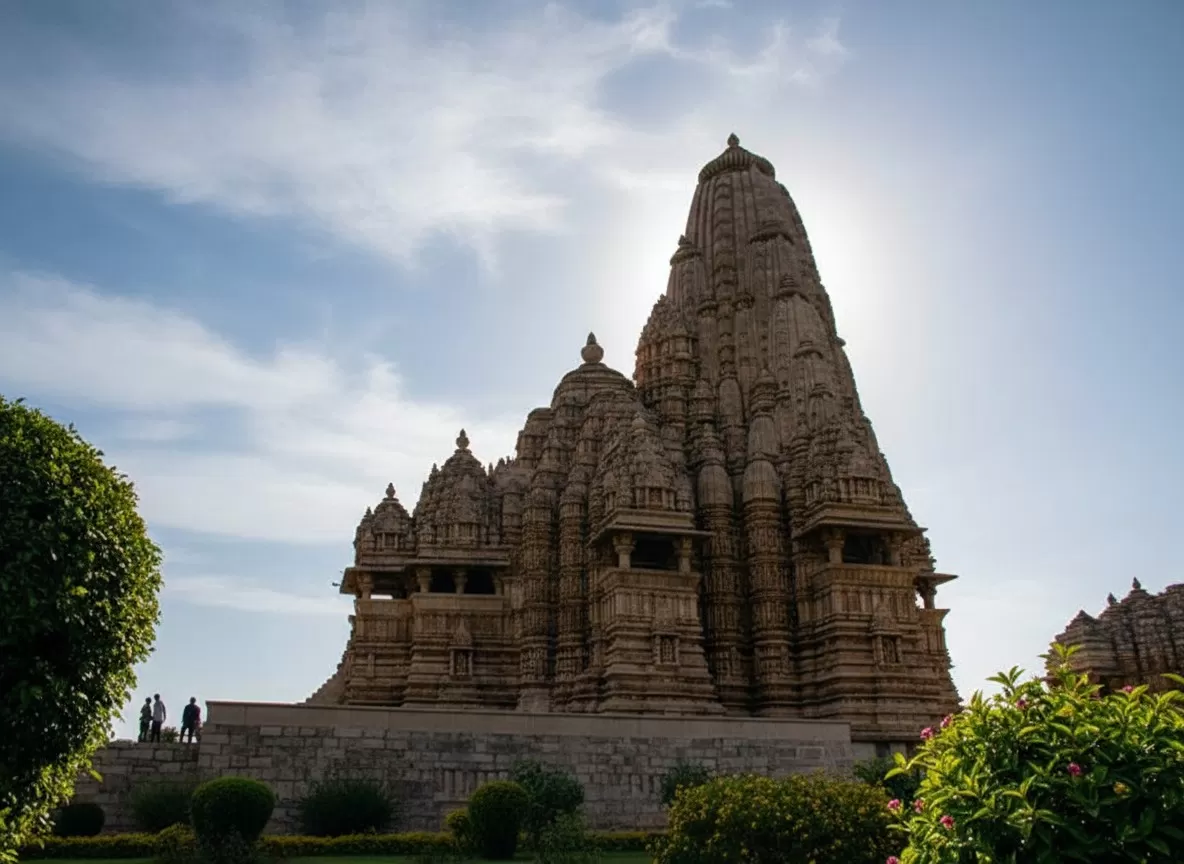
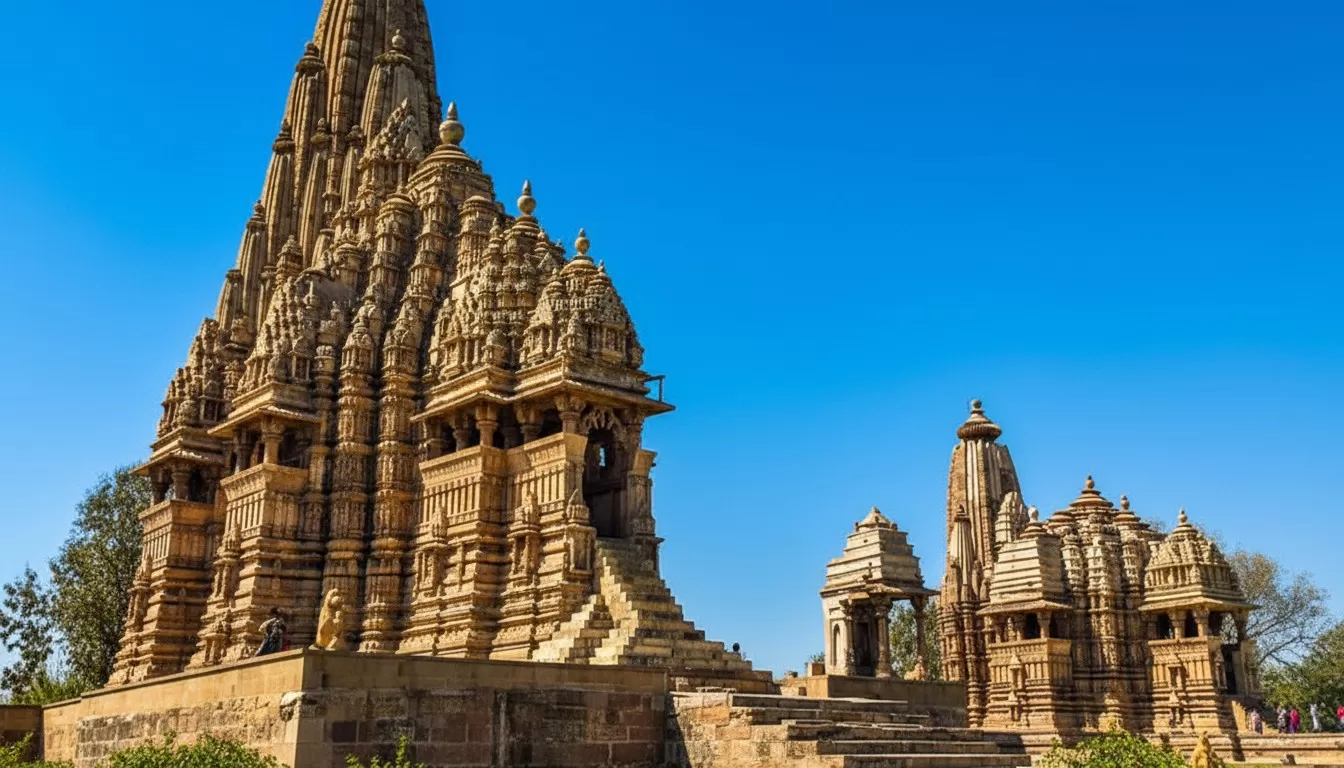
The Khajuraho Group of Monuments is a UNESCO World Heritage Site renowned for its stunning Nagara-style temple architecture and intricate stone carvings. Built between the 9th and 12th centuries by the Chandela dynasty, the temples showcase exceptional craftsmanship, depicting gods, goddesses, celestial beings, daily life, music, dance, and famous erotic sculptures. Originally consisting of around 85 temples, about 25 survive today. Khajuraho is considered one of India's greatest architectural and cultural treasures, attracting visitors, historians, and art enthusiasts from around the world.
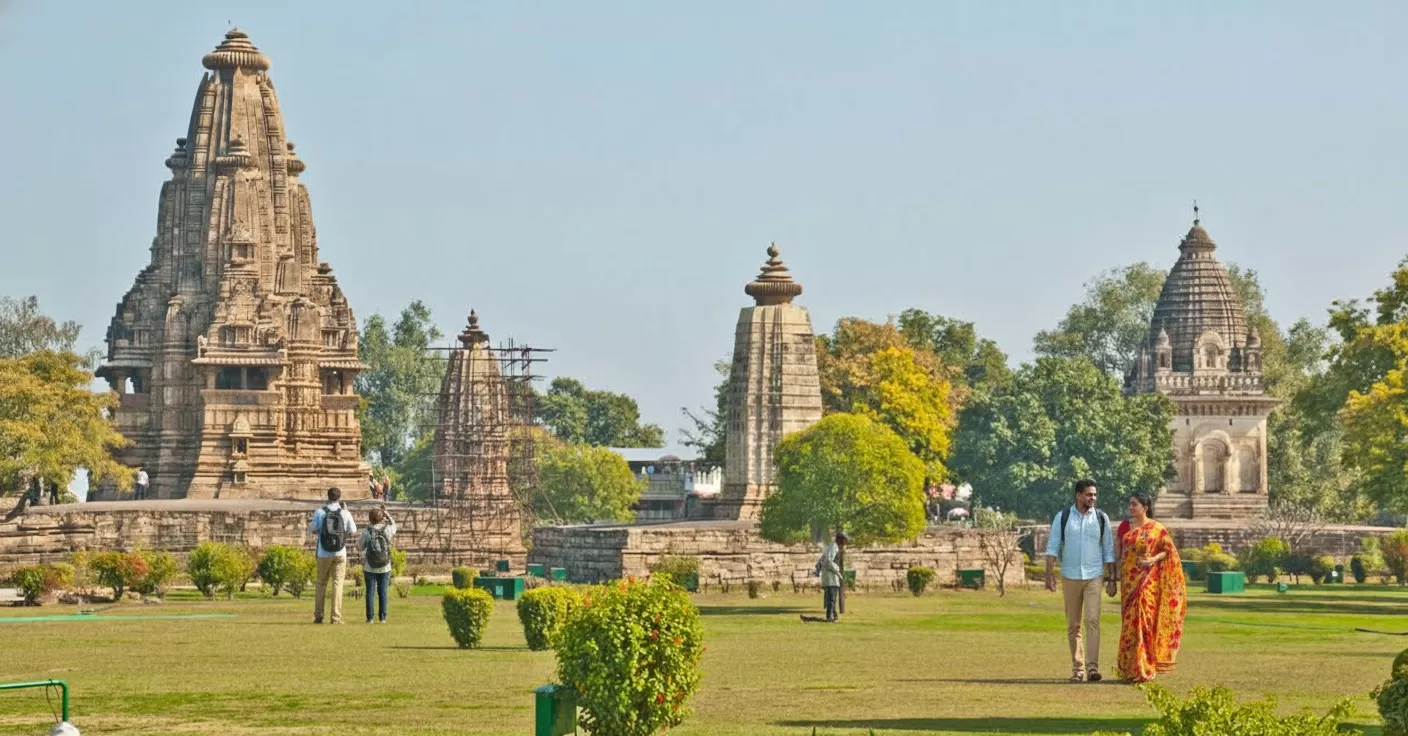
Originally, Khajuraho consisted of around 85 temples spread over a vast area. Today, about 25 temples remain, preserving the rich cultural and spiritual heritage of medieval India. These temples are divided into Western, Eastern, and Southern Groups, each showcasing unique architectural styles and religious significance. The temples are dedicated to Hindu and Jain deities, reflecting the region's religious diversity and tolerance.
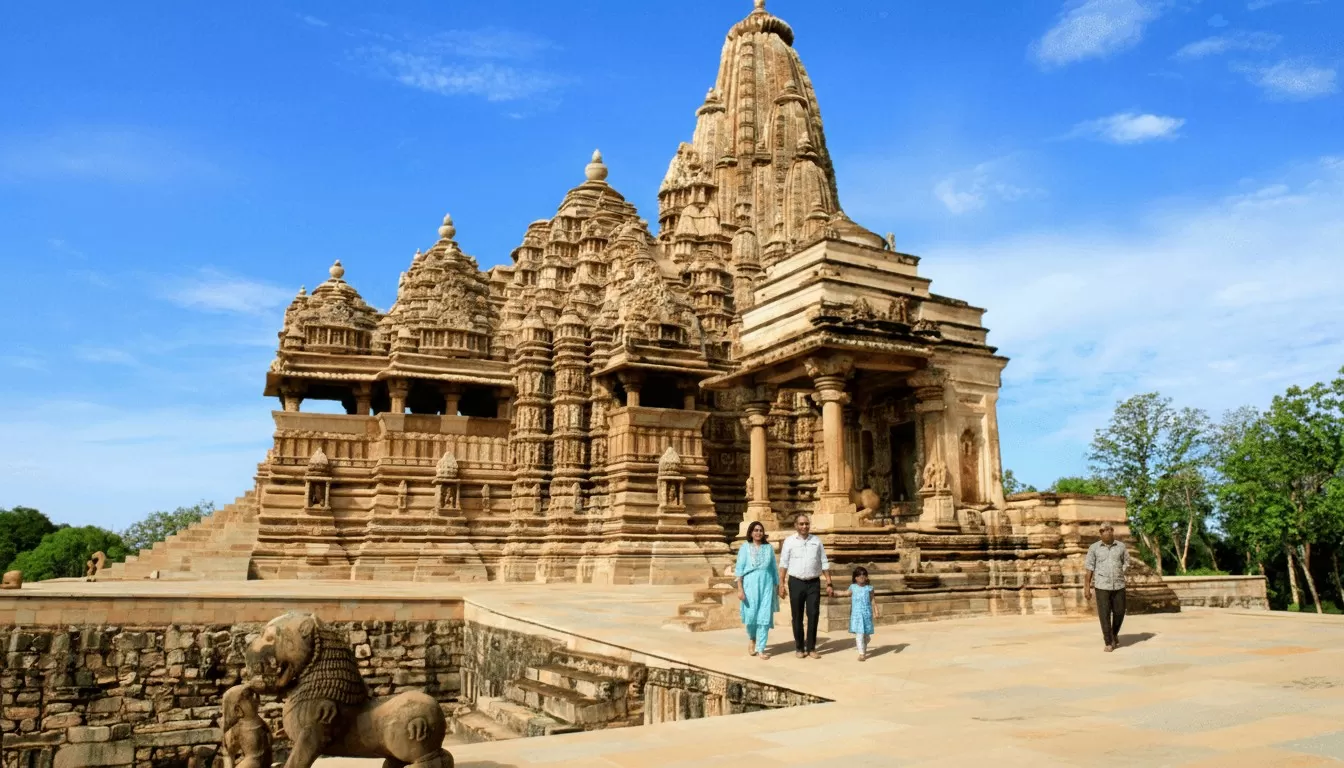
The most famous temples include Kandariya Mahadeva Temple, Lakshmana Temple, Vishvanatha Temple, and Chitragupta Temple. Their walls are adorned with thousands of sculptures depicting gods, goddesses, musicians, dancers, warriors, animals, and scenes from everyday life. The temples are particularly known for their erotic sculptures, which form only a small portion of the artwork but have gained worldwide attention. These carvings symbolize human emotions, spiritual growth, and the harmony between worldly and divine life.
Built primarily from sandstone, the temples exhibit remarkable craftsmanship and engineering precision. Their towering shikharas, detailed carvings, and symmetrical layouts make them masterpieces of Indian temple architecture.Apart from historical significance, Khajuraho offers a peaceful atmosphere, cultural events, museums, and a famous Light and Sound Show that narrates the history of the Chandela dynasty. The annual Khajuraho Dance Festival further enhances its cultural appeal by showcasing classical Indian dance performances against the magnificent temple backdrop. Today, Khajuraho remains a must-visit destination for travelers interested in history, art, architecture, spirituality, and India's rich cultural legacy.
📜 History
The history of the Khajuraho Group of Monuments goes back to the 10th and 11th centuries, when the Chandela rulers were at the peak of their power in central India. Between around 950 and 1050 CE, they built nearly 85 magnificent temples in and around Khajuraho. Today, only about 25 of these temples have survived, but they still showcase the remarkable skill of Indian craftsmen from that era. Contrary to popular belief, these temples were not built only to depict sculptures of love and romance. Most of them were dedicated to Lord Shiva, Lord Vishnu, and Jain Tirthankaras. The carvings reflect different aspects of life, including music, dance, warfare, daily activities, devotion, and spirituality. The famous sculptures are just one part of the larger artistic story.
After the decline of the Chandela dynasty in the 13th century, Khajuraho gradually lost its importance. As the region became less populated, thick forests surrounded the temples, and they remained hidden for several centuries.
In 1838, British engineer Captain T.S. Burt came across these temples during one of his journeys. His reports attracted the attention of historians and archaeologists, leading to restoration and conservation work. Later, the Archaeological Survey of India took charge of protecting the monuments. Today, the Khajuraho Group of Monuments is recognised as a UNESCO World Heritage Site and stands as one of India's finest examples of medieval temple architecture and artistic excellence.
Why Visit Khajuraho Group of Monuments?
Discover what makes this destination one of the most loved tourist attractions.
🍛 Bafla
Bafla is one of the traditional dishes of Madhya Pradesh. Wheat dough balls are boiled first and then baked until golden. They are served with spicy dal and plenty of ghee, making the meal rich and satisfying.
🍛 Bhutte Ka Kees
This popular local snack is made from grated corn cooked with milk, spices, green chillies, and mustard seeds. It has a soft texture and a mildly sweet taste.
🍛 Poha with Jalebi
A favourite breakfast across Madhya Pradesh, poha is prepared with flattened rice, peanuts, onions, turmeric, and fresh coriander. It is often served with hot, crispy jalebi for a perfect sweet-and-savoury combination.
🍛 Dal Bafla
Dal Bafla is a complete traditional meal in which baked wheat dumplings are served with spicy lentil curry, chutney, and ghee. It is filling and widely enjoyed across the region.
🍛 Mawa Bati
Mawa Bati is a famous sweet prepared from khoya (mawa), stuffed with dry fruits, deep-fried, and soaked in sugar syrup. It is commonly enjoyed during festivals and special occasions.
Heritage Walk
Walk through historic streets and heritage sites to discover the past. Enjoy the architecture, culture, and stories preserved for generations.
Explore Ancient Architecture
Admire magnificent ancient buildings, forts, temples, and monuments. Observe the craftsmanship and architectural brilliance of earlier civilizations.
Photography
Capture memorable photographs of historic monuments and scenic surroundings. Respect site rules and avoid restricted photography areas.
Guided Tour
Join a guided tour to learn fascinating stories behind the monument. Expert guides provide valuable historical facts and local insights.
Learn History
Discover the rich history, culture, and legacy of the destination. Learn about important events, rulers, and historical significance.
Museum Visit
Explore museums displaying ancient artifacts, sculptures, and historical collections. Gain deeper knowledge about the region's cultural heritage.
Attend Light & Sound Show
Enjoy an impressive light and sound show that brings history to life. The show narrates historical events with music, lights, and storytelling.
Local Shopping
Browse local markets for handicrafts, souvenirs, and traditional products. Support local artisans while taking home memorable keepsakes.
Cultural Experience
Experience local traditions, folk performances, and cultural activities. Interact with the community to understand their heritage and lifestyle.
Visit Nearby Monuments
Visit nearby monuments and archaeological sites during your trip. Explore multiple heritage attractions to enrich your historical experience.
Travel Tips & Essential Information
Everything you should know before visiting Khajuraho Group of Monuments.
Best Time to Visit
October to March
What to Wear
Wear comfortable clothes and walking shoes. Carry a light jacket during winter mornings.
Photography
Sunrise and sunset provide the best lighting for beautiful photographs.
Local Food
Try nearby local restaurants to enjoy authentic regional cuisine.
Safety Tips
Keep your belongings secure and follow local guidelines during your visit.
Accessibility
The destination is accessible by road with nearby parking and public transport facilities.
Carry Water
Stay hydrated, especially during summer and while exploring outdoor attractions.
Nearby Facilities
Hotels, restaurants, ATMs, fuel stations and medical services are available nearby.
Travel Information
How to Reach
- By Air :-Khajuraho Airport connects the town with major cities like Delhi and Varanasi.,
- By Train :-Khajuraho Railway Station is well connected to cities such as Delhi Kanpur and Jhansi.,
- By Road :-Khajuraho has good road connectivity from nearby cities:Jhansi – approx. 175 km; Satna – approx. 120 km;
- Panna – approx. 45 km; Regular buses and taxis are available.
Travel Tips & Essential Information
- Best time to visit: October to March,
- Wear comfortable walking shoes,
- Carry water sunscreen and hats during summer,
- Hire a local guide for better historical understanding,
- Visit early morning or evening for pleasant weather,
- Respect temple heritage and maintain cleanliness,
- Photography is allowed in most areas
Why Visit
- UNESCO World Heritage Site,
- Magnificent stone carvings and architecture,
- Ancient Hindu and Jain temples,
- Famous Khajuraho Dance Festival,
- Excellent photography destination,
- Peaceful spiritual atmosphere,
- Rich history of Chandela dynasty
Special Features
- Intricate sandstone carvings,
- Blend of spirituality and art,
- Nagara-style temple architecture,
- UNESCO recognition,
- Light and Sound Show in the evening,
- Unique erotic sculptures with symbolic meanings,
- Annual classical dance festival against temple backdrop
Things To Do
Current Weather
💧 Humidity
--💨 Wind
--👀 Visibility
--☀ UV Index
--Weather Details
🌫🌫 Air Quality
⭐ Travel Intelligence
🚨 Weather Alerts
⚙ System Status
Powered by
Photo Gallery
Find on Map
Visited Khajuraho Group of Monuments?
Share your experience, tips, and photos to help other travelers.
Share Your Experience
Best Time to Visit Khajuraho Group of Monuments?
October to March
Opening Time
8:00 AM–6:00 PM
Entry Fee
The entry fee is ₹₹40.
How much time is required?
3 - 5 hr
How to Reach Khajuraho Group of Monuments?
By Air :-Khajuraho Airport connects the town with major cities like Delhi and Varanasi.,
By Train :-Khajuraho Railway Station is well connected to cities such as Delhi Kanpur and Jhansi.,
By Road :-Khajuraho has good road connectivity from nearby cities:Jhansi – approx. 175 km; Satna – approx. 120 km;
Panna – approx. 45 km; Regular buses and taxis are available.