
EN हिंदी
Rani ki Vav
Rani ki Vav
Rani ki Vav
Rani ki Vav
Rani ki Vav
Rani ki Vav
Rani ki Vav
Rani ki Vav
1 / 8
Home Gujarat Rani ki Vav
Historical Place

Rani ki Vav

★★★★★ 3.9 (180 Reviews)
📍 • Patan• Gujarat
📍 Get Directions
🕒
Opening Time

8:00 AM – 6:00 PM

💰
Entry Fee

₹₹40

🌤️
Best Season

October to February

Duration

1.5-2 hr

🅿️
Parking

Available

👨‍👩‍👧‍👦
Family Friendly

Yes

Rani ki Vav

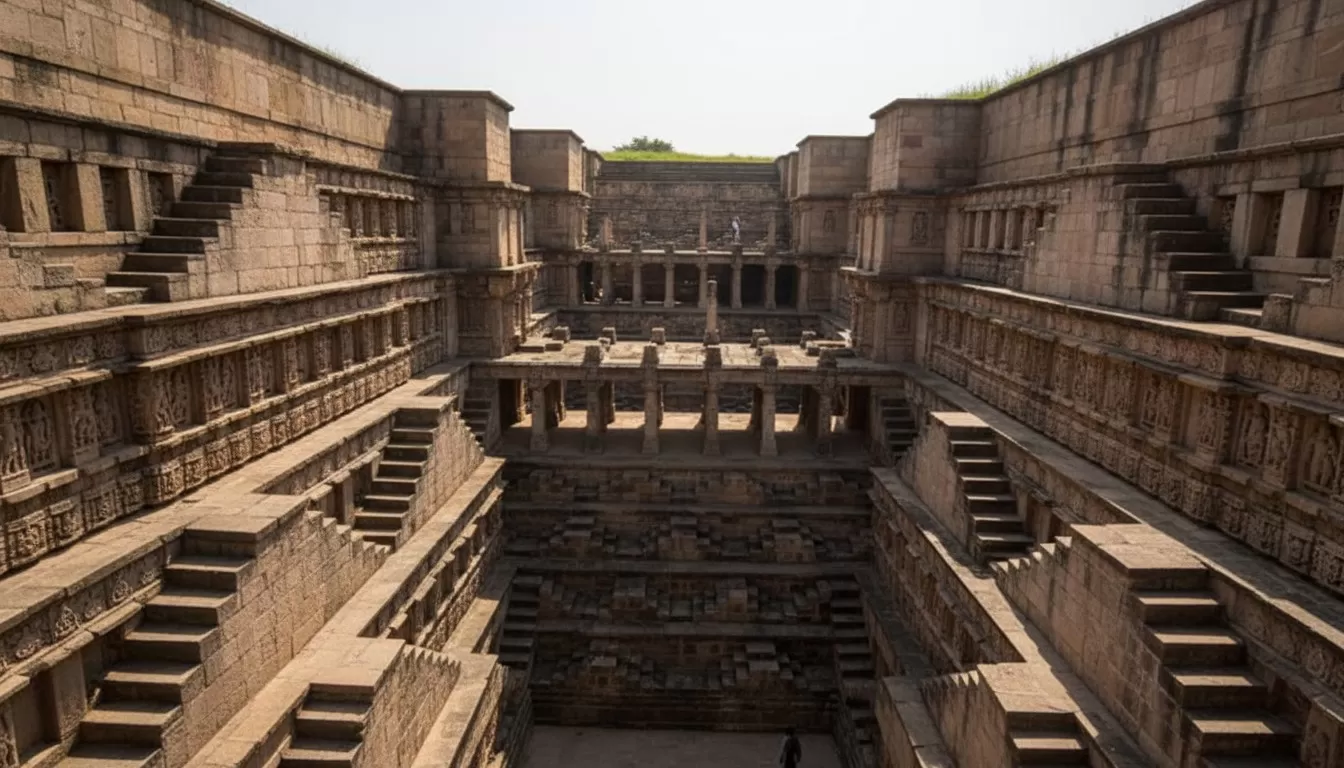
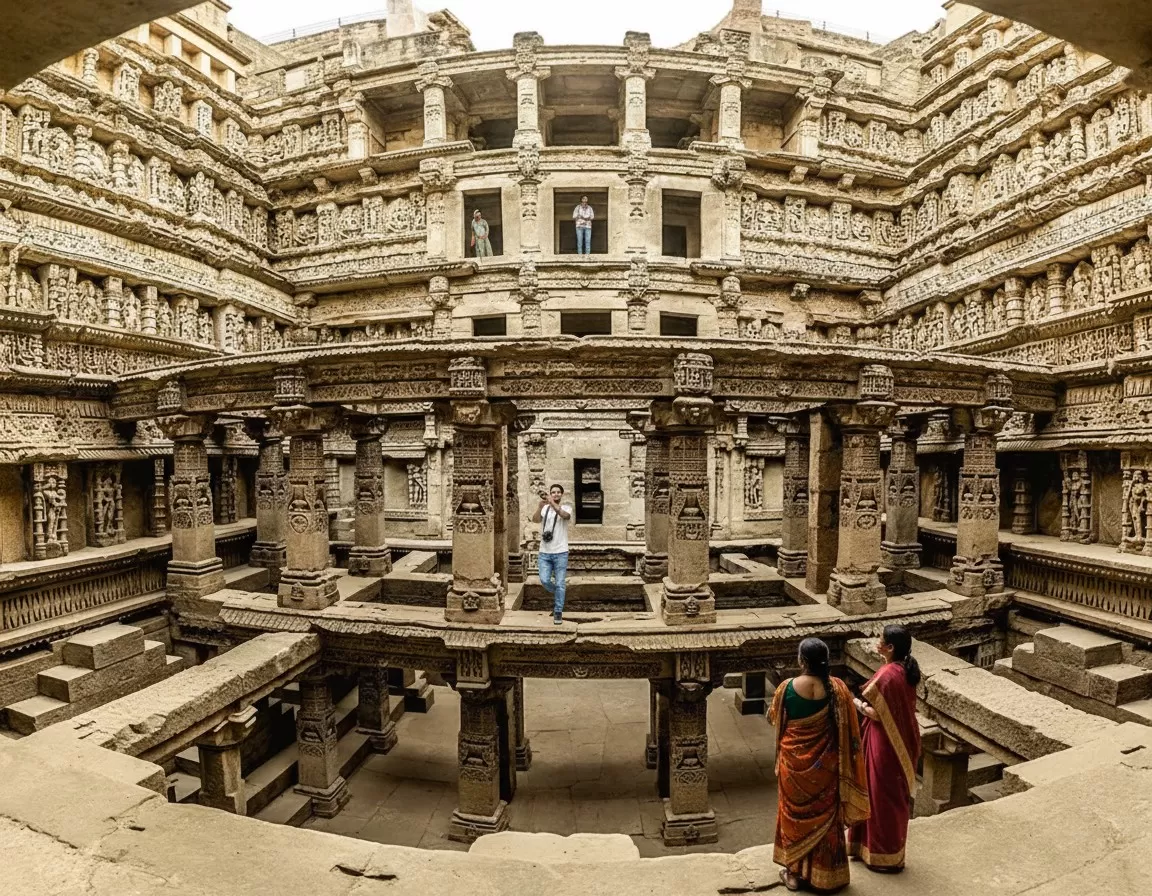
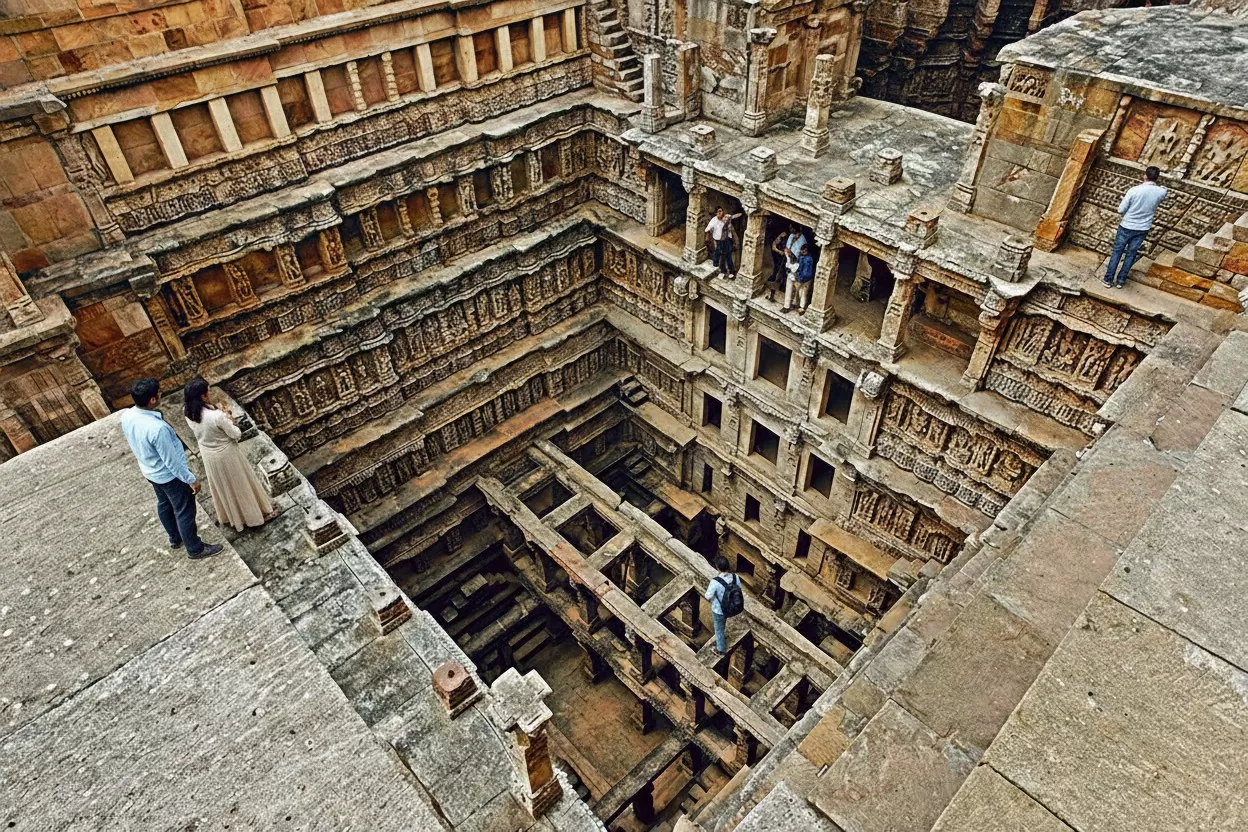
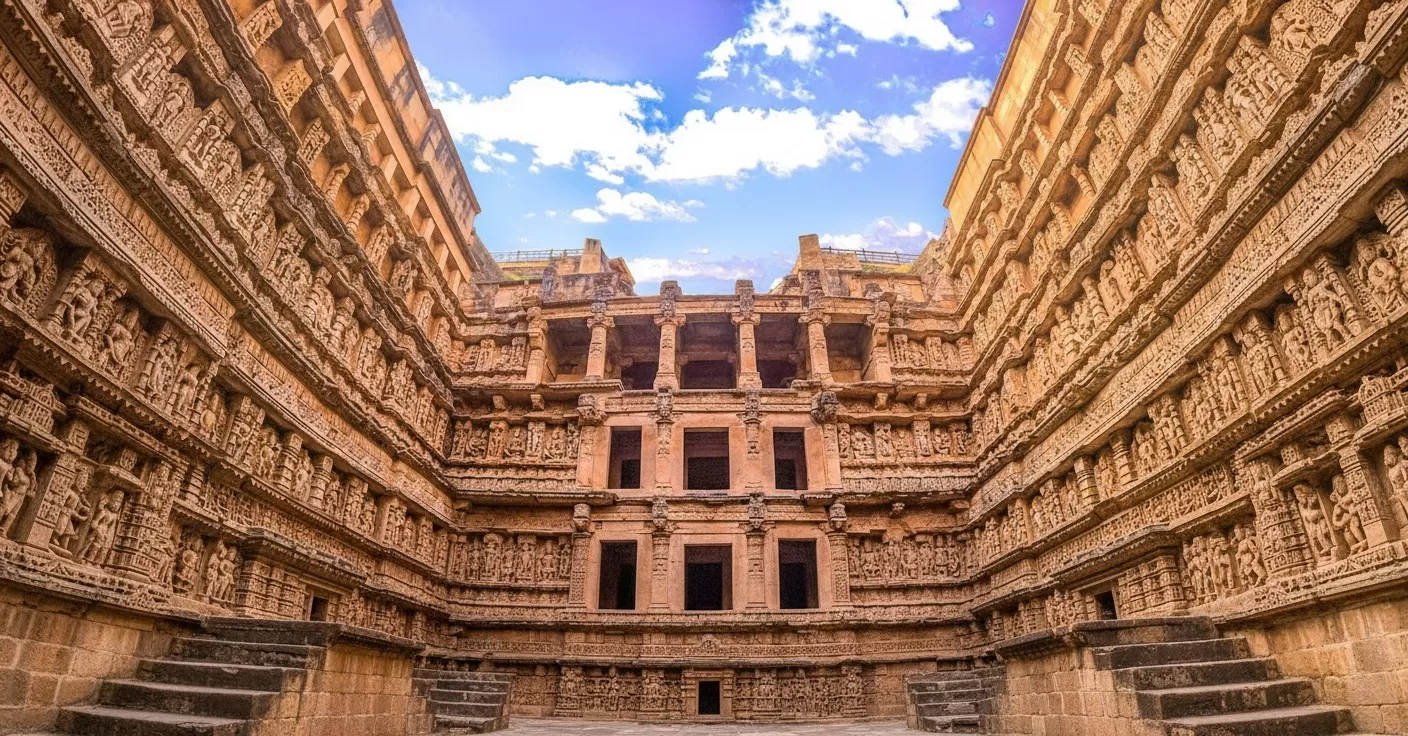
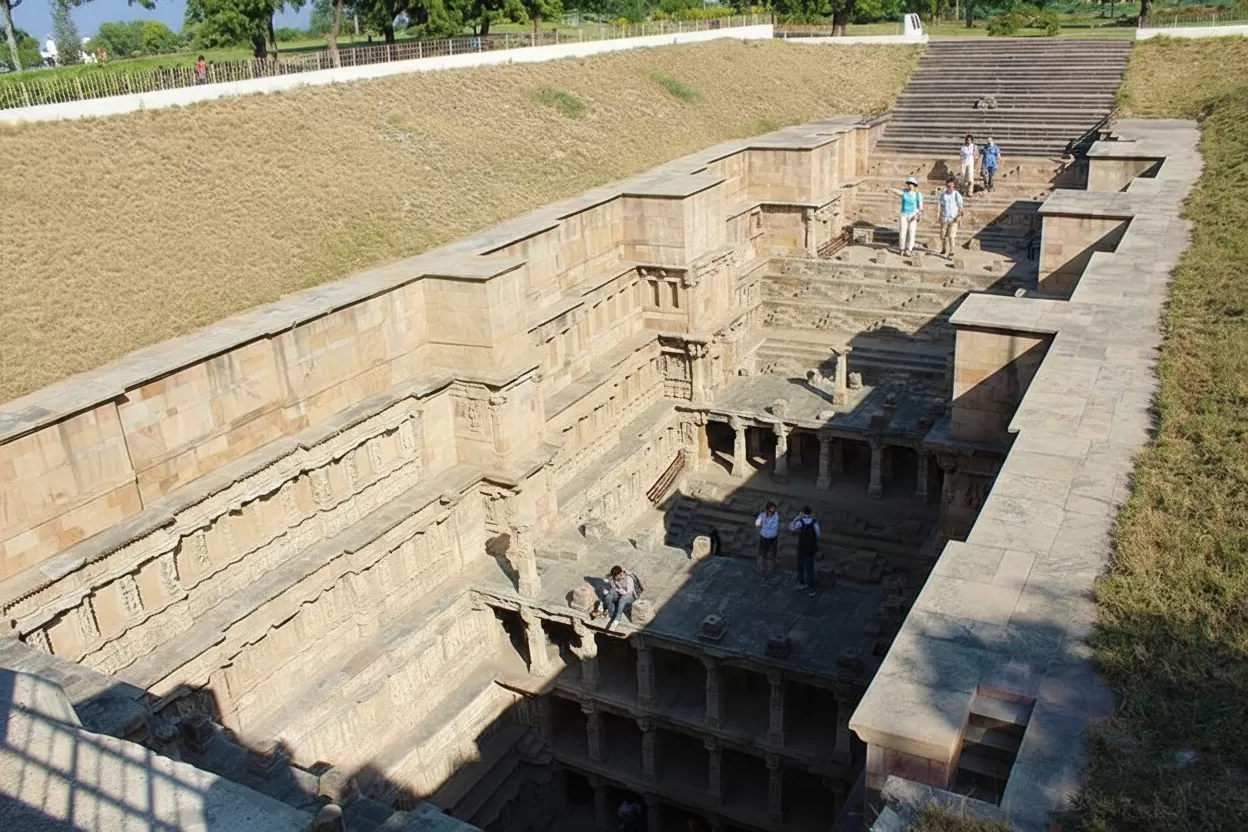
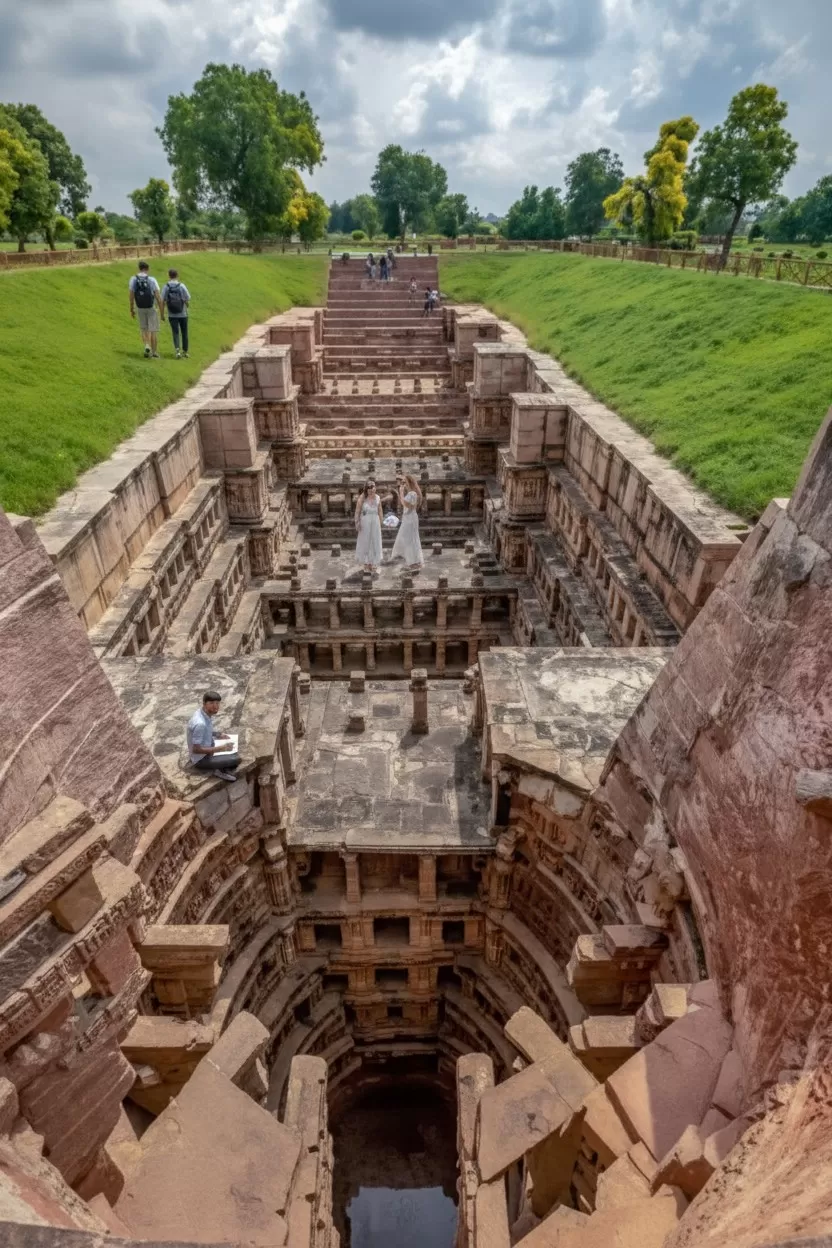
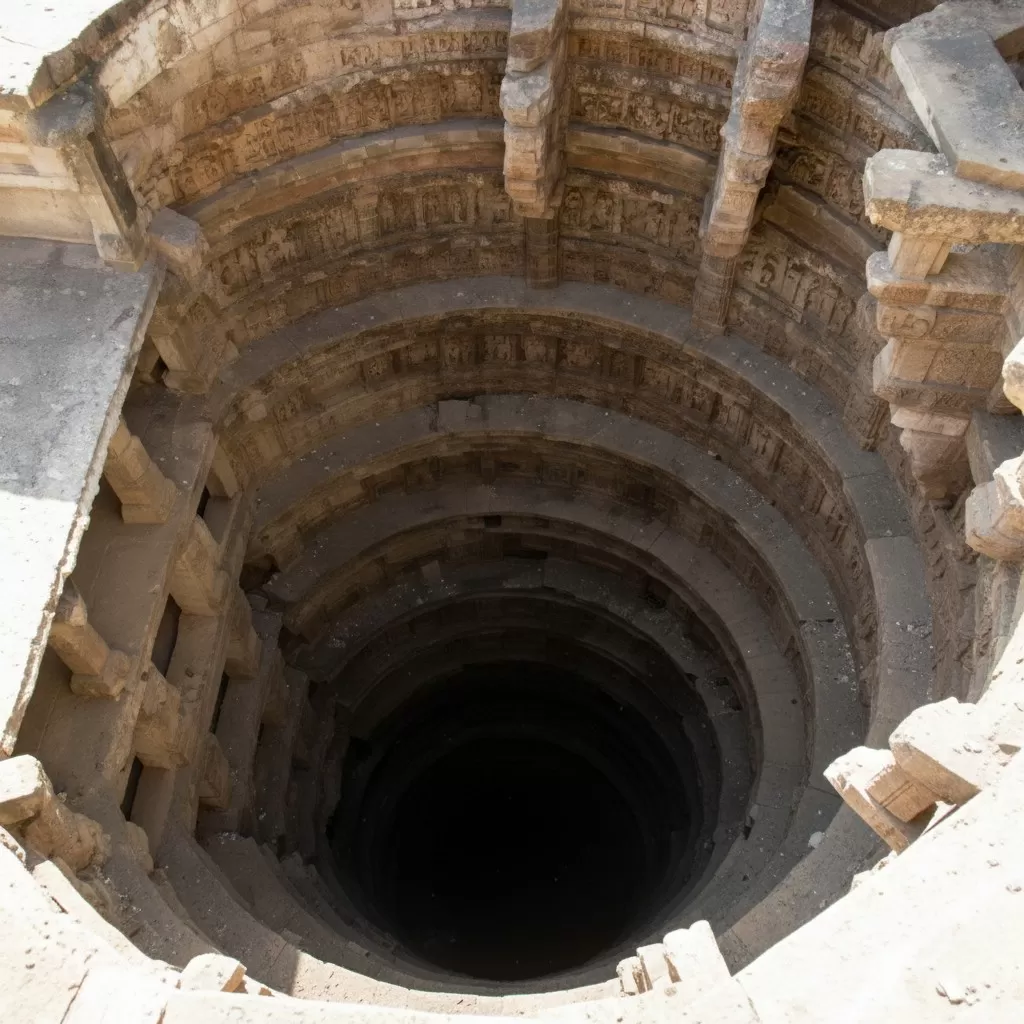
Rani ki Vav is one of India’s finest stepwells and a UNESCO World Heritage Site located in the historic town of Patan. Built during the 11th century by Queen Udayamati in memory of King Bhimdev I of the Solanki dynasty, this architectural masterpiece reflects the artistic brilliance of ancient India. Designed as an inverted temple, the stepwell is famous for its intricate carvings, beautifully sculpted pillars, and mythological figures. The structure descends several levels underground and once served as a water storage system as well as a spiritual and social gathering place.

Rani ki Vav is an extraordinary stepwell located in the historic town of Patan. Built in the 11th century by Queen Udayamati in memory of her husband King Bhimdev I, this magnificent monument is considered one of the finest examples of ancient Indian architecture and engineering. Recognized as a UNESCO World Heritage Site, the stepwell reflects the cultural richness and artistic excellence of the Solanki era.

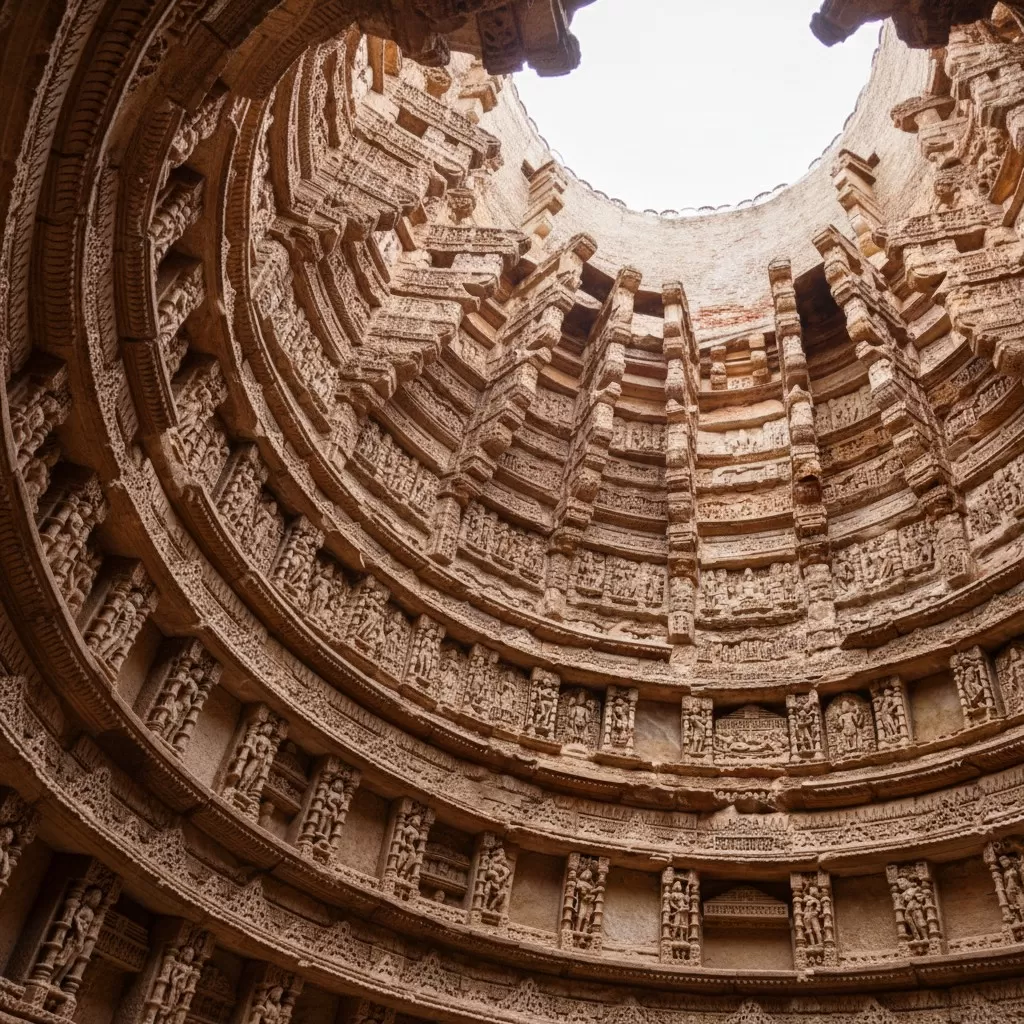
The structure was designed not only as a water storage system but also as a spiritual and social space. Constructed in the form of an inverted temple, the stepwell descends through multiple levels adorned with intricately carved pillars, sculptures, and decorative panels. The walls display beautifully detailed figures of gods, goddesses, celestial beings, and scenes from mythology, especially the various avatars of Lord Vishnu.

One of the most fascinating aspects of Rani ki Vav is its architectural precision and underground cooling system. Even during hot weather, the lower levels remain pleasantly cool. The craftsmanship seen in every corner demonstrates the advanced artistic skills and engineering knowledge of ancient India.

The monument remained buried under silt for centuries due to flooding from the nearby Saraswati River and was later restored by the Archaeological Survey of India. Today, it attracts tourists, historians, photographers, and architecture lovers from around the world.

Visiting Rani ki Vav offers a unique opportunity to experience India’s glorious heritage, admire timeless stone artistry, and understand the importance of water conservation systems developed centuries ago. It stands as a symbol of beauty, devotion, and architectural brilliance.

📜 History

Rani ki Vav is one of the finest examples of ancient stepwell architecture in India. It is located in Patan, Gujarat, and was built during the 11th century by Queen Udayamati in memory of her husband, King Bhimdev I (Bhimadeva I) of the Solanki dynasty. Instead of constructing a traditional memorial, the queen chose to build a magnificent stepwell that would serve both as a tribute and as a source of water for the local people. The stepwell was designed with seven levels and is decorated with hundreds of beautifully carved sculptures. Most of these carvings depict Lord Vishnu in different forms, along with gods, goddesses, celestial beings, and scenes from daily life. Every pillar, wall, and staircase reflects the artistic excellence of the Solanki period.

Over the centuries, the nearby Saraswati River flooded repeatedly, causing the stepwell to fill with mud and remain buried for many years. Surprisingly, this layer of silt protected the delicate carvings from damage. During the 1980s, the Archaeological Survey of India carefully excavated and restored the monument, revealing its original beauty. Today, Rani ki Vav is recognised as one of India's greatest architectural treasures. In 2014, UNESCO declared it a World Heritage Site for its outstanding craftsmanship and historical importance. The monument also gained nationwide recognition when its image was printed on the Indian ₹100 currency note, making it one of the country's most celebrated heritage sites.

Why Visit Rani ki Vav?

Discover what makes this destination one of the most loved tourist attractions.

Rani ki Vav
1

🍛 Gujarati Thali

A traditional Gujarati Thali offers a complete meal with dishes like dal, kadhi, seasonal vegetables, rotis, puri, rice, farsan, pickle, papad, and sweets. It is known for its balanced sweet and spicy flavours and gives visitors an authentic taste of Gujarat.

2

🍛 Patan Penda

Patan Penda is a famous sweet made from slow-cooked milk and sugar. It has a rich, creamy texture and is one of the most popular sweets to buy as a souvenir from Patan.

3

🍛 Fafda with Jalebi

This famous Gujarati breakfast combines crispy gram flour fafda with hot, juicy jalebi. The sweet and salty combination makes it a favourite among both locals and tourists.

4

🍛 Dabeli

Dabeli is a spicy street food made with a soft bun filled with mashed potato, special masala, pomegranate, roasted peanuts, and chutneys. It is full of flavour and perfect for a quick snack.

5

🍛 Khaman Dhokla

Khaman Dhokla is a soft and fluffy steamed snack prepared from gram flour. It is light, healthy, and usually served with green chutney and fried green chillies.

🚶

Heritage Walk

Walk through historic streets and heritage sites to discover the past. Enjoy the architecture, culture, and stories preserved for generations.

🏛️

Explore Ancient Architecture

Admire magnificent ancient buildings, forts, temples, and monuments. Observe the craftsmanship and architectural brilliance of earlier civilizations.

📸

Photography

Capture memorable photographs of historic monuments and scenic surroundings. Respect site rules and avoid restricted photography areas.

🎤

Guided Tour

Join a guided tour to learn fascinating stories behind the monument. Expert guides provide valuable historical facts and local insights.

📜

Learn History

Discover the rich history, culture, and legacy of the destination. Learn about important events, rulers, and historical significance.

🏺

Museum Visit

Explore museums displaying ancient artifacts, sculptures, and historical collections. Gain deeper knowledge about the region's cultural heritage.

🎭

Attend Light & Sound Show

Enjoy an impressive light and sound show that brings history to life. The show narrates historical events with music, lights, and storytelling.

🛍️

Local Shopping

Browse local markets for handicrafts, souvenirs, and traditional products. Support local artisans while taking home memorable keepsakes.

🎎

Cultural Experience

Experience local traditions, folk performances, and cultural activities. Interact with the community to understand their heritage and lifestyle.

🗿

Visit Nearby Monuments

Visit nearby monuments and archaeological sites during your trip. Explore multiple heritage attractions to enrich your historical experience.

Travel Tips & Essential Information

Everything you should know before visiting Rani ki Vav.

🌤

Best Time to Visit

October to February

👕

What to Wear

Wear comfortable clothes and walking shoes. Carry a light jacket during winter mornings.

📷

Photography

Sunrise and sunset provide the best lighting for beautiful photographs.

🍴

Local Food

Try nearby local restaurants to enjoy authentic regional cuisine.

🛡️

Safety Tips

Keep your belongings secure and follow local guidelines during your visit.

🚗

Accessibility

The destination is accessible by road with nearby parking and public transport facilities.

💧

Carry Water

Stay hydrated, especially during summer and while exploring outdoor attractions.

📍

Nearby Facilities

Hotels, restaurants, ATMs, fuel stations and medical services are available nearby.

Travel Information

🚗

How to Reach

  • ✈️By Air : The nearest airport is Sardar Vallabhbhai Patel International Airport about 125 km away. Taxis and buses are available from the airport to Patan.,
  • 🚆By Train : The nearest railway station is Patan Railway Station connected to major cities in Gujarat..
  • 🛣️By Road : Patan is well connected by road from Ahmedabad  Mehsana and nearby towns. State transport buses and private taxis operate regularly.
💡

Travel Tips & Essential Information

  • Best time to visit: October to February,
  • Visit early morning or evening for pleasant weather and photography,
  • Wear comfortable footwear for walking and climbing steps,
  • Carry water  sunglasses  and a hat during summer,
  • Maintain cleanliness and avoid touching delicate carvings,
  • Combine the trip with nearby heritage attractions in Patan

Why Visit

  • UNESCO World Heritage architecture,
  • Extraordinary stone carvings and sculptures,
  • Ancient engineering marvel for water conservation,
  • Rich historical and cultural significance,
  • Ideal destination for history lovers photographers and architecture enthusiasts

Special Features

  • More than 500 principal sculptures and thousands of smaller carvings,
  • Seven levels of stairways and panels,
  • Intricate depictions of Hindu deities including Vishnu avatars,
  • Maru-Gurjara architectural style,
  • Remarkable underground cooling effect,
  • Symmetrical design with detailed craftsmanship
Activities

Things To Do

Walk down the stepped galleries and observe the rich carvings.
Learn the stories behind sculptural panels (many depict scenes from mythology).
Take guided tours available on site for deeper insight.
📷 Photography — especially early morning or late afternoon light.
Visit the museum/exhibition area (if available) to see context exhibits.

Current Weather

🌤 Live Weather
☀️
--
Loading...
Feels Like

💧 Humidity

--

💨 Wind

--

👀 Visibility

--

☀ UV Index

--

Weather Details


🌡 Pressure --
🌧 Rain Chance --
🧭🧭 Wind Direction --
🌄 Sunrise --
🌇 Sunset --

🌫🌫 Air Quality


--
Loading...

PM2.5 --
PM10 --
CO --
NO₂ --
O₃ --
SO₂ --

⭐ Travel Intelligence


--
--
Loading...
Calculating...

🚨 Weather Alerts


Waiting for weather updates...

⚙ System Status


🌐 Connection Checking...
📍 GPS Detecting...
⚡ API Time --
🕒 Last Update --
FunYatra Weather Intelligence
Powered by
Location

Find on Map

Visited Rani ki Vav?

Share your experience, tips, and photos to help other travelers.

×

Share Your Experience

Frequently Asked

Best Time to Visit Rani ki Vav?

October to February

Opening Time

8:00 AM – 6:00 PM

Entry Fee

The entry fee is ₹₹40.

How much time is required?

1.5-2 hr

How to Reach Rani ki Vav?

By Air : The nearest airport is Sardar Vallabhbhai Patel International Airport about 125 km away. Taxis and buses are available from the airport to Patan.,
By Train : The nearest railway station is Patan Railway Station connected to major cities in Gujarat..
By Road : Patan is well connected by road from Ahmedabad  Mehsana and nearby towns. State transport buses and private taxis operate regularly.

Updated on: 6 July 2026