Cultural Heritage Sites in India
Discover India’s rich cultural heritage sites showcasing history, architecture, art, traditions, and ancient civilizations
Srirangapatna
• Mandya • Karnataka
Srirangapatna is a historic island town in Karnataka, located on the banks of the River Kaveri near Mysuru. It served as the capital of the Kingdom of Mysore under Tipu Sultan and is renowned for its rich heritage, ancient temples, forts, and monuments. The town attracts history enthusiasts, pilgrims, and nature lovers alike. Its blend of cultural significance, architectural beauty, and historical importance makes Srirangapatna one of Karnataka's most fascinating tourist destinations.
🌍 About This Place
Srirangapatna is one of Karnataka’s most treasured cultural heritage sites, offering a deep connection to India’s rich and complex past. Situated on an island formed by the Kaveri River, this historic town served as the capital of Tipu Sultan, famously known as the “Tiger of Mysore.” The town stands as a symbol of resistance against British colonial rule, particularly during the Anglo-Mysore Wars, which shaped much of South Indian history.
The architectural landscape of Srirangapatna reflects a harmonious blend of Hindu and Islamic styles. The Ranganathaswamy Temple, dedicated to Lord Vishnu, is a major pilgrimage center and an excellent example of Dravidian architecture. In contrast, structures like Daria Daulat Bagh, Tipu Sultan’s summer palace, display intricate Indo-Islamic designs, with detailed frescoes depicting royal life and historic battles.
Visitors can also explore the Srirangapatna Fort, which still retains its massive walls and gateways. The site where Tipu Sultan fell in battle remains a place of historical significance. Walking through the town feels like stepping back in time, with every corner telling a story of bravery, culture, and transformation.
Apart from its historical importance, Srirangapatna offers serene natural surroundings, with the flowing Kaveri River adding to its charm. It is an ideal destination for history enthusiasts, architecture lovers, and travelers seeking a blend of culture and tranquility.
🎯 Things to do
📍 Near By
- Brindavan Gardens (20 km)
- Mysore Palace (15 km)
- Ranganathittu Bird Sanctuary (4 km)
- Nimishamba Temple (within town)
- Krishnaraja Sagar Dam (18 km)
🚗 How to Reach
⭐ Why Visit
💡 Travel Tips
✨ Special Features
Varanasi Ghats
• Varanasi • Uttar Pradesh
The ghats of Varanasi are a series of stone steps leading to the sacred Ganga River. More than 80 ghats stretch along the riverfront, each carrying deep religious, historical, and cultural importance. These ghats are central to Hindu traditions, where pilgrims perform prayers, rituals, meditation, yoga, and holy bathing. Famous ghats include Dashashwamedh Ghat, known for the grand evening Ganga Aarti, Assi Ghat for spiritual gatherings and sunrise views, and Manikarnika Ghat, one of the most sacred cremation ghats in Hindu belief.
🌍 About This Place
The ghats of Varanasi form the spiritual heart of India and are among the most sacred riverfronts in the world. Situated along the holy Ganga River, these ghats are a fascinating blend of faith, history, culture, and daily life. Every day, thousands of pilgrims, saints, tourists, and locals gather here to perform rituals, offer prayers, meditate, and take a holy dip in the river believed to cleanse sins and grant spiritual peace.
Among the many ghats, Dashashwamedh Ghat is the most vibrant and famous for its spectacular evening Ganga Aarti, where priests perform synchronized rituals with lamps, chants, bells, and incense. Assi Ghat is popular among students, travelers, and yoga enthusiasts for its peaceful atmosphere and beautiful sunrise views. Manikarnika Ghat reflects the city’s deep spiritual beliefs regarding life, death, and liberation.
A boat ride at dawn offers breathtaking views of the ghats slowly awakening with prayers, temple bells, and devotional songs. Narrow lanes near the ghats are filled with ancient temples, traditional shops, silk sarees, local street food, and centuries-old architecture. The spiritual energy and timeless atmosphere make Varanasi unlike any other place in the world.
Visiting the ghats is not only a travel experience but also a journey into India’s ancient traditions and living heritage. Whether seeking spirituality, photography, culture, or peace, the ghats of Varanasi leave every visitor deeply inspired and emotionally connected.
🎯 Things to do
📍 Near By
- Kashi Vishwanath Temple (1 km)
- Sarnath (10 km) – Buddhist pilgrimage site
- Ramnagar Fort (14 km)
- Banaras Hindu University (BHU)
- Tulsi Manas Temple
- Bharat Kala Bhavan Museum
🚗 How to Reach
⭐ Why Visit
💡 Travel Tips
✨ Special Features
Pancha Rathas
Mahabalipuram • Chengalpattu • Tamil Nadu
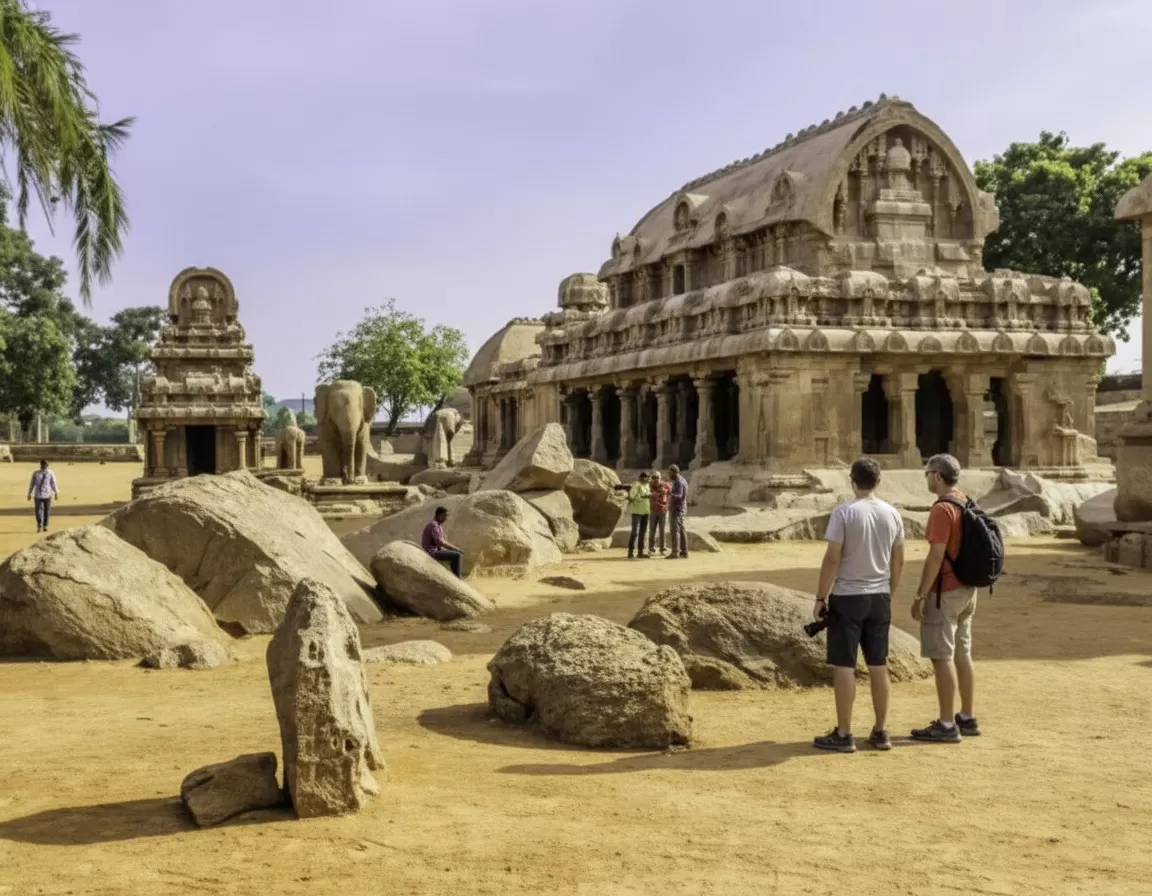
Pancha Rathas, also known as the Five Rathas, is one of the most remarkable monuments in Mahabalipuram, Tamil Nadu. Built during the 7th century under the Pallava dynasty, these monolithic rock-cut structures were carved from single granite outcrops. Each ratha is named after characters from the Mahabharata—Dharmaraja, Bhima, Arjuna, Nakula-Sahadeva, and Draupadi. Although never completed or consecrated, they represent early Dravidian temple architecture and are part of the UNESCO-listed Group of Monuments at Mahabalipuram.
🌍 About This Place
Pancha Rathas is one of the most celebrated archaeological attractions in Mahabalipuram, Tamil Nadu. Constructed during the reign of the Pallava rulers in the 7th century CE, the monument complex showcases extraordinary craftsmanship and architectural innovation. The term "Pancha Rathas" means "Five Chariots," referring to the five individual structures that resemble ceremonial temple chariots. Despite their names, these monuments have no direct connection with the Pandavas of the Mahabharata and were never intended as functional temples. They remained unfinished after the death of the ruling king.
Each ratha was carved from a single granite outcrop, demonstrating the exceptional skill of Pallava artisans. The largest structure, Dharmaraja Ratha, displays a pyramidal design that influenced later South Indian temple architecture. Bhima Ratha features an elongated hall-like shape, while Arjuna Ratha is adorned with beautiful carvings of deities and mythical figures. Draupadi Ratha, the smallest, resembles a traditional hut and is dedicated to Goddess Durga. Nakula-Sahadeva Ratha stands apart with its distinctive architectural style and is accompanied by a magnificent elephant sculpture.
The site is particularly valuable because it illustrates the transition from rock-cut architecture to structural stone temples in South India. Visitors can closely observe decorative pillars, sculpted niches, and intricate carvings that highlight the artistic excellence of the Pallava era. The surrounding sculptures of a lion, elephant, and Nandi further enhance the monument's visual appeal.
Today, Pancha Rathas forms an important part of the UNESCO World Heritage-listed Group of Monuments at Mahabalipuram. It attracts thousands of tourists, historians, architects, and students every year. The monument stands as a timeless symbol of India's rich cultural heritage, offering visitors a fascinating glimpse into the creativity, engineering skills, and artistic vision of ancient South Indian civilization.
🎯 Things to do
📍 Near By
- Shore Temple – 1 km away
- Arjuna’s Penance / Descent of the Ganges – 500 m away
- Mahabalipuram Beach – perfect for evening walks and picnics
- Temples – Varaha Cave /Krishna Mandapa (within 1 km)
🚗 How to Reach
⭐ Why Visit
💡 Travel Tips
✨ Special Features
Sanchi Stupa
Sanchi • Raisen • Madhya Pradesh
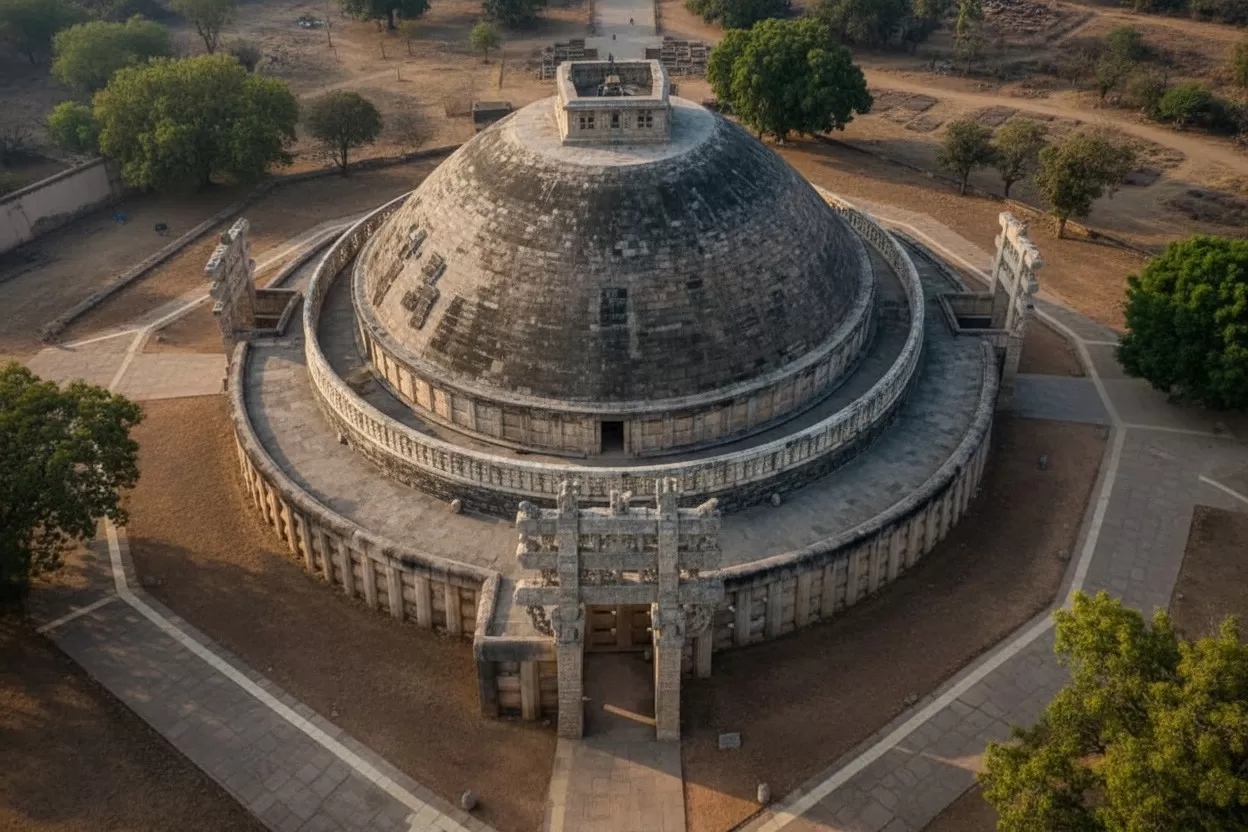
The ancient Buddhist monument of Sanchi Stupa is one of India's most important historical and religious sites. Built by Emperor Ashoka in the 3rd century BCE, it showcases remarkable Buddhist architecture, intricate stone carvings, and beautifully decorated gateways. The Great Stupa at Sanchi symbolizes peace, enlightenment, and the teachings of Buddha. Recognized as a UNESCO World Heritage Site, Sanchi attracts history enthusiasts, pilgrims, photographers, and travelers from around the world seeking cultural and spiritual experiences.
🌍 About This Place
Sanchi Stupa stands atop a serene hill in the Raisen district of Madhya Pradesh and represents one of the finest surviving examples of ancient Buddhist architecture in the world. The site is best known for the Great Stupa, originally commissioned by Emperor Ashoka in the 3rd century BCE after he embraced Buddhism. Over the centuries, the monument was enlarged and enhanced by successive rulers, creating the magnificent structure visible today.
The Great Stupa is a hemispherical dome constructed to house sacred Buddhist relics. Surrounding the stupa is a stone railing and a circumambulatory path used by devotees for ritual walks. The most striking features are the four elaborately carved gateways, known as toranas, which depict scenes from the life of Buddha, Jataka tales, and various symbolic representations of Buddhist teachings. Interestingly, Buddha is often represented through symbols such as footprints, the Bodhi tree, and the wheel of Dharma rather than in human form.
The Sanchi complex includes several smaller stupas, ancient temples, monasteries, and the remains of pillars that provide valuable insights into the development of Buddhist art and architecture over many centuries. The site reflects influences from the Mauryan, Shunga, Satavahana, and Gupta periods, making it a treasure trove for historians and archaeologists.
Despite being one of the most significant Buddhist monuments in India, Sanchi retains a calm and peaceful atmosphere. Visitors can explore the beautifully preserved carvings, admire the engineering achievements of ancient builders, and enjoy panoramic views of the surrounding landscape. The combination of historical importance, architectural brilliance, religious significance, and scenic beauty makes Sanchi Stupa an unforgettable destination for travelers interested in India's rich cultural and spiritual heritage.
🎯 Things to do
📍 Near By
- Udayagiri Caves — ancient rock-cut caves with carvings (~10 km)
- Bija Mandal Temple — historic temple ruins (~9 km)
- Bhimbetka Rock Shelters — UNESCO site with prehistoric art (~57 km)
- Satdhara Stupas (archaeological site) — ancient stupas ~9 km west of Sanchi
- Sonari Stupas — another Buddhist complex ~11 km away
- Vidisha Town — historic city ~10 km away with temples and ancient sites.
🚗 How to Reach
⭐ Why Visit
💡 Travel Tips
✨ Special Features
Fatehpur Sikri
Fatehpur Sikri • Agra • Uttar Pradesh
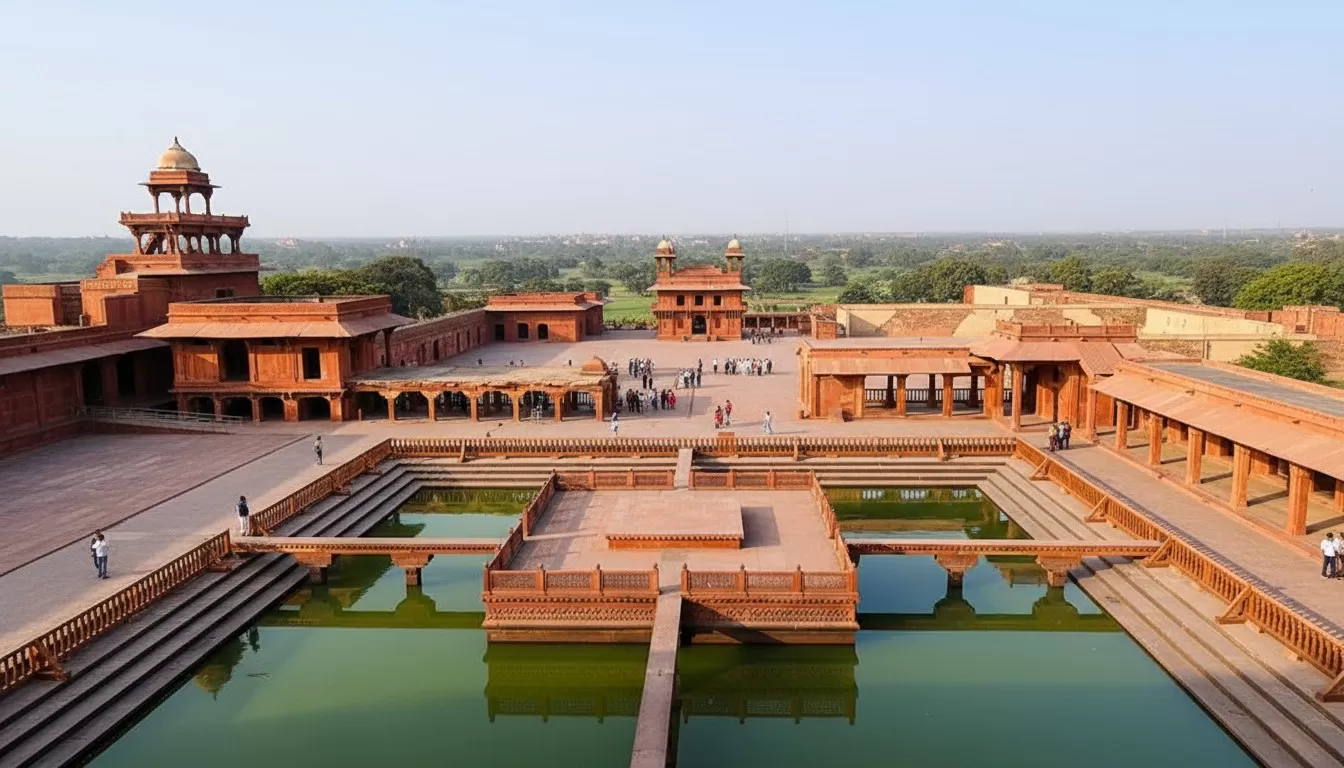
Fatehpur Sikri is a historic city located about 40 km from Agra in Uttar Pradesh. Built in the 16th century by the Mughal Emperor Akbar, it served as the capital of the Mughal Empire for a short period. The city is renowned for its magnificent red sandstone architecture, grand palaces, mosques, and courtyards. Recognized as a UNESCO World Heritage Site, Fatehpur Sikri reflects a unique blend of Hindu, Persian, and Islamic architectural styles and remains one of India's most important historical attractions.
🌍 About This Place
Fatehpur Sikri stands as one of the most remarkable examples of Mughal architecture and urban planning in India. Founded in 1571 by Emperor Akbar, the city was built to honor the Sufi saint Sheikh Salim Chishti, whose blessings were believed to have helped Akbar gain an heir. The emperor transformed this location into the capital of the Mughal Empire, creating a magnificent city filled with palaces, administrative buildings, religious structures, and residential quarters.Constructed primarily from red sandstone, Fatehpur Sikri showcases a fascinating blend of Persian, Islamic, and Hindu architectural styles. The city's most famous landmark is the impressive Buland Darwaza, a monumental gateway that symbolizes Akbar's victory over Gujarat. Other notable structures include Jama Masjid, one of India's largest mosques, the serene Tomb of Sheikh Salim Chishti, Panch Mahal with its five-tiered design, Diwan-i-Khas featuring the famous central pillar, and Jodha Bai's Palace known for its elegant architecture.
The layout of the city reflects Akbar's vision of governance, culture, and religious tolerance. Many buildings display intricate carvings, decorative brackets, geometric patterns, and artistic motifs that highlight the craftsmanship of the Mughal era. Although Fatehpur Sikri served as the imperial capital for only about 14 years before being abandoned due to water scarcity and strategic concerns, its architectural grandeur remains largely intact.
Today, visitors from around the world come to admire its historical significance, artistic excellence, and cultural heritage. Walking through its courtyards, gateways, and palaces offers a fascinating glimpse into the glory of the Mughal Empire. As a UNESCO World Heritage Site, Fatehpur Sikri continues to be one of India's most treasured historical destinations and a must-visit attraction for history enthusiasts, architecture lovers, and cultural travelers.
🎯 Things to do
📍 Near By
- Agra Fort – 40 km
- Taj Mahal – 43 km
- Keoladeo National Park (Bharatpur Bird Sanctuary) – 25 km
- Mehtab Bagh – Agra
- Mathura & Vrindavan – 70–75 km.
🚗 How to Reach
⭐ Why Visit
💡 Travel Tips
✨ Special Features
Hampi
Hampi • Vijayanagara • Karnataka
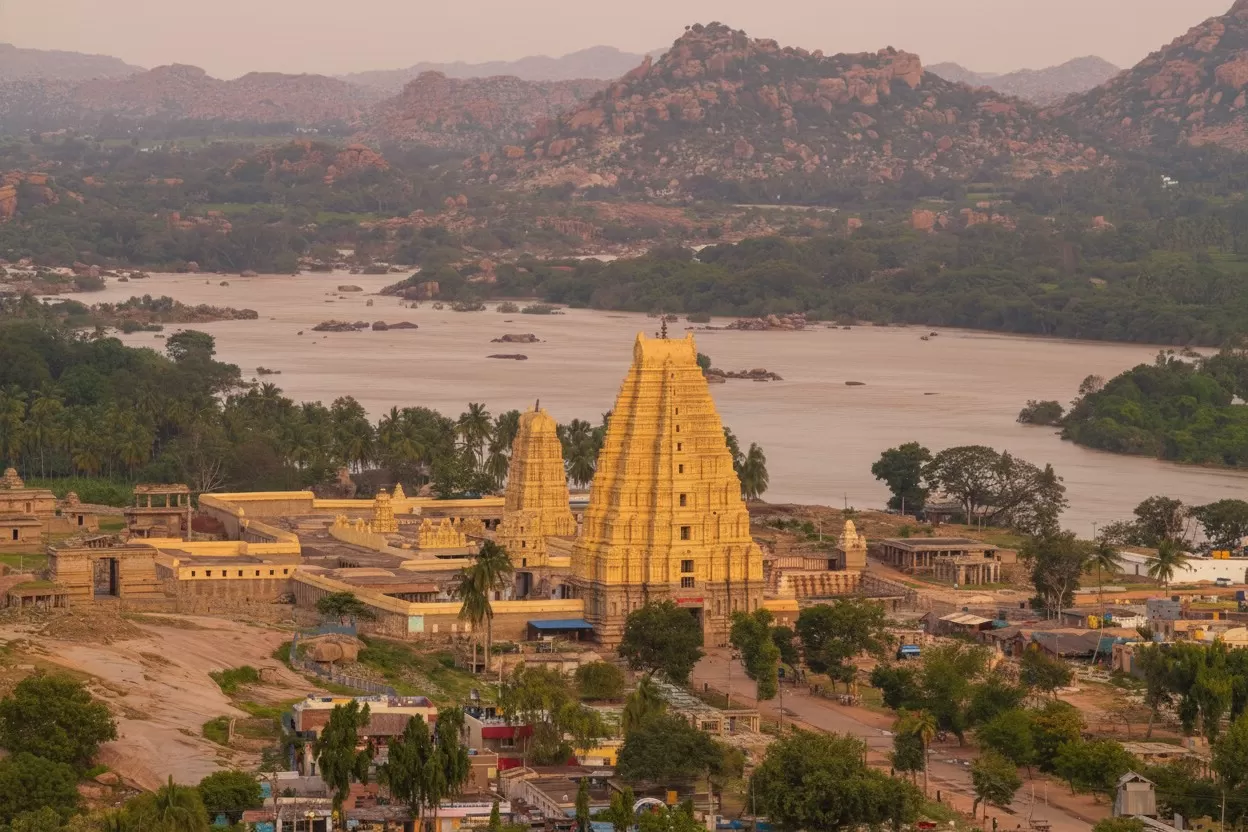
Hampi is one of India's most famous historical destinations, located in the state of Karnataka. It was the capital of the powerful Vijayanagara Empire during the 14th–16th centuries and is now recognized as a UNESCO World Heritage Centre World Heritage Site. Hampi is renowned for its magnificent temples, royal complexes, giant boulders, ancient markets, and stunning landscapes spread across a vast area along the Tungabhadra River.
🌍 About This Place
Hampi is a remarkable historical and archaeological destination situated on the banks of the Tungabhadra River in Karnataka. Once the glorious capital of the Vijayanagara Empire, Hampi flourished as one of the world's richest and most powerful cities during the 14th and 15th centuries. Today, the site preserves the grandeur of that era through its impressive collection of temples, palaces, markets, and monuments spread across a dramatic landscape of giant granite boulders.
The most celebrated attractions in Hampi include the Virupaksha Temple, Vittala Temple, Lotus Mahal, Elephant Stables, and the famous Stone Chariot, which has become a symbol of Karnataka's cultural heritage. The intricate carvings, architectural brilliance, and engineering achievements displayed in these structures continue to amaze visitors from around the world.
Apart from its historical significance, Hampi offers breathtaking natural beauty. The unique rocky terrain, scenic river views, and panoramic hilltops create an unforgettable setting for photography and exploration. Visitors can enjoy trekking, cycling, coracle rides, and heritage walks while discovering the stories hidden within the ancient ruins.
Hampi is not merely a collection of monuments; it is a living testament to India's rich cultural and architectural legacy. The peaceful atmosphere, combined with centuries of history and stunning landscapes, makes it a must-visit destination for history enthusiasts, photographers, researchers, and travelers alike. A visit to Hampi provides a fascinating journey into the past while offering memorable experiences amidst one of India's most extraordinary heritage sites.
🎯 Things to do
📍 Near By
- Tungabhadra River Banks
- Anegundi Village (heritage village)
- Sanapur Lake
- Matanga Hill
- Hemakuta Hill
- Daroji Sloth Bear Sanctuary (≈15 km).
🚗 How to Reach
⭐ Why Visit
💡 Travel Tips
✨ Special Features
Bibi Ka Maqbara
• Chhatrapati Sambhajinagar • Maharashtra
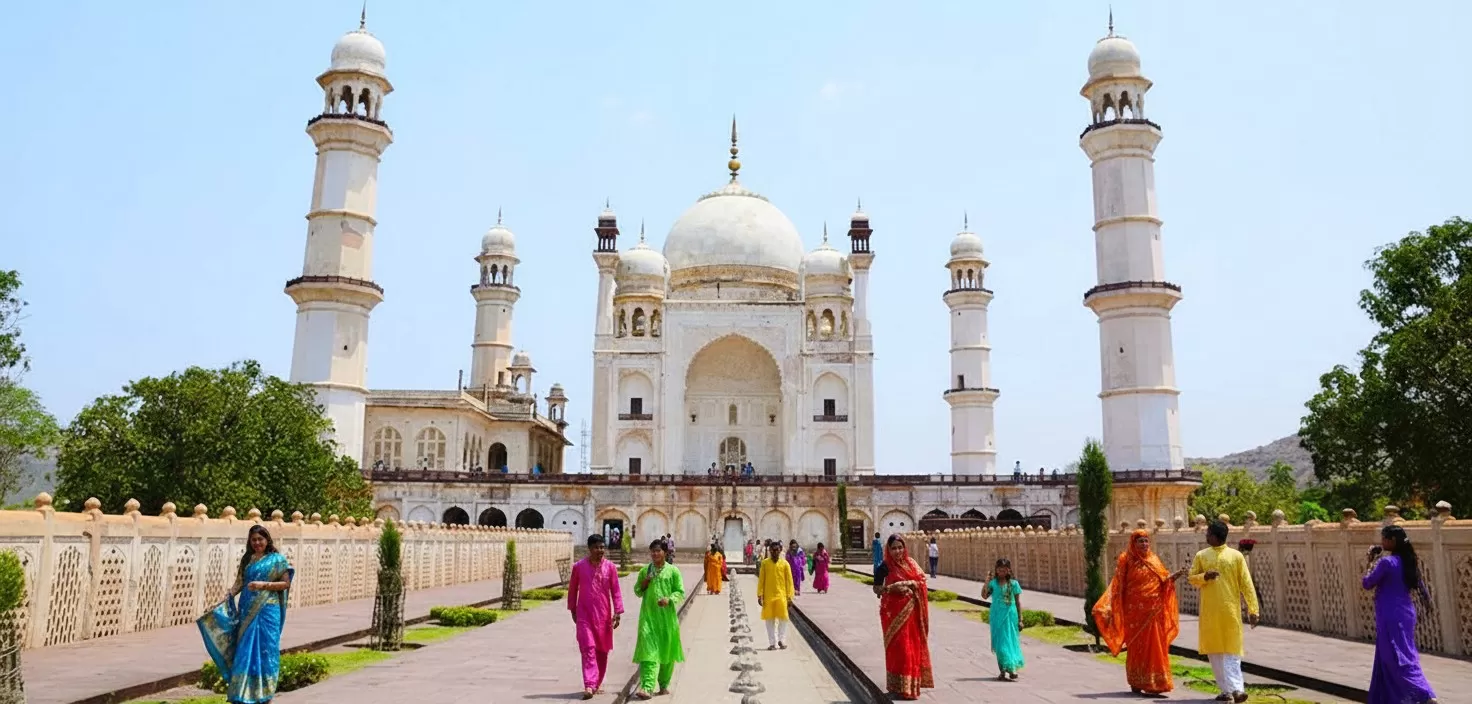
Bibi Ka Maqbara is one of Maharashtra's most famous historical monuments and is often called the "Taj of the Deccan." It was built in the 17th century by Prince Azam Shah in memory of his mother, Dilras Banu Begum, the wife of Mughal Emperor Aurangzeb. The monument showcases beautiful Mughal architecture with a grand marble dome, elegant minarets, landscaped gardens, and intricate carvings. Surrounded by well-maintained gardens and water channels, it offers visitors a peaceful and picturesque experience.
🌍 About This Place
Bibi Ka Maqbara is one of the most celebrated historical monuments in Maharashtra and is often referred to as the "Taj of the Deccan." Located in Chhatrapati Sambhajinagar (formerly Aurangabad), this magnificent mausoleum was built by Mughal Prince Azam Shah in memory of his mother, Dilras Banu Begum, the wife of Emperor Aurangzeb. Constructed during the 17th century, the monument reflects the grandeur of Mughal architecture while maintaining its own distinctive identity.
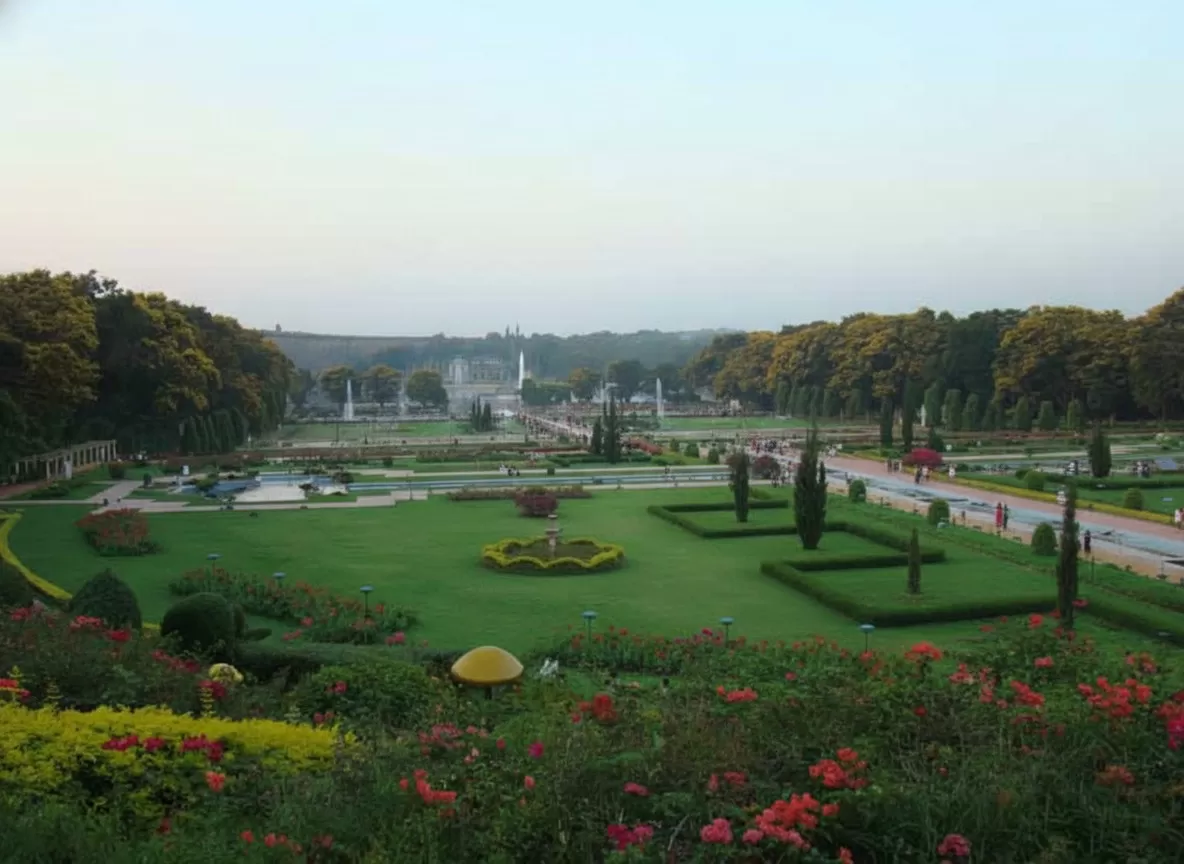
The structure is set within a beautifully landscaped Charbagh garden, a traditional Persian-style garden divided into four sections by water channels and pathways. The mausoleum stands at the center of this garden, creating a visually striking and symmetrical layout. Its elegant dome, graceful minarets, decorative arches, and finely carved details make it one of the finest architectural achievements of the Deccan region.
Although inspired by the famous Taj Mahal, Bibi Ka Maqbara has unique characteristics that distinguish it from its more famous counterpart. The monument uses a combination of marble and basalt stone, showcasing the craftsmanship of local artisans. The peaceful gardens, fountains, and surrounding greenery create a serene atmosphere that attracts tourists, photographers, historians, and architecture enthusiasts throughout the year.
Today, Bibi Ka Maqbara serves as an important cultural and historical landmark, offering visitors a glimpse into the Mughal era and the rich heritage of Maharashtra. Its architectural beauty, historical significance, and tranquil surroundings make it one of the must-visit attractions in Chhatrapati Sambhajinagar and a treasured symbol of India's rich past.
🎯 Things to do
📍 Near By
- Siddharth Garden & Zoo – 2 km
- Salim Ali Lake – 4 km
- Panchakki (Water Mill) – 3 km
- Aurangabad Caves – 7 km
- Himayat Bagh – 6 km
- Jayakwadi Dam (Paithan) – 50 km
- Ellora Caves: 30 km
- Ajanta Caves: 100 km
- Daulatabad Fort: 15 km
- Ghrishneshwar Jyotirlinga: 32 km.
🚗 How to Reach
⭐ Why Visit
💡 Travel Tips
✨ Special Features
Ajanta Caves
Ajanta • Jalgaon • Maharashtra
The Ajanta Caves are a UNESCO World Heritage Site renowned for their ancient Buddhist rock-cut caves, exquisite murals, sculptures, and architectural brilliance. Dating from the 2nd century BCE to the 6th century CE, these 30 caves showcase India's rich artistic and spiritual heritage. Nestled in a horseshoe-shaped gorge along the Waghora River, Ajanta attracts historians, art lovers, photographers, and pilgrims from around the world. The caves offer a fascinating glimpse into the life, culture, and teachings of ancient Buddhism.
🌍 About This Place
The Ajanta Caves are among India's most treasured archaeological and artistic landmarks. Situated in the Sahyadri hills of Maharashtra, these caves were carved into a steep rock face overlooking the scenic Waghora River gorge. The complex consists of 30 caves created in two major phases between the 2nd century BCE and the 6th century CE, serving as monasteries, prayer halls, and centers of Buddhist learning.
Ajanta is globally renowned for its breathtaking wall paintings and sculptures, which represent some of the finest achievements of ancient Indian art. The murals vividly portray scenes from the Jataka tales, illustrating the previous lives of Lord Buddha, along with depictions of royal courts, merchants, dancers, and everyday life. These paintings provide invaluable insights into the culture, fashion, architecture, and social traditions of ancient India.The caves are divided into Chaityas (prayer halls) and Viharas (monasteries). Massive pillars, intricately carved facades, elaborate ceilings, and magnificent Buddha statues demonstrate the remarkable craftsmanship of ancient artisans. Cave 1, Cave 2, Cave 16, Cave 17, and Cave 26 are especially famous for their artistic and architectural excellence.
Hidden for centuries and rediscovered in 1819 by a British officer during a hunting expedition, Ajanta has since become a symbol of India's cultural heritage. Its artistic influence extends far beyond India, contributing significantly to the understanding of Buddhist art across Asia.
Surrounded by lush greenery and dramatic cliffs, the caves offer visitors a unique combination of history, spirituality, art, and natural beauty. Whether exploring ancient murals, admiring architectural marvels, or learning about Buddhist traditions, a visit to Ajanta provides an unforgettable journey into India's glorious past and remains one of Maharashtra's most celebrated tourist attractions.
🎯 Things to do
📍 Near By
- Waghur River Viewpoint – scenic natural picnic
- Fardapur Village Area – peaceful rural surroundings
- Goga Baba Hill – panoramic views
- Ellora Caves (≈100 km) – combined heritage trip
- Bhadra Maruti Temple (Khuldabad) – religious picnic stop
- Salim Ali Lake
- Aurangabad – family picnic spot.
🚗 How to Reach
⭐ Why Visit
💡 Travel Tips
✨ Special Features
Ellora Caves
• Chhatrapati Sambhajinagar • Maharashtra
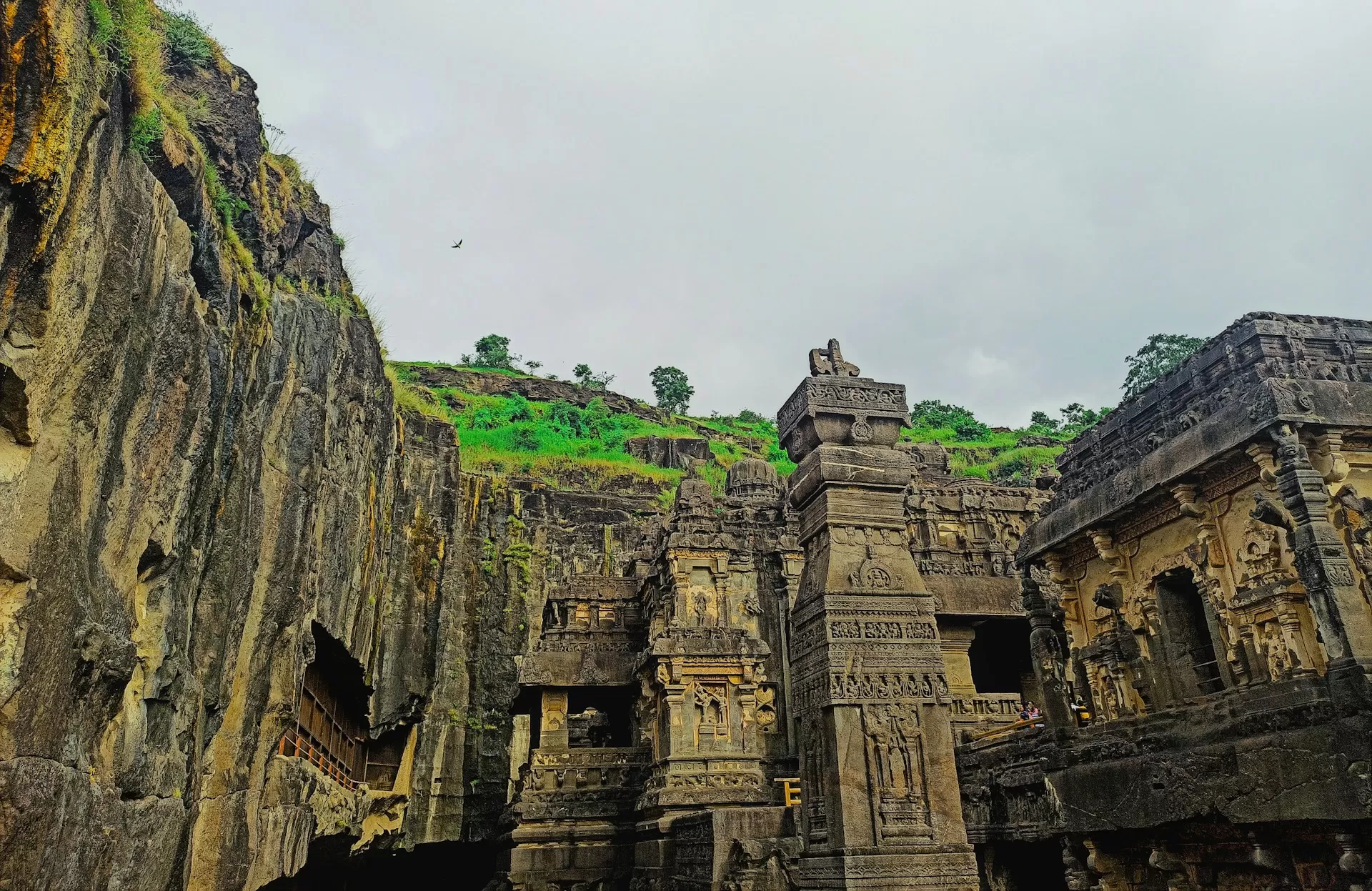
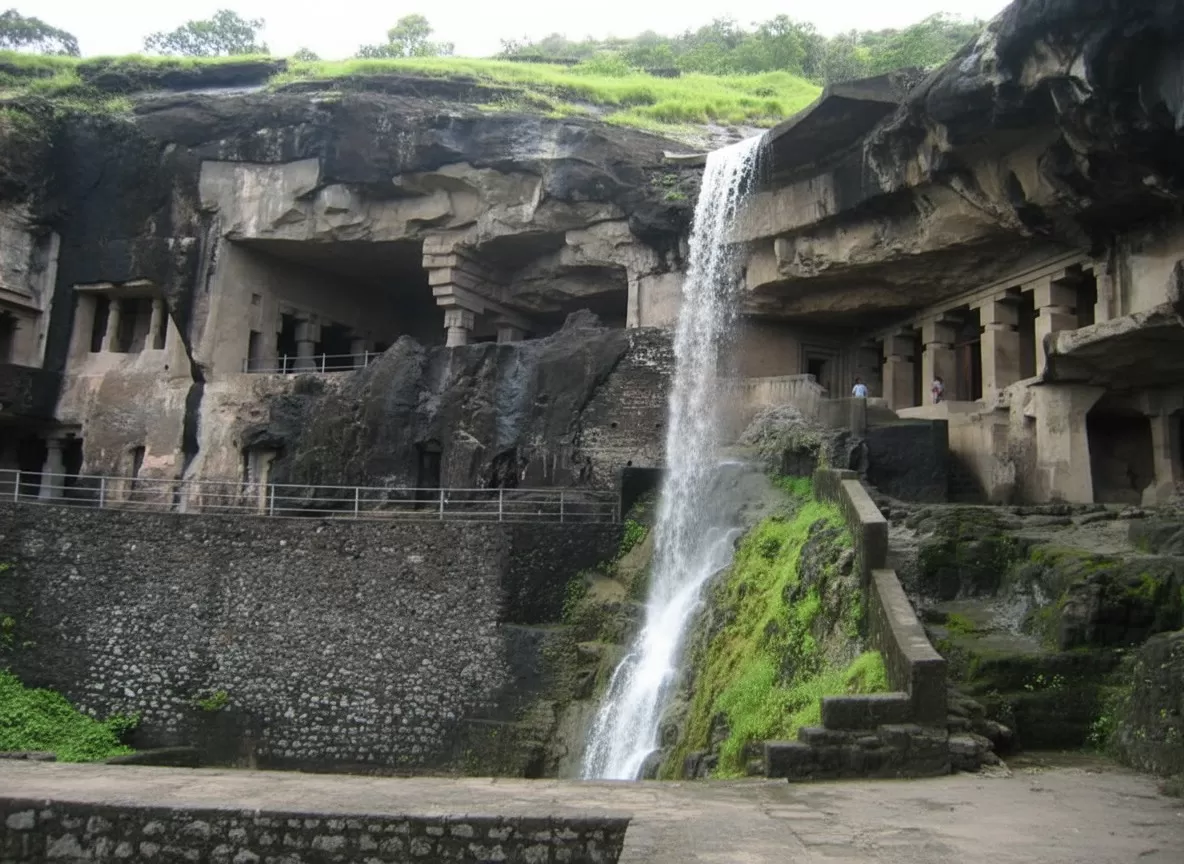
Ellora Caves are among India's most remarkable historical and architectural treasures, located about 30 km northwest of Chhatrapati Sambhajinagar (formerly Aurangabad) in Maharashtra. Recognized as a UNESCO World Heritage Centre World Heritage Site, Ellora consists of 34 rock-cut caves carved between the 6th and 10th centuries CE. These caves represent three major religions—Buddhism, Hinduism, and Jainism—demonstrating India's rich cultural harmony and religious tolerance. The most famous attraction is Cave 16, known as the Kailasa Temple, a massive monolithic temple carved from a single rock. It is considered one of the greatest engineering and artistic achievements in human history. The caves feature intricate sculptures, detailed carvings, prayer halls, monasteries, shrines, and beautifully decorated pillars that attract visitors from around the world.
🌍 About This Place
Ellora Caves is one of India's most extraordinary archaeological and cultural heritage sites, situated in Maharashtra near Chhatrapati Sambhajinagar. Built between the 6th and 10th centuries CE, the cave complex consists of 34 magnificent rock-cut caves carved into the basalt cliffs of the Charanandri Hills. These caves reflect the coexistence and harmony of three major religions—Buddhism, Hinduism, and Jainism—making Ellora a unique symbol of India's rich cultural diversity.
The caves are divided into three groups: twelve Buddhist caves, seventeen Hindu caves, and five Jain caves. Each cave showcases remarkable craftsmanship, intricate carvings, and detailed sculptures depicting religious stories, deities, and daily life. The highlight of the complex is the Kailasa Temple, dedicated to Lord Shiva. Carved entirely from a single rock, this temple is considered one of the greatest architectural achievements in the world. Its massive size, artistic detail, and engineering precision continue to amaze historians, architects, and visitors alike.
Ellora Caves offer a fascinating journey through ancient Indian art, religion, and architecture. Visitors can explore prayer halls, monasteries, shrines, pillars, sculptures, and beautifully carved facades that reveal the skills of ancient craftsmen. The site attracts tourists, researchers, photographers, and history enthusiasts from across the globe.
Surrounded by scenic landscapes and historical attractions, Ellora provides an unforgettable cultural experience. The combination of artistic excellence, religious significance, and historical importance earned the caves UNESCO World Heritage status in 1983. Today, Ellora remains one of India's most visited heritage destinations and stands as a timeless testament to human creativity, devotion, and architectural brilliance.
🎯 Things to do
📍 Near By
- Grishneshwar Jyotirlinga Temple: ~1 km — a major Shiva temple often combined with Ellora visit
- Daulatabad Fort: A nearby historic fort worth a visit
- Grishneshwar Temple Grounds: Green area for rest after tour
- Rainy season “Jogeshwari Kund & small pools”: Scenic water spots around the cliff base
- Daulatabad Fort hilltop areas: Good for views & small rest picnic
- Bibi Ka Maqbara gardens (Aurangabad).
🚗 How to Reach
⭐ Why Visit
💡 Travel Tips
✨ Special Features
Gateway of India
• Mumbai • Maharashtra
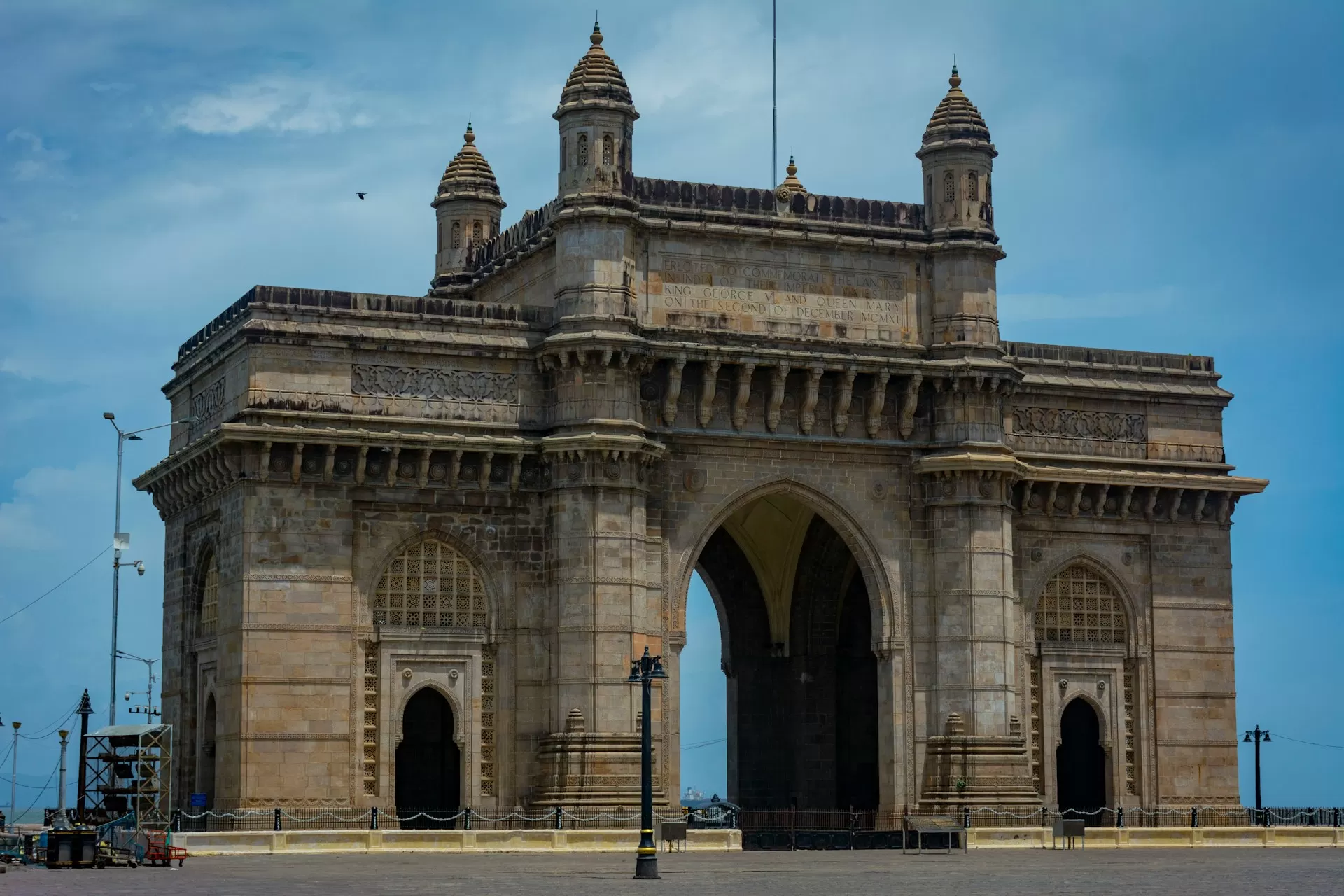
The Gateway of India is one of India's most iconic monuments, located on the waterfront in Mumbai overlooking the Arabian Sea. Built in 1924, this grand basalt arch was designed by architect George Wittet to commemorate the visit of King George V and Queen Mary to India in 1911. Standing about 26 meters high, the monument beautifully blends Indo-Saracenic, Hindu, and Muslim architectural styles. Today, it serves as a major tourist attraction and a symbol of Mumbai's rich colonial heritage.
🌍 About This Place
The Gateway of India is one of the most recognized monuments in India and a symbol of the vibrant city of Mumbai. Situated on the shores of the Arabian Sea at Apollo Bunder, the monument was constructed to commemorate the visit of King George V and Queen Mary to India in 1911. Although the foundation stone was laid in 1911, the structure was completed and opened to the public in 1924. Designed by architect George Wittet, the monument showcases a unique blend of Indo-Saracenic, Hindu, and Muslim architectural styles, making it a masterpiece of colonial-era architecture.
Built from yellow basalt stone and reinforced concrete, the arch stands approximately 26 meters high and faces the sea, creating a grand and welcoming appearance. Over the years, the Gateway of India has witnessed several important historical events, including the departure of the last British troops from India in 1948, symbolizing the end of British rule.
Today, the monument attracts millions of tourists from India and around the world. Visitors come to admire its architectural beauty, learn about its historical significance, and enjoy the scenic views of the Arabian Sea. The area around the Gateway is lively and bustling, featuring street vendors, photographers, and ferry services. It also serves as the departure point for boats to the famous Elephanta Caves, a UNESCO World Heritage Site.
Whether visited during the day or illuminated at night, the Gateway of India offers a memorable experience. Its rich history, impressive architecture, and picturesque location make it an essential destination for anyone exploring Mumbai and one of the most cherished landmarks of India.
🎯 Things to do
📍 Near By
- Taj Mahal Palace Hotel (opposite Gateway)
- Elephanta Caves
- Colaba Causeway (shopping street)
- Chhatrapati Shivaji Maharaj Terminus (CSMT)
- UNESCO site Marine Drive
- Prince of Wales Museum (CSMVS)
🚗 How to Reach
⭐ Why Visit
💡 Travel Tips
✨ Special Features
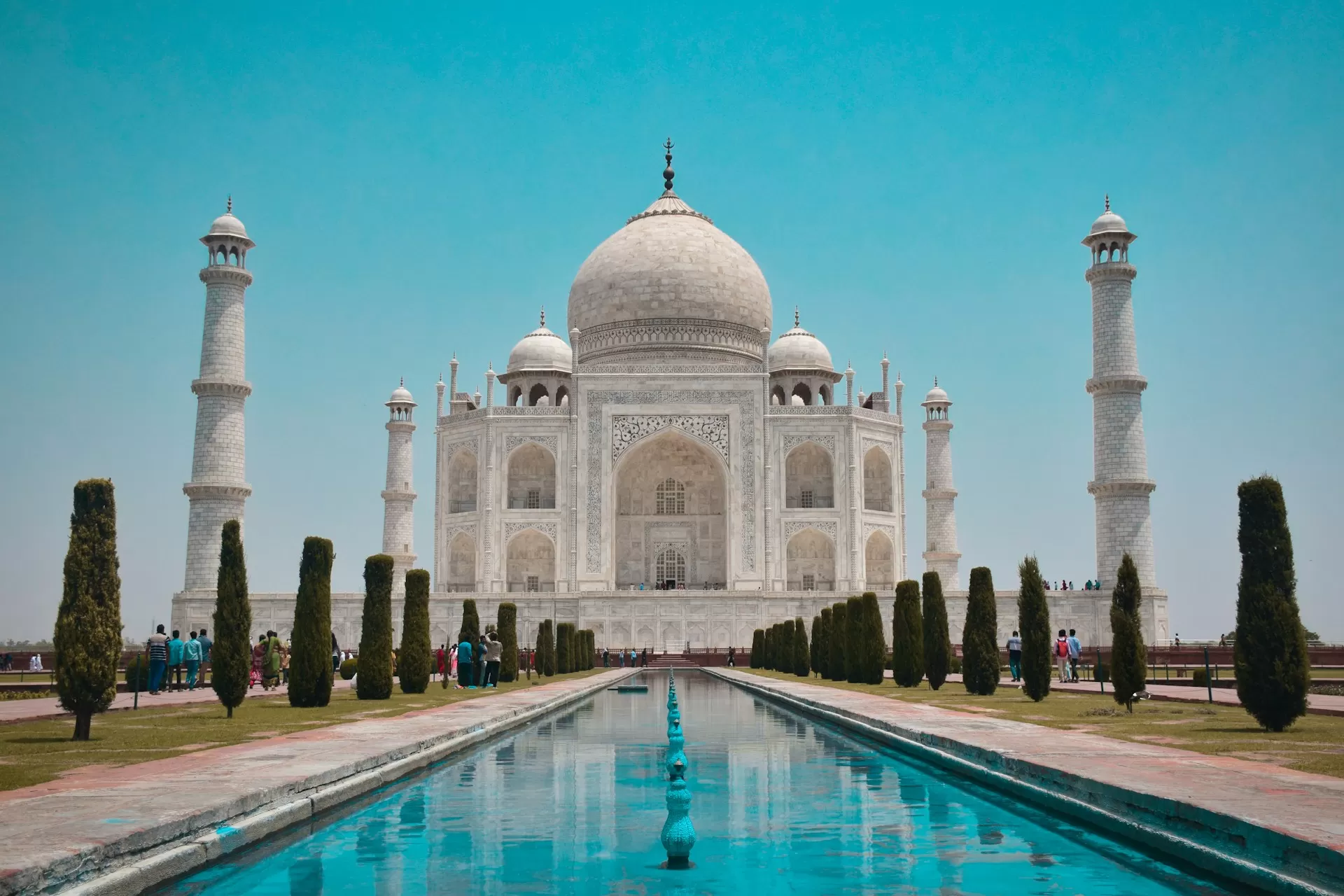
Taj Majal
• Agra • Uttar Pradesh
The Taj Mahal is one of the world's most famous monuments and a UNESCO World Heritage Site located in Agra. Built by the Mughal Emperor Shah Jahan in memory of his beloved wife Mumtaz Mahal, it is considered the finest example of Mughal architecture. Constructed from white marble and adorned with intricate carvings, precious stones, and beautiful gardens, the monument symbolizes eternal love and architectural brilliance.
🌍 About This Place
The Taj Mahal, located in Agra, Uttar Pradesh, is one of the most magnificent monuments in the world and a symbol of eternal love. It was commissioned in 1632 by the Mughal Emperor Shah Jahan in memory of his beloved wife, Mumtaz Mahal, who passed away during childbirth. The construction took over twenty years and involved thousands of skilled artisans, craftsmen, and laborers.
Built entirely from gleaming white marble, the Taj Mahal is renowned for its extraordinary beauty, symmetry, and intricate decorative work. The monument stands on the banks of the Yamuna River and is surrounded by beautifully landscaped Mughal gardens, fountains, and reflecting pools that enhance its visual appeal. Delicate floral patterns, Quranic inscriptions, and precious stone inlays decorate the walls, showcasing the exceptional craftsmanship of the Mughal era.
The central dome rises majestically above the mausoleum and is flanked by four elegant minarets. One of the most fascinating features of the Taj Mahal is its changing appearance throughout the day. It appears pinkish in the morning, dazzling white during the day, and golden under the moonlight, creating a mesmerizing experience for visitors.
Recognized as a UNESCO World Heritage Site and one of the New Seven Wonders of the World, the Taj Mahal attracts millions of tourists every year. Beyond its architectural grandeur, it represents a timeless story of love, devotion, and artistic excellence. Visitors from across the globe come to admire its beauty, learn about its history, and experience the rich cultural heritage of India. The Taj Mahal remains not only a national treasure but also a universal symbol of love, beauty, and human creativity.
🎯 Things to do
📍 Near By
- The historic Agra Fort
- The beautiful "Baby Taj" (Itimad-ud-Daulah's Tomb)
- The garden offering sunset views called Mehtab Bagh
- The deserted city of Fatehpur Sikri and the grand Akbar's Tomb along with the stunning Jama Masjid and Mughal gardens like Ram Bagh.