
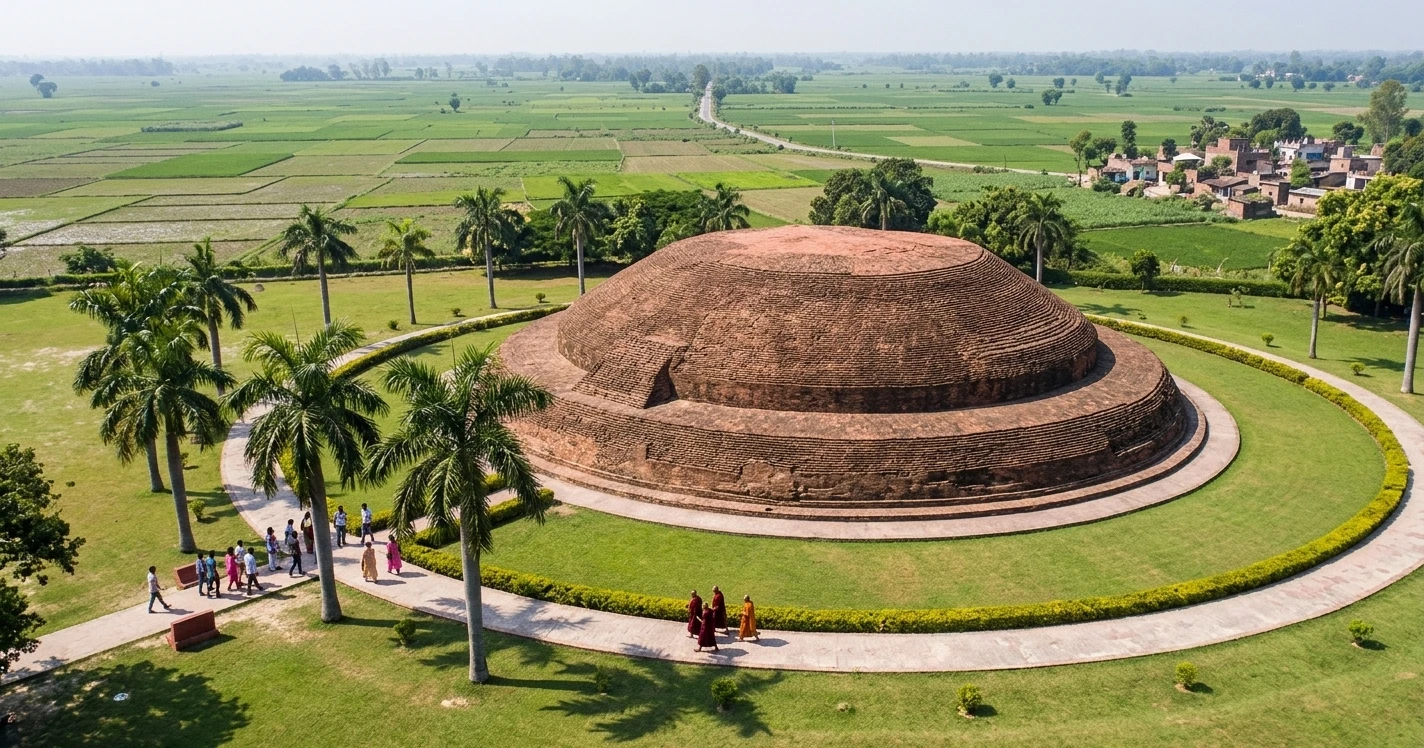
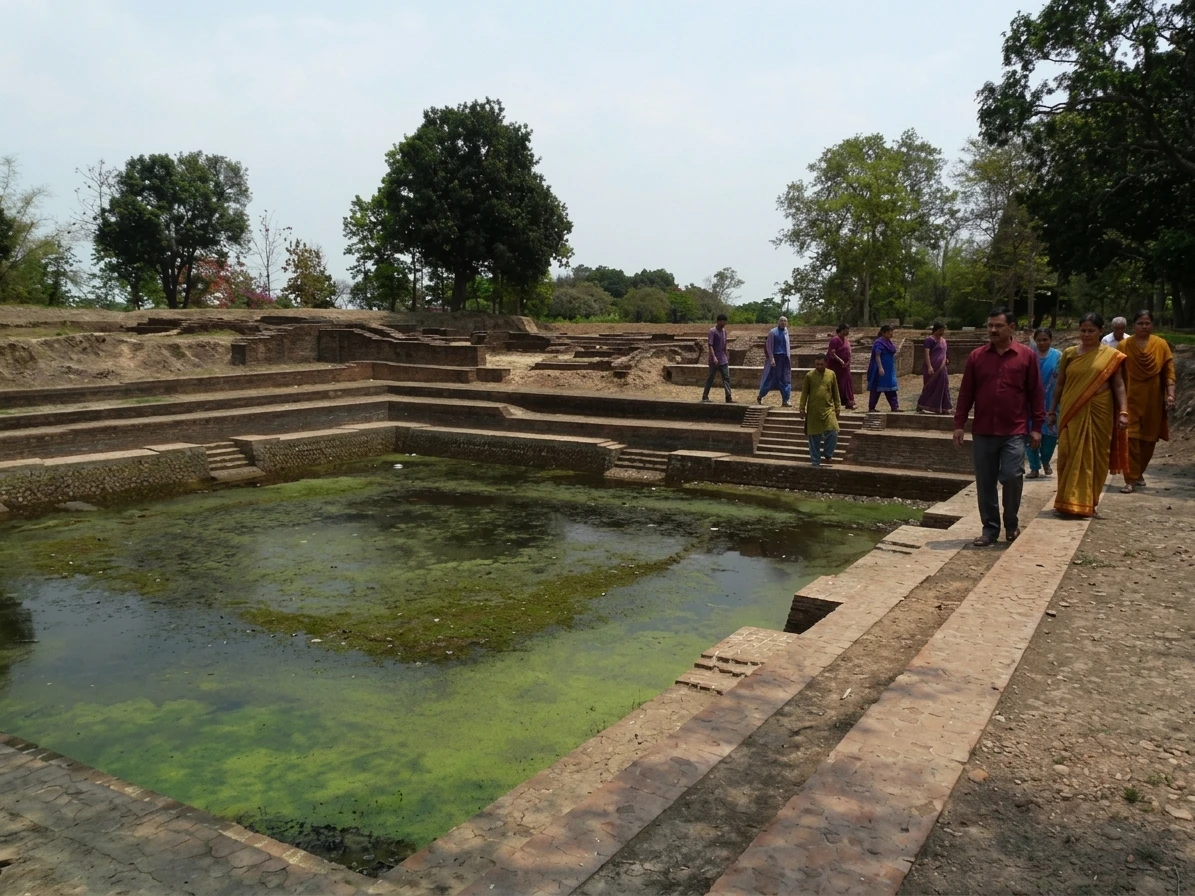
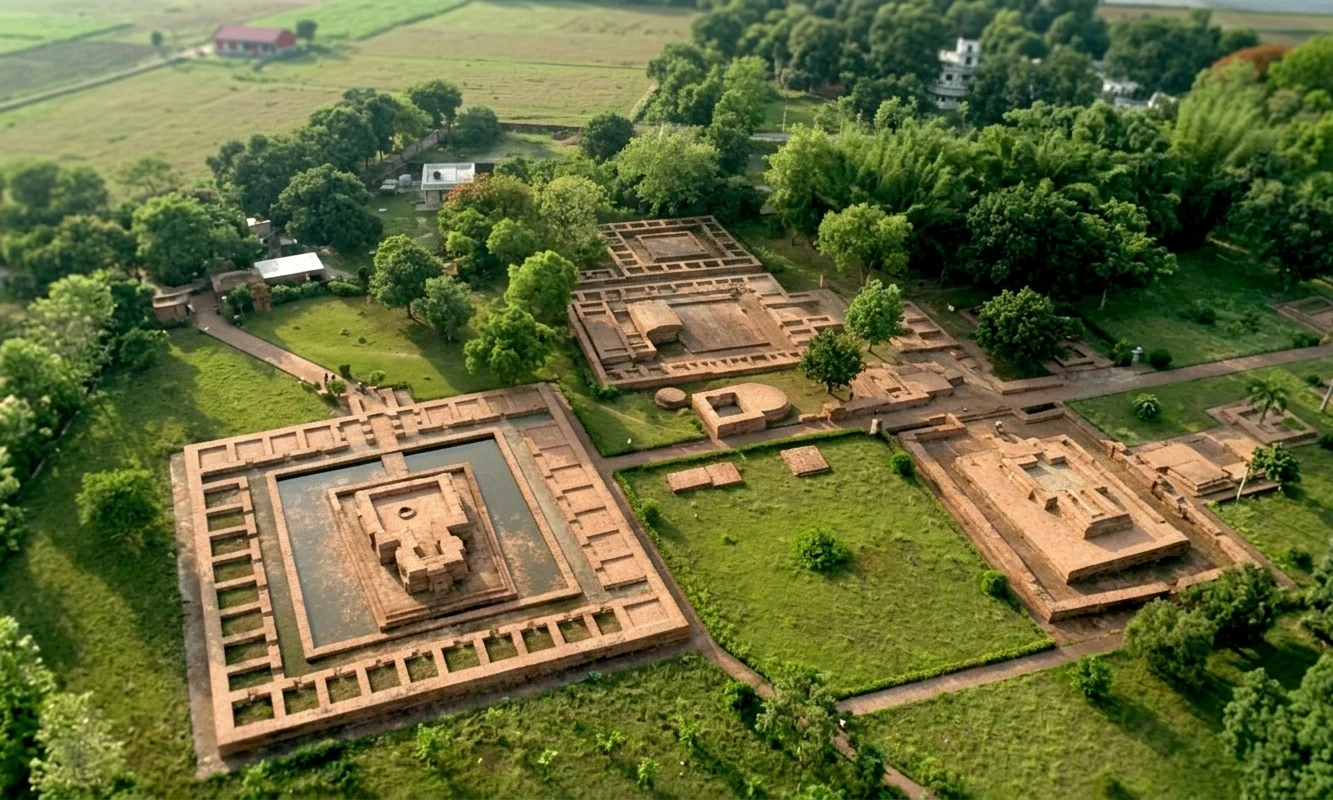
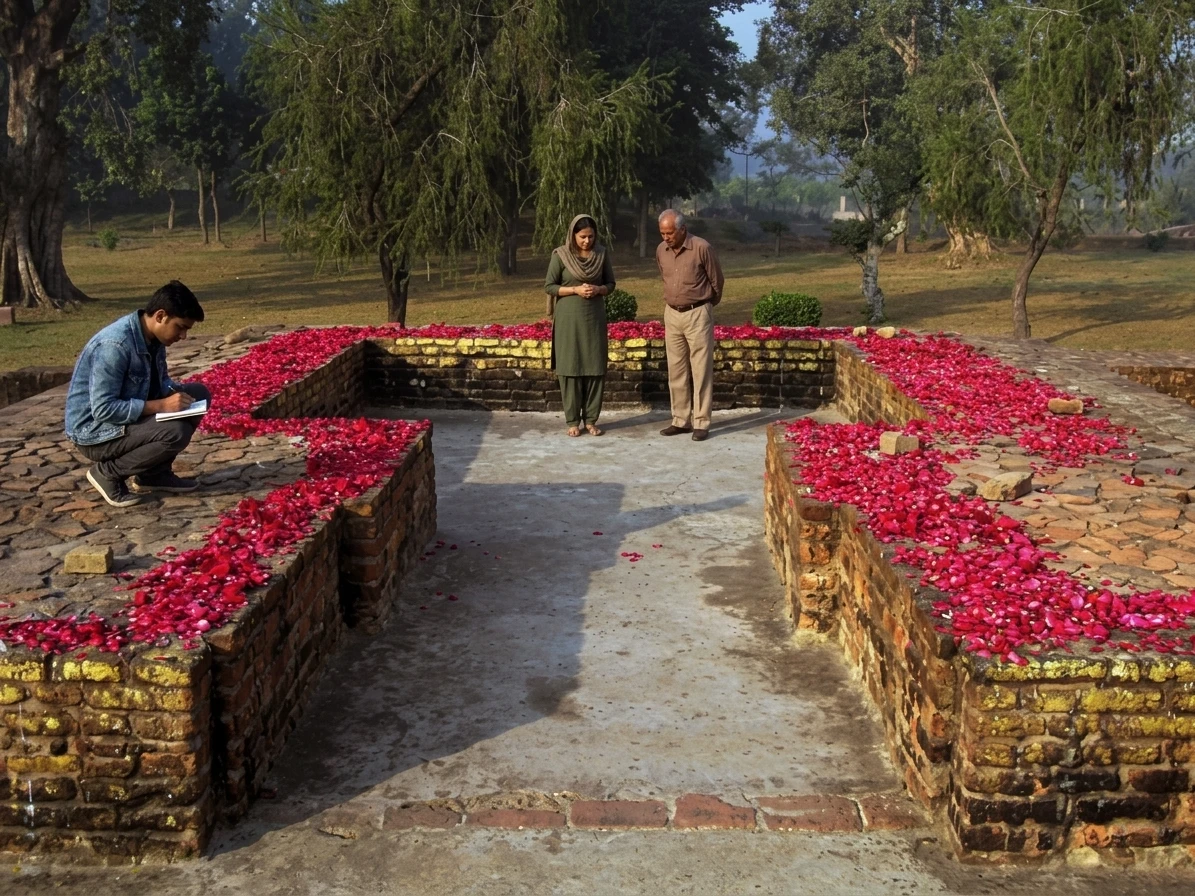

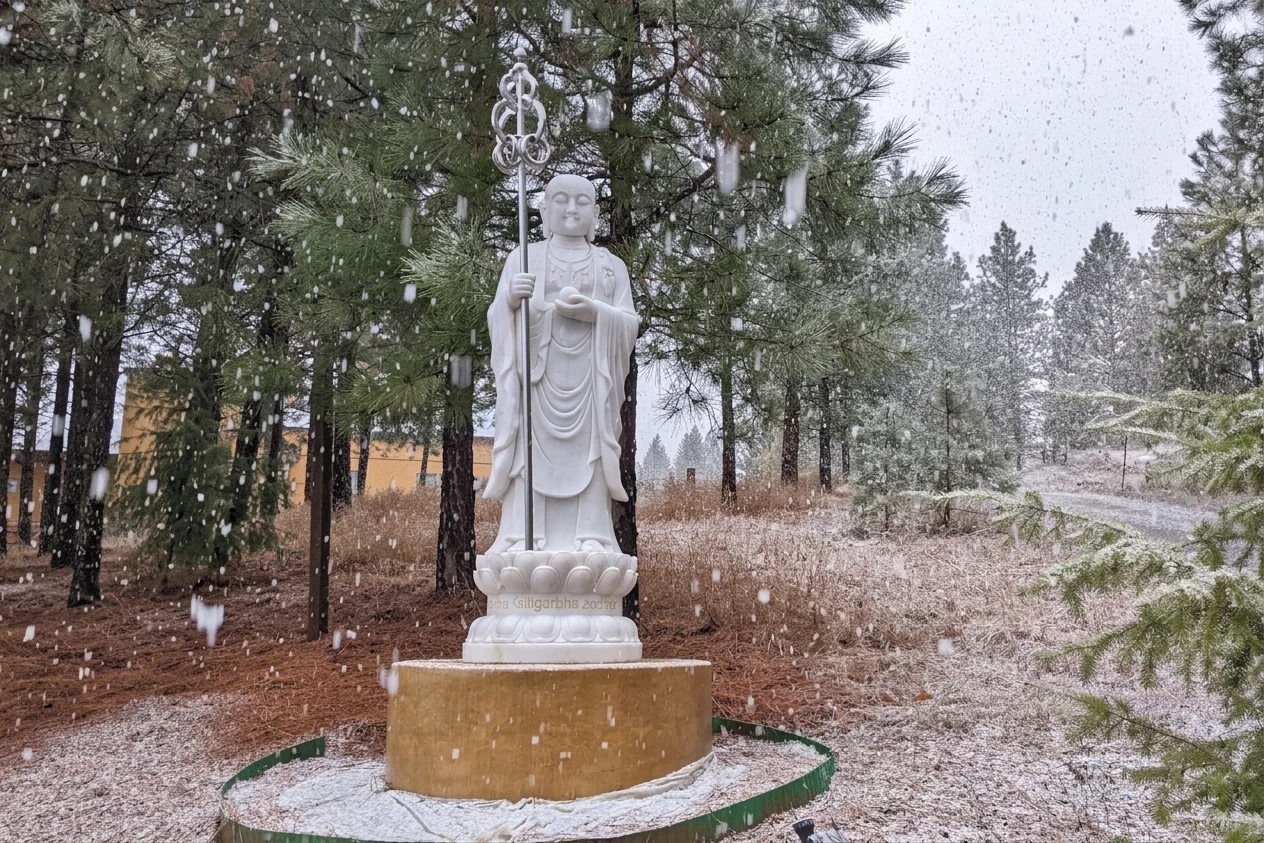
Shravasti is an ancient historical and religious destination in Uttar Pradesh, India, famous for its close association with Gautama Buddha. It was an important city of the ancient Kosala Kingdom and one of the major centres of Buddhist teaching. The sacred Jetavana Monastery is believed to be a place where Buddha spent several rainy seasons and delivered many sermons. Visitors can explore ancient archaeological remains, stupas, meditation centres, Buddhist monasteries and Jain religious sites. Shravasti offers a peaceful atmosphere for pilgrimage, meditation, historical exploration and cultural learning. It is an ideal destination for spiritual travellers, history enthusiasts and those interested in Buddhist heritage.
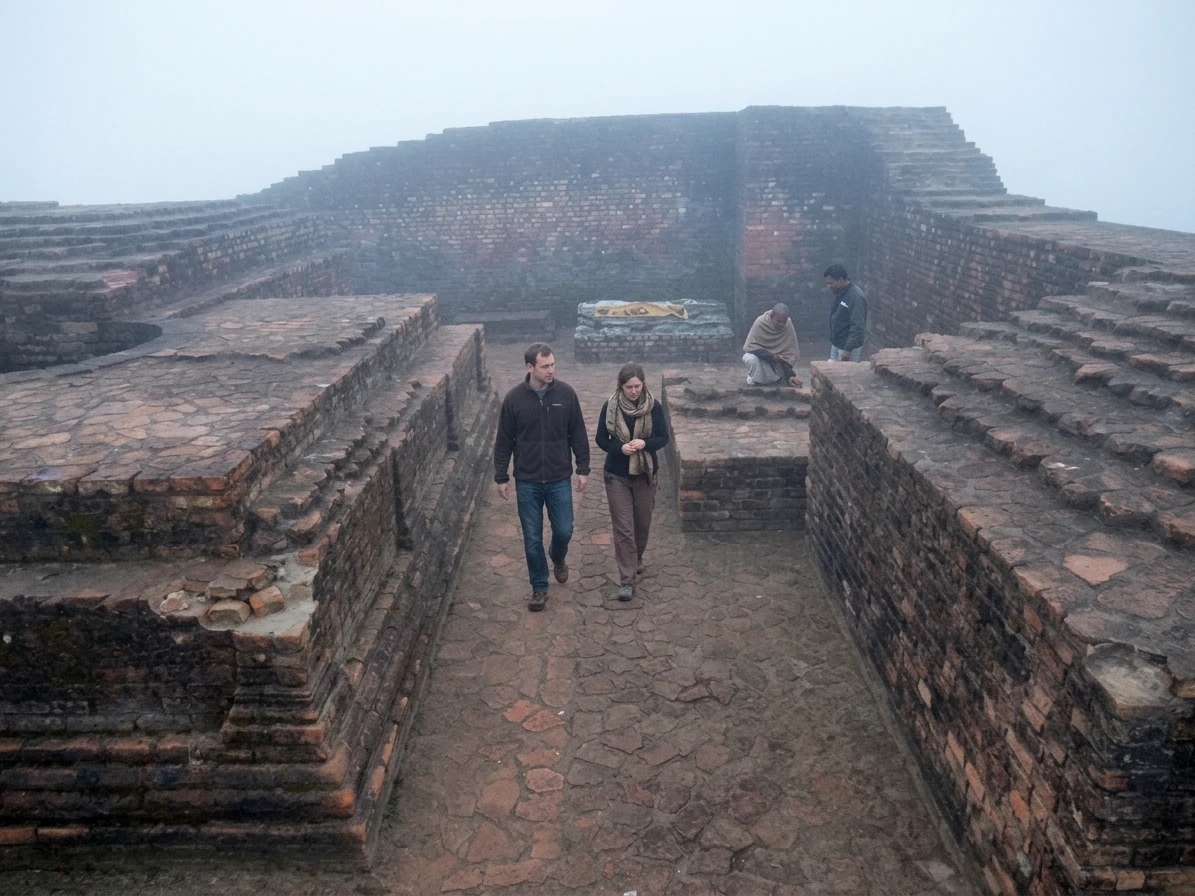
Shravasti is particularly famous for its association with Gautama Buddha. Buddhist traditions identify Jetavana, also known as Jetavana Vihara, as one of the places where Buddha spent several rainy seasons teaching his followers. The monastery is traditionally associated with the wealthy merchant Anathapindika, who is said to have offered the Jetavana grove for the Buddhist community. The remains of ancient monasteries, stupas and other structures help visitors understand the development of Buddhism in ancient India.
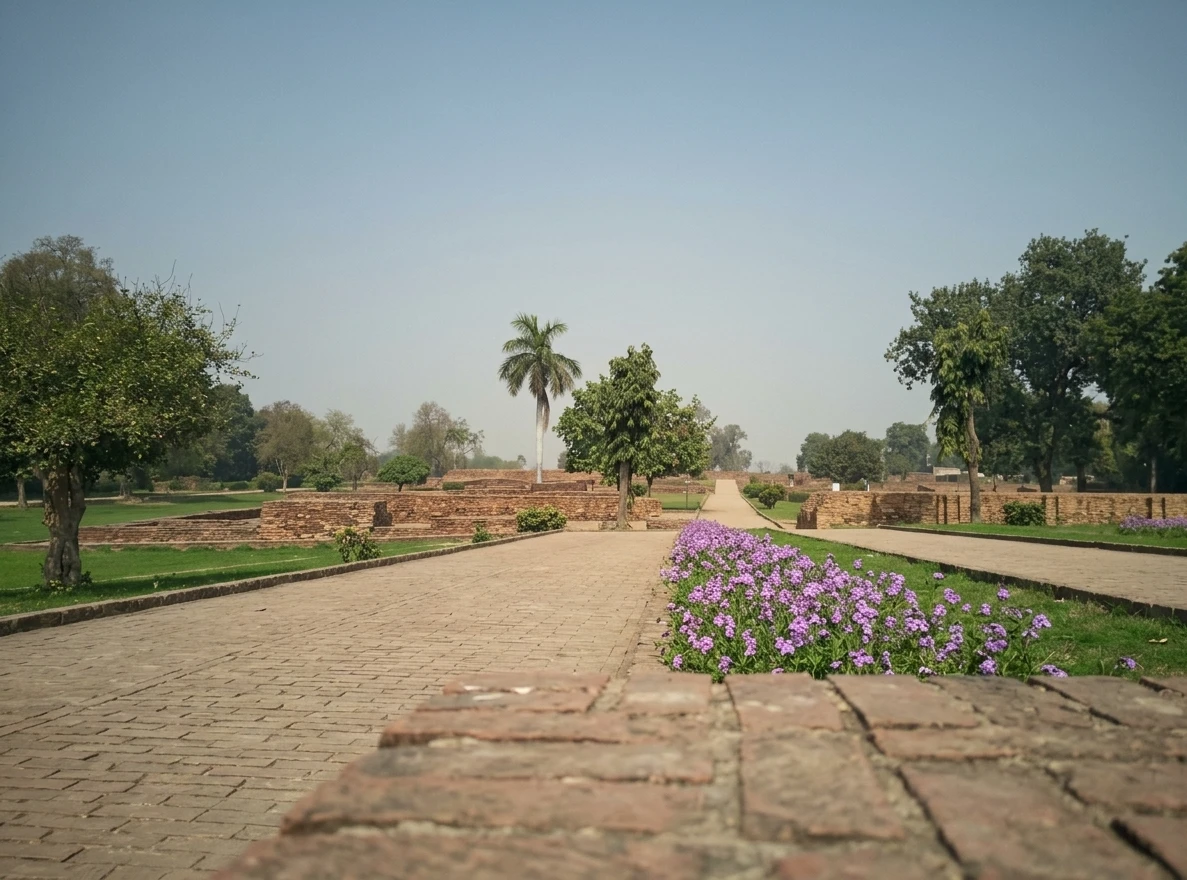
The archaeological area is commonly described through two historic sections, Saheth and Maheth. Saheth is closely associated with the Jetavana monastery complex, while Maheth contains the remains of the ancient city, including important mounds and structures traditionally linked with religious and historical figures. Kachchi Kuti and Pakki Kuti are among the notable archaeological attractions. The region also has Jain religious significance and includes temples and sites connected with Jain traditions.
Beyond its ancient ruins, Shravasti offers opportunities for meditation, quiet reflection, cultural learning and religious tourism. Visitors can explore Buddhist monasteries established by communities from different countries, observe prayer practices and learn about Buddhist philosophy. The Vipassana Meditation Centre is another attraction for those interested in meditation, although participation in residential courses generally requires advance registration.
The best time to visit is usually October to March, when the weather is more comfortable for walking around outdoor archaeological sites. The destination can be explored in one or two days, depending on the visitor's interests. Travellers should plan transport in advance, particularly if arriving by air or by train through nearby railway stations.
Shravasti is more than an archaeological destination: it represents a living connection with ancient Indian thought, Buddhist teachings, religious tolerance and the region's long cultural history. It is especially rewarding for pilgrims, students of history, photographers and travellers seeking a peaceful spiritual experience.