

Explore Historical Places in India
India is home to some of the worlds most remarkable historical landmarks. Magnificent forts, royal palaces, museums and cultural heritage sites reflect the countrys rich history, architecture and traditions. From the majestic forts of Rajasthan to the historic monuments of Delhi, ancient forts of Maharashtra and heritage museums across India, every destination offers a unique glimpse into Indias glorious past.
Browse complete travel guides for Indias famous historical places including entry fees, opening hours, best time to visit, nearby attractions, travel tips and Google Maps directions. FunYatra regularly updates every destination guide to help travellers explore Indias rich cultural and historical heritage.
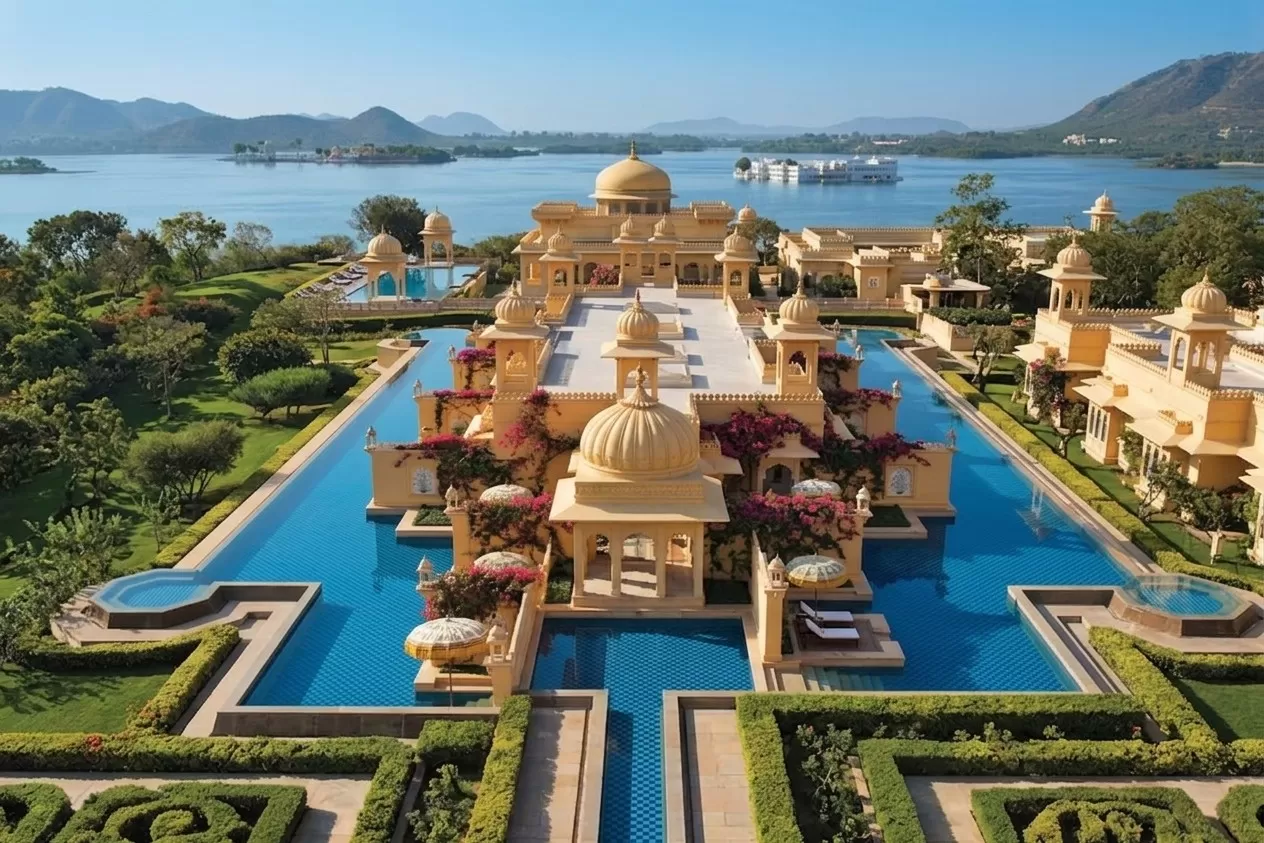
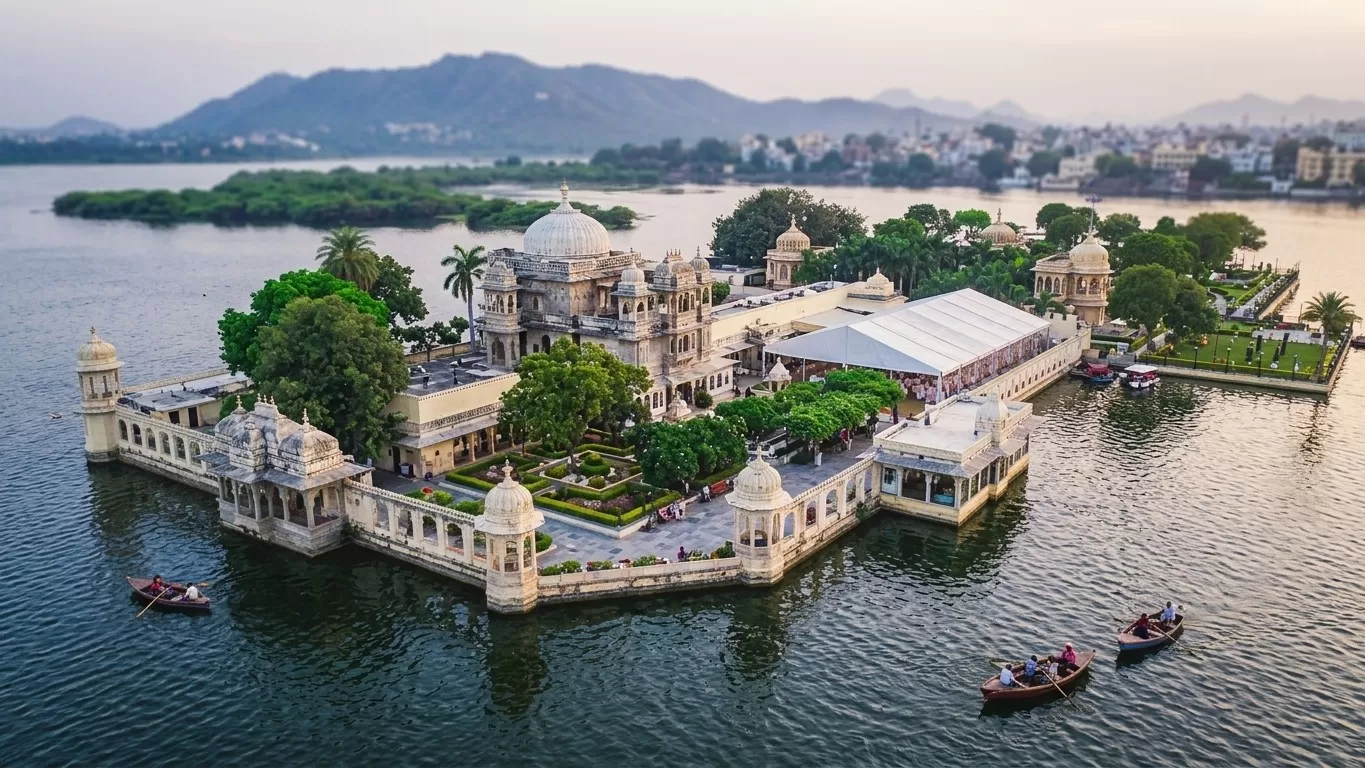
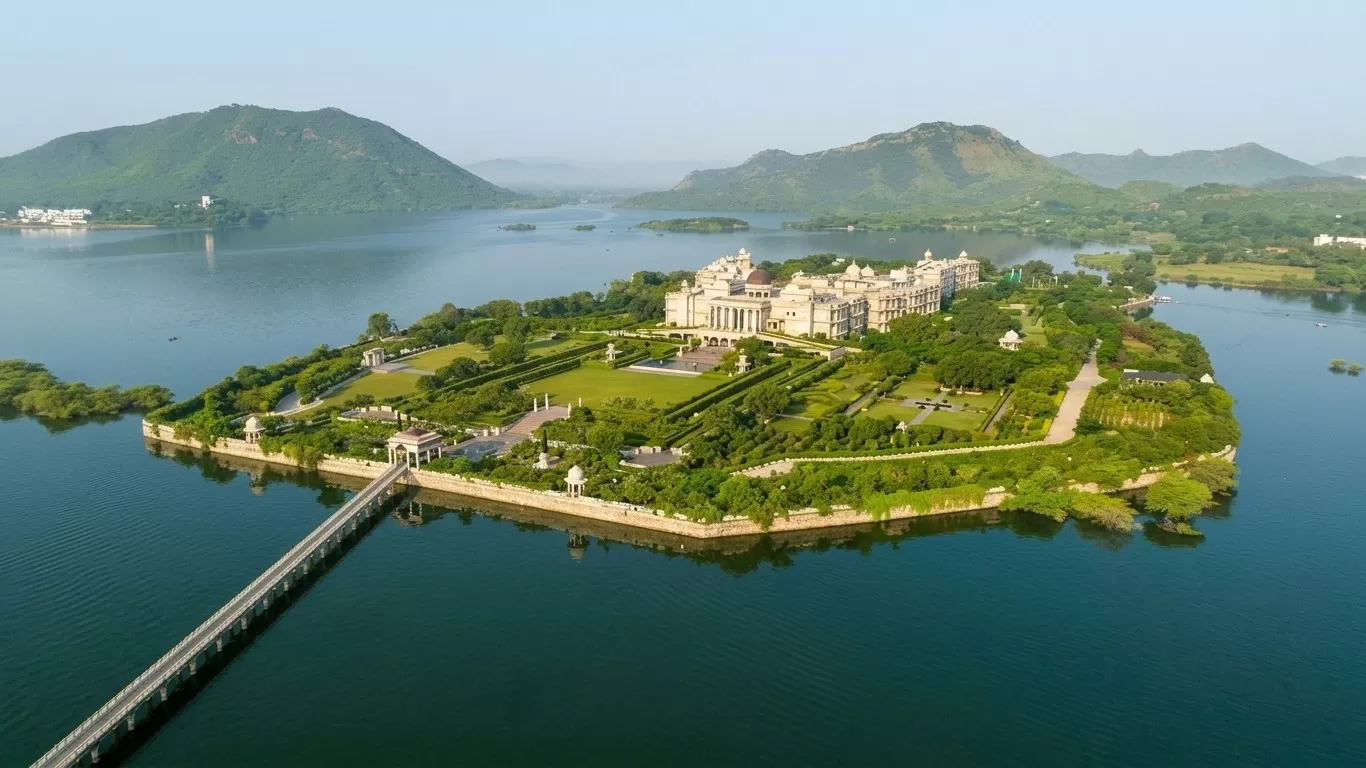
Udaipur, often called the “City of Lakes,” is one of Rajasthan’s most beautiful and romantic destinations. Surrounded by the ancient Aravalli Hills, the city is famous for its stunning lakes, magnificent palaces, vibrant culture, and rich Rajput heritage. Founded in 1559 by Maharana Udai Singh II, Udaipur attracts travelers with its picturesque landscapes, traditional architecture, colorful markets, and royal history. The city's serene lakes, including Lake Pichola and Fateh Sagar Lake, make it one of India's most enchanting tourist destinations.
Kumbhalgarh
📍 • Kumbhalgarh • Rajasthan
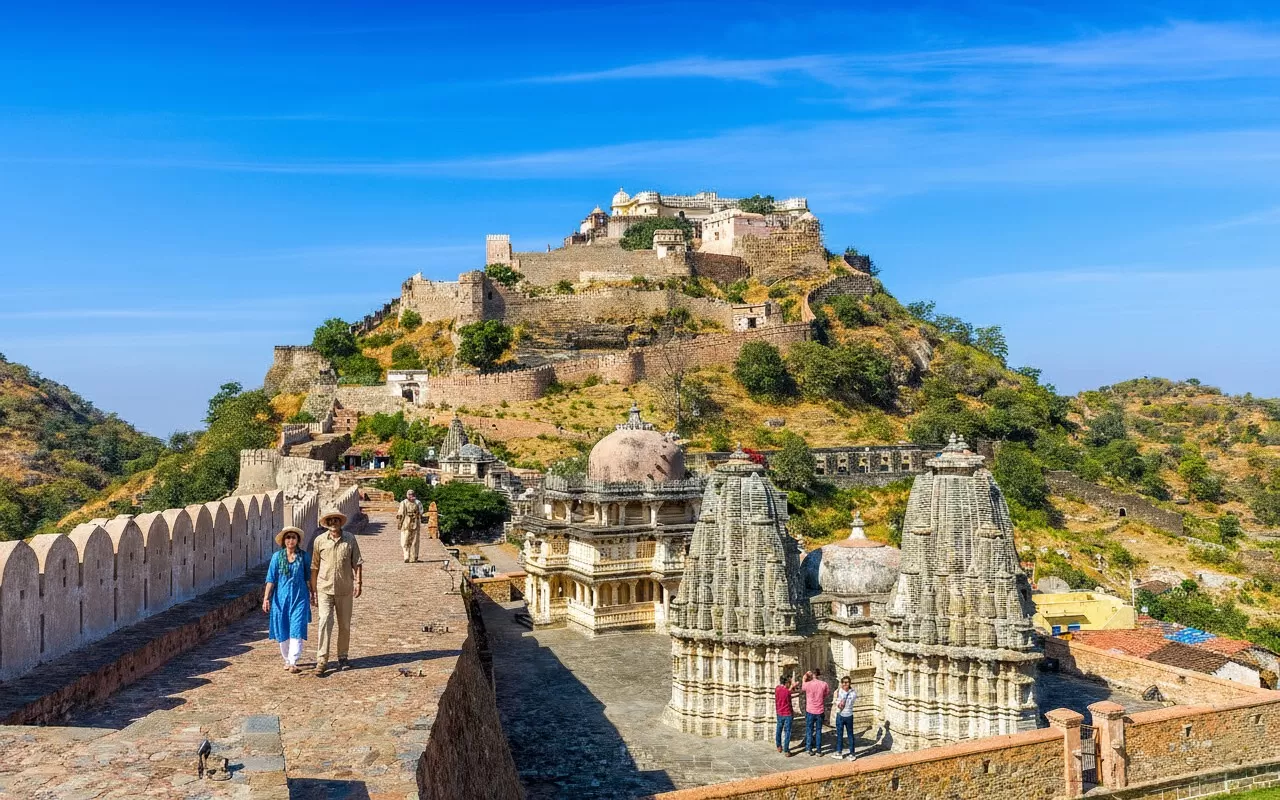
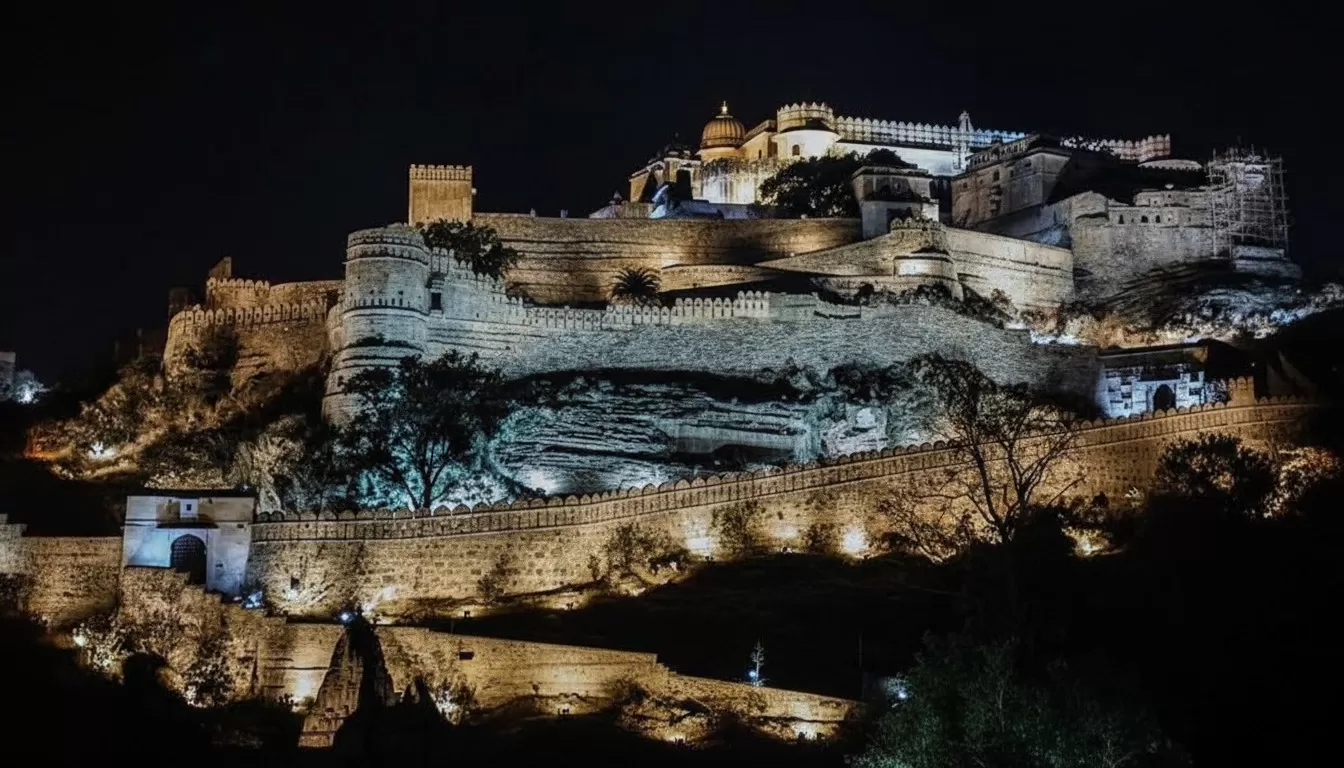
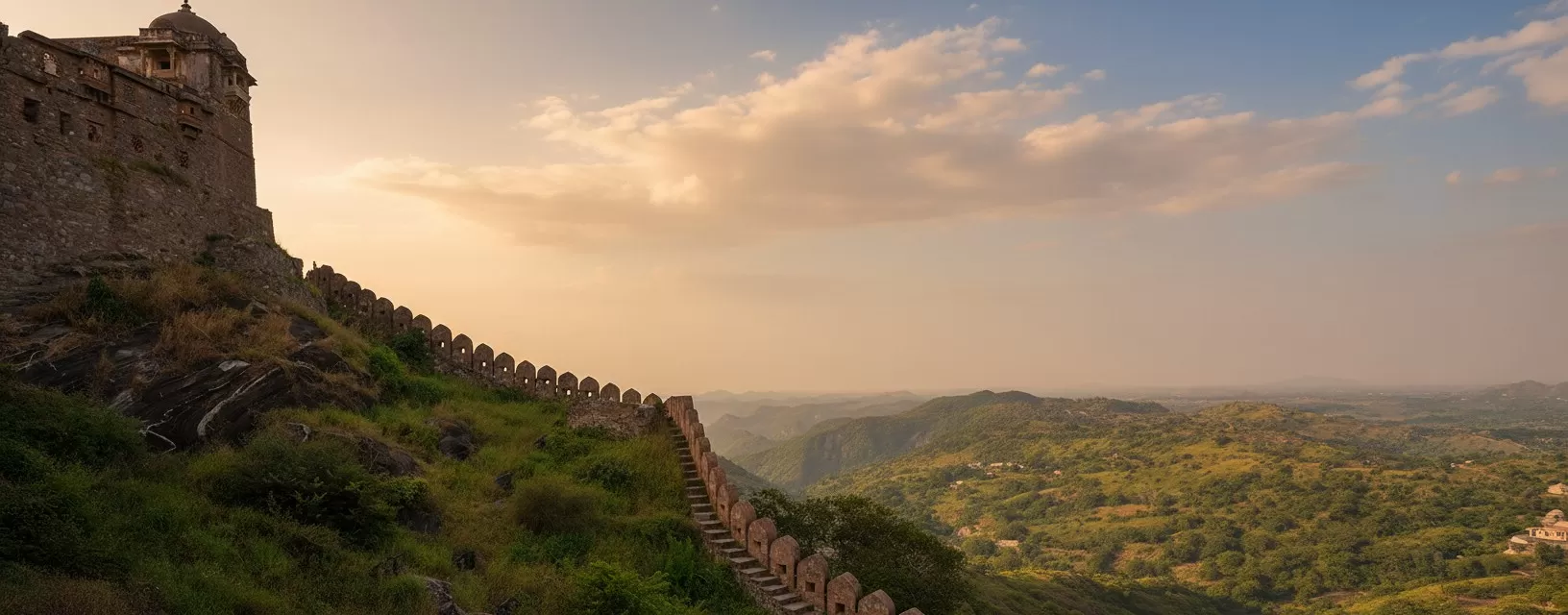
Kumbhalgarh Fort is one of India's most magnificent hill forts, located in the Aravalli Hills of Rajasthan. Built in the 15th century by Rana Kumbha, it is famous for its massive defensive wall stretching over 36 kilometers, often called the "Great Wall of India." The fort is a UNESCO World Heritage Site and offers breathtaking views, impressive architecture, ancient temples, palaces, and rich Rajput history. It is also known as the birthplace of Maharana Pratap.
Nahargarh Fort
📍 • Jaipur • Rajasthan
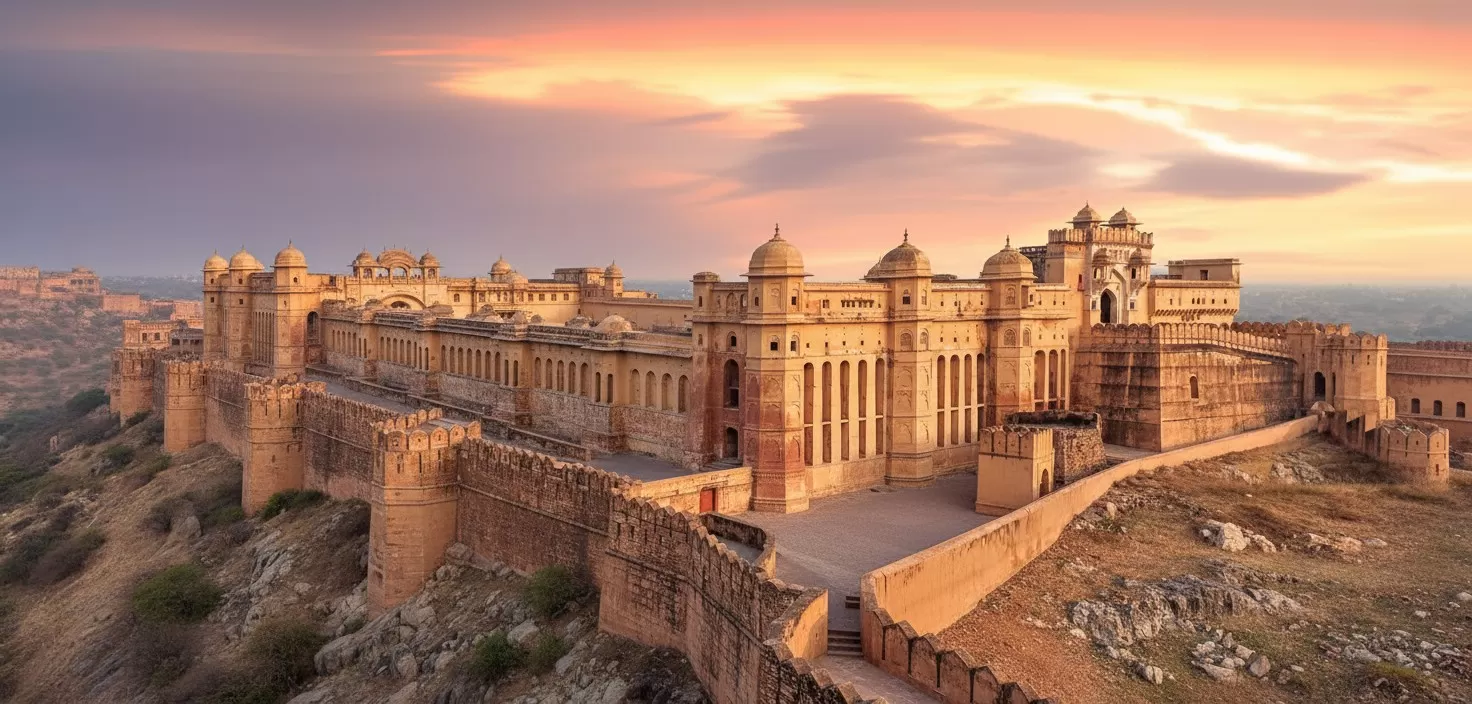
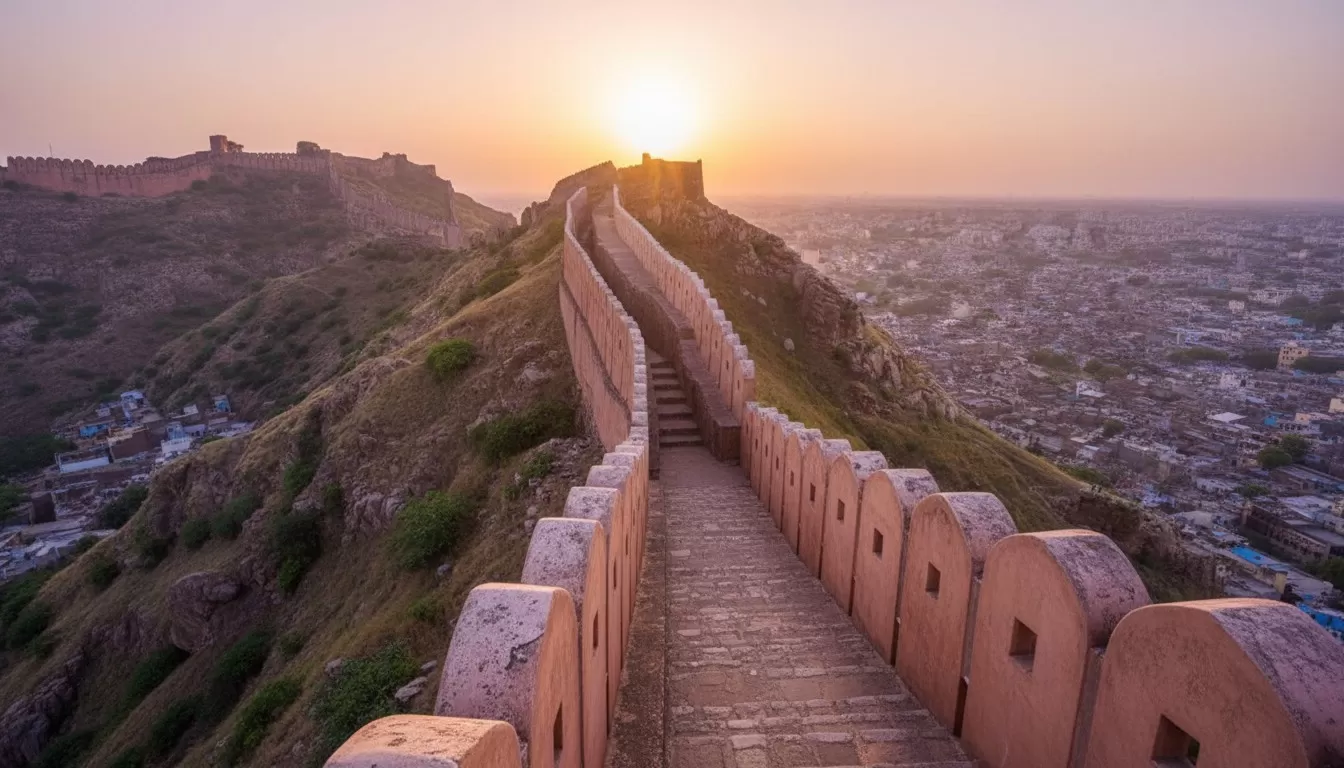
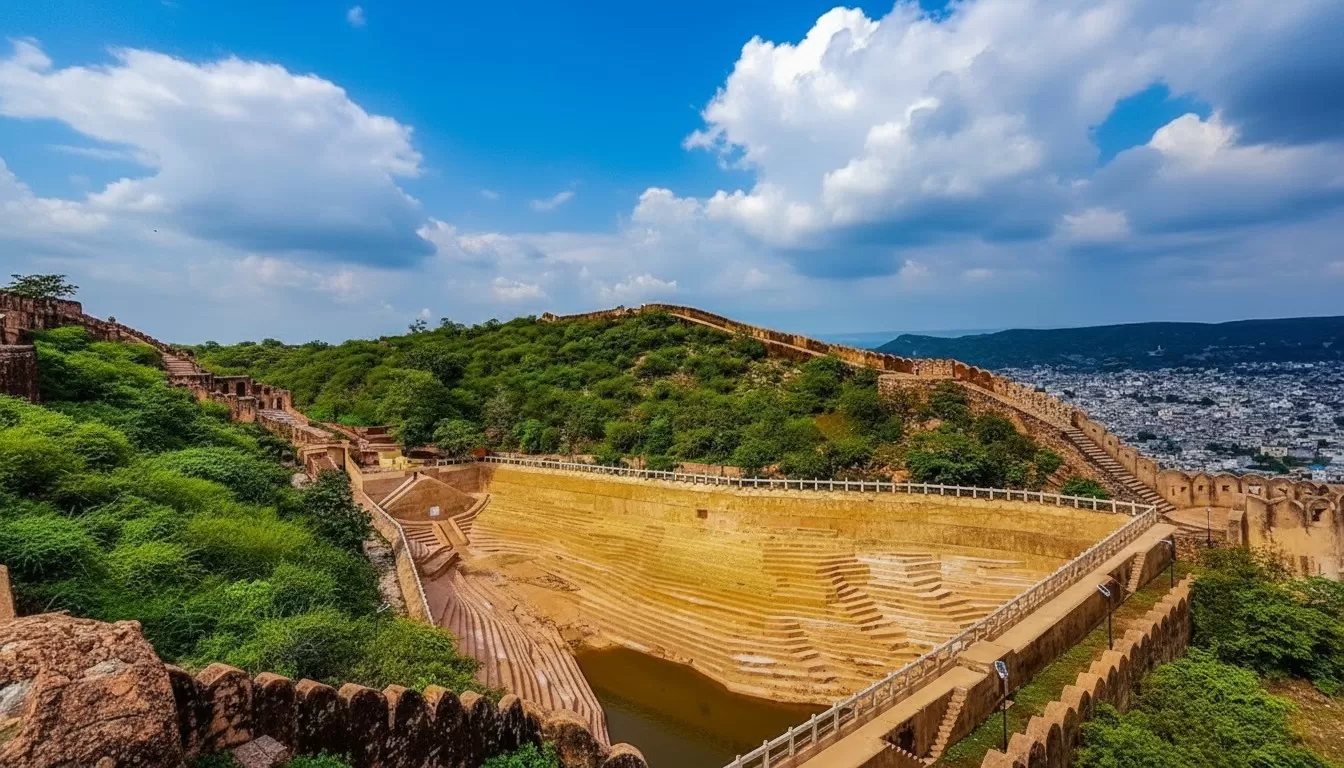
Perched on the rugged Aravalli Hills overlooking the Pink City of Jaipur, Nahargarh Fort is one of Rajasthan’s most famous historical attractions. Built in 1734 by Maharaja Sawai Jai Singh II, the fort originally served as a defensive structure to protect Jaipur from invading forces. The name “Nahargarh” means “abode of tigers,” and local legends say the fort was haunted by the spirit of Prince Nahar Singh, after whom it was named. Today, the fort is admired for its majestic architecture, panoramic city views, and rich Rajput history.
Jantar Mantar Jaipur
📍 • Jaipur • Rajasthan
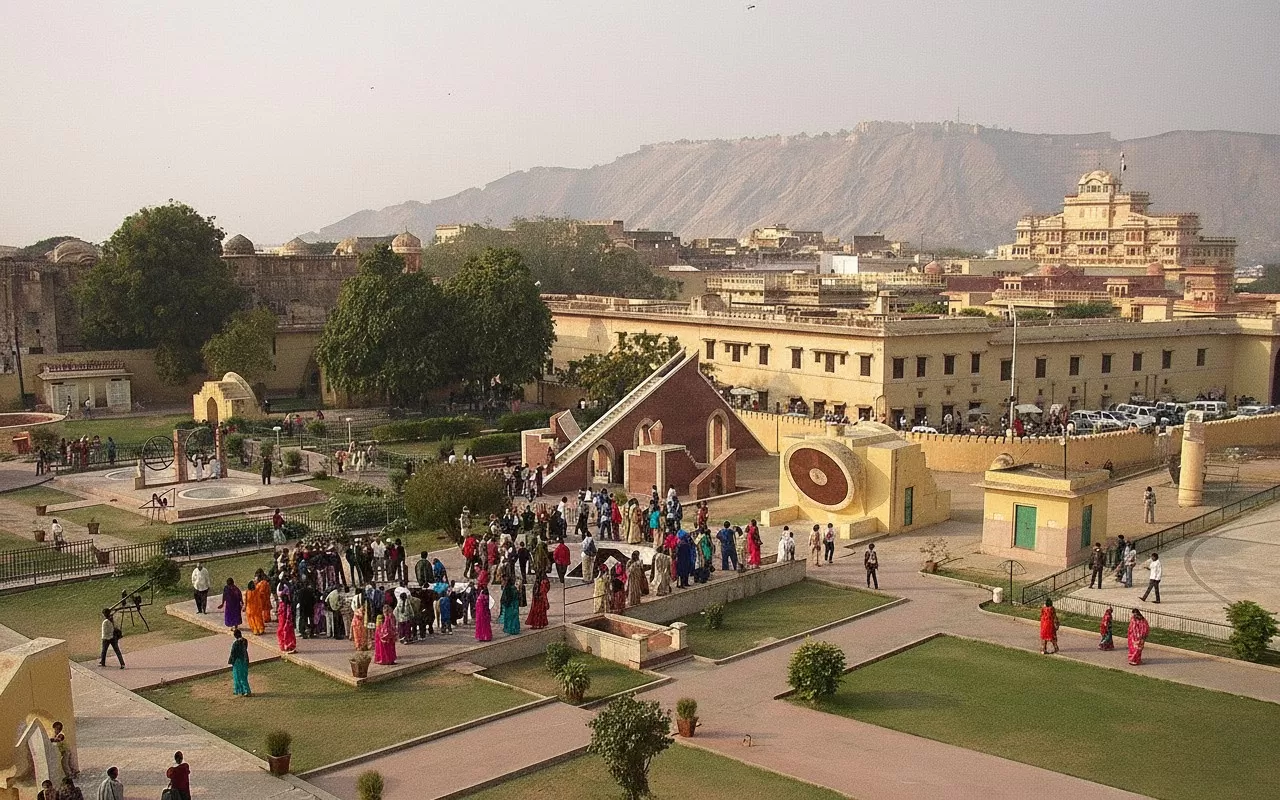
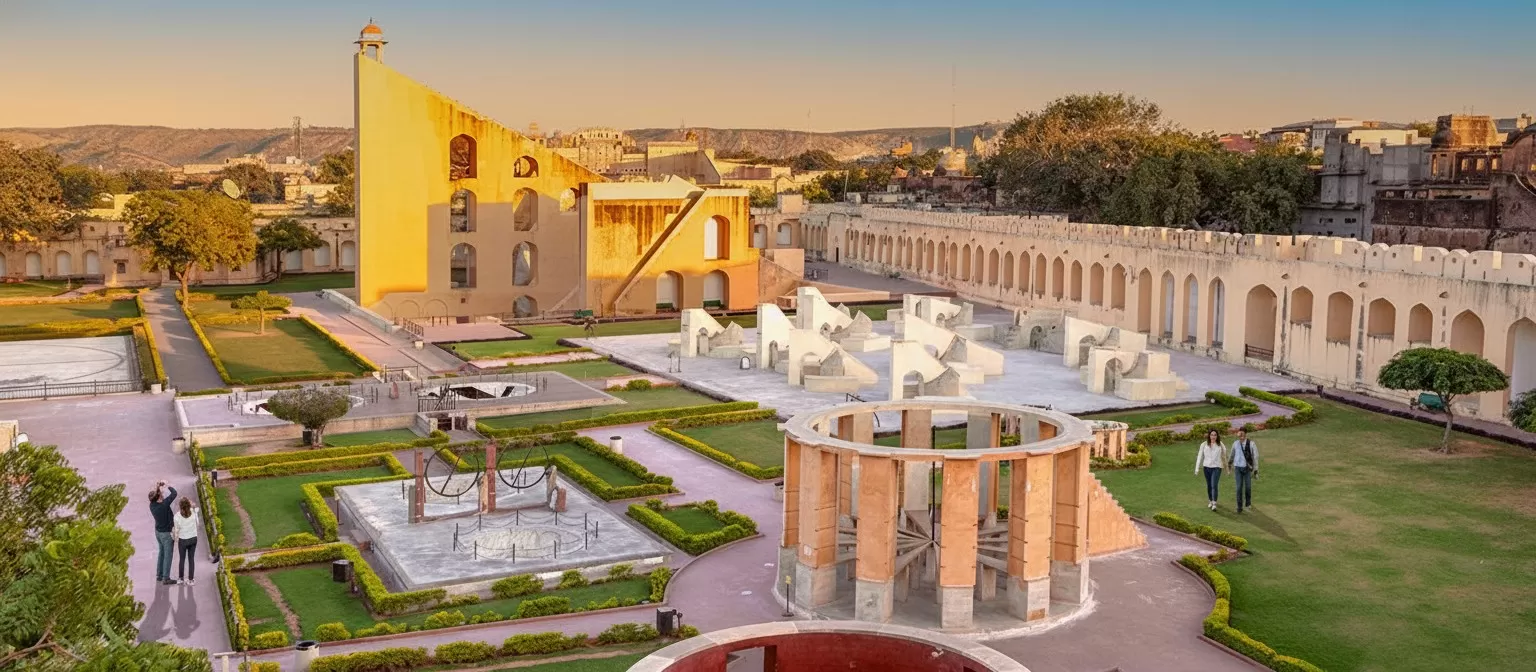
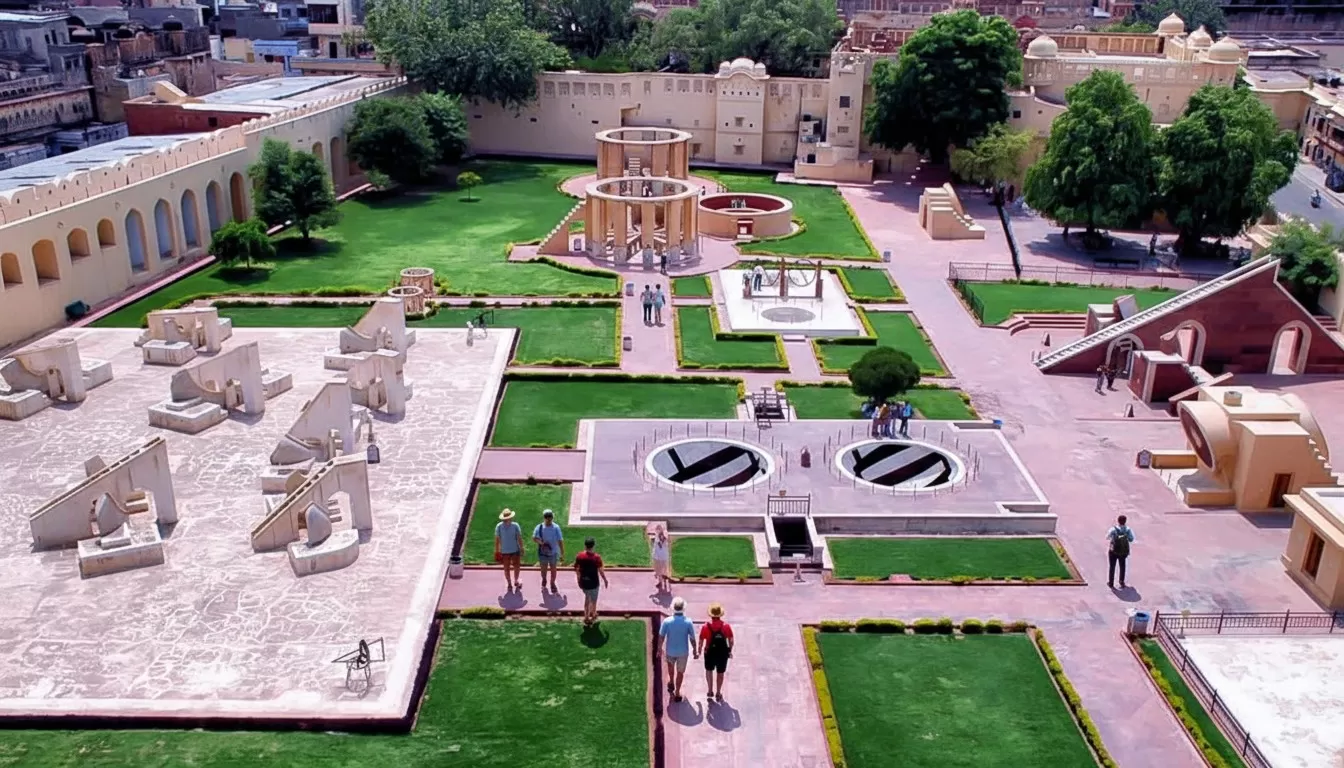
Jantar Mantar Jaipur is a UNESCO World Heritage astronomical observatory built by Maharaja Sawai Jai Singh II in the 18th century. It contains the world’s largest stone sundial and a collection of 19 astronomical instruments used to measure time, track celestial bodies, and predict eclipses. Located near City Palace in Jaipur, it reflects advanced ancient Indian science and architectural precision. The site remains one of the best-preserved observatories of its kind and attracts students, historians, and tourists interested in astronomy and heritage.
Hawa Mahal
📍 • Jaipur • Rajasthan
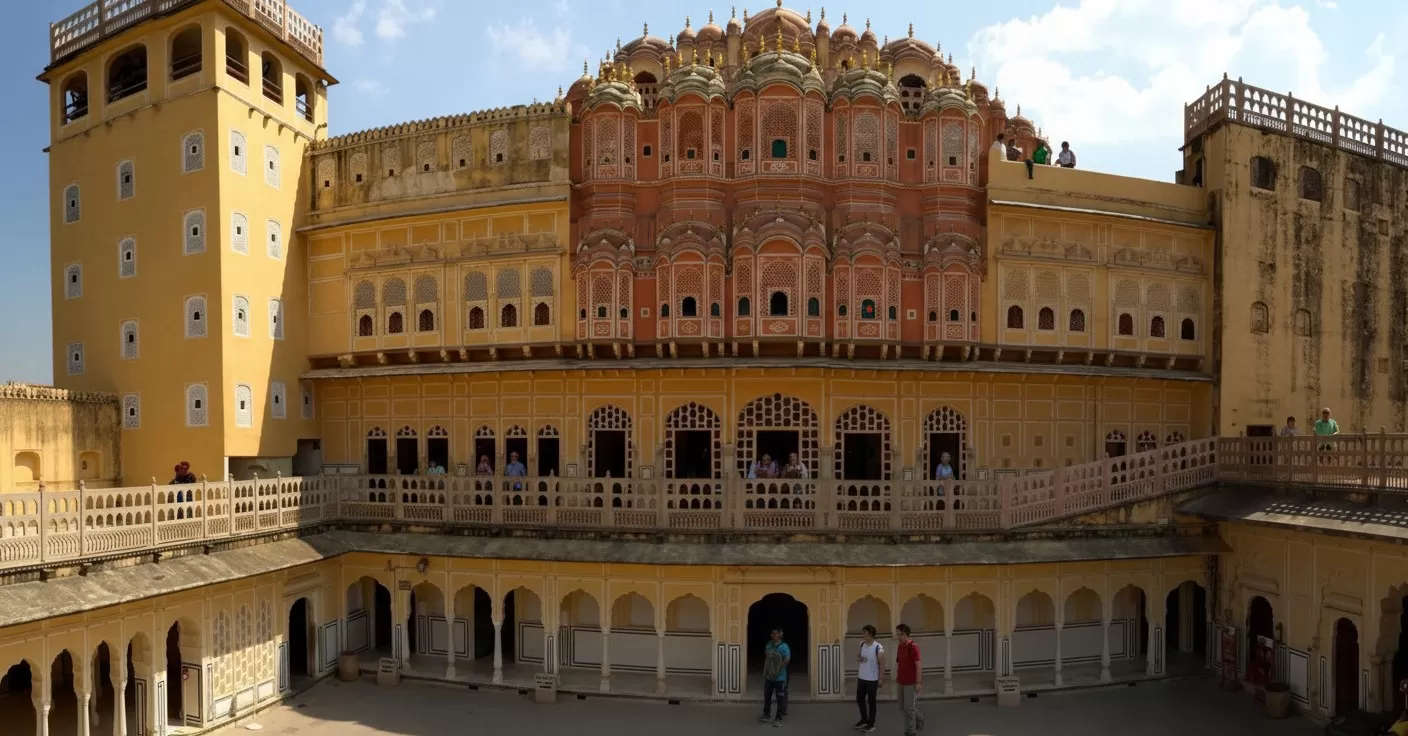
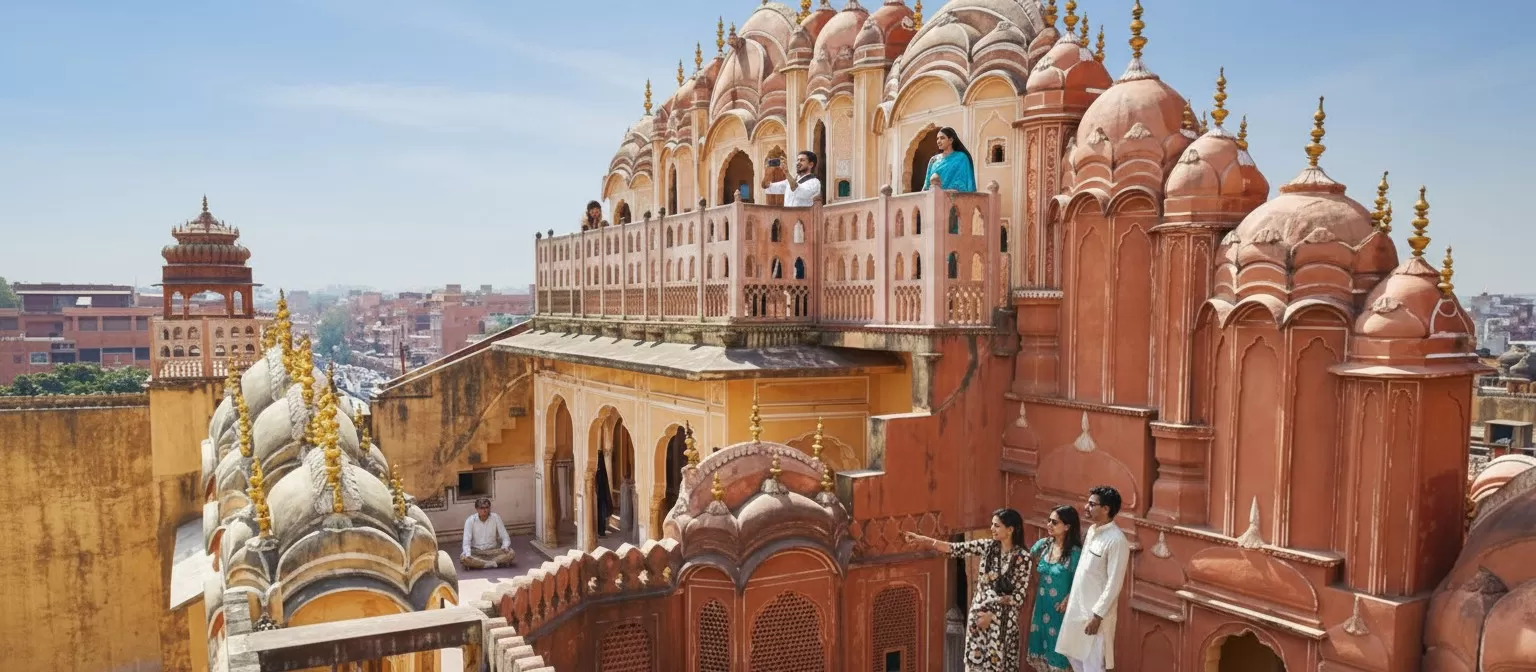
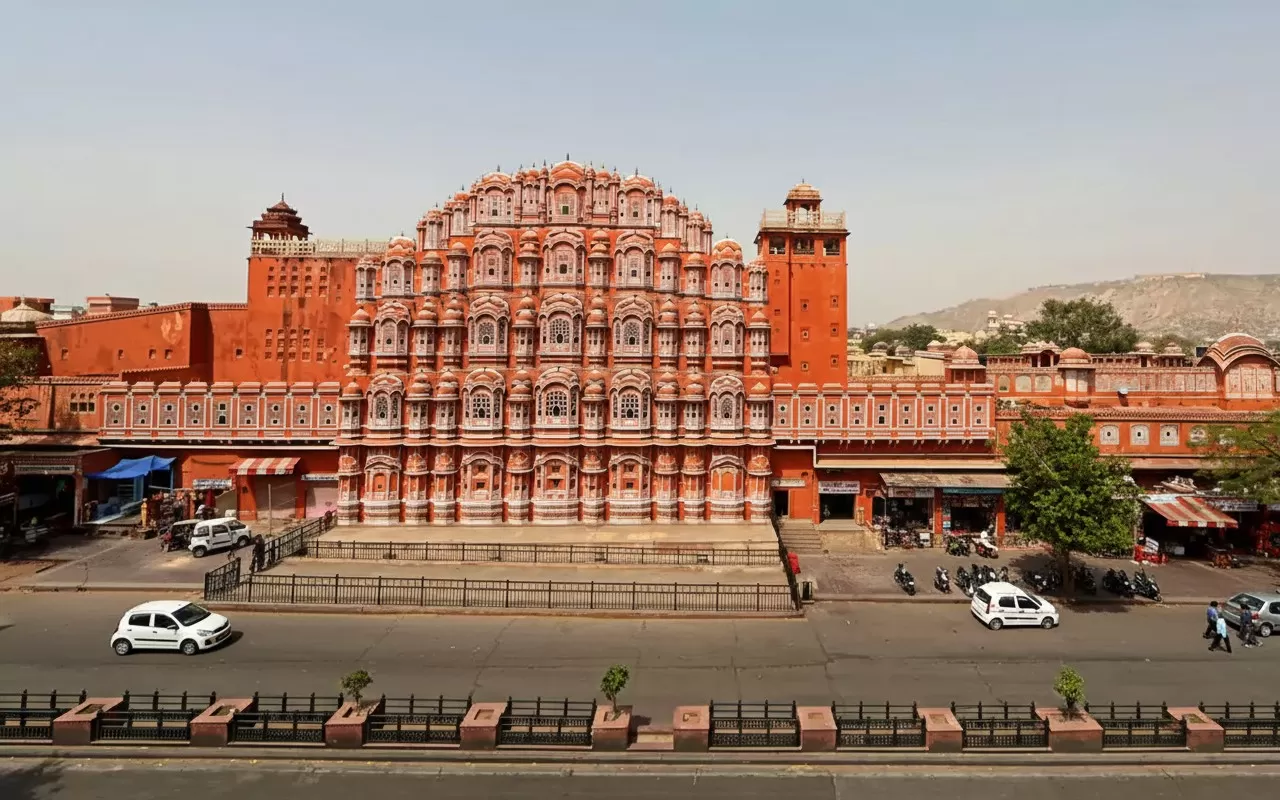
Hawa Mahal, also known as the “Palace of Winds,” is one of the most famous landmarks of Jaipur. Built in 1799 by Maharaja Sawai Pratap Singh, this five-story pink sandstone monument was designed by architect Lal Chand Ustad. The palace has 953 small windows called jharokhas, which allow cool air to circulate through the structure, keeping it naturally ventilated even during hot summers. Its unique honeycomb-shaped façade reflects the rich Rajput architectural style mixed with Mughal influences.
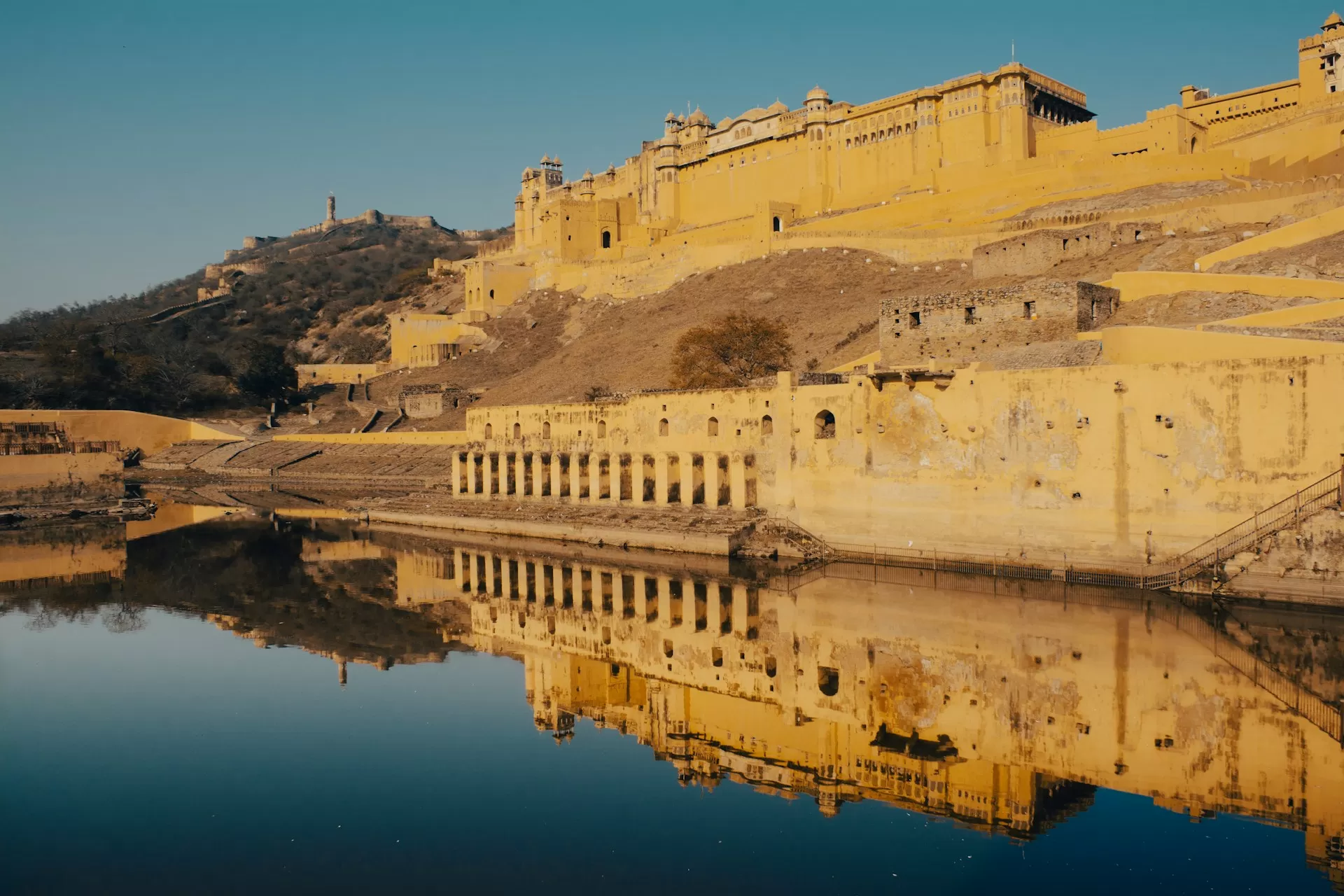
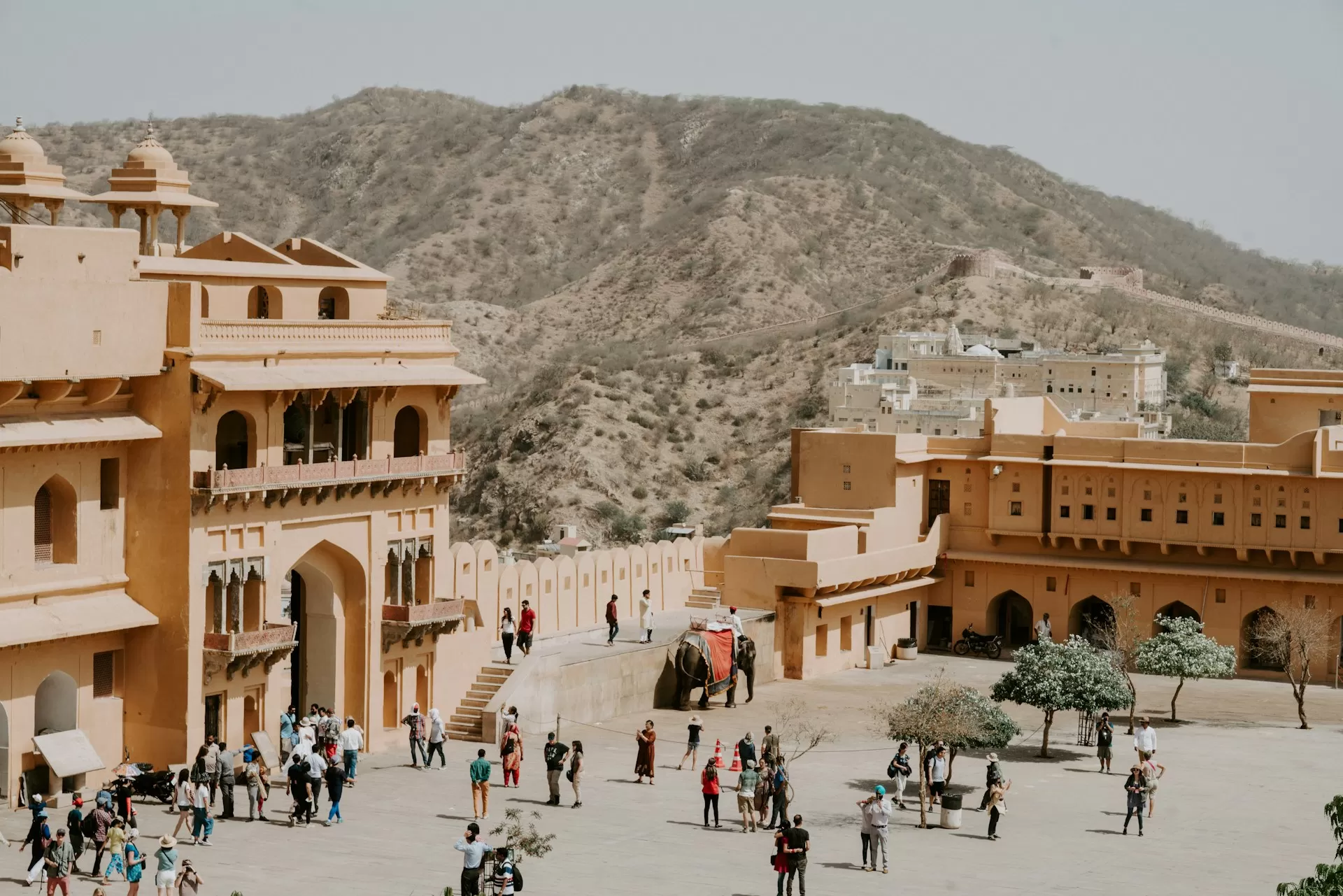
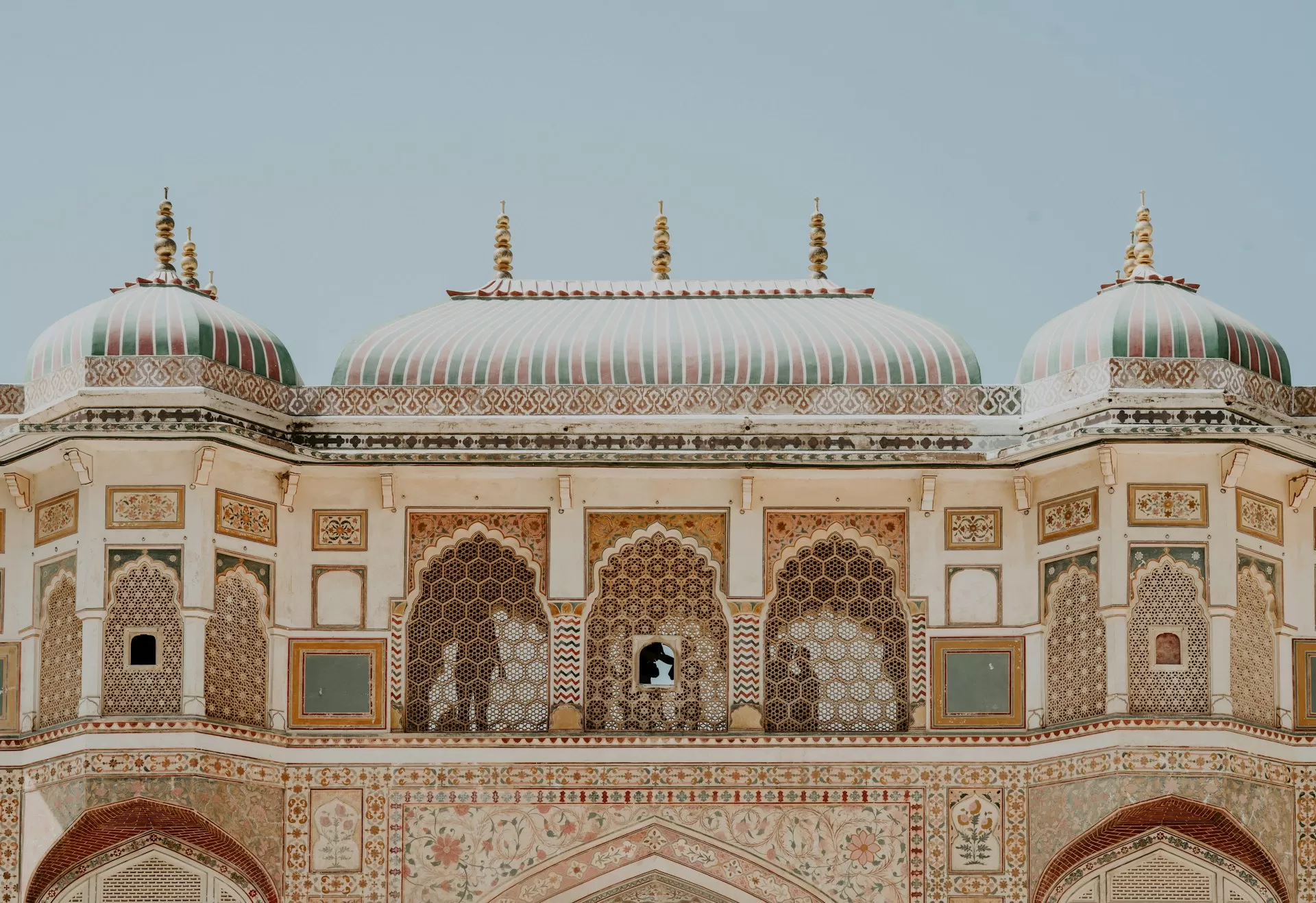
Amer Fort, also known as Amber Fort, is one of the most magnificent forts in India. Located about 11 kilometers from Jaipur in the state of Rajasthan, the fort was built primarily by Raja Man Singh I in 1592 and later expanded by successive rulers. Constructed from red sandstone and marble, the fort showcases a beautiful blend of Rajput and Mughal architectural styles. It is famous for its grand palaces, intricate mirror work, artistic carvings, spacious courtyards, and breathtaking views of the surrounding hills and lakes.