Gateway of India
24 hours
₹No entry fee
Oct -March
1 - 2hr
Available
Yes
Gateway of India
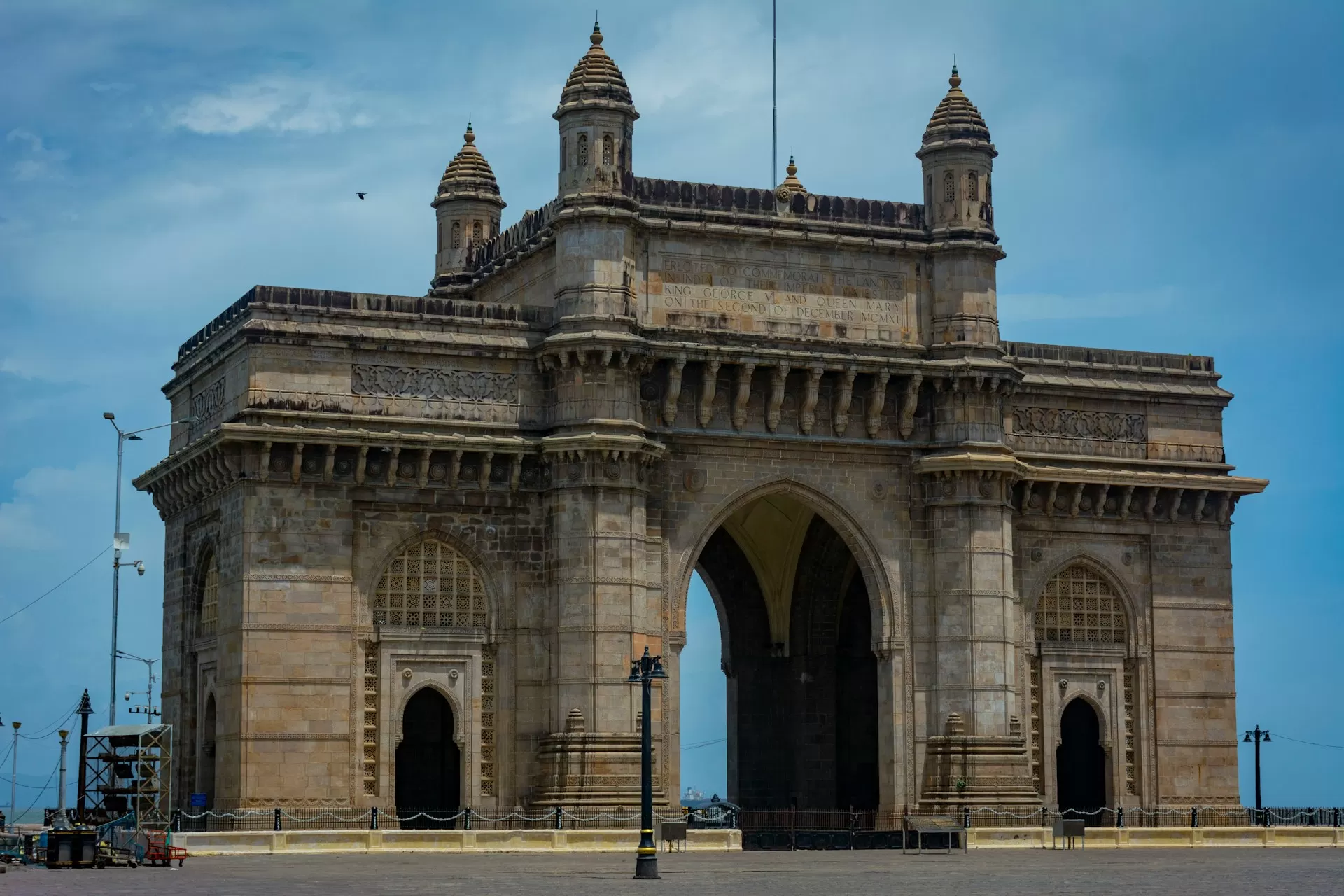
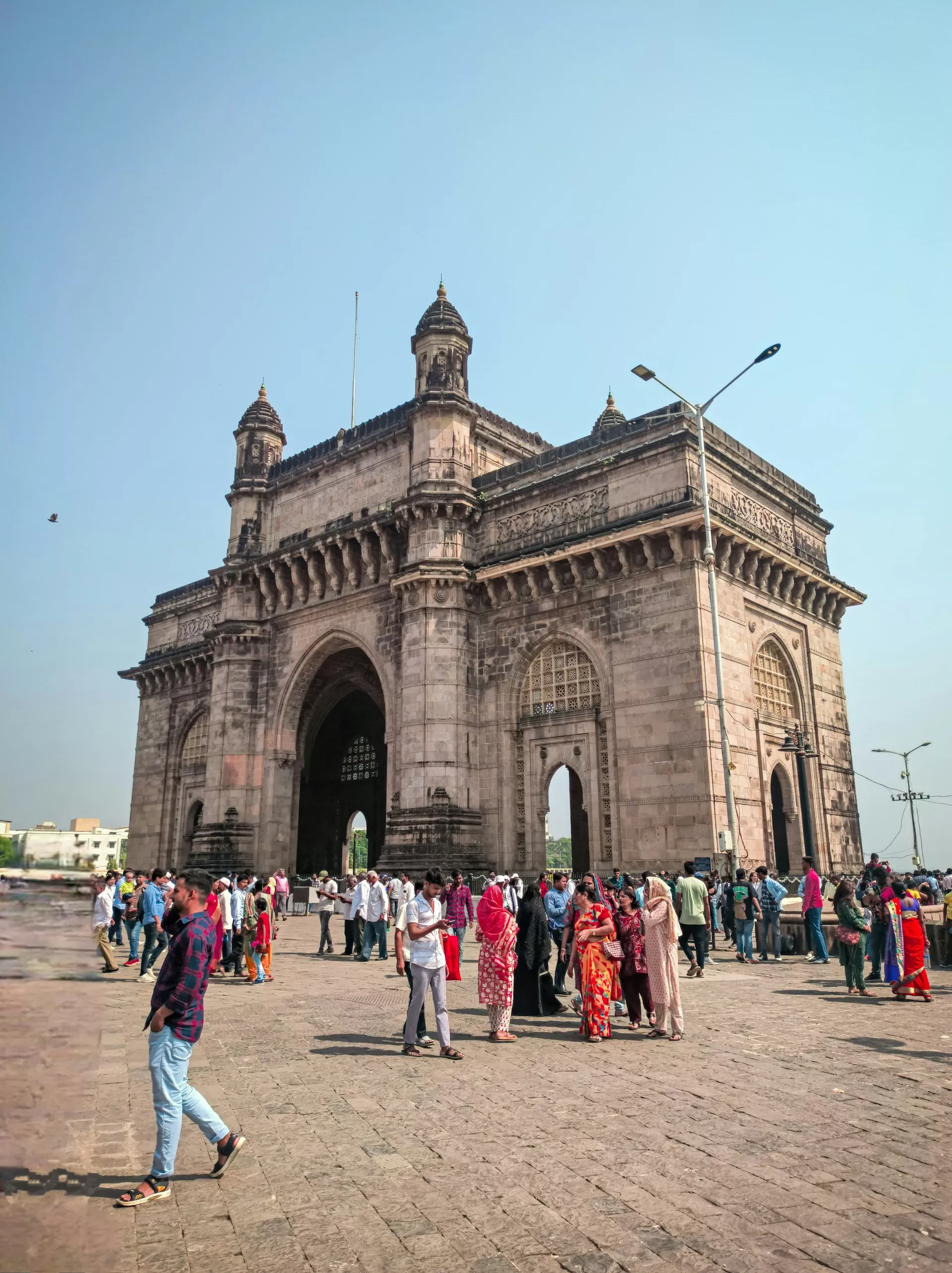
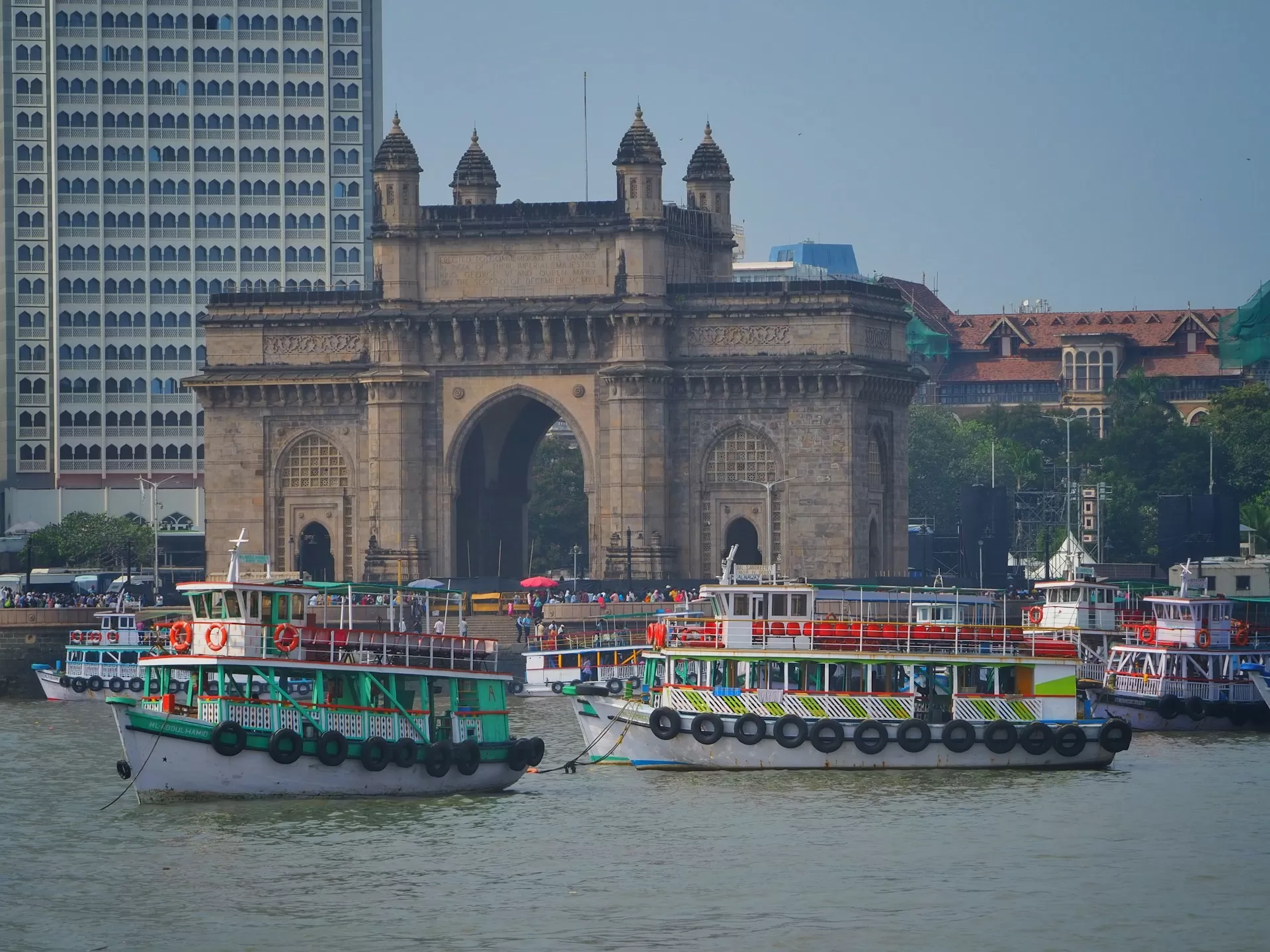
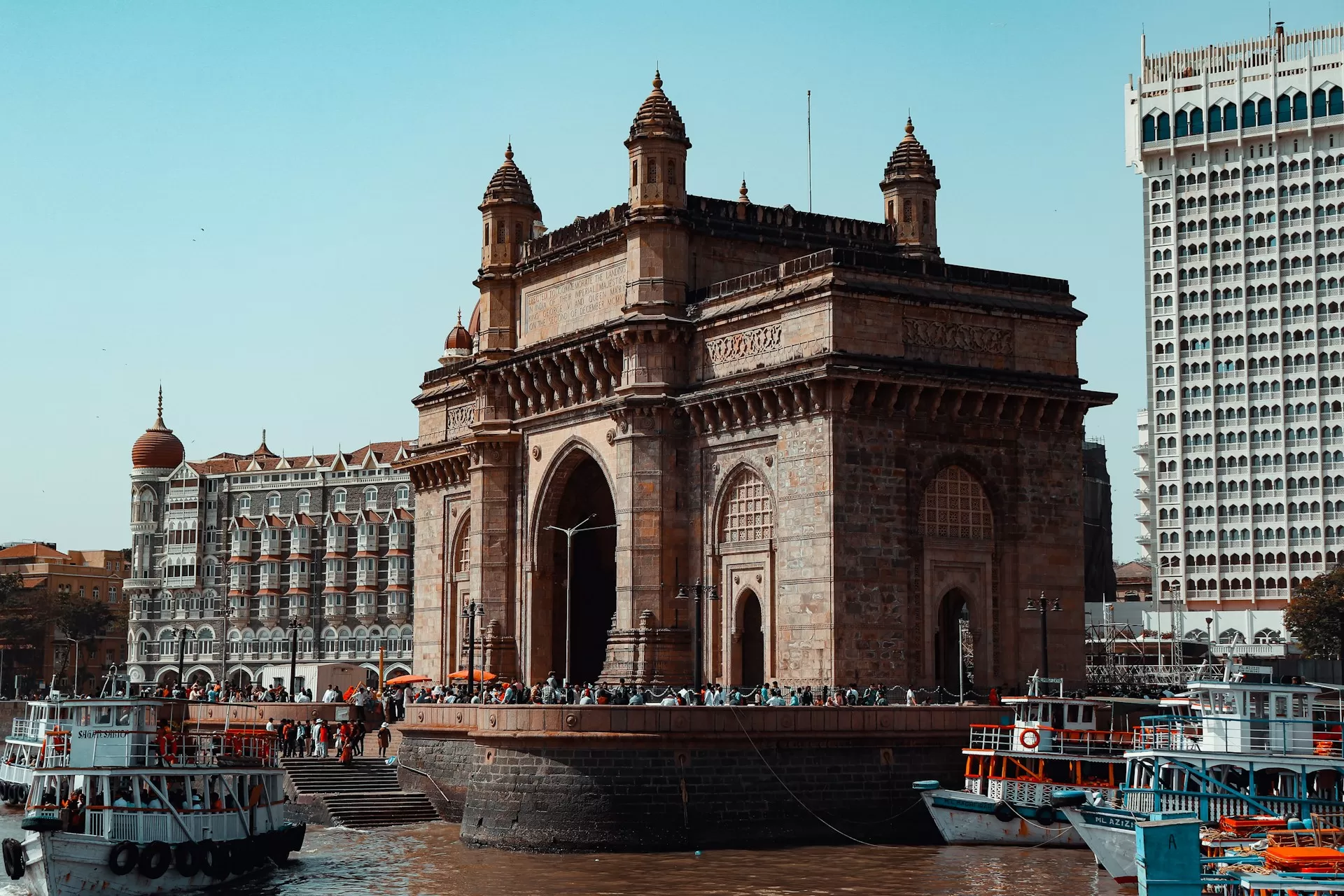
The Gateway of India is one of India's most iconic monuments, located on the waterfront in Mumbai overlooking the Arabian Sea. Built in 1924, this grand basalt arch was designed by architect George Wittet to commemorate the visit of King George V and Queen Mary to India in 1911. Standing about 26 meters high, the monument beautifully blends Indo-Saracenic, Hindu, and Muslim architectural styles. Today, it serves as a major tourist attraction and a symbol of Mumbai's rich colonial heritage.
Built from yellow basalt stone and reinforced concrete, the arch stands approximately 26 meters high and faces the sea, creating a grand and welcoming appearance. Over the years, the Gateway of India has witnessed several important historical events, including the departure of the last British troops from India in 1948, symbolizing the end of British rule.
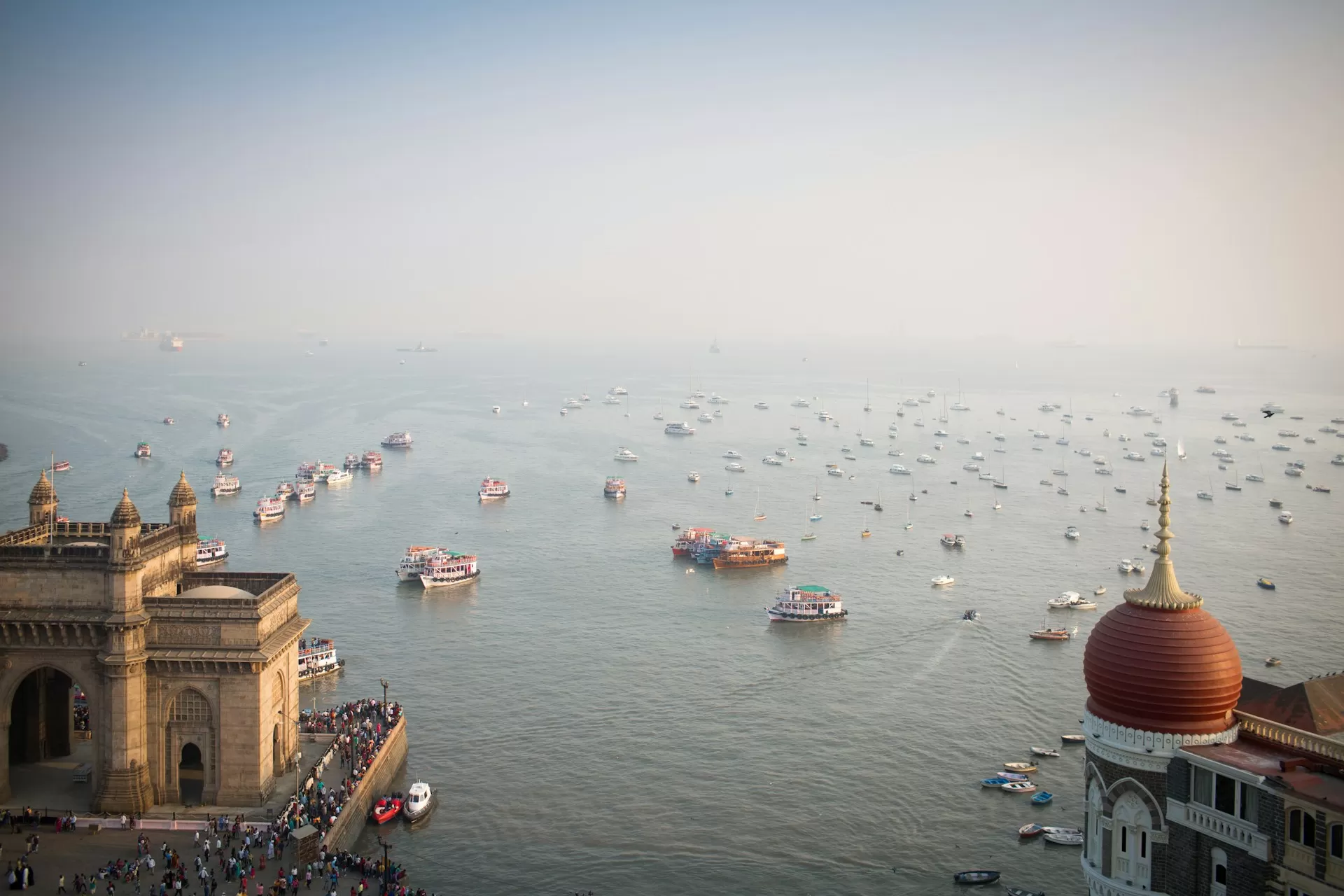
Today, the monument attracts millions of tourists from India and around the world. Visitors come to admire its architectural beauty, learn about its historical significance, and enjoy the scenic views of the Arabian Sea. The area around the Gateway is lively and bustling, featuring street vendors, photographers, and ferry services. It also serves as the departure point for boats to the famous Elephanta Caves, a UNESCO World Heritage Site.
Whether visited during the day or illuminated at night, the Gateway of India offers a memorable experience. Its rich history, impressive architecture, and picturesque location make it an essential destination for anyone exploring Mumbai and one of the most cherished landmarks of India.
📜 History
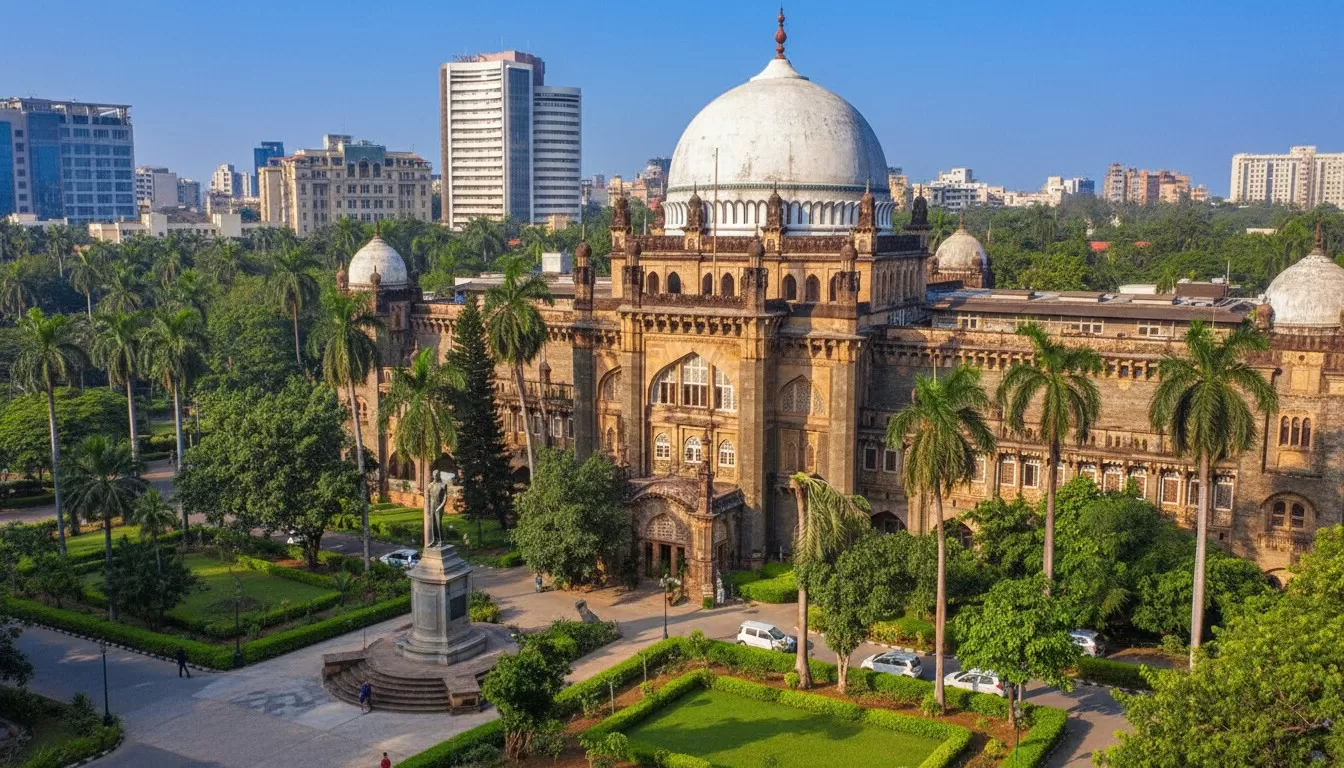
The Gateway of India is one of Mumbai's most famous landmarks and has witnessed many important moments in Indian history. It was built to welcome King George V and Queen Mary, who visited India in 1911. Although the royal couple entered India through a temporary structure, the permanent monument was planned to mark their visit. The foundation stone was laid on 31 March 1913, and after several years of construction, the Gateway was officially completed in 1924. Designed by Scottish architect George Wittet, the monument combines Indo-Saracenic architecture with influences from Gujarati and Islamic styles. Built using yellow basalt stone, it stands proudly facing the Arabian Sea and has become a symbol of Mumbai.
One of the most significant events associated with the Gateway of India took place on 28 February 1948. After India gained independence, the last contingent of British troops marched through this arch before leaving the country. This marked the end of nearly two centuries of British rule and made the monument a powerful symbol of India's freedom. Over the years, the Gateway has also witnessed several historic celebrations, public gatherings, and important national events. Today, it attracts visitors from across India and around the world, not only because of its historical importance but also because it reflects Mumbai's rich cultural heritage and colonial past.
Why Visit Gateway of India?
Discover what makes this destination one of the most loved tourist attractions.
🍛 Vada Pav
Mumbai's iconic street food, Vada Pav consists of a spicy potato fritter placed inside a soft bun with garlic chutney and fried green chillies. It is simple, filling, and loved by locals as a quick snack.
🍛 Bombay Sandwich
The Bombay Sandwich is made with fresh vegetables, green chutney, butter, and cheese layered between bread slices. It is grilled until crispy and is a popular snack around South Mumbai.
🍛 Pav Bhaji
Pav Bhaji is a rich vegetable mash cooked with butter and special spices, served with toasted buttered pav. It is one of Mumbai's most loved evening meals.
Heritage Walk
Walk through historic streets and heritage sites to discover the past. Enjoy the architecture, culture, and stories preserved for generations.
Explore Ancient Architecture
Admire magnificent ancient buildings, forts, temples, and monuments. Observe the craftsmanship and architectural brilliance of earlier civilizations.
Photography
Capture memorable photographs of historic monuments and scenic surroundings. Respect site rules and avoid restricted photography areas.
Guided Tour
Join a guided tour to learn fascinating stories behind the monument. Expert guides provide valuable historical facts and local insights.
Learn History
Discover the rich history, culture, and legacy of the destination. Learn about important events, rulers, and historical significance.
Museum Visit
Explore museums displaying ancient artifacts, sculptures, and historical collections. Gain deeper knowledge about the region's cultural heritage.
Attend Light & Sound Show
Enjoy an impressive light and sound show that brings history to life. The show narrates historical events with music, lights, and storytelling.
Local Shopping
Browse local markets for handicrafts, souvenirs, and traditional products. Support local artisans while taking home memorable keepsakes.
Cultural Experience
Experience local traditions, folk performances, and cultural activities. Interact with the community to understand their heritage and lifestyle.
Visit Nearby Monuments
Visit nearby monuments and archaeological sites during your trip. Explore multiple heritage attractions to enrich your historical experience.
Travel Tips & Essential Information
Everything you should know before visiting Gateway of India.
Best Time to Visit
Oct -March
What to Wear
Wear comfortable clothes and walking shoes. Carry a light jacket during winter mornings.
Photography
Sunrise and sunset provide the best lighting for beautiful photographs.
Local Food
Try nearby local restaurants to enjoy authentic regional cuisine.
Safety Tips
Keep your belongings secure and follow local guidelines during your visit.
Accessibility
The destination is accessible by road with nearby parking and public transport facilities.
Carry Water
Stay hydrated, especially during summer and while exploring outdoor attractions.
Nearby Facilities
Hotels, restaurants, ATMs, fuel stations and medical services are available nearby.
Travel Information
How to Reach
- By Air :-Nearest airport: Chhatrapati Shivaji Maharaj International Airport; Distance: Approximately 25 km.
- Taxis app-based cabs and airport buses are readily available.,
- By Train :-Nearest railway station: Chhatrapati Shivaji Maharaj Terminus (about 3 km away).Other nearby station: Churchgate Railway Station (about 2 km away). Local taxis and buses connect the stations to the monument.,
- By Bus :-Regular city buses operated by BEST connect the Gateway of India with all major parts of Mumbai.
- Taxis and auto-rickshaws are also available from nearby areas.
Travel Tips & Essential Information
- Visit early morning or late evening to avoid crowds.,
- Carry water and wear comfortable footwear.,
- Keep belongings secure in crowded areas.,
- Enjoy a ferry ride for panoramic views of Mumbai's coastline.,
- Best season to visit: October to March.
Why Visit
- One of the most famous landmarks in India.,
- Spectacular views of the Arabian Sea.,
- Excellent photography opportunities.,
- Historical and architectural significance.,
- Starting point for ferry rides to Elephanta Caves.
Special Features
- Magnificent Indo-Saracenic architecture.,
- 26-meter-high basalt arch monument.,
- Waterfront location overlooking the Arabian Sea.,
- Historical importance as the ceremonial entrance to British India.,
- Popular venue for cultural events and celebrations.
Things To Do
Current Weather
💧 Humidity
--💨 Wind
--👀 Visibility
--☀ UV Index
--Weather Details
🌫🌫 Air Quality
⭐ Travel Intelligence
🚨 Weather Alerts
⚙ System Status
Powered by
Photo Gallery
Find on Map
Visited Gateway of India?
Share your experience, tips, and photos to help other travelers.
Share Your Experience
Nearby Attractions
Best Time to Visit Gateway of India?
Oct -March
Opening Time
24 hours
Entry Fee
The entry fee is ₹No entry fee.
How much time is required?
1 - 2hr
How to Reach Gateway of India?
By Air :-Nearest airport: Chhatrapati Shivaji Maharaj International Airport; Distance: Approximately 25 km.
Taxis app-based cabs and airport buses are readily available.,
By Train :-Nearest railway station: Chhatrapati Shivaji Maharaj Terminus (about 3 km away).Other nearby station: Churchgate Railway Station (about 2 km away). Local taxis and buses connect the stations to the monument.,
By Bus :-Regular city buses operated by BEST connect the Gateway of India with all major parts of Mumbai.
Taxis and auto-rickshaws are also available from nearby areas.