Caves in India
Discover the ancient and mysterious caves of India known for their historical, religious, and natural significance
Ajanta Caves
Ajanta • Jalgaon • Maharashtra
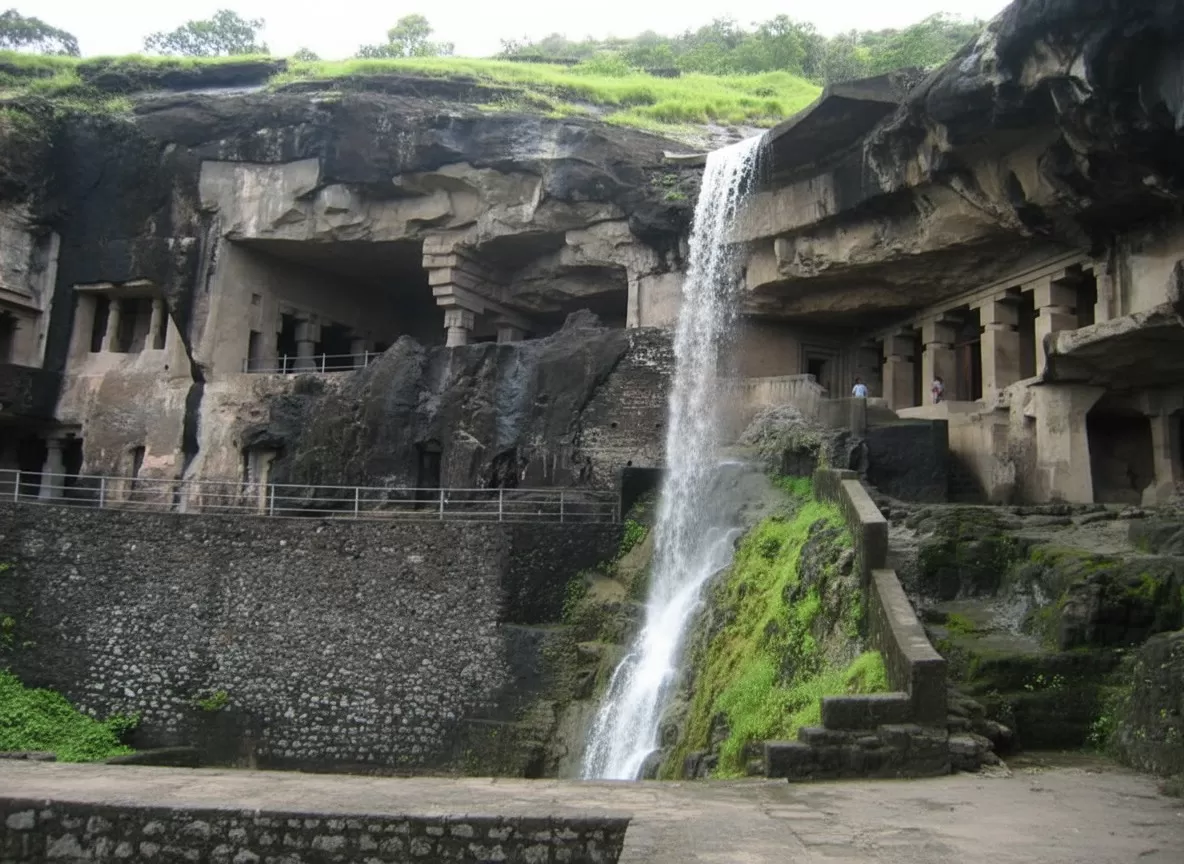
The Ajanta Caves are a UNESCO World Heritage Site renowned for their ancient Buddhist rock-cut caves, exquisite murals, sculptures, and architectural brilliance. Dating from the 2nd century BCE to the 6th century CE, these 30 caves showcase India's rich artistic and spiritual heritage. Nestled in a horseshoe-shaped gorge along the Waghora River, Ajanta attracts historians, art lovers, photographers, and pilgrims from around the world. The caves offer a fascinating glimpse into the life, culture, and teachings of ancient Buddhism.
🌍 About This
The Ajanta Caves are among India's most treasured archaeological and artistic landmarks. Situated in the Sahyadri hills of Maharashtra, these caves were carved into a steep rock face overlooking the scenic Waghora River gorge. The complex consists of 30 caves created in two major phases between the 2nd century BCE and the 6th century CE, serving as monasteries, prayer halls, and centers of Buddhist learning.
Ajanta is globally renowned for its breathtaking wall paintings and sculptures, which represent some of the finest achievements of ancient Indian art. The murals vividly portray scenes from the Jataka tales, illustrating the previous lives of Lord Buddha, along with depictions of royal courts, merchants, dancers, and everyday life. These paintings provide invaluable insights into the culture, fashion, architecture, and social traditions of ancient India.The caves are divided into Chaityas (prayer halls) and Viharas (monasteries). Massive pillars, intricately carved facades, elaborate ceilings, and magnificent Buddha statues demonstrate the remarkable craftsmanship of ancient artisans. Cave 1, Cave 2, Cave 16, Cave 17, and Cave 26 are especially famous for their artistic and architectural excellence.
Hidden for centuries and rediscovered in 1819 by a British officer during a hunting expedition, Ajanta has since become a symbol of India's cultural heritage. Its artistic influence extends far beyond India, contributing significantly to the understanding of Buddhist art across Asia.
Surrounded by lush greenery and dramatic cliffs, the caves offer visitors a unique combination of history, spirituality, art, and natural beauty. Whether exploring ancient murals, admiring architectural marvels, or learning about Buddhist traditions, a visit to Ajanta provides an unforgettable journey into India's glorious past and remains one of Maharashtra's most celebrated tourist attractions.
🎯 Things to do
📍 Near By
- Waghur River Viewpoint – scenic natural picnic
- Fardapur Village Area – peaceful rural surroundings
- Goga Baba Hill – panoramic views
- Ellora Caves (≈100 km) – combined heritage trip
- Bhadra Maruti Temple (Khuldabad) – religious picnic stop
- Salim Ali Lake
- Aurangabad – family picnic spot.
🚗 How to Reach
⭐ Why Visit
💡 Travel Tips
✨ Special Features
Ellora Caves
• Chhatrapati Sambhajinagar • Maharashtra
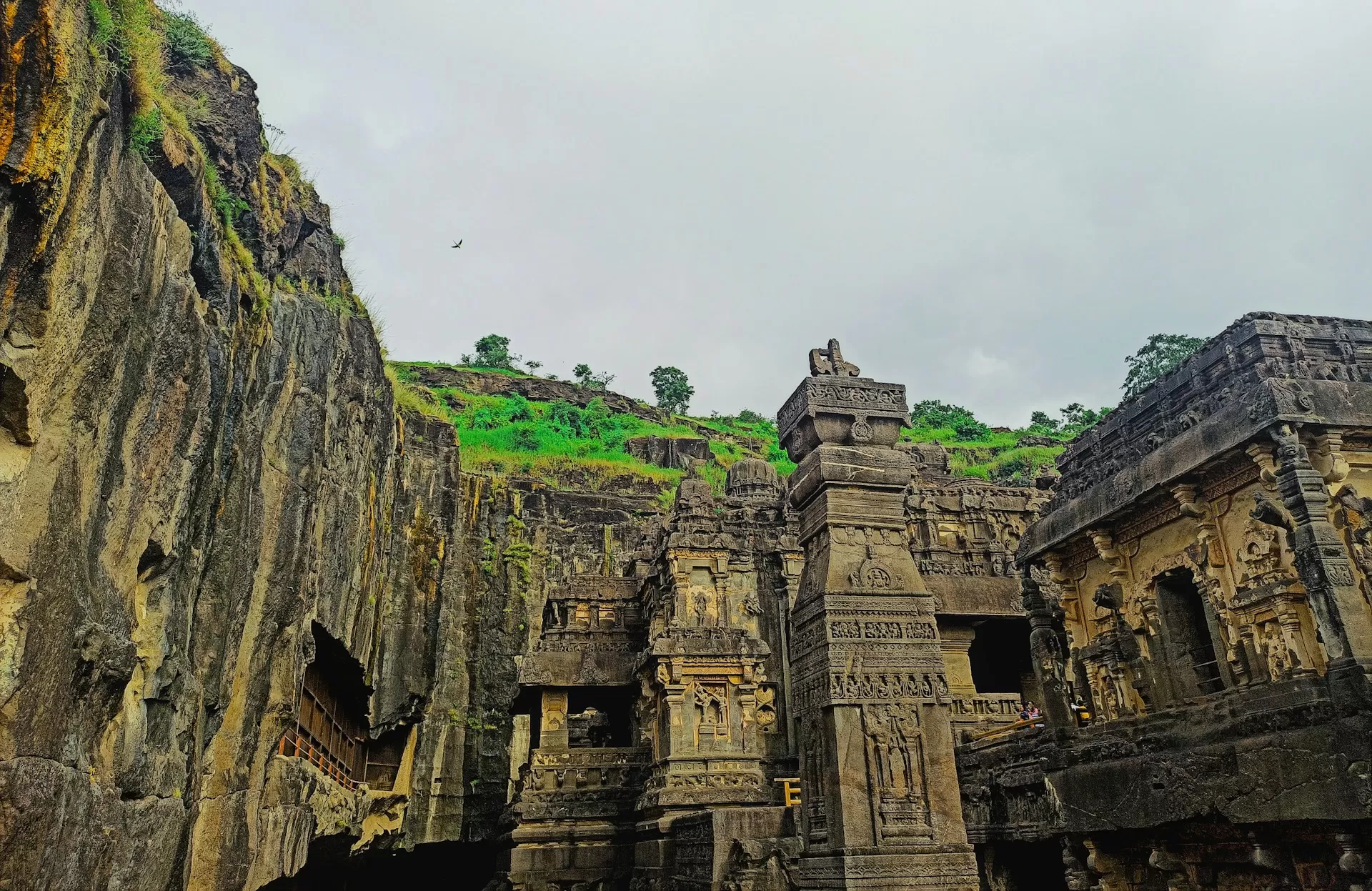
Ellora Caves are among India's most remarkable historical and architectural treasures, located about 30 km northwest of Chhatrapati Sambhajinagar (formerly Aurangabad) in Maharashtra. Recognized as a UNESCO World Heritage Centre World Heritage Site, Ellora consists of 34 rock-cut caves carved between the 6th and 10th centuries CE. These caves represent three major religions—Buddhism, Hinduism, and Jainism—demonstrating India's rich cultural harmony and religious tolerance. The most famous attraction is Cave 16, known as the Kailasa Temple, a massive monolithic temple carved from a single rock. It is considered one of the greatest engineering and artistic achievements in human history. The caves feature intricate sculptures, detailed carvings, prayer halls, monasteries, shrines, and beautifully decorated pillars that attract visitors from around the world.
🌍 About This
Ellora Caves is one of India's most extraordinary archaeological and cultural heritage sites, situated in Maharashtra near Chhatrapati Sambhajinagar. Built between the 6th and 10th centuries CE, the cave complex consists of 34 magnificent rock-cut caves carved into the basalt cliffs of the Charanandri Hills. These caves reflect the coexistence and harmony of three major religions—Buddhism, Hinduism, and Jainism—making Ellora a unique symbol of India's rich cultural diversity.
The caves are divided into three groups: twelve Buddhist caves, seventeen Hindu caves, and five Jain caves. Each cave showcases remarkable craftsmanship, intricate carvings, and detailed sculptures depicting religious stories, deities, and daily life. The highlight of the complex is the Kailasa Temple, dedicated to Lord Shiva. Carved entirely from a single rock, this temple is considered one of the greatest architectural achievements in the world. Its massive size, artistic detail, and engineering precision continue to amaze historians, architects, and visitors alike.
Ellora Caves offer a fascinating journey through ancient Indian art, religion, and architecture. Visitors can explore prayer halls, monasteries, shrines, pillars, sculptures, and beautifully carved facades that reveal the skills of ancient craftsmen. The site attracts tourists, researchers, photographers, and history enthusiasts from across the globe.
Surrounded by scenic landscapes and historical attractions, Ellora provides an unforgettable cultural experience. The combination of artistic excellence, religious significance, and historical importance earned the caves UNESCO World Heritage status in 1983. Today, Ellora remains one of India's most visited heritage destinations and stands as a timeless testament to human creativity, devotion, and architectural brilliance.
🎯 Things to do
📍 Near By
- Grishneshwar Jyotirlinga Temple: ~1 km — a major Shiva temple often combined with Ellora visit
- Daulatabad Fort: A nearby historic fort worth a visit
- Grishneshwar Temple Grounds: Green area for rest after tour
- Rainy season “Jogeshwari Kund & small pools”: Scenic water spots around the cliff base
- Daulatabad Fort hilltop areas: Good for views & small rest picnic
- Bibi Ka Maqbara gardens (Aurangabad).