
EN हिंदी
Ajanta Caves
Ajanta Caves
Ajanta Caves
Ajanta Caves
Ajanta Caves
Ajanta Caves
Ajanta Caves
Ajanta Caves
Ajanta Caves
Ajanta Caves
1 / 10
Home Maharashtra Ajanta Caves
Cave

Ajanta Caves

★★★★★ 4.6 (319 Reviews)
📍 Ajanta• Jalgaon• Maharashtra
📍 Get Directions
🕒
Opening Time

9:00 AM to 5:00 PM

💰
Entry Fee

₹₹40

🌤️
Best Season

Julai to march

Duration

3 - 4 hrs

🅿️
Parking

Available

👨‍👩‍👧‍👦
Family Friendly

Yes

Ajanta Caves

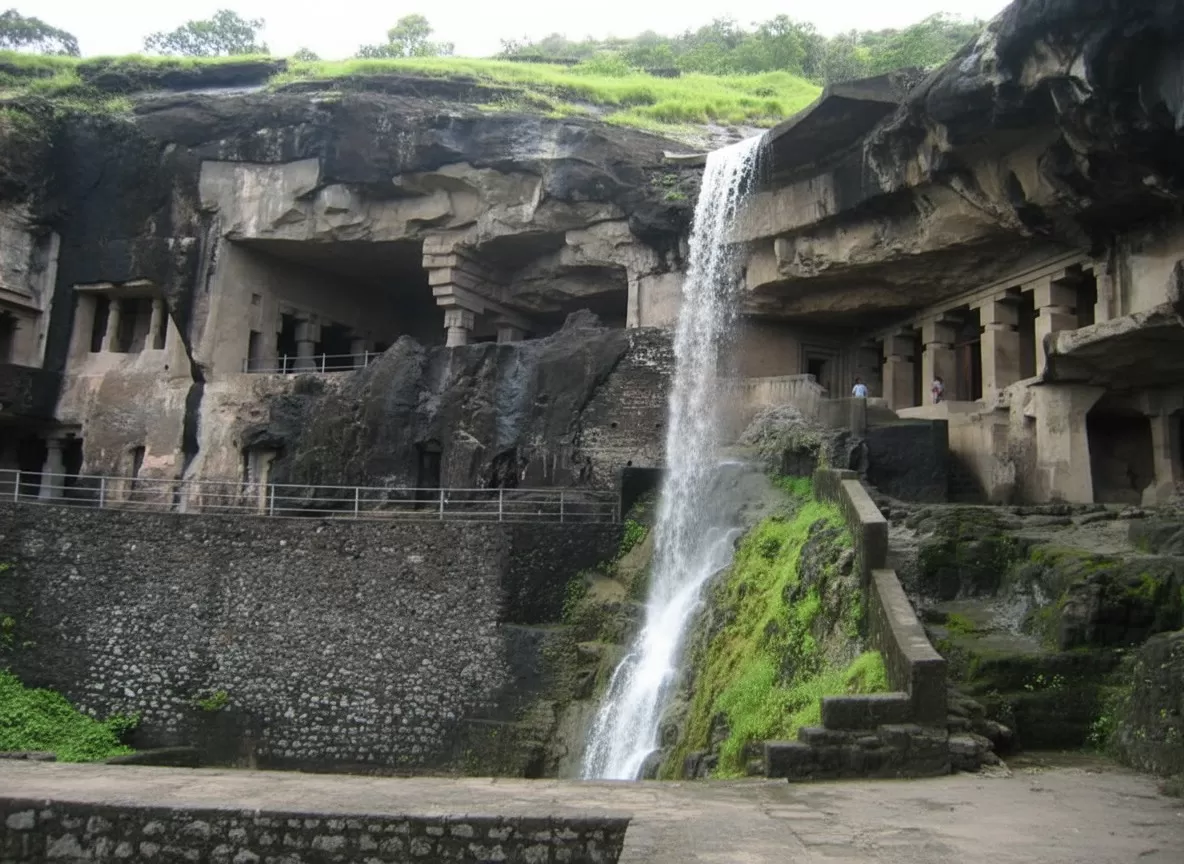
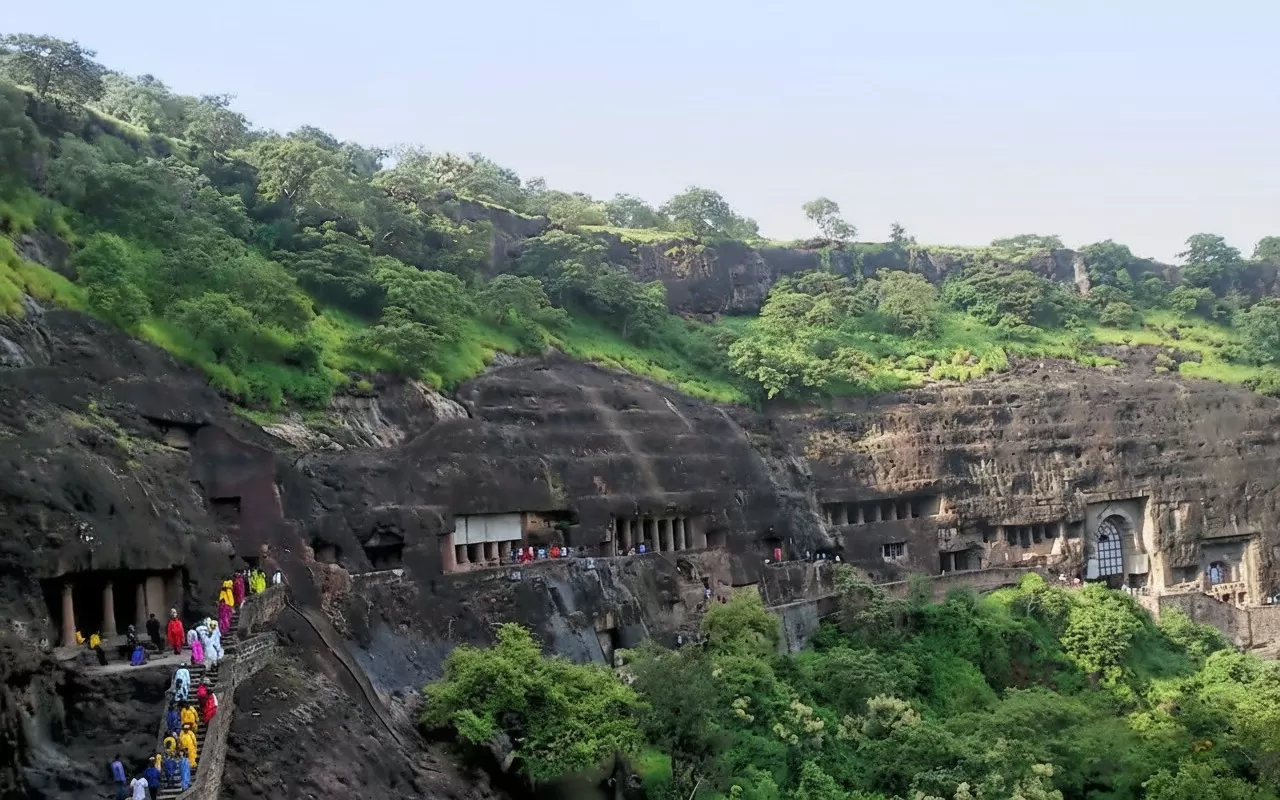
The Ajanta Caves are a UNESCO World Heritage Site renowned for their ancient Buddhist rock-cut caves, exquisite murals, sculptures, and architectural brilliance. Dating from the 2nd century BCE to the 6th century CE, these 30 caves showcase India's rich artistic and spiritual heritage. Nestled in a horseshoe-shaped gorge along the Waghora River, Ajanta attracts historians, art lovers, photographers, and pilgrims from around the world. The caves offer a fascinating glimpse into the life, culture, and teachings of ancient Buddhism.

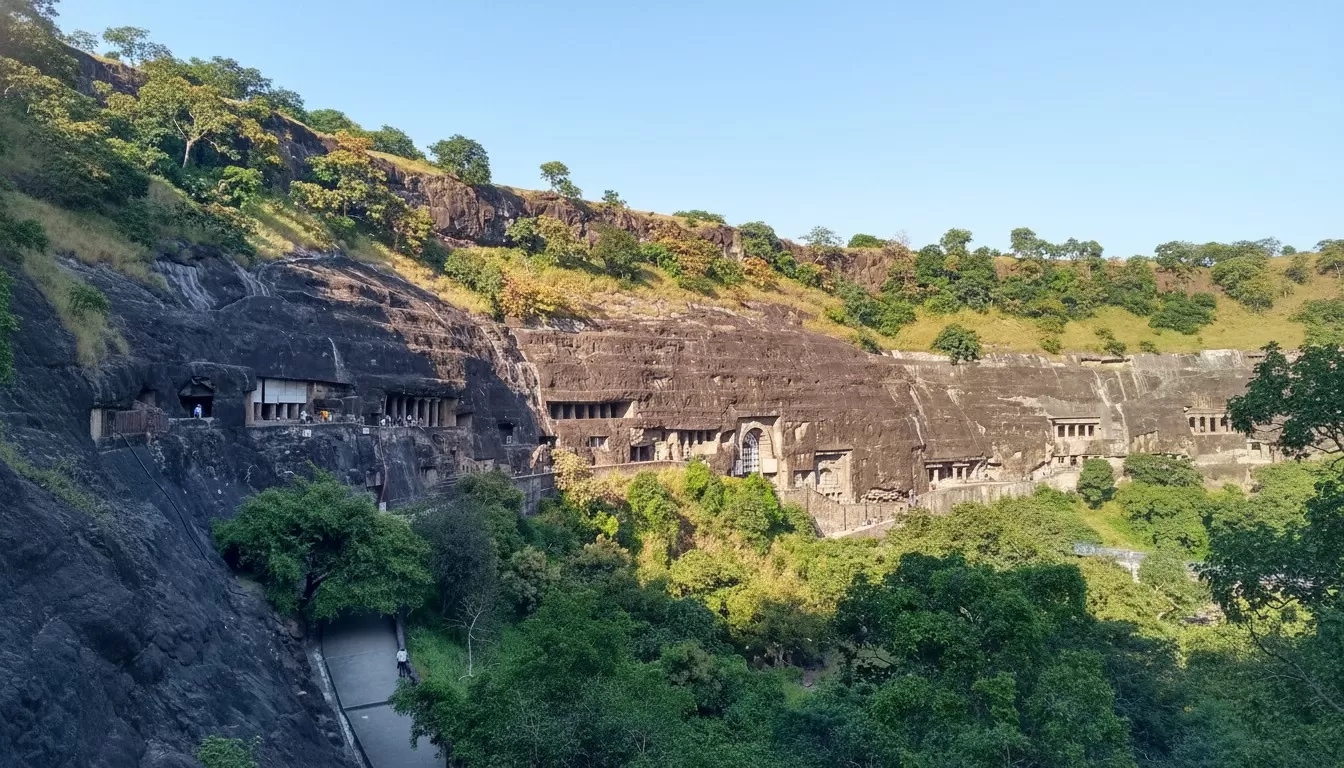
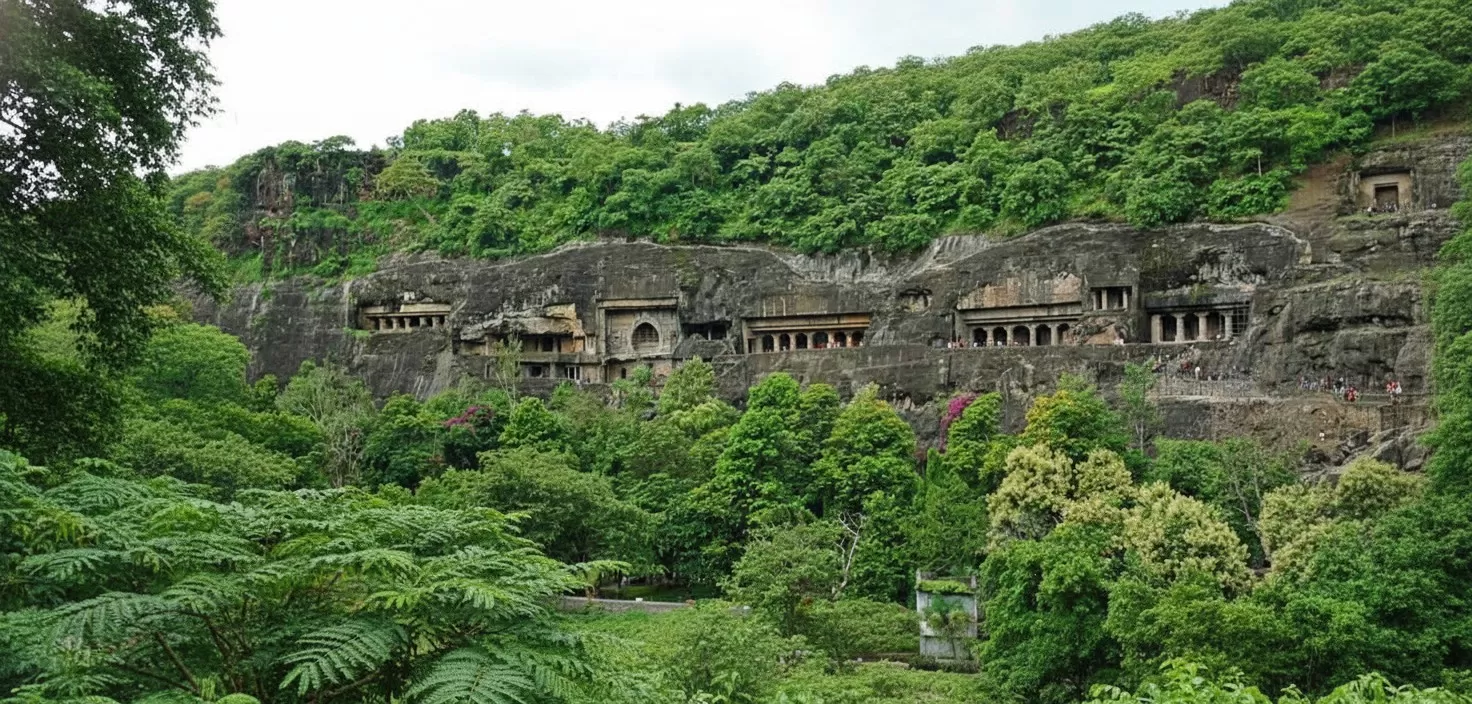
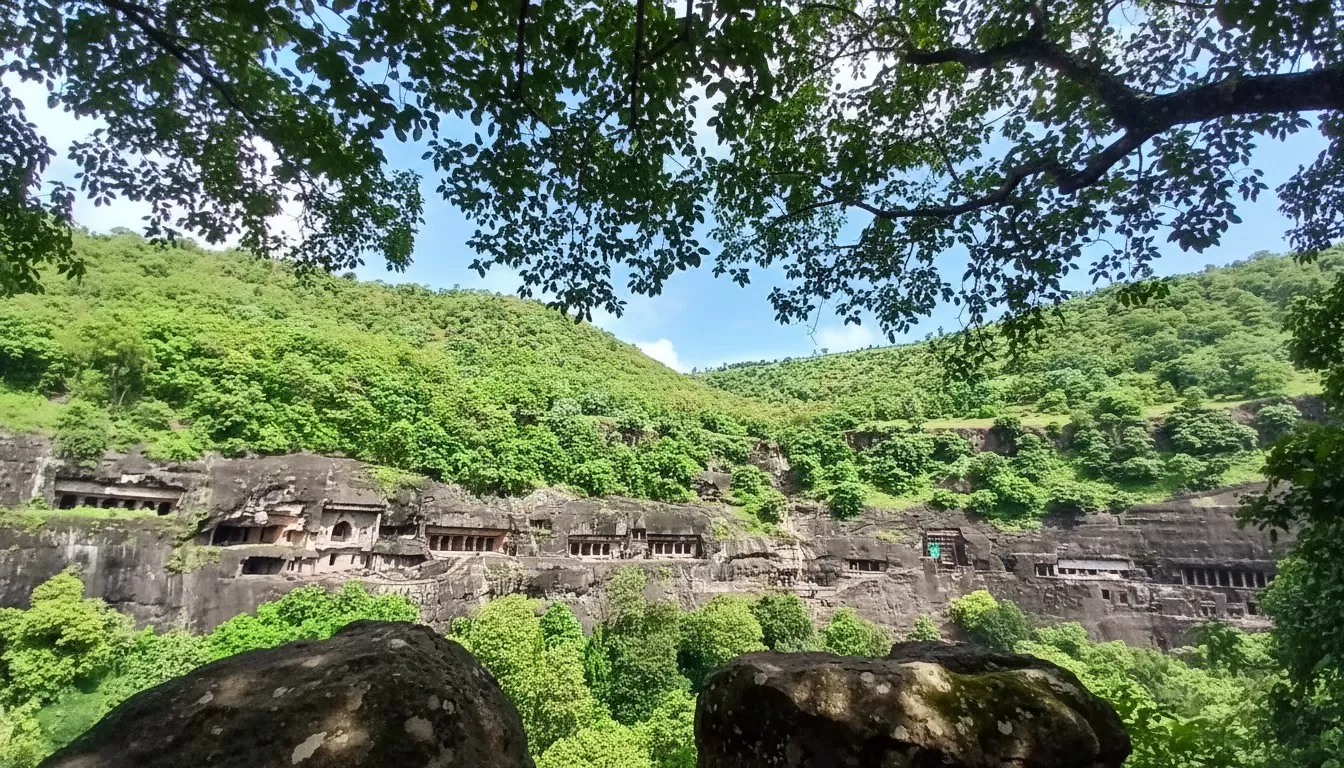
The Ajanta Caves are among India's most treasured archaeological and artistic landmarks. Situated in the Sahyadri hills of Maharashtra, these caves were carved into a steep rock face overlooking the scenic Waghora River gorge. The complex consists of 30 caves created in two major phases between the 2nd century BCE and the 6th century CE, serving as monasteries, prayer halls, and centers of Buddhist learning.

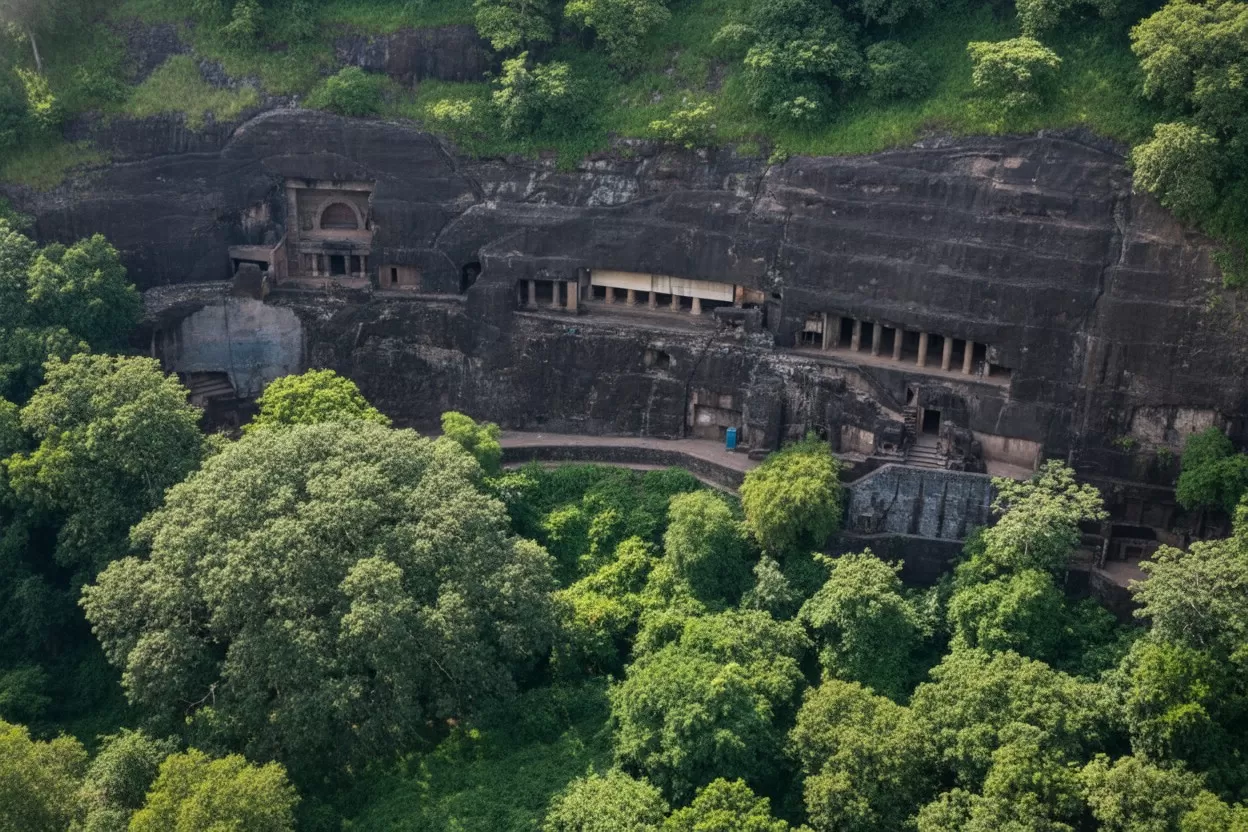
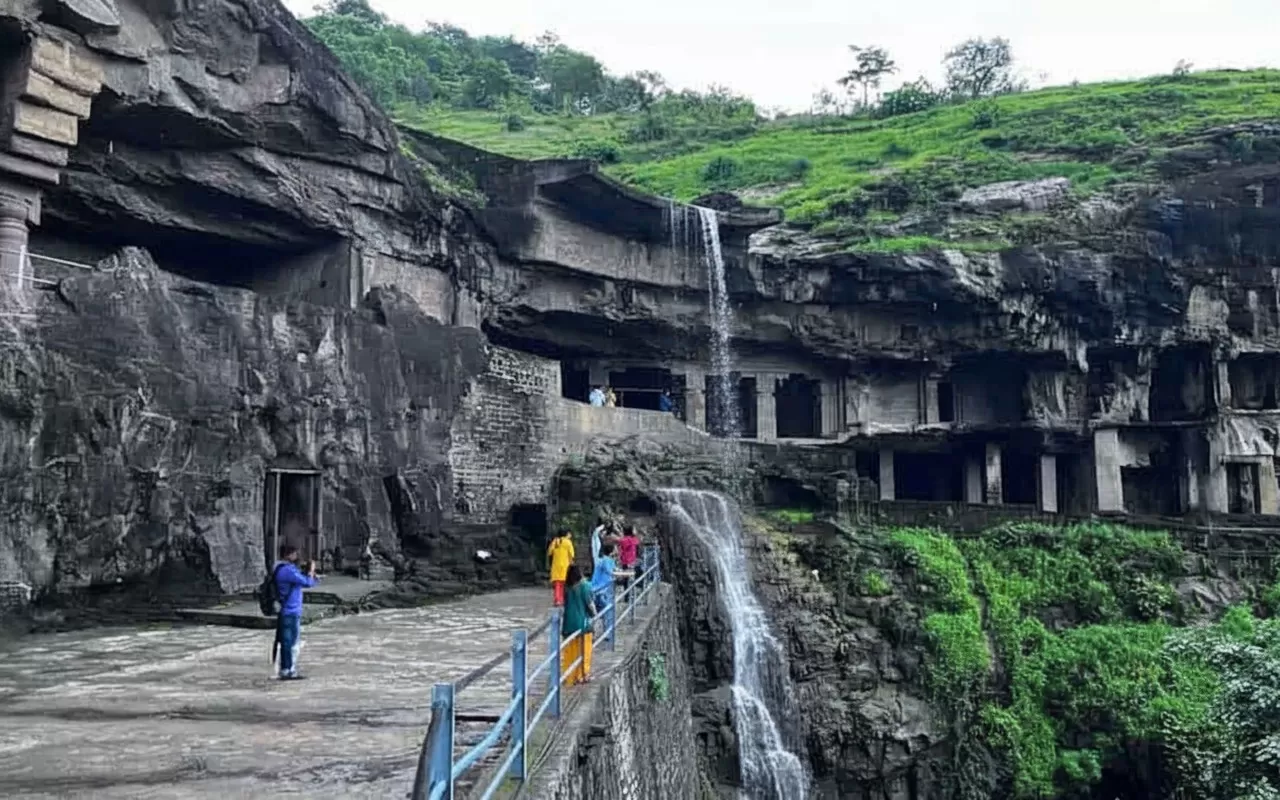
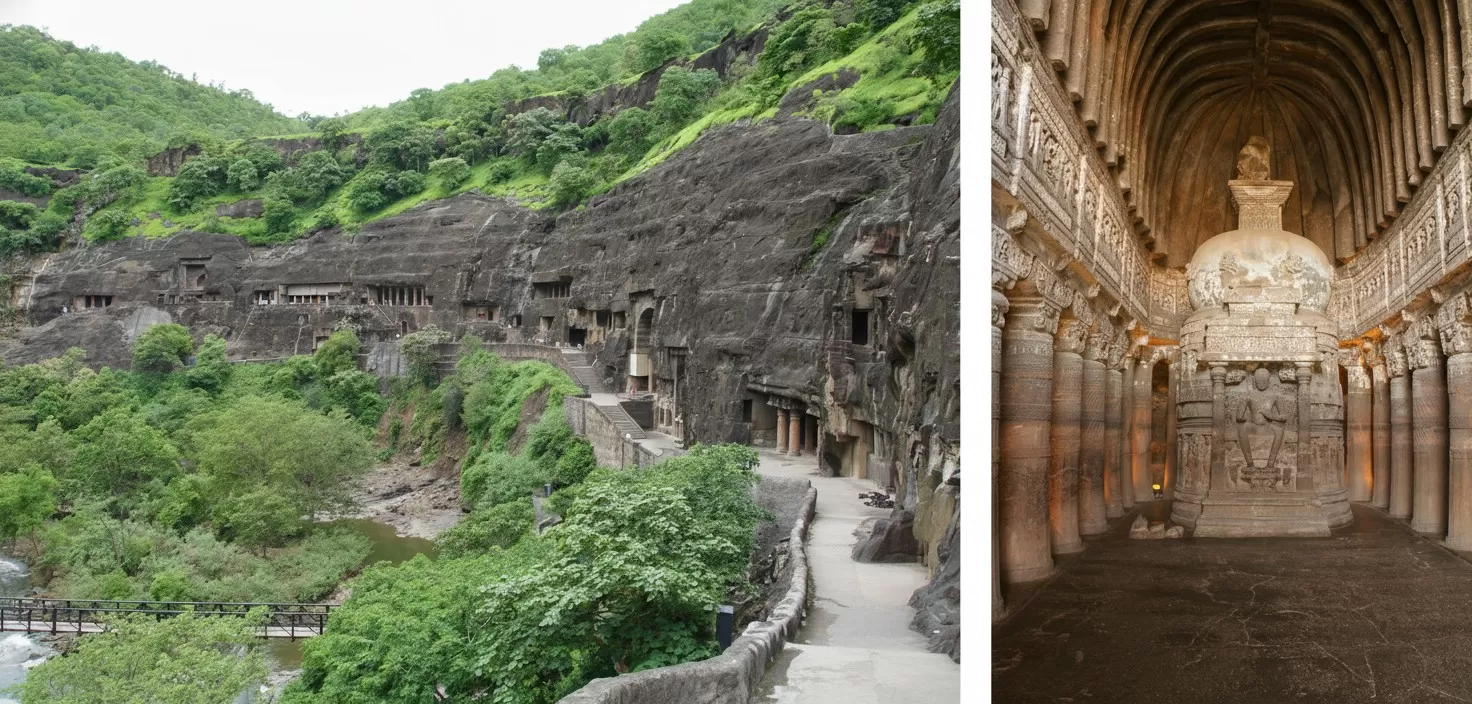
Ajanta is globally renowned for its breathtaking wall paintings and sculptures, which represent some of the finest achievements of ancient Indian art. The murals vividly portray scenes from the Jataka tales, illustrating the previous lives of Lord Buddha, along with depictions of royal courts, merchants, dancers, and everyday life. These paintings provide invaluable insights into the culture, fashion, architecture, and social traditions of ancient India.The caves are divided into Chaityas (prayer halls) and Viharas (monasteries). Massive pillars, intricately carved facades, elaborate ceilings, and magnificent Buddha statues demonstrate the remarkable craftsmanship of ancient artisans. Cave 1, Cave 2, Cave 16, Cave 17, and Cave 26 are especially famous for their artistic and architectural excellence.

Hidden for centuries and rediscovered in 1819 by a British officer during a hunting expedition, Ajanta has since become a symbol of India's cultural heritage. Its artistic influence extends far beyond India, contributing significantly to the understanding of Buddhist art across Asia.
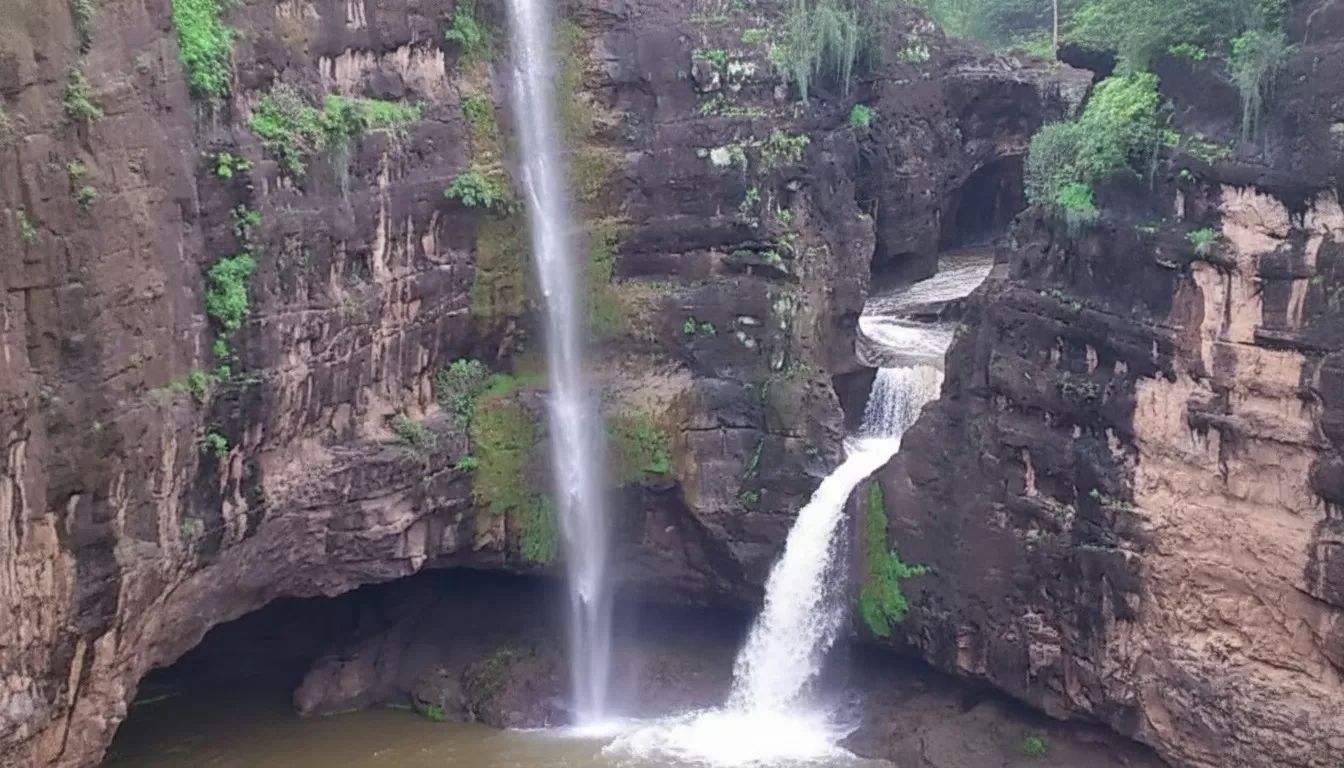
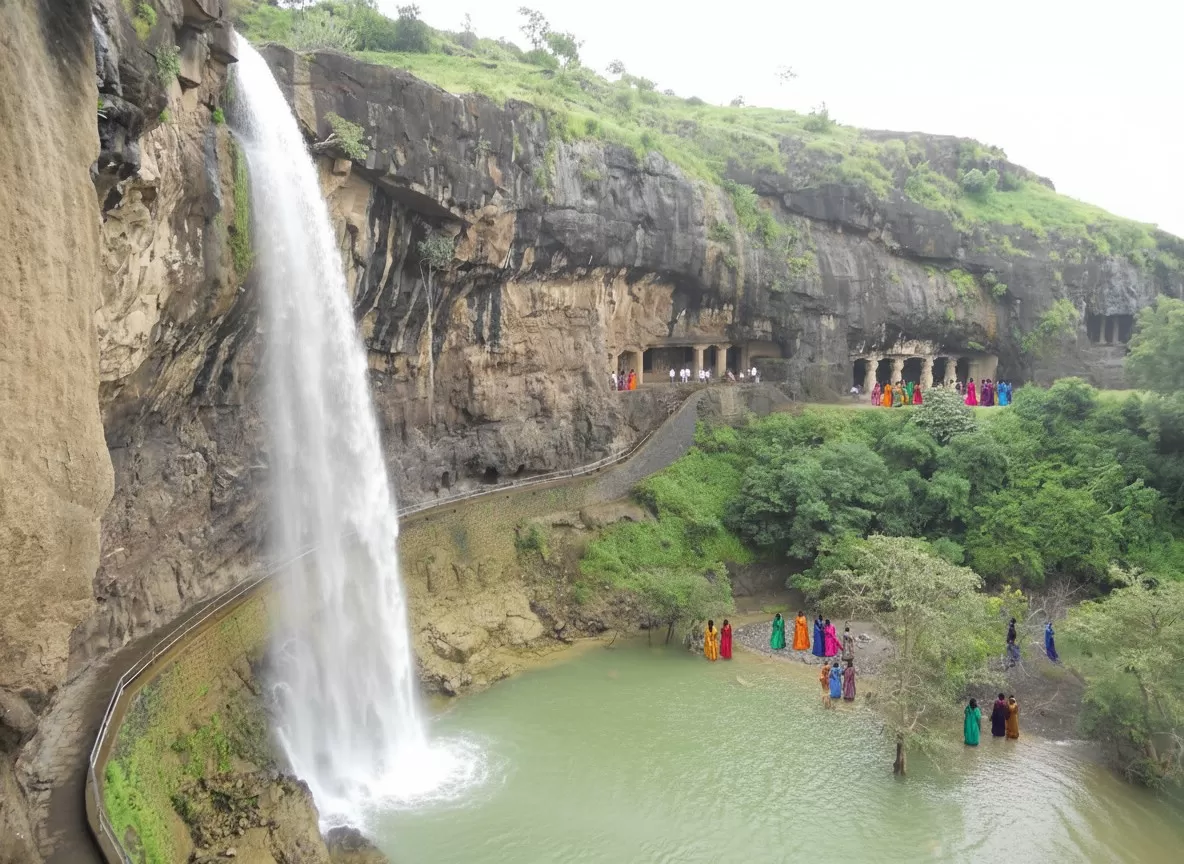
Surrounded by lush greenery and dramatic cliffs, the caves offer visitors a unique combination of history, spirituality, art, and natural beauty. Whether exploring ancient murals, admiring architectural marvels, or learning about Buddhist traditions, a visit to Ajanta provides an unforgettable journey into India's glorious past and remains one of Maharashtra's most celebrated tourist attractions.

📜 History

The Ajanta Caves are among India's most significant ancient Buddhist monuments. They are located in the Sahyadri Hills of Maharashtra and were carved into a horseshoe-shaped rock overlooking the Waghora River.
The history of the Ajanta Caves dates back to the 2nd century BCE, when the earliest caves were excavated during the rule of the Satavahana Dynasty. These early caves served as monasteries (Viharas) and prayer halls (Chaityas) for Buddhist monks.

After a long period of inactivity, construction resumed during the 5th and 6th centuries CE under the patronage of the Vakataka Dynasty, especially during the reign of King Harishena. During this period, many magnificent caves were carved and decorated with exquisite murals and sculptures depicting the life of Buddha and stories from the Jataka Tales.
Following the decline of Buddhism in the region, the caves were gradually abandoned and remained hidden in dense forests for several centuries.
In 1819, a British army officer named John Smith accidentally rediscovered the caves while hunting. Since then, extensive conservation efforts have been undertaken to preserve these priceless treasures.
Today, the Ajanta Caves are recognized as a UNESCO World Heritage Site and are celebrated worldwide for their historical, artistic, and spiritual significance.

Why Visit Ajanta Caves?

Discover what makes this destination one of the most loved tourist attractions.

Ajanta Caves
1

🍛 Naan Qalia

A traditional Aurangabad, delicacy made with slow-cooked mutton and rich spices.,

2

🍛 Tahri (Vegetable Pulao)

A mildly spiced rice dish popular in the region.,

3

🍛 Misal Pav

A spicy Maharashtrian curry served with soft bread rolls.,

4

🍛 Pithla Bhakri

Gram flour curry served with traditional jowar flatbread.,

5

🍛 Bharli Vangi

Stuffed brinjal cooked with roasted spices.

🦇

Cave Exploration

Explore fascinating natural or ancient caves filled with unique rock formations. Follow marked paths and carry a flashlight where required.

📸

Photography

Capture memorable photographs of cave interiors and surrounding landscapes. Respect photography rules and avoid using flash where prohibited.

🥾

Trekking

Trek through scenic forest and rocky trails leading to the cave. Wear sturdy footwear and stay on designated trekking routes.

📜

Learn History

Discover the historical significance and legends associated with the cave. Learn about ancient civilizations, cultures, and local heritage.

🏺

Archaeological Study

Explore archaeological remains and understand the cave's historical importance. Observe ancient artifacts and preserve these valuable heritage sites.

🎨

Rock Art Viewing

View ancient rock paintings and carvings created by early civilizations. Appreciate these priceless artworks without touching or damaging them.

🚶

Nature Walk

Enjoy a peaceful nature walk around the cave and nearby forests. Experience fresh air, wildlife, and the beauty of the natural surroundings.

Travel Tips & Essential Information

Everything you should know before visiting Ajanta Caves.

🌤

Best Time to Visit

Julai to march

👕

What to Wear

Wear comfortable clothes and walking shoes. Carry a light jacket during winter mornings.

📷

Photography

Sunrise and sunset provide the best lighting for beautiful photographs.

🍴

Local Food

Try nearby local restaurants to enjoy authentic regional cuisine.

🛡️

Safety Tips

Keep your belongings secure and follow local guidelines during your visit.

🚗

Accessibility

The destination is accessible by road with nearby parking and public transport facilities.

💧

Carry Water

Stay hydrated, especially during summer and while exploring outdoor attractions.

📍

Nearby Facilities

Hotels, restaurants, ATMs, fuel stations and medical services are available nearby.

Travel Information

🚗

How to Reach

  • ✈️By Air :- Nearest airport: Dr. Babasaheb Ambedkar International Airport (about 235 km) and Chhatrapati Sambhajinagar Airport (about 100 km). Taxis and buses are available from the airport to Ajanta.,
  • 🚆By Train :- Nearest railway station: Jalgaon Junction Railway Station (about 60 km).Chhatrapati Sambhajinagar Railway Station is another convenient option.,
  • 🚌By Bus :- Regular Maharashtra State Road Transport Corporation (MSRTC) buses operate from Nagpur Pune Mumbai  Jalgaon and Chhatrapati Sambhajinagar.Private buses and taxis are also available.
💡

Travel Tips & Essential Information

  • Best time to visit: October to March.,
  • Wear comfortable walking shoes.,
  • Carry water  sunscreen and a hat.,
  • Photography may be restricted in some cave sections.,
  • Start early to avoid crowds.,
  • Allocate at least 3–4 hours for exploration.

Why Visit

  • UNESCO World Heritage Site.,
  • Magnificent Buddhist paintings and sculptures.,
  • Ancient rock-cut architecture.,
  • Rich historical and cultural significance.,
  • Scenic natural surroundings.,
  • Ideal for photography history enthusiasts and art lovers.

Special Features

  • 30 rock-cut Buddhist caves.,
  • Paintings over 1500 years old.,
  • Unique fresco-style murals.,
  • Exceptional preservation of ancient art.,
  • Horseshoe-shaped cliff setting.,
  • Combination of monasteries and prayer halls carved from a single rock formation.
Activities

Things To Do

Explore Buddhist caves (Chaitya & Vihara)
Observe ancient wall paintings & murals
📷 Photography (without flash)
Learn Buddhist history & art
Enjoy scenic walk along cave pathway
View Waghur River gorge
Buy souvenirs & books at ASI shop.

Current Weather

🌤 Live Weather
☀️
--
Loading...
Feels Like

💧 Humidity

--

💨 Wind

--

👀 Visibility

--

☀ UV Index

--

Weather Details


🌡 Pressure --
🌧 Rain Chance --
🧭🧭 Wind Direction --
🌄 Sunrise --
🌇 Sunset --

🌫🌫 Air Quality


--
Loading...

PM2.5 --
PM10 --
CO --
NO₂ --
O₃ --
SO₂ --

⭐ Travel Intelligence


--
--
Loading...
Calculating...

🚨 Weather Alerts


Waiting for weather updates...

⚙ System Status


🌐 Connection Checking...
📍 GPS Detecting...
⚡ API Time --
🕒 Last Update --
FunYatra Weather Intelligence
Powered by
Location

Find on Map

Visited Ajanta Caves?

Share your experience, tips, and photos to help other travelers.

×

Share Your Experience

Explore More

Nearby Attractions

Frequently Asked

Best Time to Visit Ajanta Caves?

Julai to march

Opening Time

9:00 AM to 5:00 PM

Entry Fee

The entry fee is ₹₹40.

How much time is required?

3 - 4 hrs

How to Reach Ajanta Caves?

By Air :- Nearest airport: Dr. Babasaheb Ambedkar International Airport (about 235 km) and Chhatrapati Sambhajinagar Airport (about 100 km). Taxis and buses are available from the airport to Ajanta.,
By Train :- Nearest railway station: Jalgaon Junction Railway Station (about 60 km).Chhatrapati Sambhajinagar Railway Station is another convenient option.,
By Bus :- Regular Maharashtra State Road Transport Corporation (MSRTC) buses operate from Nagpur Pune Mumbai  Jalgaon and Chhatrapati Sambhajinagar.Private buses and taxis are also available.

Updated on: 21 July 2026