Tourist Sites Near Me – Best Places to Visit Nearby
Valley of Flowers National Park
Joshimath • Chamoli • Uttarakhand
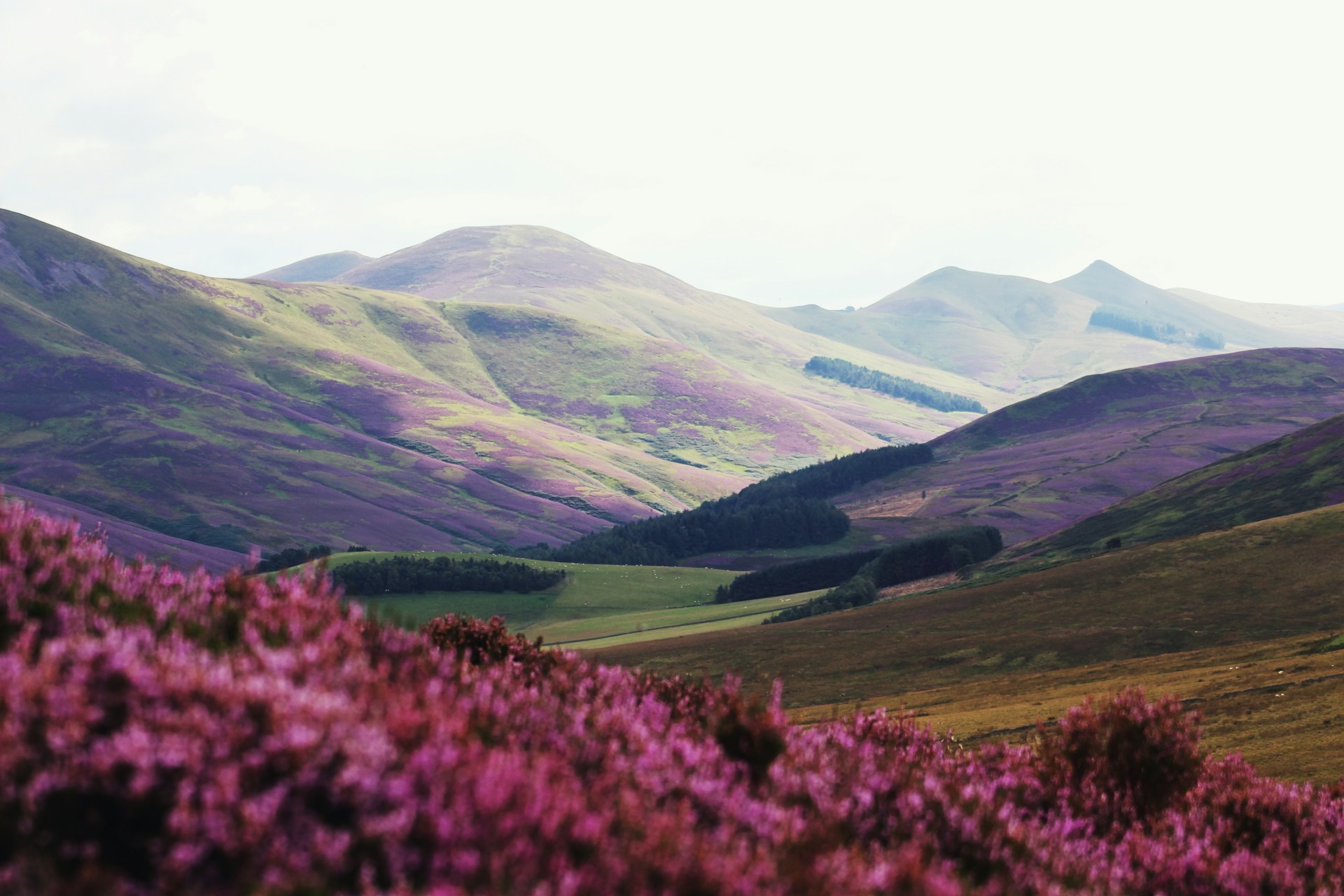
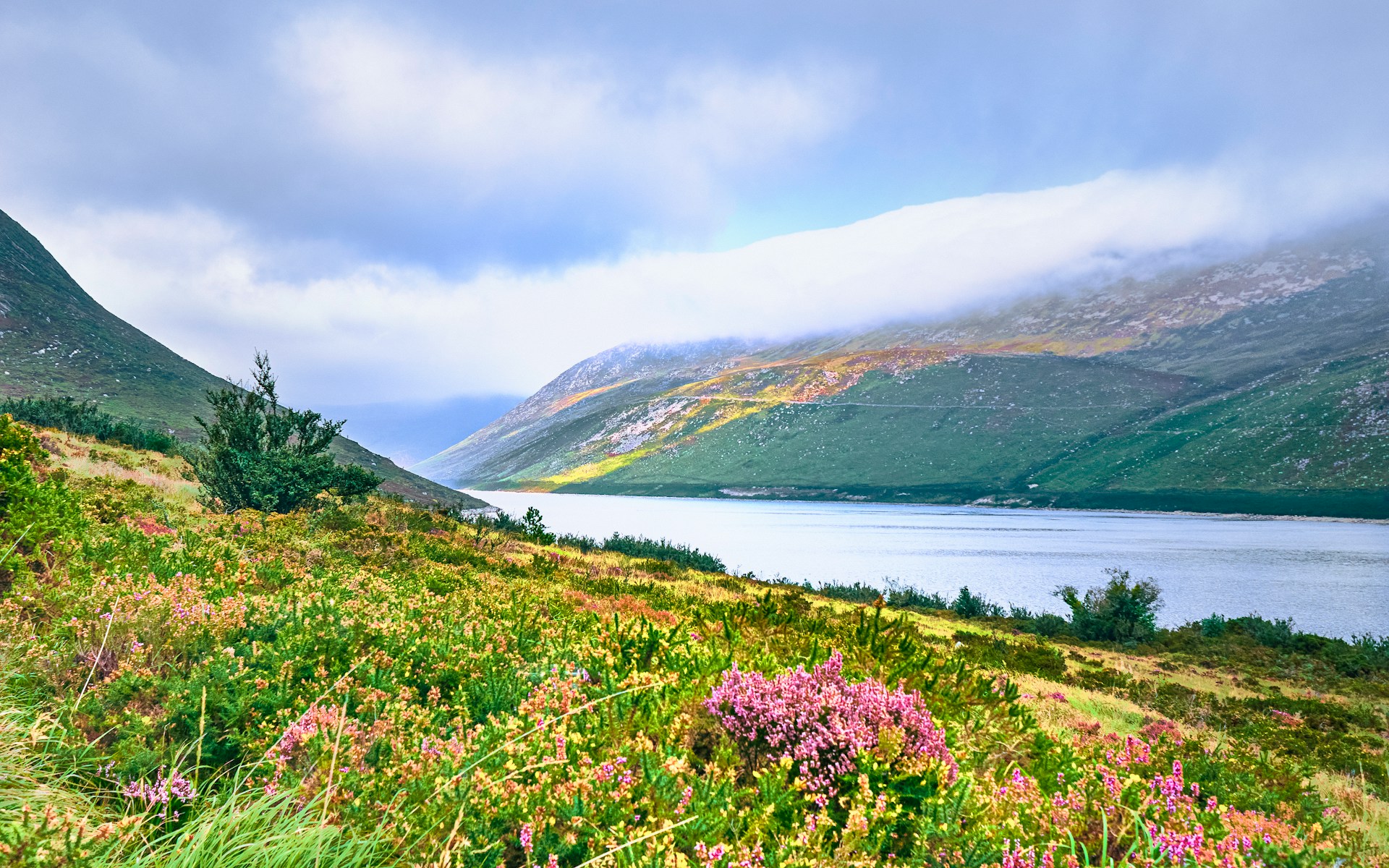
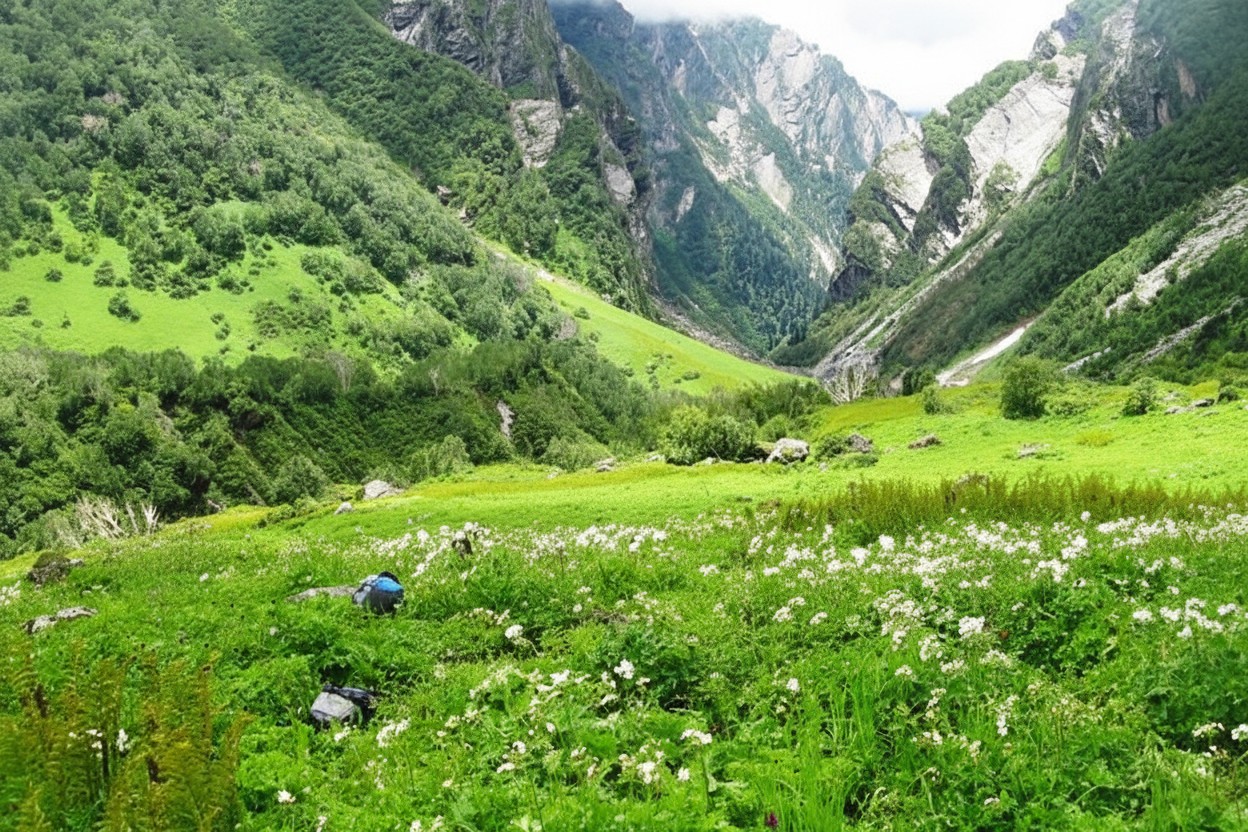
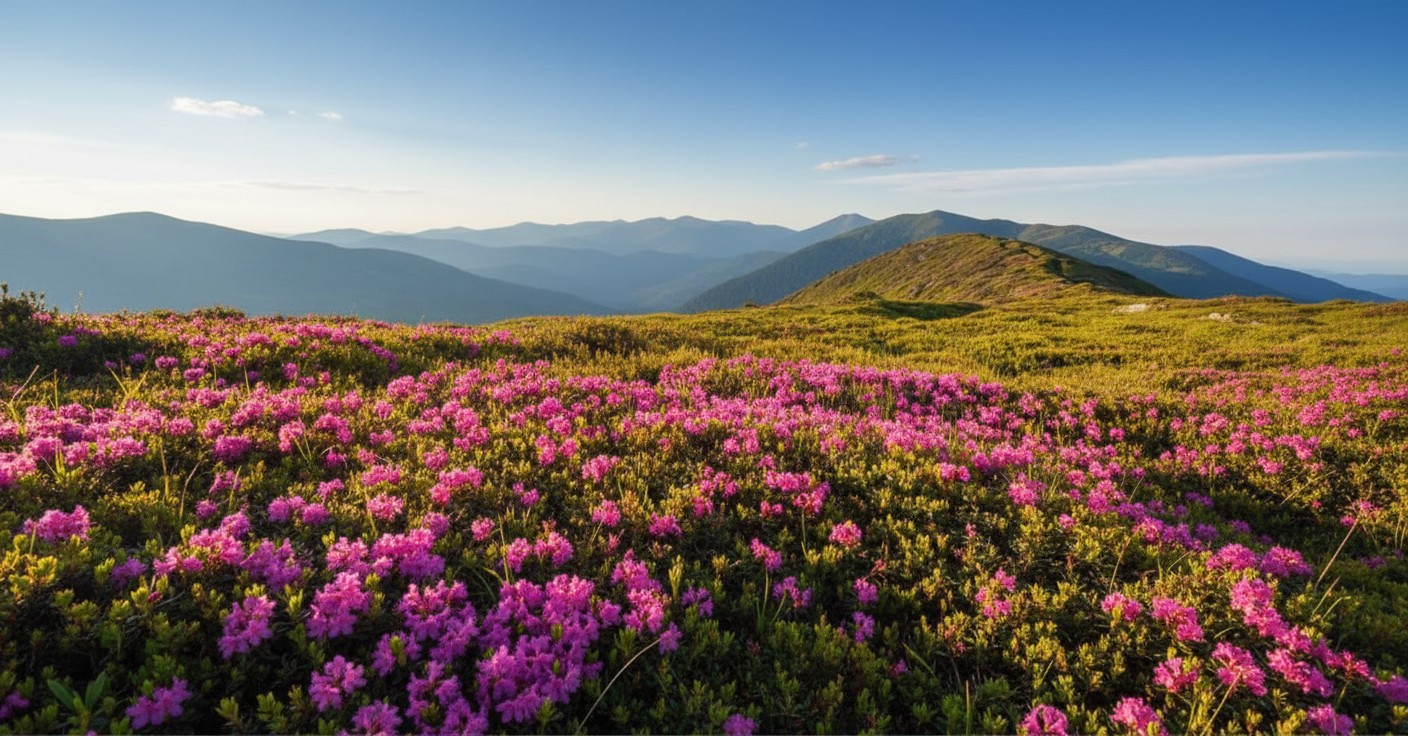
The Valley of Flowers National Park is one of India's most beautiful high-altitude national parks, located in the Himalayas of Uttarakhand. It is a UNESCO World Heritage Site and forms part of the Nanda Devi Biosphere Reserve. The valley is famous for its vast meadows covered with hundreds of species of colorful alpine flowers, surrounded by snow-capped mountains, waterfalls, and glaciers. The park covers about 87 square kilometers and is generally open from June to October.
The Valley of Flowers National Park is a breathtaking natural paradise nestled in the Chamoli district of Uttarakhand, India. Situated amidst the majestic Himalayan ranges, this enchanting valley is renowned for its vast meadows filled with vibrant wildflowers that bloom during the monsoon season. Recognized as a UNESCO World Heritage Site, the park attracts nature lovers, trekkers, photographers, botanists, and adventure enthusiasts from around the world.
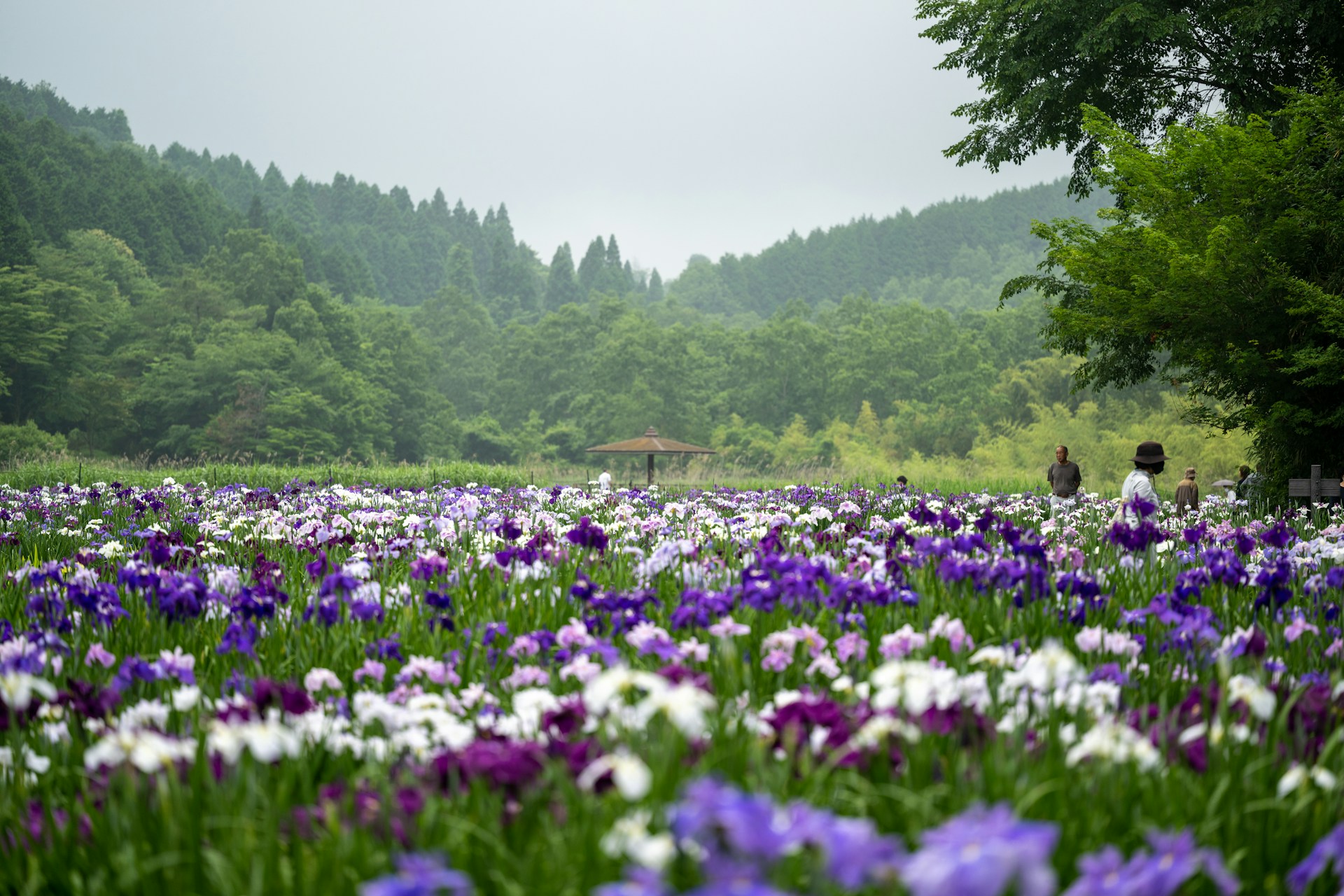
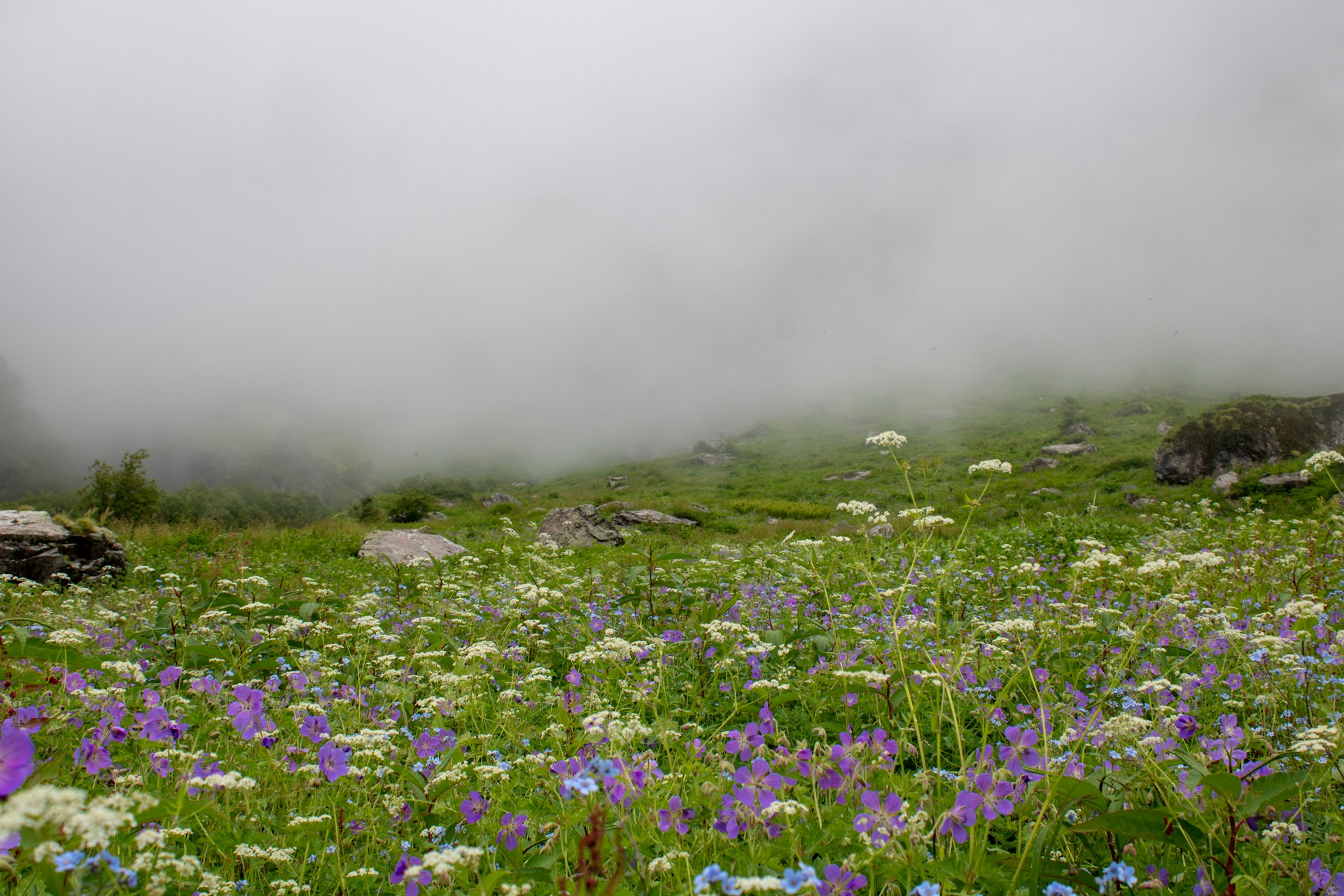
Spread over approximately 87 square kilometers, the valley lies at an altitude ranging from 3,300 to 3,600 meters above sea level. During the flowering season, usually from July to August, the landscape transforms into a colorful carpet of blossoms featuring orchids, poppies, primulas, daisies, marigolds, blue poppies, and hundreds of other alpine flower species. The combination of colorful flowers, mist-covered mountains, sparkling streams, and cascading waterfalls creates a dreamlike atmosphere that leaves visitors mesmerized.
Apart from its floral beauty, the park is also rich in wildlife. It serves as a habitat for several rare and endangered species, including the snow leopard, musk deer, Asiatic black bear, red fox, and Himalayan monal. The valley's unique ecosystem and biodiversity make it an important conservation area in the Himalayas.
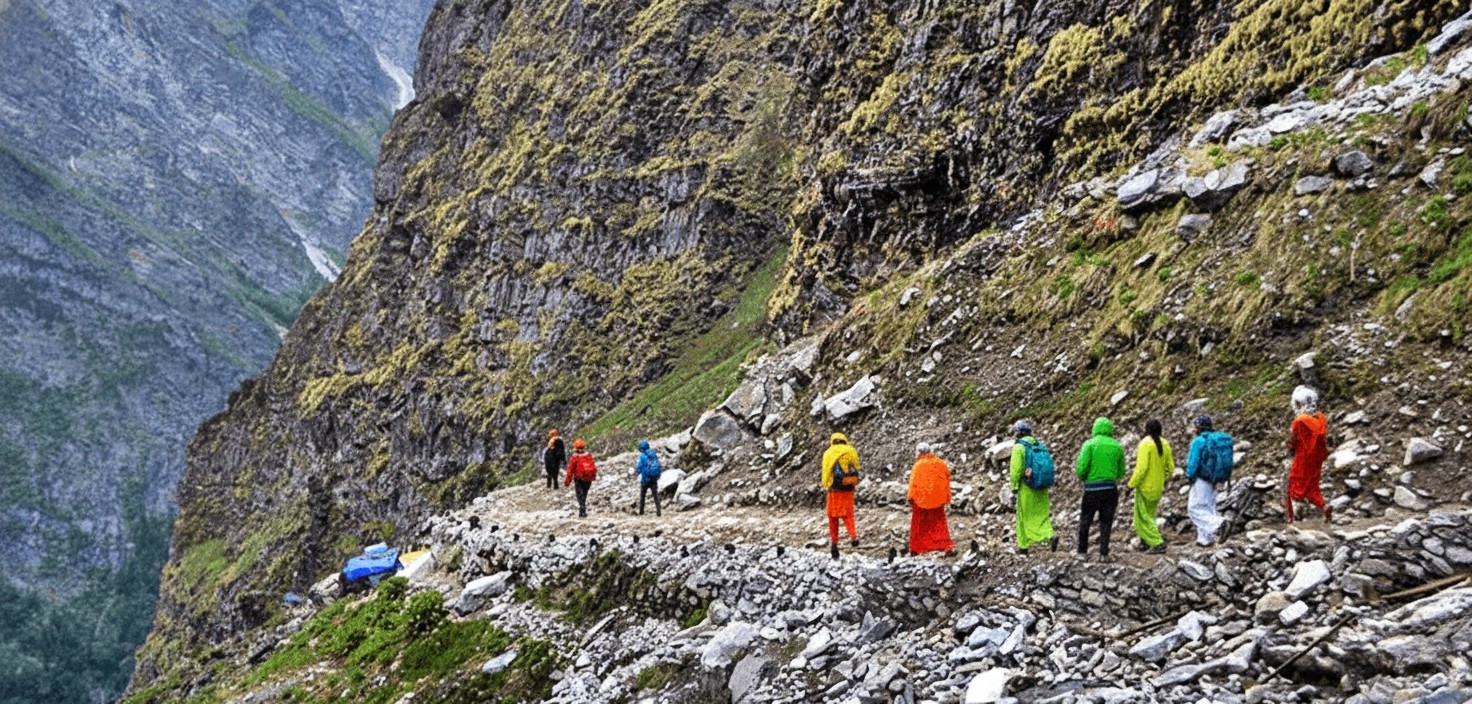
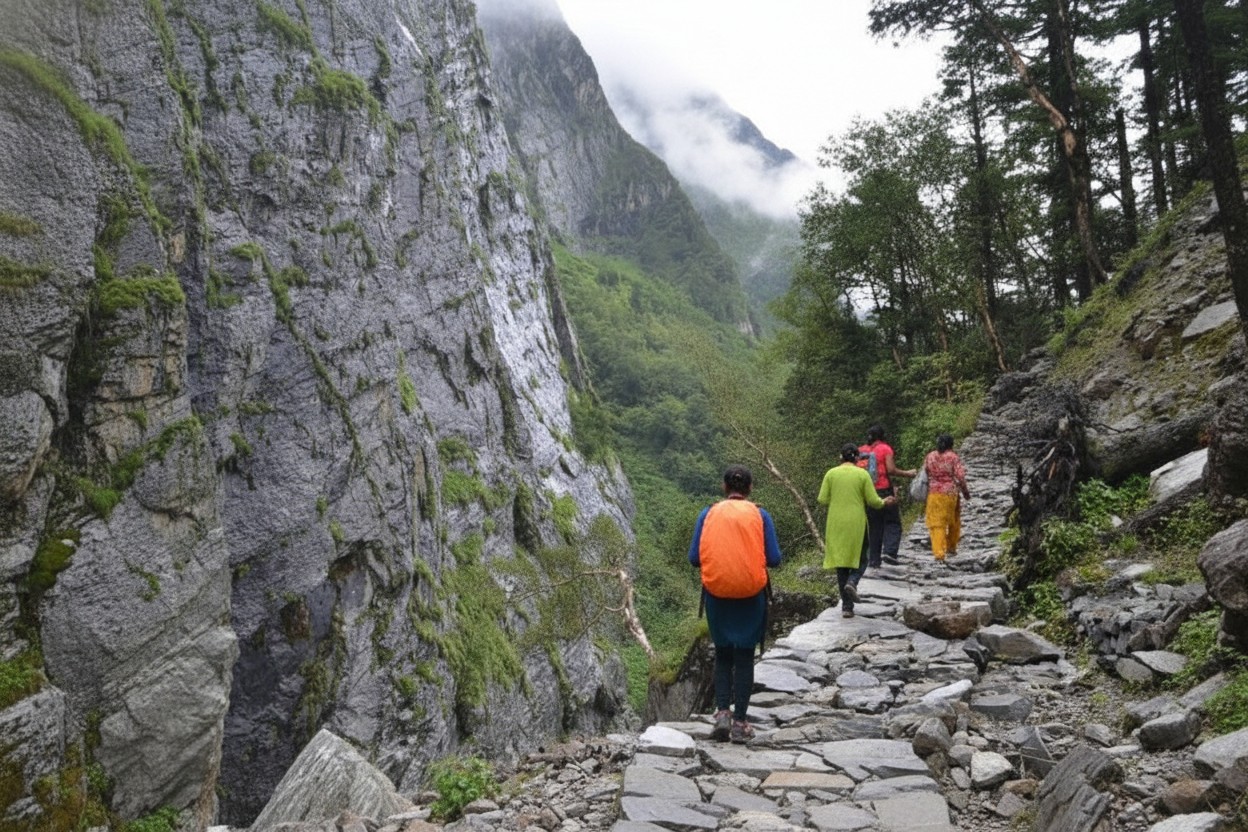
Reaching the valley itself is an adventure, involving a scenic trek through forests, rivers, and mountain trails. The journey offers spectacular views of the Garhwal Himalayas and provides an unforgettable experience for trekkers. For those seeking peace, natural beauty, and a close connection with nature, the Valley of Flowers offers one of the most memorable travel experiences in India. Its unmatched beauty and ecological significance make it a must-visit destination for every nature enthusiast.
🎯 Things to do
- 1. Trekking — classic high-altitude Himalayan trek from Govindghat → Pulna → Ghangaria → Valley of Flowers
- 2. Nature & Flower Viewing — rare endemic Himalayan flowers and meadows
- 3. Photography — landscapes /flora/ fauna / glaciers /rivers
- 4. Birdwatching & Wildlife Spotting — sightings of high-altitude birds and mammals
- 5. Visit Ghangaria Village — walk the riverside and experience rural Himalayan culture
- 6. Sacred Sites Nearby (often combined with the trek): Hemkund Sahib (Sikh pilgrimage site) — a side trek from Ghangaria.
📍 Near By
- Govindghat – starting point before the trek
- Gorson Bugyal – alpine meadows (trek option)
- Joshimath – hill town with temples and mountain views
- Badrinath – important Char Dham pilgrimage site
- Mana Village – last Indian village before the Tibet border
- Auli – popular ski and scenic destination nearby
- Hemkund Sahib – religious site with high-altitude lake.
🛣️ How to Reach
By Air :- Nearest Airport: Jolly Grant Airport Dehradun.
Distance to Govindghat: Approximately 290 km
From the airport taxis and buses are available to Govindghat the starting point of the trek.,
By Train :- Nearest Railway Station: Rishikesh
Alternative major railhead: Haridwar
From Rishikesh or Haridwar buses and taxis are available to Govindghat.,
By Road :- Route: Delhi → Haridwar → Rishikesh → Rudraprayag → Joshimath → Govindghat
Regular buses and shared taxis operate from Haridwar and Rishikesh.,
Trek Route
Govindghat → Pulna (4 km by shared taxi)
Pulna → Ghangaria (about 13 km trek)
Ghangaria → Valley of Flowers (about 4 km trek one way)
⭐ Why Visit
UNESCO World Heritage Site,
More than 600 species of alpine flowers,
Spectacular Himalayan scenery,
Ideal for trekking photography and nature lovers,
Habitat of rare wildlife such as snow leopard musk deer and Himalayan monal bird
💡 Travel Tips
Best time to visit: Mid-July to Mid-August.,
Carry rain gear, as monsoon showers are common.,
Wear comfortable trekking shoes.,
Carry warm clothing due to cold mountain weather.,
Keep personal medicines and a first-aid kit.,
Stay hydrated and avoid plastic waste.,
Book accommodation in Ghangaria in advance during peak season.
🌟 Special Features
Peak blooming season: July to August,
Located at an altitude of about 3300–3600 meters,
Rich biodiversity and rare medicinal plants,
Crystal-clear streams waterfalls and glaciers,
Nearby attraction: Hemkund Sahib
Trimbakeshwar Temple
Trimbakeshwar • Nashik • Maharashtra
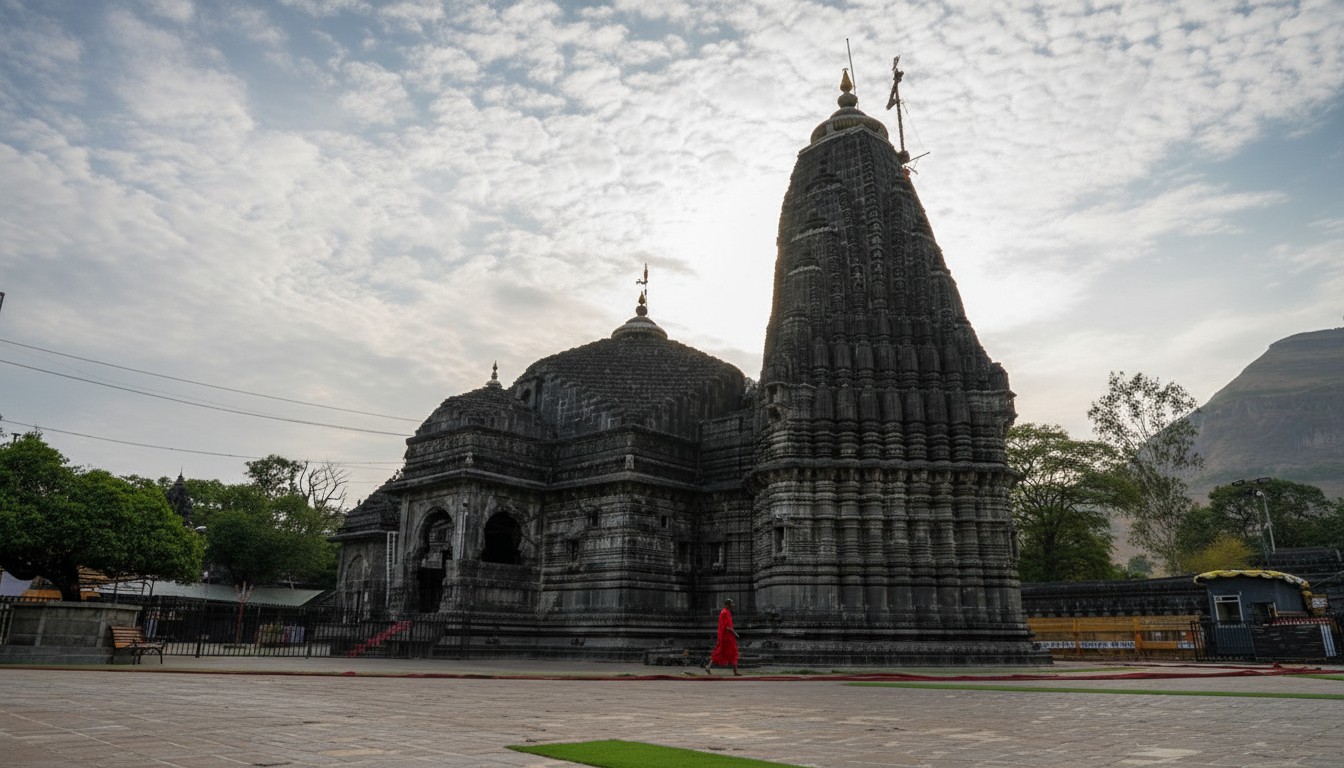
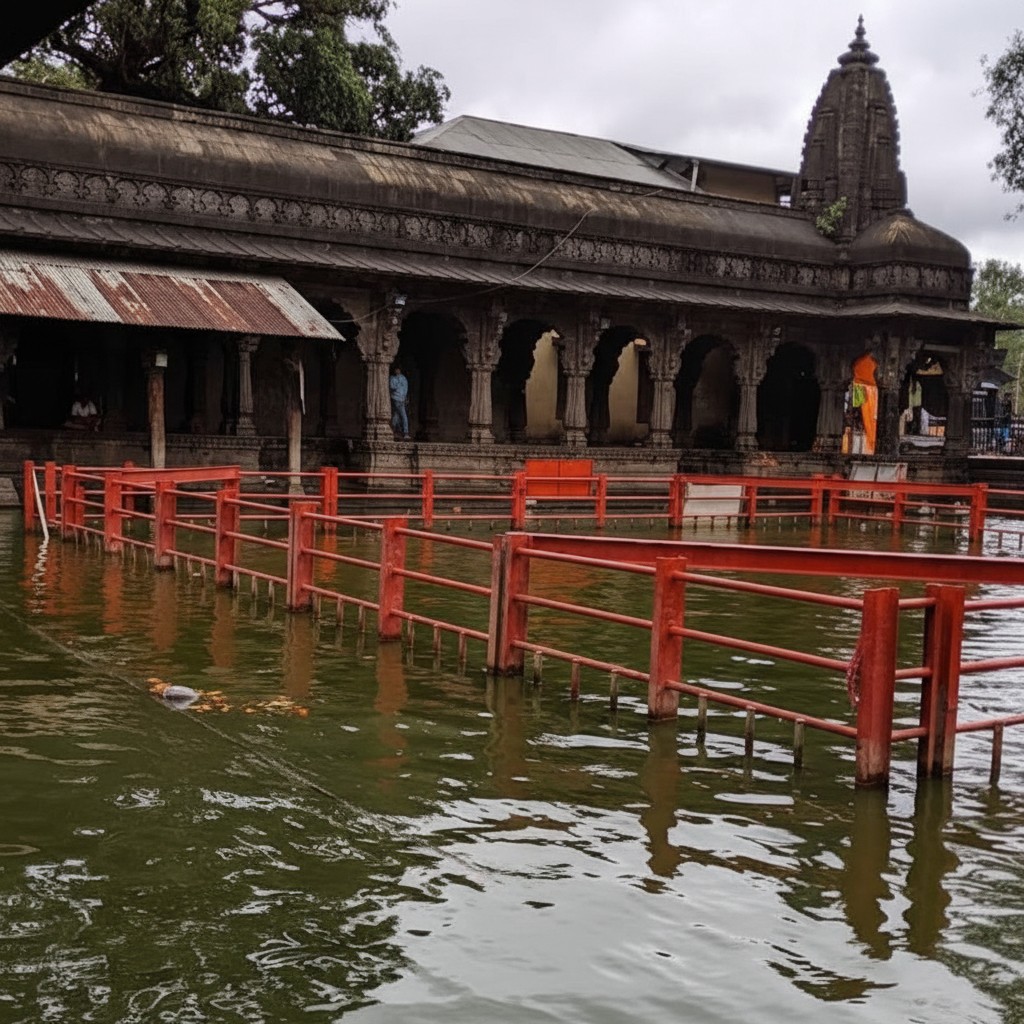
Trimbakeshwar Temple is a sacred Hindu temple dedicated to Lord Shiva, famous for housing one of the twelve Jyotirlingas and being the origin place of the holy Godavari River.
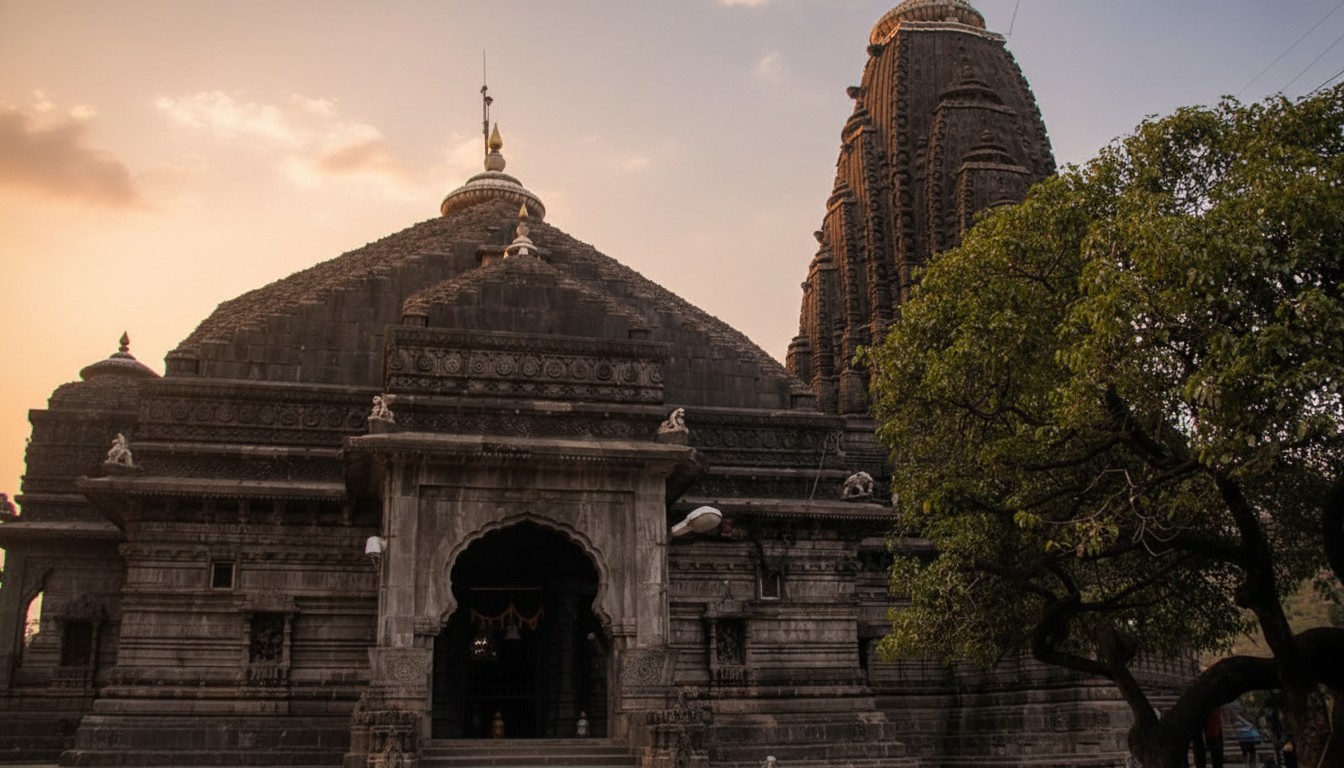
Trimbakeshwar Temple is one of the most sacred Hindu pilgrimage sites in India and is located in the town of Trimbak, about 28 km from Nashik in Maharashtra. Dedicated to Lord Shiva, it is one of the twelve revered Jyotirlingas and holds immense religious significance for devotees from across the country. The temple stands at the foothills of the majestic Brahmagiri Hills, from where the holy Godavari River is believed to originate.
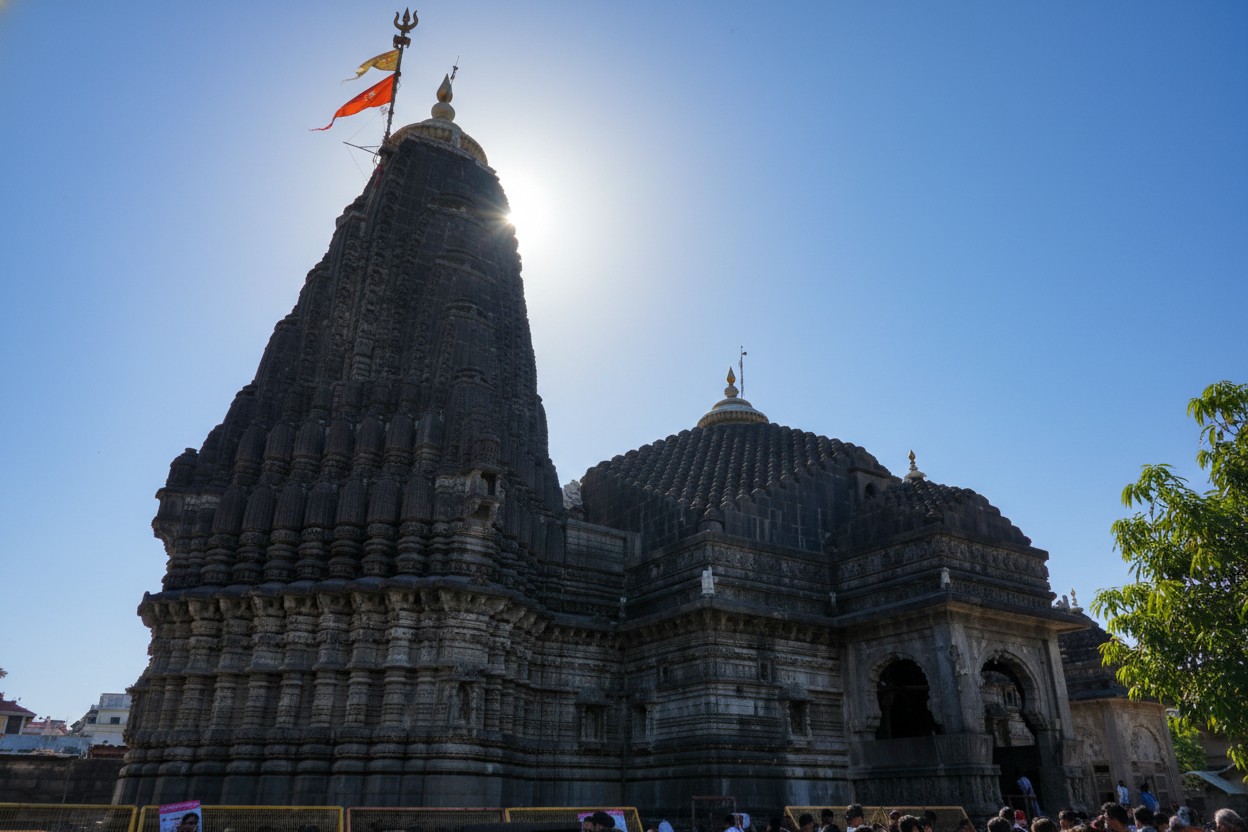
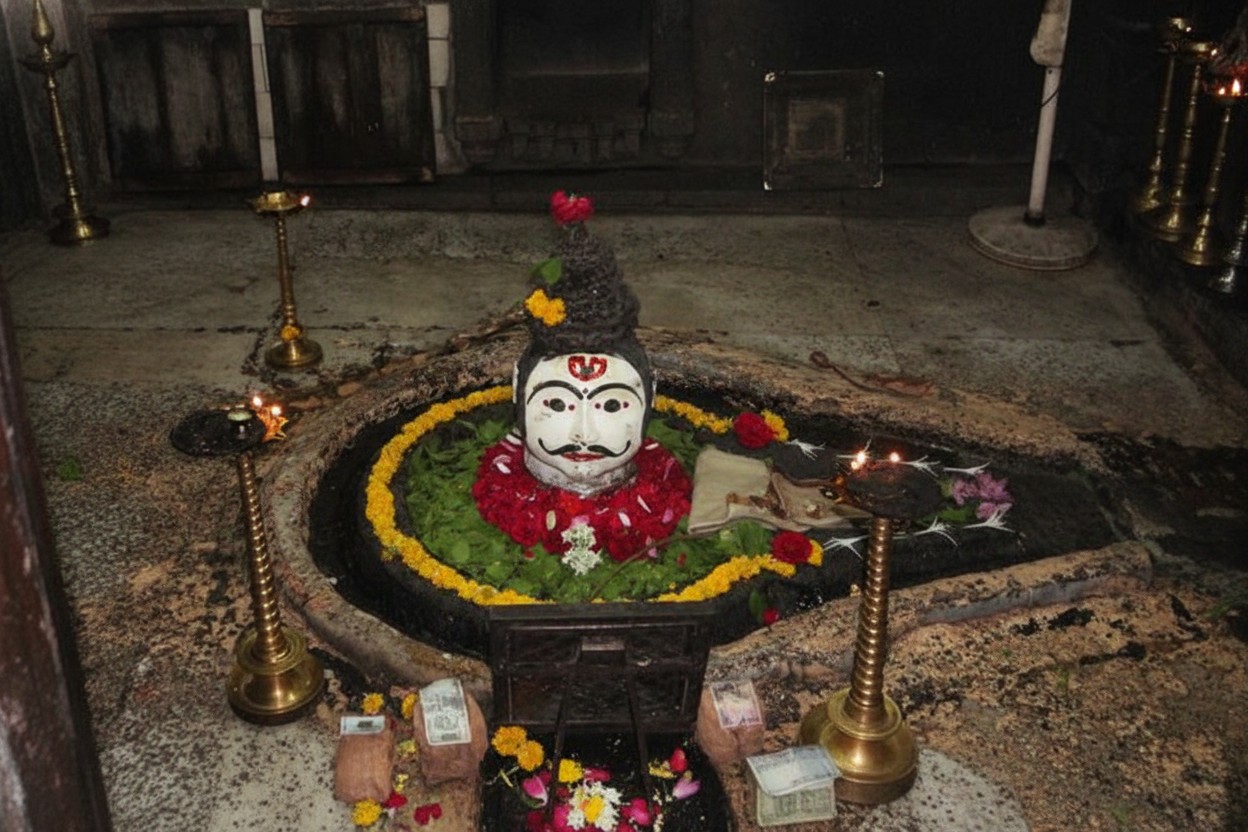
The present temple was built by Peshwa Balaji Baji Rao during the 18th century and is renowned for its impressive black-stone Hemadpanthi architecture, intricate carvings, and spiritual atmosphere. Unlike other Jyotirlingas, the sacred lingam at Trimbakeshwar is unique because it represents the Hindu Trinity—Brahma, Vishnu, and Shiva—in a single form. This rare feature makes the temple exceptionally important among Shiva shrines.
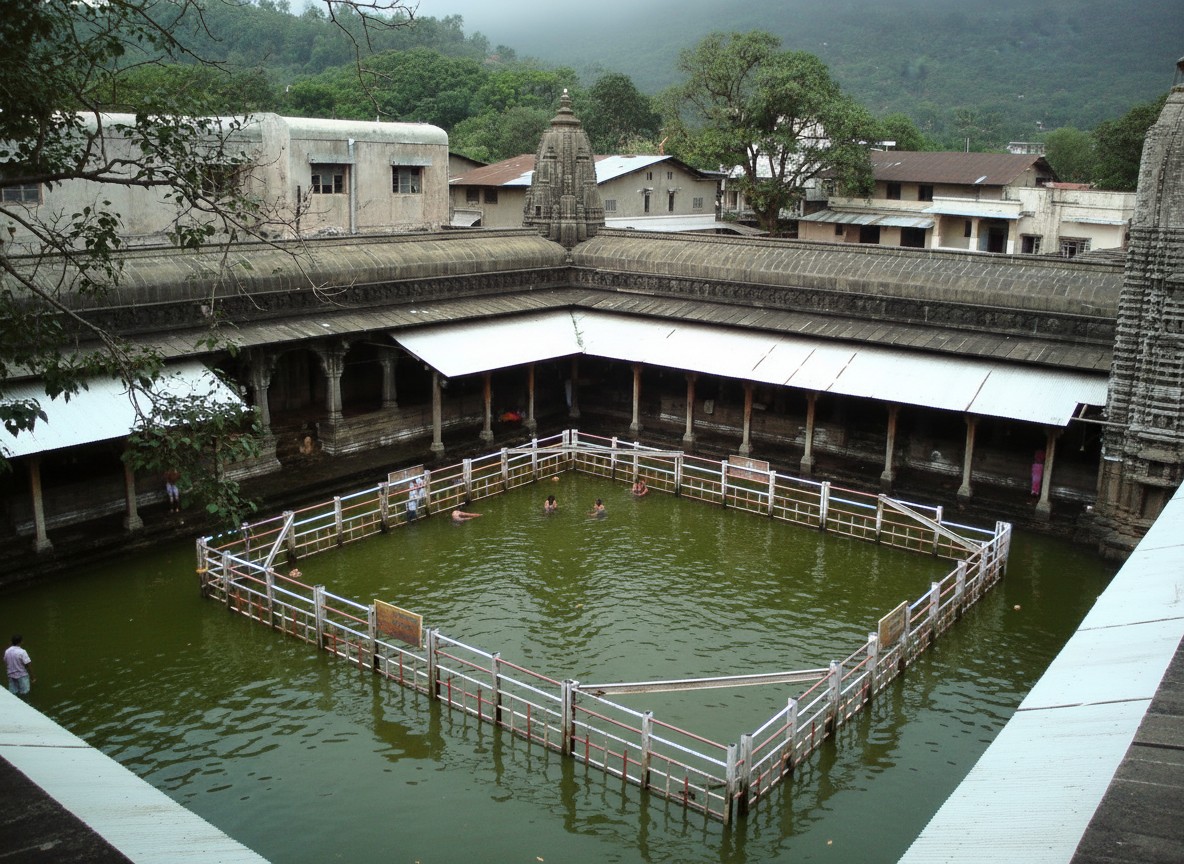
The temple is also famous for special rituals such as Narayan Nagbali, Kaal Sarp Shanti, and Pitru Dosha Puja, which attract devotees seeking spiritual remedies and blessings. The nearby Kushavart Kund, considered the symbolic source of the Godavari River, is another major attraction for pilgrims.
Surrounded by lush green hills, especially during the monsoon season, Trimbakeshwar offers a blend of spirituality, history, and natural beauty. The serene environment, sacred traditions, and divine ambiance make it a must-visit destination for devotees and travelers alike. Every year, thousands of pilgrims visit the temple during Mahashivratri, Shravan month, and the Kumbh Mela celebrations, making it one of Maharashtra's most important religious centers.
🎯 Things to do
- Darshan of Trimbak Jyotirlinga
- Visit Kushavarta Kund (Godavari origin)
- Attend morning or evening Aarti
- Perform religious rituals & pujas
- Explore temple architecture
- Buy religious items & local souvenirs
- Experience spiritual atmosphere.
📍 Near By
- Brahmagiri Hill – trekking & scenic views
- Anjaneri Hills – birthplace of Lord Hanuman
- Gangadwar (Godavari origin)
- Vaitarna Lake – peaceful picnic spot
- Ashoka Waterfall – popular monsoon picnic
- Pandavleni Caves (Nashik)
- Sula Vineyards – leisure & sightseeing (near Nashik).
🛣️ How to Reach
By Air :- Nearest airport: Nashik Airport (about 35–40 km).
Alternative: Chhatrapati Shivaji Maharaj International Airport (about 180 km).
Taxis and buses are available from both airports.,
By Train :- Nearest railway station: Nashik Road Railway Station (around 30 km).
Regular trains connect Nashik with Mumbai Pune Delhi Hyderabad and other major cities.
Local buses and taxis operate from the station to Trimbakeshwar.,
By Bus :- Frequent Maharashtra State Transport (MSRTC) buses run from Nashik Central Bus Stand.
Direct buses are also available from Mumbai Pune and nearby cities.
⭐ Why Visit
One of the 12 Jyotirlingas of Lord Shiva.,
Origin place of the sacred Godavari River.,
Unique three-faced Jyotirlinga representing Brahma Vishnu and Shiva.,
Famous for Narayan Nagbali and Kaal Sarp Shanti rituals.,
Beautiful natural surroundings of Brahmagiri Hills.,
Important destination during Mahashivratri and Kumbh Mela.
💡 Travel Tips
Visit early morning to avoid long queues.,
Shravan month and Mahashivratri attract huge crowds.,
Wear modest traditional clothing suitable for a temple visit.,
Carry water and comfortable footwear for exploring Brahmagiri Hill.,
Follow temple rules regarding mobile phones bags and photography.,
Monsoon (July–September) offers beautiful scenery but can be crowded.
🌟 Special Features
One of the 12 Jyotirlingas in India.,
Unique Shiva Linga representing the Trinity—Brahma Vishnu and Mahesh.,
Ancient black-stone Hemadpanti architecture.,
Sacred Kushavarta Kund considered the symbolic source of the Godavari River.,
Venue for important Hindu rituals such as Narayan Nagbali Kalsarpa Shanti and Tripindi Shraddha.,
Located amidst the scenic Brahmagiri mountain range.
Dahanu Beach
Dahanu • Palghar • Maharashtra
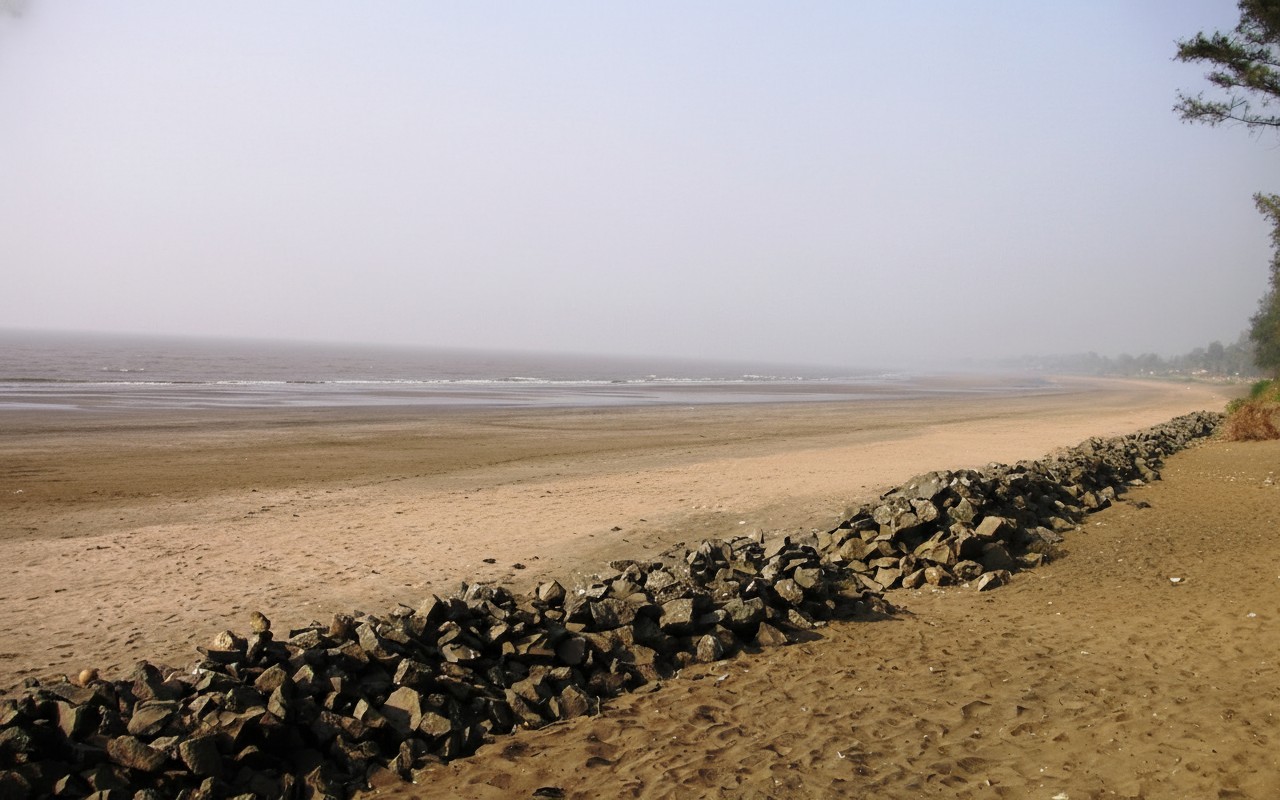
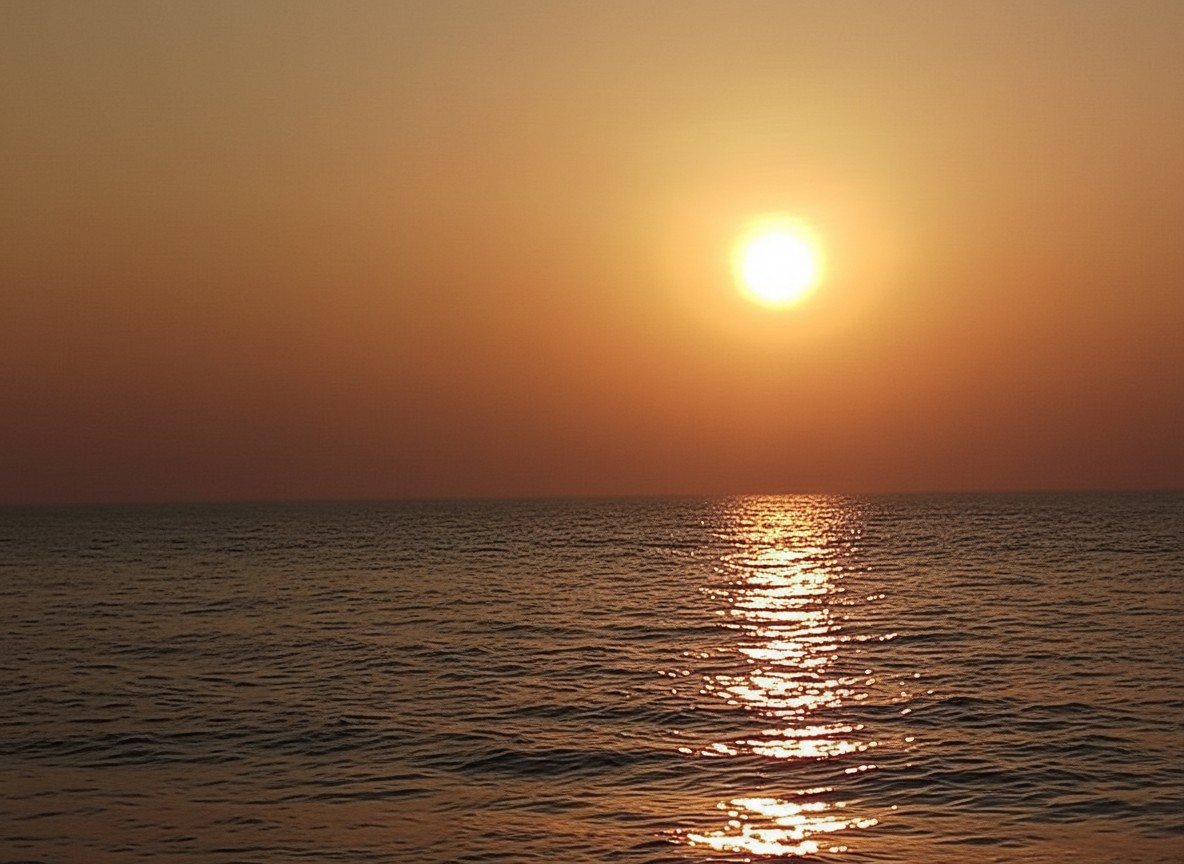
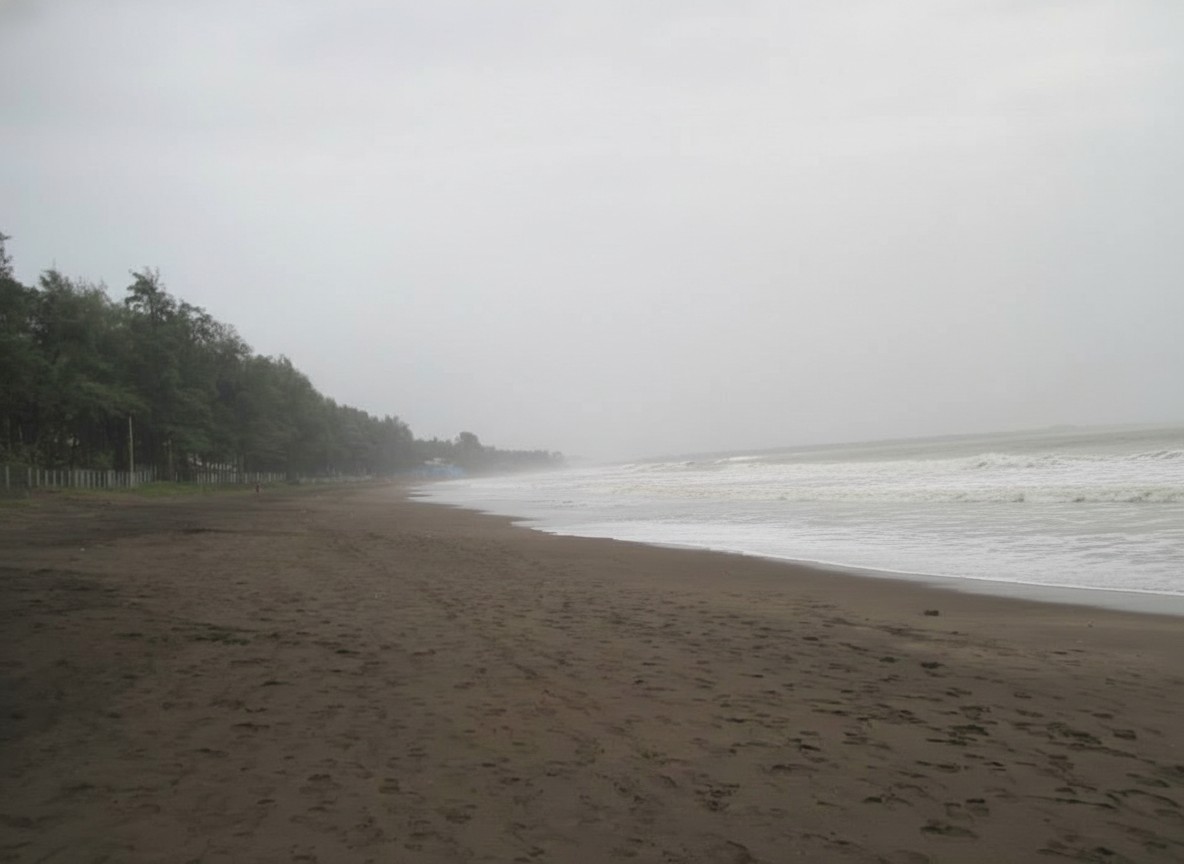
Dahanu Beach is a peaceful and scenic beach located in the Palghar district of Maharashtra, about 125–145 km north of Mumbai. Unlike the crowded beaches near Mumbai, Dahanu offers a calm atmosphere, clean shoreline, swaying palm trees, and beautiful sunsets. The region is also famous for its vast chikoo (sapodilla) orchards and rich Parsi and Warli tribal culture. The Dahanu–Bordi beach stretch extends for nearly 17 km, making it one of the longest and most serene coastal stretches in Maharashtra.
Dahanu Beach is one of Maharashtra's hidden coastal treasures, offering visitors a perfect blend of natural beauty, tranquility, and cultural richness. Situated along the Arabian Sea in Palghar district, the beach is known for its clean shoreline, peaceful surroundings, and refreshing sea breeze. Unlike many popular beaches that remain crowded throughout the year, Dahanu retains its calm and unspoiled charm, making it an ideal destination for travelers seeking relaxation away from city life.
The beach forms part of the famous Dahanu–Bordi coastal stretch, which extends for nearly 17 kilometers. Tall palm trees, soft sand, and mesmerizing sunsets create a picturesque landscape that attracts nature lovers and photographers. One of the unique aspects of Dahanu is its extensive chikoo orchards, which have become a symbol of the region. Visitors can explore these orchards and enjoy fresh chikoo-based products sold by local farmers.
Dahanu is also culturally significant. The area reflects the influence of Parsi, Irani, and Warli tribal communities, giving it a distinctive identity. Traditional Warli art, local festivals, and regional cuisine provide visitors with an opportunity to experience the rich heritage of coastal Maharashtra. Nearby attractions such as Dahanu Fort and the sacred Parsi town of Udwada add historical and cultural value to the trip.
The pleasant climate during winter months makes Dahanu an excellent weekend getaway from Mumbai and surrounding cities. Whether you wish to take long walks along the shore, enjoy local delicacies, explore orchards, or simply relax by the sea, Dahanu Beach offers a refreshing escape from urban life. Its combination of scenic beauty, cultural diversity, and peaceful atmosphere makes it one of the most charming beach destinations in western India.
🎯 Things to do
- Beach walking & relaxation
- Sunset photography
- Family picnic & leisure time
- Nature & landscape photography
- Explore coconut groves nearby
- Buy local fruits (chikoo
- mango
- coconut)
- Quiet meditation & yoga by the sea.
📍 Near By
- Bordi Beach
- Gholvad Beach
- Chikhala Beach
- Dahanu Fort
- Bahrot Caves
- Aswali Dam.
🛣️ How to Reach
By Air :-Nearest Airport: Chhatrapati Shivaji Maharaj International Airport
Distance: Approximately 140–150 km.
From the airport taxis and buses are available to Dahanu.
Travel time: Around 3–4 hours by road.,
By Train :-Nearest Railway Station: Dahanu Road Railway Station
The beach is about 4 km from the station.
Regular local and express trains connect Dahanu with Mumbai Virar Surat and Ahmedabad.,
By Bus :- Maharashtra State Transport (MSRTC) buses operate from Mumbai Palghar and nearby cities.
Private buses and shared taxis are also available.
The journey from Mumbai takes approximately 3–4 hours.,
By Road
Travel via NH-48 (Mumbai–Ahmedabad Highway).
Distance from Mumbai: about 125–145 km.
Ideal for a weekend road trip.
⭐ Why Visit
Peaceful and less crowded environment.,
Beautiful sunsets and long beach walks.,
Famous chikoo orchards.,
Rich Parsi heritage and nearby pilgrimage sites.,
Excellent destination for weekend getaways from Mumbai.,
Clean coastline and refreshing sea breeze.
💡 Travel Tips
Best time to visit: November to February.,
Carry sunscreen hats and drinking water.,
Visit early morning or evening for pleasant weather.,
Try local chikoo products and seafood.,
Avoid swimming during rough sea conditions or monsoon months.
🌟 Special Features
17 km long Dahanu–Bordi coastal stretch.,
Known for chikoo plantations.,
Presence of Warli tribal culture and art.,
Nearby attractions include Dahanu Fort and Udwada an important Parsi pilgrimage center.




Tuljabhavani Temple
Tuljapur • Osmanabad • Maharashtra
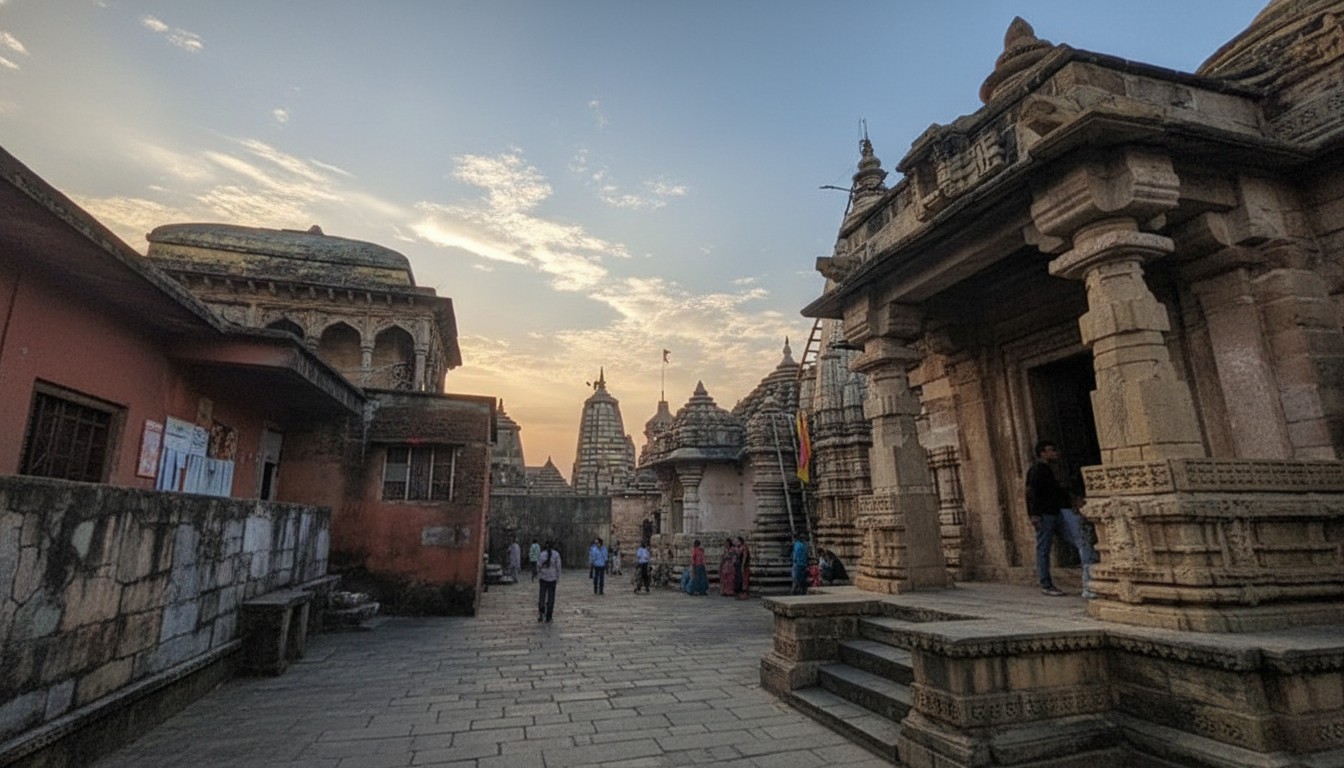
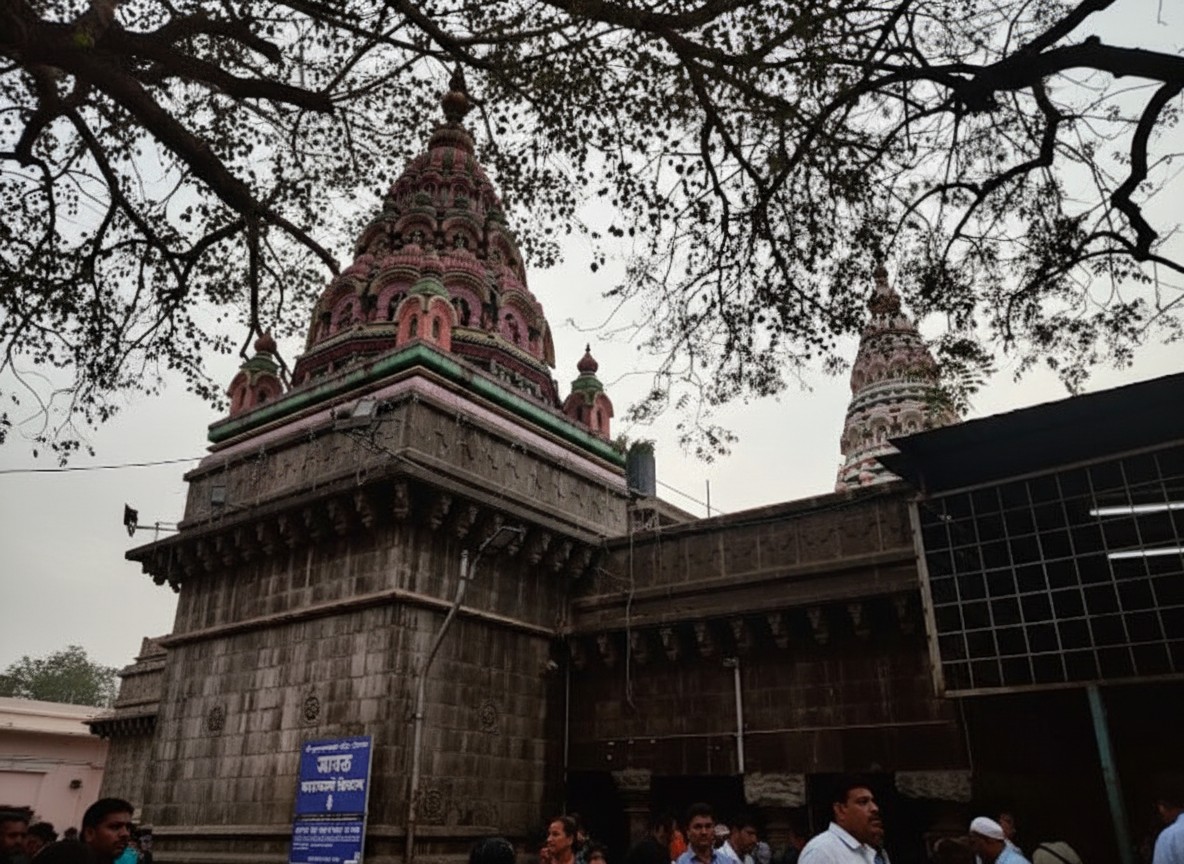
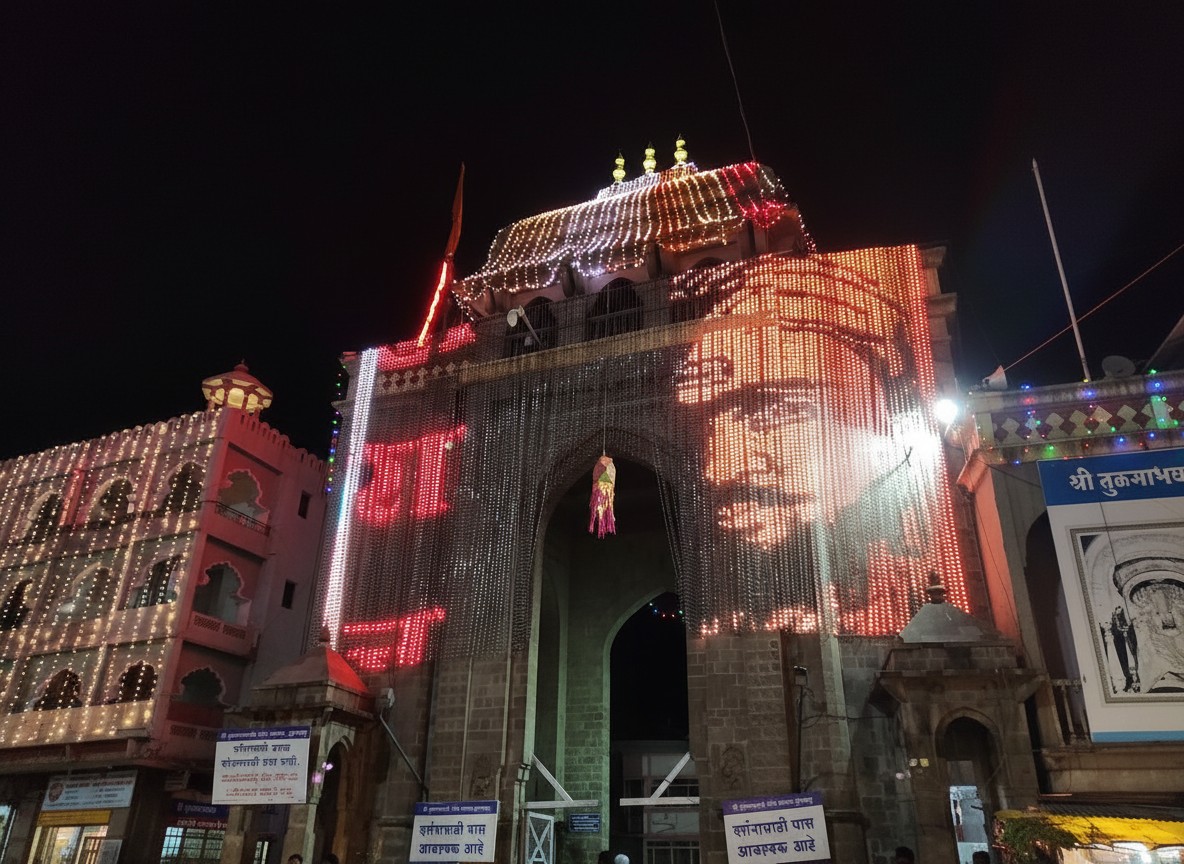
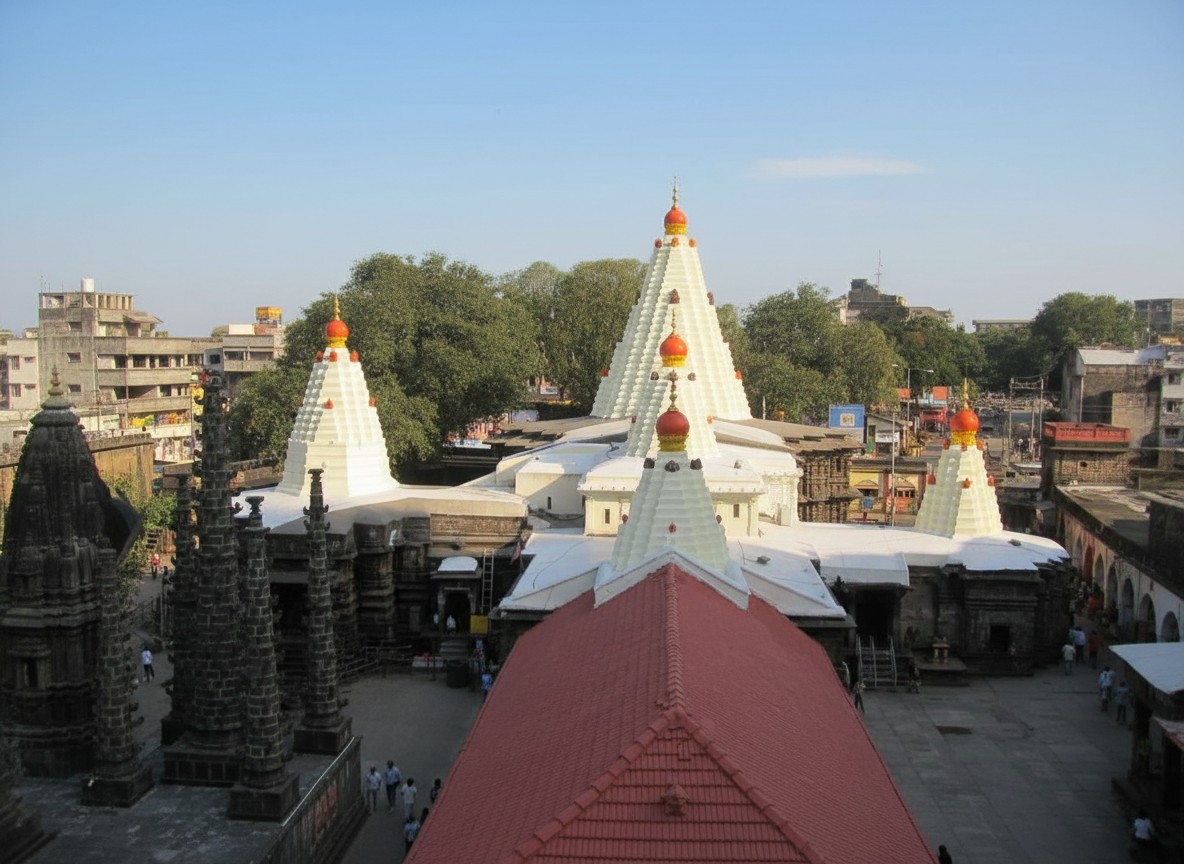
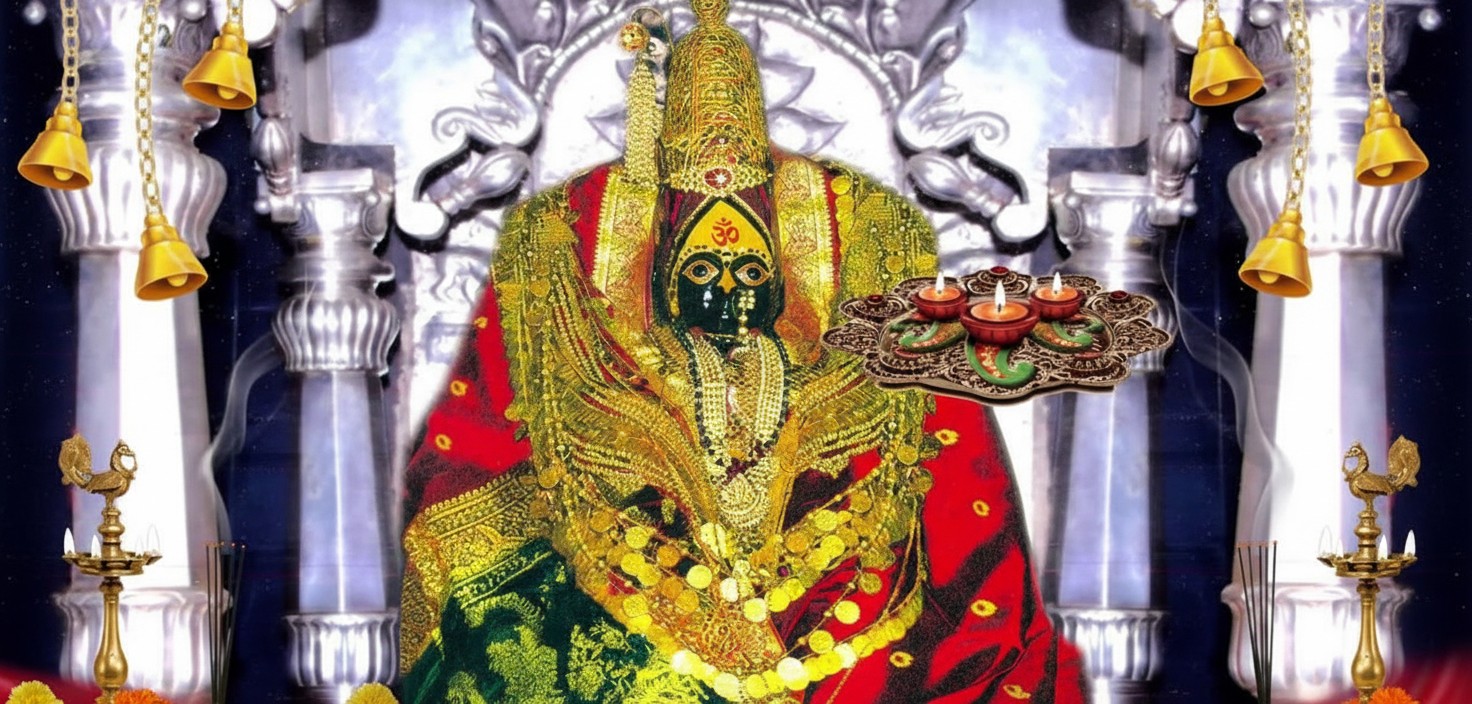
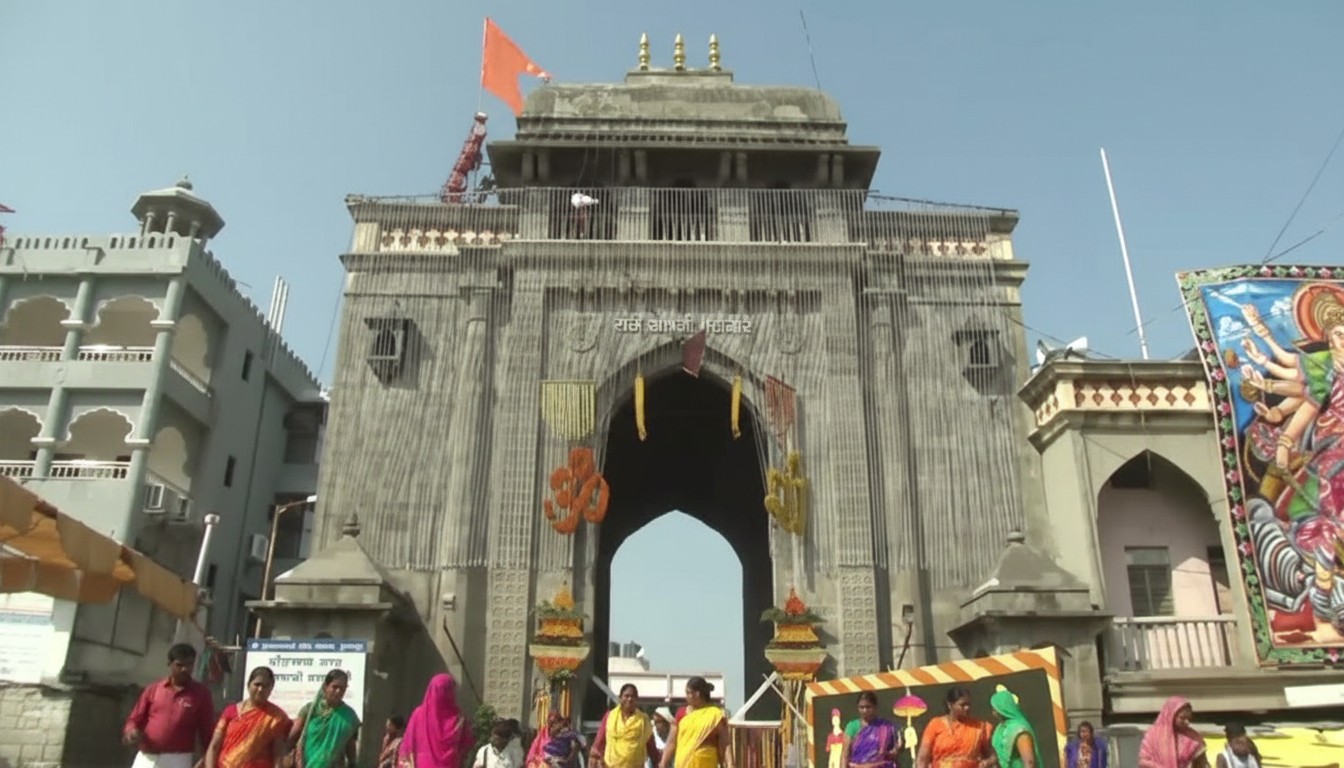
The Tulja Bhavani Temple is one of the most revered Hindu pilgrimage sites in Maharashtra, located in the town of Tuljapur, Dharashiv (Osmanabad) district. The temple is dedicated to Goddess Tulja Bhavani, a powerful form of Goddess Durga. It is considered one of the "Three and a Half Shakti Peethas" (Sade Teen Shakti Peeth) of Maharashtra and holds immense spiritual significance for devotees. The temple is especially famous as the family deity (Kuldevi) of the great Maratha ruler Chhatrapati Shivaji Maharaj, who is believed to have received the divine sword "Bhavani Talwar" from the goddess.
The Tulja Bhavani Temple, situated in Tuljapur in Maharashtra's Dharashiv district, is one of the most sacred pilgrimage destinations in India. Dedicated to Goddess Tulja Bhavani, a fierce and protective form of Goddess Durga, the temple attracts millions of devotees every year. It is recognized as one of the revered "Three and a Half Shakti Peethas" of Maharashtra and is deeply rooted in the spiritual and cultural traditions of the region.
The temple's history dates back several centuries and is closely associated with Chhatrapati Shivaji Maharaj, the founder of the Maratha Empire. According to popular belief, Goddess Bhavani blessed Shivaji Maharaj and presented him with the legendary Bhavani Sword, symbolizing divine protection and courage. Because of this connection, the temple holds a special place in Maratha history and heritage.
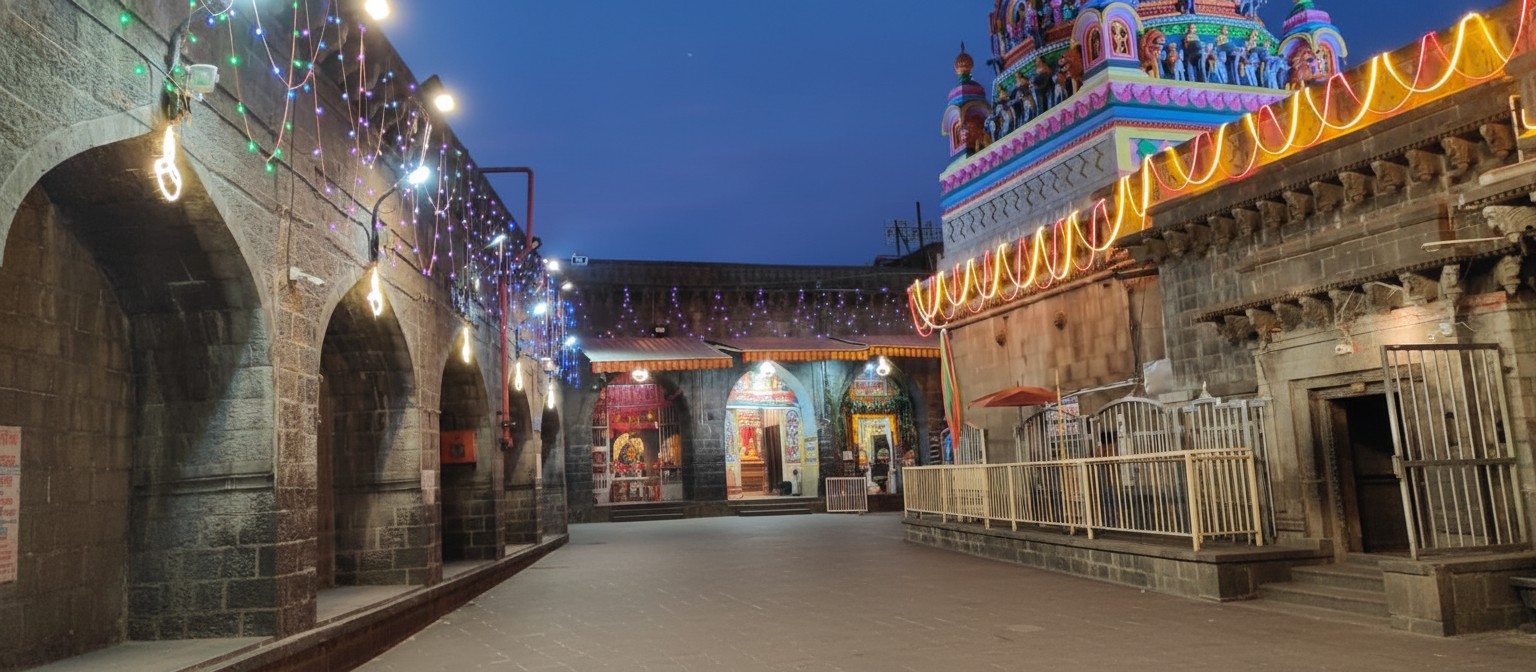
Architecturally, the temple is built in the traditional Hemadpanti style, featuring massive stone structures, intricately carved gateways, and ancient temple architecture. The sanctum houses the sacred idol of Goddess Tulja Bhavani, which is worshipped with great devotion. The temple complex resonates with chants, prayers, and rituals throughout the day, creating a spiritually uplifting atmosphere.
Navratri is the most important festival celebrated here, when thousands of pilgrims gather to participate in special prayers and cultural events. Besides its religious significance, the temple offers visitors a glimpse into Maharashtra's rich history, traditions, and devotional practices. A visit to Tulja Bhavani Temple provides not only spiritual fulfillment but also an opportunity to experience the timeless heritage and faith that have made this shrine a revered center of worship for generations.
🎯 Things to do
- Seek blessings of Goddess Tulja Bhavani
- Participate in Aarti & Abhishek
- Attend religious rituals and festivals
- Learn about Shivaji Maharaj’s history
- Walk around temple complex
- Photography (outside temple premises).
📍 Near By
- Ghatshil Temple Area – scenic hill surroundings
- Balaghat Hills – peaceful nature views
- Tuljapur Lake (local area)
- Naldurg Fort (approx. 45 km) – historical picnic spot
- Solapur Siddheshwar Garden (approx. 45 km).
🛣️ How to Reach
By Air :- Nearest Airport: Solapur Airport (about 50 km)
Nearest Major Airport: Pune International Airport (about 290–300 km)
Taxis and buses are available from both airports.,
By Train :-Nearest Railway Stations:
Dharashiv Railway Station (about 25–30 km)
Solapur Railway Station (about 45 km)
Solapur offers excellent rail connectivity to Mumbai Pune Hyderabad Bengaluru and other major cities.,
By Bus:-Regular MSRTC and private buses operate from Mumbai Pune Nagpur Aurangabad Solapur Hyderabad and nearby cities.
Tuljapur is well connected through state and national highways.
⭐ Why Visit
Seek blessings of Goddess Tulja Bhavani.,
Experience one of Maharashtra's most important Shakti Peethas.,
Explore ancient Hemadpanti architecture.,
Learn about its connection with Chhatrapati Shivaji Maharaj.,
Witness grand Navratri celebrations and traditional rituals.
💡 Travel Tips
Visit early morning for a peaceful darshan.,
Expect large crowds on Tuesdays Fridays and during Navratri.,
Wear modest clothing suitable for a religious place.,
Book accommodation in advance during festivals.,
Carry drinking water and essential medicines.,
Photography may be restricted inside the sanctum.
🌟 Special Features
One of Maharashtra's "Sade Teen Shakti Peethas".,
Ancient Hemadpanti-style architecture.,
Self-manifested (Swayambhu) idol of the Goddess.,
Historic association with Chhatrapati Shivaji Maharaj.,
Major center of Shakti worship attracting millions of devotees annually.
Deekshabhoomi
• Nagpur • Maharashtra
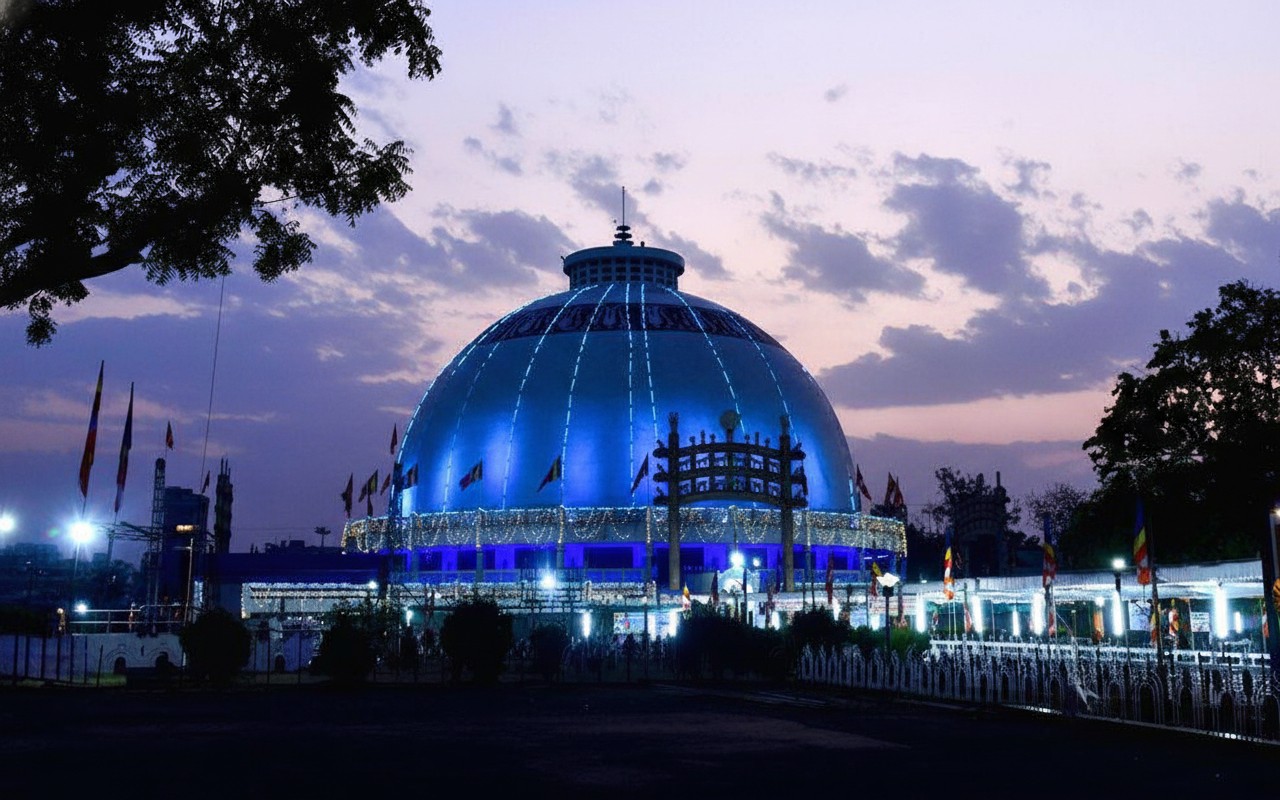
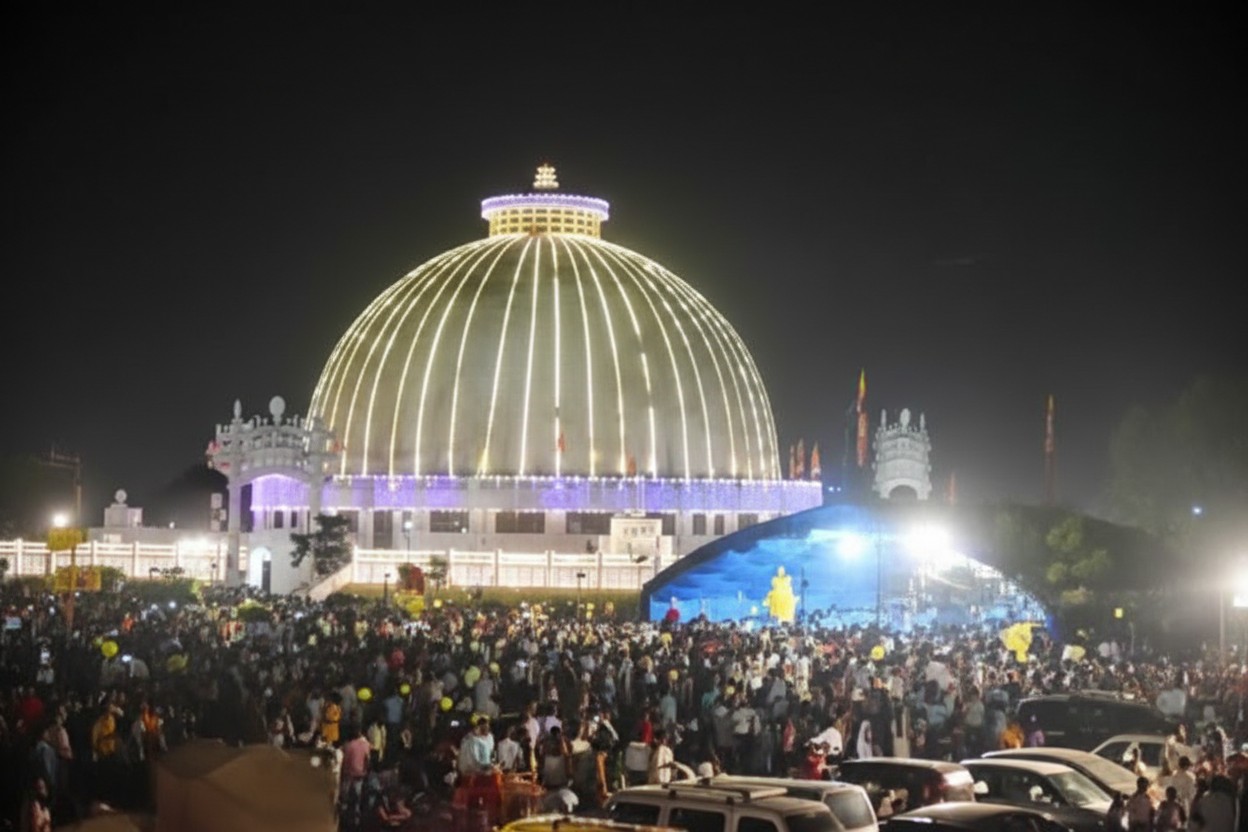
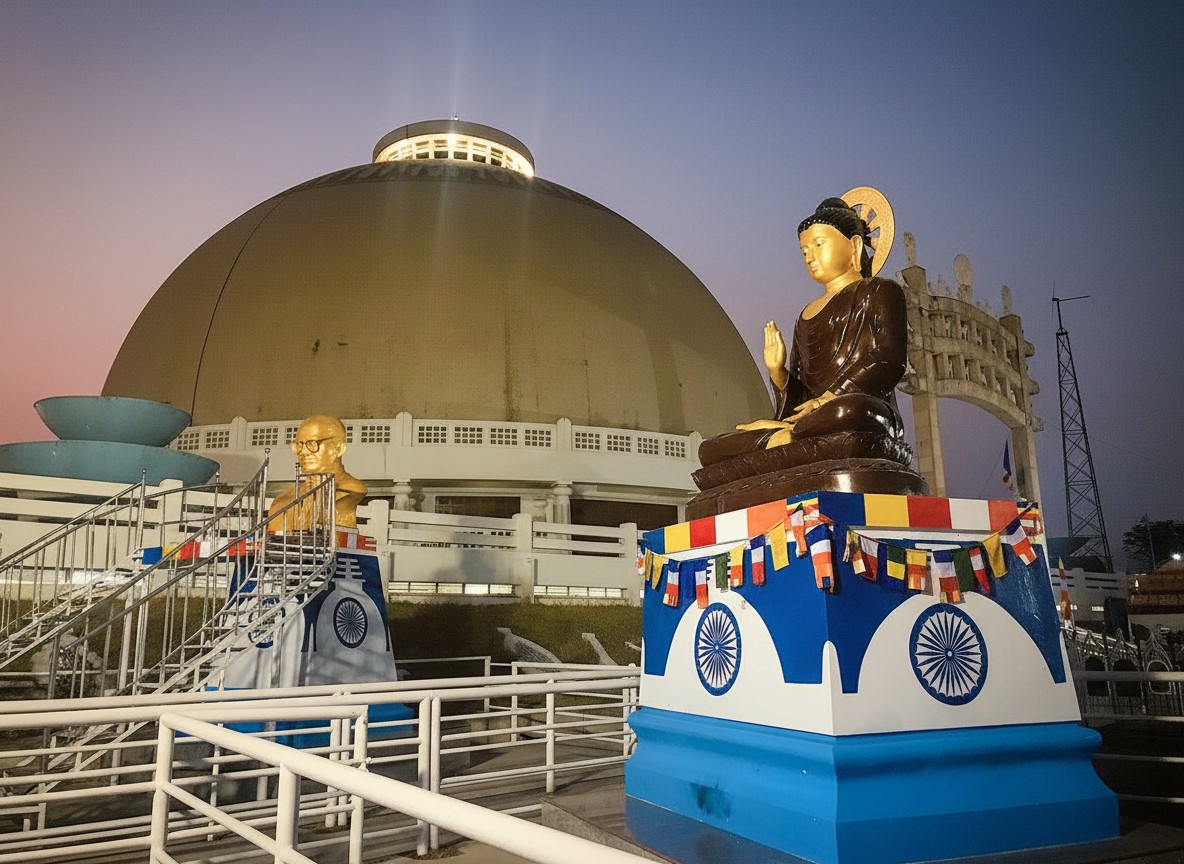
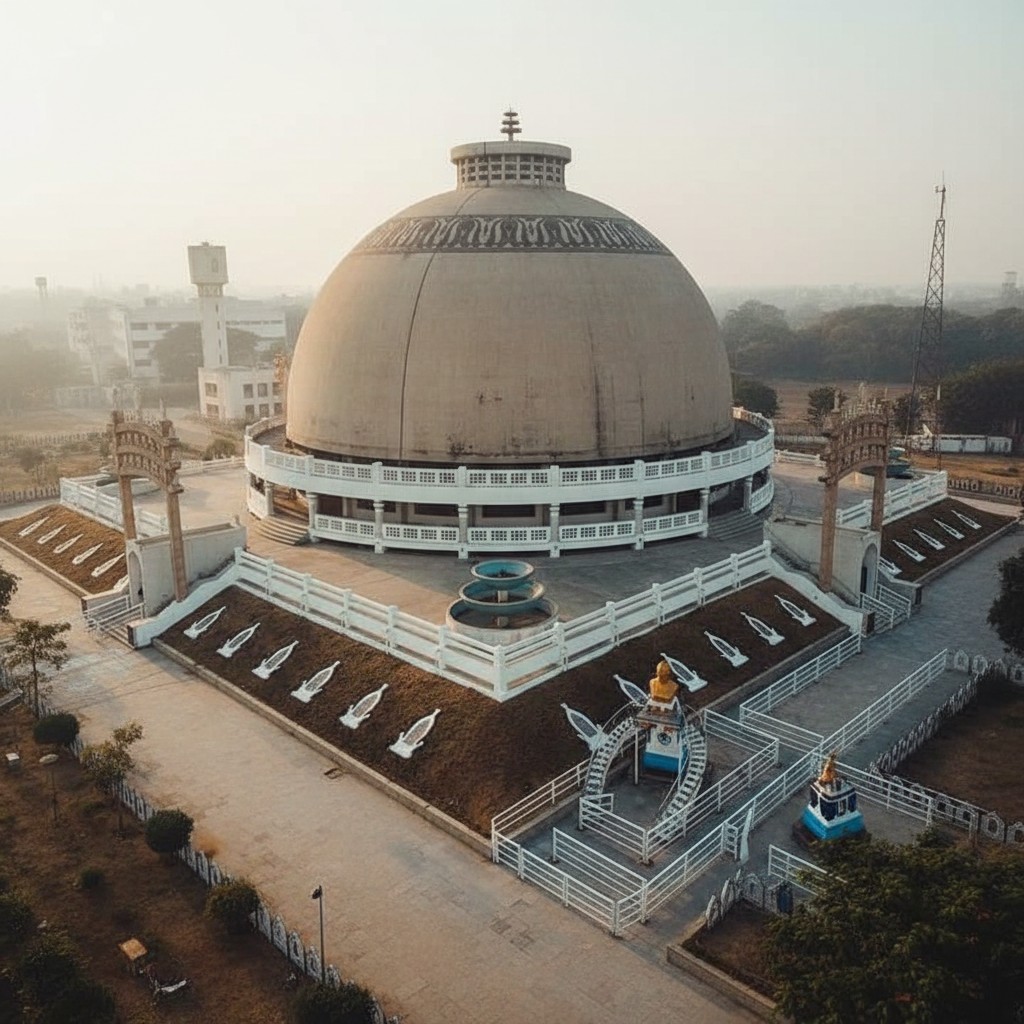
Deekshabhoomi is one of the most important Buddhist pilgrimage sites in India. Located in Nagpur, Maharashtra, it is the place where Dr. B. R. Ambedkar embraced Buddhism along with hundreds of thousands of followers on 14 October 1956. This historic event marked the beginning of a major social and religious movement in modern India. The monument is famous for its magnificent white dome, inspired by traditional Buddhist architecture. It serves as a center for meditation, learning, and remembrance of Dr. Ambedkar's contributions to social justice, equality, and human rights. Every year, millions of visitors and devotees gather here, especially during Dhamma Chakra Pravartan Din.
Deekshabhoomi, located in Nagpur, Maharashtra, is one of the most significant Buddhist pilgrimage centers in India and a symbol of social transformation. The site gained historical importance on 14 October 1956 when Dr. B. R. Ambedkar, the chief architect of the Indian Constitution and a renowned social reformer, embraced Buddhism along with a large number of his followers. This event marked a turning point in modern Indian history and inspired millions to follow the principles of equality, compassion, and human dignity.
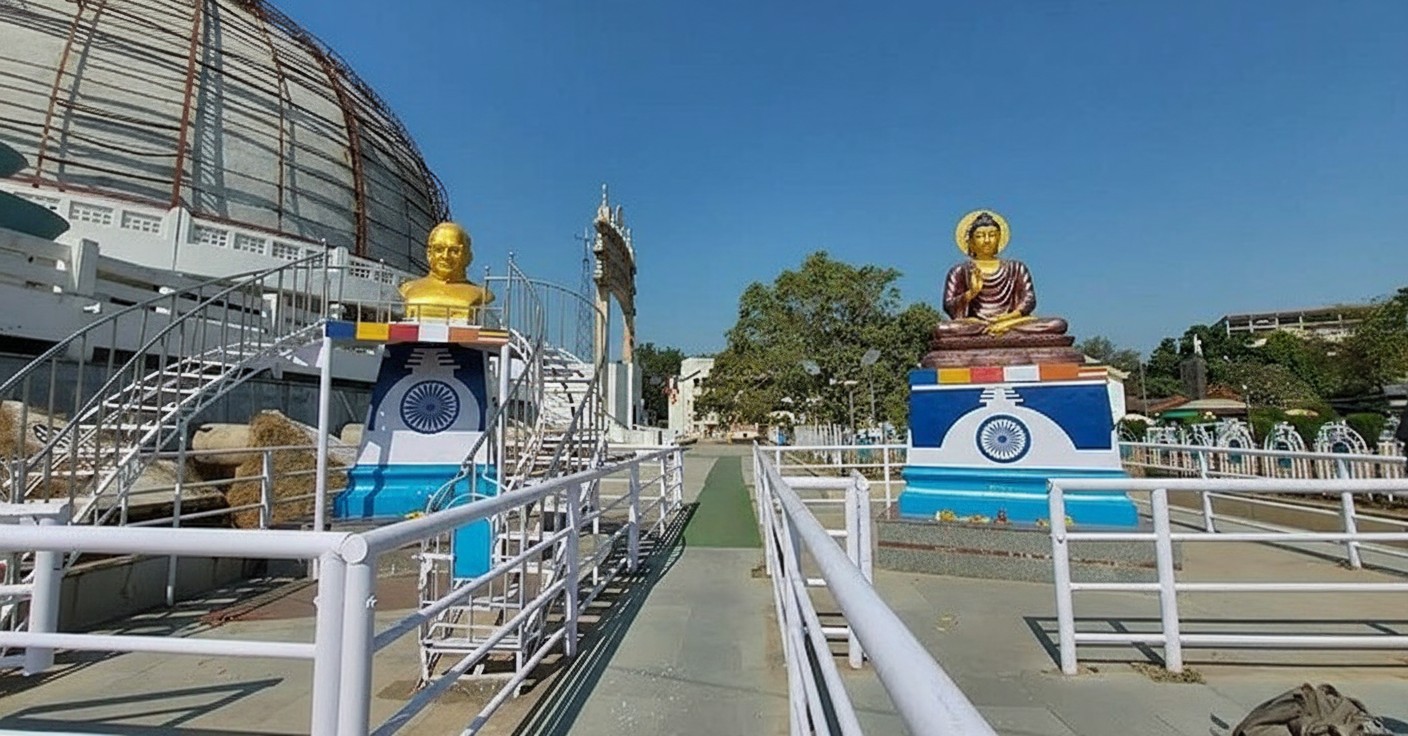
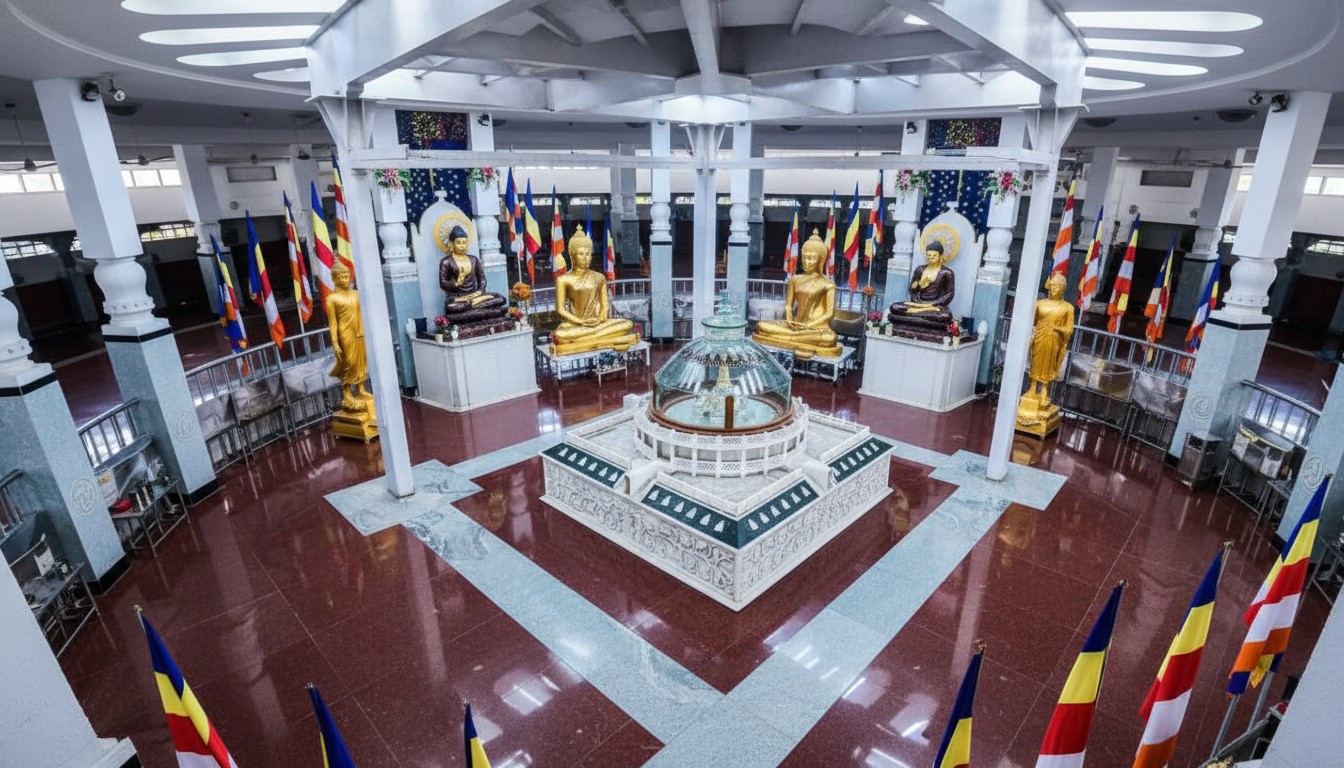
The centerpiece of Deekshabhoomi is its magnificent white stupa, which reflects the simplicity and serenity associated with Buddhist architecture. The spacious structure houses a prayer hall, meditation areas, and memorials dedicated to Dr. Ambedkar. Visitors are often impressed by the peaceful atmosphere that encourages contemplation and spiritual reflection.
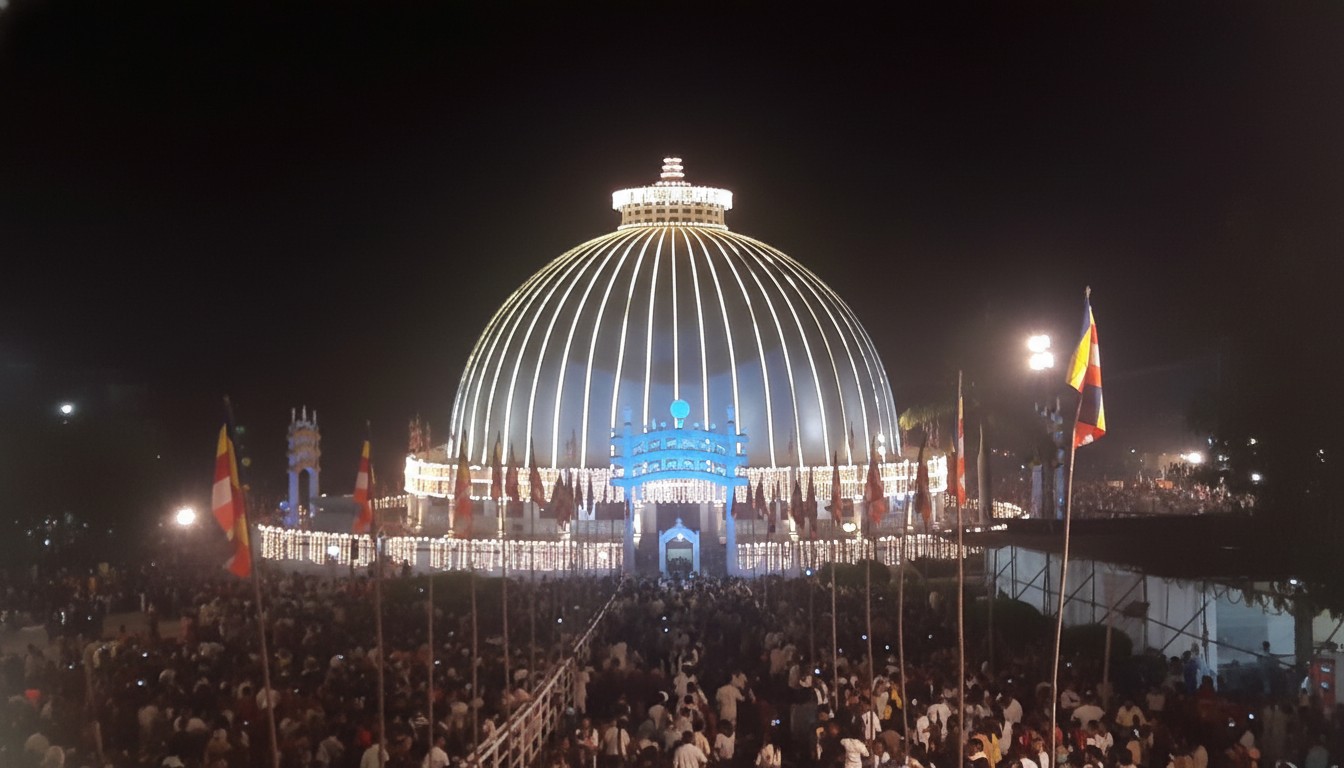
Every year, especially during Dhamma Chakra Pravartan Din in October, devotees and tourists from across India and abroad gather here to pay homage to Dr. Ambedkar and celebrate Buddhist teachings. The site becomes a vibrant center of cultural, religious, and educational activities during these commemorations.
Beyond its religious significance, Deekshabhoomi represents the ideals of social justice, equality, and empowerment. It serves as a reminder of Dr. Ambedkar's lifelong struggle against discrimination and his vision of a society based on liberty, equality, and fraternity. The monument attracts historians, students, researchers, pilgrims, and tourists interested in India's social and cultural heritage.
A visit to Deekshabhoomi offers not only an opportunity to witness an impressive architectural landmark but also a chance to understand a remarkable chapter of India's history. Its serene environment, historical importance, and spiritual atmosphere make it one of the most meaningful destinations in Nagpur and an essential stop for visitors exploring Maharashtra.
🎯 Things to do
- Pay homage to Dr. B. R. Ambedkar
- Experience peace and meditation
- Learn about Buddhism & Ambedkar’s movement
- Photography of the stupa & architecture
- Visit exhibition halls & galleries
- Participate in Buddhist prayers & events
- Walk around the stupa path (Pradakshina).
📍 Near By
- Ambazari Lake & Garden – 5 km
- Futala Lake – 4 km
- Seminary Hills – 6 km
- Gorewada Lake & Safari – 10 km
- Japanese Rose Garden – 5 km
- Telankhedi Hanuman Temple area – 6 km
- Sitabuldi Fort – 4 km
- Raman Science Centre – 3 km
- Maharajbagh Zoo – 3 km .
🛣️ How to Reach
By Air :-Nearest airport: Dr. Babasaheb Ambedkar International Airport
Distance from Deekshabhoomi: Approximately 8–10 km.
Taxis app-based cabs and auto-rickshaws are easily available from the airport.,
By Train :- Nearest railway station: Nagpur Junction Railway Station
Distance: About 5 km.
Auto-rickshaws taxis and city buses connect the station to Deekshabhoomi.,
By Bus :- Nagpur is well connected by state transport and private buses from major cities such as Mumbai Pune Hyderabad and Bhopal.
Local city buses and auto-rickshaws provide convenient access to the site.
⭐ Why Visit
Sacred Buddhist pilgrimage destination.,
Historic site associated with Dr. B. R. Ambedkar.,
Peaceful atmosphere for meditation and reflection.,
Beautiful architectural landmark.,
Important center for social equality and cultural heritage.
💡 Travel Tips
Visit during October if you wish to experience Dhamma Chakra Pravartan celebrations.,
Early morning and evening offer pleasant weather and fewer crowds.,
Wear comfortable footwear as walking is required.,
Maintain silence and respect the religious significance of the site.,
Carry water during summer months as Nagpur can be very hot.
🌟 Special Features
Massive hollow stupa with elegant white marble appearance.,
Statue and memorial dedicated to Dr. Ambedkar.,
Buddhist prayer hall and meditation spaces.,
Large open grounds for gatherings and religious events.,
Hosts Dhamma Chakra Pravartan celebrations attended by lakhs of devotees.