Tourist Sites Near Me – Best Places to Visit Nearby
Hawa Mahal
• Jaipur • Rajasthan
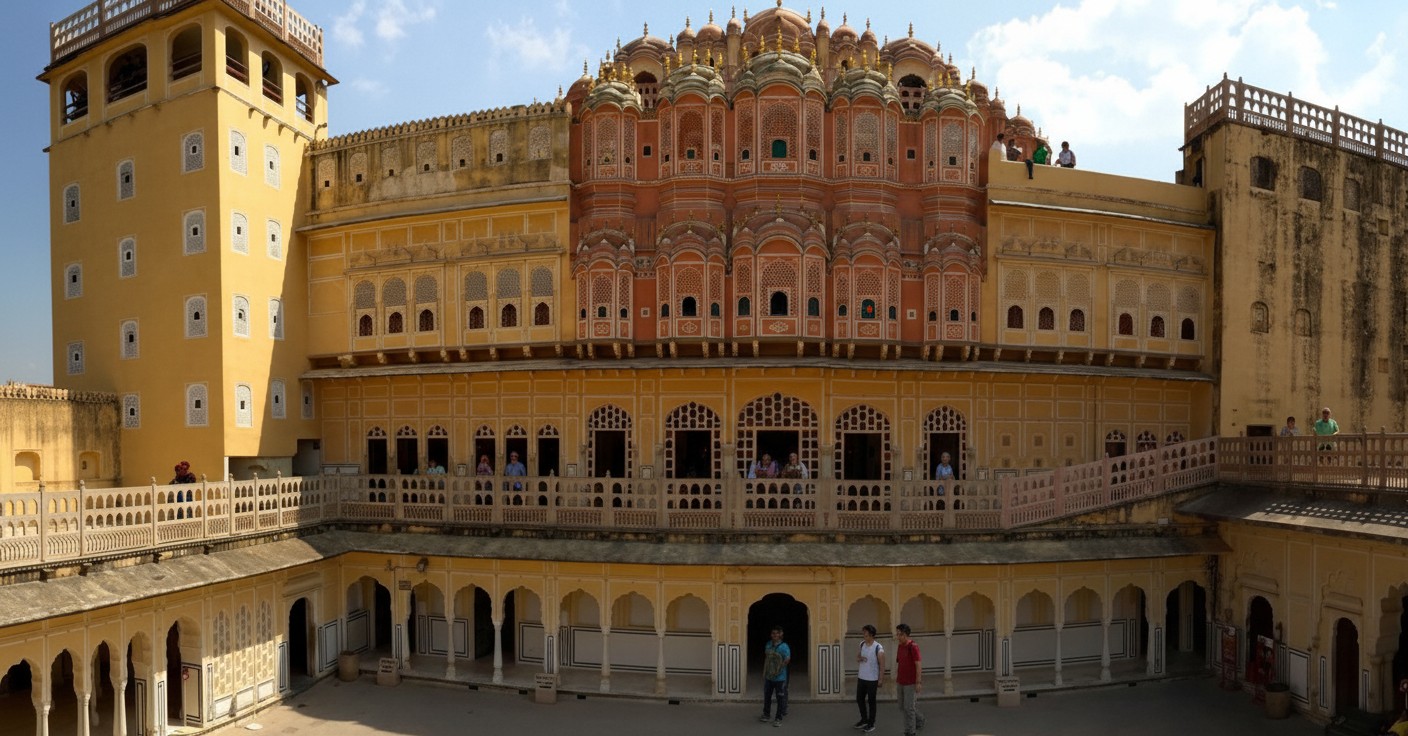
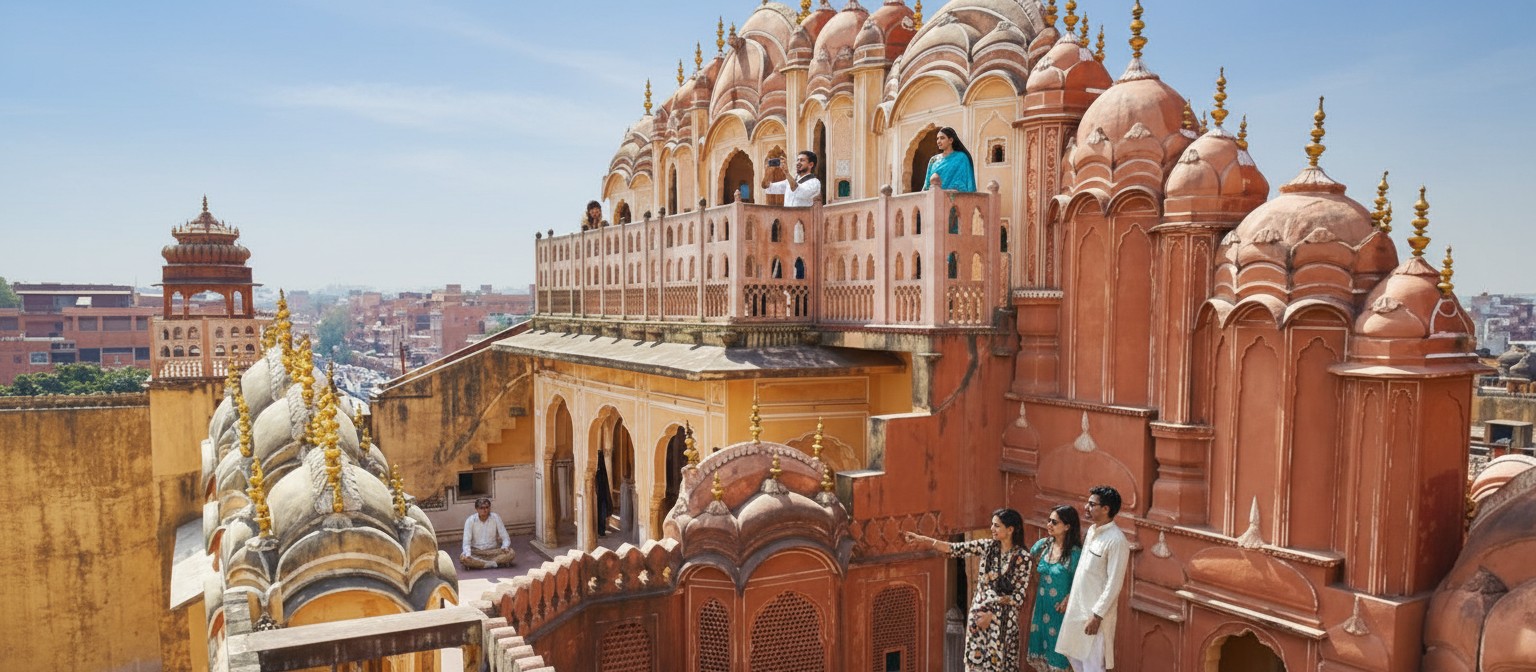
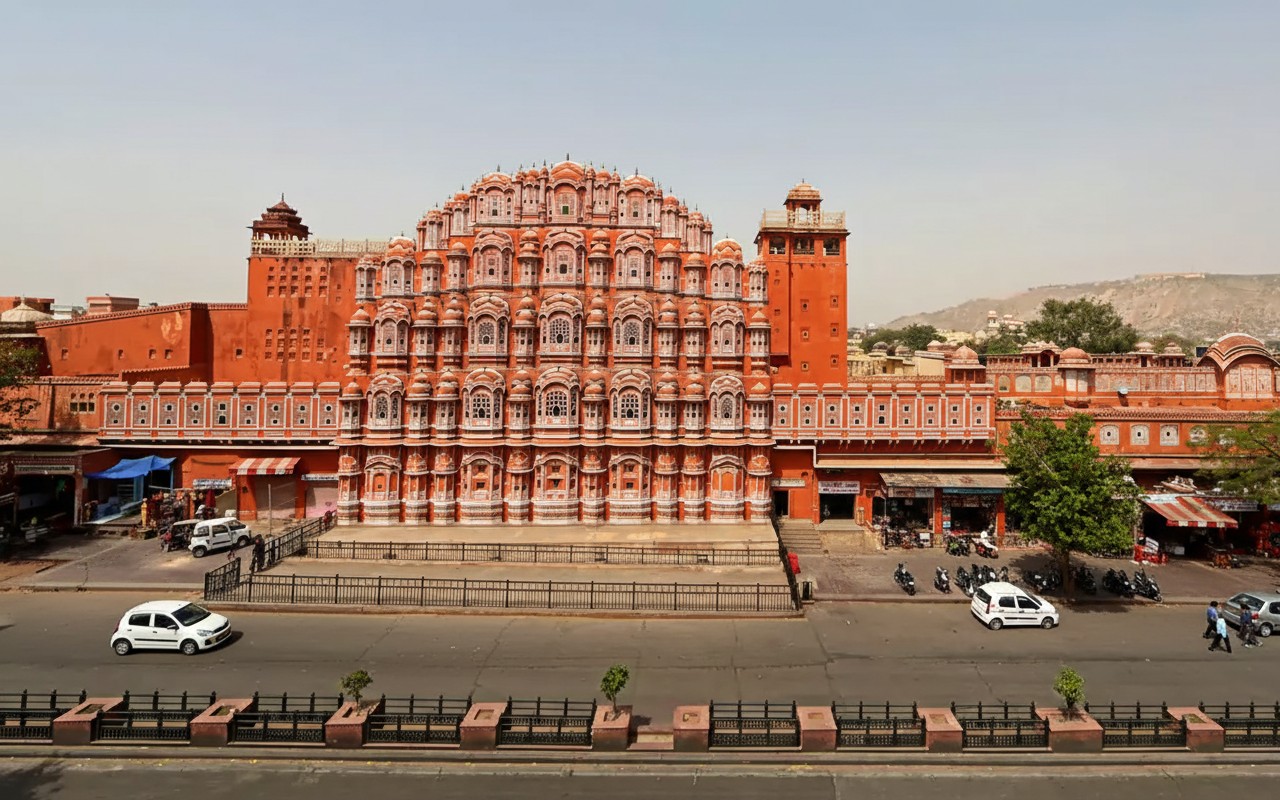
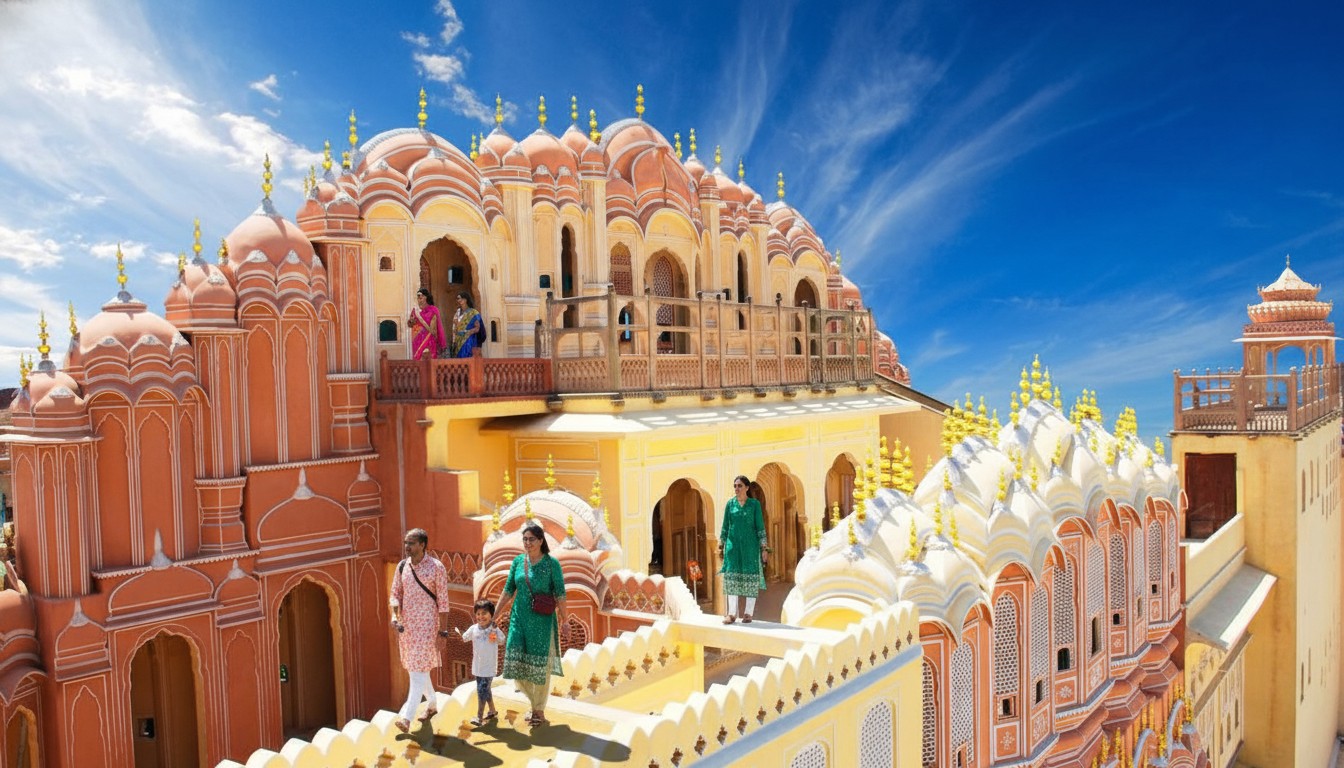
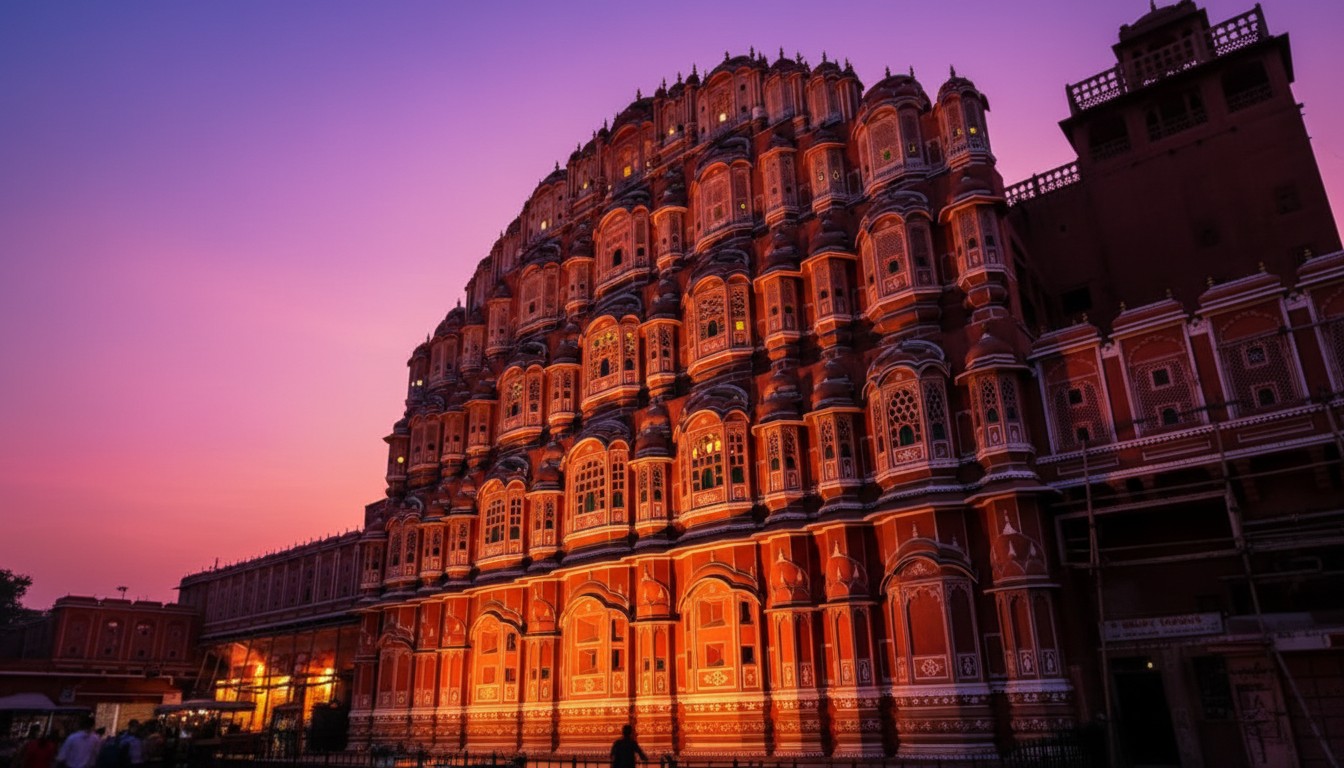
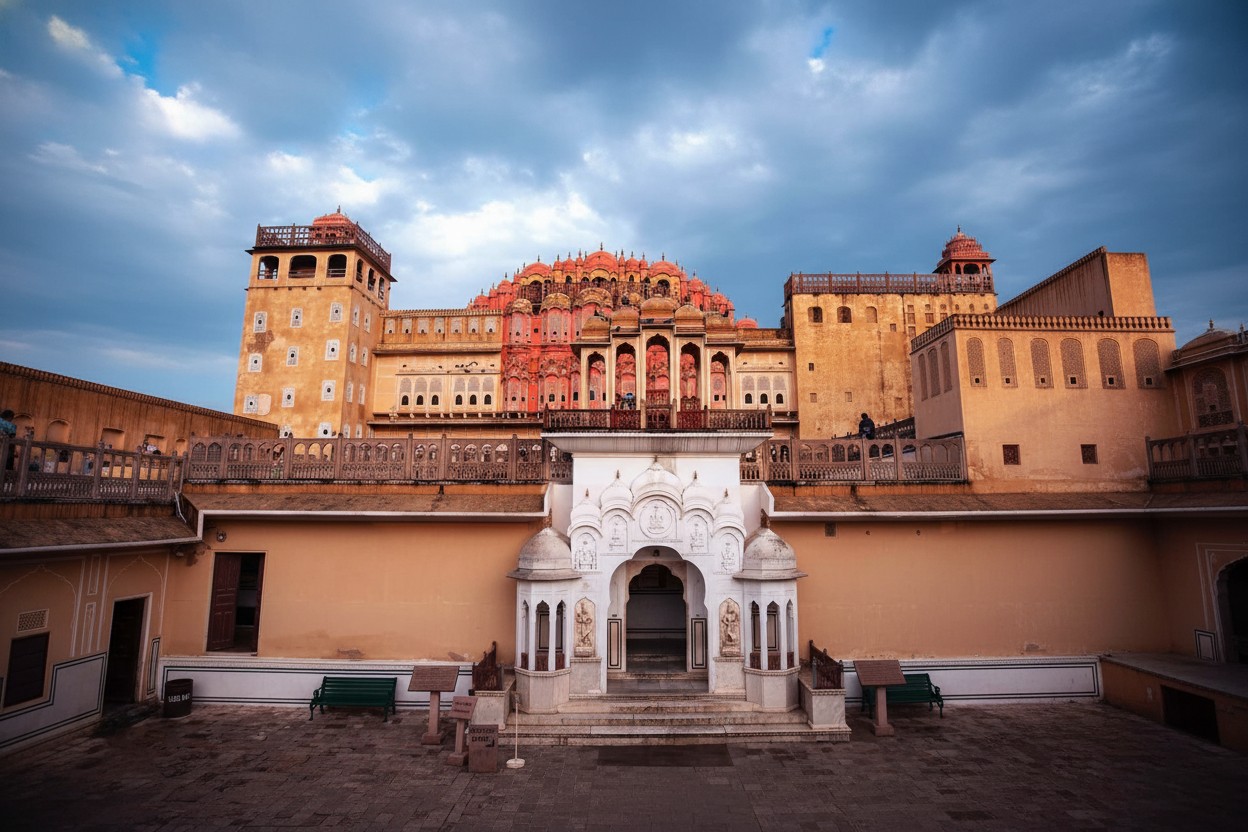
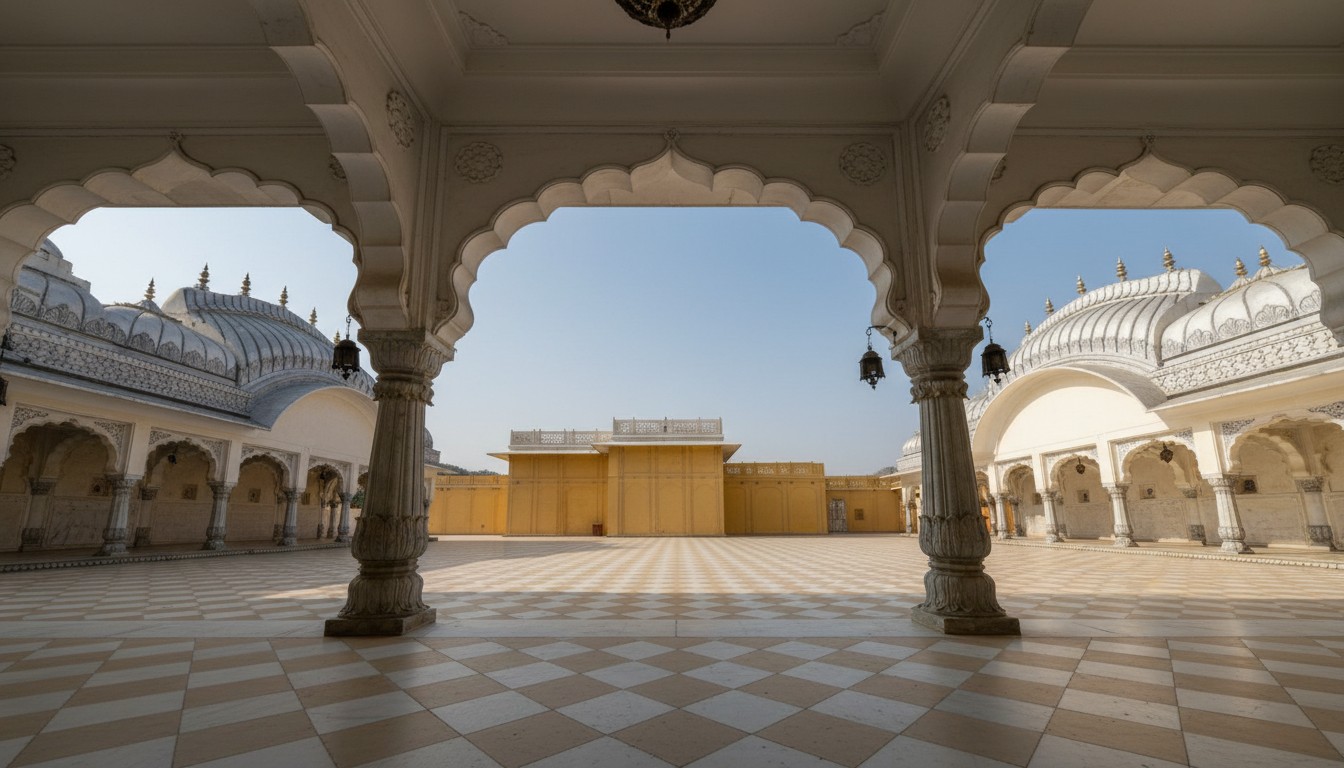
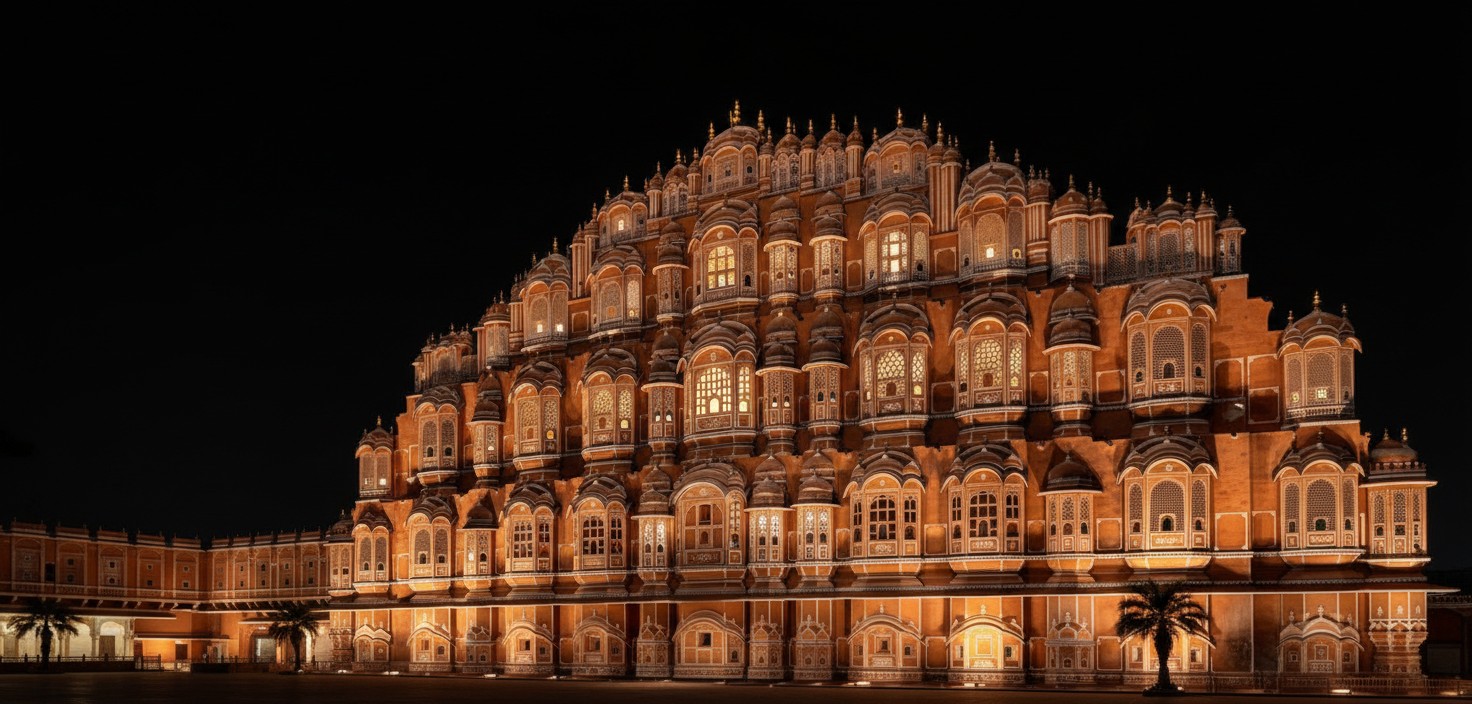
Hawa Mahal, also known as the “Palace of Winds,” is one of the most famous landmarks of Jaipur. Built in 1799 by Maharaja Sawai Pratap Singh, this five-story pink sandstone monument was designed by architect Lal Chand Ustad. The palace has 953 small windows called jharokhas, which allow cool air to circulate through the structure, keeping it naturally ventilated even during hot summers. Its unique honeycomb-shaped façade reflects the rich Rajput architectural style mixed with Mughal influences.
Hawa Mahal is one of the most iconic monuments in India and a symbol of the rich cultural heritage of Rajasthan. Located in the heart of the Pink City, Jaipur, this magnificent palace was constructed in 1799 by Maharaja Sawai Pratap Singh. Designed by Lal Chand Ustad, the structure resembles the crown of Lord Krishna and showcases a perfect blend of Rajput and Mughal architectural styles. Built using red and pink sandstone, Hawa Mahal attracts thousands of visitors every year due to its unique appearance and historical significance.
The palace is famous for its 953 small windows, known as jharokhas, decorated with intricate latticework. These windows were specially designed to allow cool air to pass through the palace, creating a natural air-conditioning effect during the hot desert climate. The royal women of the palace used these windows to observe daily life and festive processions on the streets while maintaining royal privacy according to the purdah system.
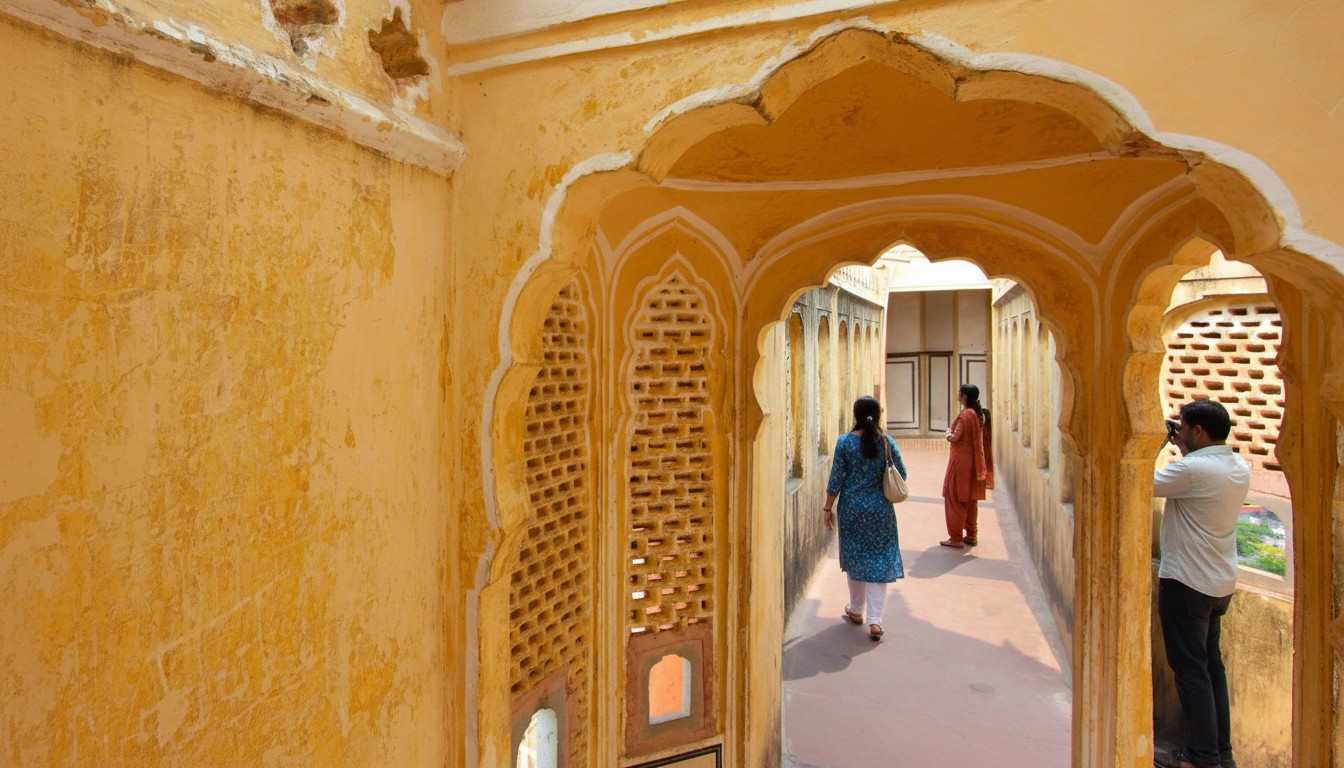
Although the front façade looks grand and massive, the palace is surprisingly narrow from inside. Visitors can climb through ramps and corridors to reach the upper floors, where breathtaking views of Jaipur city can be enjoyed. The monument becomes especially beautiful during sunrise when the sunlight reflects on the pink sandstone walls.
Hawa Mahal is not only an architectural masterpiece but also an important cultural landmark that reflects the artistic excellence and royal lifestyle of Rajasthan. A visit to Jaipur remains incomplete without exploring this historic Palace of Winds.
🎯 Things to do
- Admire the iconic honeycomb façade
- Explore the small chambers and corridors
- Visit the small museum inside
- Enjoy panoramic views of Jaipur from the top
- Photography (especially morning shots)
- Explore nearby bazaars for shopping
📍 Near By
- 🏰 City Palace Jaipur
- 🔭 Jantar Mantar (UNESCO Site)
- 🌊 Jal Mahal
- 🏯 Amber Fort (11 km)
- 🌄 Nahargarh Fort
- 🛍 Johari Bazaar & Bapu Bazaar
- 🌳 Ram Niwas Garden
🛣️ How to Reach
By Air: The nearest airport is Jaipur International Airport around 13 km away.,
By Train: Jaipur Junction Railway Station is about 5 km from Hawa Mahal.,
By Road: Jaipur is well connected by highways. Local taxis auto-rickshaws and buses easily reach the monument.,
Local Transport: From the city center visitors can use e-rickshaws or rental bikes.
⭐ Why Visit
Experience the royal heritage of Rajasthan.,
Admire stunning Rajput architecture and detailed latticework.,
Enjoy panoramic views of Jaipur city from the top floors.,
Explore nearby attractions like City Palace and Jantar Mantar.,
Perfect destination for photography and cultural exploration.
💡 Travel Tips
Visit early morning for cooler weather and better photographs.,
Wear comfortable footwear because climbing ramps and stairs is required.,
Carry water during summer months.,
Hire a local guide to learn the historical significance.,
Avoid peak afternoon hours due to heavy tourist crowds.
🌟 Special Features
953 intricately designed windows (jharokhas).,
Natural cooling ventilation system.,
Unique pink sandstone honeycomb façade.,
Blend of Rajput and Mughal architecture.,
Built so royal women could observe street festivals without being seen.
Kashi Vishwanath Temple
• Varanasi • Uttar Pradesh
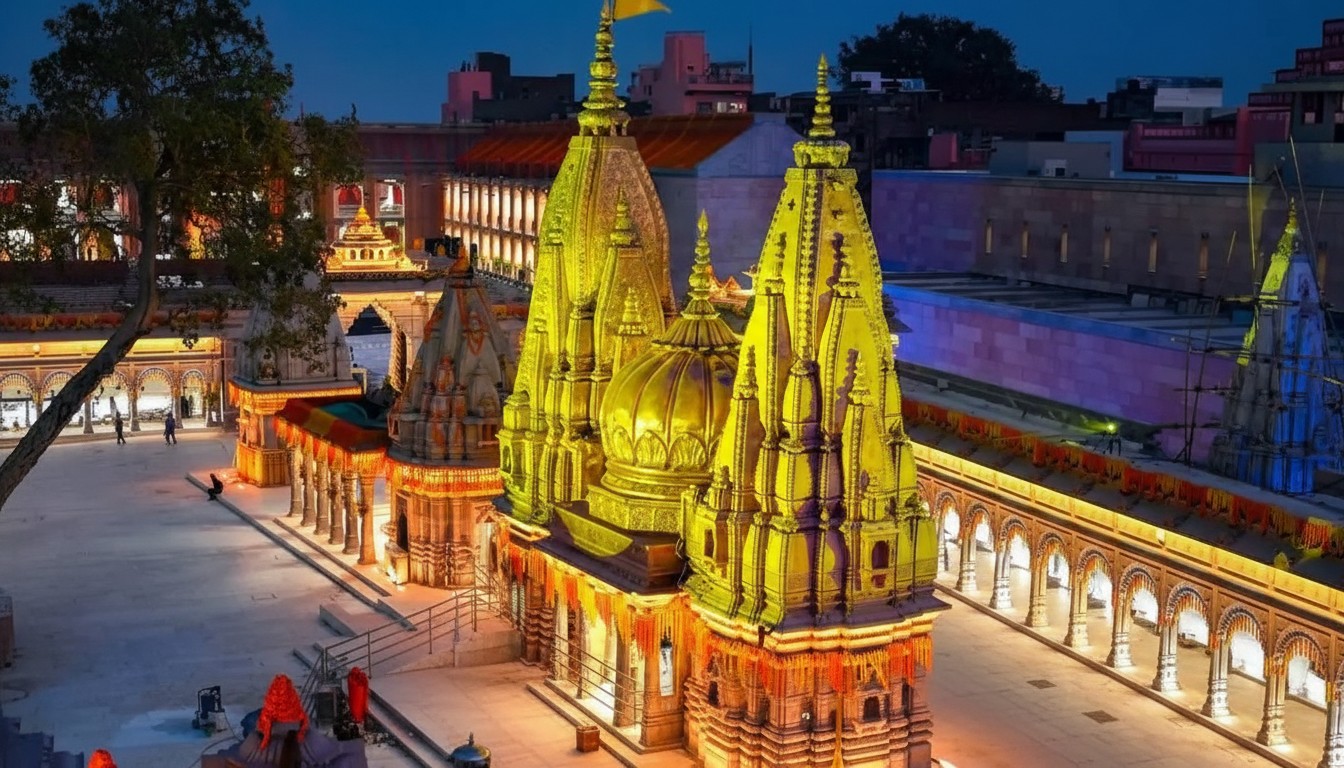
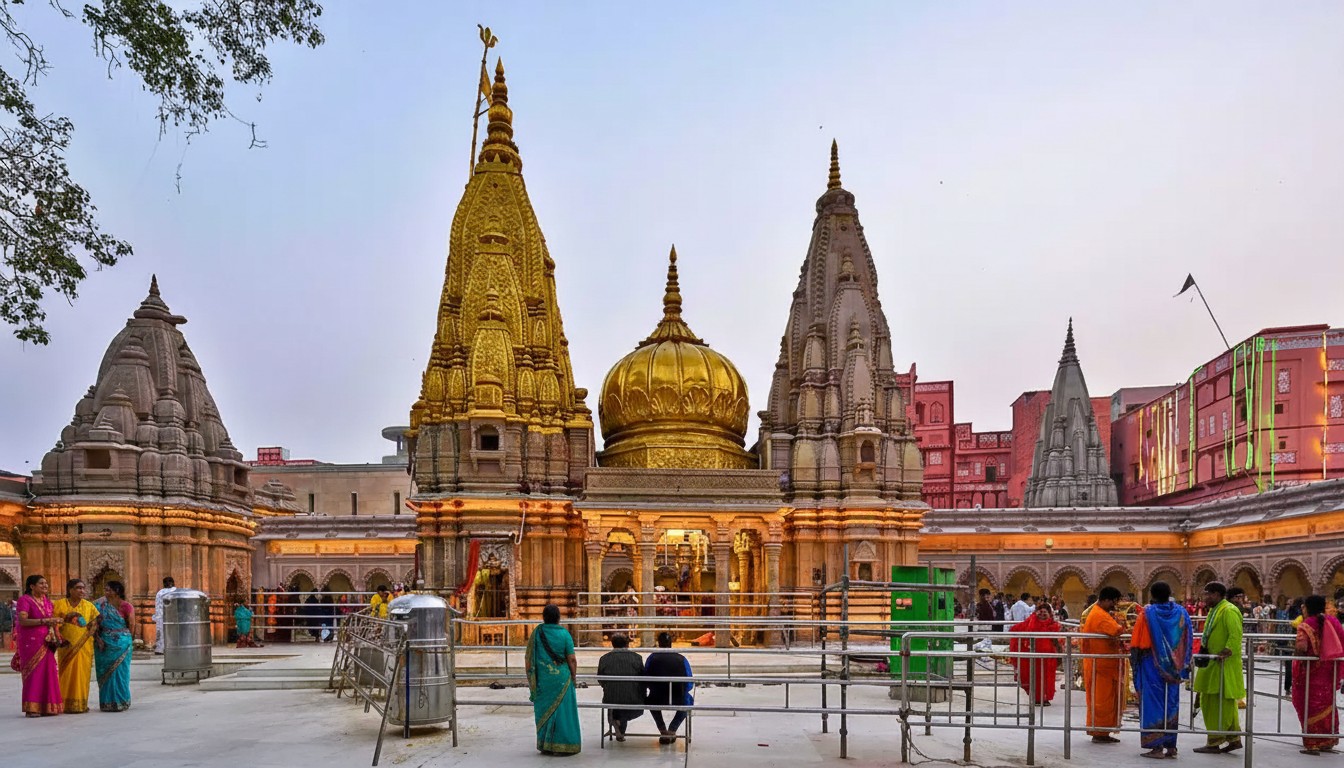
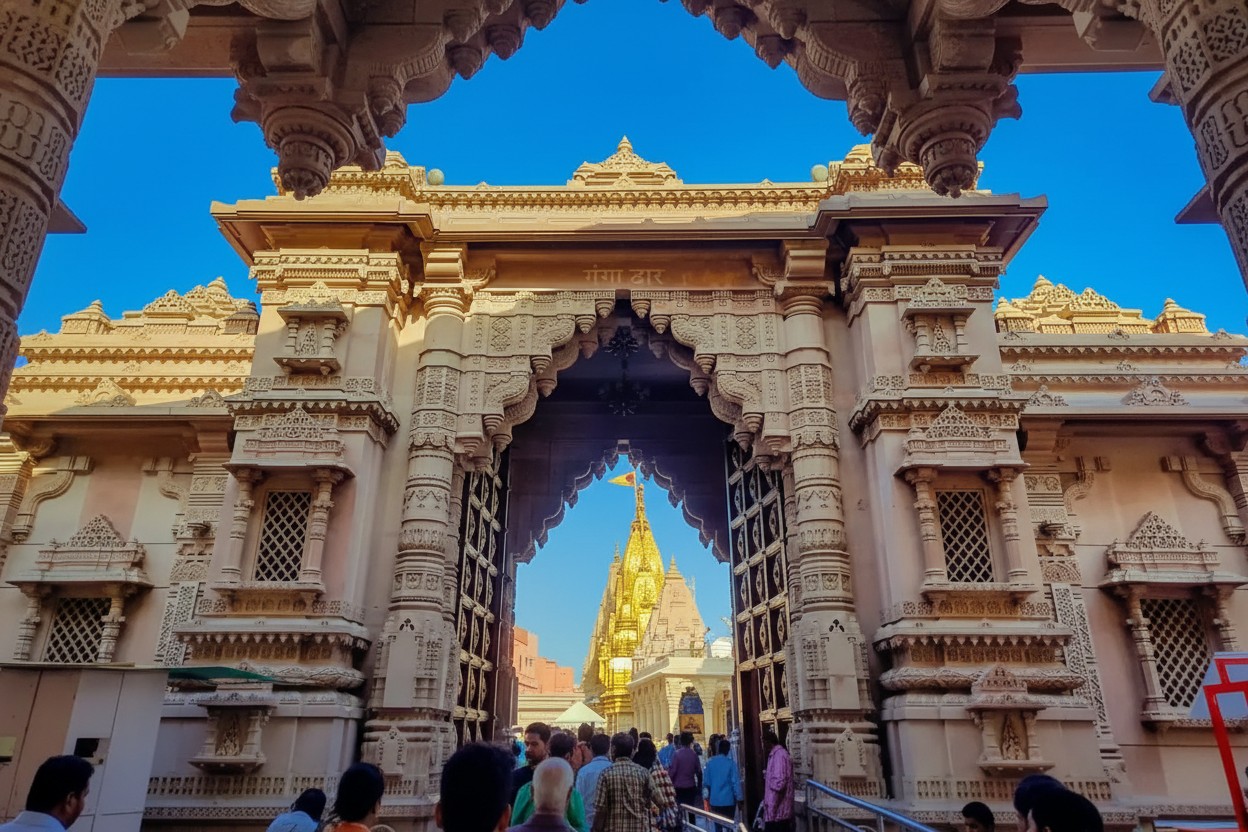
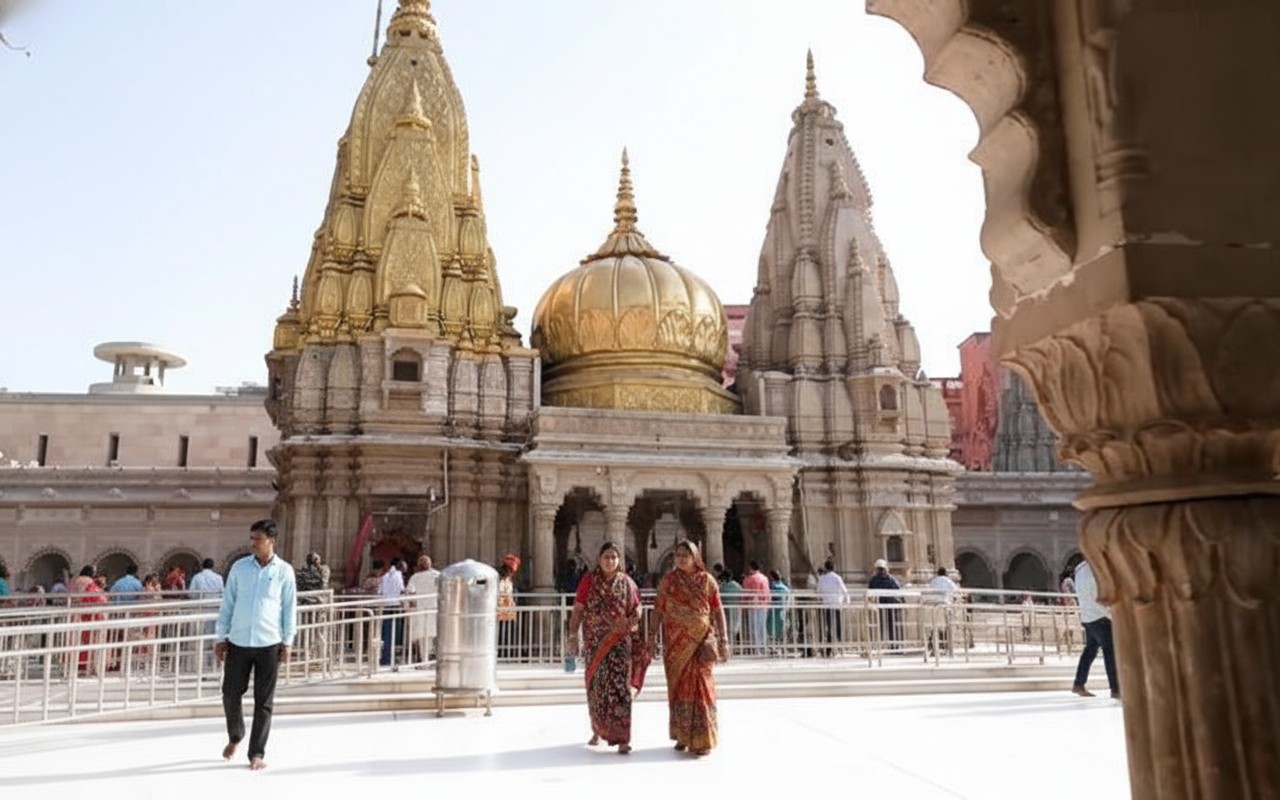
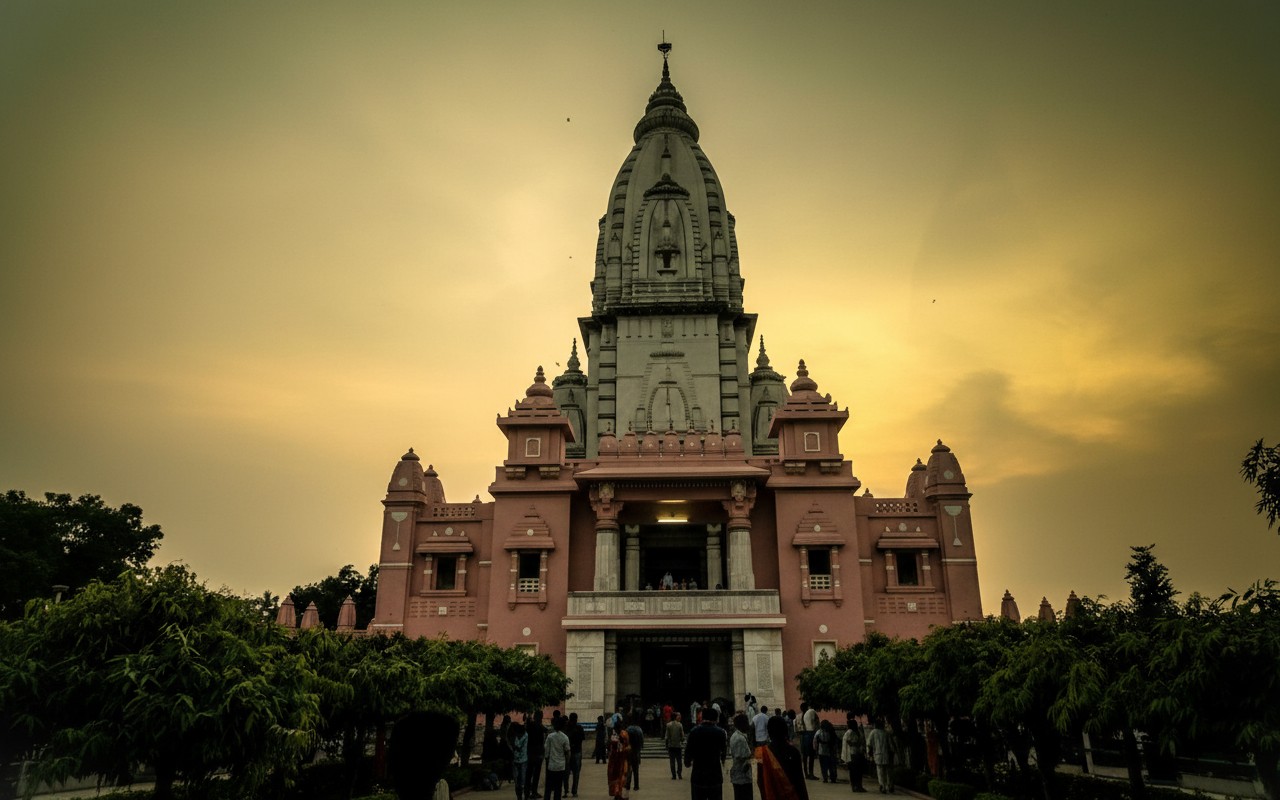
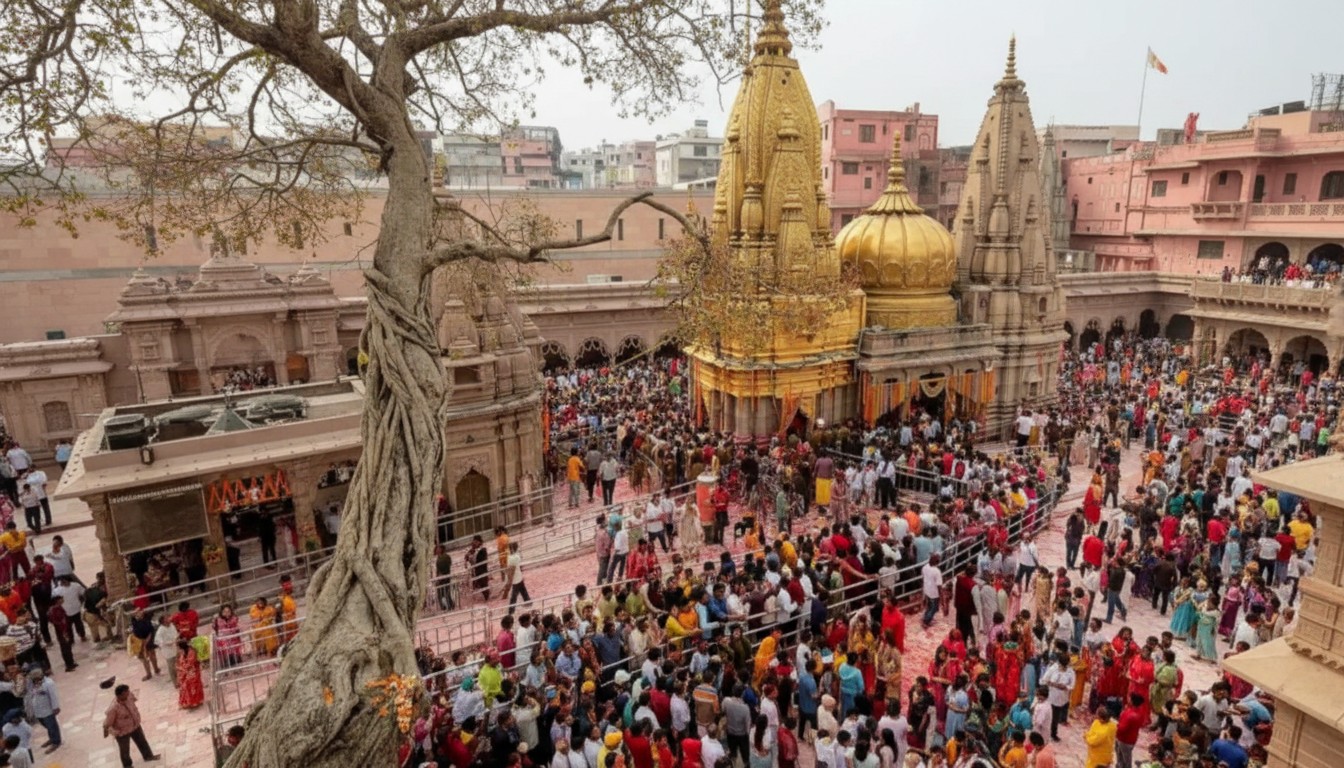
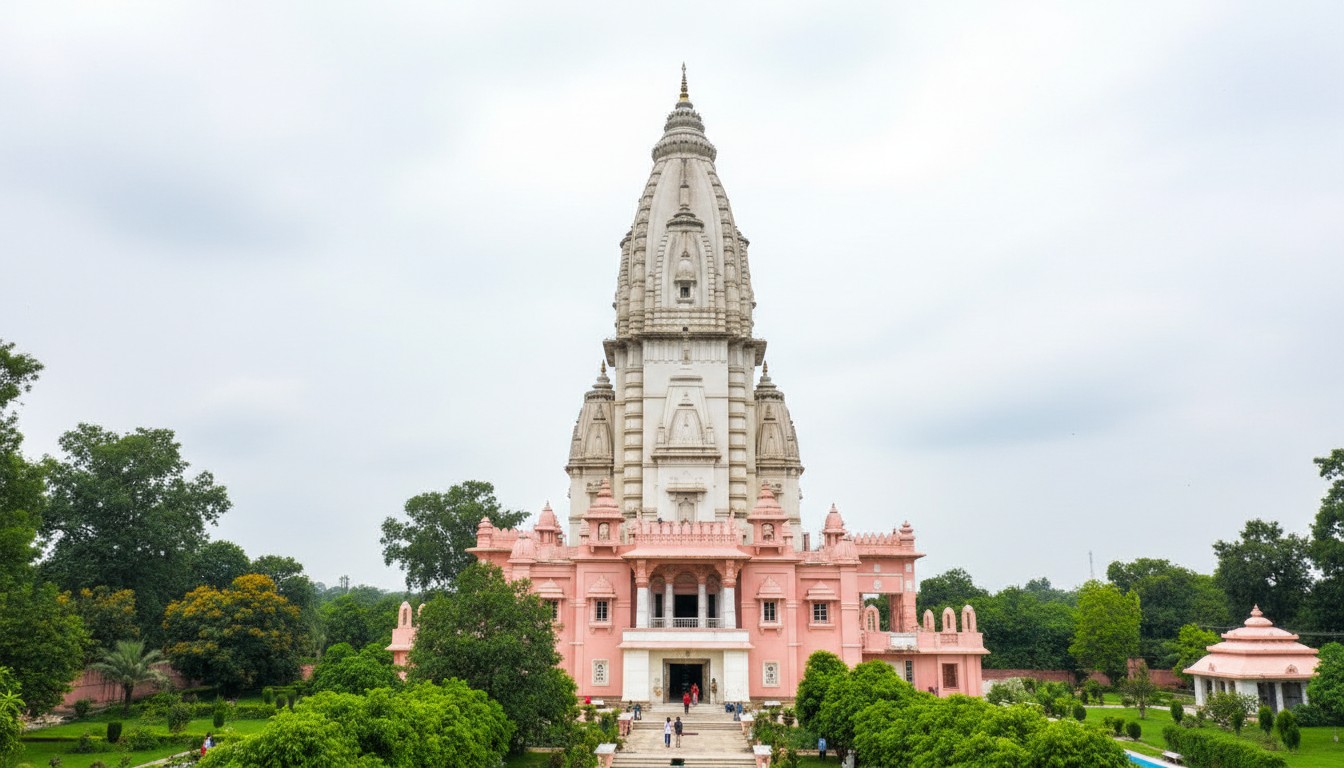
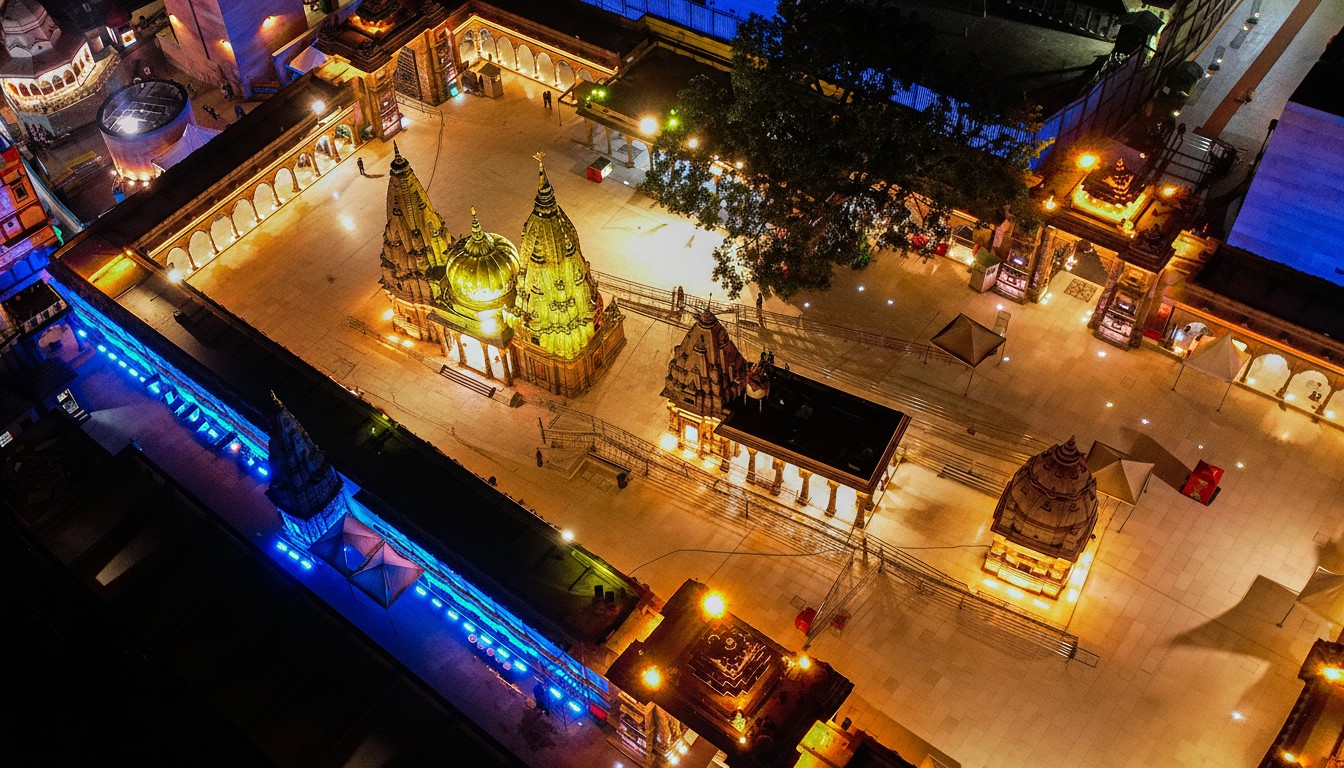
Kashi Vishwanath Temple is one of the most sacred Hindu temples dedicated to Lord Shiva. Located on the western bank of the holy River Ganga in Varanasi, the temple is among the twelve revered Jyotirlingas of Shiva. Millions of devotees and tourists visit every year to experience its spiritual atmosphere, ancient traditions, and cultural heritage. The present temple structure was rebuilt in the 18th century by Ahilyabai Holkar. Its golden spire and sacred surroundings make it one of India’s most iconic pilgrimage destinations.
Kashi Vishwanath Temple, also known as the Golden Temple of Varanasi, holds immense spiritual importance in Hinduism. The word “Kashi” means light, and “Vishwanath” means Lord of the Universe. It is believed that visiting this temple and taking a holy dip in the Ganga helps attain moksha (liberation from the cycle of birth and death).
The present temple structure was built in 1780 by Maharani Ahilyabai Holkar of Indore. The temple’s gold-plated domes and spires were later added by Maharaja Ranjit Singh of Punjab in the 19th century.
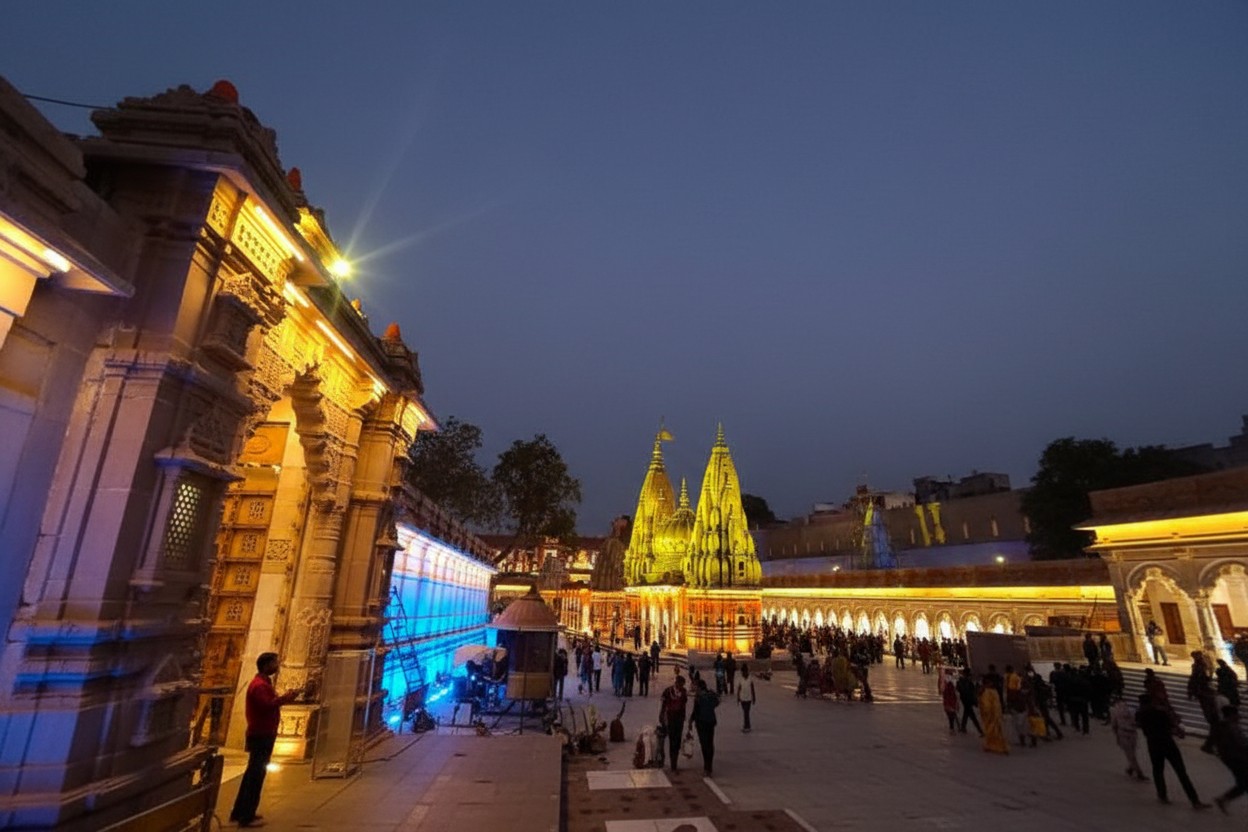
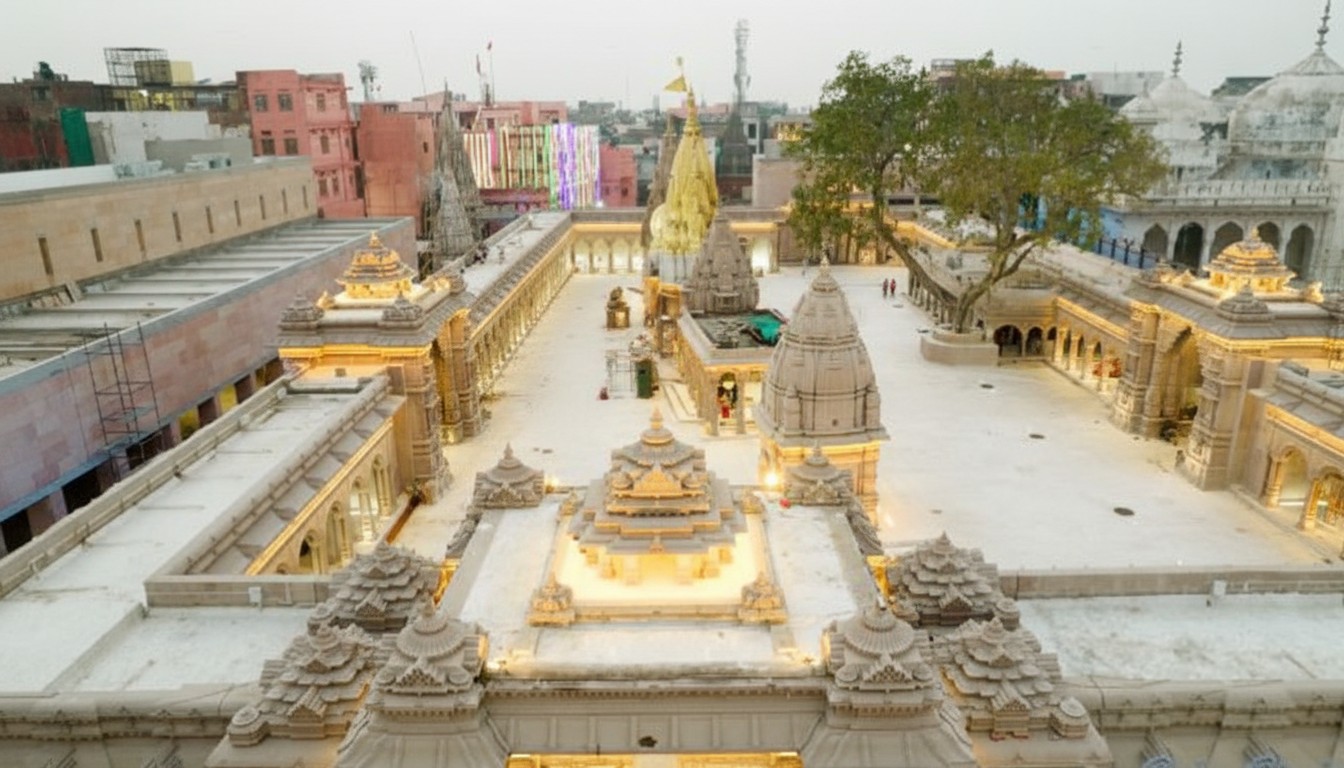
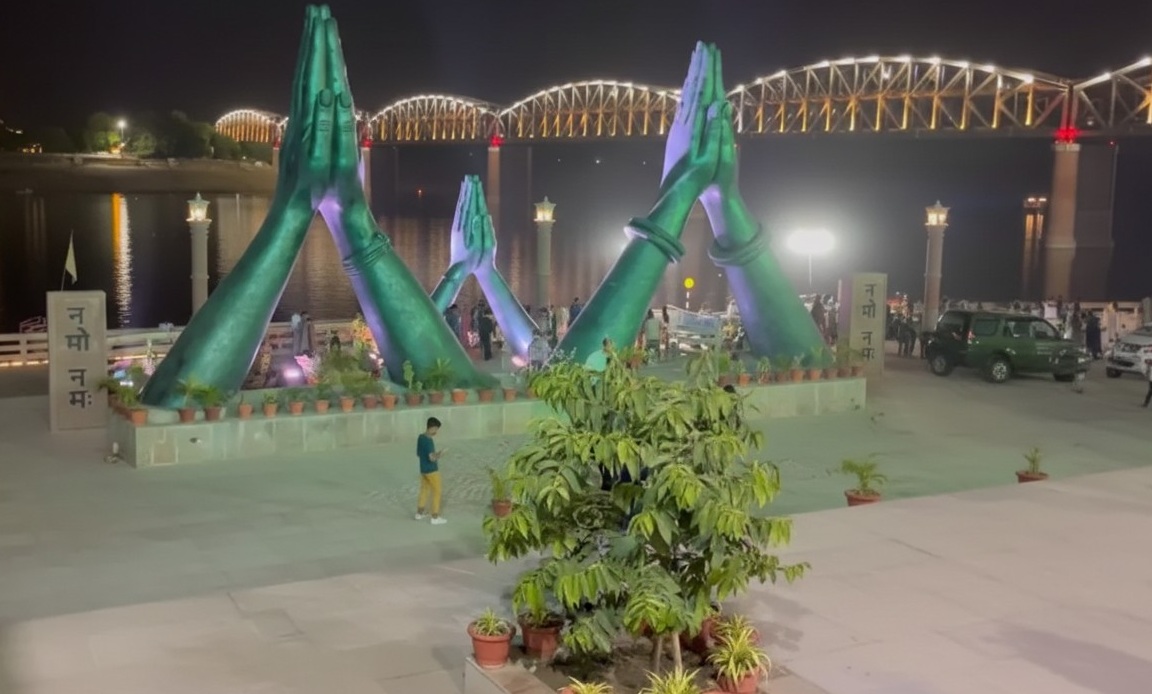
In recent years, the Kashi Vishwanath Corridor Project has expanded the temple complex, connecting it directly to the ghats of the Ganga, improving accessibility and facilities for pilgrims.
The temple houses the sacred Jyotirlinga of Lord Shiva, making it one of the holiest pilgrimage sites for Shaivites. Devotees from across India and abroad visit throughout the year.
🎯 Things to do
- Attend Mangala Aarti (early morning)
- Participate in Rudrabhishek Puja
- Take a holy dip at Dashashwamedh Ghat
- Explore the Kashi Vishwanath Corridor
- Visit nearby temples inside the complex
- Experience Ganga Aarti in the evening
- Walk through the traditional Vishwanath Gali market
📍 Near By
- Dashashwamedh Ghat (500 m)
- Manikarnika Ghat (700 m)
- Sarnath (10 km) – Buddhist pilgrimage site
- Ramnagar Fort (14 km)
- Assi Ghat (3 km)
- Banaras Hindu University (BHU) (6 km)
- Tulsi Manas Temple (5 km)
🛣️ How to Reach
By Air: The nearest airport is Lal Bahadur Shastri International Airport about 25 km from the temple. Taxis and cabs are easily available.,
By Train: Varanasi Junction Railway Station is well connected to major Indian cities. ,
By Road: Regular buses and private vehicles connect Varanasi with nearby cities like Prayagraj Lucknow and Patna.,
From the old city area, visitors usually walk through narrow lanes or use e-rickshaws to reach the temple corridor.
⭐ Why Visit
To seek blessings at one of the holiest Shiva temples.,
To witness the spiritual energy of ancient Varanasi.,
To experience the famous Ganga Aarti at nearby ghats.,
To explore rich Hindu culture, rituals and architecture.
💡 Travel Tips
Carry valid ID proof for security checks.,
Mobile phones, cameras, and electronic items may not be allowed inside.,
Visit early morning for less crowd and peaceful darshan.,
Wear comfortable and modest clothing.,
Be cautious of crowded lanes and keep belongings secure.
🌟 Special Features
One of the twelve Jyotirlingas of Lord Shiva.,
Beautiful gold-plated temple dome and spire.,
Direct connection to the newly developed Kashi Vishwanath Corridor.,
Close proximity to famous ghats like Dashashwamedh Ghat.,
Deep spiritual and historical significance dating back centuries.
Varanasi Ghats
• Varanasi • Uttar Pradesh
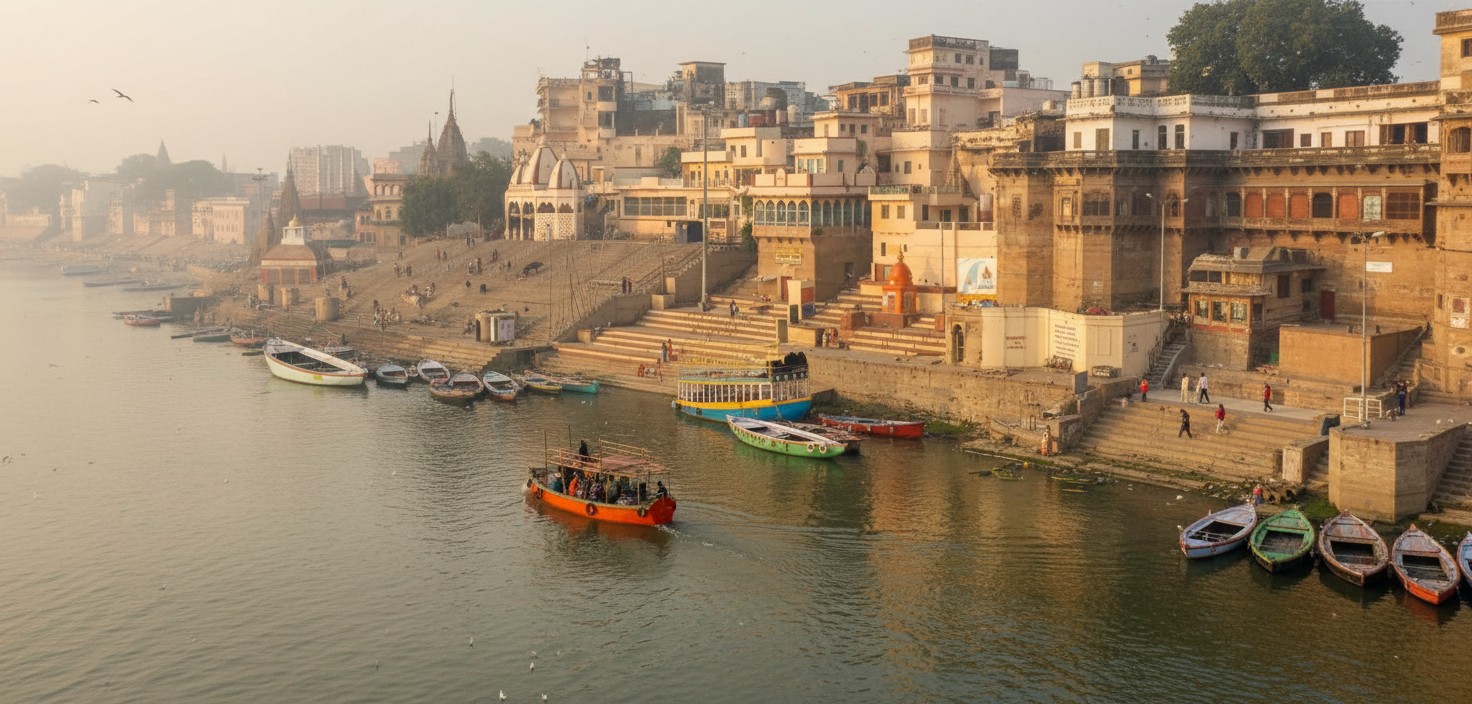
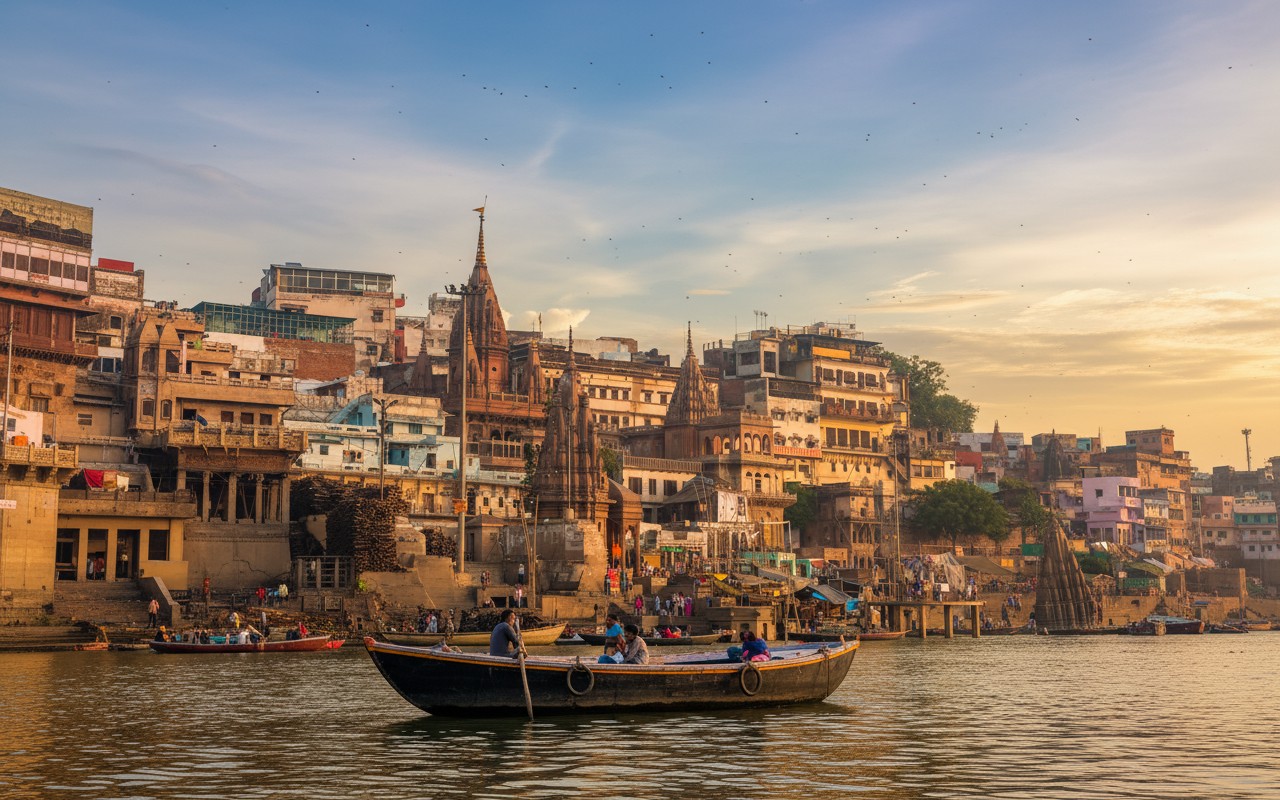
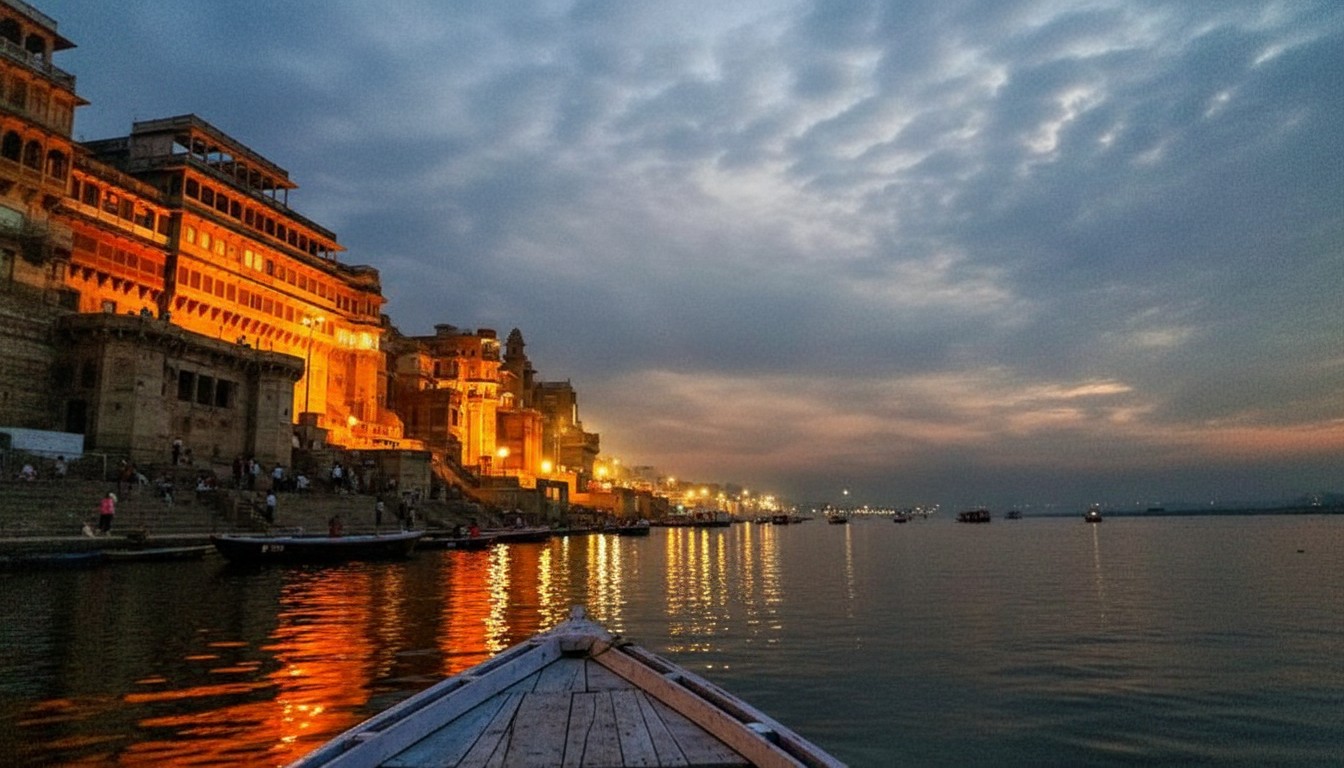
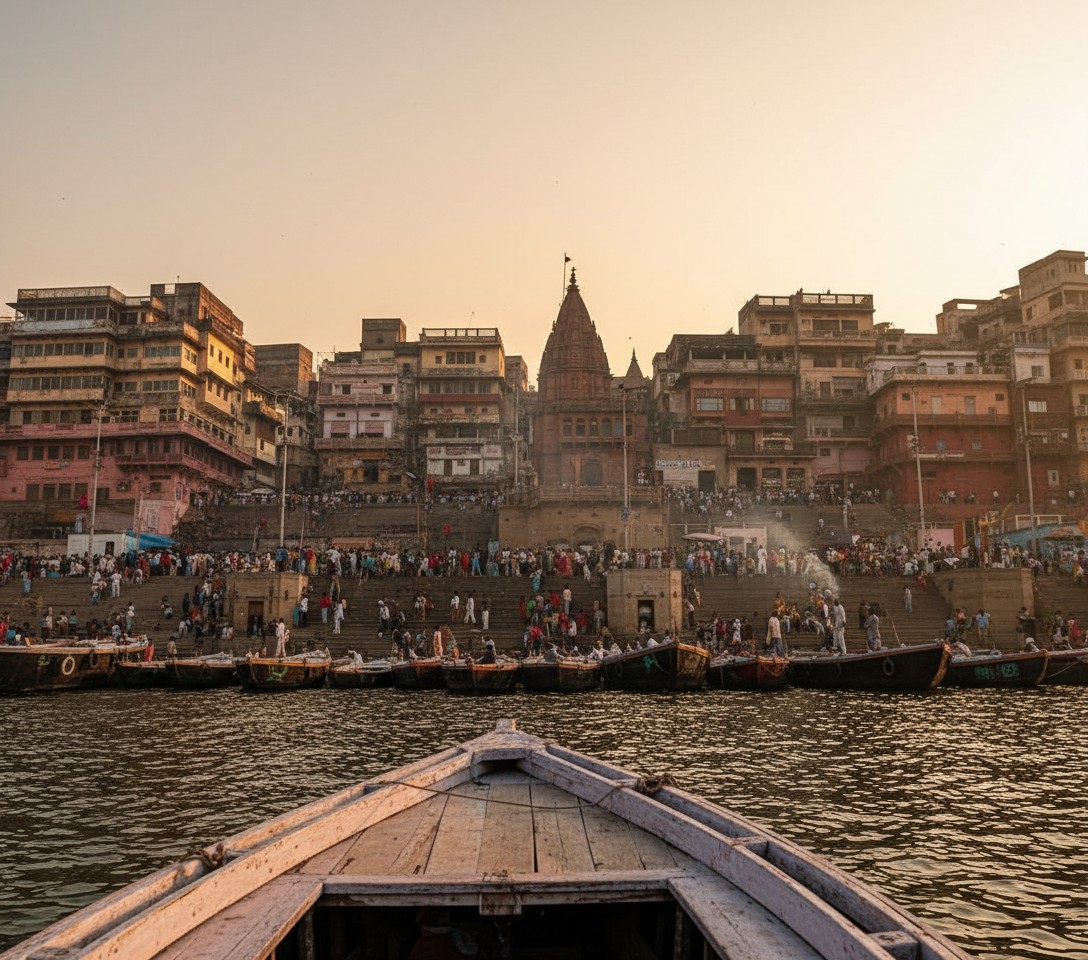
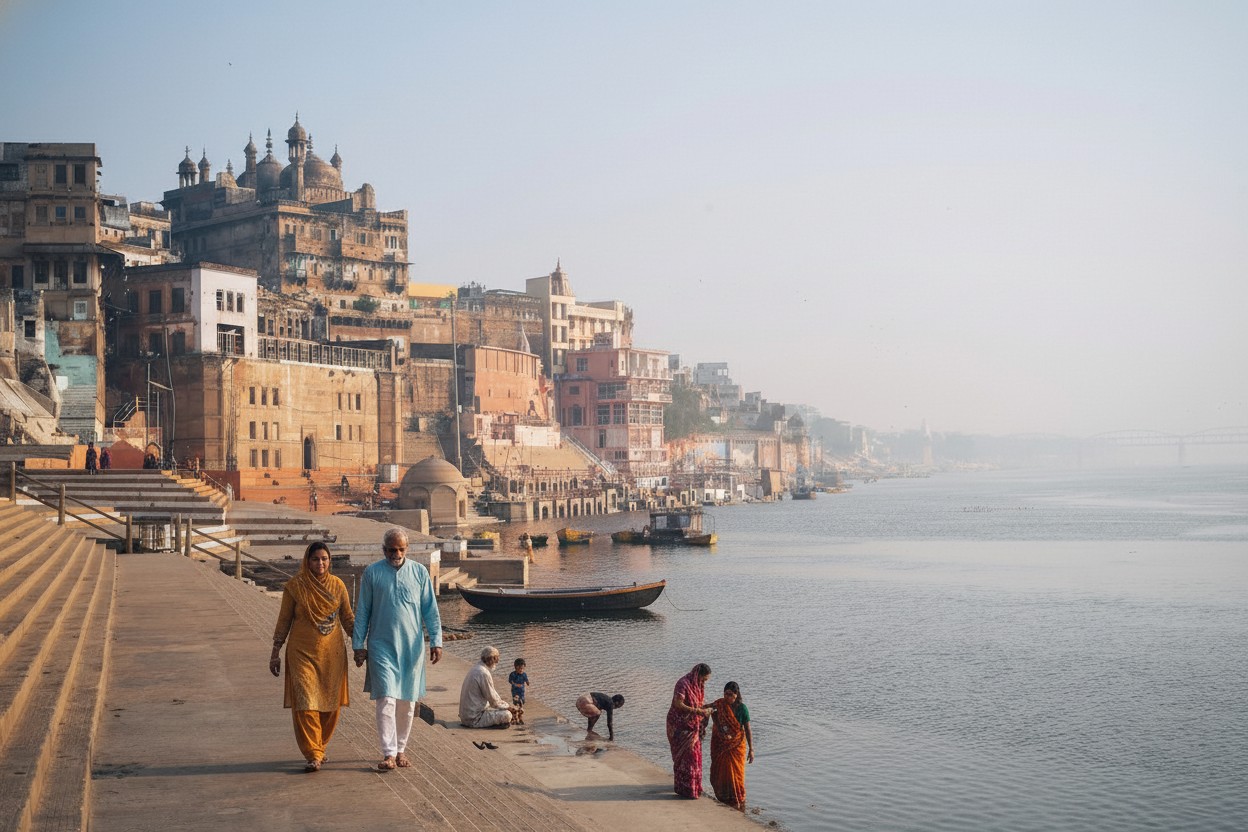
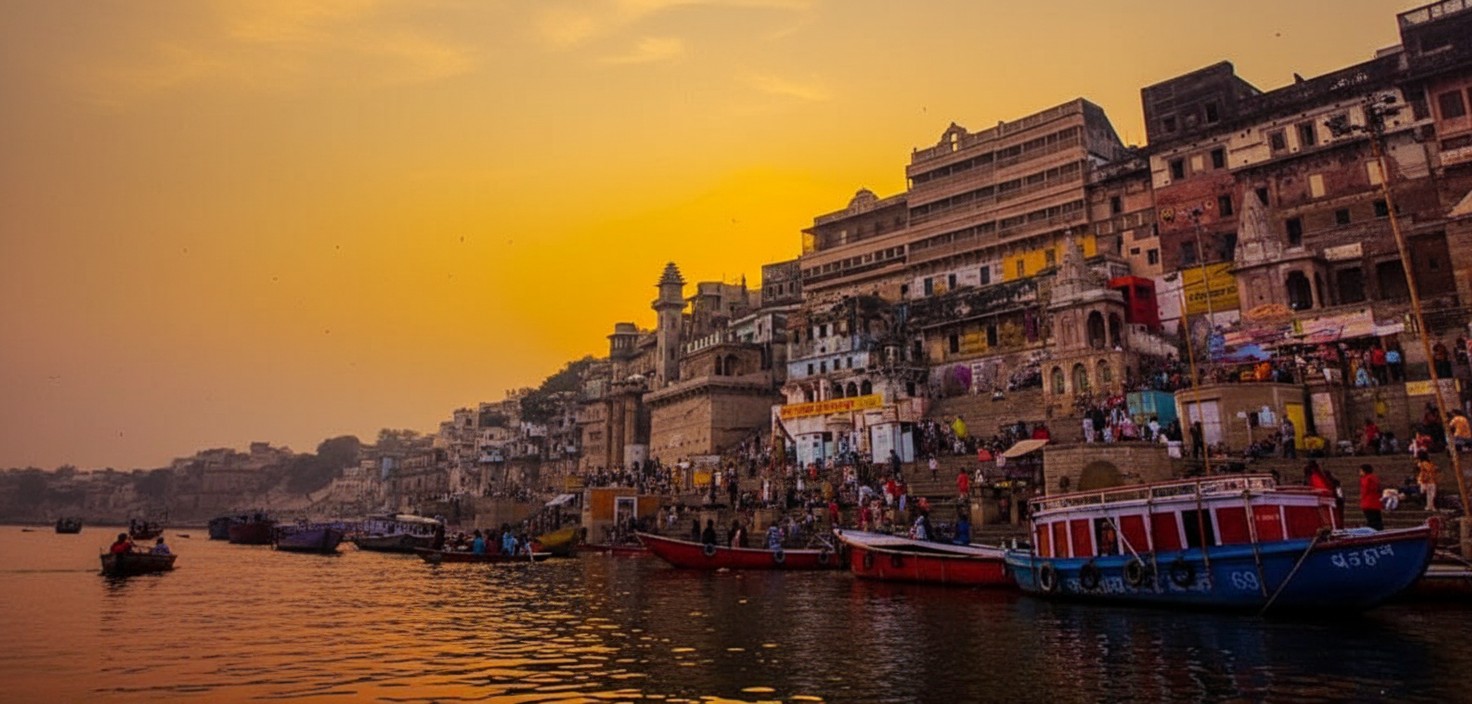
The ghats of Varanasi are a series of stone steps leading to the sacred Ganga River. More than 80 ghats stretch along the riverfront, each carrying deep religious, historical, and cultural importance. These ghats are central to Hindu traditions, where pilgrims perform prayers, rituals, meditation, yoga, and holy bathing. Famous ghats include Dashashwamedh Ghat, known for the grand evening Ganga Aarti, Assi Ghat for spiritual gatherings and sunrise views, and Manikarnika Ghat, one of the most sacred cremation ghats in Hindu belief.
The ghats of Varanasi form the spiritual heart of India and are among the most sacred riverfronts in the world. Situated along the holy Ganga River, these ghats are a fascinating blend of faith, history, culture, and daily life. Every day, thousands of pilgrims, saints, tourists, and locals gather here to perform rituals, offer prayers, meditate, and take a holy dip in the river believed to cleanse sins and grant spiritual peace.
Among the many ghats, Dashashwamedh Ghat is the most vibrant and famous for its spectacular evening Ganga Aarti, where priests perform synchronized rituals with lamps, chants, bells, and incense. Assi Ghat is popular among students, travelers, and yoga enthusiasts for its peaceful atmosphere and beautiful sunrise views. Manikarnika Ghat reflects the city’s deep spiritual beliefs regarding life, death, and liberation.
A boat ride at dawn offers breathtaking views of the ghats slowly awakening with prayers, temple bells, and devotional songs. Narrow lanes near the ghats are filled with ancient temples, traditional shops, silk sarees, local street food, and centuries-old architecture. The spiritual energy and timeless atmosphere make Varanasi unlike any other place in the world.
Visiting the ghats is not only a travel experience but also a journey into India’s ancient traditions and living heritage. Whether seeking spirituality, photography, culture, or peace, the ghats of Varanasi leave every visitor deeply inspired and emotionally connected.
🎯 Things to do
- Take a sunrise boat ride on the Ganga
- Attend the Evening Ganga Aarti at Dashashwamedh Ghat
- Walk along the ghats and explore different historical steps
- Visit nearby temples (Kashi Vishwanath Temple)
- Experience yoga & meditation sessions
- Photography & cultural exploration Try local street food (kachori/lassi
- chaat)
📍 Near By
- Kashi Vishwanath Temple (1 km)
- Sarnath (10 km) – Buddhist pilgrimage site
- Ramnagar Fort (14 km)
- Banaras Hindu University (BHU)
- Tulsi Manas Temple
- Bharat Kala Bhavan Museum
🛣️ How to Reach
By Air: The nearest airport is Lal Bahadur Shastri International Airport about 25 km from the ghats.,
By Train: Varanasi Junction Railway Station connects the city with major Indian cities like Delhi Mumbai Kolkata and Lucknow.,
By Road: Varanasi has good road connectivity through national highways and regular bus services.,
Local Transport: Auto-rickshaws /cycle-rickshaws/ e-rickshaws and boats are commonly used to reach and explore the ghats.
⭐ Why Visit
Experience spiritual and cultural heritage.,
Witness the mesmerizing Ganga Aarti ceremony.,
Enjoy sunrise boat rides on the Ganges.,
Explore ancient temples, narrow lanes, and local food.,
Observe centuries-old rituals and traditions.
💡 Travel Tips
Visit between October and March for pleasant weather.,
Wear modest and comfortable clothing.,
Keep footwear easy to remove while visiting temples.,
Carry drinking water and sunscreen.,
Respect local customs and avoid disturbing religious ceremonies.,
Early morning and evening are the best times to explore.
🌟 Special Features
One of the world’s oldest continuously inhabited cities.,
Unique blend of spirituality music culture and history.,
Beautiful riverfront views during sunrise and sunset.,
Famous silk sarees street food and classical music traditions.,
Daily Ganga Aarti attracts visitors from around the world.
Itmad-ud-Daula
• Agra • Uttar Pradesh
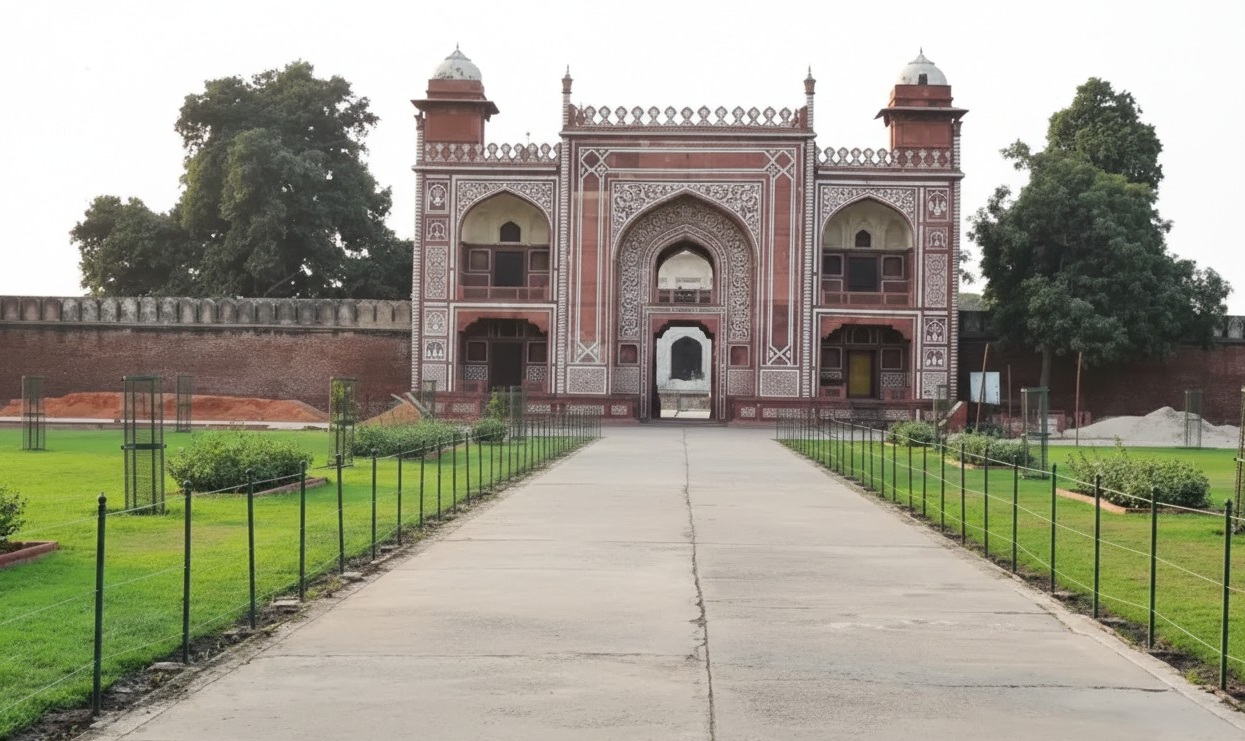
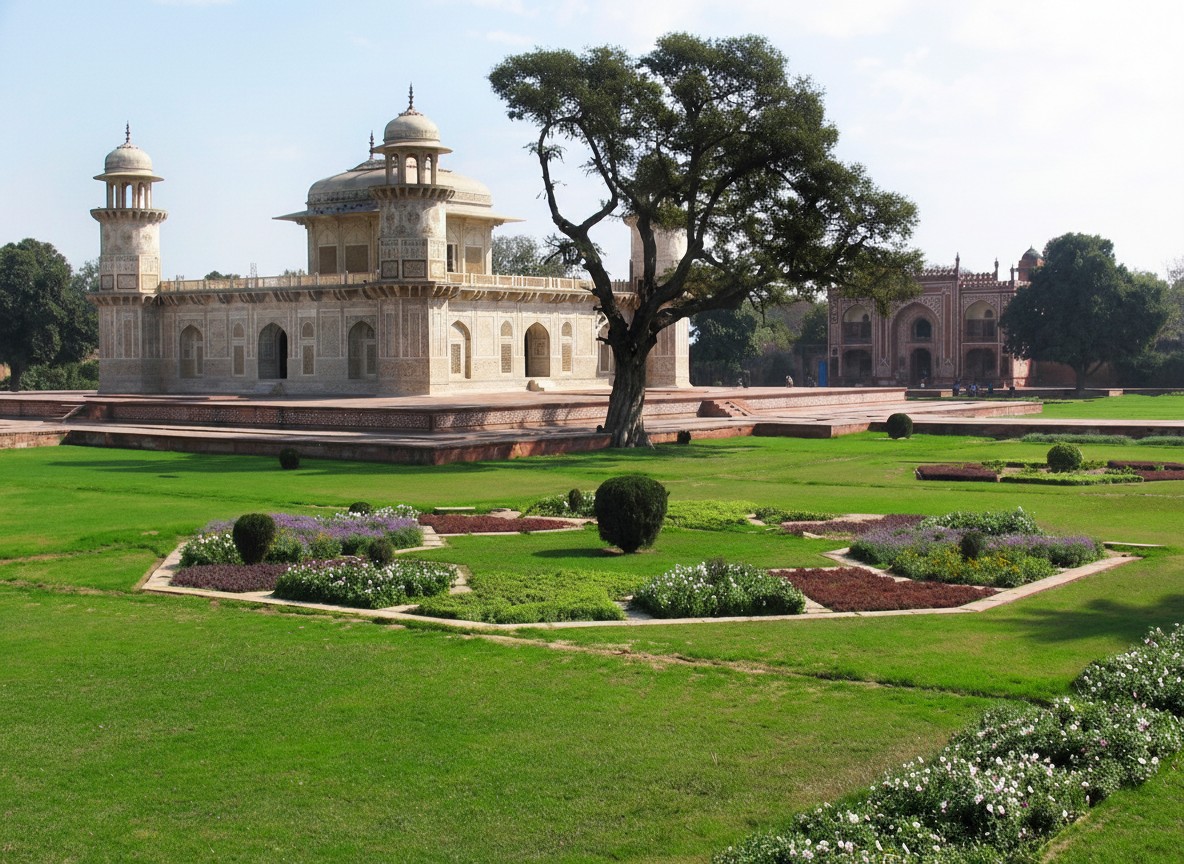
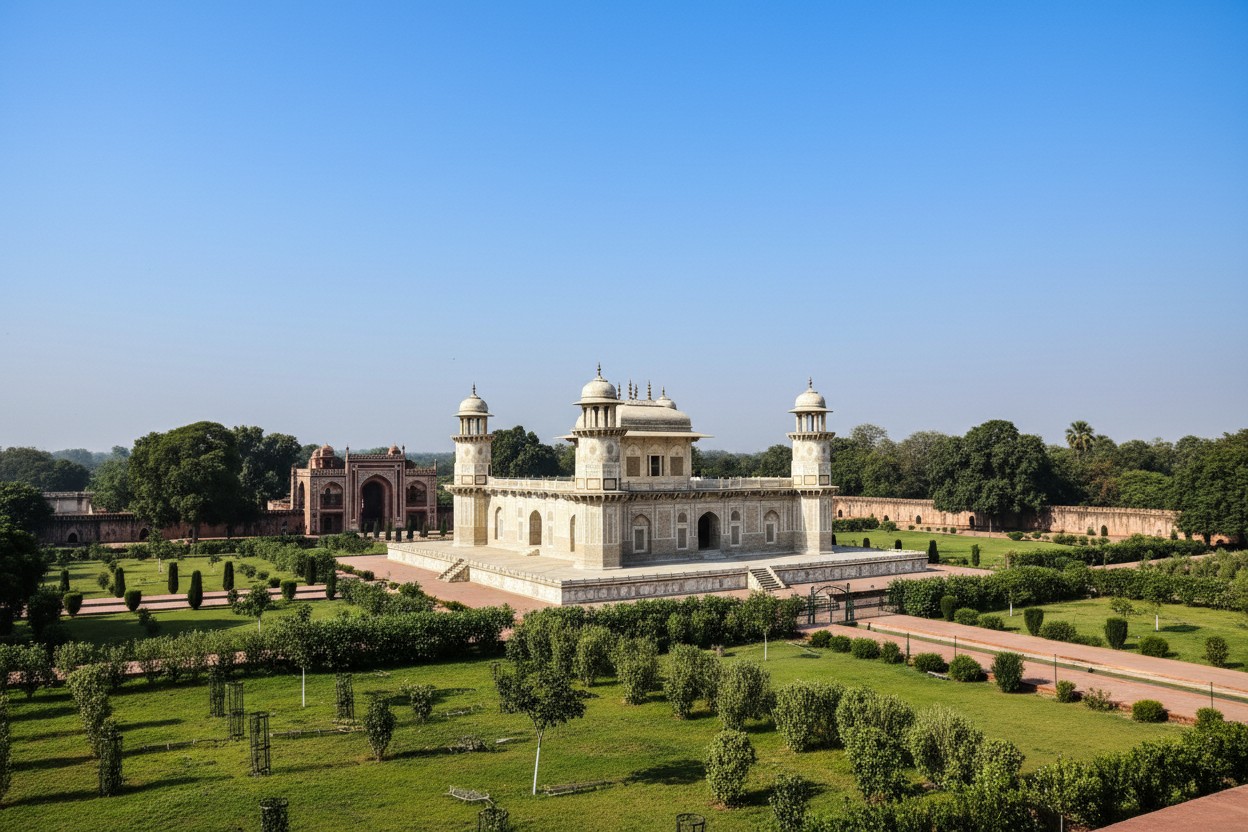
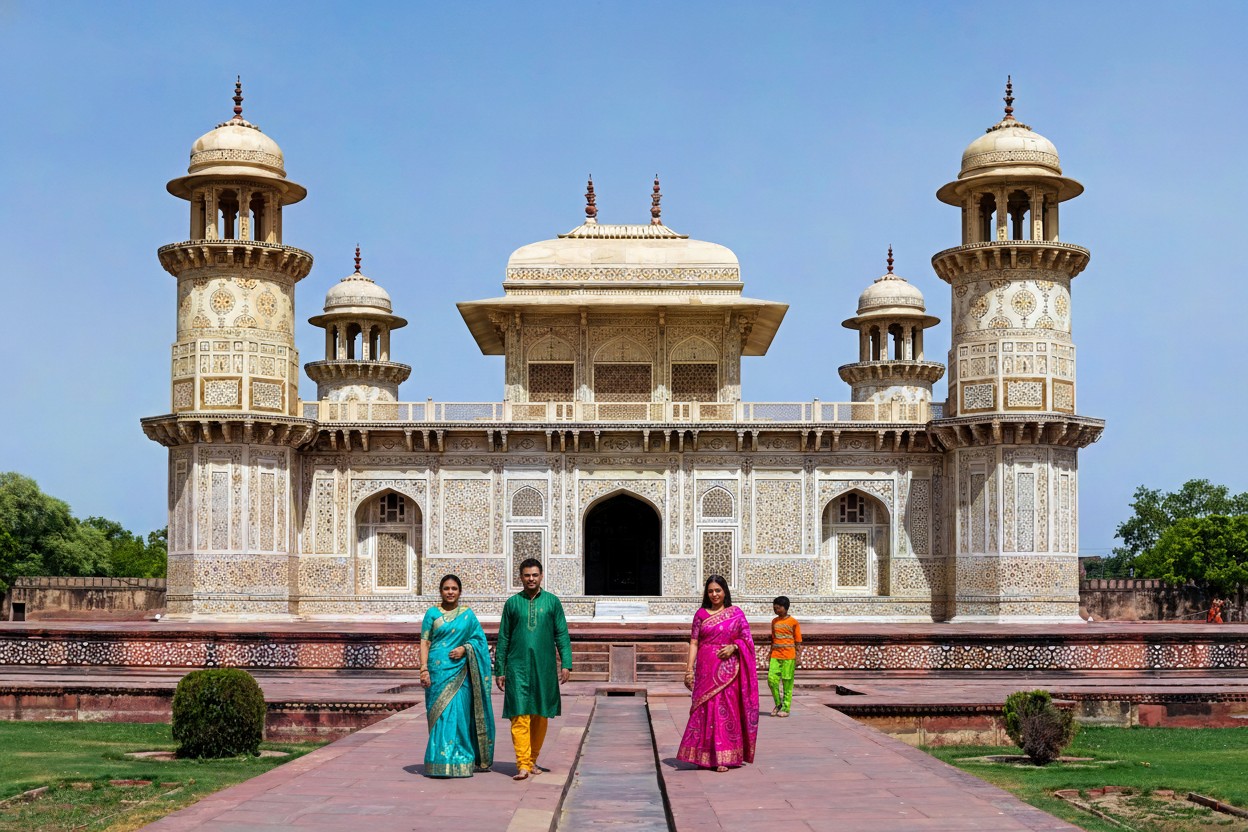
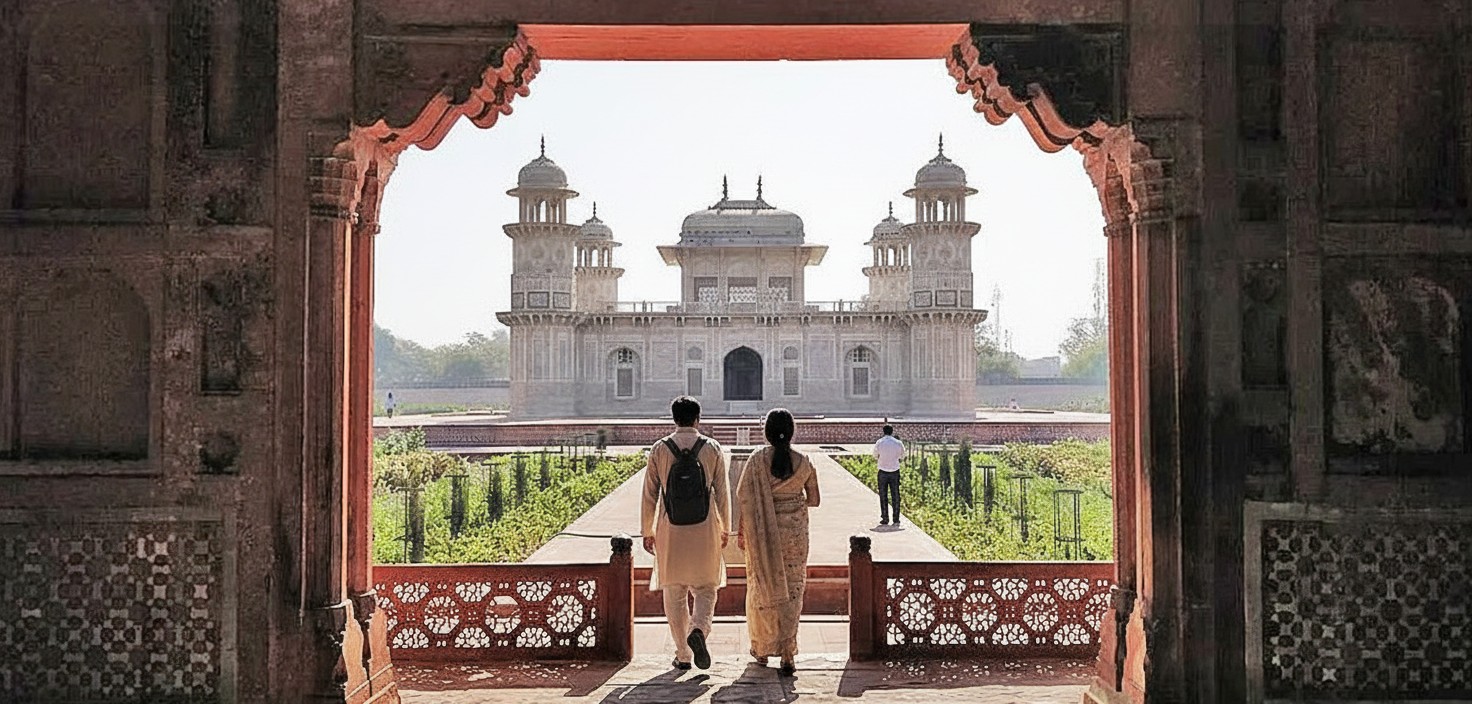
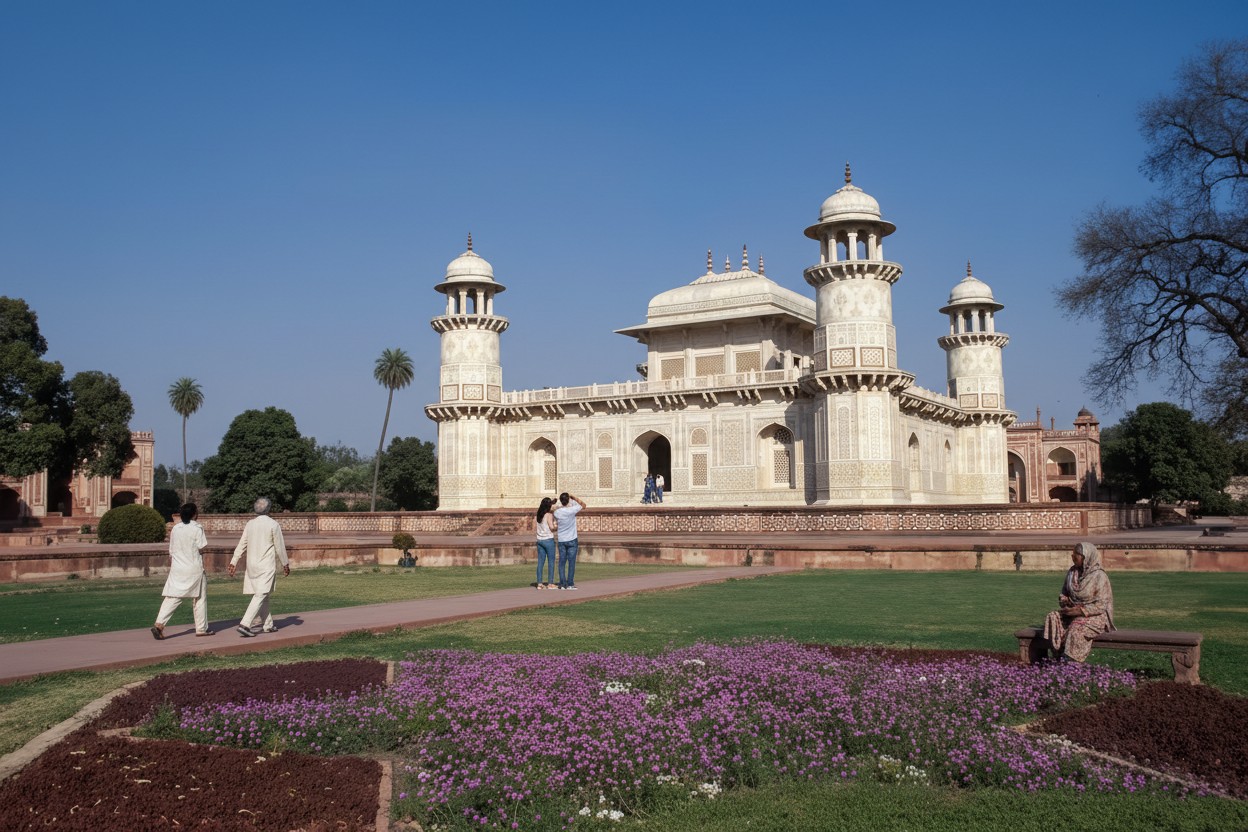
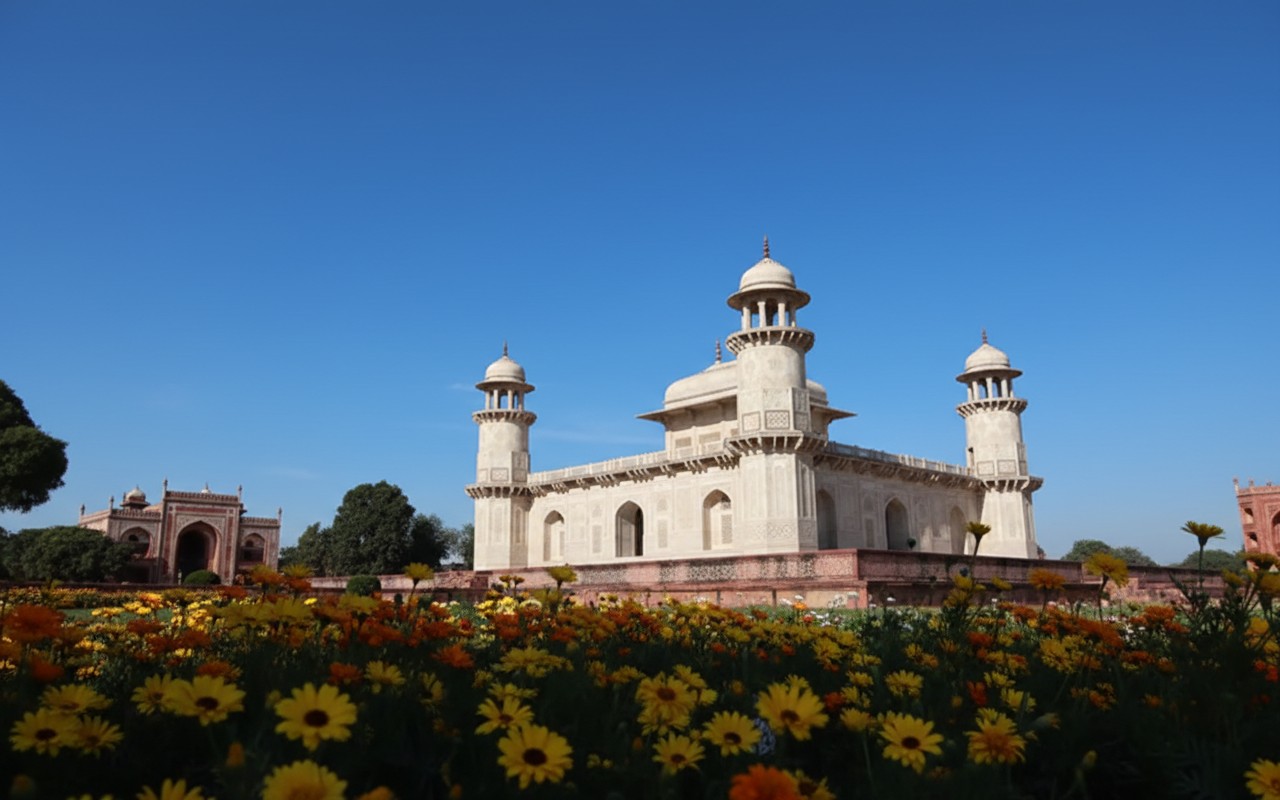
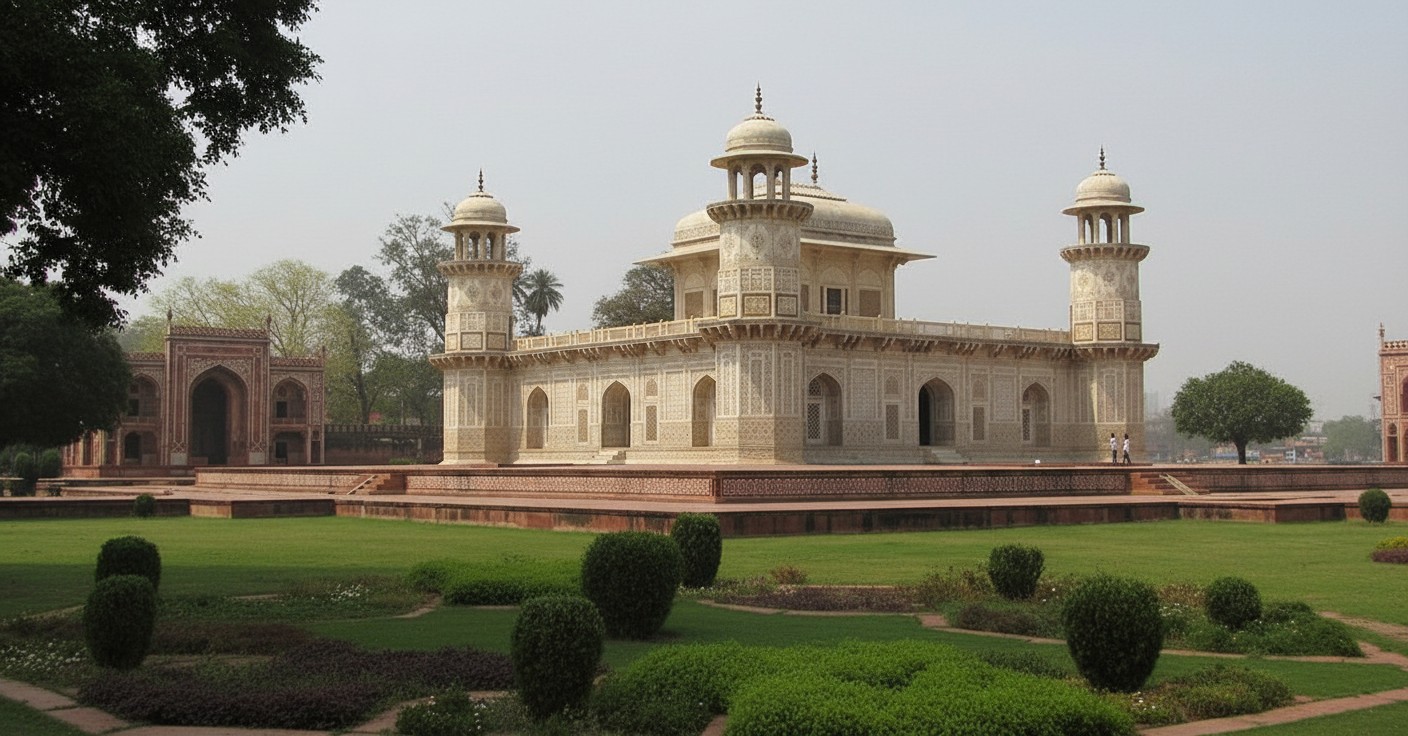
Itmad-ud-Daula, popularly called the “Baby Taj,” is a beautiful Mughal mausoleum in Agra built entirely of white marble. Constructed between 1622–1628, it is considered a draft or precursor to the Taj Mahal due to its delicate marble inlay work and architectural style.
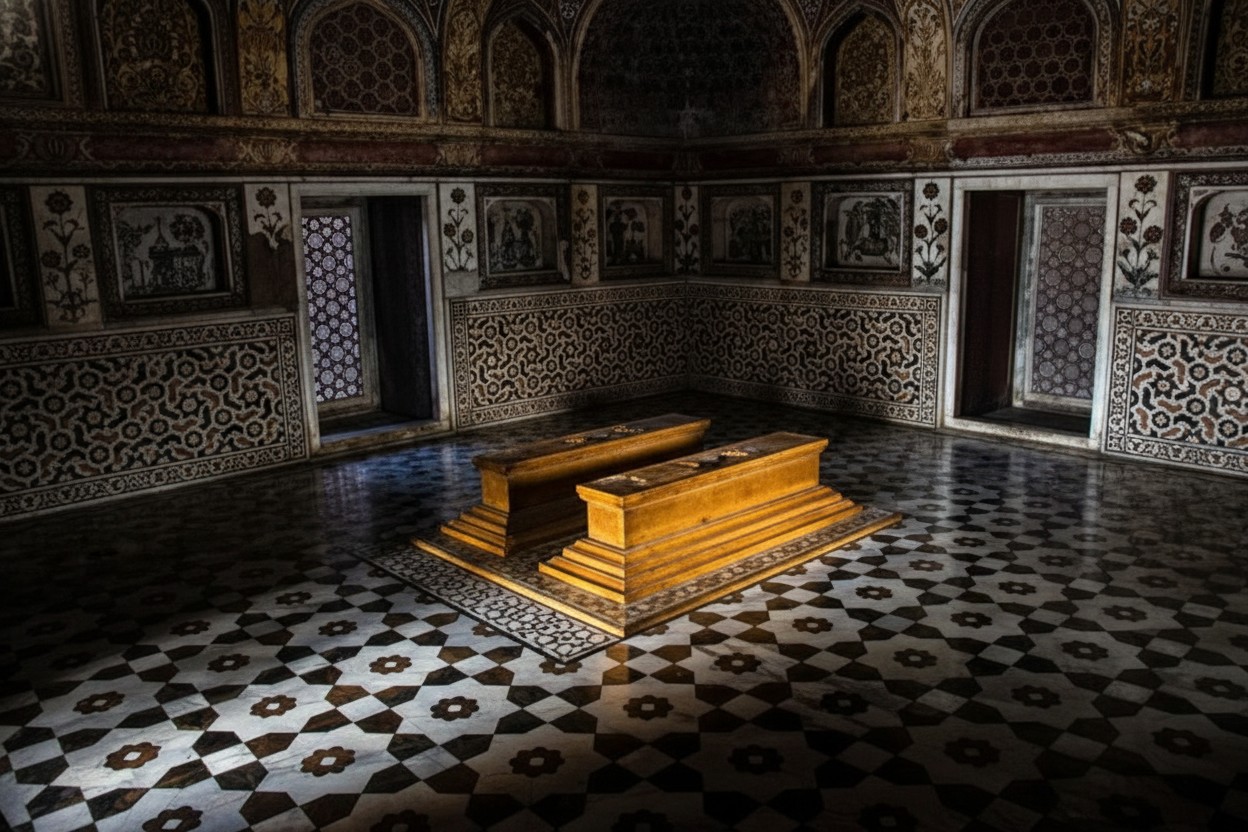
Often called the “Baby Taj,” Itmad-ud-Daula is one of the most beautiful Mughal monuments in India. Built between 1622 and 1628 by Empress Nur Jahan in memory of her father Mirza Ghiyas Beg, the monument is considered a draft or inspiration for the famous Taj Mahal. Located on the banks of the Yamuna River in Agra, this elegant marble tomb is admired for its delicate carvings, intricate pietra dura inlay work, and peaceful gardens.
Unlike the grand scale of the Taj Mahal, Itmad-ud-Daula offers a quieter and more intimate experience. The monument beautifully combines Persian-style architecture with Mughal artistic details. Its walls are decorated with floral motifs, geometric patterns, and colorful stone inlays using jasper, lapis lazuli, and topaz. The serene atmosphere and detailed craftsmanship make it a paradise for photographers, history lovers, and architecture enthusiasts.
The surrounding charbagh-style gardens, symmetrical pathways, and river views add to the monument’s charm. Visitors often appreciate the calm environment compared to the crowded tourist spots in Agra. Early morning and sunset visits provide especially stunning views and soft lighting for photography.
Today, Itmad-ud-Daula remains one of Agra’s hidden gems and an important part of Mughal heritage. A visit here gives travelers a deeper understanding of the evolution of Mughal architecture before the construction of the Taj Mahal. Whether you are exploring Agra for history, culture, or photography, this monument is a must-visit destination that reflects elegance, artistry, and royal legacy.
🎯 Things to do
- Explore detailed marble inlay artwork
- Photography (especially river-side views)
- Walk in Mughal-style gardens
- Study Mughal architecture evolution
- Sunset views near Yamuna river.
📍 Near By
- Taj Mahal – 7 km
- Agra Fort – 5 km
- Mehtab Bagh – Across Yamuna River
- Akbar’s Tomb (Sikandra) – 10 km
- Fatehpur Sikri – 40 km
- Kinari Bazaar (Shopping) – 4 km.
🛣️ How to Reach
By Air: Nearest airport is Agra Airport about 10 km away.,
By Train: Reach Agra Cantt Railway Station then take a taxi auto-rickshaw or cab.,
By Road: Agra is well connected via the Yamuna Expressway from Delhi and national highways from nearby cities.
⭐ Why Visit
Beautiful Mughal marble architecture,
Less crowded than the Taj Mahal,
Excellent photography location,
Peaceful riverside gardens,
Rich historical and artistic significance
💡 Travel Tips
Visit early morning or evening for pleasant weather and better photos.,
Carry water and comfortable walking shoes.,
Hire a local guide for historical insights.,
Combine the trip with nearby attractions like the Taj Mahal and Agra Fort.,
Avoid peak afternoon heat during summer months.
🌟 Special Features
Known as the “Baby Taj”,
First Mughal monument built completely with white marble,
Famous for intricate pietra dura inlay artwork,
Beautiful Persian-inspired charbagh gardens,
Fine jali screens and delicate carvings
Scenic location beside the Yamuna River
Agra Fort
• Agra • Uttar Pradesh
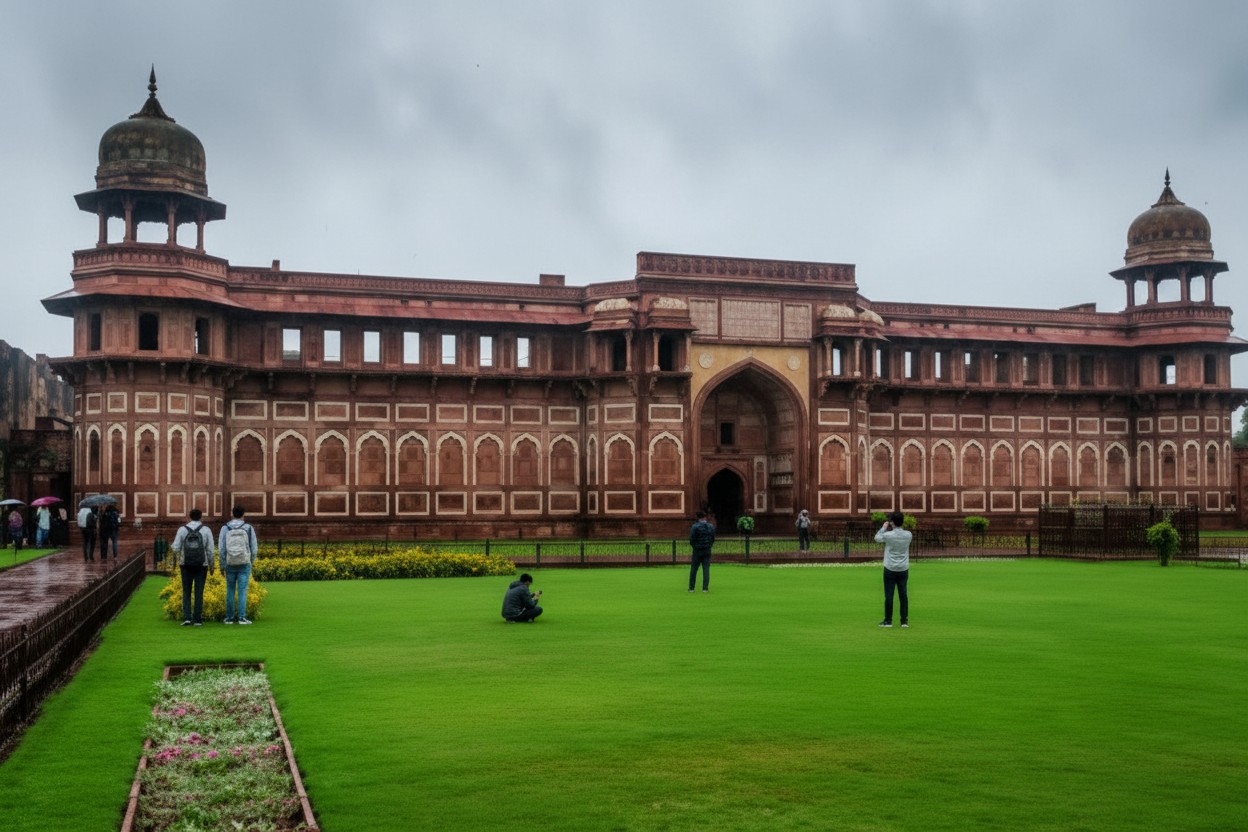
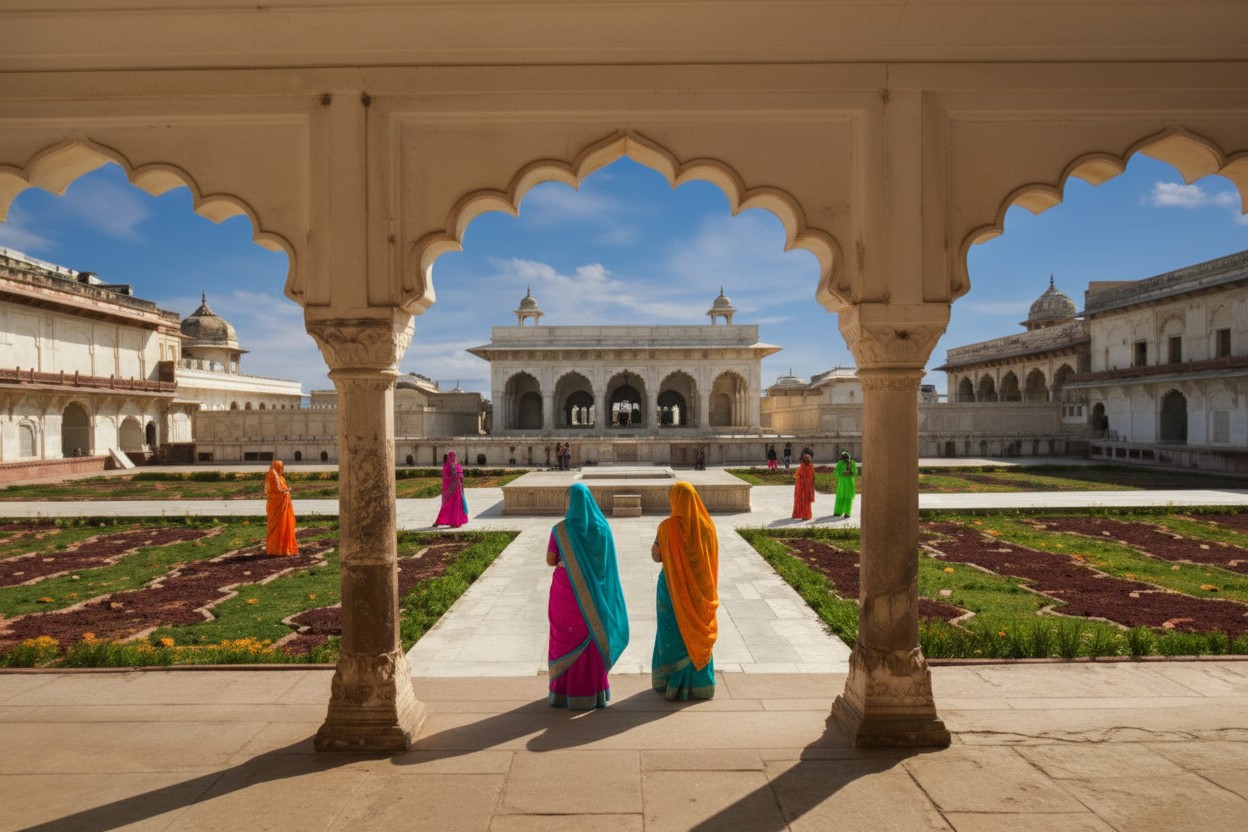
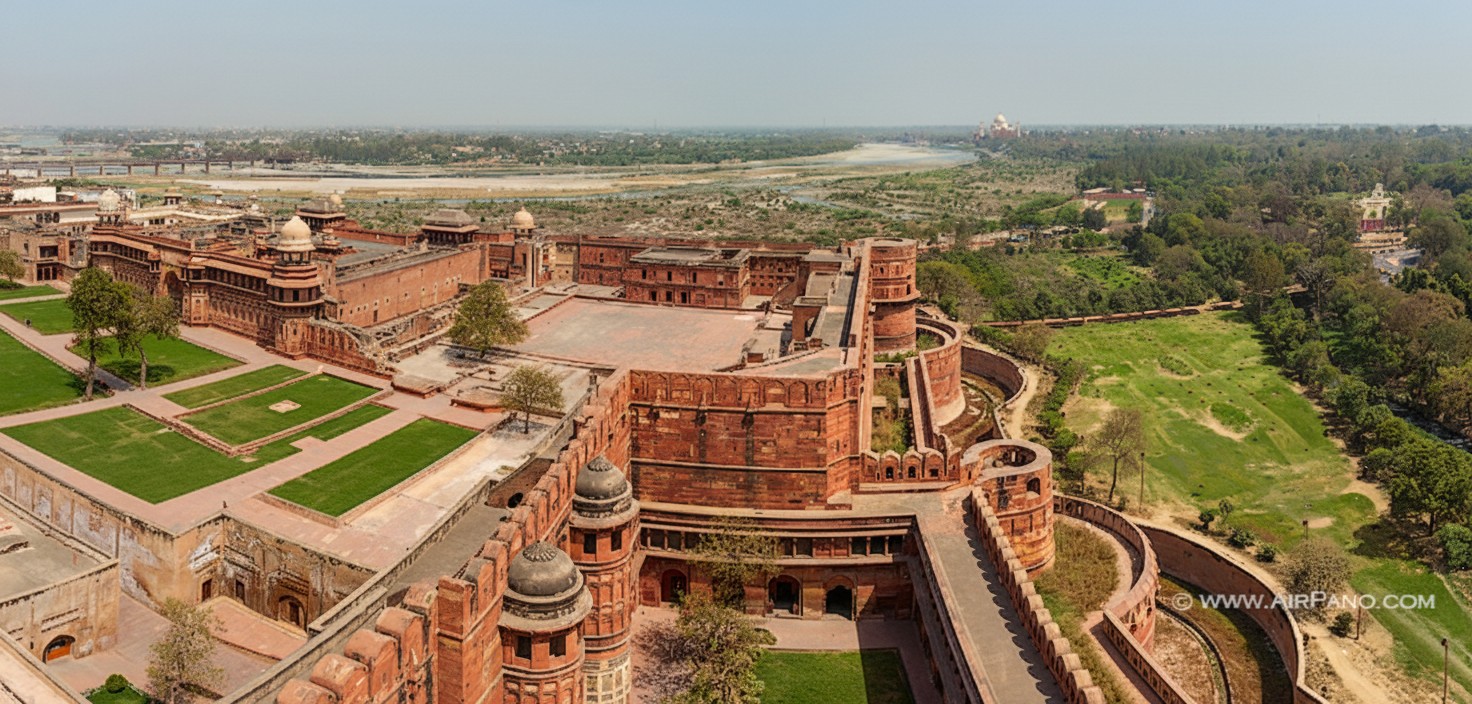
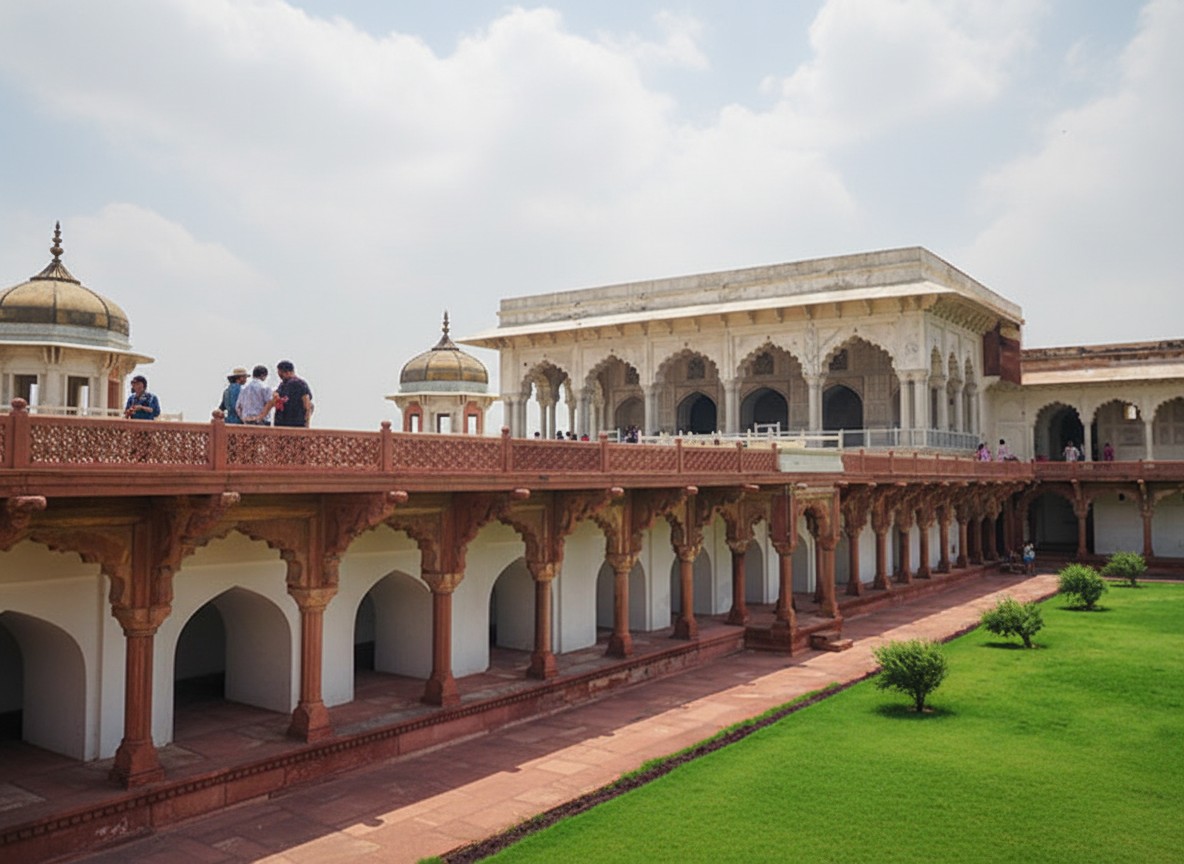
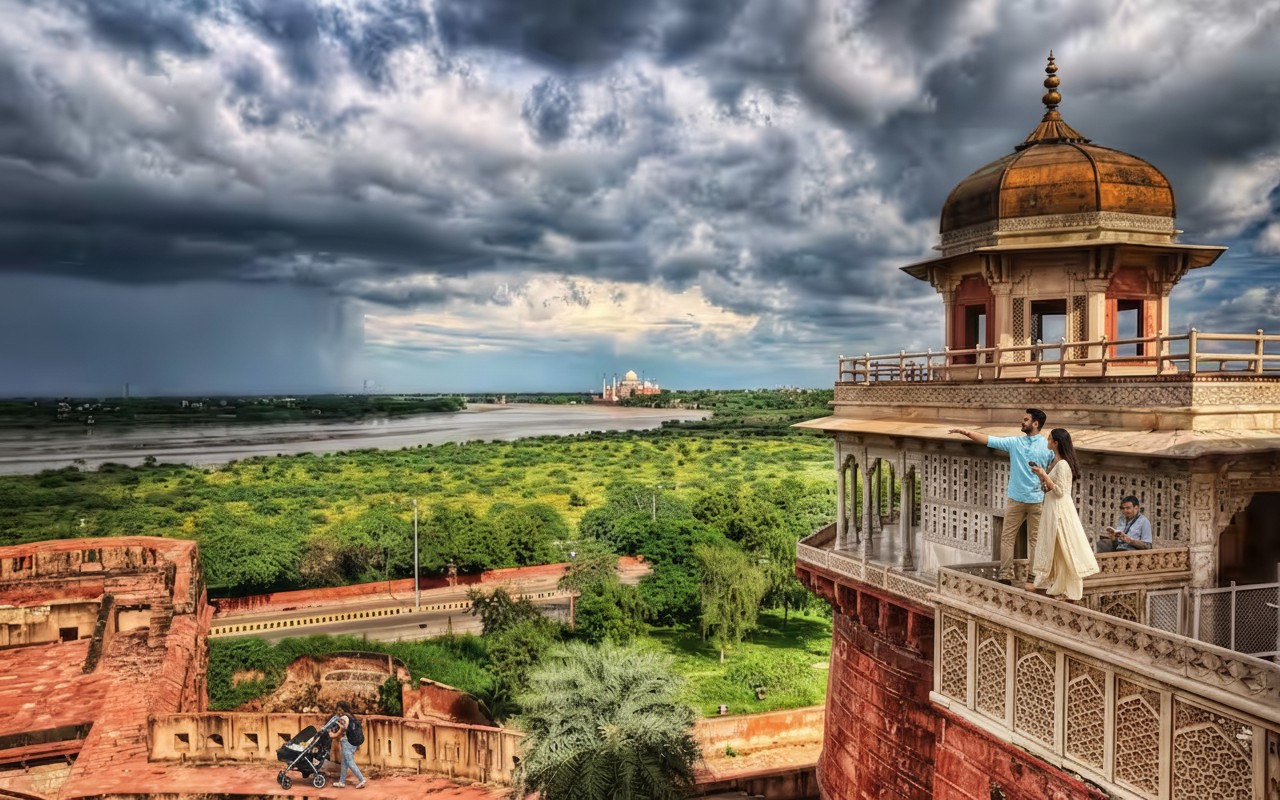
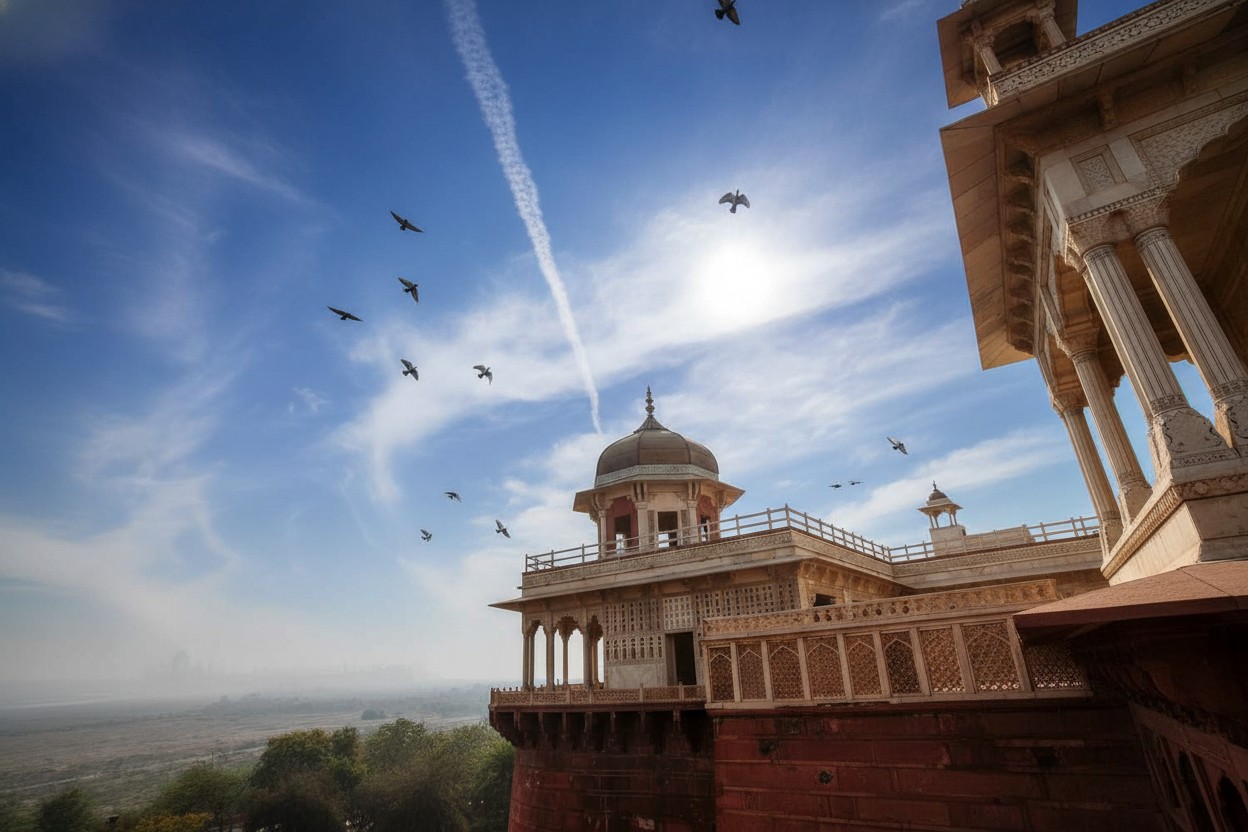
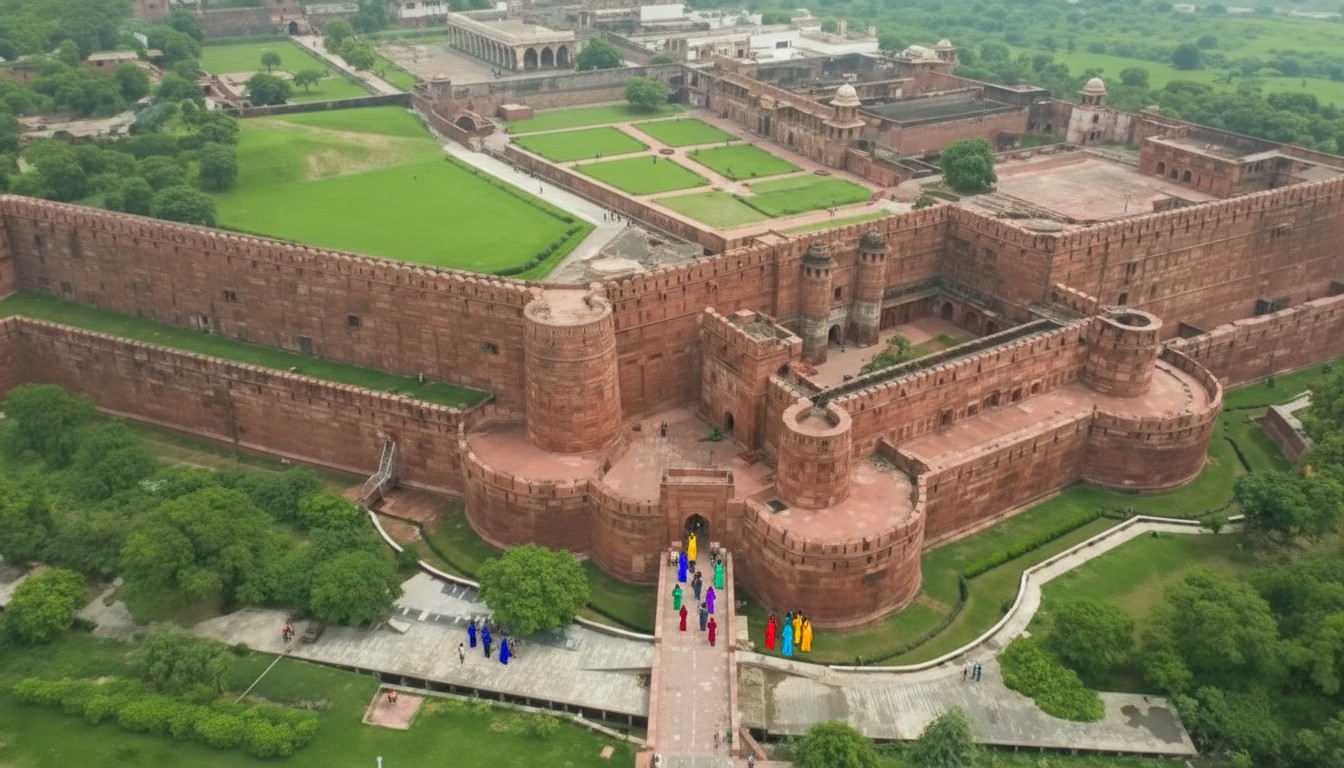
Agra Fort is one of India’s most magnificent Mughal-era forts and a UNESCO World Heritage Site located on the banks of the Yamuna River in Agra. Built mainly by Emperor Akbar in 1565 using red sandstone, the fort later became the royal residence of Mughal rulers including Shah Jahan. The fort combines military strength with royal elegance and includes beautiful palaces, halls, mosques, and courtyards. Famous attractions inside include Jahangir Palace, Khas Mahal, Musamman Burj, and Diwan-i-Khas. From certain points, visitors can enjoy stunning views of the Taj Mahal.
Agra Fort, also known as Lal Qila of Agra, is one of the most important Mughal forts in India. Originally a brick fort known as Badalgarh, it was rebuilt in red sandstone by Emperor Akbar in 1565. Later emperors, especially Shah Jahan, added beautiful marble structures inside the fort.
The fort covers about 94 acres and is surrounded by a massive 20-meter-high wall. It contains several remarkable buildings, including:
Jahangir Mahal
Khas Mahal
Diwan-i-Aam (Hall of Public Audience)
Diwan-i-Khas (Hall of Private Audience)
Musamman Burj (where Shah Jahan was imprisoned)
Moti Masjid (Pearl Mosque)
Agra Fort was the main residence of the Mughal emperors until the capital shifted to Delhi. It is closely connected to the Taj Mahal, as Shah Jahan spent his last years here, gazing at the Taj.
The fort showcases a blend of Islamic, Persian, and Indian architectural styles, making it one of the finest examples of Mughal architecture.
🎯 Things to do
- Explore Mughal palaces and courtyards
- Visit Diwan-i-Aam and Diwan-i-Khas
- See Musamman Burj (Taj view point)
- Visit Moti Masjid
- Take historical guided tour
- Photography of red sandstone
- architecture
- Evening visit for golden sunset views.
📍 Near By
- Taj Mahal – 2.5 km
- Mehtab Bagh – Garden with Taj view
- Itmad-ud-Daula (Baby Taj)
- Akbar’s Tomb and Sikandra
- Fatehpur Sikri – 40 km
- Jama Masjid Agra.
🛣️ How to Reach
By Air: Nearest airport is in Agra, while major international access is through Delhi.,
By Train: Agra Cantt Railway Station is well connected to Delhi Mumbai Jaipur and other major cities.,
By Road: Agra is connected through the Yamuna Expressway from Delhi and national highways from nearby states.,
Local Transport: Auto-rickshaws taxis e-rickshaws and buses are easily available.
⭐ Why Visit
UNESCO World Heritage Site,
Stunning Mughal architecture,
Rich historical significance,
Beautiful palaces and royal halls,
Excellent photography spots,
View of the Taj Mahal from the fort,
Ideal destination for history lovers and tourists
💡 Travel Tips
Visit early morning or evening for pleasant weather.,
Wear comfortable walking shoes.,
Carry water and sunglasses during summer.,
Hire a guide for better historical understanding.,
Keep cameras charged for photography.,
Avoid weekends and holidays for smaller crowds.
🌟 Special Features
Massive 70-foot-high defensive walls,
Blend of red sandstone and white marble architecture,
Historic residence of Mughal emperors,
Beautiful courtyards mosques and audience halls,
Strategic riverside location near the Yamuna River,
Spectacular view of the Taj Mahal from Musamman Burj