Tourist Sites Near Me – Best Places to Visit Nearby
Bibi Ka Maqbara
• Chhatrapati Sambhajinagar • Maharashtra
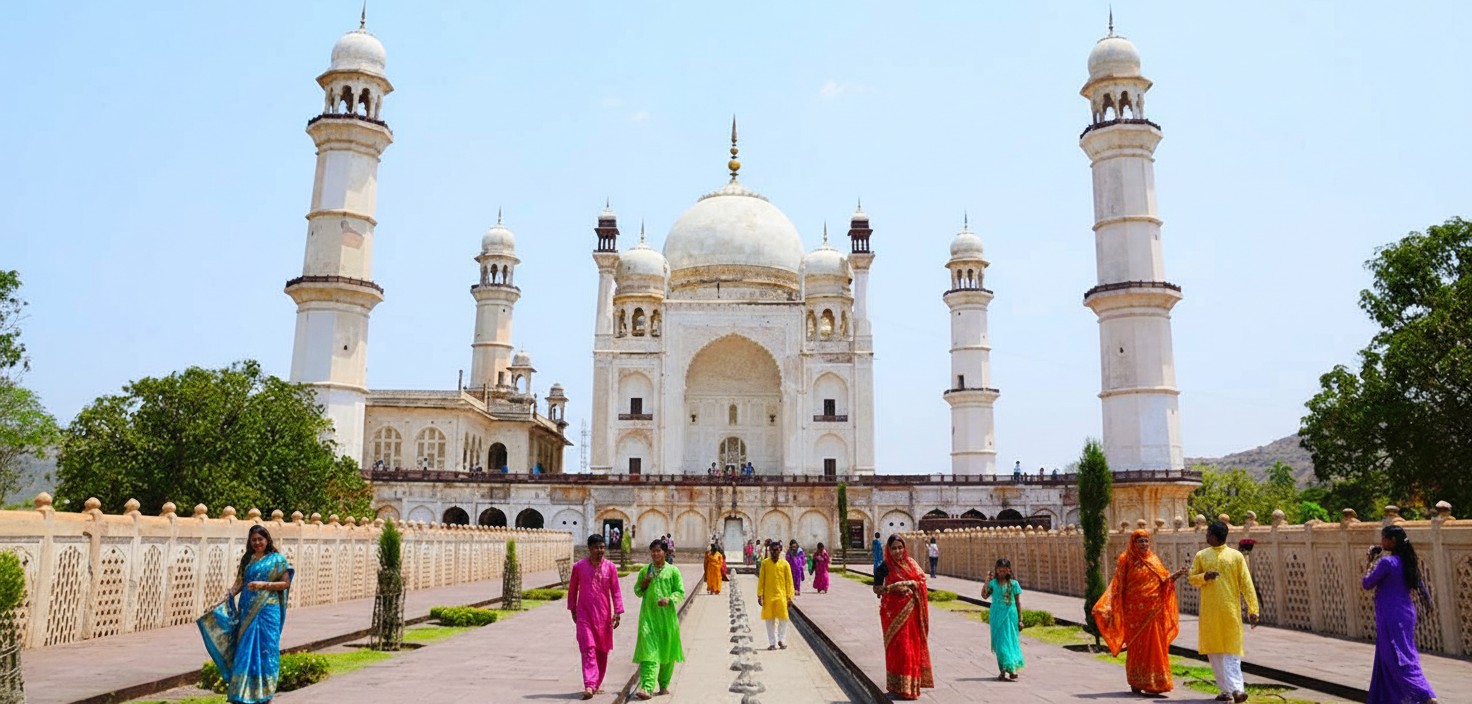
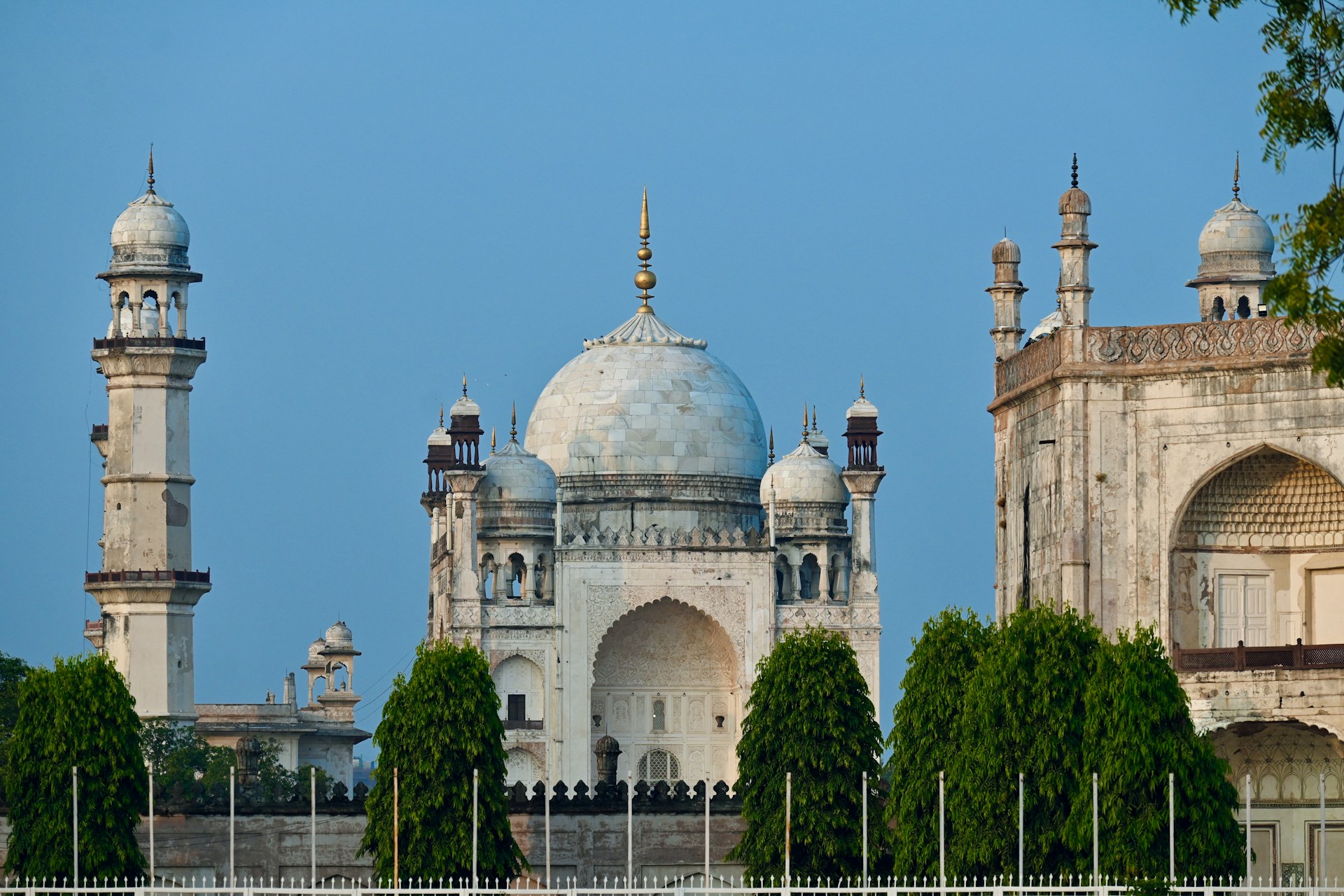
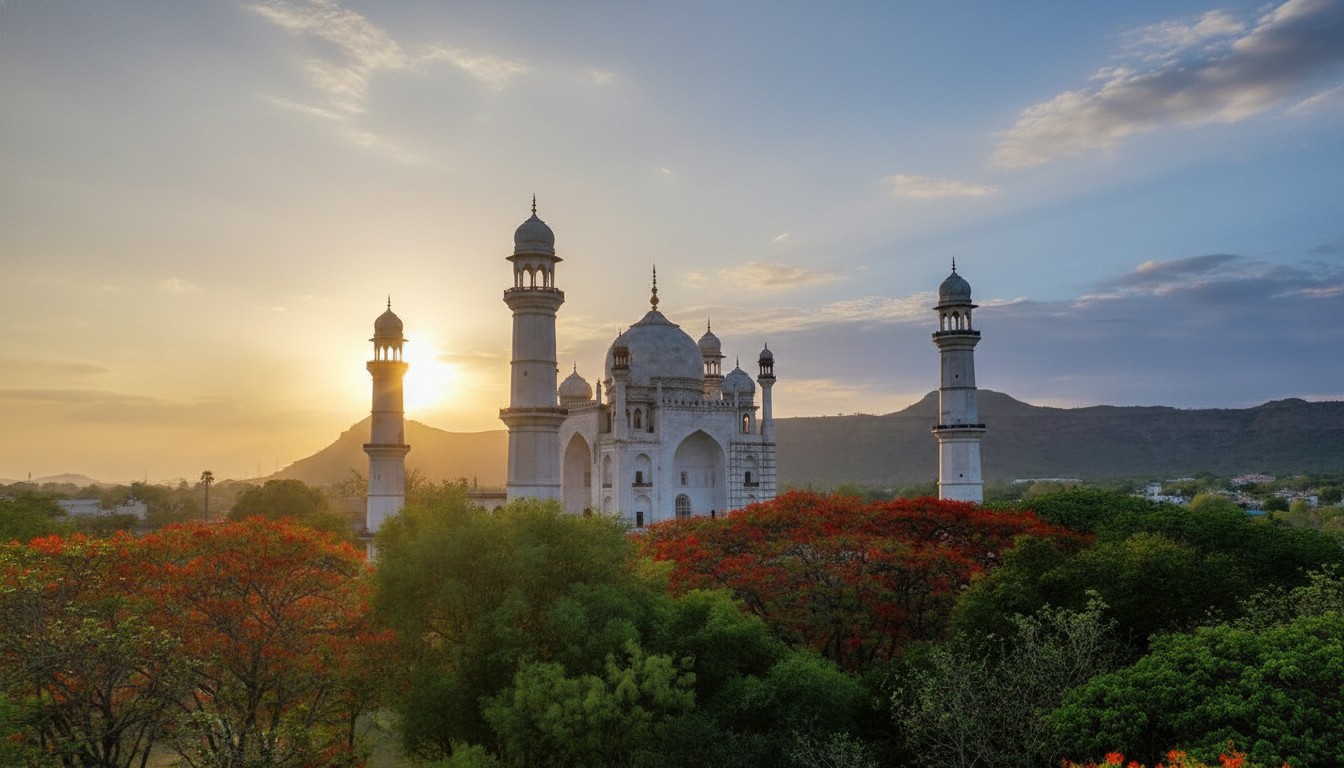
Bibi Ka Maqbara is a historic Mughal monument in Aurangabad, often called the “Taj Mahal of the Deccan”, built in memory of Aurangzeb’s wife, Dilras Banu Begum.
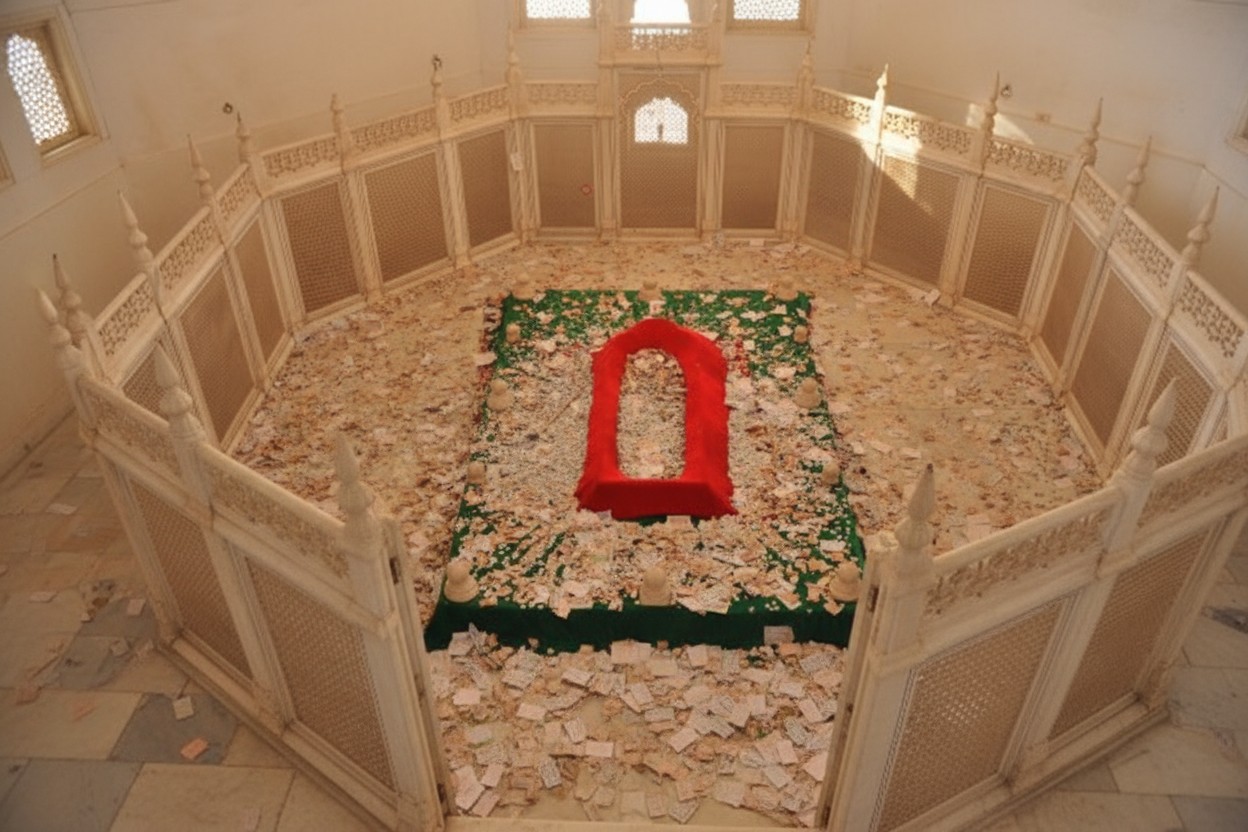
Bibi Ka Maqbara is one of the most important historical landmarks in Maharashtra and a fine example of Mughal architecture in South India. It was built in 1660 AD by Prince Azam Shah, son of Mughal Emperor Aurangzeb, in memory of his mother Dilras Banu Begum (also known as Rabia-ud-Durrani).
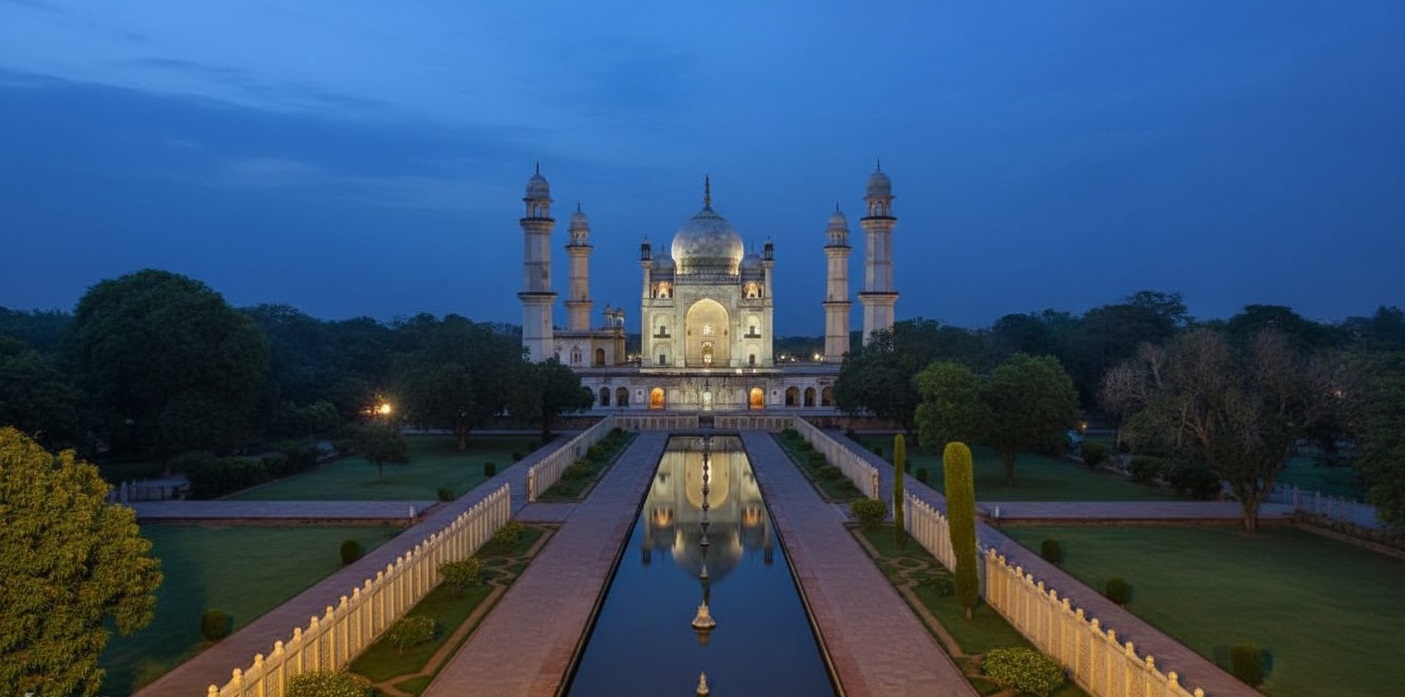
The monument resembles the Taj Mahal in design but is simpler and smaller in scale. It consists of a central marble mausoleum, four minarets, beautiful Mughal gardens (Charbagh style), water channels, fountains, and intricate carvings. Due to budget constraints during Aurangzeb’s reign, plaster and basalt stone were used instead of extensive marble.
The tomb is set against the backdrop of the Sahyadri hills, giving it a serene and scenic atmosphere. Today, Bibi Ka Maqbara is protected by the Archaeological Survey of India (ASI) and attracts tourists, historians, photographers, and students from across the country.
🎯 Things to do
- Explore Mughal architecture & carvings
- Photography of monument and gardens
- Walk in Charbagh garden area
- Learn Mughal history (guided tours available)
- Enjoy evening views with lighting.
📍 Near By
- Siddharth Garden & Zoo – 2 km
- Salim Ali Lake – 4 km
- Panchakki (Water Mill) – 3 km
- Aurangabad Caves – 7 km
- Himayat Bagh – 6 km
- Jayakwadi Dam (Paithan) – 50 km
- Ellora Caves: 30 km
- Ajanta Caves: 100 km
- Daulatabad Fort: 15 km
- Ghrishneshwar Jyotirlinga: 32 km.




Ajanta Caves
Ajanta • Jalgaon • Maharashtra
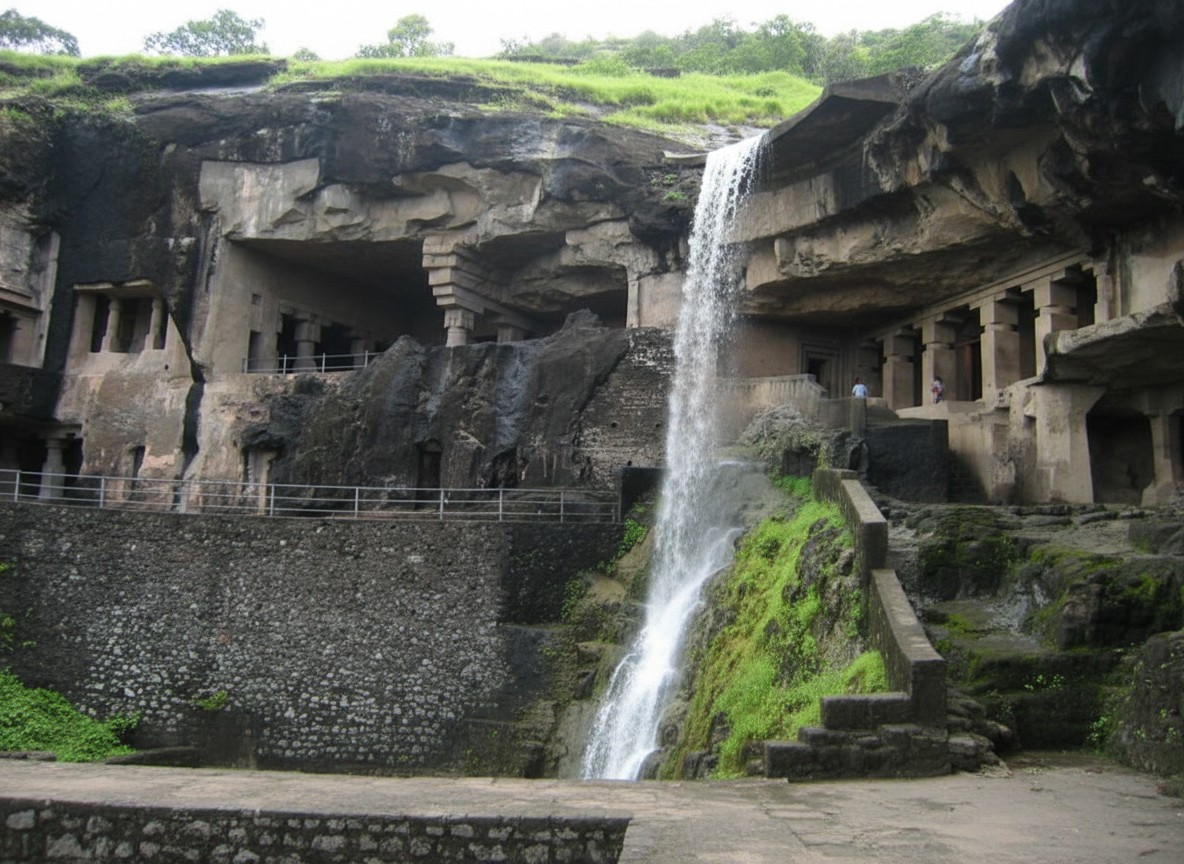
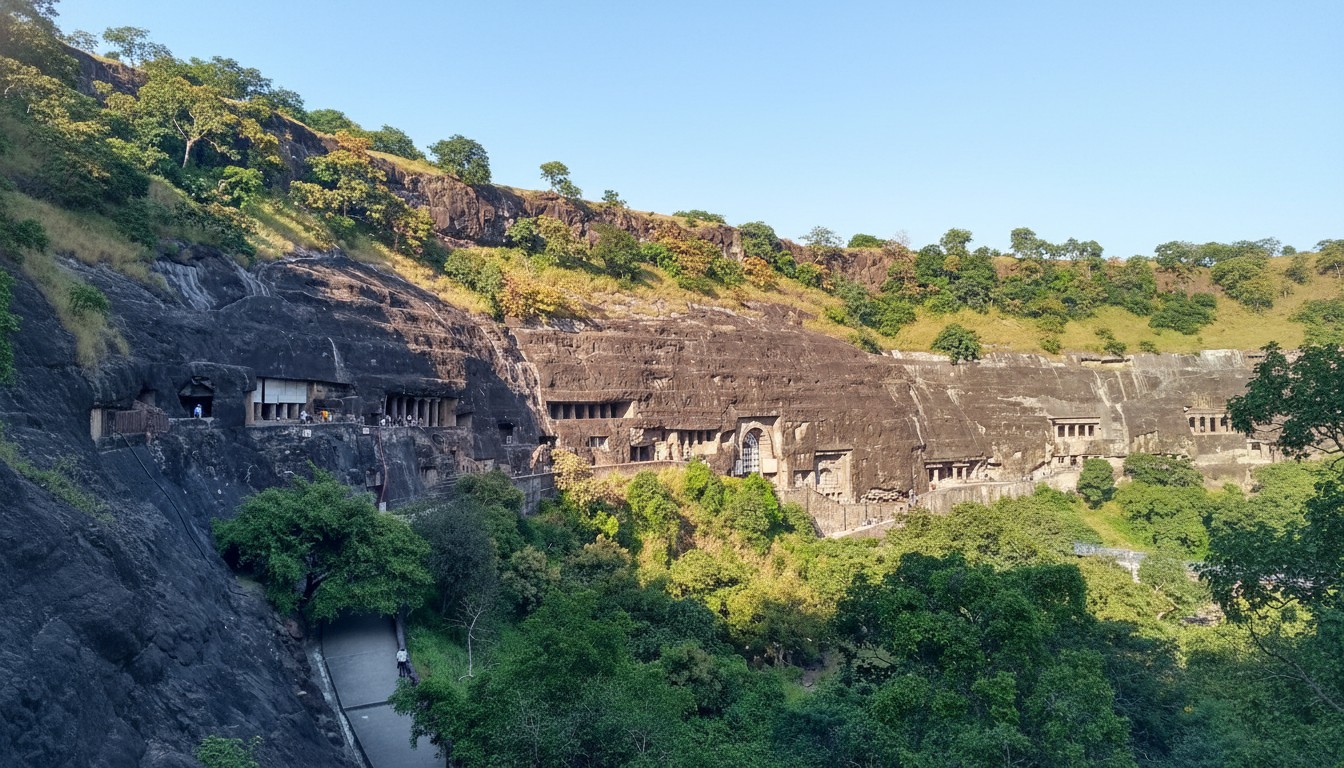
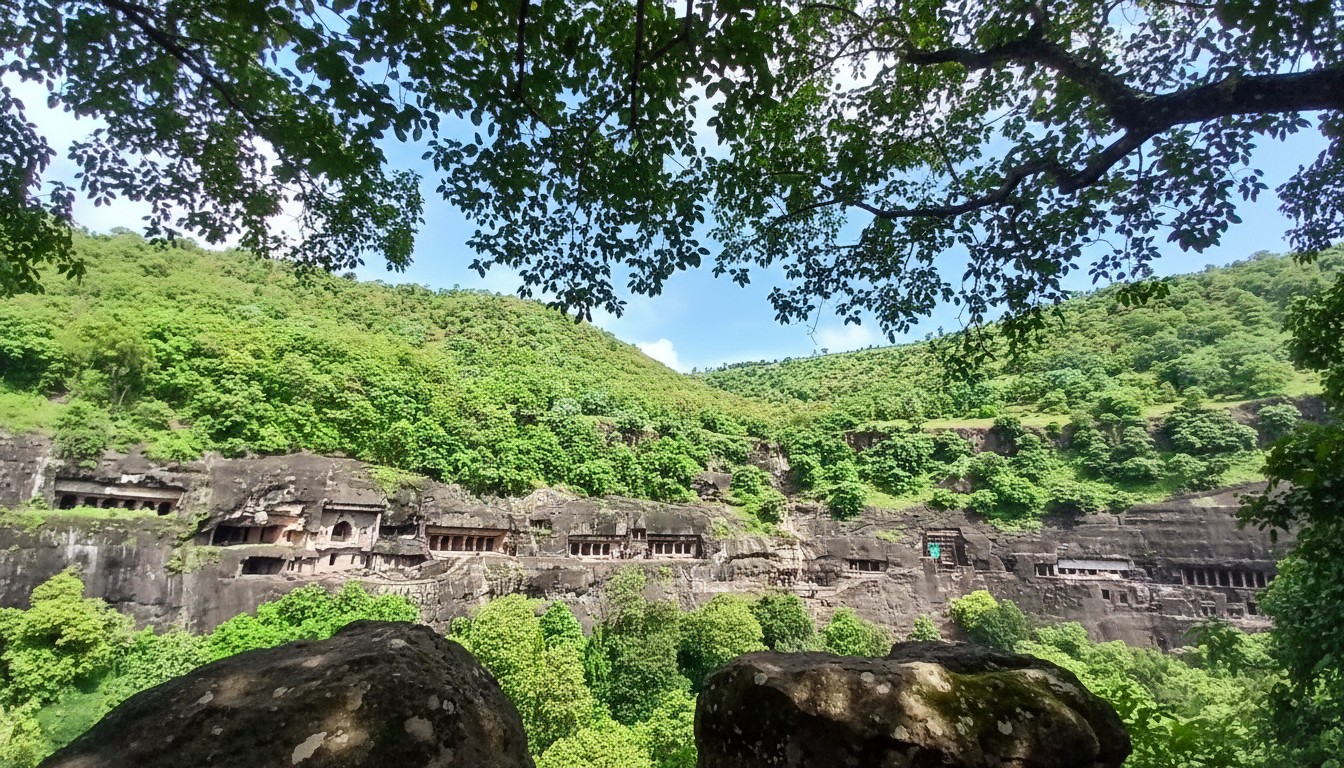
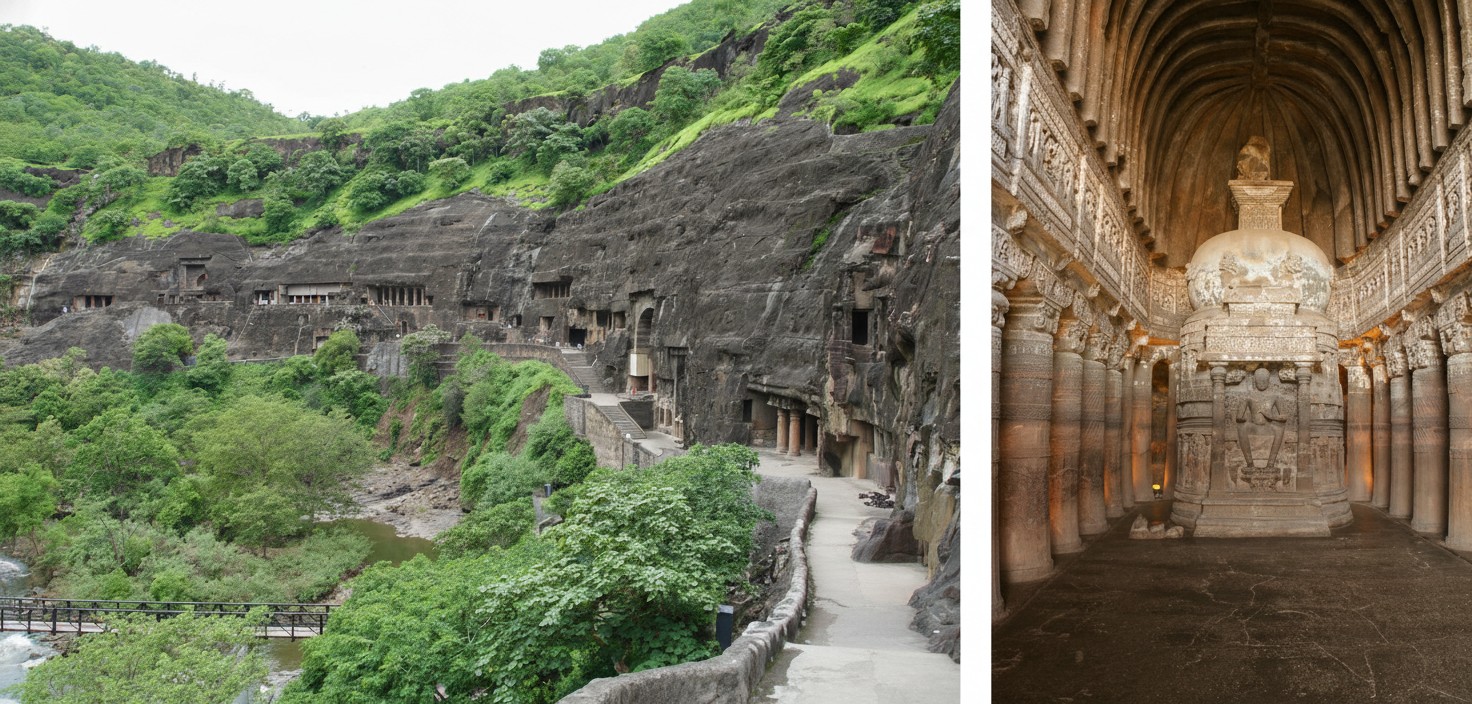
Ajanta Caves are a group of ancient Buddhist rock-cut caves famous for their exquisite wall paintings, sculptures, and architecture, dating from the 2nd century BCE to the 6th century CE.
The Ajanta Caves are located in a horseshoe-shaped bend of the Waghur River in the Sahyadri hills of Maharashtra. This complex consists of 30 caves, including monasteries (Viharas) and prayer halls (Chaityas), carved directly into volcanic rock.
The caves were created in two phases:
Satavahana period (2nd century BCE – 1st century CE)
Vakataka period (5th–6th century CE)
Ajanta is world-renowned for its Buddhist murals and frescoes, which depict stories from the Jataka tales (previous lives of Buddha), royal life, animals, and religious symbolism. These paintings are considered masterpieces of ancient Indian art and are among the best-preserved ancient paintings in the world.
The caves were abandoned after the decline of Buddhism in India and remained hidden for centuries until they were rediscovered in 1819 by a British officer, John Smith. Today, Ajanta stands as a symbol of India’s artistic, cultural, and spiritual heritage.
🎯 Things to do
- Explore Buddhist caves (Chaitya & Vihara)
- Observe ancient wall paintings & murals
- Photography (without flash)
- Learn Buddhist history & art
- Enjoy scenic walk along cave pathway
- View Waghur River gorge
- Buy souvenirs & books at ASI shop.
📍 Near By
- Waghur River Viewpoint – scenic natural picnic
- Fardapur Village Area – peaceful rural surroundings
- Goga Baba Hill – panoramic views
- Ellora Caves (≈100 km) – combined heritage trip
- Bhadra Maruti Temple (Khuldabad) – religious picnic stop
- Salim Ali Lake
- Aurangabad – family picnic spot.




Ratangad Fort
Ratanwadi • Ahilyanagar • Maharashtra
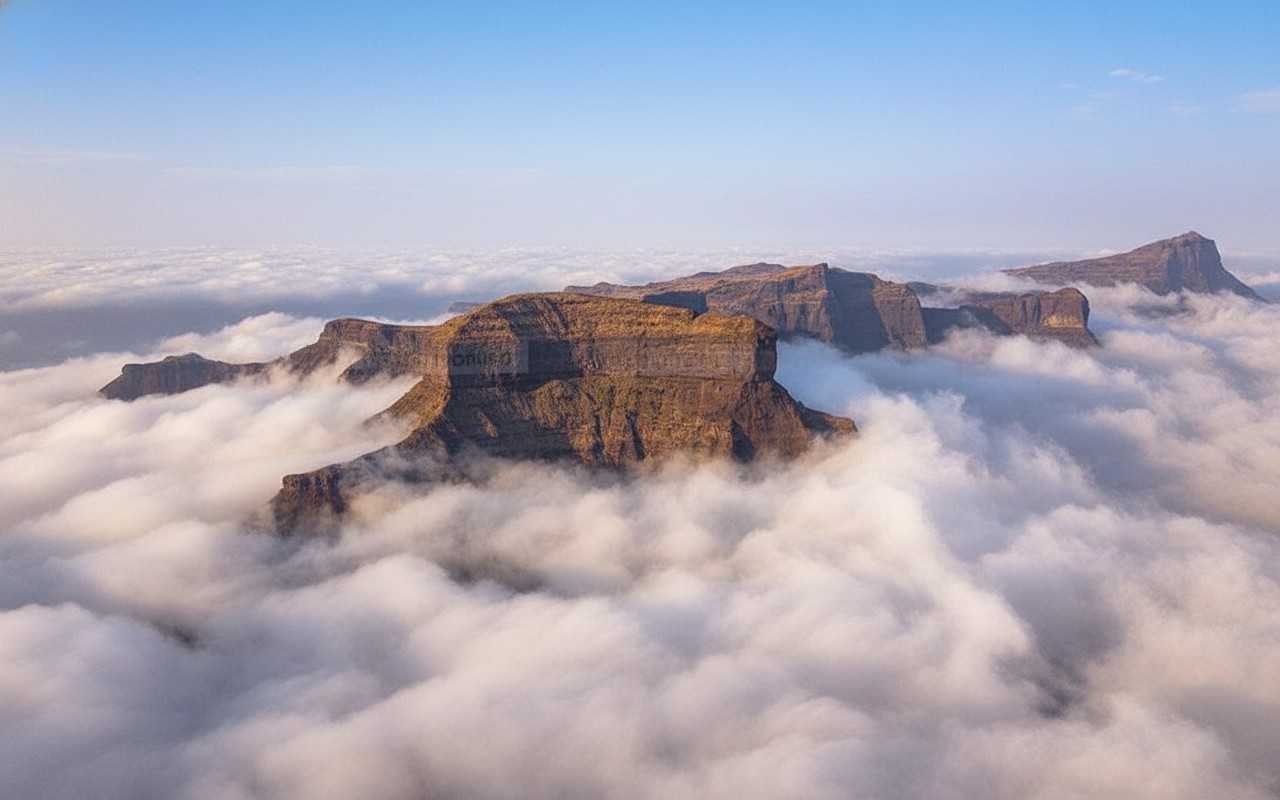
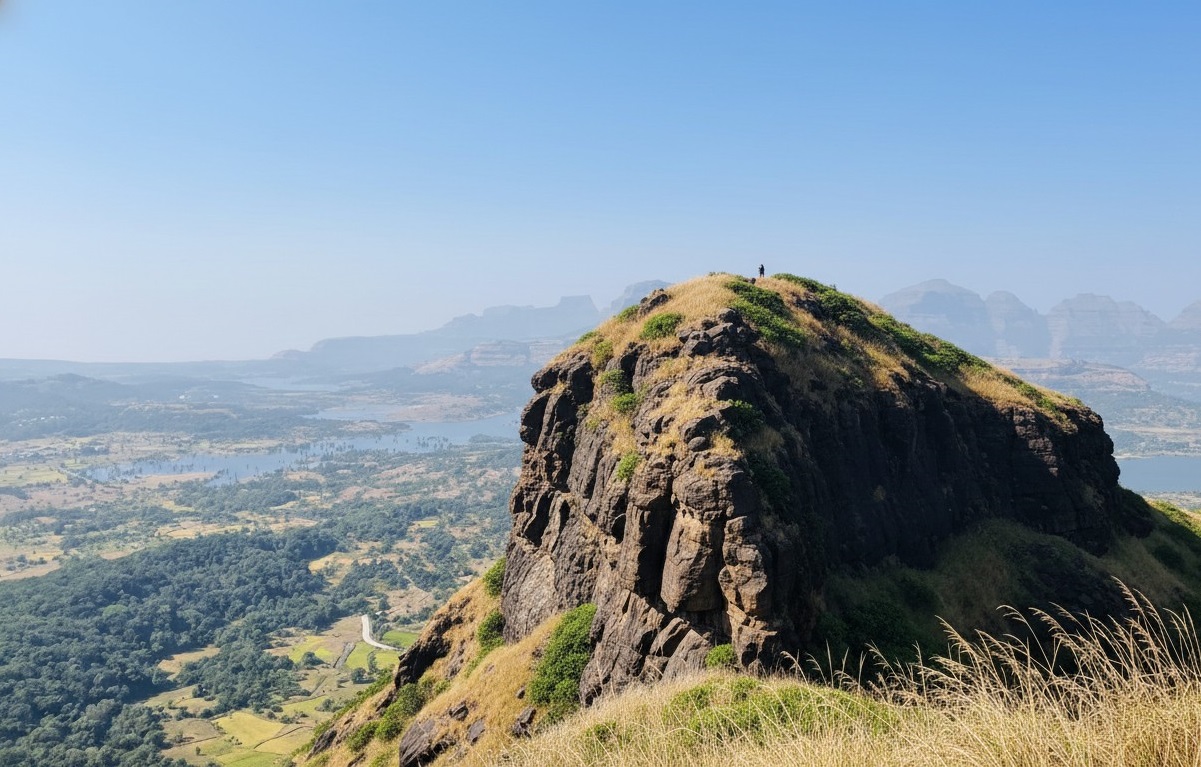
Ratangad Fort is an ancient hill fort in Maharashtra, famous for its natural rock formations, panoramic views of the Sahyadri ranges, and the iconic rock cavity called “Nedhe (Eye of the Needle)”.
Ratangad Fort is one of the oldest forts in the Sahyadri mountain range, believed to be over 400 years old. The fort came under the control of Chhatrapati Shivaji Maharaj in the 17th century and was strategically important for guarding the trade routes connecting Konkan and Nashik regions.
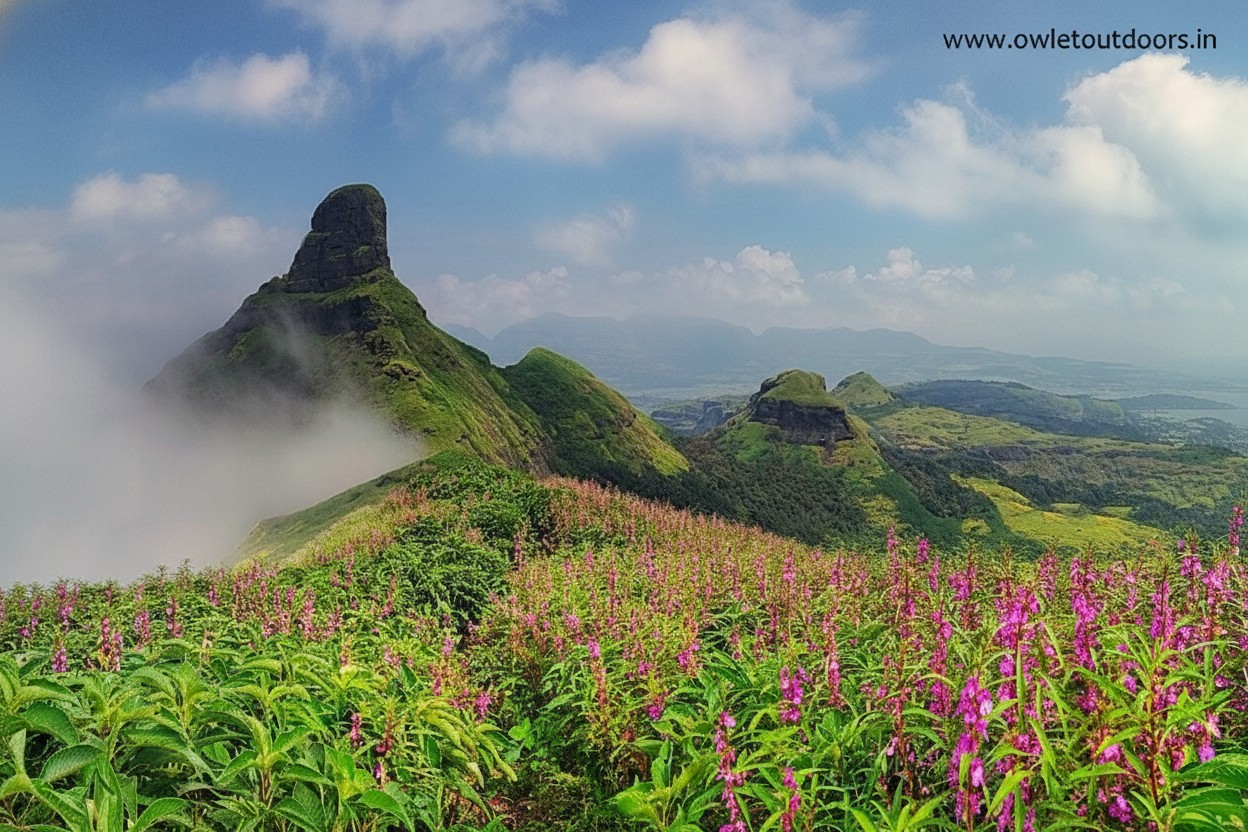
Situated at an altitude of about 1,297 meters, Ratangad offers stunning views of Bhandardara, Arthur Lake, Kalsubai Peak, and surrounding valleys. The fort is surrounded by dense forests, rocky cliffs, and seasonal waterfalls, making it a favorite destination for trekkers and nature lovers.
One of the main attractions of Ratangad is the naturally carved rock hole known as Nedhe, shaped like an eye, from where visitors can see the valley below. The fort also has remains of old fortification walls, bastions, caves, and water tanks.
Ratangad is especially popular during the monsoon season, when the entire region turns lush green and misty.
🎯 Things to do
- Trekking through forest and rocky trails
- Photography of valleys
- lakes
- and peaks
- Visit Nedhe (Eye of the Needle)
- View Kalsubai Peak
- Bhandardara & Arthur Lake
- Camping near caves (with safety precautions)
- Sunrise & sunset viewing
- Explore fort ruins
- bastions & water tanks.
📍 Near By
- Bhandardara Lake (Arthur Lake) – lakeside picnic
- Wilson Dam – scenic dam views
- Randha Falls – powerful waterfall
- Umbrella Falls (seasonal)
- Kalsubai Base Village – nature picnic
- Ratanwadi Village & Amruteshwar Temple.



Melghat Tiger Reserve
• Amravati • Maharashtra
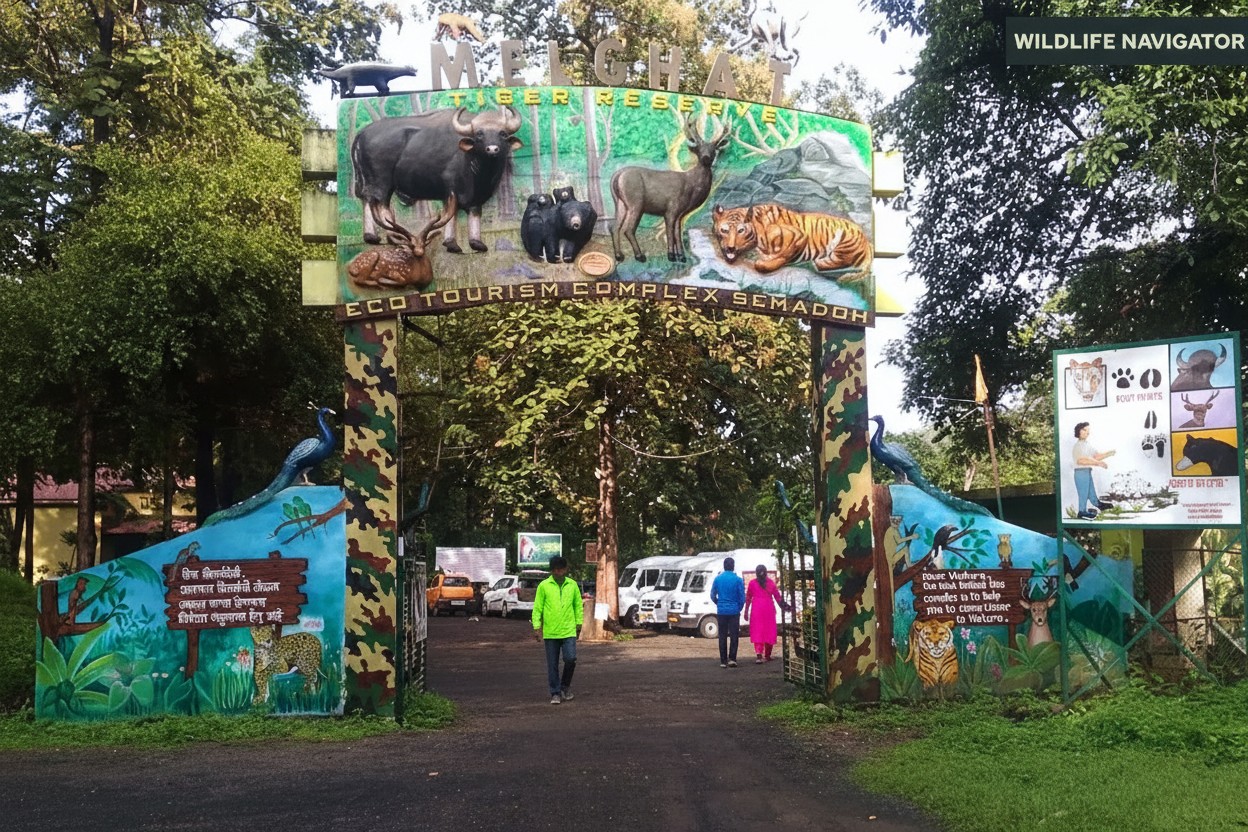
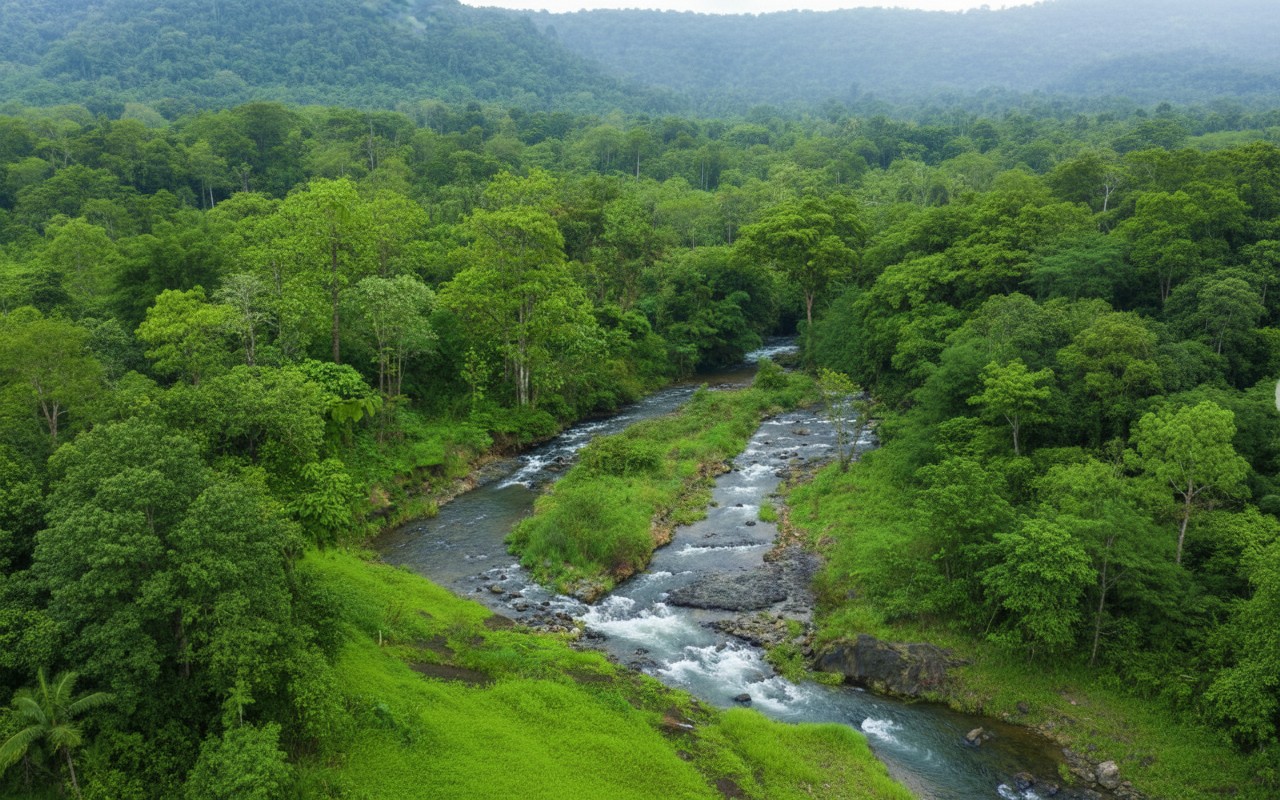
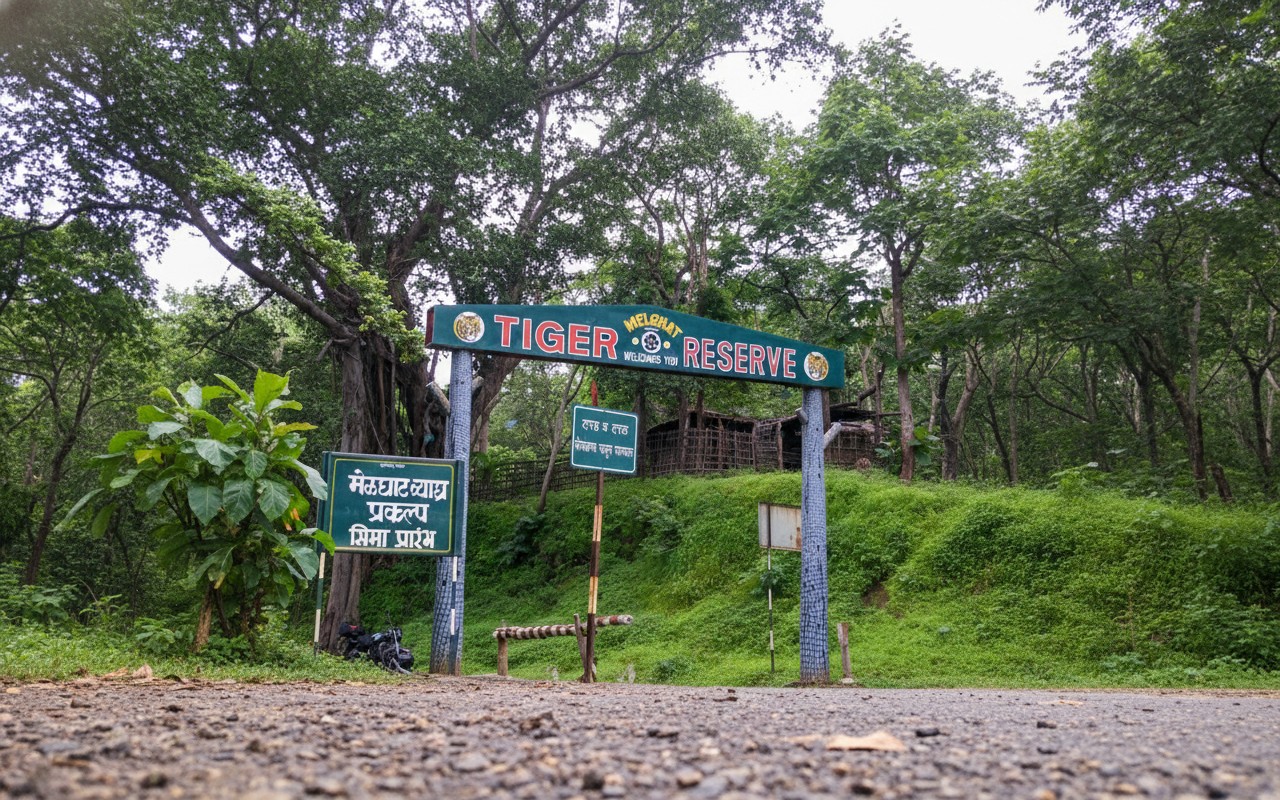
Melghat Tiger Reserve is a vast forest reserve in the Satpura ranges of Maharashtra, famous for its tiger population, rich biodiversity, dense forests, and scenic valleys.
Melghat Tiger Reserve is located in the Satpura mountain range of central India and covers an area of over 1,600 sq km. It is one of the earliest tiger reserves declared under Project Tiger and plays a crucial role in tiger conservation in Maharashtra.
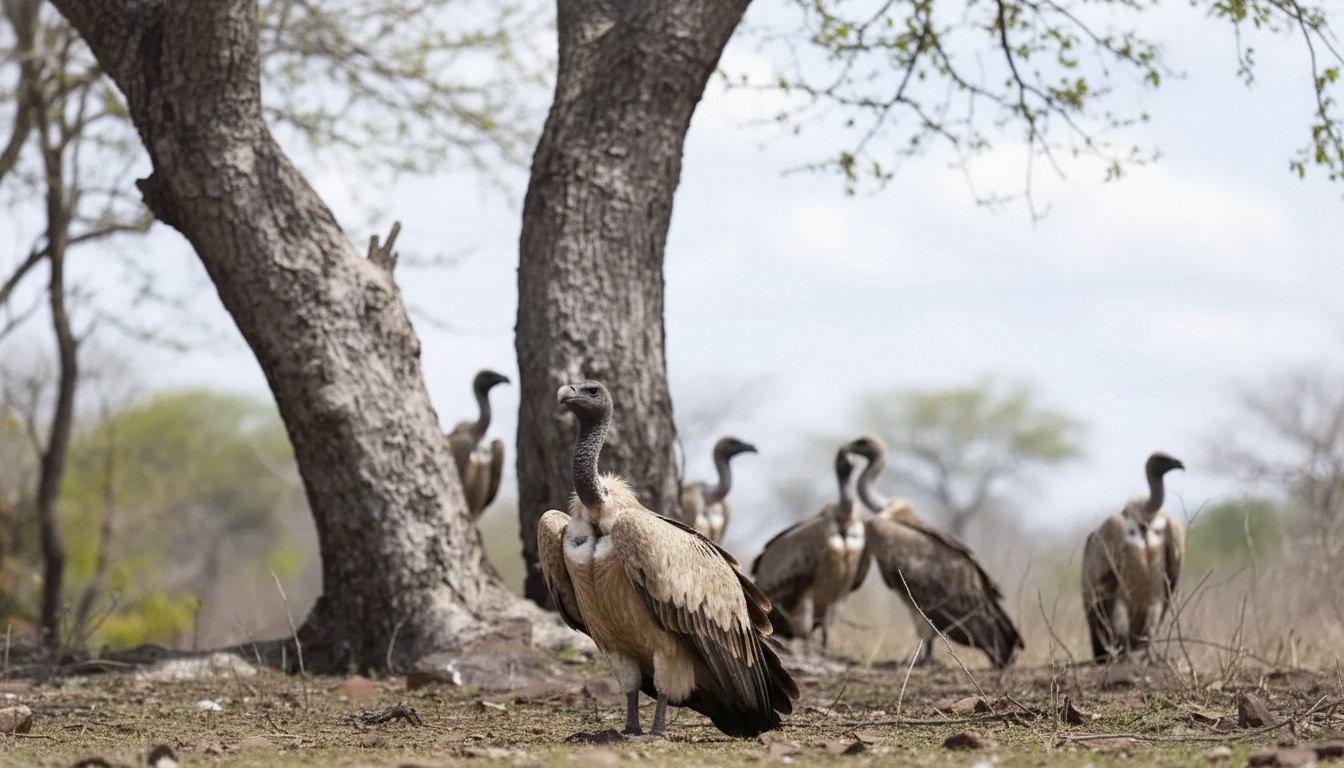
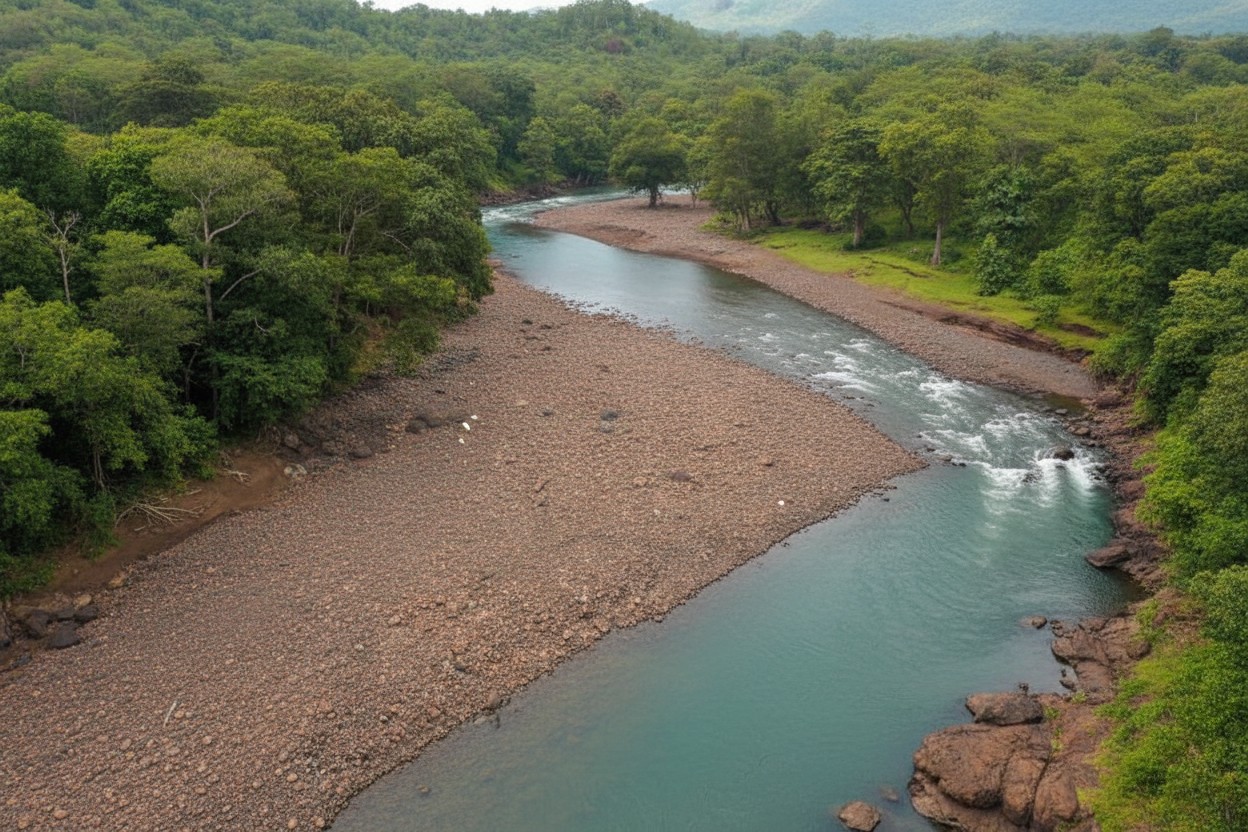
The reserve is dominated by dry deciduous forests, teak trees, bamboo groves, and deep ravines carved by rivers such as the Tapti and Khandu. Apart from Royal Bengal Tigers, Melghat is home to leopards, sloth bears, Indian gaur, wild dogs (dhole), sambar, barking deer, and over 300 bird species.
Melghat is also culturally significant, with several tribal villages (Korku tribe) living in and around the forest. The region offers a peaceful and raw jungle experience, making it ideal for wildlife lovers, photographers, and eco-tourists.
🎯 Things to do
- Jeep Safari for tiger & wildlife spotting
- Bird watching (paradise for bird lovers)
- Wildlife & nature photography
- Nature trails & forest walks (with guides)
- Visit tribal villages (eco-tourism experience)
- Enjoy scenic viewpoints & forest landscapes
- Learn about conservation & forest ecology.
📍 Near By
- Gawilgarh Fort – historic fort with valley views
- Bhima Kund – waterfall & natural pool
- Mozari Point – scenic picnic viewpoint
- Shakkar Lake – peaceful lakeside picnic spot
- Panchbol Point – panoramic hill views
- Semadoh Forest Area – nature & picnic area.



Pataleshwar Cave Temple
• Pune • Maharashtra
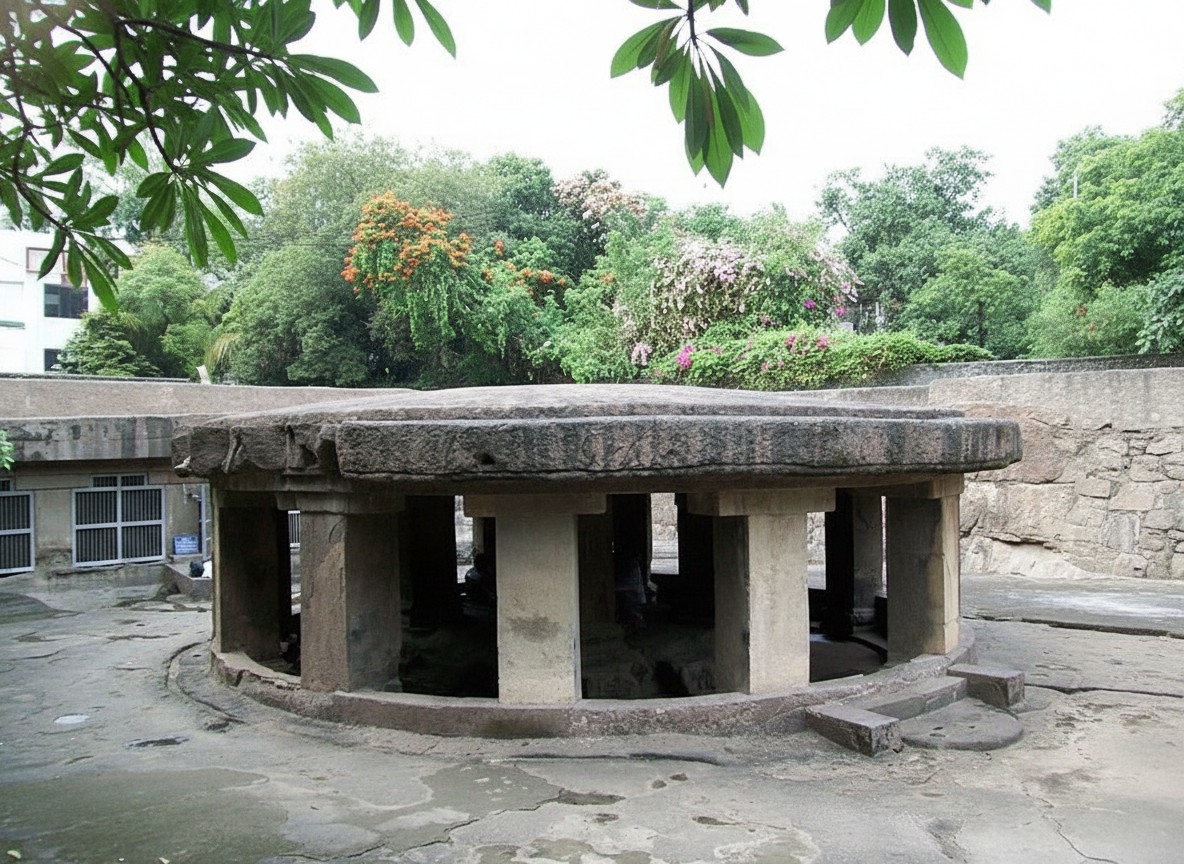
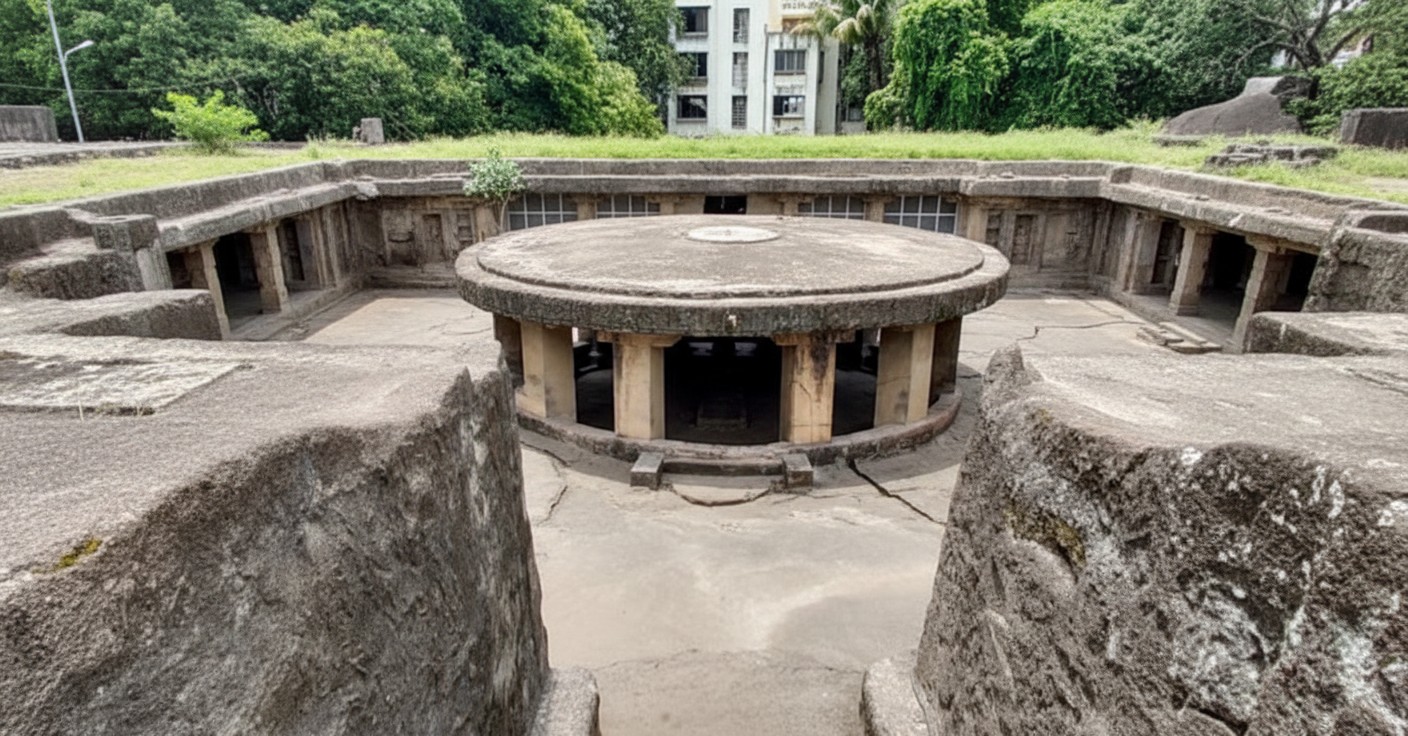
Pataleshwar Cave Temple is an ancient 8th-century rock-cut Shiva temple carved from a single basalt rock, located in the heart of Pune city. It is a peaceful heritage site showcasing early Rashtrakuta architecture.
Pataleshwar Cave Temple, also known as Panchaleshvara, is one of the oldest surviving monuments in Pune. It was carved during the 8th century CE, under the Rashtrakuta dynasty. The temple is dedicated to Lord Shiva and features a large Shiva Lingam in the sanctum.
The cave complex includes a pillared mandapa, a garbhagriha (sanctum), and several subsidiary shrines. Though the temple was never fully completed, it remains an excellent example of early Indian rock-cut architecture inspired by Ellora Caves.
Despite being surrounded by busy city roads, the temple offers a calm and spiritual atmosphere, making it a popular spot for history lovers, devotees, students, and tourists.
🎯 Things to do
- Worship and meditation
- Heritage & architectural photography
- Explore rock-cut pillars and carvings
- Learn about Rashtrakuta-era history
- Enjoy peaceful surroundings in city center
- Sit quietly for spiritual relaxation.
📍 Near By
- relaxation: Saras Baug – 3 km
- Empress Garden – 4 km
- Pune University Garden – 4 km
- Kamala Nehru Park – 2.5 km
- Peshwe Park (Late Sanjay Gandhi Udyan) – 3 km
- Taljai Hills – 7 km.